Categories
Fitness

Essential Strength Training Exercises for Weight Loss

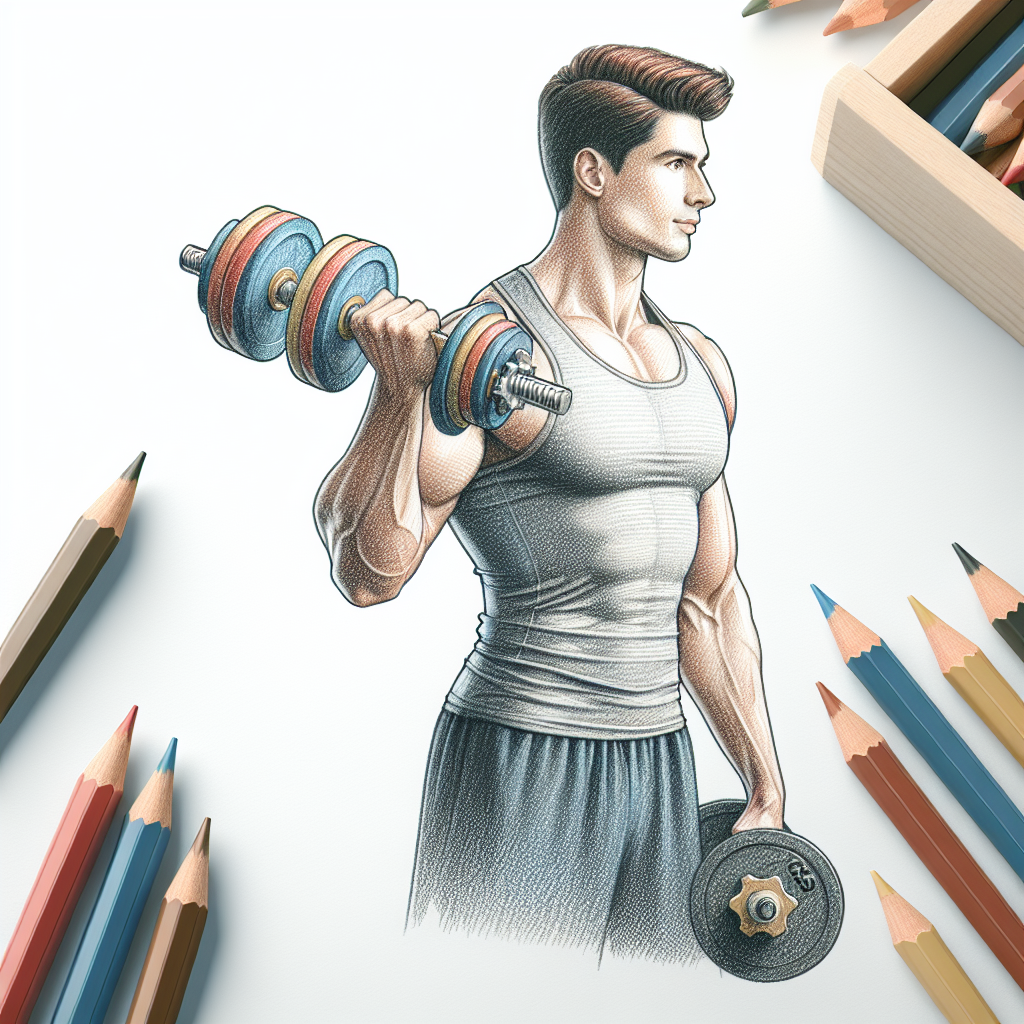
Strength training exercises have long been celebrated for their myriad benefits, particularly in fostering muscle growth, improving physical endurance, and aiding in weight management. For those embarking on a weight loss journey, incorporating strength training can be particularly transformative. This article delves into the significance of strength training, showcases effective exercises, and emphasizes the role of short, high-impact workouts which can easily fit into a busy lifestyle.

  • Understanding Strength Training
  • Benefits of Strength Training for Weight Loss
  • Effective Strength Training Exercises
  • The Magic of Short Workouts at Home
  • When to Consult a Professional
  • Common Myths and Mistakes
  • FAQ
  • Conclusion

Understanding Strength Training

Strength training, also known as resistance training, involves exercises designed to improve strength and endurance. It typically involves lifting weights or using resistance bands, with the aim of working major muscle groups. The adaptations that occur from strength training include the development of muscle fibers, increased metabolism, and enhanced bone density.

Benefits of Strength Training for Weight Loss

Many people consider cardio as the ultimate solution for weight loss. While it certainly plays a role, strength training is equally, if not more, significant in achieving lasting weight management. The benefits include:

  • Increased Metabolism: More muscle mass elevates your resting metabolic rate, allowing you to burn more calories at rest.
  • Fat Loss: Strength training helps in building lean muscle, which contributes to a reduction in body fat percentage.
  • Sustained Weight Loss: By incorporating strength training, individuals are more likely to maintain weight loss as it supports long-term muscle retention.

Effective Strength Training Exercises

Below are some fundamental strength training exercises that can be performed at home or in a gym setting:

  • Squats: Engage the lower body, focusing on your quadriceps, hamstrings, and glutes.
  • Push-Ups: A great upper body exercise targeting the chest, shoulders, and triceps.
  • Dumbbell Rows: Helps in strengthening the back muscles. They can be performed with just a pair of dumbbells.
  • Planks: A core strength exercise that also improves shoulder stability.

The Magic of Short Workouts at Home

In today’s fast-paced world, finding time to work out can be a challenge. This is where the magic of six-minute short workouts comes into play. These concise, high-intensity routines maximize benefits in minimal time, making them incredibly efficient. Short workouts can:

  • Enhance metabolic function without requiring extensive time commitments.
  • Fit effortlessly into daily routines, be it in the morning or during a break.
  • Provide immediate boosts in mood and energy levels, enabling better focus throughout the day.

If you’re curious about how to incorporate these transformative workouts into your life, consider trying the 30-day free SixPack workout program.

When to Consult a Professional

While strength training is highly beneficial, there are instances when it is advisable to consult a healthcare professional or personal trainer:

  • If you have pre-existing health conditions or injuries.
  • If you experience pain or discomfort during exercises.
  • When seeking specialized guidance to avoid injury and improve effectiveness.

Common Myths and Mistakes

Despite the known benefits of strength training, several myths persist:

  • Myth 1: Lifting weights makes you bulky: In reality, most women do not have the hormonal capacity to gain muscle mass significantly.
  • Mistake 1: Neglecting recovery: Adequate rest is crucial for muscle repair and growth.
  • Myth 2: You need to lift heavy weights to gain benefits: Bodyweight exercises can be exceptionally effective.

FAQ

What is the best time to do strength training?

Strength training can be performed at any time of day. Consistency is more important than timing.

How many times a week should I train?

Generally, 2-3 sessions per week are sufficient for beginners, with rest days in between for recovery.

Can I lose weight with strength training alone?

While strength training aids in weight loss, pairing it with cardiovascular exercise and a balanced diet maximizes results.

Do I need expensive equipment for strength training?

No, many effective strength training exercises can be performed using body weight or minimal equipment like resistance bands and dumbbells.

How long do strength workouts typically last?

A workout can vary from 30 minutes to an hour, but short effective workouts can be as brief as six minutes, as outlined earlier.

What should I eat before strength training?

A light meal containing carbohydrates and protein about 30 minutes before training can provide necessary energy.

Conclusion

  • Strength training is a valuable tool in any weight loss journey.
  • It not only aids in fat loss but also boosts metabolism and promotes muscle retention.
  • Short, six-minute workouts can effectively fit into your busy schedule, yielding significant benefits.
  • Consulting a professional can enhance your training experience and ensure safety.
  • Overcoming common myths and mistakes can lead to a more effective and enjoyable strength training regimen.

Embrace strength training today as part of your weight loss journey, and discover the immense benefits it can offer. For a systematic approach, register for the 30-day free SixPack workout program and start making positive changes in your life.

Author: John Angel
Related articles

Categories
Fitness

Weight Training: Essential Guide to Boosting Fitness and Fat Loss

Weight Training: A Comprehensive Guide to Achieving Your Fitness Goals

The journey toward weight loss and improved fitness often feels overwhelming, but incorporating weight training can significantly enhance results. Engaging in weight training not only augments muscle strength and endurance but also catalyzes fat loss, ensuring a more effective weight loss journey. In this article, we will explore the intricacies of weight training, its benefits, common misconceptions, and practical steps to incorporate it into your daily routine.

  • Understanding the Basics of Weight Training
  • The Benefits of Weight Training for Weight Loss
  • Effective Weight Training Techniques
  • Addressing When to Consult a Professional
  • Common Myths and Misconceptions
  • Frequently Asked Questions
  • Conclusion and Call to Action

Understanding the Basics of Weight Training

Weight training, or resistance training, involves exercises that improve strength and endurance by working against an external force, such as free weights, resistance bands, or body weight. The principles of weight training are primarily grounded in progressive overload, which dictates that increasing the weight or resistance will stimulate muscle growth and adaptation.

Types of Weight Training

Weight training encompasses a variety of methods, including:

  • Free Weights: Utilizing weights such as dumbbells and barbells.
  • Resistance Machines: Machines designed to enhance isolation of specific muscles.
  • Bodyweight Exercises: Activities like push-ups and squats that leverage your body weight.

The Benefits of Weight Training for Weight Loss

Integrating weight training into your fitness routine comes with a myriad of benefits that directly contribute to a successful weight loss journey. These include:

  • Increased Muscle Mass: More muscle increases your resting metabolic rate, meaning you burn more calories even at rest.
  • Enhanced Fat Loss: Weight training can lead to a greater percentage of fat loss compared to cardio alone.
  • Improved Body Composition: Regular resistance training can lead to a more toned appearance as you lose fat and gain muscle.
  • Greater Functional Strength: Increases overall physical strength, making daily activities easier.

Effective Weight Training Techniques

To maximize the benefits of your weight training routine, consider the following techniques:

  1. Start Light: Begin with lighter weights to ensure proper form before advancing to heavier weights.
  2. Focus on Compound Movements: Exercises like squats, deadlifts, and bench presses engage multiple muscle groups, offering greater efficiency.
  3. Incorporate Short Workouts: The magic of six-minute short workouts at home, such as the SixPack workout program, proves that impactful training doesn’t have to be time-consuming. Consistency matters more than duration.
  4. Prioritize Rest: Allow muscle groups at least 48 hours to recover before targeting them again.
  5. Track Your Progress: Keep a journal of your workouts to monitor changes in strength and technique.

Interested in exploring a structured program? Discover the SixPack workout, which offers a 30-day free registration. Sign up here and take the first step in your weight loss journey!

When to Consult a Professional

There are circumstances in which consulting a fitness professional becomes necessary. Consider seeking guidance if:

  • You are new to exercise or weight training.
  • You have pre-existing medical conditions, such as heart disease or diabetes.
  • You are unsure about correct form and technique.
  • You experience pain during exercises that persists after resting.
  • You have specific fitness goals that require tailored workouts.

Common Myths and Misconceptions

Understanding the truth behind prevalent myths concerning weight training is essential for a successful and informed approach:

  • Myth 1: Weight training is only for bodybuilders. Truth: It benefits everyone, regardless of fitness objectives.
  • Myth 2: Lifting weights will make you bulky. Truth: Muscle tone is achieved without excessive bulk.
  • Myth 3: Cardio is superior for weight loss. Truth: Weight training plays a crucial role in fat loss as well.

Frequently Asked Questions

What is the best way to start weight training?

Begin with lighter weights to master your form, focusing on compound exercises that engage various muscle groups.

How often should I weight train for the best results?

Aim for 2-4 times per week, ensuring to allow at least 48 hours of recovery for each muscle group.

Is it necessary to do cardio alongside weight training?

While weight training is effective for muscle building and weight loss, combining it with cardio can enhance cardiovascular health and endurance.

Can I build muscle with just bodyweight exercises?

Yes, bodyweight exercises can effectively build strength and muscle when performed with the right intensity and frequency.

How long before I see results from weight training?

Many individuals notice improvements in strength and fitness within a few weeks; visible changes may take 3-6 months depending on your routine and nutrition.

Is it normal to feel sore after weight training?

Muscle soreness is a common response to new or intense workouts. However, persistent pain could indicate injury, and you should consult a professional.

Conclusion

  • Weight training is an effective strategy for enhancing your weight loss journey.
  • It increases muscle mass, boosts metabolism, and encourages fat loss.
  • Adapting efficient techniques is crucial for maximizing results.
  • Know when to seek professional advice for your safety and success.
  • Understanding and dispelling myths will empower you in your fitness journey.

As you embark on your weight loss journey, consider incorporating structured workouts designed for efficiency and transformation. Explore the SixPack program for six-minute short workouts at home. Join today for a free 30-day trial and experience the power of a focused fitness approach!

Author: John Angel

Related articles

Categories
Fitness

Free Bodyweight Workout Program for Weight Loss

Free Bodyweight Workout Program for Your Weight Loss Journey

Embarking on a weight loss journey can feel overwhelming, especially when trying to navigate workout programs that require expensive memberships or complex equipment. However, a free bodyweight workout program offers an accessible and effective solution that can fit seamlessly into your daily routine. With just six minutes of dedicated effort at home, you can harness the transformative magic of short workouts, ultimately leading to better health and wellness.

  • Understanding Bodyweight Workouts
  • The Convenience of Six-Minute Sessions
  • Creating Your Free Bodyweight Workout Program
  • When to Consult a Professional
  • Common Misconceptions About Bodyweight Training
  • FAQs
  • Conclusion

Understanding Bodyweight Workouts

Bodyweight workouts utilize your own weight as resistance, allowing you to engage multiple muscle groups without the need for external equipment. This exercise modality is particularly advantageous for beginners as it can be modified easily based on individual fitness levels. Furthermore, it eliminates financial barriers associated with gym memberships, making physical fitness more inclusive.

The Convenience of Six-Minute Sessions

In our fast-paced world, finding time to exercise can seem impossible. The magic of six-minute workouts lies in their brevity and efficiency. These short bursts of exercise can be easily scheduled into any part of your day, whether during your lunch break or while watching TV. Even the busiest individuals can prioritize their health without overhauling their entire lifestyle.

Benefits of Short Workouts

  • Time-Efficient: You can complete an effective workout in under six minutes.
  • Consistency: Short sessions are easier to commit to regularly.
  • Accessibility: Requires no equipment and can be done anywhere.
  • Increased Metabolism: Quick bursts of activity can elevate your metabolic rate.
  • Enhanced Mood: Short workouts release endorphins, improving mental well-being.

Creating Your Free Bodyweight Workout Program

A successful bodyweight workout program should be structured yet adaptable based on your personal goals and fitness level. Here’s a simple guide to creating your free bodyweight workout program:

  1. Choose Your Exercises: Incorporate exercises like push-ups, squats, and planks that target multiple muscle groups.
  2. Set a Schedule: Aim for five to six days a week to create a consistent exercise habit.
  3. Warm-Up: Begin each session with a 1-2 minute warm-up to prepare your muscles.
  4. Workout: Perform short bursts of 30 seconds of each exercise with 10 seconds of rest between movements.
  5. Cool Down: Spend a few minutes stretching to promote flexibility and recovery.

For more structured guidance, you can register for the SixPack workout program for 30 days for free, which offers tailored six-minute workouts to jumpstart your fitness routine!

When to Consult a Professional

While bodyweight workouts are generally safe for most individuals, there are certain instances where professional guidance is essential. If you experience any of the following, it is advisable to consult with a healthcare professional or certified trainer:

  • Persistent pain during or after workouts
  • Significant mobility challenges
  • Previous injuries that may affect your ability to exercise safely
  • Underlying health conditions that require tailored exercise plans
  • Uncertainty about proper form to prevent injury

Common Misconceptions About Bodyweight Training

Despite its effectiveness, bodyweight training is often surrounded by misconceptions. Understanding these will help you make informed decisions about your fitness journey.

  • Myth 1: Bodyweight workouts are not intense enough.
  • Myth 2: They are only suitable for beginners.
  • Myth 3: Bodyweight exercises do not build muscle.
  • Myth 4: You cannot achieve real results without equipment.
  • Myth 5: Routine is better than variety.

FAQs

Can I lose weight with bodyweight workouts?

Yes, bodyweight workouts can contribute significantly to weight loss when combined with a balanced diet and regular exercise.

How often should I do bodyweight workouts?

For optimal results, aim for 3-6 days per week, adjusting intensity based on your fitness level.

Do I need a warm-up before a bodyweight workout?

Yes, warming up prepares your muscles and reduces the risk of injury.

Are bodyweight workouts suitable for all ages?

Yes, they can be modified to suit varying fitness levels, making them accessible for all age groups.

How long until I see results from bodyweight workouts?

Results can vary, but many people begin to notice improvements in strength and endurance within a few weeks.

Can I integrate bodyweight workouts into my existing routine?

Absolutely! Bodyweight exercises complement various workout programs and can be added at any point.

Conclusion

  • Bodyweight workouts enhance accessibility to fitness, requiring no special equipment.
  • Six-minute sessions provide a time-efficient means of achieving your health goals.
  • Consistency in your workout schedule is key to effectiveness.
  • Professional guidance may be necessary in specific circumstances.
  • Dispelling common myths can help you embrace bodyweight training confidently.

Embarking on a weight loss journey does not have to be complicated or expensive. With dedication and the right approach, a free bodyweight workout program can be a valuable part of your fitness toolkit. If you’re ready to jumpstart your journey, consider registering for the SixPack workout program for 30 days for free today!

Author: John Angel

Related articles

Categories
Fitness

Effective Free Weight Workout Program for Weight Loss

Free Weight Workout Program: Start Your Weight Loss Journey Today

The journey towards optimal health and sustainable weight loss can often feel daunting. However, the introduction of a structured free weight workout program allows individuals to incorporate effective exercise routines into their daily lives without the need for expensive gym memberships or equipment. By utilizing just a few weights and a commitment to regular practice, one can experience transformative benefits in both physical and mental well-being. This article explores the advantages of free weight workouts, focusing on how they can facilitate a dramatic shift in one’s weight loss journey, even in short, six-minute increments.

  • Introduction
  • The Importance of Resistance Training
  • Benefits of Short Workouts
  • Designing Your Free Weight Workout Program
  • Steps to Get Started
  • When to Consult a Professional
  • Myths and Misconceptions
  • Frequently Asked Questions
  • Conclusion

The Importance of Resistance Training

Resistance training is an essential component of any fitness regimen, particularly for those focusing on weight loss. It not only helps in building lean muscle mass but also enhances metabolism, enabling the body to burn more calories even at rest. By engaging multiple muscle groups, free weight exercises can lead to more significant improvements in strength and endurance, contributing positively to everyday activities.

Benefits of Short Workouts

In today’s fast-paced world, finding the time to work out can be challenging. This is where the magic of six-minute workouts comes into play. Short, focused exercises can lead to impressive results while accommodating even the busiest schedules.

  • Time Efficiency: With as little as six minutes, one can effectively engage in a rigorous workout that promotes weight loss.
  • Mental Boost: Short bursts of exercise trigger the release of endorphins, enhancing mood and motivation.
  • Consistency: Short workouts are easier to commit to, fostering a habit that paves the way for long-term health improvements.

Designing Your Free Weight Workout Program

Creating an effective free weight workout program does not have to be complicated. Here are essential elements to include:

  • Warm-Up: Begin each session with dynamic stretches to prepare your muscles.
  • Core Exercises: Incorporate exercises like squats, lunges, and deadlifts that work multiple muscle groups.
  • Upper Body Focus: Include overhead presses, bent-over rows, and bicep curls to enhance upper body strength.
  • Cooldown: Conclude with static stretches to help with recovery and flexibility.

Steps to Get Started

  1. Assess your current fitness level and set realistic goals for your weight loss journey.
  2. Select appropriate free weights (dumbbells or resistance bands) to suit your starting strength.
  3. Create a weekly schedule allocating time for these six-minute workouts.
  4. Monitor progress regularly to keep track of improvements in strength and endurance.
  5. Consider joining our SixPack workout program for 30 days for free to guide you on your journey.

When to Consult a Professional

While many can benefit from undertaking free weight workouts independently, certain circumstances warrant professional advice. If you experience persistent pain, have underlying health conditions, or feel unsure about how to perform exercises correctly, consulting with a certified trainer or healthcare professional is recommended. They can provide personalized guidance and ensure you are exercising safely.

Myths and Misconceptions about Free Weights

Several myths linger in the fitness community regarding free weights that can hinder progress:

  • Myth 1: Lifting weights will make you bulky. This is false; weight training can enhance muscle tone without significant bulk.
  • Myth 2: Free weights are only for athletes.Anyone can benefit from strength training, regardless of fitness level.
  • Myth 3: You need a gym. Free weights can be used effectively at home with minimal space required.

Frequently Asked Questions

What are free weights?

Free weights are portable equipment, such as dumbbells and kettlebells, that are used for strength training exercises without being fixed to a machine.

How often should I do free weight workouts?

It is generally recommended to engage in strength training exercises at least two to three times a week.

Are short workouts effective for weight loss?

Yes, short workouts can be highly effective as they promote increased activity levels and can fit easily into a busy lifestyle.

Can beginners use free weights?

Absolutely! Beginners can start with lighter weights and focus on proper form before progressing to heavier weights.

What should I do if I feel pain while exercising?

If you experience pain, stop the exercise immediately and consult a healthcare professional if the pain persists.

Will I see results quickly with a free weight program?

Results can vary depending on individual effort and consistency, but many people notice improvements in strength and endurance within a few weeks.

Conclusion

  • Free weight workouts are essential for a well-rounded fitness routine.
  • Short, six-minute sessions can accommodate busy schedules and promote mental well-being.
  • Consistent practice can lead to notable improvements in strength and body composition.
  • Consulting a professional may be necessary in certain situations to ensure safety and effectiveness.
  • Overcoming myths surrounding weight training can enhance motivation and accessibility.

Embark on your weight loss journey today by exploring the advantages of a free weight workout program. With the right approach and determination, significant changes are within your reach. For guidance and support in crafting the perfect routine, consider registering for our SixPack workout program for 30 days for free and optimize your path toward a healthier lifestyle.

Author: John Angel

Related articles

Categories
Fitness

Weight Training for Effective Weight Loss: A Comprehensive Guide

Weight training has emerged as a vital component of effective weight loss journeys for individuals of all ages and fitness levels. Contrary to some misconceptions, engaging in weight training not only aids in fat loss but also enhances muscle definition, boosts metabolism, and improves overall health. By integrating weight training into your routine, you create a sustainable path towards your weight loss goals, making it possible to maintain a healthier lifestyle.

  • Understanding Weight Training’s Role in Weight Loss
  • Benefits of Short Workouts at Home
  • Getting Started: Mix It Up
  • Common Myths about Weight Training and Weight Loss
  • When to Consult a Professional
  • Frequently Asked Questions

Understanding Weight Training’s Role in Weight Loss

Weight training, often seen as the domain of bodybuilders, is incredibly beneficial for anyone looking to lose weight. Muscle is metabolically active tissue, which means it burns calories even at rest. Incorporating strength training into your fitness regimen helps to increase muscle mass, thereby elevating your resting metabolic rate. This can lead to greater weight loss over time as your body becomes more efficient at burning calories.

Benefits of Short Workouts at Home

The idea of lengthy gym sessions can be daunting. However, the magic of six-minute short workouts at home enables anyone to integrate fitness seamlessly into their day. This time-efficient approach offers multiple benefits including:

  • Consistency: Short bursts of exercise are easier to fit into a busy schedule, promoting regular physical activity.
  • Accessibility: Home workouts eliminate travel time, making fitness more approachable.
  • Variety: Small sessions allow for diverse exercises, targeting various muscle groups and preventing boredom.

For those interested in initiating this transformative experience, the SixPack workout program offers a free 30-day trial designed to maximize results in just a few minutes a day.

Getting Started: Mix It Up

To embark on your weight loss journey through weight training, consider the following practical steps:

  1. Choose Your Gear: You don’t need fancy equipment; dumbbells or resistance bands suffice for beginners.
  2. Set a Schedule: Allocate specific days and times for your workouts to cultivate a routine.
  3. Incorporate Compound Movements: Focus on exercises that work multiple muscle groups, such as squats, deadlifts, and bench presses.
  4. Stay Hydrated: Proper hydration is essential for muscle function and overall performance.
  5. Listen to Your Body: Pay attention to how your body feels during and after workouts to prevent injuries.
  6. Track Your Progress: Documenting workouts can help keep motivation high and improve accountability.

When to Consult a Professional

While many individuals can safely engage in weight training independently, certain signs indicate that it may be best to consult a fitness professional. These include:

  • Experiencing pain that intensifies during workouts.
  • Struggling to perform basic movements with proper form.
  • Having a pre-existing medical condition that may affect exercise.
  • Feeling unsure about how to design an effective workout plan.

Consulting a qualified fitness trainer can provide personalized guidance and help prevent injuries, ensuring that your weight loss journey is both effective and safe.

Common Myths about Weight Training and Weight Loss

Misconceptions surrounding weight training can lead to hesitation in starting a program. Here are a few common myths:

  • Myth 1: Weight training makes you bulky.
    Truth: Weight training can help sculpt your body and increase lean muscle without excessive bulk.
  • Myth 2: Cardio is better for weight loss than lifting weights.
    Truth: A combination of both is often the most effective approach.
  • Myth 3: Lifting weights is only for men.
    Truth: Women can benefit greatly from strength training, experiencing improved metabolism and overall health.

Frequently Asked Questions

Can weight training help me lose fat faster than cardio?

Weight training and cardio each have unique benefits. While cardio burns calories during the workout, weight training boosts your metabolism, leading to increased calorie burn even at rest.

How often should I include weight training in my routine?

Incorporating weight training 2-3 times per week can be effective. Ensure there is adequate rest between sessions targeting the same muscle groups.

Is it safe to start weight training if I’m new to exercise?

Yes! Starting with lighter weights and focusing on form is vital. Consider consulting a professional for tailored advice.

What types of weight training are best for beginners?

Beginners may benefit from bodyweight exercises, resistance bands, or light dumbbells incorporating compound movements.

Will I see results quickly with weight training?

Results vary but consistency is key. Many individuals notice improvements in strength and muscle tone within a few weeks.

Should I combine weight training with my current cardio routine?

A combined approach offers maximum benefits. Weight training complements cardio by improving muscle composition and metabolism.

Conclusion

  • Weight training plays a significant role in weight loss by enhancing muscle mass and metabolism.
  • Six-minute home workouts can ease the integration of fitness into a busy lifestyle.
  • It’s essential to mix up routines for long-term adherence and benefit.
  • Consulting a professional can help tailor a program to individual needs.
  • Dispelling myths about weight training can empower individuals to embrace fitness.

Embarking on a weight loss journey through weight training can transform not just your body, but also your mental and emotional health. Remember, you don’t have to navigate this path alone. Consider starting your journey with the free 30-day SixPack workout program — it’s a simple, effective way to integrate fitness into your life!

Author: John Angel

Related articles

Categories
Fitness

Maximize Fitness with Six-Minute Short Workouts at Home

In today’s fast-paced world, maintaining a consistent workout routine can feel daunting, especially for those on a weight loss journey. However, the magic of six-minute short workouts at home presents an accessible solution to achieving fitness goals without overwhelming time commitments. These brief yet impactful sessions can effectively enhance metabolism, improve cardiovascular health, and build strength, all while fitting seamlessly into a busy day. This article will explore the transformative potential of short workouts and why they are ideal for anyone looking to embrace a healthier lifestyle.

  • Understanding the Benefits of Short Workouts
  • The Science Behind Six-Minute Workouts
  • Incorporating Short Workouts into Your Daily Routine
  • Common Myths about Short Workouts
  • When to Consult a Professional
  • Frequently Asked Questions
  • Conclusion

Understanding the Benefits of Short Workouts

Engaging in short workouts can serve as a compelling motivator for individuals embarking on a weight loss journey. These workouts provide numerous benefits:

  • Time Efficiency: With just six minutes, you can elevate your heart rate and boost your metabolism.
  • Accessibility: No gym required; these workouts can be performed at home with minimal space and equipment.
  • Consistency: Short sessions reduce mental barriers, making it easier to incorporate exercise into daily life.
  • Variety: Six-minute workouts can include a mix of cardio, strength training, and flexibility exercises, keeping the routine fresh.

The Science Behind Six-Minute Workouts

Research suggests that high-intensity interval training (HIIT), which often characterizes such short workouts, can enhance fitness levels more effectively than traditional steady-state exercise. HIIT alternates short bursts of vigorous activity with brief rest periods, promoting greater caloric burn and improved cardiovascular fitness in a shorter time frame.

Incorporating Short Workouts into Your Daily Routine

To effectively integrate six-minute workouts into your daily life, consider the following strategies:

  1. Schedule It: Set aside six minutes at specific times—perhaps during your lunch break or right after waking up.
  2. Create a Workout Playlist: Use engaging music to motivate you and keep you energized during workouts.
  3. Find a Partner: Exercising with a friend can provide accountability and make the experience more enjoyable.
  4. Use Online Resources: Join programs, such as the SixPack workout program for inspiration and structure.

Common Myths about Short Workouts

While short workouts offer numerous benefits, certain misconceptions may deter individuals from trying them:

  • Myth: It’s Not Effective: Many believe that longer workouts yield better results; however, consistent six-minute sessions can lead to significant improvements.
  • Myth: You Can’t Build Strength: Short and intense workouts can build muscle effectively, especially when incorporating resistance exercises.
  • Myth: You Must Sweat to Gain Benefits: While sweating can signal an effective workout, the intensity and effort matter more than visible perspiration.

When to Consult a Professional

There are certain circumstances when seeking advice from a professional is necessary:

  • If you experience pain during or after a workout.
  • If you are new to exercising and unsure about proper form.
  • If you have pre-existing health conditions that may affect your ability to exercise.
  • If you’re unsure about creating a balanced fitness regimen tailored to your goals.

Frequently Asked Questions

Can I really achieve weight loss with just six-minute workouts?

Yes, while longer workouts can contribute to weight loss, consistent six-minute high-intensity workouts can also burn calories and improve your metabolism.

How many times a week should I perform these short workouts?

Ideally, aim for three to five sessions per week, allowing for adequate rest and recovery time between sessions.

What equipment do I need for six-minute workouts?

Minimal equipment is necessary; you can utilize bodyweight exercises, a pair of dumbbells, or resistance bands as needed.

Can beginners participate in six-minute workouts?

Absolutely! Modify exercises as needed to match your fitness level, gradually increasing intensity as you progress.

What types of exercises can I incorporate?

You can include cardiovascular exercises, like jumping jacks, strength training moves, like push-ups, and flexibility-focused activities, such as stretching.

Will I see results quickly with six-minute workouts?

Results vary among individuals, but consistency, coupled with a balanced diet, will yield noticeable improvements over time.

Conclusion

  • Short workouts fit seamlessly into busy lifestyles.
  • HIIT methods optimize caloric burn and fitness gains in minimal time.
  • Address common myths surrounding quick workouts to encourage participation.
  • Safeguard your fitness journey by consulting a professional when necessary.
  • Engage with structured programs, such as the SixPack workout program, to streamline your path to fitness.

Embrace the beauty and practicality of six-minute workouts as you embark on your weight loss journey. Remember to listen to your body, stay consistent, and celebrate your progress along the way.

Author: John Angel

Related articles

Categories
Fitness

Effective Workout Classes: Transform Your Fitness Journey

Workout classes have gained immense popularity as a definitive approach to achieving fitness goals, especially for those embarking on a weight loss journey. Not only do they offer structured routines, but they also bring together a community of like-minded individuals, fostering motivation and support. This article explores various aspects of workout classes, focusing on their effectiveness, advantages, and how shorter workouts can work wonders for your everyday life.

  • Introduction to Workout Classes
  • The Allure of Short Workouts
  • Types of Workout Classes Available
  • Advantages of Incorporating Classes into Your Routine
  • Practical Steps to Start Your Journey
  • Recognizing When to Consult a Professional
  • Myths and Misconceptions about Workout Classes
  • FAQs on Workout Classes
  • Conclusion and Call to Action

Introduction to Workout Classes

Workout classes provide structured environments where individuals can engage in exercise routines led by qualified instructors. These classes range from high-intensity interval training (HIIT) to yoga, catering to various fitness levels and preferences. For those pursuing a weight loss journey, workout classes can deliver effective regimes tailored to burn calories while simultaneously building endurance and strength.

The Allure of Short Workouts

The magic of six-minute short workouts at home lies in their accessibility and effectiveness. In today’s fast-paced world, finding time for lengthy workout sessions can be daunting. However, the beauty of short workouts is their ability to fit seamlessly into even the busiest of schedules.

Moreover, research suggests that short bursts of intense activity can elevate your heart rate effectively, supporting fat loss while promoting metabolic boosts throughout the day. Six-minute workouts require minimal equipment and can be performed at home, making them a practical choice for those starting their fitness journey.

Types of Workout Classes Available

There is a diverse array of workout classes available, appealing to different tastes and fitness levels:

  • Cardio Classes: These include Zumba, kickboxing, and step aerobics, focusing on improving cardiovascular health.
  • Strength Training: Classes such as body pump and circuit training involve weights or resistance to build muscle.
  • Flexibility and Balance: Yoga and Pilates classes help improve flexibility, stability, and overall core strength.
  • High-Intensity Interval Training (HIIT): Short, intense bursts of exercises followed by rest, great for calorie burning and endurance.

Advantages of Incorporating Classes into Your Routine

Attending workout classes presents numerous benefits:

  • Motivation: Group settings foster a sense of accountability, pushing individuals to perform better.
  • Structured Guidance: Professional instructors provide planning and technique correction, minimizing injury risks.
  • Diverse Options: Variety keeps workouts fresh and engaging, reducing the likelihood of boredom.
  • Community Support: Engaging with others who share similar goals creates a support system that can enhance determination.

Practical Steps to Start Your Journey

Begin your workout class journey with these simple steps:

  1. Assess Your Goals: Identify what you want to achieve, whether it is weight loss, muscle gain, or improved flexibility.
  2. Research Class Options: Explore local gyms or online platforms for classes that resonate with your preferences.
  3. Register for a Class: Consider trying a variety of classes to find what you enjoy most. If you’re interested, you can register for the SixPack workout program for 30 days for free.
  4. Establish a Routine: Allocate time in your weekly schedule dedicated to classes for consistency and progress.
  5. Track Your Progress: Monitor your improvements to stay motivated and adjust your goals accordingly.

Recognizing When to Consult a Professional

While workout classes offer numerous advantages, there are circumstances where seeking professional guidance is advisable:

  • If you experience pain beyond normal muscle soreness during workouts.
  • If you have a pre-existing health condition that could be affected by increased physical activity.
  • If you are unsure of proper form or technique, leading to potential injury risks.
  • If you are not making progress and feel overwhelmed, consider consulting a fitness coach.

Myths and Misconceptions about Workout Classes

Several myths surround workout classes that can deter individuals from participating:

  • Myth 1: Classes are only for fitness enthusiasts.
  • Myth 2: You need to be in shape to start.
  • Myth 3: All workout classes are too intense.
  • Myth 4: You won’t achieve results with shorter workouts.

FAQ on Workout Classes

What is the typical duration of a workout class?

Most classes range from 45 to 60 minutes, although shorter formats are also available.

Do I need to bring my equipment to classes?

Most gyms provide equipment; however, some classes may require personal items like yoga mats or weights.

Can I lose weight through these classes?

Yes, combined with a balanced diet, many classes help in reducing weight effectively.

Are there classes for beginners?

Absolutely! Many gyms offer introductory classes designed specifically for beginners.

What should I wear to a workout class?

Comfortable, breathable clothing and proper footwear are recommended for safety and support.

How often should I attend classes?

It is advisable to participate in classes 3-4 times a week for optimal results; however, listen to your body and rest when needed.

Conclusion and Call to Action

  • Workout classes provide structured fitness routines suitable for all levels.
  • Shorter workouts are effective and fit well into busy lifestyles.
  • Classes foster motivation and a supportive community.
  • Professional guidance ensures safety and progress.
  • Myths surrounding classes can be dispelled by engaging with varied formats.

Embark on your journey towards fitness by exploring the diverse range of workout classes available, and remember, you don’t have to walk this path alone. For those ready to begin or elevate their fitness journey, consider registering for the SixPack workout program for 30 days for free to kickstart your transformation.

Author: John Angel

Related articles

Categories
Fitness

Effective Strength Training Program for Weight Loss

Unlocking the Potential of a Strength Training Program

Embarking on a strength training program can quite literally transform your weight loss journey. With just six minutes a day, you can harness the combined power of resistance training and fat burning, leading not only to a healthier body but also to enhanced physical and mental well-being. This article delves into the key components of an effective strength training program while highlighting the unique benefits of short, intense workouts that you can perform right in the comfort of your home.

  • Understanding Strength Training
  • Benefits of Short Workouts
  • Crafting Your Strength Training Program
  • Professional Guidance: When to Seek Help
  • Debunking Common Misconceptions
  • Frequently Asked Questions
  • Conclusion

Understanding Strength Training

Strength training involves engaging in exercises that improve muscular strength and endurance. Whether by lifting weights, using resistance bands, or performing bodyweight exercises, the goal is to create resistance against your muscles. This resistance helps to develop muscle mass, which, in turn, elevates your metabolism and promotes fat loss.

Benefits of Short Workouts

In an age where time is precious, the magic of six-minute workouts comes to the forefront. These brief but intense bursts of exercise can seamlessly fit into even the busiest of schedules. Not only do they require minimal time commitment, but studies show that short, high-intensity workouts can be remarkably effective. The benefits include:

  • Increased Metabolism: Six minutes of strength training can boost your metabolism, aiding in weight loss.
  • Enhanced Energy Levels: Short workouts are effective at elevating your mood and giving you lasting energy throughout the day.
  • Convenience: Perform them anytime, anywhere—eliminating excuses.
  • Accessibility: No gym membership or specialized equipment is required—ideal for home workouts.

These benefits collectively contribute to advancing your weight loss journey, making it more achievable and enjoyable.

Crafting Your Strength Training Program

Designing an engaging and effective strength training program is crucial for sustained progress. Here are the key steps to create your personalized program:

  1. Set Clear Goals: Determine whether your focus is on weight loss, muscle gain, or improving endurance.
  2. Choose the Right Exercises: Incorporate exercises that target major muscle groups, such as squats, lunges, push-ups, and planks.
  3. Plan Your Schedule: Dedicate specific days and times to workouts, keeping the sessions short—ideally around six minutes.
  4. Track Your Progress: Keeping a record will motivate you to push through plateaus and celebrate your achievements.
  5. Adjust as Necessary: Be flexible and increase intensity or change exercises based on your progress and comfort level.

Remember, consistency is more important than quantity in nurturing a successful strength training program.

Professional Guidance: When to Seek Help

While embarking on a strength training journey is rewarding, there are instances where professional guidance may be prudent. Consult a fitness professional or healthcare provider if you:

  • Experience pain or discomfort that inhibits your exercise.
  • Have pre-existing health conditions or recent surgeries.
  • Are unfamiliar with proper form or technique for exercises.
  • Struggle to develop a balanced program.

Expert guidance can ensure that your training is safe and tailored to your unique needs.

Debunking Common Misconceptions

Strength training, particularly at home, is often surrounded by myths that can discourage individuals from pursuing this beneficial practice. Here are a few common misconceptions:

  • Myth #1: Strength training inevitably leads to bulkiness. Fact: With the right program, you can achieve strength without increased size.
  • Myth #2: Short workouts are ineffective. Fact: Short, intense workouts can be incredibly effective when done correctly.
  • Myth #3: You need a gym to perform strength training. Fact: Bodyweight exercises can provide resistance and are often sufficient for beginners.
  • Myth #4: Rest days are unnecessary. Fact: Recovery is essential for muscle growth and injury prevention.

Understanding these myths can empower you to fully embrace your strength training program and enhance your overall fitness journey.

Frequently Asked Questions

What are the best exercises for beginners in strength training?

For beginners, bodyweight exercises like squats, push-ups, and lunges are excellent as they build a foundation of strength without the risk of injury from heavy weights.

How often should I do strength training for weight loss?

It is recommended to engage in strength training at least two to three times a week, incorporating sufficient rest days for optimal recovery.

Can I combine strength training with cardio exercise?

Absolutely! Combining strength training with cardiovascular exercises can produce exceptional results, aiding both muscle development and fat loss.

Are six-minute workouts sufficient for weight loss?

Yes, six-minute workouts can be effective if performed at high intensity. They can help boost metabolic rate and support weight loss efforts.

Do I need special equipment for strength training at home?

No, many effective strength training exercises can be done with just your body weight. However, resistance bands and light weights can enhance your workouts.

Is it necessary to warm up before starting a workout?

Yes, performing a warm-up is essential to prepare your muscles and joints, reducing the risk of injury during your training.

Conclusion

  • Strength training is vital for enhancing muscle mass and metabolism.
  • Short, six-minute workouts can fit easily into your daily schedule.
  • A well-structured program will ensure consistent progress.
  • Professional guidance may be beneficial for addressing specific health concerns.
  • Dispelling myths around strength training can empower you to pursue your fitness goals with confidence.

As you embark on your strength training program, consider joining the SixPack workout program for 30 days for free. Transform your workouts, enhance your health, and embrace a renewed sense of well-being.

Author: John Angel

Related articles

Categories
Bodyweight Training

Complete Guide to Effective Full Bodyweight Workouts

In today’s fast-paced world, finding time for a comprehensive workout can feel nearly impossible. However, full bodyweight workouts offer an efficient and effective solution for enhancing physical fitness, promoting weight loss, and improving overall health, all without the need for equipment. In this article, we’ll explore the intricacies of these workouts, emphasizing their convenience, efficacy, and the potential to support your weight loss journey. Emphasizing short, six-minute workouts at home can profoundly transform your daily routine.

  • Understanding Full Bodyweight Workouts
  • The Science Behind Short Workouts
  • Benefits of Six-Minute Workouts
  • A Sample Full Bodyweight Workout Plan
  • Common Misconceptions About Bodyweight Training
  • When to Seek Professional Advice
  • Frequently Asked Questions

Understanding Full Bodyweight Workouts

Full bodyweight workouts utilize your own body as resistance, enabling strength training and aerobic activities without additional equipment. These exercises can effectively target multiple muscle groups simultaneously, making them an optimal choice for those with limited time. Moreover, they can be performed anywhere—from the comfort of your living room to a local park—offering versatility that traditional workouts often lack.

The Science Behind Short Workouts

Research indicates that short bursts of high-intensity exercise can yield significant benefits. This approach, known as High-Intensity Interval Training (HIIT), has been linked to improved cardiovascular health, metabolism, and fat loss. By engaging in six-minute intervals of bodyweight exercises, you maximize exertion while minimizing time commitment—a key advantage for individuals navigating a busy schedule.

Benefits of Six-Minute Workouts

The magic of six-minute workouts lies in their straightforward simplicity and time efficiency. Some notable benefits include:

  • Time-Efficiency: Perfect for busy lifestyles, allowing you to fit exercise into tight schedules.
  • Enhanced Metabolic Rate: Short, intensive bursts can elevate your resting metabolic rate for hours post-workout.
  • Improved Mood and Energy: Physical activity releases endorphins, significantly enhancing your mood and energy levels throughout the day.
  • Accessibility: Require no special equipment or gym membership, making it a feasible choice for everyone.
  • Versatility: Can be adapted to suit all fitness levels, progressively challenging yourself as needed.

A Sample Full Bodyweight Workout Plan

Here’s a practical full bodyweight workout plan that fits perfectly into your six-minute time slot:

  1. Jumping Jacks: 1 minute to elevate heart rate.
  2. Push-Ups: 1 minute to strengthen upper body muscles.
  3. Bodyweight Squats: 1 minute to engage lower body muscles.
  4. High Knees: 1 minute for increased cardiovascular activity.
  5. Plank: 1 minute to develop core strength.
  6. Burpees: 1 minute for full-body engagement.

Feel free to repeat this circuit multiple times based on your fitness level and time availability. For a deeper commitment to your fitness journey, consider exploring the SixPack workout program, which offers a 30-day free trial to help you kick off your fitness goals.

Common Misconceptions About Bodyweight Training

Despite the advantages of bodyweight workouts, several misconceptions persist:

  • Myth 1: Bodyweight exercises are only for beginners. Truth: They can be modified for varying skill levels and can effectively challenge advanced athletes.
  • Myth 2: You cannot build muscle with bodyweight training. Truth: Bodyweight exercises can increase muscle tone and strength when performed with sufficient intensity.
  • Myth 3: They do not provide cardiovascular benefits. Truth: High-intensity variations of bodyweight exercises significantly enhance cardiovascular endurance.

When to Seek Professional Advice

While bodyweight training is generally safe for most, there are scenarios when consulting a fitness professional is advisable:

  • If you are new to exercise and unsure how to begin.
  • If you have underlying health conditions or experience persistent pain during workouts.
  • If you’re seeking an advanced personalized workout plan tailored to your specific goals.

Frequently Asked Questions

1. How often should I perform full bodyweight workouts?

It is generally recommended to engage in full bodyweight workouts 3-5 times a week for optimal results.

2. Can bodyweight workouts help with weight loss?

Yes, incorporating bodyweight workouts into your routine can effectively support weight loss, especially when combined with a balanced diet.

3. What is the ideal duration for a bodyweight workout?

Although six-minute bursts are effective, extending workouts to 20-30 minutes can further enhance results. It’s essential to find a duration that fits your schedule.

4. Can beginners perform bodyweight exercises?

Absolutely! Bodyweight exercises can be easily modified to suit beginners and progressively increased in intensity.

5. Do I need any equipment for bodyweight workouts?

No equipment is necessary; your body is sufficient resistance for effective training.

6. What are the best bodyweight exercises for strength?

Push-ups, squats, lunges, and planks are all excellent bodyweight exercises that build strength and endurance.

Conclusion

  • Full bodyweight workouts offer flexibility and efficiency.
  • Short, six-minute workouts can elevate your fitness routine.
  • Consistent bodyweight training is effective for weight loss journeys.
  • Common myths regarding bodyweight training should be addressed.
  • Consulting a professional may be necessary for personalized guidance.

Embracing a full bodyweight workout routine can significantly enhance your journey toward fitness. Start today, explore the SixPack workout program, and discover the transformative power of consistent exercise.

Author: John Angel

Related articles

Categories
Fitness

Effective Weight Workouts for Weight Loss: A Comprehensive Guide

Weight workouts can be a highly effective avenue for those on a weight loss journey. Though often overshadowed by cardio, strength training offers unique benefits that can transform your physique and enhance overall well-being. This article explores the potential of weight workouts, particularly focusing on shorter durations, making them accessible for busy individuals seeking to shed pounds.

  • Understanding Weight Workouts
  • Benefits of Short Workouts
  • How to Structure Your Weight Workout
  • Common Myths About Weight Training
  • When to Seek Professional Guidance
  • Frequently Asked Questions

Understanding Weight Workouts

Weight workouts involve exercises using resistance to build muscle strength and endurance. Unlike cardio, which primarily focuses on burning calories, strength training builds lean muscle mass, improving your basal metabolic rate. This means even when you’re at rest, your body burns more calories. Integrating weight training into your routine can accelerate your weight loss journey effectively.

Benefits of Short Workouts

One of the most appealing aspects of weight training is the ability to achieve results in brief sessions. Short, focused workouts of six minutes can complement a busy lifestyle while maximizing benefits. Here are some advantages:

  • Convenience: Quickly fit into your day with minimal equipment.
  • Efficiency: Engaging multiple muscle groups promotes increased calorie burn.
  • Consistency: Short workouts are easier to commit to regularly.
  • Mental Boost: Quick sessions can elevate mood and energy levels.

With busy schedules dominating our lives, integrating small bursts of activity can make a significant difference. Sign up now to register for the SixPack workout program for 30 days free and experience the magic of six-minute workouts from the comfort of your home.

How to Structure Your Weight Workout

A structured approach can enhance the effectiveness of your weight workouts. Here is a simple template to get started:

  1. Warm-Up: Spend 1 minute on dynamic stretches to prepare your muscles.
  2. Strength Exercises: Choose two to three exercises, such as squats, push-ups, or lunges, for a total of 4 minutes. Aim for 30 seconds of work followed by 15 seconds of rest for each exercise.
  3. Cool Down: Conclude with a minute of stretching to relax your muscles and lower heart rates.

Common Myths About Weight Training

Despite its benefits, several misconceptions about weight workouts remain prevalent:

  • Myth 1: Weight training is only for bodybuilders. Truth: It benefits everyone, from beginners to advanced fitness enthusiasts.
  • Myth 2: Lifting weights will bulk you up. Truth: Strength training can help with weight loss and toning, not just muscle growth.
  • Myth 3: You need to spend hours lifting weights. Truth: Short, focused sessions can be equally effective.

When to Seek Professional Guidance

While many can successfully embark on their weight loss journey independently through workouts, certain situations warrant professional assistance:

  • If you experience persistent pain during exercise.
  • If you lack knowledge regarding proper form, risking injury.
  • When existing health conditions may alter workout limitations, such as heart issues or chronic pain.

Consulting a fitness professional can provide valuable insights tailored to your specific needs.

Frequently Asked Questions

How often should I do weight workouts for weight loss?

Aim for at least two to three times per week, focusing on different muscle groups each session.

Is weight training effective for beginners?

Absolutely! Beginners can start with lighter weights and gradually increase as they gain confidence and strength.

Can short workouts really contribute to weight loss?

Yes, consistent short workouts can effectively contribute to weight loss by increasing overall calorie expenditure.

Do I need a gym for weight workouts?

No, many weight workouts can be performed at home using bodyweight exercises or minimal equipment like dumbbells.

How can weight training help with metabolism?

Building muscle increases your resting metabolic rate, helping your body burn more calories throughout the day.

What is the best way to start a weight workout routine?

Begin with short sessions focusing on form, gradually increasing intensity and complexity as you adapt.

Conclusion

  • Weight workouts are crucial for effective weight loss.
  • Short, focused sessions can seamlessly integrate into a busy lifestyle.
  • Understanding proper structure enhances workout efficiency.
  • Debunking myths surrounding weight training empowers all fitness levels.
  • Seeking professional guidance may be necessary for safe and effective training.

Embarking on your weight loss journey need not be overwhelming. Understand the importance of incorporating weight workouts into your regimen and witness transformative results. Join an engaging program that fits your lifestyle—register for the SixPack workout program for 30 days free and discover the power of six-minute workouts today!

Author: John Angel

Related articles

Website analytics information

We use Google Analytics 4 for visitor statistics. Analytics cookies require your consent, which you can change using the button above. The data controller is ZDRAVÍ S ÚSMĚVEM s.r.o., company ID 29283329, contact podpora@revolucnicviceni.cz. Google processes browser, device and page visit information. We do not send form field values to Analytics. How Google uses information · Google Privacy Policy.