Categories
Home Workouts

Effective Leg Exercises You Can Do Without Equipment

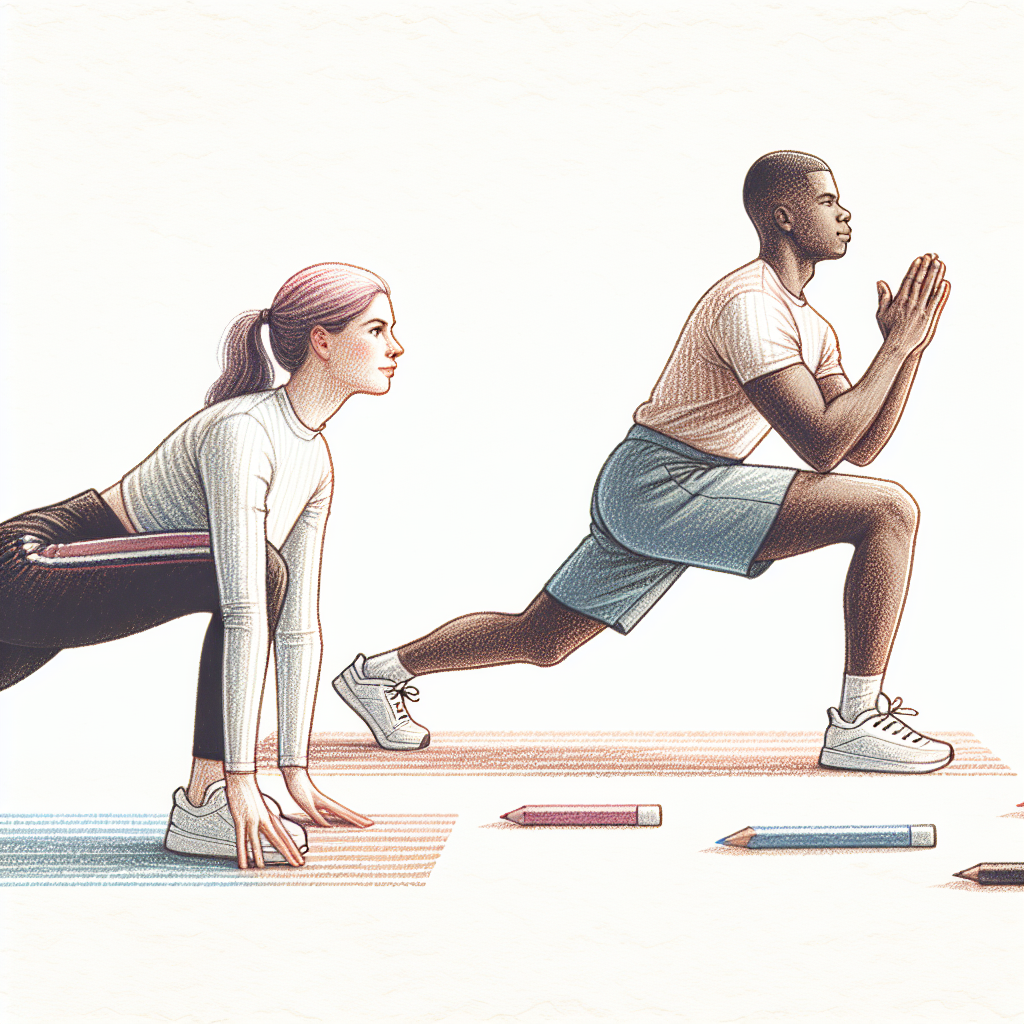
Leg exercises are an essential component of any fitness routine, significantly contributing to overall functionality, balance, and strength. The best part? You can effectively engage in these exercises without the need for any specialized equipment. This article will explore various leg exercises you can incorporate into your daily routine, along with their benefits and practical guidance.

  • Introduction
  • Key Benefits of Leg Exercises
  • Essential Leg Exercises Without Equipment
  • Safety and Form Considerations
  • When to Consult a Professional
  • Common Myths and Misconceptions
  • FAQ
  • Conclusion

Key Benefits of Leg Exercises

Leg exercises yield numerous benefits that stretch beyond mere aesthetics. They enhance muscular endurance, improve circulation, and promote joint stability. Additionally, stronger legs contribute to improved athletic performance and decrease the risk of injuries. When performed consistently, these exercises can even elevate your mood and contribute to overall well-being.

Essential Leg Exercises Without Equipment

1. Bodyweight Squats

Bodyweight squats are a foundational exercise that targets the quadriceps, hamstrings, and glutes. To perform a squat:

  1. Stand with feet shoulder-width apart.
  2. Lower your body as if sitting back into a chair, keeping your chest up and knees behind your toes.
  3. Return to the starting position, squeezing your glutes at the top for maximum contraction.

2. Lunges

Lunges work the same muscle groups while also improving balance. To execute a proper lunge:

  1. Start in a standing position, feet hip-width apart.
  2. Step forward with one leg, lowering your hips until both knees are bent at about a 90-degree angle.
  3. Push back to the starting position and repeat with the opposite leg.

3. Glute Bridges

Glute bridges are effective for engaging the posterior chain. Here’s how to do them:

  1. Lie on your back with your knees bent and feet flat on the ground.
  2. Lift your hips toward the ceiling, squeezing your glutes at the top.
  3. Lower back down and repeat.

4. Calf Raises

Calf raises strengthen the gastrocnemius and soleus muscles. Follow these steps:

  1. Stand on the edge of a step with your heels hanging off.
  2. Raise your heels as high as you can.
  3. Slowly return to the starting position.

5. Wall Sits

This exercise is excellent for building endurance in the legs. To perform a wall sit:

  1. Lean against a wall with your feet shoulder-width apart.
  2. Slide down until your thighs are parallel to the ground, as if sitting in an invisible chair.
  3. Hold for as long as you can, aiming for at least 30 seconds.

Safety and Form Considerations

Maintaining proper form during leg exercises is crucial to prevent injuries. Ensure your knees do not cave in during squats and lunges, and keep your core engaged to stabilize your body throughout the movements. If you experience any pain (sharp or persistent), stop immediately and reassess your form.

When to Consult a Professional

While leg exercises can generally be performed by most individuals, certain situations warrant professional advice. Consult a qualified fitness trainer or healthcare provider if you:

  • Have pre-existing conditions or injuries.
  • Are unsure about proper exercise techniques.
  • Experience pain during exercises.
  • Seek a personalized workout plan that caters to your needs.

Common Myths and Misconceptions

There are several misconceptions regarding leg exercises, particularly those done without equipment. Here are a few:

  • Myth: Bodyweight exercises are not effective for building muscle.
  • Fact: Bodyweight exercises can indeed build muscle if performed correctly and consistently.
  • Myth: Leg exercises only benefit athletes.
  • Fact: They are beneficial for everyone, enhancing balance, mobility, and everyday functionality.

FAQ

1. How often should I perform leg exercises?

You should aim for 2-3 times a week, allowing for recovery days in between.

2. Can I build muscle with no equipment?

Yes, bodyweight exercises can effectively build strength and muscle mass.

3. What is the best leg exercise for beginners?

Bodyweight squats are excellent for beginners as they are simple and effective.

4. How many repetitions should I do?

Start with 10-15 repetitions per exercise and increase as you become more comfortable.

5. Do I need a warm-up before starting these exercises?

Yes, a warm-up is important to increase blood flow and prevent injuries.

6. Can I combine leg exercises with upper body workouts?

Absolutely! Combining workouts can create a balanced fitness routine.

Conclusion

  • Leg exercises can be effectively performed without any equipment.
  • Bodyweight exercises enhance strength, balance, and mobility.
  • Maintaining proper form is crucial to avoiding injuries.
  • Consult a professional if uncertain about techniques or if experiencing pain.
  • Start small and gradually increase intensity for consistent results.

For those looking for an efficient workout, consider a free 30-day challenge where you only exercise for 6 minutes a day but achieve results similar to traditional gym workouts. Sign up for the program here.

Author: John Angel

Related articles

Categories
Fitness

Effective Bodyweight Workouts: No Equipment Needed

Basic Workout Without Equipment

In today’s fast-paced world, finding time to exercise can be a challenge. However, one need not rely on a gym or expensive equipment to maintain a healthy lifestyle. A basic workout that utilizes body weight can be just as effective in achieving fitness goals. In this guide, we will explore a variety of exercises you can do anywhere, discuss their benefits, and suggest a practical routine that requires only a few minutes of your day.

  • Understanding Bodyweight Exercises
  • Benefits of Working Out Without Equipment
  • Sample Workout Routine
  • When to Consult a Professional
  • Common Misconceptions About Bodyweight Training
  • Frequently Asked Questions (FAQs)
  • Conclusion

Understanding Bodyweight Exercises

Bodyweight exercises are physical activities that utilize your own body weight as resistance. These movements can enhance strength, endurance, flexibility, and overall fitness. Common examples include push-ups, squats, lunges, and planks. One of the greatest advantages of bodyweight training is its versatility; it can be performed almost anywhere, making it accessible to everyone.

Benefits of Working Out Without Equipment

Choosing to engage in bodyweight exercises offers several key benefits:

  • Convenience: No need for a gym membership or bulky equipment.
  • Cost-effective: Free of charge, as it relies solely on your body weight.
  • Versatility: Exercises can be modified to cater to any fitness level.
  • Improved Functional Strength: Enhances movements used in daily activities.
  • Efficient Use of Time: Short workouts can yield effective results, such as the 30-day exercise program that requires only 6 minutes a day and can be registered for free here.

Sample Workout Routine

Below is a simple yet effective 6-minute workout routine that can be customized to various fitness levels:

  1. Jumping Jacks: 1 minute
  2. Push-ups: 30 seconds (modify on your knees if necessary)
  3. Bodyweight Squats: 1 minute
  4. Plank: 1 minute (engage your core and hold the position)
  5. Lunges: 30 seconds (alternate legs)
  6. Burpees: 1 minute (for a total body workout)

To maximize the benefits, ensure each movement is performed with proper form and controlled movements.

When to Consult a Professional

While bodyweight training is generally safe for most individuals, certain situations warrant seeking professional guidance:

  • If you have pre-existing conditions such as injuries or chronic pain.
  • Experiencing unusual discomfort during workouts.
  • Uncertainty about proper form, which can lead to injury.
  • A significant change in physical condition or fitness goals.

Common Misconceptions About Bodyweight Training

Despite its numerous advantages, bodyweight training is often surrounded by myths. Here are some common misconceptions:

  • Myth 1: Bodyweight exercises are only for beginners.
  • Myth 2: Only gym equipment can build muscle and strength.
  • Myth 3: Bodyweight workouts lack intensity.
  • Myth 4: You can achieve optimal results only in a gym setting.

In reality, bodyweight training can be modified to any level of intensity and can effectively build strength and endurance.

Frequently Asked Questions (FAQs)

1. Can I build muscle using only bodyweight exercises?

Yes, when performed correctly and progressively increased in difficulty, bodyweight exercises can effectively build muscle.

2. How often should I perform bodyweight exercises?

Ideally, aim for at least 3-5 times a week, allowing muscle groups to rest in between sessions.

3. Do I need to warm up before bodyweight workouts?

Yes, a proper warm-up is essential to prevent injuries and prepare your body for exercise.

4. Can bodyweight training help with weight loss?

Absolutely. When combined with a balanced diet, bodyweight training can aid in weight loss and body composition improvement.

5. Are bodyweight exercises suitable for all fitness levels?

Yes, exercises can be modified to fit beginner, intermediate, and advanced fitness levels.

6. Is it necessary to join a gym to get fit?

No, bodyweight exercises can provide an effective workout without the need for a gym or equipment.

Conclusion

  • Bodyweight exercises are effective, versatile, and require no equipment.
  • Short workouts can produce significant results when performed consistently.
  • Proper form and technique are crucial to prevent injuries.
  • Consult a professional if you experience discomfort or have specific health concerns.
  • Consider engaging in a guided program for additional motivation and structure.

Incorporate bodyweight exercises into your daily routine and experience the benefits of improved health and fitness without the constraints of a gym. Begin your journey by exploring the 30-day exercise program, which allows you to work out effectively in just 6 minutes a day here.

Author: John Angel

Related articles

Categories
Fitness

Beginner Bodyweight Workout: No Equipment Needed for Results

Embarking on a fitness journey can be daunting, particularly for beginners wary of gym equipment and complex routines. However, bodyweight workouts offer an accessible, effective means of improving strength, flexibility, and overall health without the need for specialized tools. In this article, we will delve into a beginner bodyweight workout that can be performed anywhere, focusing on key exercises that require no equipment and provide tangible results.

  • Understanding Bodyweight Workouts
  • Benefits of Bodyweight Exercises
  • Essential Bodyweight Exercises for Beginners
  • Structuring Your Workout Routine
  • Common Mistakes to Avoid
  • When to Consult a Professional
  • FAQs
  • Conclusion

Understanding Bodyweight Workouts

Bodyweight workouts leverage the individual’s own weight to enhance strength, endurance, and flexibility. These exercises are incredibly versatile, enabling practitioners to adjust their intensity and complexity as they progress. Unlike traditional weight training, bodyweight exercises can be performed in various locations, making them perfect for those with busy schedules or limited access to gyms.

Benefits of Bodyweight Exercises

Incorporating bodyweight exercises into your routine offers numerous benefits, including:

  • Convenience: No equipment is needed, allowing you to exercise virtually anywhere.
  • Improved Strength: Builds functional strength and stability using large muscle groups.
  • Enhanced Flexibility: Many bodyweight exercises promote flexibility and balance.
  • Cost-Effective: Eliminates the need for gym memberships or equipment purchases.
  • Adaptable: Exercises can be easily modified to suit individual fitness levels.

Essential Bodyweight Exercises for Beginners

To kickstart your bodyweight training, consider incorporating the following fundamental exercises:

1. Push-Ups

A classic upper-body exercise that strengthens the chest, shoulders, and triceps. Begin in a plank position and lower your body until your chest is just above the ground, maintaining a straight line from head to heels.

2. Squats

This exercise targets the legs and glutes. Stand with your feet shoulder-width apart and lower your body as if sitting back into a chair, ensuring your knees don’t extend beyond your toes.

3. Plank

The plank engages the core, back, and shoulders. Start in a push-up position and hold, keeping your body straight from head to heels for as long as possible.

4. Lunges

Lunges work your legs and improve balance. Step forward with one leg, lowering your hips until both knees are bent at approximately 90 degrees. Alternate legs.

5. Burpees

A full-body exercise that combines a squat, push-up, and jump. Begin standing, drop into a squat and place your hands on the ground, kick back into a push-up, return to a squat, and jump up explosively.

Structuring Your Workout Routine

To maximize the effectiveness of your bodyweight workouts, consider the following structure for a 15-30 minute session:

  1. Warm-Up: 5-10 minutes of dynamic stretching to prepare your body.
  2. Exercise Circuit: Perform 2-3 sets of the following:
  • Push-Ups: 8-12 repetitions
  • Squats: 10-15 repetitions
  • Plank: Hold for 20-30 seconds
  • Lunges: 8-10 repetitions per leg
  • Burpees: 6-8 repetitions
  • Cool Down: 5 minutes of static stretching to aid recovery.
  • If you are looking to kickstart your fitness journey, consider **[registering for a 30-day exercise program](https://app.revolucnicviceni.cz/en/registration)** where you only exercise for 6 minutes every day, yet achieve impressive results similar to traditional gym training.

    Common Mistakes to Avoid

    While embarking on this fitness journey, being aware of frequent missteps can enhance your experience and results:

    • Poor Form: Prioritize maintaining proper technique to prevent injury and maximize benefits.
    • Skipping Warm-Ups: Always begin with a warm-up to prepare your muscles for activity.
    • Neglecting Recovery: Allow rest days for your muscles to recover to avoid overuse injuries.
    • Ignoring Breathing: Focus on breath control during exercises for better performance.
    • Rushing Through Exercises: Take your time to ensure each movement is executed correctly.

    When to Consult a Professional

    While bodyweight exercises are generally safe for most individuals, there are circumstances that may warrant consultation with a qualified professional:

    • History of previous injuries, particularly joint or back issues.
    • Experiencing pain or discomfort that persists during exercises.
    • Uncertainty about how to perform exercises correctly or safely.
    • Desire to establish a more tailored workout program based on personal goals.

    Frequently Asked Questions

    What are bodyweight exercises?

    Bodyweight exercises utilize an individual’s weight as resistance, requiring no additional equipment to enhance strength and fitness.

    Can beginners start with bodyweight workouts?

    Yes, bodyweight workouts are ideal for beginners as they are adaptable, allowing for modifications based on fitness levels.

    How often should I do bodyweight workouts?

    For beginners, 3-4 times per week is recommended, with rest days in between to allow for recovery.

    Will I build muscle with bodyweight exercises?

    Yes, bodyweight exercises can effectively increase muscle strength and endurance, particularly for beginners.

    Do I need special equipment for bodyweight workouts?

    No, bodyweight workouts require no equipment, making them convenient for any setting.

    How can I progress my bodyweight workouts?

    Progress can be achieved by increasing repetitions, adding more sets, or transitioning to more advanced variations of exercises.

    Conclusion

    • Bodyweight exercises provide a convenient and effective way to improve fitness without equipment.
    • The fundamental exercises outlined are easily adjustable to match your fitness level.
    • Awareness of common mistakes can enhance safety and results.
    • Consulting a professional may be beneficial for those with specific concerns or goals.
    • Consider incorporating structured programs, such as the 30-day plan, for additional guidance and motivation.

    Take the first step towards your fitness goals today. Sign up for a free registration for our innovative 30-day exercise program and discover the power of just 6 minutes of daily practice to achieve exceptional results.

    Author: John Angel

    Related articles

    Categories
    Fitness

    Effective Beginner Full Body Workout Without Equipment

    Embarking on a fitness journey can be intimidating, especially for beginners. However, a full-body workout using just your body weight offers an accessible route to strength, flexibility, and endurance without the need for any equipment. In this article, we will guide you through an effective beginner-friendly workout that can be done anywhere, ensuring you develop a well-rounded fitness base. This approach not only saves time and money but can also promote consistency in achieving your fitness goals.

    • Understanding Full Body Workouts
    • The Benefits of No-Equipment Workouts
    • Effective Beginner Full Body Exercises
    • Creating Your Workout Routine
    • When to Consult a Professional
    • Common Myths and Mistakes
    • FAQs

    Understanding Full Body Workouts

    A full-body workout focuses on engaging multiple muscle groups in a single session, making it an excellent choice for beginners. This technique optimizes your time and allows you to develop overall strength and coordination. The body weight exercises included in this program ensure that you utilize your own resistance, which is essential for building muscle and improving endurance.

    The Benefits of No-Equipment Workouts

    • Convenience: No need for gym access or complex setups; you can work out at home or anywhere.
    • Cost-Effective: Eliminates gym memberships and expensive equipment purchases.
    • Adaptability: Exercises can be modified for different fitness levels, making it suitable for everyone.
    • Improved Mobility: Focuses on natural movement patterns that enhance overall agility and flexibility.

    Effective Beginner Full Body Exercises

    Selecting the right exercises is crucial. Below is a list of effective full-body exercises that require no equipment:

    • Bodyweight Squats: Strengthen the legs and core.
    • Push-Ups: Engage the chest, shoulders, and triceps.
    • Plank: Develop core stability and strength.
    • Lunges: Target legs and improve balance.
    • Burpees: A full-body exercise that enhances cardiovascular fitness.
    • Mountain Climbers: Boost heart rate while working the core and legs.

    Creating Your Workout Routine

    A structured routine significantly enhances results. Here’s how to design an efficient full-body workout:

    1. Warm-Up: Begin with 5-10 minutes of light cardio, such as jogging in place or dynamic stretches.
    2. Workout: Choose 4-5 exercises from the list above and perform each for 10-15 repetitions, with 30 seconds rest between sets.
    3. Cool Down: Conclude with stretching to enhance flexibility and aid recovery.

    For additional support, consider registering for a free 30-day exercise program, designed to yield gym-like results in just 6 minutes of daily workouts. You can sign up here.

    When to Consult a Professional

    While bodyweight workouts can be beneficial, certain situations warrant consultation with a fitness professional or healthcare provider:

    • If you have underlying health conditions.
    • Experiencing chronic pain or discomfort during exercise.
    • If you’re unsure about proper form or technique, risking injury.
    • Looking for personalized fitness guidance tailored to your specific goals.

    Common Myths and Mistakes

    When starting a new workout program, many misconceptions can hinder progress. Here are some common myths:

    • Myth 1: You need equipment to build strength.
    • Myth 2: More repetitions always lead to better results.
    • Myth 3: Bodyweight exercises are inferior to weightlifting.
    • Myth 4: Skipping rest days is essential for faster results.

    These myths can lead to frustration and demotivation. Understanding the efficacy of bodyweight training is essential for maintaining a positive outlook on your fitness journey.

    FAQs

    What is a full body workout?

    A full-body workout involves exercises that engage all major muscle groups in one session, promoting balanced strength and endurance.

    Can I really get fit without gym equipment?

    Yes, bodyweight exercises can effectively build strength, flexibility, and endurance without the need for equipment.

    How often should I do a full-body workout?

    Aim for 2-3 full-body workouts per week, allowing adequate recovery between sessions.

    Are bodyweight exercises suitable for beginners?

    Absolutely, bodyweight exercises can be easily modified to suit all fitness levels, making them ideal for beginners.

    What is a good warm-up before a workout?

    Light cardio such as walking or jogging in place, along with dynamic stretches, is an effective warm-up.

    How long should my workouts last?

    For beginners, aim for 20-30 minutes per session, which includes warm-up and cool-down activities.

    Conclusion

    • A full-body workout with no equipment can be effective and convenient for beginners.
    • Recognizing the benefits of bodyweight exercises helps in maintaining motivation.
    • Creating a structured routine maximizes your workout efficiency.
    • Consulting a professional when necessary ensures you stay safe and effective.
    • Understanding myths around bodyweight training helps in fostering a positive mindset.

    Begin your fitness journey today with commitment and effort. Remember to check the free 30-day exercise program that requires only 6 minutes a day for effective results. Let your fitness transformation start now!

    Author: John Angel

    Related articles

    Categories
    Fitness

    Effective No-Equipment Calisthenics Workout Routine Guide

    Calisthenics is a form of exercise that utilizes your body weight to build strength, flexibility, and endurance, all without the need for equipment. This is particularly beneficial for individuals seeking to maintain or enhance their fitness level conveniently and cost-effectively. By engaging in a structured calisthenics workout routine, you can achieve remarkable results within a short time frame, making it an efficient option for busy lifestyles. Whether you are a novice or an experienced fitness enthusiast, a well-structured no-equipment calisthenics routine can cater to your needs.

    • Introduction
    • Benefits of Calisthenics
    • Basic Calisthenics Movements
    • Creating Your Workout Routine
    • Common Mistakes in Calisthenics
    • When to Consult a Professional
    • FAQs
    • Conclusion

    Benefits of Calisthenics

    Calisthenics offers numerous advantages that can greatly enhance your fitness journey:

    • Accessibility: Requires no equipment, making it easy to perform anywhere.
    • Improved Strength: Engages multiple muscle groups, promoting balanced strength development.
    • Enhanced Flexibility: Aids in improving the range of motion across joints.
    • Scalable Intensity: Can be easily modified from beginner to advanced levels.
    • Time Efficient: Shorter workouts can yield significant results, as highlighted in programs such as this 30-day exercise program.

    Basic Calisthenics Movements

    Understanding fundamental movements is crucial for any calisthenics workout routine. Here are some essential exercises:

    • Push-Ups: Engages the chest, shoulders, and triceps.
    • Squats: Strengthens the legs and core.
    • Pull-Ups: Primarily targets the back and biceps.
    • Planks: Enhances core stability and strength.
    • Lunges: Improves leg strength and balance.
    • Burpees: A full-body exercise that combines strength and cardiovascular training.

    Creating Your Workout Routine

    A well-structured calisthenics workout routine will ensure that you target all major muscle groups. Here is a step-by-step guide:

    1. Warm-up: Start with a 5-minute warm-up, including dynamic stretches and light cardio.
    2. Choose Exercises: Select 5-7 basic movements (e.g., push-ups, squats) to incorporate.
    3. Determine Sets and Reps: Aim for 3 sets of 10-15 repetitions for each exercise.
    4. Include Rest: Rest for 30-60 seconds between sets to maintain form and prevent injury.
    5. Cool Down: End with 5-10 minutes of static stretching to promote recovery.

    Common Mistakes in Calisthenics

    Many individuals fall into specific traps while practicing calisthenics that can hinder progress. Below are some pitfalls to avoid:

    • Neglecting Form: Proper form is crucial for preventing injuries and maximizing effectiveness.
    • Skipping Warm-ups: Always warm up to prepare your muscles and joints for exertion.
    • Overtraining: Allow adequate rest days to promote recovery and prevent burnout.
    • Inconsistent Routine: Regularity is key; create a schedule and stick to it.
    • Ignoring Progression: Continuously challenge yourself by adding variations or increasing difficulty.

    When to Consult a Professional

    While calisthenics is generally safe and beneficial for most individuals, certain scenarios warrant a consultation with a fitness professional or healthcare provider:

    • If you have pre-existing health conditions or injuries.
    • Experiencing significant pain during exercises despite maintaining proper form.
    • Struggling to develop a consistent exercise routine.
    • Not achieving expected results after a consistent period of training.
    • If you have questions regarding exercise safety or modifications.

    FAQs

    What is calisthenics?

    Calisthenics is a form of exercise that focuses on utilizing body weight to build strength and flexibility without needing any equipment.

    Can beginners do calisthenics?

    Yes, calisthenics is highly adaptable and suitable for individuals at any fitness level, including beginners. Simple movements can be modified to accommodate various abilities.

    How often should I do calisthenics?

    As a general guideline, aim for 3-5 sessions per week, allowing for recovery days in between.

    Is it necessary to warm up before a calisthenics workout?

    Absolutely! A warm-up prepares the body for exercise, reducing the risk of injury and enhancing performance.

    What should I do if I feel pain during calisthenics?

    If you experience pain, stop the exercise immediately. Consult a healthcare professional if the pain persists or is severe.

    Are calisthenics effective for building muscle?

    Yes, calisthenics can be effective for muscle building, particularly when progressively increasing the difficulty of exercises.

    Conclusion

    • Calisthenics is an effective, no-equipment workout option.
    • Understanding basic movements is essential for form and safety.
    • Creating a structured routine helps maintain consistency and maximize results.
    • Avoid common mistakes to promote effective training sessions.
    • Consult professionals when experiencing issues beyond basic fitness concerns.

    Ready to begin your calisthenics journey? Explore the potential of a 30-day exercise program where you only need to invest 6 minutes daily to see transformative results. Sign up for free here.

    Author: John Angel

    Related articles

    Categories
    Fitness

    30-Day Back Challenge: No Equipment Needed for Better Health

    Many individuals are seeking ways to improve their physical health without the need for costly gym memberships or specialized equipment. Engaging in a comprehensive 30-day back challenge can significantly enhance back strength, flexibility, and overall posture. What’s more, this challenge can be done entirely at home, requiring no equipment and only a small time commitment each day. By the end of the month, participants often experience greater core stability and improved day-to-day functionality, leading to an enhanced quality of life.

    • Introduction
    • Understanding the Importance of Back Health
    • Overview of the 30-Day Back Challenge
    • Daily Routine and Exercises
    • Common Myths About Back Exercise
    • When to Seek Professional Help
    • Frequently Asked Questions
    • Conclusion

    Understanding the Importance of Back Health

    The back comprises a complex structure of bones, muscles, and connective tissues that plays a vital role in various bodily functions. Poor back health can lead to discomfort, reduced mobility, and complications affecting daily activities. Implementing a dedicated exercise regimen that focuses on the back can alleviate pain, enhance posture, and reduce the risk of injury.

    Overview of the 30-Day Back Challenge

    This 30-day back challenge is designed to progressively strengthen the back muscles while improving flexibility and posture. Each exercise can be performed at home, requiring no special equipment, and can be completed in roughly six minutes daily. Participants are encouraged to maintain consistency to maximize results.

    Daily Routine and Exercises

    Below is a breakdown of the daily routine for the 30-day back challenge, providing a mix of exercises to target various muscles effectively:

    1. Day 1-7: Foundation Building
      • Cat-Cow Stretch: 1 minute
      • Child’s Pose: 1 minute
      • Glute Bridge: 1 minute
      • Pelvic Tilts: 1 minute
      • Bird-Dog: 2 minutes
    2. Day 8-14: Strength Enhancement
      • Superman Pose: 1 minute
      • Wall Angels: 1 minute
      • Side-Lying Leg Lifts: 1 minute each side
      • Plank Hold: 1 minute
      • Back Extension: 2 minutes
    3. Day 15-21: Flexibility and Endurance
      • Cobra Stretch: 1 minute
      • Twisting Bridge: 1 minute
      • Side Plank: 30 seconds each side
      • Standing Forward Bend: 1 minute
      • Hip Flexor Stretch: 2 minutes
    4. Day 22-30: Integration and Improvement
      • Combination of Bird-Dog and Plank: 1 minute
      • Pigeon Pose: 1 minute each side
      • Reverse Snow Angels: 1 minute
      • Deep Squats: 1 minute
      • Sphinx Pose: 2 minutes

    For a more comprehensive approach to fitness and additional daily exercise routines, you may consider signing up for a streamlined 30-day program that requires only six minutes of exercise daily. You can register for free at this link.

    Common Myths About Back Exercise

    Despite the benefits of back exercises, several misconceptions persist:

    • Myth 1: Back pain means you should avoid exercise altogether.
    • Myth 2: Heavy weights are necessary to strengthen your back.
    • Myth 3: Stretching is not essential for back health.

    Each of these points can lead to misunderstandings that deter individuals from engaging in beneficial routines. It is vital to approach back health with accurate information.

    When to Seek Professional Help

    Consulting with a healthcare professional is advisable if you experience any of the following:

    • Unexplained or persistent back pain.
    • Severe pain that does not improve with rest or over-the-counter medications.
    • Symptoms lasting longer than a few weeks.
    • Weakness or numbness in the legs.
    • Difficulty walking or standing.

    Frequently Asked Questions

    What should I do if I feel pain during the exercises?

    Stop the exercise immediately. Listen to your body, and consider consulting a physician or physical therapist if the pain continues.

    Can anyone participate in the 30-day back challenge?

    Yes, the challenge is designed for individuals with varying fitness levels; however, modifying exercises may be necessary for beginners.

    How long will I see results from this challenge?

    Many participants notice improvements in strength and flexibility within the first few weeks, although results may vary based on consistency.

    Is this routine effective for chronic back pain?

    This challenge focuses on strengthening and flexibility, which can alleviate discomfort, but consulting with a healthcare professional for chronic conditions is recommended.

    Do I need to stretch before starting the challenge?

    Although the exercises include stretching, performing a brief warm-up beforehand can further prepare your muscles and reduce the risk of injury.

    What if I miss a day in the 30-day challenge?

    If you miss a day, do not be discouraged; simply resume from where you left off. Consistency is critical, but occasional breaks can be manageable.

    Conclusion

    • The 30-day back challenge is an accessible and effective way to improve back health.
    • Participants will engage in daily exercises that require no equipment and minimal time.
    • Implementing regular back exercises promotes overall health and well-being.
    • Awareness of myths and misconceptions about back exercise is crucial.
    • Consulting professionals when experiencing persistent symptoms is essential for long-term health.

    Embarking on this challenge has the potential to elevate your fitness journey. If you’re ready to take the next step in enhancing your physical well-being, consider joining a program designed for efficiency and effectiveness. Register for free at this link to get started.

    Author: John Angel

    Related articles

    Categories
    Fitness

    30-Minute Full-Body Workout for Beginners: No Equipment Needed

    Starting a fitness journey can feel overwhelming, especially for beginners. However, you don’t need access to a gym or fancy equipment to achieve your goals. A 30-minute full-body workout using bodyweight exercises can effectively build strength, increase endurance, and enhance overall fitness. In this article, we will explore an easy-to-follow workout suitable for beginners, along with the added benefit of a free registration link for a unique 30-day exercise program that requires just six minutes of commitment per day. You can find out more about this program here.

    • Understanding Full-Body Workouts
    • The 30-Minute Workout Routine
    • Essential Tips for Success
    • When to Consult a Professional
    • Common Myths and Misconceptions
    • Frequently Asked Questions

    Understanding Full-Body Workouts

    A full-body workout engages multiple muscle groups in a single session, making it efficient for time-conscious individuals. By activating various muscle areas, these workouts promote balanced strength development and can stimulate metabolic activity. Furthermore, without the need for equipment, they are accessible for anyone, regardless of fitness level. The core focus of bodyweight exercises lies in their ability to use your own weight for resistance, which can be both effective and safe for beginners.

    The 30-Minute Workout Routine

    Below is a simple, effective 30-minute full-body workout that can be done anywhere without any equipment. Each exercise focus on engaging multiple muscle groups for comprehensive strength and endurance.

    1. Warm-Up (5 minutes)
      • Arm Circles: 1 minute
      • Bodyweight Squats: 1 minute
      • High Knees: 1 minute
      • Torso Twists: 1 minute
      • Jumping Jacks: 1 minute
    2. Main Workout (20 minutes)
      • Push-Ups: 30 seconds (rest 30 seconds)
      • Bodyweight Squats: 30 seconds (rest 30 seconds)
      • Plank: 30 seconds (rest 30 seconds)
      • Lunges: 30 seconds (rest 30 seconds)
      • Mountain Climbers: 30 seconds (rest 30 seconds)
      • Glute Bridges: 30 seconds (rest 30 seconds)
      • Tricep Dips (using a chair): 30 seconds (rest 30 seconds)
      • Burpees: 30 seconds (rest 30 seconds)
    3. Cool Down (5 minutes)
      • Forward Bend: 1 minute
      • Seated Hamstring Stretch: 1 minute per leg
      • Cat-Cow Stretch: 1 minute
      • Child’s Pose: 2 minutes

    Essential Tips for Success

    To maximize the benefits of your workout and promote consistency, consider the following tips:

    • Set specific goals to track your progress.
    • Incorporate variety into your routines to keep workouts engaging.
    • Ensure proper form to prevent injuries.
    • Stay hydrated and nourish your body with healthy foods before and after workouts.
    • Listen to your body; if fatigued or in pain, take a break to recover.

    When to Consult a Professional

    While exercising at home is beneficial, certain warning signs may indicate a need to consult a healthcare professional:

    • You experience significant or persistent pain during movement.
    • Unusual discomfort persists even after rest.
    • You have pre-existing health conditions that could be exacerbated by exercise.
    • Unexplained fatigue or dizziness occurs during workouts.

    Consulting a qualified professional ensures a tailored exercise program suited to your individual needs and capabilities.

    Common Myths and Misconceptions

    Embarking on a fitness journey is often accompanied by misunderstandings. Addressing these common myths can help set realistic expectations:

    • Myth 1: You need a gym membership to get fit.
    • Myth 2: Weightlifting is solely for bodybuilders.
    • Myth 3: Cardio is the only way to lose weight.
    • Myth 4: Exercise alone can result in significant weight loss without dietary changes.

    Understanding that fitness can take many forms and does not require a gym can improve accessibility and enjoyment of your workout routine.

    Frequently Asked Questions

    1. How often should I perform this workout?

    For beginners, aiming for three times a week can provide fitness benefits while allowing adequate recovery time.

    2. Can I modify the exercises?

    Absolutely! Modify to your comfort level; for example, perform push-ups on your knees if necessary.

    3. Do I need to warm up before starting?

    Yes, warming up is crucial to prepare your muscles and reduce the risk of injury.

    4. What should I do if I feel pain during an exercise?

    Stop the exercise immediately and consult a healthcare professional if pain persists.

    5. Can beginners achieve results with bodyweight exercises?

    Definitely! Bodyweight exercises can build strength, endurance, and flexibility effectively for beginners.

    6. Is it necessary to follow a strict diet while exercising?

    While not strictly necessary, maintaining a balanced diet can enhance results and promote overall health.

    Conclusion

    • A 30-minute full-body workout can be effective and easy to perform.
    • Pay attention to form to prevent injuries and maximize benefits.
    • Consult a healthcare professional if any warning signs arise.
    • Challenge common myths to foster a more inclusive view of fitness.
    • Consider a unique 30-day program that requires merely six minutes of your time each day for continual improvement.

    Take the first step on this journey and explore new avenues to fitness. Start with the 30-minute full-body workout and check out the free 30-day exercise program for an engaging experience designed for everyone.

    Author: John Angel

    Related articles

    Categories
    Fitness

    30-Minute No-Weights Full Body Workout Routine

    In today’s fast-paced world, maintaining fitness can often feel like a daunting task. However, a 30-minute full body workout without weights can effectively enhance your strength, flexibility, and overall health. Such workouts not only promote cardiovascular fitness but also facilitate muscle toning and endurance, making them accessible and practical for individuals of all fitness levels. This article provides a structured 30-minute routine you can follow, along with vital insights on when to consult a professional and common misconceptions in the fitness domain. Additionally, if you’re looking for a highly efficient fitness solution, consider registering for a unique 30-day program where you exercise for just 6 minutes a day: Free 30-Day Exercise Program.

    • Understanding the Importance of Full Body Workouts
    • 30-Minute Workout Routine
    • Key Benefits of No-Weight Exercises
    • When to Consult a Fitness Professional
    • Common Misconceptions in Fitness
    • Frequently Asked Questions
    • Conclusion

    Understanding the Importance of Full Body Workouts

    Full body workouts, as the name suggests, are training sessions that target multiple muscle groups in one session. This approach is especially useful not only for those pressed for time but also for individuals aiming for a balanced fitness regimen. Engaging various muscle groups enhances metabolic rate, promotes fat loss, and reduces the average time spent in the gym.

    30-Minute Workout Routine

    Here is a structured workout that can be performed at home or any available space. The following routine should be completed in a circuit format, moving from one exercise to the next with minimal rest.

    1. Warm-up (5 minutes)
      • Jumping Jacks – 1 minute
      • High Knees – 1 minute
      • Arm Circles – 1 minute
      • Leg Swings – 1 minute (30 seconds per leg)
      • Dynamic Stretching (Body Torso Twist) – 1 minute
    2. Full Body Exercises (20 minutes)
      • Push-ups – 45 seconds, followed by 15 seconds of rest
      • Bodyweight Squats – 45 seconds, followed by 15 seconds of rest
      • Plank – 45 seconds, followed by 15 seconds of rest
      • Lunges – 45 seconds (alternating legs), followed by 15 seconds of rest
      • Burpees – 45 seconds, followed by 15 seconds of rest
      • Mountain Climbers – 45 seconds, followed by 15 seconds of rest
      • Tricep Dips (using a chair) – 45 seconds, followed by 15 seconds of rest
      • Crunches – 45 seconds, followed by 15 seconds of rest
    3. Cool Down (5 minutes)
      • Static Stretching for major muscle groups (hold each stretch for 20-30 seconds)

    Key Benefits of No-Weight Exercises

    No-weight exercises offer a variety of benefits, making them suitable for beginners and advanced fitness enthusiasts alike:

    • Accessibility: No specialized equipment is required, making it easier to work out anywhere.
    • Body Awareness: Engaging in these exercises enhances control and awareness of your body’s movements.
    • Injury Prevention: Without heavy weights, the risk of injury is minimized, particularly for beginners.
    • Flexibility: Many no-weight exercises promote flexibility and mobility, benefiting overall fitness.
    • Versatility: A wide range of exercises can be performed without weights, keeping routines enjoyable and varied.

    When to Consult a Fitness Professional

    While exercising independently can be beneficial, it is advisable to consult a qualified fitness professional in certain situations:

    • If you’re new to exercising and are unsure how to begin.
    • When experiencing persistent pain or discomfort that does not subside with rest.
    • When trying to recover from an injury.
    • If you aim to significantly change your fitness regimen and require personalized guidance.
    • When you are preparing for a specific event or competition.

    Common Misconceptions in Fitness

    Several myths and misconceptions often deter people from pursuing effective fitness routines. Here are a few notable ones:

    • Muscle Building Requires Weights: Bodyweight exercises can be equally effective for muscle development.
    • More Sweat Means More Calories Burned: Sweat does not directly correlate with calorie expenditure; hydration levels vary among individuals.
    • You Must Work Out Daily: Recovery is vital; rest days help in muscle growth and recovery.
    • Cardio is the Only Way to Lose Weight: Strength training and even no-weight exercises can significantly aid weight loss.
    • One Size Fits All: Different bodies require tailored approaches; personal preferences and body types should dictate workout routines.

    Frequently Asked Questions

    How often should I perform this 30-minute workout?

    It is generally recommended to engage in such a full body workout at least 3 times a week, allowing time for recovery between sessions.

    Can beginners perform this workout?

    Yes, this workout is designed to be adaptable for all fitness levels, including beginners who can modify the exercises as needed.

    What should I eat before and after my workout?

    A light snack rich in carbohydrates and proteins, such as a banana with peanut butter, is beneficial before a workout, while a balanced meal with protein and vegetables is ideal afterward.

    Can I do this workout at home?

    Absolutely! These exercises can be performed in the comfort of your home with minimal space and equipment.

    What if I can’t do a full push-up?

    You can perform knee push-ups or wall push-ups as modifications until you build the necessary strength.

    How do I track my progress with bodyweight exercises?

    Monitoring repetitions, duration, and how you feel post-workout can serve as effective measures of progress over time.

    Conclusion

    • Full body workouts without weights are effective for enhancing overall fitness.
    • This structured 30-minute routine is accessible and adaptable to various fitness levels.
    • There are numerous benefits to engaging in no-weight exercises, including versatility and reduced injury risk.
    • Consulting a professional can be helpful when dealing with injuries or when seeking tailored fitness strategies.
    • Awareness of common fitness misconceptions can empower better lifestyle choices and actions.

    To summarize, incorporating this workout into your routine could lead to substantial health benefits. Start your journey towards better health today, and consider joining the 30-day exercise program where you only need to commit 6 minutes a day. For a free registration, click the following link: Free 30-Day Exercise Program.

    Author: John Angel

    Related articles

    Categories
    Fitness

    30-Minute Full Body Workout Without Weights

    30 Minute Full Body Workout Without Weights

    In today’s fast-paced world, finding time for fitness can be a challenge. However, engaging in a full-body workout without weights can yield impressive results in just 30 minutes. This article provides a comprehensive guide to an effective workout routine that emphasizes bodyweight exercises, promoting strength, endurance, and flexibility. You will not only discover the benefits of such workouts but will also learn how to integrate them into your daily routine seamlessly.

    • Understanding Bodyweight Training
    • Benefits of a 30-Minute Workout
    • A Comprehensive 30-Minute Workout Plan
    • Common Mistakes in Bodyweight Exercises
    • When to Consult a Professional
    • Frequently Asked Questions (FAQ)

    Understanding Bodyweight Training

    Bodyweight training is a form of exercise where you use your body’s weight as resistance. It is an accessible method of strength training that requires no equipment, making it adaptable for various fitness levels. This approach encourages functional movements that enhance overall body strength and flexibility without the risks associated with heavy lifting.

    Benefits of a 30-Minute Workout

    Engaging in a 30-minute full-body workout offers several advantages:

    • Time Efficiency: A half-hour workout can easily fit into a busy schedule.
    • Improved Cardiovascular Health: Short, intense workouts can elevate heart rates, promoting cardiovascular health.
    • Increased Muscle Engagement: Full-body routines engage multiple muscle groups simultaneously.
    • Enhanced Flexibility: Many exercises promote an increase in flexibility and mobility.
    • Convenience: Workouts can be performed anywhere, eliminating the need for a gym.

    A Comprehensive 30-Minute Workout Plan

    This workout plan consists of a blend of strength, cardio, and flexibility exercises. It requires no equipment and can be performed in your living room or any open space. Below is a structured plan:

    Warm-Up (5 Minutes)

    • Jumping Jacks: 1 minute
    • Dynamic Stretching (arm circles, leg swings): 2 minutes
    • High Knees: 1 minute
    • Butt Kickers: 1 minute

    Main Workout (20 Minutes)

    Perform each exercise for 45 seconds, followed by a 15-second rest. Complete the circuit twice for a total of 20 minutes.

    • Push-Ups
    • Bodyweight Squats
    • Plank (hold for 45 seconds)
    • Lunges (alternate legs)
    • Mountain Climbers
    • Burpees
    • Glute Bridges
    • Side Plank (alternate sides)

    Cool Down (5 Minutes)

    • Forward Bend Stretch: 1 minute
    • Child’s Pose: 1 minute
    • Figure Four Stretch (alternate sides): 1 minute
    • Cobra Stretch: 1 minute
    • Deep Breathing: 1 minute

    Common Mistakes in Bodyweight Exercises

    While bodyweight workouts can be highly beneficial, several common mistakes can hinder their effectiveness:

    • Neglecting Form: Maintaining proper form is crucial to prevent injury and optimize results.
    • Not Warming Up: Skipping a warm-up can lead to strains or injuries.
    • Rushing Through Reps: Quality over quantity should be the focus. Slow, controlled movements yield better results.
    • Ignoring Core Stability: Engaging your core is fundamental in bodyweight training to support overall body alignment.

    When to Consult a Professional

    While bodyweight workouts are generally safe, there are instances when consultation with a health or fitness professional is advisable:

    • Presence of chronic pain or previous injuries.
    • Difficulty maintaining proper form or performing exercises.
    • Feeling fatigued or dizzy during workouts.
    • Uncertainty about suitable modifications for specific conditions.

    Frequently Asked Questions (FAQ)

    Can beginners perform a bodyweight workout?

    Yes, beginners can effectively engage in bodyweight workouts by focusing on mastering form and gradually increasing intensity.

    How many days a week should I perform bodyweight workouts?

    For optimal results, aim for 3-5 sessions per week, allowing for rest and recovery between sessions.

    Is it possible to build muscle using bodyweight exercises?

    Yes, bodyweight exercises can significantly contribute to muscle strength and endurance, especially when executed with proper technique.

    Do I need a cool down after workouts?

    A cool down is essential for recovery, helping to prevent soreness and improve flexibility.

    Can I lose weight with bodyweight exercises?

    Yes, consistent bodyweight training, combined with a balanced diet, can help achieve weight loss goals.

    Is it effective compared to gym workouts?

    While gym workouts allow for the use of weights, bodyweight training is equally effective when performed correctly and consistently.

    Conclusion

    • Bodyweight workouts are accessible and effective for all fitness levels.
    • A 30-minute routine can significantly improve strength, endurance, and flexibility.
    • Proper form and consistency are vital for achieving desirable outcomes.
    • Consult a professional if you experience any discomfort or uncertainty.
    • Consider registering for a free 30-day exercise program that only requires 6 minutes of your time daily: Join now.

    Incorporate these bodyweight exercises into your routine and witness the transformation over time. Remember, consistency is key to achieving fitness goals.

    Author: John Angel

    Related articles

    Categories
    Fitness

    Effective 30-Minute No Weight Workout for All Fitness Levels

    30 Minute No Weight Workout

    In today’s fast-paced world, finding time to exercise can be a challenge. However, engaging in a no-weight workout can offer substantial health benefits without the need for gym equipment. This article will guide you through a comprehensive 30-minute workout routine designed to increase strength, enhance cardiovascular fitness, and improve flexibility, all while being mindful of busy schedules.

    • Introduction
    • The Benefits of No Weight Workouts
    • 30-Minute Workout Breakdown
    • Warm-Up Routine
    • Cool Down and Stretching
    • When to Consult a Professional
    • Misperceptions of No Weight Workouts
    • Frequently Asked Questions
    • Conclusion

    The Benefits of No Weight Workouts

    No weight workouts are an excellent way to improve physical fitness without the potential risks associated with lifting heavy weights. Some key benefits include:

    • Reduced Injury Risk: Training without weights minimizes strain on joints and reduces the likelihood of injuries.
    • Accessibility: These workouts can be done anywhere, at any time, requiring no special equipment.
    • Increased Mobility: No weight routines often incorporate bodyweight exercises that enhance overall mobility and flexibility.
    • Time Efficiency: A well-structured no weight workout can yield significant results in a relatively short time.

    30-Minute Workout Breakdown

    This no weight workout session is segmented into three main components: warm-up, the workout itself, and cool down. To maximize efficiency, each segment is time-conscious, allowing even the busiest individuals to fit it into their schedule.

    Warm-Up Routine

    Starting with an effective warm-up prepares your body for exercise and reduces the risk of injury. Spend approximately 5 minutes on this routine:

    1. Jumping Jacks – 1 minute
    2. Arm Circles – 1 minute
    3. High Knees – 1 minute
    4. Leg Swings – 1 minute (30 seconds per leg)
    5. Torso Twists – 1 minute

    The No Weight Workout

    The core workout lasts around 20 minutes and focuses on full-body movements. Perform each exercise for 30 seconds, then rest for 15 seconds before transitioning to the next exercise:

    1. Bodyweight Squats
    2. Push-Ups
    3. Plank (hold for 30 seconds)
    4. Lunges (alternating legs)
    5. Burpees
    6. Mountain Climbers
    7. Glute Bridges
    8. Side Plank (15 seconds per side)

    Cool Down and Stretching

    Cool down is crucial for preventing soreness and improving flexibility. Spend about 5 minutes focusing on the following stretches:

    • Hamstring Stretch
    • Quadriceps Stretch
    • Shoulder Stretch
    • Chest Stretch
    • Child’s Pose

    When to Consult a Professional

    While a no-weight workout can be suitable for most individuals, certain symptoms may warrant a consultation with a healthcare professional. If you experience:

    • Persistent pain during exercises
    • Chest pain or shortness of breath
    • Dizziness or lightheadedness
    • Sudden muscular weakness
    • Excessive fatigue during or after workouts

    Consult a qualified fitness trainer or medical professional for tailored advice and recommendations.

    Misperceptions of No Weight Workouts

    Despite their numerous benefits, no-weight workouts can sometimes be misunderstood. Here are some common misconceptions:

    • Myth: No weight workouts are not effective for building muscle.
    • Fact: Bodyweight exercises can improve muscle endurance and strength when performed correctly and consistently.
    • Myth: Only weight training can contribute to fat loss.
    • Fact: A well-rounded no weight workout combined with proper nutrition can also lead to weight loss.

    Frequently Asked Questions

    Can I really gain muscle without weights?

    Yes, bodyweight exercises can effectively build muscle endurance and strength when performed consistently.

    How many times a week should I do this workout?

    Aim for 3 to 5 times a week, allowing your body time to recover between sessions.

    Are no weight workouts suitable for beginners?

    Absolutely! No weight workouts are adaptable and can be tailored to various fitness levels.

    What if I have joint issues?

    It’s best to consult a medical professional before starting any workout regimen, especially if you have existing health concerns.

    How can I stay motivated to stick with this program?

    Setting achievable goals and tracking your progress can keep you motivated. Also, consider joining community programs or online challenges.

    Where can I find a structured program for no weight workouts?

    For a guided experience, consider registering for a 30-day exercise program that allows you to exercise just for 6 minutes daily yet achieve impactful results. Register here: 30-Day Exercise Program.

    Conclusion

    • No weight workouts provide versatility and accessibility for individuals at any fitness level.
    • A well-structured routine can enhance strength, flexibility, and cardiovascular fitness.
    • Proper warm-up and cool-down phases are essential for injury prevention.
    • Consult a professional when in doubt about symptoms or before starting a new workout regimen.
    • Stay informed and motivated to make the most of your fitness journey.

    Ready to take control of your fitness? Start today with our recommended routine and explore the potential of no weight workouts. Join the free 30-day exercise program to kickstart your journey.

    Author: John Angel

    Related articles

    Website analytics information

    We use Google Analytics 4 for visitor statistics. Analytics cookies require your consent, which you can change using the button above. The data controller is ZDRAVÍ S ÚSMĚVEM s.r.o., company ID 29283329, contact podpora@revolucnicviceni.cz. Google processes browser, device and page visit information. We do not send form field values to Analytics. How Google uses information · Google Privacy Policy.