Categories
Fitness

No Equipment Back Workouts for Strength and Flexibility

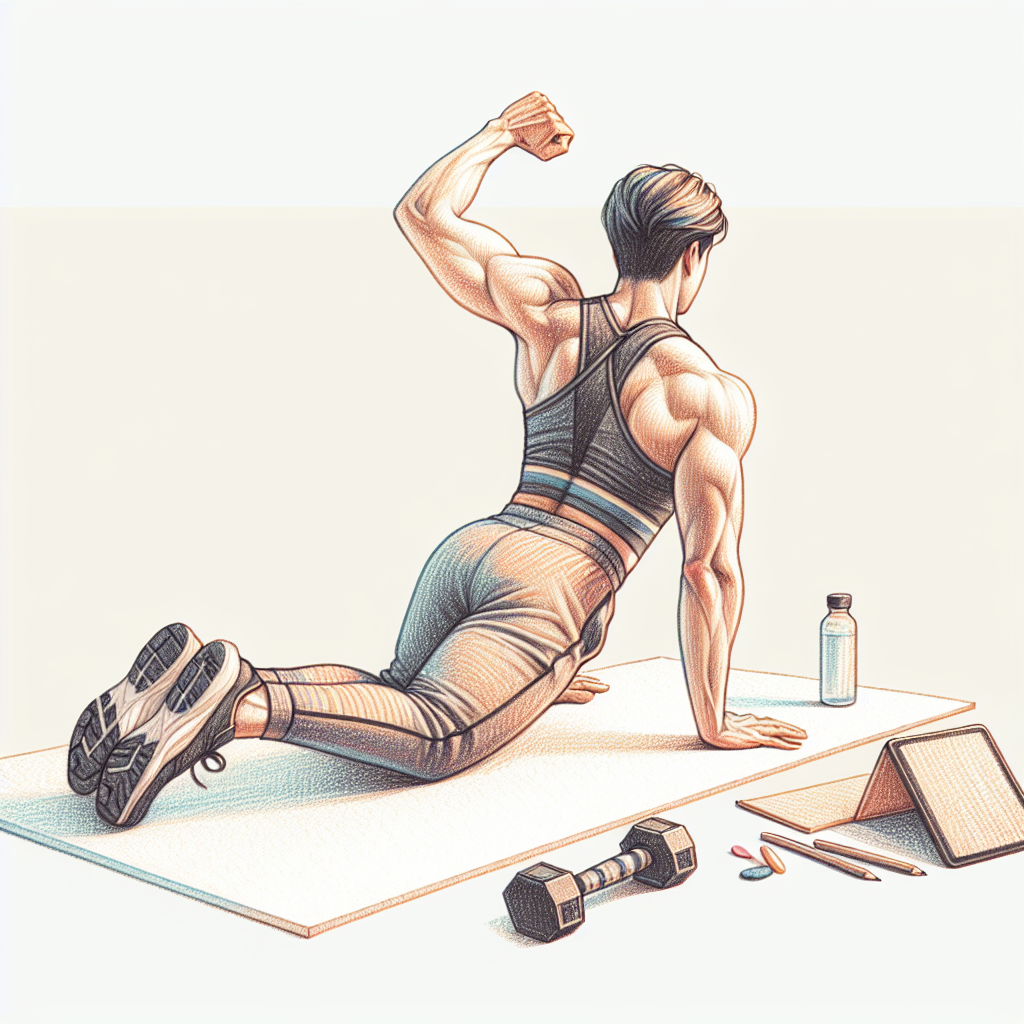
In today’s fast-paced world, maintaining a strong and healthy back is essential to physical well-being. Without the need for gym equipment, individuals can incorporate effective exercises into their routine to enhance back strength and flexibility. This article outlines a variety of no-equipment workouts designed to strengthen the back, increase posture stability, and prevent lower back injuries.

  • Introduction
  • Understanding Back Anatomy
  • Benefits of Back Workouts
  • No-Equipment Back Workout Routine
  • When to Consult a Professional
  • Common Myths about Back Training
  • Frequently Asked Questions
  • Conclusion

Understanding Back Anatomy

To effectively strengthen your back, it is crucial to understand its anatomy. The back consists of various muscles, including the latissimus dorsi, trapezius, rhomboids, and the erector spinae. These muscles work together to support posture, facilitate movement, and protect the spinal column. Recognizing how these muscles function will aid in focusing your workout on the areas that need strengthening.

Benefits of Back Workouts

Strengthening the back offers an array of benefits, including:

  • Improved posture and spinal alignment
  • Reduced risk of back injuries
  • Enhanced athletic performance
  • Better balance and stability
  • Alleviation of chronic pain or discomfort

No-Equipment Back Workout Routine

This section outlines a simple, effective workout designed to strengthen the back with no equipment required. Each exercise can be performed in about six minutes a day, allowing for a quick yet impactful routine. Consider the following exercises:

  1. Superman Exercise

    Lie on your stomach, arms extended in front. Raise your arms and legs simultaneously, holding for a few seconds before lowering them back down. Repeat for 10-15 reps.

  2. Bird-Dog

    Start on all fours. Extend your right arm forward and your left leg back simultaneously. Hold for a moment, then switch sides. Perform 10-15 reps on each side.

  3. Plank

    Assume a push-up position, holding your body straight from head to heels. Engage your core and maintain the position for 20-30 seconds.

  4. Bridge Exercise

    Lie on your back, knees bent. Lift your hips towards the ceiling while keeping your shoulders on the floor. Hold for a few seconds and repeat for 10-15 reps.

  5. Cat-Cow Stretch

    Start on all fours. Alternate between arching your back towards the ceiling (‘cat’) and dipping it towards the floor (‘cow’) while synchronizing your breathing. Perform for 30 seconds.

For those looking for a structured approach, consider joining a 30-day exercise program that requires only 6 minutes of your time each day. Register for free at this link.

When to Consult a Professional

While strengthening the back is generally beneficial, there are times when professional consultation is essential. Seek guidance from a healthcare provider or physical therapist if you experience:

  • Chronic or severe pain
  • Radiating pain down the legs or arms
  • Muscle weakness
  • Any form of injury or recent trauma to the back

Common Myths about Back Training

There are several misconceptions regarding back workouts that can hinder progress or lead to injuries:

  • Myth: Back exercises are unnecessary for overall fitness.
  • Fact: A strong back is vital for overall physical health, supporting posture and minimizing injury risk.
  • Myth: You need weights to effectively strengthen your back.
  • Fact: Numerous bodyweight exercises effectively target back muscles without the need for weights.
  • Myth: Stretching is sufficient for back health.
  • Fact: Strength training is necessary in conjunction with stretching to maintain back health.

Frequently Asked Questions

How often should I perform back exercises?

For optimal results, aim for at least 2-3 times a week, allowing for rest days in between to aid recovery.

Are these exercises safe for beginners?

Yes, these exercises are suitable for beginners. Start gently and focus on maintaining proper form.

Can back exercises help with posture?

Absolutely! Strengthening back muscles is key to improving posture and spinal alignment.

What should I do if I feel pain during these exercises?

If you experience pain, stop the exercise immediately. Consult a healthcare professional if the pain persists.

How long will it take to see results?

Consistent effort over a few weeks typically leads to noticeable improvements in strength and posture.

Is it necessary to warm up before these exercises?

While these exercises are low-impact, a brief warm-up can help prepare your muscles and reduce the risk of injury.

Conclusion

  • Strengthening your back can significantly enhance your overall health and wellness.
  • No equipment is needed to perform effective back workouts.
  • Consult a professional if you experience persistent pain or discomfort.
  • Avoiding myths about back training is crucial for safe and effective workouts.
  • Try incorporating these exercises into your routine for better posture and reduced injury risk.

For those seeking accountability and structure, consider joining a free 30-day exercise program that requires only six minutes a day to achieve similar results to working out in a gym. Register now at this link.

Author: John Angel

Related articles

Categories
Fitness

Effective No-Equipment Back Exercises for Home

Introduction

Back health is essential for overall well-being, yet many individuals neglect it due to time constraints or lack of equipment. Fortunately, effective back exercises can be performed at home without any specialized tools. This article explores no-equipment back exercises that enhance strength, flexibility, and posture, allowing you to maintain a healthy spine from the comfort of your home.

  • Overview of Back Health
  • Benefits of No-Equipment Exercises
  • Essential No-Equipment Back Exercises
  • Practical Steps for Daily Routine
  • When to Consult a Professional
  • Common Myths and Misconceptions
  • Frequently Asked Questions
  • Conclusion and Call to Action

Overview of Back Health

The spine serves as the foundational structure of the body, providing both stability and flexibility. It is composed of vertebrae, muscles, ligaments, and nerves. A healthy back allows for a wide range of movements necessary for daily tasks. Unfortunately, sedentary lifestyles, improper posture, and stress can lead to back pain and related issues.

Benefits of No-Equipment Exercises

No-equipment exercises offer a multitude of benefits, particularly for those who may feel intimidated by conventional gym settings. These exercises can be easily integrated into daily routines, require minimal time, and can deliver significant results. Key benefits include:

  • Increased Strength: Focus on key muscle groups that support the spine.
  • Improved Flexibility: Enhances range of motion, reducing tightness.
  • Better Posture: Promotes spinal alignment, mitigating long-term pain.
  • Convenience: No need for gym memberships or travel time.

Essential No-Equipment Back Exercises

Below are some effective no-equipment exercises that can strengthen the back.

1. Cat-Cow Stretch

This dynamic movement increases spinal flexibility and reduces tension in the back.

  • Begin on all fours, with wrists under shoulders and knees under hips.
  • Inhale, arch your back (Cat position) while looking up.
  • Exhale, round your back (Cow position) tucking your head and pelvis.
  • Repeat for 10–15 repetitions.

2. Bird-Dog

This exercise enhances stability while engaging both the core and back muscles.

  • Start in the same position as the Cat-Cow stretch.
  • Extend your right arm forward while simultaneously extending your left leg back.
  • Hold for a few seconds and return to the starting position.
  • Alternate sides for 10 repetitions on each side.

3. Bridge

The Bridge exercise strengthens the lower back, glutes, and hamstrings.

  • Lie on your back with knees bent and feet flat on the floor.
  • Lift your hips while squeezing your glutes, creating a straight line from knees to shoulders.
  • Hold for 5 seconds, then lower back down.
  • Repeat for 10-15 repetitions.

4. Plank

The Plank builds core strength, which is vital for back support.

  • Assume a push-up position with your body in a straight line.
  • Hold the position for 20-30 seconds, focusing on contracting your core muscles.
  • Rest and repeat 2-3 times.

5. Superman Exercise

The Superman enhances lower back strength and endurance.

  • Lie face down with arms extended in front of you.
  • Simultaneously lift your arms, chest, and legs off the ground.
  • Hold for 3-5 seconds and then lower back down.
  • Repeat for 10-12 repetitions.

Practical Steps for Daily Routine

Incorporating these exercises into your daily routine can be straightforward. Here is a simple plan:

  1. Choose a consistent time each day to perform your exercises.
  2. Start with a 5-minute warm-up that may include light stretching.
  3. Perform each of the above back exercises in succession.
  4. Cool down with additional stretches focusing on back and hip flexibility.
  5. Consider repeated exercises 3-4 times per week to build a habit.

For an effective yet concise approach to home exercising, consider a free registration for a 30-day exercise program where you can achieve gym-like results in just 6 minutes daily.

When to Consult a Professional

While incorporating back exercises can be beneficial, it is crucial to recognize when professional advice is necessary. Consult a healthcare provider if:

  • You experience persistent or severe back pain.
  • Pain radiates down your legs or affects mobility.
  • You have a history of injury or chronic back conditions.
  • Any exercises cause increased discomfort.

Common Myths and Misconceptions

It’s essential to debunk common myths related to back exercises to encourage safe practices:

Myth 1: You Need Equipment to Strengthen Your Back

No equipment is necessary for effective back exercises; bodyweight movements can be equally, if not more, beneficial.

Myth 2: Exercise Should Only Occur in a Gym

Back exercises can be efficiently performed at home, making fitness accessible to everyone.

Myth 3: Stretching Before Exercise is Enough

While stretching is important, strengthening exercises specifically target muscles to better support the spine.

Myth 4: Pain is a Normal Result of Exercise

While some discomfort can occur, persistent pain may indicate improper technique or an underlying issue.

Myth 5: Older Adults Should Avoid Back Exercises

Older adults can benefit significantly from back exercises, as they enhance mobility and reduce the risk of falls.

Frequently Asked Questions

What are some signs of poor back health?

Common signs include persistent pain, stiffness, limited mobility, and poor posture.

How often should I perform back exercises?

Aiming for 3-4 times per week is ideal for strengthening your back.

Can I do back exercises every day?

Daily exercises can be beneficial as long as you listen to your body and allow for rest as needed.

Are there age restrictions for these exercises?

No, these exercises can be adapted for individuals of all ages; however, consult a professional if concerns exist.

What if I feel pain while exercising?

If you experience sharp or severe pain, stop immediately and consult a healthcare provider.

How long will it take to see results?

Results can vary but expect to see improvements in strength and flexibility within a few weeks of consistent practice.

Conclusion

  • Regular back exercises at home enhance strength and flexibility.
  • No equipment is necessary, making it convenient and accessible.
  • Incorporation into daily routines is straightforward and effective.
  • Consult a professional for persistent pain or discomfort.
  • Understanding myths can aid in safe exercise practices.

Take charge of your back health today by incorporating these exercises into your routine. For structured guidance, consider joining the free 30-day exercise program and discover the benefits of brief yet effective daily workouts.

Author: John Angel

Related articles

Categories
Fitness

Effective Home Back Workouts: No Equipment Required

In our increasingly sedentary lifestyle, maintaining a healthy back is crucial for overall well-being. Strengthening and conditioning your back through targeted home workouts can significantly reduce discomfort and enhance mobility. This article provides practical exercises you can do without any equipment, allowing you to build a stronger back right from your living room.

  • Importance of Back Health
  • Benefits of Home Workouts
  • Effective Back Exercises
  • Common Mistakes to Avoid
  • When to Consult a Professional
  • FAQ
  • Conclusion

Importance of Back Health

The back is a marvel of biological engineering, supporting our weight and enabling movement. It’s essential not only for physical activities but also for maintaining a good posture, which in turn affects other systems in the body. A strong back can prevent injuries, alleviate chronic pain, and improve your overall quality of life.

Benefits of Home Workouts

Exercising at home offers numerous advantages:

  • Convenience: No need to travel to a gym.
  • Cost-effective: Save on membership fees.
  • Flexibility: Fit workouts into your schedule at your convenience.
  • Privacy: Work out in a comfortable environment.

Moreover, dedicating just six minutes daily can yield results akin to traditional gym workouts. Consider registering for a free 30-day exercise program that enables you to achieve effective results with minimal time commitment: 30-Day Exercise Program.

Effective Back Exercises

Here are some straightforward exercises that can help strengthen and stabilize your back muscles:

  1. Cat-Cow Stretch: Begin on your hands and knees. Arch your back upward while tucking in your chin (Cat Pose) and then lower your belly, lifting your head and tailbone (Cow Pose). Repeat for 10-15 repetitions.
  2. Superman: Lie face down on the floor with arms extended. Simultaneously lift your arms, chest, and legs off the ground. Hold for a few seconds, then lower. Aim for 10-12 repetitions.
  3. Glute Bridge: Lie on your back with knees bent. Push through your heels to lift your hips, forming a straight line from shoulders to knees. Hold for a moment and lower. Do 10-15 repetitions.
  4. Bird-Dog: Start in a tabletop position. Extend your right arm forward and your left leg backward. Hold, then switch sides. Perform 10-12 repetitions on each side.
  5. Wall Angels: Stand with your back against a wall, arms raised. Slowly lower your arms down the wall while keeping your back flat. Repeat for 10-15 repetitions.

Common Mistakes to Avoid

While exercising at home, several common misconceptions abound:

  • Thinking that any pain is a sign of progress: Discomfort is normal, but sharp pain may indicate injury.
  • Neglecting warm-up and cool-down: These are crucial for injury prevention.
  • Overcomplicating routines: Simple, effective exercises often yield the best results.
  • Ignoring posture: Proper technique is vital for maximizing benefits and minimizing risks.

When to Consult a Professional

Exercise is generally beneficial; however, some situations warrant a consultation with a healthcare professional:

  • If you experience persistent back pain lasting more than a couple of weeks.
  • When pain occurs alongside other symptoms, such as numbness, tingling, or weakness.
  • If you have a pre-existing condition that could affect your ability to exercise safely.
  • If you’re unsure about the safety or appropriateness of specific exercises.

FAQ

How often should I perform these exercises?

It is advisable to incorporate these exercises into your routine at least three times a week for optimal results.

Can these workouts be done by beginners?

Yes, these exercises are beginner-friendly and can be modified based on your fitness level.

What should I do if I feel pain during an exercise?

Stop the exercise immediately and assess your condition. Consult a healthcare professional if pain persists.

Is a warm-up necessary before starting these exercises?

Absolutely. A proper warm-up prepares your muscles and reduces the risk of injury.

How long will it take to see results?

Results vary by individual, but consistent practice should yield noticeable improvement within a few weeks.

Can I do these exercises if I have a previous injury?

Consult with a healthcare professional before attempting new exercises if you have a history of back injuries.

Conclusion

  • Back health is essential for overall well-being.
  • Home workouts are a convenient and effective way to strengthen your back.
  • Consistent practice of targeted exercises yields noticeable results.
  • Awareness of common mistakes can enhance your workout efficiency.
  • Always consult a professional when in doubt about health concerns.

Start your journey to a healthier back with just six minutes of dedicated exercise each day. One significant step is to register for our free 30-day exercise program that can help you maximize your efforts: 30-Day Exercise Program.

Author: John Angel

Related articles

Categories
Fitness

Effective Back Exercises Without Machines for All Levels

Best Back Exercises No Machines

Engaging in back exercises without machines can enhance strength, flexibility, and overall fitness. Incorporating body-weight movements into your routine not only builds muscle but also promotes functional fitness, allowing for improved performance in daily activities. Whether you are a seasoned athlete or a fitness novice, these exercises can be easily adapted to your current level and performed virtually anywhere.

  • Understanding the Importance of Back Strength
  • Benefits of No-Machine Back Exercises
  • Essential Back Exercises to Incorporate
  • Step-by-Step Guide to Effective Workouts
  • When to Seek Professional Guidance
  • Common Myths and Mistakes in Back Training
  • Frequently Asked Questions

Understanding the Importance of Back Strength

The back comprises a collection of muscles that play a crucial role in maintaining posture, supporting movements, and protecting the spine. A strong back is essential not only for athletic performance but also for everyday activities, reducing the risk of injuries, and fostering overall well-being. As many individuals tend to overlook back exercises, incorporating targeted routines can yield substantial advantages.

Role of Back Muscles

Key muscles include the latissimus dorsi, trapezius, and rhomboids, each contributing to various movements like pulling, lifting, and stabilizing the torso. Strengthening these muscles promotes better spinal alignment and enhances mobility.

Benefits of No-Machine Back Exercises

Training without machines offers several distinct benefits:

  • Accessibility: These exercises require minimal or no equipment, making them convenient for home workouts.
  • Engagement: Body-weight exercises require greater core activation and stabilization than traditional machine workouts.
  • Adaptability: No-machine exercises can be easily modified to cater to different fitness levels.
  • Efficiency: Short routines can yield effective results, such as the 30-day exercise program that requires just 6 minutes daily.

Essential Back Exercises to Incorporate

Here are some fundamental back exercises that can be executed without machines:

  • Superman Exercise: Lie flat on your stomach with arms extended. Lift your arms and legs simultaneously, holding for a few seconds before lowering.
  • Bird-Dog: Start on hands and knees. Extend one arm and the opposite leg while keeping your body stable. Switch sides after each repetition.
  • Reverse Snow Angel: Lie on your stomach. With your arms at your sides, lift them and move them overhead, mimicking a snow angel motion.
  • Plank Rows: Position yourself in a plank. Alternate rowing your arms in a motion resembling a dumbbell row, keeping the core engaged.
  • Glute Bridge: Lie on your back with knees bent. Lift your hips off the ground while squeezing your glutes, then lower back down.

Step-by-Step Guide to Effective Workouts

To ensure maximum benefits from your back workouts, follow these steps:

  1. Begin with a warm-up to activate your muscles. Consider dynamic stretches like arm circles and torso twists.
  2. Select 2-3 exercises from the list above that you can perform with proper form.
  3. Complete 2-3 sets of 8-15 repetitions for each exercise, resting as needed.
  4. Incorporate progressive overload by gradually increasing the difficulty or adding variations.
  5. Finish with a cooldown, including static stretches to improve flexibility and assist recovery.

When to Seek Professional Guidance

Consulting a qualified professional may be necessary if you experience any of the following:

  • Persistent pain or discomfort while performing exercises
  • Back pain that affects your daily activities
  • Symptoms of injury, including swelling, numbness, or changes in bowel or bladder function

Engaging a physical therapist or trainer can provide personalized insight and modifications tailored to your needs.

Common Myths and Mistakes in Back Training

Understanding common misconceptions can enhance your training:

  • Myth 1: You can’t build back strength without gym equipment.
  • Mistake 2: Ignoring core training can lead to imbalances.
  • Myth 3: Pain during exercise is normal; discomfort should be minimized.

Addressing these myths ensures a more effective and safer training routine.

Frequently Asked Questions

What is the best body-weight exercise for back strength?

The Superman exercise is highly effective for building strength in the lower back muscles.

How often should I perform back exercises?

For optimal results, aim for 2-3 times a week, allowing for recovery between sessions.

Can these exercises help alleviate back pain?

While they can strengthen muscles, persistent pain should be evaluated by a health professional.

Are these exercises suitable for beginners?

Yes, the exercises can be easily modified to suit beginners or those with advanced fitness levels.

Do I need to warm up before starting my workout?

A warm-up is recommended to prepare your muscles and reduce the risk of injury.

Can I integrate these exercises into a full-body workout?

Absolutely, including these exercises in a full-body routine can enhance overall strength and stability.

Conclusion

  • Strengthening your back with no-machine exercises enhances functional fitness.
  • Body-weight routines provide significant health benefits, including improved posture and reduced injury risk.
  • Consistency and proper workout techniques are vital for achieving results.
  • Awareness of symptoms signaling the need for professional evaluation is crucial.
  • Incorporate these exercises into your routine for better back health and overall strength.

Engaging in these back exercises can enhance your physical health and well-being. Explore the 30-day exercise program to begin your journey with just six minutes of daily commitment.

Author: John Angel

Related articles

Categories
Home Workouts

Effective Back Workout at Home Without Equipment

In an age where convenience is paramount, achieving an effective back workout at home without equipment is both practical and efficient. Building a strong back is crucial for maintaining posture, reducing injury risk, and improving overall functional strength. This article will guide you through various exercises that engage different back muscles, ensuring comprehensive development without the need for expensive gym memberships or cumbersome equipment.

  • Introduction
  • Understanding Your Back Muscles
  • Essential Bodyweight Exercises for Back Strength
  • Sample Back Workout Routine
  • When to Consult a Professional
  • Common Myths about Back Workouts
  • Frequently Asked Questions
  • Conclusion

Understanding Your Back Muscles

The human back comprises several muscles, primarily grouped into three categories: the upper, middle, and lower back. Each area performs distinct functions and plays a significant role in everyday movements. Familiarity with these muscle groups can enhance the effectiveness of your at-home workouts.

Upper Back Muscles

This region includes the trapezius and rhomboids, crucial for pulling movements and shoulder stability. Strengthening these muscles can improve posture and balance.

Middle Back Muscles

The latissimus dorsi dominates the middle back. Enhancing its strength contributes to a wider, stronger back and improves functional movements like lifting and pulling.

Lower Back Muscles

The lower back, primarily consisting of the erector spinae, supports the spine during bending and lifting. Strengthening these muscles is essential for injury prevention and spinal health.

Essential Bodyweight Exercises for Back Strength

Several bodyweight exercises can engage your back effectively. These movements require no equipment and can be performed in small spaces, making them ideal for any home workout routine.

1. Superman Exercise

This exercise helps to engage both the upper and lower back muscles.

  • Lie face down on a mat with arms stretched forward.
  • Simultaneously lift your arms, chest, and legs off the ground.
  • Hold for 2-3 seconds, then lower back down. Repeat for 10-15 reps.

2. Reverse Snow Angels

A great exercise for upper back activation.

  • Lie face down with your arms at your sides.
  • Lift your chest slightly off the ground, extending your arms in a ‘Y’ position.
  • Slowly move your arms outward to form a ‘T’, then return. Repeat for 10-15 reps.

3. Plank Rows

This variation of the standard plank targets the upper and middle back muscles.

  • Assume a plank position with hands directly under shoulders.
  • Lift one arm toward your waist, keeping the body stable.
  • Switch sides. Perform 10-12 reps on each side.

4. Wall Angels

This exercise enhances shoulder mobility while engaging the upper back.

  • Stand with your back against a wall, feet slightly away from it.
  • Lift your arms to form a ‘W’ shape, keeping them in contact with the wall.
  • Smoothly raise your arms to form a ‘Y’, then return. Repeat for 10-15 reps.

Sample Back Workout Routine

Here’s a simple yet effective back workout routine that can be completed in about 20 minutes:

  1. Superman: 15 reps
  2. Reverse Snow Angels: 12 reps
  3. Plank Rows: 10-12 reps each side
  4. Wall Angels: 15 reps
  5. Rest for 30 seconds between exercises.

For those looking to maximize their results, consider a 30-day exercise program where you only exercise for 6 minutes every day but achieve results similar to those obtained at a gym. You can register for free at this link.

When to Consult a Professional

While home workouts are beneficial, certain situations warrant professional consultation:

  • If you experience persistent back pain or discomfort during exercises.
  • If you have existing back conditions or injuries that might be aggravated by exercise.
  • Should you have difficulty executing exercises correctly, especially if you are new to them.
  • Consulting a physical therapist or a personal trainer can provide tailored guidance and ensure safe execution of movements.

Common Myths about Back Workouts

Several misconceptions exist surrounding back workouts, which can hinder progress and deter individuals from attempting them:

Myth 1: You Need Equipment to Strengthen Your Back

Many effective back exercises require no equipment, as discussed above.

Myth 2: Only Weightlifting Can Build Back Strength

Bodyweight exercises can be incredibly effective for cultivating strength and endurance.

Myth 3: Back Workouts Are Only for Bodybuilders

Strengthening the back is beneficial for everyone, not just weightlifters. It aids in everyday activities and can help prevent injuries.

Myth 4: You Should Avoid All Back Exercises if You Have Pain

While caution is necessary, many individuals can still benefit from appropriate back exercises. Consult a professional if unsure.

Myth 5: You Only Need to Work Your Back Once a Week

More frequent engagement of back muscles can lead to improved overall strength and endurance when balanced with recovery.

Frequently Asked Questions

Can I really build back muscle without weights?

Yes, bodyweight exercises can effectively help strengthen back muscles.

How often should I perform back exercises at home?

Aim for at least two to three times per week for optimal results.

Are bodyweight exercises enough for beginners?

Absolutely, they provide a solid foundation for strength and stability.

Will I see results quickly?

Results may vary, but with consistency, most individuals see improvements within a few weeks.

Can these exercises help with posture?

Yes, strengthening your back can significantly improve posture.

Should I warm up before starting my workout?

Always include a warm-up to prepare your muscles and prevent injury.

Conclusion

  • Strengthening your back at home is achievable without equipment.
  • Understanding your back muscles is crucial for effective workouts.
  • Implementing a variety of bodyweight exercises can yield significant results.
  • Consult with a professional when in doubt or experiencing pain.
  • Address common myths to create an effective and safe workout regimen.

Ready to strengthen your back? Start today with these exercises, incorporating them into your routine for lasting results. Don’t forget to register for the 30-day exercise program to maximize your efforts!

Author: John Angel

Related articles

Categories
Fitness

Effective Beginner Back Workout Without Equipment

Beginner Back Workout No Equipment

Developing a strong and flexible back is essential for overall physical health and well-being. A well-rounded back workout can enhance posture, alleviate back pain, and improve performance in various activities. For beginners, performing back exercises without equipment can be both effective and accessible. This article provides a comprehensive guide to help you initiate your back-strengthening journey.

  • Understanding the Importance of Back Workouts
  • Warm-Up: Preparing Your Body
  • Beginner Back Exercises
  • Cooling Down and Stretching
  • Recognizing When to Consult a Professional
  • Mistakes to Avoid in Your Back Workout
  • FAQ
  • Conclusion

Understanding the Importance of Back Workouts

The back consists of numerous muscles that are crucial for maintaining balance and supporting day-to-day activities. Strong back muscles are vital for a strong core, which can prevent injuries and improve overall physical performance. Engaging in regular back workouts, even without equipment, helps improve posture, decreases the risk of pain, and enhances your capacity to perform various movements safely.

Warm-Up: Preparing Your Body

Before embarking on any workout, it is essential to warm up your muscles and joints to prevent injuries. A proper warm-up increases blood flow, enhances flexibility, and readies the body for physical activity. Here are a few simple warm-up exercises:

  • Arm Circles: Stand tall and extend your arms to the side. Make small circles for 30 seconds, then switch directions.
  • Torso Twists: Stand with your feet shoulder-width apart. Rotate your torso to the left, then to the right, repeating for 30 seconds.
  • Cat-Cow Stretch: On your hands and knees, alternate between arching your back and sinking your belly towards the floor. Repeat this for 10 rounds.

Beginner Back Exercises

The following exercises can be performed without any equipment and are suitable for beginners. Aim to perform 10–15 repetitions of each exercise, depending on your fitness level:

1. Superman Exercise

Lie face down on the floor with your arms extended in front of you. Simultaneously lift your arms, chest, and legs off the ground, holding for a few seconds before lowering. This helps strengthen your lower back.

2. Bird Dog

Start in a tabletop position on your hands and knees. Extend your right arm forward while simultaneously extending your left leg back. Keep your back straight and hold the position for a few seconds. Alternate sides.

3. Plank

Assume a push-up position but rest on your forearms instead. Hold your body in a straight line from head to heels, engaging your core. Hold for 20–30 seconds, gradually increasing as your strength builds.

4. Bent-Over T’s

Stand with your feet shoulder-width apart, hinge at the hips, and keep your back straight. Extend your arms out to the side to form a “T” shape. Squeeze your shoulder blades together as you lift your arms.

5. Side Lying Rear Delt Raises

Lie on your side and keep your bottom arm extended for support. With your top arm bent at the elbow, lift your arm towards the ceiling and lower it again. This exercise targets the upper back and shoulders.

Cooling Down and Stretching

Cooling down after your workout is crucial in aiding muscle recovery and maintaining flexibility. Engage in gentle stretches to promote relaxation and reduce tension in your back:

  • Cobra Stretch: Lie face down and push your chest upwards with your hands while keeping your hips on the ground.
  • Child’s Pose: Sit back on your heels while stretching your arms forward on the ground, sinking your chest down.
  • Seated Forward Bend: Sit with your legs extended, and gently reach towards your toes while keeping your back straight.

Recognizing When to Consult a Professional

While exercising is beneficial, it is important to recognize when professional guidance may be necessary. If you experience any of the following symptoms, consider seeking advice from a healthcare provider or fitness expert:

  • Persistent back pain that worsens with exercise.
  • Difficulty performing simple daily tasks or movements.
  • Numbness or tingling in the legs or arms during workouts.
  • Back pain accompanied by other symptoms such as fever, weight loss, or weakness.

Mistakes to Avoid in Your Back Workout

As you embark on your back workout regimen, it is important to be aware of common mistakes that can hinder your progress or lead to injury:

  • Neglecting proper form can lead to strain and ineffective workouts.
  • Focusing solely on one area of the back can lead to muscle imbalances.
  • Failing to warm up and cool down increases the risk of injury.
  • Overtraining can result in burnout and diminished results; rest is essential.

FAQ

1. How often should I perform back exercises?

For beginners, aim for 2–3 times a week, allowing adequate recovery time.

2. Can I see results without equipment?

Yes, bodyweight exercises can be very effective for building back strength and endurance.

3. What if I experience pain during exercises?

Stop the exercise immediately and consult with a healthcare provider if the pain persists.

4. Are warm-ups necessary every time before a workout?

Yes, warming up each time reduces the risk of injury and prepares your body for exercise.

5. Should I incorporate cardio into my back workout routine?

Yes, combining cardio with strength training can enhance overall fitness and weight management.

6. Can I progress to more advanced exercises?

Absolutely! As you build strength, gradually incorporate more complex movements or resistance training.

Conclusion

  • Strengthening your back enhances overall health and posture.
  • Bodyweight exercises are effective for beginners and require no equipment.
  • Consistency is key; aim for regular workouts to see improvements.
  • Always warm up before and cool down after your exercises.
  • If experiencing pain or discomfort, consult a professional for guidance.

For those looking to further streamline their fitness journey, consider registering for a 30-day exercise program that involves only 6 minutes of daily workouts, yielding impressive results akin to traditional gym routines.

Author: John Angel

Related articles

Categories
Fitness

30-Day Back Challenge: No Equipment Needed for Better Health

Many individuals are seeking ways to improve their physical health without the need for costly gym memberships or specialized equipment. Engaging in a comprehensive 30-day back challenge can significantly enhance back strength, flexibility, and overall posture. What’s more, this challenge can be done entirely at home, requiring no equipment and only a small time commitment each day. By the end of the month, participants often experience greater core stability and improved day-to-day functionality, leading to an enhanced quality of life.

  • Introduction
  • Understanding the Importance of Back Health
  • Overview of the 30-Day Back Challenge
  • Daily Routine and Exercises
  • Common Myths About Back Exercise
  • When to Seek Professional Help
  • Frequently Asked Questions
  • Conclusion

Understanding the Importance of Back Health

The back comprises a complex structure of bones, muscles, and connective tissues that plays a vital role in various bodily functions. Poor back health can lead to discomfort, reduced mobility, and complications affecting daily activities. Implementing a dedicated exercise regimen that focuses on the back can alleviate pain, enhance posture, and reduce the risk of injury.

Overview of the 30-Day Back Challenge

This 30-day back challenge is designed to progressively strengthen the back muscles while improving flexibility and posture. Each exercise can be performed at home, requiring no special equipment, and can be completed in roughly six minutes daily. Participants are encouraged to maintain consistency to maximize results.

Daily Routine and Exercises

Below is a breakdown of the daily routine for the 30-day back challenge, providing a mix of exercises to target various muscles effectively:

  1. Day 1-7: Foundation Building
    • Cat-Cow Stretch: 1 minute
    • Child’s Pose: 1 minute
    • Glute Bridge: 1 minute
    • Pelvic Tilts: 1 minute
    • Bird-Dog: 2 minutes
  2. Day 8-14: Strength Enhancement
    • Superman Pose: 1 minute
    • Wall Angels: 1 minute
    • Side-Lying Leg Lifts: 1 minute each side
    • Plank Hold: 1 minute
    • Back Extension: 2 minutes
  3. Day 15-21: Flexibility and Endurance
    • Cobra Stretch: 1 minute
    • Twisting Bridge: 1 minute
    • Side Plank: 30 seconds each side
    • Standing Forward Bend: 1 minute
    • Hip Flexor Stretch: 2 minutes
  4. Day 22-30: Integration and Improvement
    • Combination of Bird-Dog and Plank: 1 minute
    • Pigeon Pose: 1 minute each side
    • Reverse Snow Angels: 1 minute
    • Deep Squats: 1 minute
    • Sphinx Pose: 2 minutes

For a more comprehensive approach to fitness and additional daily exercise routines, you may consider signing up for a streamlined 30-day program that requires only six minutes of exercise daily. You can register for free at this link.

Common Myths About Back Exercise

Despite the benefits of back exercises, several misconceptions persist:

  • Myth 1: Back pain means you should avoid exercise altogether.
  • Myth 2: Heavy weights are necessary to strengthen your back.
  • Myth 3: Stretching is not essential for back health.

Each of these points can lead to misunderstandings that deter individuals from engaging in beneficial routines. It is vital to approach back health with accurate information.

When to Seek Professional Help

Consulting with a healthcare professional is advisable if you experience any of the following:

  • Unexplained or persistent back pain.
  • Severe pain that does not improve with rest or over-the-counter medications.
  • Symptoms lasting longer than a few weeks.
  • Weakness or numbness in the legs.
  • Difficulty walking or standing.

Frequently Asked Questions

What should I do if I feel pain during the exercises?

Stop the exercise immediately. Listen to your body, and consider consulting a physician or physical therapist if the pain continues.

Can anyone participate in the 30-day back challenge?

Yes, the challenge is designed for individuals with varying fitness levels; however, modifying exercises may be necessary for beginners.

How long will I see results from this challenge?

Many participants notice improvements in strength and flexibility within the first few weeks, although results may vary based on consistency.

Is this routine effective for chronic back pain?

This challenge focuses on strengthening and flexibility, which can alleviate discomfort, but consulting with a healthcare professional for chronic conditions is recommended.

Do I need to stretch before starting the challenge?

Although the exercises include stretching, performing a brief warm-up beforehand can further prepare your muscles and reduce the risk of injury.

What if I miss a day in the 30-day challenge?

If you miss a day, do not be discouraged; simply resume from where you left off. Consistency is critical, but occasional breaks can be manageable.

Conclusion

  • The 30-day back challenge is an accessible and effective way to improve back health.
  • Participants will engage in daily exercises that require no equipment and minimal time.
  • Implementing regular back exercises promotes overall health and well-being.
  • Awareness of myths and misconceptions about back exercise is crucial.
  • Consulting professionals when experiencing persistent symptoms is essential for long-term health.

Embarking on this challenge has the potential to elevate your fitness journey. If you’re ready to take the next step in enhancing your physical well-being, consider joining a program designed for efficiency and effectiveness. Register for free at this link to get started.

Author: John Angel

Related articles

Categories
Fitness

Effective At-Home Back Exercises Without Equipment

At Home Back Exercises: No Equipment Needed

In today’s fast-paced world, maintaining physical fitness can be challenging, particularly when access to a gym is limited. Fortunately, effective strength training, especially for the back, can be accomplished within the comfort of your home without any specialized equipment. This article offers a comprehensive guide on at-home back exercises, focusing on their benefits, practical steps, and when it’s prudent to consult a professional.

  • Importance of Back Strength
  • Essential Back Exercises
  • How to Perform Exercises Correctly
  • When to Seek Professional Help
  • Common Myths and Mistakes
  • Frequently Asked Questions
  • Conclusion

Importance of Back Strength

Strengthening the back is critical for overall body health. A strong back supports proper posture, reduces the likelihood of injuries, and enhances overall mobility. Back exercises play a vital role in counteracting the negative effects of prolonged sitting, lifting, and daily activities. Moreover, they can alleviate tension and discomfort commonly associated with a sedentary lifestyle.

Essential Back Exercises

The following exercises can be performed at home without any equipment, making them accessible to a wide range of individuals:

1. Cat-Cow Stretch

This exercise promotes flexibility and can help alleviate tension in the back.

  • Start on your hands and knees, with your wrists aligned under your shoulders and your knees under your hips.
  • Inhale while arching your back, lifting your head and tailbone towards the ceiling (Cow position).
  • Exhale, rounding your spine and tucking your chin and tailbone (Cat position).
  • Repeat for 10-15 repetitions.

2. Bird-Dog

This exercise enhances balance and engages multiple back muscles.

  • Begin on all fours, ensuring your back is flat.
  • Simultaneously extend your right arm forward and left leg backward, keeping your body stable.
  • Hold this position for 5 seconds, then switch sides.
  • Complete 10 repetitions on each side.

3. Superman

The Superman exercise strengthens the lower back and glutes.

  • Lie face down, arms extended in front of you.
  • Simultaneously lift your arms, chest, and legs off the ground.
  • Hold for a few seconds before lowering back down.
  • Repeat for 10-15 repetitions.

4. Plank

The plank is an excellent way to engage the entire core, including the back.

  • Start in a face-down position, resting on your forearms and toes, with your body in a straight line.
  • Hold this position for 20-60 seconds, focusing on keeping your core engaged.
  • Repeat for 3-5 sets.

5. Wall Angels

This exercise helps improve posture and mobility in the shoulders and upper back.

  • Stand with your back against a wall, feet slightly away from the wall.
  • Press your lower back, shoulders, and head against the wall while raising your arms in a “W” position.
  • Slowly extend your arms upwards while keeping in contact with the wall.
  • Return to the “W” position and repeat for 10-15 repetitions.

For those looking for a structured routine, consider registering for a 30-day exercise program that requires only 6 minutes of daily exercise while providing gym-like results: Join the 30-Day Exercise Challenge.

How to Perform Exercises Correctly

Correct form is essential to avoid injuries and maximize the effectiveness of these exercises. Here are some general tips:

  • Warm up before starting your routine to prepare your muscles and joints.
  • Maintain a neutral spine throughout exercises; avoid excessive arching or rounding.
  • Engage your core to provide stability and support during movements.
  • Focus on controlled movements, rather than rushing through repetitions.
  • Cool down with gentle stretches to relieve tension after your workout.

When to Seek Professional Help

While these exercises are generally safe for most individuals, there are circumstances where professional guidance may be necessary:

  • If you experience persistent pain during or after exercise.
  • If you have a pre-existing medical condition affecting your back.
  • If you are unsure about performing any exercises correctly.
  • Consult a healthcare professional for proper assessment and tailored advice.

Common Myths and Mistakes

Understanding common misconceptions surrounding back exercises is crucial for effective training:

  • Myth 1: You only need to strengthen your lower back. Fact: A well-rounded routine should target all parts of the back, including the upper back and core.
  • Myth 2: No pain, no gain. Fact: Pain is not a measure of effectiveness; it can indicate improper form or injury.
  • Mistake 1: Skipping warm-ups. Fact: Warming up is essential to prevent injury and prepare your body for exercise.
  • Mistake 2: Rushing through exercises. Fact: Control and focus are vital for building strength effectively.

Frequently Asked Questions

Can I do these exercises if I have a history of back pain?

It’s advisable to consult a healthcare professional for personalized guidance if you have a history of back pain before attempting new exercises.

How often should I do these exercises?

For optimal benefits, performing these exercises 2-3 times a week is recommended, allowing for rest days in between sessions.

Do I need any warm-up before starting these exercises?

Yes, a brief warm-up can help prepare your muscles and joints, reducing the risk of injury.

How long will it take to see results?

Results may vary by individual, but consistency over a few weeks typically leads to noticeable improvements in strength and posture.

Is it safe to combine these exercises with other forms of training?

Yes, these back exercises can complement other forms of training, such as cardiovascular or flexibility exercises, when done safely and with proper form.

Can I do these exercises while pregnant?

If you are pregnant, consult with a healthcare professional before starting any exercise program.

Conclusion

  • At-home back exercises can improve strength and mobility without the need for equipment.
  • Maintaining proper form is essential to prevent injuries and enhance effectiveness.
  • Consult a healthcare professional if you observe any persistent pain or discomfort.
  • Be aware of common myths and mistakes to maximize your exercise outcomes.
  • Commit to your routine and stay consistent for optimal results.

To take your fitness journey to the next level, consider registering for a safe and efficient 30-day exercise program, where you only need to invest 6 minutes daily: Join Now!

Author: John Angel

Related articles

Website analytics information

We use Google Analytics 4 for visitor statistics. Analytics cookies require your consent, which you can change using the button above. The data controller is ZDRAVÍ S ÚSMĚVEM s.r.o., company ID 29283329, contact podpora@revolucnicviceni.cz. Google processes browser, device and page visit information. We do not send form field values to Analytics. How Google uses information · Google Privacy Policy.