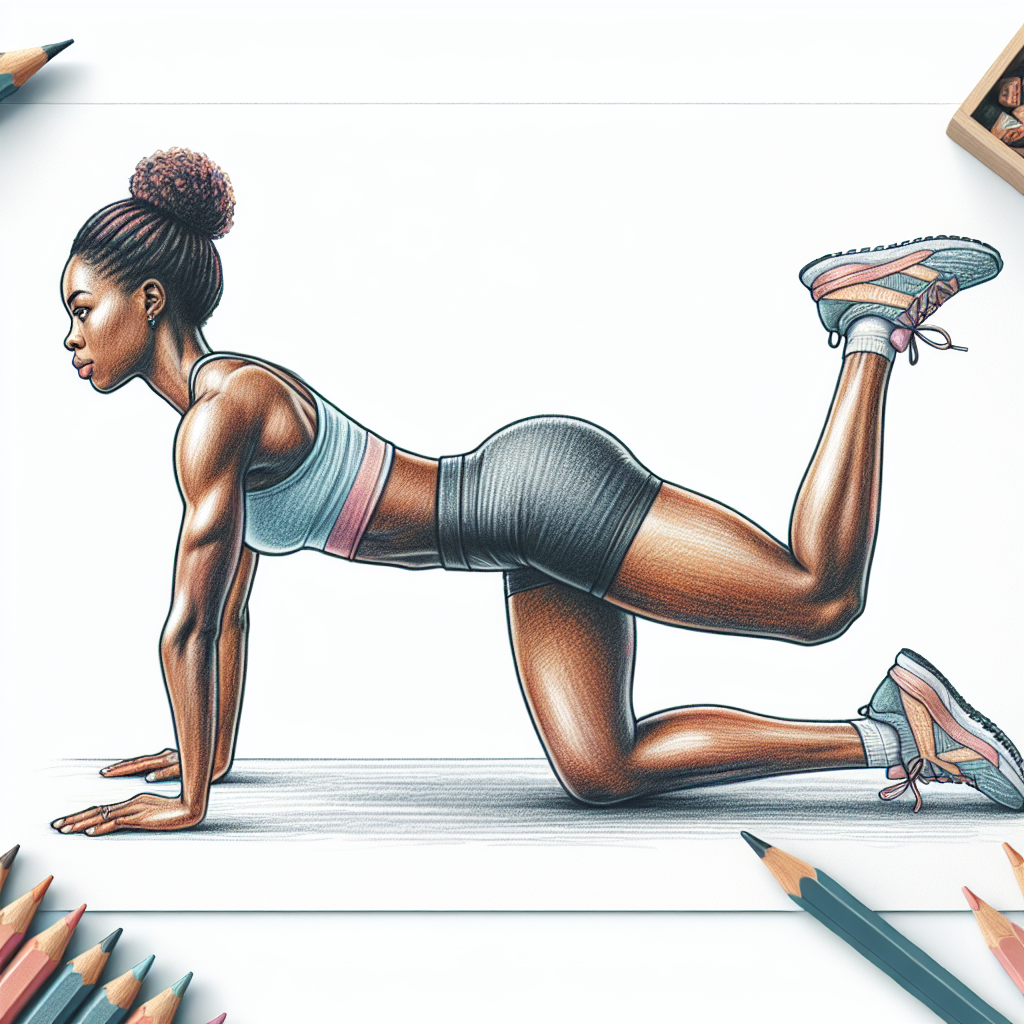
Categories
Home Workouts

Effective At-Home Leg Exercises Without Equipment

Engaging in regular leg exercises at home without the need for equipment can significantly enhance your strength, flexibility, and overall fitness. This approach is especially beneficial for those with busy schedules or limited access to a gym. With just a few minutes of targeted exercises each day, you can achieve impressive results, boosting your energy levels and potentially improving your posture. Below, you will find a comprehensive guide to effective at-home leg exercises, complete with guidelines and a unique opportunity to join a 30-day exercise program that requires merely 6 minutes of effort daily.

  • Understanding the Importance of Leg Exercises
  • Essential Warm-Up Techniques
  • Effective At-Home Leg Exercises
  • Common Mistakes and Myths
  • When to Seek Professional Help
  • Frequently Asked Questions
  • Conclusion

Understanding the Importance of Leg Exercises

Leg exercises are crucial for several reasons. They not only help in building lower body strength but also play a vital role in maintaining overall body balance. Strong legs are essential for activities of daily living and can prevent injuries. Moreover, engaging in leg workouts can elevate your metabolic rate, aiding in weight management.

Essential Warm-Up Techniques

Before beginning any exercise routine, it is imperative to warm up properly to prevent injury and prepare your muscles for the workout. Here are a few effective warm-up exercises:

  • Leg Swings: Stand upright and swing each leg forward and backward for 10-15 repetitions per leg.
  • High Knees: March in place while lifting your knees toward your chest, repeating for 30 seconds.
  • Bodyweight Squats: Perform 10-15 squats to activate your leg muscles.

Effective At-Home Leg Exercises

The following exercises can be performed without any equipment and are designed to work various muscle groups in your legs:

1. Bodyweight Squats

Squats engage the quadriceps, hamstrings, and glutes.

  1. Stand with your feet shoulder-width apart.
  2. Bend your knees to lower your body as if sitting in an invisible chair.
  3. Keep your back straight and chest up; lower your thighs parallel to the ground.
  4. Push through your heels to return to the starting position.
  5. Repeat for 10-15 repetitions.

2. Lunges

Lunges target the quadriceps, hamstrings, and glutes.

  1. Stand upright and take a step forward with your right foot.
  2. Bend both knees until your back knee almost touches the ground.
  3. Pushing through your front heel, return to the starting position.
  4. Alternate legs, performing 10-12 repetitions per side.

3. Glute Bridges

This exercise focuses on the glutes and lower back.

  1. Lie on your back with knees bent and feet flat on the floor, hip-width apart.
  2. Press through your heels and lift your hips towards the ceiling.
  3. Hold for a brief moment before lowering back down.
  4. Repeat for 15-20 repetitions.

4. Calf Raises

Calf raises strengthen the calves.

  1. Stand with your feet flat on the ground.
  2. Slowly raise your heels off the ground and balance on your toes.
  3. Hold for a second before lowering your heels back to the floor.
  4. Repeat for 15-20 repetitions.

5. Side Leg Raises

This exercise targets the outer thighs and hip muscles.

  1. Lie on your side with your legs straight.
  2. Lift your top leg towards the ceiling, keeping it straight.
  3. Lower it back down without touching your bottom leg.
  4. Perform 10-15 repetitions on each side.

For a seamless and effective approach to achieving your fitness goals, consider participating in a 30-day exercise program that requires only 6 minutes of your time each day, providing results comparable to a gym routine.

Common Mistakes and Myths

Understanding and dispelling myths about leg exercises is essential for achieving optimal results:

  • Myth: You need heavy weights to build leg strength. Reality: Bodyweight exercises can be very effective.
  • Myth: Leg workouts should only be done once a week. Reality: Incorporating leg exercises 2-3 times weekly is beneficial.
  • Mistake: Neglecting form for quantity. Reality: Proper form is critical to prevent injuries.

When to Seek Professional Help

If you experience persistent pain, severe discomfort, or any injury during exercises, it is advisable to consult a healthcare professional or physical therapist. They can provide tailored advice and assess any underlying conditions that may require attention.

Frequently Asked Questions

Can I do these exercises every day?

Yes, these exercises can be performed daily, but consider incorporating rest days or alternating workouts to allow muscle recovery.

How long should I rest between sets?

A rest of 30-60 seconds between sets is generally effective for recovery and maintaining intensity.

Are these exercises suitable for beginners?

Yes, these exercises can be modified for all fitness levels, making them ideal for beginners.

How can I increase the intensity of these exercises?

You can incorporate variations, increase repetitions, or shorten rest periods to enhance intensity.

Is it necessary to warm up before exercising?

Yes, warming up is crucial to prepare your muscles and reduce the risk of injury.

What should I do if I feel pain during an exercise?

Stop the exercise immediately and assess the situation. If pain persists, consult a professional for guidance.

Conclusion

  • Leg exercises can be performed effectively at home without equipment.
  • Warming up is essential to prevent injuries.
  • Incorporating a variety of movements enhances overall strength.
  • Be aware of common misconceptions to avoid mistakes.
  • Seek professional advice if experiencing persistent issues.

Start your fitness journey today with a comprehensive approach to leg exercises that fit your lifestyle. For additional guidance, consider joining the 30-day exercise program, where just 6 minutes a day can revolutionize your workout routine.

Author: John Angel
Related articles

Categories
Fitness

Effective At-Home Back Workouts Without Equipment

Embarking on a fitness journey can be both empowering and rewarding. One of the significant advantages of at-home workouts is the ability to enhance muscle strength without requiring special equipment. This article provides a comprehensive guide to effective back workouts at home, ensuring that you engage in a safe and sustainable fitness routine. By incorporating these exercises into your daily regimen, you can build a strong back, improve posture, and mitigate the risk of injury, all from the comfort of your own home.

  • Understanding the Importance of a Strong Back
  • Essential Warm-Up Exercises
  • Back Workouts You Can Do at Home
  • Post-Workout Stretching Techniques
  • When to Consult a Professional
  • Common Myths & Mistakes
  • FAQs
  • Conclusion

Understanding the Importance of a Strong Back

A strong back is vital for overall body mechanics, supporting daily activities such as lifting, bending, and sitting. Well-developed back muscles contribute to improved posture, reduced risk of injury, and enhanced athletic performance. Moreover, a strong back can alleviate strain on the spine and prevent conditions stemming from poor alignment and muscle imbalances.

Essential Warm-Up Exercises

Warming up prepares your muscles for exercise and helps prevent injuries. It is recommended to perform a 5-10 minute dynamic warm-up before any workout session. Here are some effective warm-up exercises:

  • Arm Circles: Stand with your arms extended sideways and make small circles, gradually increasing the size.
  • Torso Twists: Stand with feet shoulder-width apart, placing your hands on your hips, and twist your torso gently to the left and right.
  • Leg Swings: Hold onto a stable surface and swing one leg forward and backward, alternating legs.

Back Workouts You Can Do at Home

Here are a few effective exercises that target the various muscles of the back:

  1. Superman Exercise: Lie face down on the floor with arms stretched in front. Raise your arms, chest, and legs simultaneously as if flying, hold for two seconds, then lower.
  2. Plank Rows: In a plank position with feet shoulder-width apart, row one arm toward your hip while balancing on the opposite arm, then alternate.
  3. Reverse Snow Angels: Lie face down with arms by your sides. Raise your arms and legs slightly off the ground and move your arms in an outward arc resembling a snow angel.
  4. Bird-Dog: Start on your hands and knees, then extend one arm forward while extending the opposite leg back. Hold and switch sides.
  5. Wall Angels: Stand with your back against a wall and your arms raised in a “W” shape. Slide your arms upward into a “Y” and back down to the “W” position.

Post-Workout Stretching Techniques

Post-exercise stretching is crucial for maintaining flexibility and preventing soreness. Here are some effective stretches for your back:

  • Cobra Stretch: Lie face down and push up with your hands to arch your back gently.
  • Child’s Pose: Start on your hands and knees, then sit back on your heels and stretch your arms forward on the ground.
  • Seated Forward Bend: Sit with your legs extended and reach for your toes, holding the stretch to relieve tension.

When to Consult a Professional

While engaging in at-home workouts is beneficial, it is crucial to listen to your body. Consult a healthcare professional if you experience:

  • Persistent pain that does not subside with rest.
  • Severe soreness affecting daily activities.
  • Unusual symptoms such as numbness or tingling in the limbs.

Common Myths & Mistakes

Understanding common misconceptions can enhance your workout effectiveness:

  • Myth: You need equipment for an effective back workout.
  • Myth: Strength training will make you bulky.
  • Mistake: Neglecting to warm up properly increases injury risks.

FAQs

How often should I perform back workouts at home?

It is advisable to perform back workouts two to three times per week for optimal results.

Can I build strength without weights?

Yes, bodyweight exercises can effectively build strength and endurance in your back muscles.

How long should my workout session be?

A 20-30 minute session, including warm-up and cool-down, is sufficient for effective workouts.

Is it okay to feel sore after exercising?

Some soreness can be normal as your muscles adapt, but sharp pain should signal a need for rest.

Can I incorporate these workouts into a busier schedule?

Absolutely! These exercises can be done in a short time, making them perfect for a busy lifestyle.

What if I want structured guidance?

You might consider joining a program that offers short, effective workouts. For example, you can register for a 30-day exercise program that includes just 6 minutes of daily exercise yet delivers substantial results: Join here!

Conclusion

  • Building a strong back improves posture and reduces injury risk.
  • Essential warm-up and cool-down practices enhance workout effectiveness.
  • Bodyweight exercises effectively strengthen back muscles without any equipment.
  • Listening to your body and knowing when to seek professional advice is vital.
  • Dispelling common myths can optimize your fitness journey.

Incorporate these exercises into your routine and take steps toward a healthier back today. Remember, consistency is key to achieving your fitness goals!

Author: John Angel

Related articles

Categories
Fitness

Beginner Home Workout Guide: No Equipment Needed

Beginner Home Workout: No Equipment Needed

Embarking on a fitness journey can be intimidating, especially for beginners. However, the good news is that you don’t need a gym membership or expensive equipment to get started. A home workout routine using your body weight can be highly effective, allowing you to build strength, flexibility, and endurance. This article outlines practical home exercises, tips for maximizing your workout, and important considerations for your fitness journey.

  • Introduction
  • Benefits of Home Workouts
  • Essential Warm-Up Exercises
  • Beginner-Friendly Exercises
  • Creating a Routine
  • When to Consult a Professional
  • Common Myths and Misconceptions
  • Frequently Asked Questions
  • Conclusion

Benefits of Home Workouts

Home workouts come with a multitude of advantages. They provide convenience, allowing you to exercise without commute time, and they can also save you money. Moreover, ambient comfort can lower the barrier to entry for regular physical activity, making it easier for beginners to stay committed. Engaging in bodyweight exercises can effectively improve cardiovascular health, build muscle, and enhance flexibility.

Essential Warm-Up Exercises

Before diving into your workout, warming up is crucial. It prepares your body for exercise, reduces the risk of injury, and enhances performance. Here are three simple warm-up exercises:

  • Arm Circles: Stand with your feet shoulder-width apart. Extend your arms to the sides and make small circles, gradually increasing the size. Perform for about 1 minute.
  • Leg Swings: Hold onto a wall or chair for balance. Swing one leg forward and backward, then switch to the other leg. Aim for 30 seconds on each side.
  • Torso Twists: Stand with feet hip-width apart and hands on your hips. Gently twist your torso to one side and then the other. Repeat for 1 minute.

Beginner-Friendly Exercises

This section introduces a series of bodyweight exercises suitable for beginners. Each exercise can be modified based on your fitness level. Aim for 2–3 sets of 8–12 repetitions for each exercise.

1. Push-Ups

Begin in a plank position with your hands slightly wider than shoulder-width apart. Lower your body until your chest nearly touches the ground, then push back up. For an easier version, perform push-ups on your knees.

2. Bodyweight Squats

Stand with feet shoulder-width apart. Lower your hips back as if sitting in a chair while keeping your chest up. Return to a standing position. Make sure your knees do not extend past your toes.

3. Glute Bridges

Lie on your back with knees bent and feet flat on the ground, hip-width apart. Lift your hips towards the ceiling while squeezing your glutes. Hold for a second at the top, then lower.

4. Plank

Assume a plank position with your forearms on the ground and elbows directly beneath your shoulders. Keep your body in a straight line from head to heels. Hold this position for 20–30 seconds, increasing the duration as you get stronger.

5. Burpees

Start in a standing position, drop into a squat, kick your legs back into a plank, perform a push-up, return to the squat position, and jump up. Burpees improve cardiovascular fitness and strength.

These exercises can be easily adjusted based on your ability, and they can be done without any equipment.

Creating a Routine

A consistent workout routine is essential for achieving results. Consider the following steps:

  1. Set a Schedule: Choose specific days and times for your workouts to create a habit.
  2. Duration: Aim for 20-30 minutes of workouts, gradually increasing as your fitness improves.
  3. Mix it Up: Incorporate different exercises to avoid boredom and target various muscle groups.
  4. Recovery: Ensure you include rest days to allow your body to recover and prevent injury.
  5. Track Progress: Keep a journal or use a fitness app to monitor your progress and stay motivated.

For a structured approach, consider registering for a free 30-day exercise program where you only have to commit to 6 minutes of exercise each day, yet can achieve results comparable to gym workouts. You can sign up here.

When to Consult a Professional

While home workouts are generally safe, certain situations warrant consulting a professional. If you experience extreme pain, ongoing discomfort, or significant fatigue, it is advisable to seek the guidance of a healthcare provider or certified trainer. Additionally, professional advice is crucial if you have pre-existing health conditions or injuries.

Common Myths and Misconceptions

As you begin your fitness journey, it’s important to discern fact from fiction. Here are some common myths associated with home workouts:

  • Myth 1: You need expensive equipment to get fit. Fact: Bodyweight exercises can provide effective strength and cardiovascular training.
  • Myth 2: You must work out for hours to see results. Fact: Short, high-intensity workouts can be just as effective.
  • Myth 3: All workouts must be painful to be beneficial. Fact: Gradual progression is key; discomfort is different from pain.
  • Myth 4: You can spot reduce fat. Fact: Fat loss occurs throughout the body, and genetics primarily determine where fat is lost.

Frequently Asked Questions

Can I build muscle without equipment?

Yes, bodyweight exercises like push-ups and squats can effectively build muscle strength at home.

How often should I work out as a beginner?

Start with 2-3 sessions per week and gradually increase to 4-5 sessions as your fitness improves.

What should I do if I feel pain during an exercise?

Stop immediately and reassess your form. If pain persists, consider consulting a professional.

Is it necessary to cool down after a workout?

Yes, cooling down helps your heart rate return to normal and aids in recovery.

Can I lose weight with home workouts?

Yes, when combined with a balanced diet, home workouts can contribute to weight loss.

How do I remain motivated while working out at home?

Set clear goals, track your progress, and consider finding a workout partner or community for support.

Conclusion

  • Home workouts are an effective alternative to gym sessions.
  • Bodyweight exercises can enhance strength and flexibility without equipment.
  • A warm-up is essential to prevent injuries.
  • Establishing a consistent routine helps in achieving results.
  • Do not hesitate to consult a professional if you experience pain or discomfort.

Embarking on your fitness journey with a home workout can be empowering. Begin implementing these strategies today for a healthier lifestyle, and remember to check out the free 30-day exercise program mentioned earlier. Start your transformation now!

Author: John Angel

Related articles

Categories
Fitness

Beginner’s Full Body Workout at Home Without Equipment

Engaging in physical exercise is an essential aspect of maintaining overall health and wellness, and it can be done effectively at home without any equipment. For beginners, a full body workout can provide a comprehensive approach to building strength, flexibility, and endurance while avoiding the time and expense associated with a gym. This article will outline easy-to-follow routines, guiding you through a range of movements that target all major muscle groups, allowing you to start your fitness journey with confidence.

  • Introduction
  • Benefits of Home Workouts
  • Essential Warm-up Techniques
  • Complete Full Body Workout Routine
  • Post-Workout Recovery Strategies
  • When to Consult a Professional
  • Common Misconceptions
  • Frequently Asked Questions
  • Conclusion

Benefits of Home Workouts

Home workouts have numerous advantages, particularly for beginners:

  • Convenience: Exercise at a time that suits you without travel time involved.
  • Cost-Effective: Avoid membership fees by utilizing bodyweight exercises.
  • Flexibility: Create a personalized schedule that accommodates your lifestyle.
  • Comfort: Work out in a private space, which can build confidence.

Essential Warm-up Techniques

Warming up prepares the body for exertion, reducing the risk of injury. Recommended warm-up techniques include:

  • Dynamic stretches: Arm circles, leg swings, and hip circles.
  • Light cardio: Jogging in place or jumping jacks for 3-5 minutes.
  • Range of motion exercises: Gradually increasing movement in joints.

Complete Full Body Workout Routine

This six-minute routine effectively engages all major muscle groups. Perform each exercise for 30 seconds with a 15-second rest between each movement. Complete two rounds for maximum benefit:

  1. Bodyweight Squats: Stand with feet shoulder-width apart, lower your hips back and down, then return to standing.
  2. Push-ups: Start in a plank position, lower your body until your chest nearly touches the floor, and push back up.
  3. Plank: Hold a strong plank position for the duration, focusing on core engagement.
  4. Lunges: Step forward with one leg, lower your hips until both knees form a 90-degree angle, alternate legs.
  5. Mountain Climbers: From a plank position, alternate driving knees towards your chest at a quick pace.
  6. Burpees: Start standing, drop into a squat position, kick back into a plank, return to squat, and jump up.

For those seeking a structured daily exercise program, consider signing up for a free 30-day program that allows you to achieve gym-like results by exercising just six minutes a day by visiting this link.

Post-Workout Recovery Strategies

Recovery is crucial for muscle repair and overall well-being. Implement these strategies:

  • Hydration: Drink water to replenish fluids lost during exercise.
  • Nutrition: Consume protein-rich meals post-workout to aid in muscle recovery.
  • Stretching: Engage in static stretches focusing on muscles used during the workout.
  • Rest: Ensure adequate sleep and recovery days to promote long-term progress.

When to Consult a Professional

While exercising at home can be beneficial, certain situations warrant professional advice:

  • If you experience persistent pain or discomfort during or after workouts.
  • If you have pre-existing medical conditions that could affect your ability to exercise safely.
  • If you are uncertain about proper form or technique during exercises.
  • If you experience dizziness, shortness of breath, or other alarming symptoms during exercise.

Common Misconceptions

Understanding the truth behind common fitness myths is vital for beginners:

  • Myth: You need a gym to get fit.
  • Truth: Effective workouts can be performed entirely at home with bodyweight exercises.
  • Myth: You must work out for hours to see results.
  • Truth: Short, consistent workouts can yield significant benefits over time.
  • Myth: Lifting weights is the only way to build strength.
  • Truth: Bodyweight exercises engage muscles similarly and build strength effectively.

Frequently Asked Questions

1. How often should I do this workout?

For beginners, aim to perform the full body workout 3-4 times a week, allowing rest days in between.

2. Can I modify the exercises?

Yes, feel free to modify exercises to match your fitness level, such as performing knee push-ups instead of regular push-ups.

3. How long until I see results?

With consistent effort and proper nutrition, you may start to see visible results within a few weeks.

4. What should I do if I feel sore?

Mild soreness is normal; ensure to rest and incorporate gentle stretching. If soreness persists, consider consulting a professional.

5. Is it safe to exercise with certain health conditions?

It’s crucial to consult a healthcare professional to determine appropriate exercise guidelines tailored to your conditions.

6. How can I stay motivated to exercise at home?

Set personal goals, track your progress, and create a dedicated workout schedule to maintain motivation.

Conclusion

  • Home workouts provide accessible and effective fitness solutions for beginners.
  • Establish a consistent routine that includes full body exercises targeting all major muscle groups.
  • Prioritize proper warm-up and recovery strategies for injury prevention and performance enhancement.
  • Seek professional advice when experiencing unusual symptoms or if uncertain about your capacity to exercise safely.
  • Stay informed about common fitness misconceptions to maximize your workout potential.

Your journey into the world of fitness can begin right at home. Take the first step today by registering for the free 30-day exercise program and make your commitment to a healthier lifestyle.

Author: John Angel

Related articles

Website analytics information

We use Google Analytics 4 for visitor statistics. Analytics cookies require your consent, which you can change using the button above. The data controller is ZDRAVÍ S ÚSMĚVEM s.r.o., company ID 29283329, contact podpora@revolucnicviceni.cz. Google processes browser, device and page visit information. We do not send form field values to Analytics. How Google uses information · Google Privacy Policy.