
Categories
Fitness

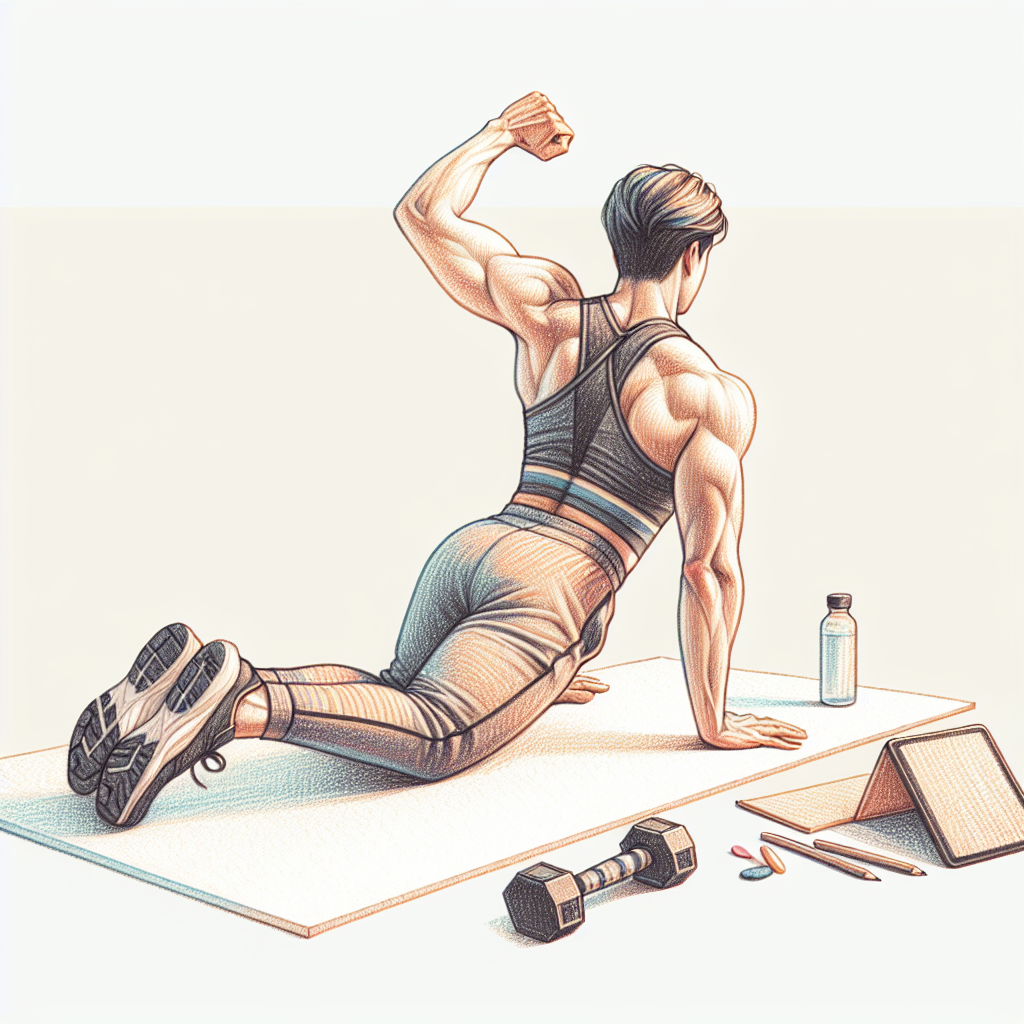
Effective No-Equipment Exercises for All Fitness Levels

Engaging in regular exercise is a cornerstone of maintaining physical health, mental well-being, and overall vitality. The good news is that you do not need expensive gym memberships or specialized equipment to achieve your fitness goals. This article delves into effective exercises that require no equipment, allowing individuals to work out anywhere and at any time. By incorporating these simple yet powerful routines into your daily life, you can enhance your strength, flexibility, and endurance.

  • Introduction
  • Benefits of No-Equipment Exercises
  • Core Exercises Without Equipment
  • Cardiovascular Activities
  • Flexibility and Stretching Routines
  • Creating Your Own Routine
  • Consulting a Professional: When to Seek Help
  • Myths and Misconceptions
  • FAQ
  • Conclusion

Benefits of No-Equipment Exercises

No-equipment exercises provide multiple advantages, including:

  • Accessibility: You can perform these exercises in the comfort of your home or outdoors.
  • Cost-Effectiveness: They eliminate the need for costly gym gear or memberships.
  • Versatility: You can easily adapt many exercises to fit your fitness level.
  • Time Efficiency: Short workouts can yield significant results, especially when consistently integrated into your routine.

Core Exercises Without Equipment

Strengthening your core is essential for improving posture, stability, and overall functional fitness. Here are some effective no-equipment core exercises:

  • Plank: Maintain a straight line from head to heels while resting on your forearms and toes. Hold for 20-60 seconds.
  • Russian Twists: Sit on the ground with your knees bent. Lean back slightly and rotate your torso to touch the ground beside you, alternating sides.
  • Leg Raises: Lie on your back and lift your legs to a 90-degree angle, then slowly lower them without touching the ground.
  • Mountain Climbers: In a push-up position, bring one knee toward your chest, alternating quickly with the other knee.

Cardiovascular Activities

Cardiovascular health is vital for overall wellness. These no-equipment activities can elevate your heart rate effectively:

  • Burpees: Start in a standing position, drop into a squat, kick your feet back to a push-up position, return to squat, and jump up.
  • Jumping Jacks: A time-tested exercise that combines jumping with lateral arm movements to boost heart rate.
  • High Knees: Running in place while bringing your knees as high as possible enhances cardiovascular capabilities.
  • Squat Jumps: Perform a squat and explode upward into a jump, landing softly back into the squat position.

Flexibility and Stretching Routines

Incorporating flexibility exercises enhances mobility and reduces the risk of injury. Consider these no-equipment stretches:

  • Standing Quad Stretch: Stand on one leg and pull your opposite heel towards your buttock, keeping your knees together.
  • Forward Bend: Stand straight, then bend forward at the hips, reaching for your toes while keeping your knees slightly bent.
  • Cobra Stretch: Lying face down, push your chest upwards with your hands to stretch your abdominal area.
  • Cat-Cow Stretch: On all fours, alternate between arching your back towards the ceiling and lowering it towards the ground.

Creating Your Own Routine

To maximize the benefits of these exercises, consider building a 6-minute routine. Here’s how:

  1. Choose 4-6 exercises from the core or cardiovascular sections.
  2. Perform each exercise for 30 seconds, resting for 15 seconds in between.
  3. Repeat the circuit to meet your desired duration.
  4. Gradually increase intensity or duration as your fitness level improves.

For those looking to efficiently structure their exercise regimen, consider visiting this link to register for a 30-day exercise program that allows you to achieve significant results with just a six-minute daily commitment.

Consulting a Professional: When to Seek Help

Although no-equipment exercises can be highly effective, it is essential to seek guidance from a qualified professional if:

  • You experience persistent pain or discomfort during exercising.
  • You are recovering from an injury and unsure about which exercises to perform.
  • You have pre-existing medical conditions that may be aggravated by physical activity.
  • You are unsure of your exercise form, which can lead to injury.

Myths and Misconceptions

Understanding common misconceptions about no-equipment exercises can further your fitness journey:

  • Myth: Bodyweight exercises are not as effective as weight lifting.
  • Truth: Bodyweight exercises can build strength and endurance when performed correctly and consistently.
  • Myth: You need to spend hours exercising to see results.
  • Truth: Short, intense workouts can yield substantial benefits if done properly.
  • Myth: No-equipment exercises are only for beginners.
  • Truth: They can be scaled in difficulty, making them suitable for all fitness levels.

FAQ

Are no-equipment exercises effective for weight loss?

Yes, no-equipment exercises can significantly contribute to weight loss when combined with a balanced diet.

How often should I perform no-equipment exercises?

For optimal results, aim for at least 150 minutes of moderate-intensity activity each week.

Can I build muscle with no-equipment exercises?

Yes, bodyweight exercises can effectively build muscle and improve strength.

Is it safe to do these exercises at home?

Generally, yes. Ensure you have enough space and a flat surface to avoid injury.

How can I track my progress?

You can track your exercises by noting repetitions, duration, and how you feel after workouts.

What should I do if I feel pain during exercise?

If you feel pain, stop immediately and consult a healthcare professional if the pain persists.

Conclusion

  • No-equipment exercises offer an accessible way to improve physical fitness.
  • These exercises can be adapted to various fitness levels, ensuring widespread applicability.
  • Incorporating cardiovascular, core, and flexibility workouts can lead to a balanced fitness routine.
  • Consult a professional when dealing with pain or pre-existing conditions.
  • Explore structured programs for guided workouts, such as the 30-day program at this link.

Take charge of your fitness journey today by integrating these no-equipment exercises into your routine and consider registering for the 30-day program to see remarkable results!

Author: John Angel
Related articles

Categories
Fitness

Effective Beginner Back Workout Without Equipment

Beginner Back Workout No Equipment

Developing a strong and flexible back is essential for overall physical health and well-being. A well-rounded back workout can enhance posture, alleviate back pain, and improve performance in various activities. For beginners, performing back exercises without equipment can be both effective and accessible. This article provides a comprehensive guide to help you initiate your back-strengthening journey.

  • Understanding the Importance of Back Workouts
  • Warm-Up: Preparing Your Body
  • Beginner Back Exercises
  • Cooling Down and Stretching
  • Recognizing When to Consult a Professional
  • Mistakes to Avoid in Your Back Workout
  • FAQ
  • Conclusion

Understanding the Importance of Back Workouts

The back consists of numerous muscles that are crucial for maintaining balance and supporting day-to-day activities. Strong back muscles are vital for a strong core, which can prevent injuries and improve overall physical performance. Engaging in regular back workouts, even without equipment, helps improve posture, decreases the risk of pain, and enhances your capacity to perform various movements safely.

Warm-Up: Preparing Your Body

Before embarking on any workout, it is essential to warm up your muscles and joints to prevent injuries. A proper warm-up increases blood flow, enhances flexibility, and readies the body for physical activity. Here are a few simple warm-up exercises:

  • Arm Circles: Stand tall and extend your arms to the side. Make small circles for 30 seconds, then switch directions.
  • Torso Twists: Stand with your feet shoulder-width apart. Rotate your torso to the left, then to the right, repeating for 30 seconds.
  • Cat-Cow Stretch: On your hands and knees, alternate between arching your back and sinking your belly towards the floor. Repeat this for 10 rounds.

Beginner Back Exercises

The following exercises can be performed without any equipment and are suitable for beginners. Aim to perform 10–15 repetitions of each exercise, depending on your fitness level:

1. Superman Exercise

Lie face down on the floor with your arms extended in front of you. Simultaneously lift your arms, chest, and legs off the ground, holding for a few seconds before lowering. This helps strengthen your lower back.

2. Bird Dog

Start in a tabletop position on your hands and knees. Extend your right arm forward while simultaneously extending your left leg back. Keep your back straight and hold the position for a few seconds. Alternate sides.

3. Plank

Assume a push-up position but rest on your forearms instead. Hold your body in a straight line from head to heels, engaging your core. Hold for 20–30 seconds, gradually increasing as your strength builds.

4. Bent-Over T’s

Stand with your feet shoulder-width apart, hinge at the hips, and keep your back straight. Extend your arms out to the side to form a “T” shape. Squeeze your shoulder blades together as you lift your arms.

5. Side Lying Rear Delt Raises

Lie on your side and keep your bottom arm extended for support. With your top arm bent at the elbow, lift your arm towards the ceiling and lower it again. This exercise targets the upper back and shoulders.

Cooling Down and Stretching

Cooling down after your workout is crucial in aiding muscle recovery and maintaining flexibility. Engage in gentle stretches to promote relaxation and reduce tension in your back:

  • Cobra Stretch: Lie face down and push your chest upwards with your hands while keeping your hips on the ground.
  • Child’s Pose: Sit back on your heels while stretching your arms forward on the ground, sinking your chest down.
  • Seated Forward Bend: Sit with your legs extended, and gently reach towards your toes while keeping your back straight.

Recognizing When to Consult a Professional

While exercising is beneficial, it is important to recognize when professional guidance may be necessary. If you experience any of the following symptoms, consider seeking advice from a healthcare provider or fitness expert:

  • Persistent back pain that worsens with exercise.
  • Difficulty performing simple daily tasks or movements.
  • Numbness or tingling in the legs or arms during workouts.
  • Back pain accompanied by other symptoms such as fever, weight loss, or weakness.

Mistakes to Avoid in Your Back Workout

As you embark on your back workout regimen, it is important to be aware of common mistakes that can hinder your progress or lead to injury:

  • Neglecting proper form can lead to strain and ineffective workouts.
  • Focusing solely on one area of the back can lead to muscle imbalances.
  • Failing to warm up and cool down increases the risk of injury.
  • Overtraining can result in burnout and diminished results; rest is essential.

FAQ

1. How often should I perform back exercises?

For beginners, aim for 2–3 times a week, allowing adequate recovery time.

2. Can I see results without equipment?

Yes, bodyweight exercises can be very effective for building back strength and endurance.

3. What if I experience pain during exercises?

Stop the exercise immediately and consult with a healthcare provider if the pain persists.

4. Are warm-ups necessary every time before a workout?

Yes, warming up each time reduces the risk of injury and prepares your body for exercise.

5. Should I incorporate cardio into my back workout routine?

Yes, combining cardio with strength training can enhance overall fitness and weight management.

6. Can I progress to more advanced exercises?

Absolutely! As you build strength, gradually incorporate more complex movements or resistance training.

Conclusion

  • Strengthening your back enhances overall health and posture.
  • Bodyweight exercises are effective for beginners and require no equipment.
  • Consistency is key; aim for regular workouts to see improvements.
  • Always warm up before and cool down after your exercises.
  • If experiencing pain or discomfort, consult a professional for guidance.

For those looking to further streamline their fitness journey, consider registering for a 30-day exercise program that involves only 6 minutes of daily workouts, yielding impressive results akin to traditional gym routines.

Author: John Angel

Related articles

Categories
Fitness

Effective At-Home Back Workouts Without Equipment

Embarking on a fitness journey can be both empowering and rewarding. One of the significant advantages of at-home workouts is the ability to enhance muscle strength without requiring special equipment. This article provides a comprehensive guide to effective back workouts at home, ensuring that you engage in a safe and sustainable fitness routine. By incorporating these exercises into your daily regimen, you can build a strong back, improve posture, and mitigate the risk of injury, all from the comfort of your own home.

  • Understanding the Importance of a Strong Back
  • Essential Warm-Up Exercises
  • Back Workouts You Can Do at Home
  • Post-Workout Stretching Techniques
  • When to Consult a Professional
  • Common Myths & Mistakes
  • FAQs
  • Conclusion

Understanding the Importance of a Strong Back

A strong back is vital for overall body mechanics, supporting daily activities such as lifting, bending, and sitting. Well-developed back muscles contribute to improved posture, reduced risk of injury, and enhanced athletic performance. Moreover, a strong back can alleviate strain on the spine and prevent conditions stemming from poor alignment and muscle imbalances.

Essential Warm-Up Exercises

Warming up prepares your muscles for exercise and helps prevent injuries. It is recommended to perform a 5-10 minute dynamic warm-up before any workout session. Here are some effective warm-up exercises:

  • Arm Circles: Stand with your arms extended sideways and make small circles, gradually increasing the size.
  • Torso Twists: Stand with feet shoulder-width apart, placing your hands on your hips, and twist your torso gently to the left and right.
  • Leg Swings: Hold onto a stable surface and swing one leg forward and backward, alternating legs.

Back Workouts You Can Do at Home

Here are a few effective exercises that target the various muscles of the back:

  1. Superman Exercise: Lie face down on the floor with arms stretched in front. Raise your arms, chest, and legs simultaneously as if flying, hold for two seconds, then lower.
  2. Plank Rows: In a plank position with feet shoulder-width apart, row one arm toward your hip while balancing on the opposite arm, then alternate.
  3. Reverse Snow Angels: Lie face down with arms by your sides. Raise your arms and legs slightly off the ground and move your arms in an outward arc resembling a snow angel.
  4. Bird-Dog: Start on your hands and knees, then extend one arm forward while extending the opposite leg back. Hold and switch sides.
  5. Wall Angels: Stand with your back against a wall and your arms raised in a “W” shape. Slide your arms upward into a “Y” and back down to the “W” position.

Post-Workout Stretching Techniques

Post-exercise stretching is crucial for maintaining flexibility and preventing soreness. Here are some effective stretches for your back:

  • Cobra Stretch: Lie face down and push up with your hands to arch your back gently.
  • Child’s Pose: Start on your hands and knees, then sit back on your heels and stretch your arms forward on the ground.
  • Seated Forward Bend: Sit with your legs extended and reach for your toes, holding the stretch to relieve tension.

When to Consult a Professional

While engaging in at-home workouts is beneficial, it is crucial to listen to your body. Consult a healthcare professional if you experience:

  • Persistent pain that does not subside with rest.
  • Severe soreness affecting daily activities.
  • Unusual symptoms such as numbness or tingling in the limbs.

Common Myths & Mistakes

Understanding common misconceptions can enhance your workout effectiveness:

  • Myth: You need equipment for an effective back workout.
  • Myth: Strength training will make you bulky.
  • Mistake: Neglecting to warm up properly increases injury risks.

FAQs

How often should I perform back workouts at home?

It is advisable to perform back workouts two to three times per week for optimal results.

Can I build strength without weights?

Yes, bodyweight exercises can effectively build strength and endurance in your back muscles.

How long should my workout session be?

A 20-30 minute session, including warm-up and cool-down, is sufficient for effective workouts.

Is it okay to feel sore after exercising?

Some soreness can be normal as your muscles adapt, but sharp pain should signal a need for rest.

Can I incorporate these workouts into a busier schedule?

Absolutely! These exercises can be done in a short time, making them perfect for a busy lifestyle.

What if I want structured guidance?

You might consider joining a program that offers short, effective workouts. For example, you can register for a 30-day exercise program that includes just 6 minutes of daily exercise yet delivers substantial results: Join here!

Conclusion

  • Building a strong back improves posture and reduces injury risk.
  • Essential warm-up and cool-down practices enhance workout effectiveness.
  • Bodyweight exercises effectively strengthen back muscles without any equipment.
  • Listening to your body and knowing when to seek professional advice is vital.
  • Dispelling common myths can optimize your fitness journey.

Incorporate these exercises into your routine and take steps toward a healthier back today. Remember, consistency is key to achieving your fitness goals!

Author: John Angel

Related articles

Website analytics information

We use Google Analytics 4 for visitor statistics. Analytics cookies require your consent, which you can change using the button above. The data controller is ZDRAVÍ S ÚSMĚVEM s.r.o., company ID 29283329, contact podpora@revolucnicviceni.cz. Google processes browser, device and page visit information. We do not send form field values to Analytics. How Google uses information · Google Privacy Policy.