
Categories
Weight Loss

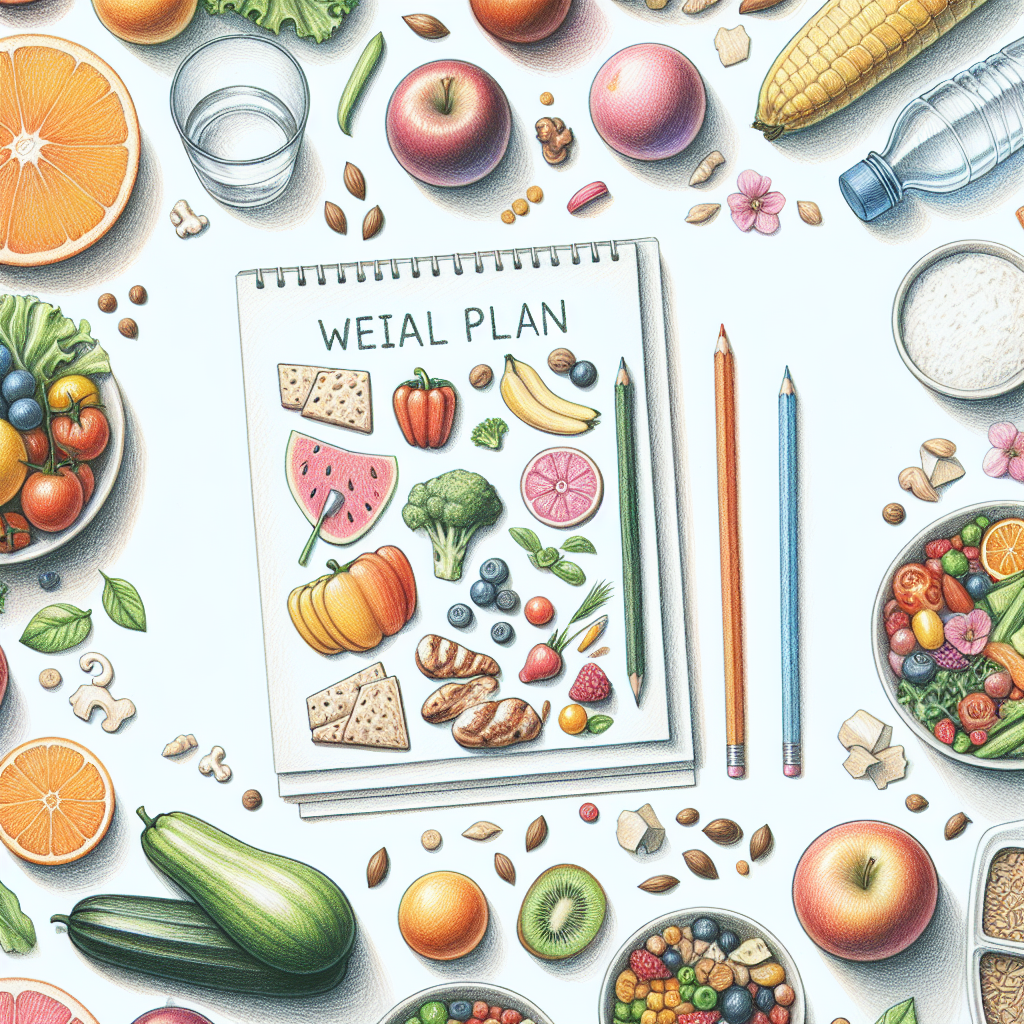
30-Day Meal Plan for Effective Weight Loss

Meal Plan for 30 Day Weight Loss

Embarking on a weight loss journey requires more than just willpower; it calls for a structured approach tailored to personal needs and preferences. In this comprehensive guide, we present a meal plan designed to streamline your everyday choices while ensuring nutritional adequacy. By committing to a 30-day meal plan, you not only set yourself up for effective weight loss but also foster healthier eating habits that can last beyond the month itself. Moreover, paired with efficient exercise routines, such as short workouts at home, you can accelerate your results towards your fitness goals.

  • Understanding Your Nutritional Needs
  • The Structure of the 30-Day Meal Plan
  • Incorporating Short Workouts
  • Practical Tips for Meal Preparation
  • Monitoring Your Progress
  • When to Consult a Professional
  • Common Myths About Weight Loss
  • FAQs

Understanding Your Nutritional Needs

Before diving into the specifics of a 30-day meal plan, it’s important to understand what your body requires in order to lose weight safely and effectively. A calorie deficit is essential; this means consuming fewer calories than your body expends. However, making sure that your diet remains balanced is equally important. Essential macronutrients include:

  • Proteins: Crucial for muscle repair and growth.
  • Carbohydrates: Provide energy for daily activities.
  • Fats: Important for hormone production and nutrient absorption.

Consulting with a healthcare professional can provide tailored advice based on your specific situation, especially if you have underlying health conditions.

The Structure of the 30-Day Meal Plan

Below is a basic framework for a 30-day meal plan focusing on balanced nutrition and calorie management. Each day consists of three main meals and two snacks designed to keep hunger at bay while promoting weight loss.

Weekly Meal Structure

  • Breakfast: High in protein and fiber
  • Lunch: A balanced mix of veggies, protein, and healthy fats
  • Dinner: Lighter meals with lean protein and rich vegetables
  • Snacks: Healthy options such as fruits, nuts, or yogurt

For variety, consider rotating different foods within those categories each week. For example:

Sample Daily Menu

  • Breakfast: Greek yogurt with berries and a tablespoon of nuts.
  • Snack: A banana or a handful of almonds.
  • Lunch: Grilled chicken salad topped with avocado and olive oil.
  • Snack: Carrot sticks with hummus.
  • Dinner: Baked salmon with steamed broccoli and quinoa.

Incorporating Short Workouts

The magic of six-minute short workouts at home lies in their adaptability and efficiency. These workouts engage multiple muscle groups and elevate your heart rate, making them admirable for those with tight schedules. Incorporating such workouts into your daily routine—whether as a warm-up or a stand-alone session—can foster consistency and accelerate your weight loss journey.

To participate in a structured plan, consider registering for the SixPack workout program for 30 days for free. Engaging in short but effective workouts can be particularly beneficial for busy individuals, as they can fit seamlessly into any day.

Practical Tips for Meal Preparation

Adhering to a meal plan requires organizational skills and time management. Below are some practical tips to streamline meal preparation:

  • Batch Cook: Prepare multiple meals at once to save time.
  • Invest in Containers: Use appropriate storage containers for easy portioning.
  • Plan Ahead: Create a weekly menu and grocery list to avoid impulse purchases.
  • Keep Healthy Snacks Ready: Having nutritious options available prevents unhealthy choices.

Monitoring Your Progress

Tracking your progress aids motivation and provides insights into what works for you. Consider maintaining a journal that outlines your meals, emotional states, and progress. This method contributes not only to accountability but also to self-awareness.

When to Consult a Professional

While a structured meal plan can be immensely beneficial, certain flags warrant consulting with a healthcare provider or a registered dietitian. Key signs include:

  • Significant weight changes in a short period.
  • Persistent fatigue or weakness.
  • Emotional distress related to food or body image.
  • Pre-existing health concerns like diabetes or cardiovascular issues.

We encourage you to seek tailored advice that ensures your weight loss journey remains healthy and sustainable.

Common Myths About Weight Loss

The landscape of weight loss is often riddled with misinformation. Below are common misconceptions to be aware of:

  • All Carbs Are Bad: Not all carbohydrates are created equal; focus on whole grains rather than processed foods.
  • Skipping Meals Aids Weight Loss: This can lead to overeating later; balanced meals are key.
  • Weight Loss is a Linear Process: Fluctuations are normal; consistency is what ultimately matters.
  • Supplements Can Replace Healthy Eating: No pill can substitute for a varied diet rich in nutrients.

FAQs

What is a calorie deficit?

A calorie deficit occurs when you consume fewer calories than your body burns, which is essential for weight loss.

Can I lose weight without exercise?

While exercise enhances weight loss and health, nutrition plays a significant role, and you can lose weight through dietary changes alone.

How important is hydration in a weight loss journey?

Staying hydrated is crucial. Water aids digestion, helps manage hunger, and plays a role in metabolic processes.

Can I eat my favorite foods and still lose weight?

Yes—moderation is key! Allowing yourself occasional treats can help maintain a balanced approach and reduce feelings of deprivation.

How do I stay motivated during my weight loss journey?

Set realistic goals, track your progress, and consider enlisting the support of friends or family to encourage accountability.

What if I hit a weight loss plateau?

Plateaus are normal. Re-evaluating your meal plan, adjusting exercise routines, or consulting a professional can help you overcome this.

Conclusion

  • Creating a structured meal plan aids in weight loss and promotes health benefits.
  • Incorporate short, efficient workouts to complement dietary efforts.
  • Monitor your progress regularly to stay motivated and accountable.
  • Recognize when to seek professional assistance for personalized advice.
  • Debunk common myths to navigate your weight loss journey with clarity.

As you embark on your weight loss journey, committing to a simple, structured meal plan, paired with short workouts can lead you to success. Want a head start? Register for the SixPack workout program for 30 days for free and discover the advantages of effective exercise at home. Your journey to wellness starts today.

Author: John Angel

Related articles

Categories
Weight Loss

Healthy Foods for Effective Weight Loss Management

Embarking on a weight loss journey can be both exciting and daunting. The food choices we make play a crucial role in achieving our goals. By incorporating healthy foods into your diet, you not only promote weight loss but also enhance your overall well-being. This article explores various nutritious options that can support your path to a healthier lifestyle.

  • Understanding Healthy Foods
  • Must-Have Foods for Weight Loss
  • Practical Tips for Incorporating Healthy Foods
  • When to Consult a Professional
  • Common Myths and Misconceptions
  • FAQs

Understanding Healthy Foods

Healthy foods are generally those that are high in nutrients and low in added sugars, unhealthy fats, and calories. They provide essential vitamins, minerals, and other phytonutrients that the body requires for optimal function. When aiming for weight loss, it’s important to focus on foods that can aid in satiety (feeling full) while still allowing for a caloric deficit. Including a variety of fresh vegetables, whole grains, lean proteins, and healthy fats can significantly contribute to your weight loss journey. These foods not only nourish the body but also prevent cravings that often lead to overeating.

Must-Have Foods for Weight Loss

Here are some essential foods that can aid in your weight loss journey:

  • Leafy Greens: Spinach, kale, and collard greens are packed with nutrients and low in calories.
  • Lean Proteins: Chicken, turkey, tofu, and legumes provide essential amino acids while promoting muscle retention.
  • Whole Grains: Quinoa, brown rice, and oats are rich in fiber and can help sustain energy levels.
  • Fruits: Berries and apples are high in fiber and antioxidants, making them ideal for satisfying sweet cravings.
  • Nuts and Seeds: Almonds and chia seeds offer healthy fats and protein to keep you feeling full longer.

Practical Tips for Incorporating Healthy Foods

Making small changes can lead to significant improvements. Consider the following practical steps:

  1. Plan Your Meals: Design weekly meal plans to include a variety of healthy foods.
  2. Prep Ahead: Prepare fruits and vegetables in advance to make healthy snacking easier.
  3. Mindful Eating: Focus on your meals without distractions to better recognize feelings of fullness.
  4. Stay Hydrated: Drink plenty of water to help manage hunger and assist digestion.
  5. Utilize Short Workouts: Incorporate six-minute workout sessions at home to elevate your activity level without overwhelming your schedule. Experience the magic of quick, effective workouts that fit into any day.

When to Consult a Professional

It is important to consult a healthcare professional or registered dietitian when you experience any of the following:

  • Intense cravings that don’t subside with healthy choices.
  • Significant weight fluctuations without clear reasons.
  • Emotional eating patterns that hinder progress.
  • Medical conditions that might impact your nutritional needs.

Common Myths and Misconceptions

Several myths surround healthy eating and weight loss that need to be dispelled:

  • All Carbs are Bad: While refined carbs can contribute to weight gain, whole grains are beneficial and necessary.
  • Health Foods are Inherently Low-Calorie: Foods like nuts and avocados are healthy but should be consumed in moderation due to their higher calorie content.
  • You Must Eliminate All Sweets: Completely forbidding sweets can lead to binge eating; instead, practice moderation.
  • Eating Fat Makes You Fat: Healthy fats can aid in weight loss when consumed appropriately.

FAQs

What types of food can help with weight loss?

Focus on whole foods such as fruits, vegetables, lean proteins, and whole grains for optimal results.

How much protein should I consume for weight loss?

Generally, aim for at least 0.8 grams of protein per kilogram of body weight, adjusting based on your activity level.

Are low-carb diets effective for weight loss?

Low-carb diets can be effective for some individuals, but it’s essential to ensure you’re still getting adequate nutrients.

Can I lose weight by only eating healthy foods?

Yes, but portion control is still crucial; even healthy foods can lead to weight gain if eaten in excess.

What role does exercise play in weight loss?

Exercise helps burn calories and maintain muscle mass, boosting your metabolic rate during and after workouts.

How do I avoid emotional eating?

Practice mindful eating and identify triggers; consider keeping a food diary to help track your feelings and eating patterns.

Conclusion

  • Focus on incorporating a variety of nutrient-dense foods into your diet.
  • Meal planning and preparation are key to maintaining healthy eating habits.
  • Consult a healthcare professional if you experience any concerning symptoms related to your eating habits.
  • Be aware of common myths that can impede your weight loss journey.
  • Consider short, effective workouts to complement your nutritional efforts.

Embrace your weight loss journey with confidence, making informed and enjoyable food choices along the way. For an added boost, explore the transformative impact of six-minute workouts at home—take advantage of a free 30-day trial for the SixPack workout program today!

Author: John Angel

Related articles

Categories
Weight Loss

Comprehensive Diet Plan for Effective Weight Loss

Embarking on a weight loss journey can often feel overwhelming, especially with the multitude of diet plans and fitness regimens claiming miraculous results. However, a well-structured diet plan, complemented by effective workouts, is essential for sustainable weight loss. In this article, we will explore the best diet plans tailored for weight loss, delve into the magic of six-minute workouts at home, and provide actionable guidance to support your goals.

  • Understanding Sustainable Weight Loss
  • Essential Components of an Effective Diet Plan
  • The Magic of Six-Minute Short Workouts
  • Practical Steps to Begin Your Journey
  • When to Consult a Professional
  • Common Myths and Mistakes
  • Frequently Asked Questions

Understanding Sustainable Weight Loss

Sustainable weight loss is not merely about cutting calories or restricting food groups but creating a balanced approach that can be maintained over time. Aiming for gradual weight loss—approximately 1 to 2 pounds per week—is advisable. This approach not only protects muscle mass but also encourages the adoption of long-term healthy habits.

Essential Components of an Effective Diet Plan

An effective diet plan for weight loss should include:

  • Balanced Macronutrients: Ensure a proper ratio of carbohydrates, proteins, and fats tailored to your body’s needs.
  • Plant-Based Foods: Incorporating fruits, vegetables, whole grains, and legumes enhances nutrient intake and fiber, aiding in digestion.
  • Hydration: Adequate water intake is crucial; aiming for 8-10 glasses a day can support metabolism and suppress appetite.
  • Meal Timing: Regular meal patterns can help manage hunger cues and maintain energy levels throughout the day.
  • Mindful Eating: Fostering awareness of eating habits can prevent overeating and promote satisfaction with smaller portions.

The Magic of Six-Minute Short Workouts

The allure of six-minute workouts lies in their practicality and accessibility. In a busy lifestyle, finding time for lengthy gym sessions can prove challenging. However, short bursts of intense exercise can yield significant benefits:

  • Time Efficiency: These workouts can effortlessly fit into your daily routine, allowing for quick bursts of activity.
  • Enhanced Metabolism: Short, high-intensity workouts can boost your metabolism and sustain calorie burning post-exercise.
  • Increased Motivation: The brevity of the workout makes it psychologically easier to commit, reducing barriers to participation.
  • Flexibility: Six-minute workouts can be performed anywhere, at any time, eliminating excuses for inactivity.
  • Immediate Benefits: Participants often report improved mood and energy levels almost instantly after completing these workouts.

For those interested in experiencing these benefits, consider registering for the SixPack workout program for 30 days free.

Practical Steps to Begin Your Journey

Initiating a successful weight loss journey requires a structured approach. Consider the following steps:

  1. Set Clear, Achievable Goals: Define what success looks like for you.
  2. Create a Meal Plan: Outline meals and snacks ahead of time to mitigate impulsive eating.
  3. Incorporate Six-Minute Workouts: Gradually integrate these into your routine, aiming for multiple sessions per week.
  4. Track Progress: Use tools like apps or journals to monitor food intake and physical activity.
  5. Seek Support: Engage with a community or enlist a friend to share your journey and motivate you.

When to Consult a Professional

It’s crucial to recognize when to seek assistance from a healthcare professional during your weight loss journey. You should consider consulting a registered dietitian or a medical doctor if:

  • You are experiencing significant weight fluctuations.
  • You have underlying health concerns that could be affected by dietary changes.
  • You feel overwhelmed, anxious, or depressed about your weight loss goals.
  • You are contemplating extreme diets or drastic weight loss measures.

Common Myths and Mistakes

Misconceptions about weight loss can hinder progress. Here are some prevalent myths:

  • Myth: Skipping meals leads to weight loss.
  • Myth: All fats are bad for you.
  • Myth: Supplements can replace a healthy diet.
  • Myth: You must exercise for hours to lose weight.

Frequently Asked Questions

What is the most effective diet for weight loss?

There is no one-size-fits-all approach; a balanced diet that fits your lifestyle and preferences is most effective.

How can I stay motivated on my weight loss journey?

Setting achievable goals, tracking progress, and celebrating small victories can help maintain motivation.

Are short workouts really effective for weight loss?

Yes, short, high-intensity workouts can significantly boost metabolism and promote body fat loss when done regularly.

What role does hydration play in weight loss?

Staying hydrated is essential for maintaining metabolism, reducing hunger, and promoting overall health.

Can I lose weight without exercise?

While exercise supports weight loss, a healthy diet alone can also result in weight loss. However, combining both yields better results.

Is it necessary to count calories for weight loss?

Calorie counting can help some individuals stay aware of their intake, but it is not necessary for everyone. Focusing on quality of food is equally important.

Conclusion

  • Establish a balanced diet with appropriate macronutrients and plenty of plant-based foods.
  • Incorporate six-minute workouts to enhance your routine without overwhelming your schedule.
  • Set achievable goals and keep track of your progress for sustained motivation.
  • Add hydration and mindful eating practices to your daily habits.
  • Recognize when to seek professional guidance to support your journey.

Embarking on a weight loss journey is an admirable endeavor, and it’s vital to find a balance that works for you. Start by understanding these fundamental principles and consider integrating six-minute workouts into your lifestyle for effective, time-efficient results. For a structured approach, register for the SixPack workout program for 30 days free and take the first step towards achieving your goals.

Author: John Angel

Related articles

Categories
Weight Loss

Comprehensive Diet Program for Effective Weight Loss

Diet Program: Transforming Your Weight Loss Journey

Embarking on a weight loss journey can seem daunting, yet it can be a fortifying experience with the right diet program. The most effective approaches blend nutrition and exercise, creating a lifestyle conducive to health and well-being. This article discusses the significance of efficient strategies, including short workout sessions, that fit seamlessly into daily routines. One such program, the SixPack workout, encourages short, intense six-minute workouts that promise remarkable results. To explore this further, register for the SixPack workout program for 30 days free.

  • Understanding the Basics of a Diet Program
  • The Role of Short Workouts in Weight Loss
  • Benefits of Six-Minute Workouts at Home
  • Steps to Incorporate a Diet Program into Your Lifestyle
  • When to Consult a Professional
  • Common Misconceptions About Diet Programs
  • Frequently Asked Questions

Understanding the Basics of a Diet Program

A diet program should not be merely a temporary fix; rather, it should be a comprehensive plan tailored to individual needs. Typically, it includes guidelines on nutrition, portion sizes, and meal frequency aimed at promoting healthy weight loss. Engaging with a robust diet program emphasizes sustainable changes, focusing on balanced meals rich in nutrients rather than depriving oneself of food.

The Role of Short Workouts in Weight Loss

In today’s fast-paced world, finding time for lengthy gym workouts can prove challenging. Short workouts emerge as a convenient and effective alternative. They can be strategically included in your daily routine without significant disruptions. Intense short bouts of exercise can stimulate metabolism and enhance fat burning, making them a powerful addition to any weight loss program.

Benefits of Six-Minute Workouts at Home

The magic of six-minute short workouts lies in their ability to deliver impactful results without the time commitment associated with traditional workouts. Here are key benefits:

  • Efficiency: Ideal for busy individuals, six-minute workouts can be performed at home, ensuring consistency.
  • Accessibility: No equipment is needed, making it easy for anyone to join in.
  • Physical Benefits: Increases cardiovascular fitness, strength, and metabolic rate.
  • Mental Boost: Quick workouts can elevate mood and reduce stress levels.
  • Habit Formation: Their brevity encourages adherence, aiding in the establishment of a consistent routine.

Steps to Incorporate a Diet Program into Your Lifestyle

To successfully integrate a diet program, follow these practical steps:

  1. Assess Your Needs: Evaluate your current eating habits and physical activity levels.
  2. Set Realistic Goals: Focus on achievable objectives that encourage progress without overwhelming you.
  3. Plan Meals: Prepare balanced meals with whole foods, lean proteins, fruits, and vegetables.
  4. Schedule Workouts: Incorporate six-minute workout sessions into your daily schedule.
  5. Monitor Progress: Keep a journal or use apps to track food intake and exercise.
  6. Seek Support: Engage with a community or a professional for encouragement and accountability.

When to Consult a Professional

While embarking on a weight loss journey, consulting a healthcare professional may be necessary in certain situations:

  • If you have underlying health conditions or concerns.
  • If weight loss attempts result in extreme fatigue or mental strain.
  • If you experience significant changes in appetite or mood.
  • If you are considering drastic dietary changes.

Common Misconceptions About Diet Programs

Misinformation can hinder progress on your weight loss journey. Here are some prevalent myths to debunk:

  • Quick Fixes: Many believe rapid weight loss is sustainable, but real change takes time.
  • All Calories Are Equal: The source of calories matters; nutrient-dense foods promote better health.
  • Skipping Meals Helps Lose Weight: This can lead to overeating later and disrupts metabolism.
  • Exercise Can Replace a Poor Diet: Nutrition plays a key role and cannot be neglected.

Frequently Asked Questions

What is the best diet program for weight loss?

There is no one-size-fits-all approach; successful diet programs vary by individual preferences and needs.

Can I lose weight with short workouts?

Yes, short workouts, especially high-intensity intervals, can promote weight loss effectively when combined with a balanced diet.

How important is meal planning in a diet program?

Meal planning is crucial as it helps you make healthier choices and control portion sizes.

Is it necessary to consult a professional before starting a diet program?

While not mandatory, consulting a healthcare professional can provide personalized guidance and ensure safety.

What if I don’t see results quickly?

Weight loss is often gradual; focus on other health improvements and stick with your program for lasting change.

Are six-minute workouts effective for all fitness levels?

Yes, six-minute workouts can be adjusted to suit any fitness level and can be an excellent introduction to regular exercise.

Conclusion

  • Effective diet programs combine nutrition with physical activity.
  • Short workouts, like the SixPack program, offer convenience and efficiency.
  • Establishing a diet requires realistic goals and consistent practices.
  • Consulting a healthcare professional may be beneficial in certain situations.
  • Debunking myths surrounding diet programs can help you stay focused on your journey.

As you embark on your weight loss journey, remember the importance of prioritizing health over quick fixes. Consider joining our SixPack workout program for 30 days free to explore the benefits of short, effective workouts. Your body and mind will thank you for it!

Author: John Angel

Related articles

Categories
Fitness

30-Day Fat Burning Workout Plan for Effective Weight Loss

If you are looking for an effective way to embark on your weight loss journey, a structured 30-day fat-burning workout can be transformative. By committing to just six-minute workouts at home, you can ignite your metabolism, boost your energy levels, and achieve significant physical benefits with minimal time investment. This guide will explore the magic of these short workouts, the impact they can have on your daily routine, and the essential steps to get started.

  • Understanding the Science Behind Short Workouts
  • The 30-Day Workout Plan
  • Benefits of a Home Workout Approach
  • Common Myths and Misconceptions
  • When to Consult a Professional
  • FAQ
  • Conclusion

Understanding the Science Behind Short Workouts

Short, intense bursts of exercise, such as six-minute workouts, activate your body’s natural fat-burning processes. High-Intensity Interval Training (HIIT) has proven to be efficient in burning calories and fat in shorter durations compared to traditional workouts. This approach not only saves time but also enhances cardiovascular fitness and improves muscle strength, making it ideal for those with busy schedules.

The 30-Day Workout Plan

The following plan outlines a simple yet effective method for integrating six-minute workouts into your daily routine. Each session can be performed at home with minimal or no equipment.

  1. Warm-Up (1 minute): Engage in dynamic stretching to prepare your muscles.
  2. Workout (6 minutes):
    • 30 seconds of jumping jacks
    • 30 seconds of push-ups
    • 30 seconds of squats
    • 30 seconds of burpees
    • Repeat the circuit twice.
  3. Cool Down (1 minute): Stretch and focus on breathing to bring your heart rate down.

Repeat this plan daily for a month, progressively increasing the intensity as your fitness improves. To support your journey, consider registering for the SixPack workout program for 30 days for free, which offers guided sessions to maximize your results.

Benefits of a Home Workout Approach

Choosing home workouts, particularly short-duration sessions, offers numerous advantages:

  • Flexibility: Workouts can be done at any time that suits your schedule, ensuring consistency.
  • Accessibility: No need for a gym membership or expensive equipment.
  • Comfort: Familiar environment allows you to focus without distractions.
  • Community Support: Online programs often provide a community atmosphere for motivation and accountability.

Common Myths and Misconceptions

As with any fitness plan, misunderstandings can hinder progress. Here are some myths surrounding short workouts:

  • Myth 1: Short workouts are not effective.
  • Myth 2: You need long sessions to see results.
  • Myth 3: Only cardio burns fat effectively.

Short, high-intensity workouts have been shown to produce comparable results to longer exercises, provided that the intensity is adequately high.

When to Consult a Professional

While short workouts can benefit many individuals, certain conditions may warrant professional guidance:

  • Pre-existing health conditions (e.g., cardiovascular disease, joint issues).
  • New to exercise after a long hiatus or significant weight gain.
  • Experiencing persistent pain or discomfort during workouts.

Consulting a healthcare provider or fitness professional can provide personalized advice and make your weight loss journey safer and more effective.

FAQ

What results can I expect in 30 days?

Many individuals may experience improved endurance, enhanced muscle tone, and some weight loss, depending on diet and consistency.

Is it necessary to follow a specific diet during this program?

While not mandatory, a balanced diet rich in whole foods will optimize your results.

Can beginners participate?

Absolutely! The six-minute workouts can be adjusted to any fitness level, allowing beginners to ease into exercise.

How many days a week should I commit to this plan?

It is advisable to work out at least 5 days a week for optimal results, with rest days interspersed to allow recovery.

What if I miss a day?

Do not be discouraged. Simply continue with the program the next day without trying to “catch up.” Consistency is key.

What if I have limited space at home?

Many exercises can be performed in small spaces. Adjust movements to suit your environment, focusing on body-weight exercises.

Conclusion

  • Short workouts are effective for burning fat in minimal time.
  • Home workouts offer flexibility, accessibility, and comfort.
  • Consult professionals if pre-existing health issues exist.
  • Myths surrounding short workouts can deter progress; focus on intensity.
  • Consistent, focused training can yield positive results within 30 days.

Start your journey today by integrating six-minute workouts into your routine. For structured guidance, consider registering for the SixPack workout program for 30 days for free and unlock the full potential of your fitness efforts.

Author: John Angel

Related articles

Categories
Weight Loss

Effective 30-Day Weight Loss Menu and Tips

30-Day Menu for Weight Loss

The journey towards effective weight loss can often seem daunting, filled with misconceptions and uncertainties. However, a well-structured meal plan can simplify this process significantly. A carefully curated 30-day menu not only promotes weight loss but also ensures nutritional balance and satisfaction. In this article, we will explore a comprehensive menu designed for effective weight loss, along with valuable insights that can enhance your weight loss journey.

  • Understanding the Importance of a Structured Menu
  • Sample 30-Day Menu for Weight Loss
  • How to Incorporate Six-Minute Workouts
  • When to Seek Professional Guidance
  • Common Mistakes and Myths in Weight Loss
  • Frequently Asked Questions

Understanding the Importance of a Structured Menu

A structured meal plan serves multiple purposes in the pursuit of weight loss. Firstly, it offers a sense of control over your dietary choices, helping to reduce impulsive eating. Secondly, planning your meals allows you to make healthier food choices, ensuring a balanced intake of essential nutrients. Furthermore, an organized menu facilitates grocery shopping, making it easier to avoid temptations in the aisles.

Sample 30-Day Menu for Weight Loss

Below is a practical meal plan that can help you on your weight loss journey. This menu emphasizes whole foods, balanced portions, and minimal processed ingredients:

Week 1

  • Breakfast: Overnight oats with berries
  • Lunch: Grilled chicken salad with mixed greens
  • Dinner: Baked salmon with steamed broccoli
  • Snacks: Almonds or carrot sticks

Week 2

  • Breakfast: Smoothie with spinach, banana, and protein powder
  • Lunch: Quinoa bowl with chickpeas and avocado
  • Dinner: Stir-fried tofu with bell peppers and brown rice
  • Snacks: Greek yogurt or apple slices

Week 3

  • Breakfast: Scrambled eggs with wilted spinach
  • Lunch: Turkey wrap with whole-grain tortilla
  • Dinner: Roasted chicken with sweet potatoes and asparagus
  • Snacks: Celery with hummus

Week 4

  • Breakfast: Chia seed pudding topped with nuts
  • Lunch: Lentil soup with a side salad
  • Dinner: Zucchini noodles with marinara sauce and ground turkey
  • Snacks: Dark chocolate or mixed berries

How to Incorporate Six-Minute Workouts

In conjunction with this menu, engaging in six-minute short workouts can significantly enhance your weight loss efforts. These quick, high-intensity workouts are designed to elevate your heart rate and maximize calorie burn in a short span of time. Suitable for busy schedules, they can be easily performed at home, requiring minimal space and equipment.

The magic of these brief yet efficient sessions lies in their adaptability. They can be interspersed throughout your day, whether during a lunch break or right after waking up. The benefits are profound: improved cardiovascular health, enhanced metabolism, and the satisfaction of completing an exercise routine without a significant time commitment. Discover the transformative power of six-minute workouts by registering for a free 30-day SixPack workout program.

When to Seek Professional Guidance

While embarking on your weight loss journey, it is crucial to recognize when to seek professional advice. You should consider consulting a healthcare provider or a registered dietitian if:

  • You experience sudden weight fluctuations.
  • You have underlying health conditions that affect your diet.
  • You find it challenging to maintain a healthy eating pattern.
  • You are unsure about specific dietary requirements based on your lifestyle.
  • Your weight loss efforts are resulting in adverse side effects or emotional distress.

Common Mistakes and Myths in Weight Loss

Understanding prevalent misconceptions can prevent you from falling into common traps during your weight loss journey:

  • Myth: Skipping meals helps in weight loss.
  • Myth: Carbs are to be completely avoided.
  • Mistake: Relying solely on exercise without addressing diet.
  • Mistake: Expecting immediate results leads to quick frustration.

Recognizing these inaccuracies is essential for establishing a realistic and sustainable approach to weight loss.

Frequently Asked Questions

What foods should I include in my weight loss diet?

Focus on whole foods, such as fruits, vegetables, lean proteins, and whole grains.

How many calories should I eat for weight loss?

This varies; consult a professional to determine your specific needs based on age, size, and activity level.

Can I exercise on my weight loss journey?

Yes, combining diet with regular exercise enhances weight loss and improves overall health.

How do I stay motivated during my weight loss journey?

Set realistic goals, track your progress, and reward yourself for small achievements.

Is it safe to lose weight quickly?

While rapid weight loss can be tempting, aiming for a gradual loss of 1-2 pounds per week is safer and more sustainable.

How important is hydration in weight loss?

Staying hydrated is crucial as it supports metabolic processes and curbs unnecessary hunger.

Conclusion

  • Structured meal planning is essential for successful weight loss.
  • Incorporating six-minute home workouts can enhance fitness and calorie burn.
  • Avoid common myths to maintain a realistic perspective on weight loss.
  • Seek professional guidance when facing challenges.
  • Stay committed, and adjust your plan as needed for long-term success.

Embarking on a weight loss journey doesn’t have to be a challenging endeavor. By following a structured 30-day menu and incorporating efficient workouts, you can achieve your goals effectively. Remember to consult a professional when necessary, and acknowledge that your weight loss journey is unique. Start your journey today with a free trial of the SixPack workout program and unlock the secret to effective workouts at home!

Author: John Angel

Related articles

Categories
Weight Loss

Effective Strategies to Lose 30 Pounds in 30 Days

Are you ready to transform your life by losing 30 pounds in 30 days? This ambitious yet achievable goal can dramatically improve your health and well-being. With the right approach, a dedication to short, effective workouts, and a balanced diet, you can embark on a successful weight loss journey. Join the SixPack workout program for 30 days for free and embrace this transformative experience.

  • Understanding the Six-Minute Short Workouts
  • The Role of Nutrition in Weight Loss
  • Practical Steps to Achieve Your Goals
  • When to Consult a Professional
  • Debunking Common Myths
  • Frequently Asked Questions

Understanding the Six-Minute Short Workouts

The magic of six-minute short workouts lies in their ability to deliver impactful results within a limited timeframe. These workouts are designed to be concise yet powerful, integrating high-intensity interval training (HIIT) principles that maximize calorie burn and enhance cardiovascular fitness. By dedicating just a few minutes a day, you can easily fit fitness into your busy lifestyle. This makes it practical to stay committed to your weight loss journey without sacrificing precious time.

The Role of Nutrition in Weight Loss

While exercise is essential, nutrition plays a critical role in any successful weight loss journey. A balanced diet rich in whole foods, such as fruits, vegetables, lean proteins, and whole grains, will provide the necessary nutrients to support your fitness regimen. Staying hydrated and minimizing processed foods can also accelerate your results.

Practical Steps to Achieve Your Goals

To effectively lose 30 pounds in 30 days, consider implementing the following concrete steps:

  1. Join the SixPack Workout Program: Get started with a structured yet flexible workout plan designed to fit into your daily schedule. Register for the free program here.
  2. Set Clear Goals: Define your weight loss goals. Aim for a realistic calorie deficit of 500-1000 calories per day.
  3. Create a Balanced Meal Plan: Prepare meals that emphasize whole, nutrient-dense foods that satisfy hunger without excess calories.
  4. Track Your Progress: Keep a daily log of your workouts and meals to identify trends and maintain motivation.
  5. Stay Consistent: Consistency is key—commit to your workouts and meals daily.

When to Consult a Professional

While many individuals can achieve their weight loss goals independently, there are situations when consultation with a healthcare professional is necessary. Seek professional help if:

  • You have underlying health conditions or concerns.
  • You are experiencing significant physical or emotional distress related to weight loss.
  • You frequently feel fatigued or unwell, potentially hinting at improper nutrition or overtraining.

Debunking Common Myths

As you embark on your weight loss journey, it’s crucial to recognize and avoid common misconceptions:

  • Myth 1: Skipping meals will help you lose weight faster.
  • Myth 2: All calories are equal; only the numbers matter.
  • Myth 3: You must spend hours at the gym to see results.
  • Myth 4: Weight loss supplements are a magic solution.

Frequently Asked Questions

Can I really lose 30 pounds in just 30 days?

Yes, with a well-structured plan involving a caloric deficit and the right exercise regime, it is possible to lose 30 pounds. However, individual results may vary.

Are six-minute workouts effective for weight loss?

Absolutely! Short, high-intensity workouts can boost your metabolism and promote significant calorie burning.

Do I need to follow a specific diet plan to lose weight?

A balanced diet with a healthy caloric deficit is essential, but there is no one-size-fits-all plan. Customize your nutrition based on your preferences.

How often should I work out each week?

Aim for at least 4-5 workout sessions each week to maximize your results while allowing adequate recovery time.

What if I hit a weight loss plateau?

It’s common to experience plateaus. Adjust your calorie intake or change your workout routine to reignite progress.

Is it safe to lose weight rapidly?

Losing weight at a rate of 1-2 pounds per week is generally considered safe. Rapid weight loss can lead to muscle loss and nutritional deficiencies.

Conclusion

  • Short, effective workouts can fit into any schedule.
  • Nutrition is critical for achieving your weight loss goals.
  • Consistency and tracking are essential for success.
  • Consult professionals when warranted to ensure you stay healthy.
  • Stay informed and avoid common myths that can hinder progress.

Embarking on a transformative weight loss journey can seem daunting, but with the right tools and mindset, it is entirely achievable. Start with the SixPack workout program today by registering for free here, and take the first step toward a healthier, happier you.

Author: John Angel

Related articles

Categories
Fitness

Effective Free Weight Workout Program for Weight Loss

Free Weight Workout Program: Start Your Weight Loss Journey Today

The journey towards optimal health and sustainable weight loss can often feel daunting. However, the introduction of a structured free weight workout program allows individuals to incorporate effective exercise routines into their daily lives without the need for expensive gym memberships or equipment. By utilizing just a few weights and a commitment to regular practice, one can experience transformative benefits in both physical and mental well-being. This article explores the advantages of free weight workouts, focusing on how they can facilitate a dramatic shift in one’s weight loss journey, even in short, six-minute increments.

  • Introduction
  • The Importance of Resistance Training
  • Benefits of Short Workouts
  • Designing Your Free Weight Workout Program
  • Steps to Get Started
  • When to Consult a Professional
  • Myths and Misconceptions
  • Frequently Asked Questions
  • Conclusion

The Importance of Resistance Training

Resistance training is an essential component of any fitness regimen, particularly for those focusing on weight loss. It not only helps in building lean muscle mass but also enhances metabolism, enabling the body to burn more calories even at rest. By engaging multiple muscle groups, free weight exercises can lead to more significant improvements in strength and endurance, contributing positively to everyday activities.

Benefits of Short Workouts

In today’s fast-paced world, finding the time to work out can be challenging. This is where the magic of six-minute workouts comes into play. Short, focused exercises can lead to impressive results while accommodating even the busiest schedules.

  • Time Efficiency: With as little as six minutes, one can effectively engage in a rigorous workout that promotes weight loss.
  • Mental Boost: Short bursts of exercise trigger the release of endorphins, enhancing mood and motivation.
  • Consistency: Short workouts are easier to commit to, fostering a habit that paves the way for long-term health improvements.

Designing Your Free Weight Workout Program

Creating an effective free weight workout program does not have to be complicated. Here are essential elements to include:

  • Warm-Up: Begin each session with dynamic stretches to prepare your muscles.
  • Core Exercises: Incorporate exercises like squats, lunges, and deadlifts that work multiple muscle groups.
  • Upper Body Focus: Include overhead presses, bent-over rows, and bicep curls to enhance upper body strength.
  • Cooldown: Conclude with static stretches to help with recovery and flexibility.

Steps to Get Started

  1. Assess your current fitness level and set realistic goals for your weight loss journey.
  2. Select appropriate free weights (dumbbells or resistance bands) to suit your starting strength.
  3. Create a weekly schedule allocating time for these six-minute workouts.
  4. Monitor progress regularly to keep track of improvements in strength and endurance.
  5. Consider joining our SixPack workout program for 30 days for free to guide you on your journey.

When to Consult a Professional

While many can benefit from undertaking free weight workouts independently, certain circumstances warrant professional advice. If you experience persistent pain, have underlying health conditions, or feel unsure about how to perform exercises correctly, consulting with a certified trainer or healthcare professional is recommended. They can provide personalized guidance and ensure you are exercising safely.

Myths and Misconceptions about Free Weights

Several myths linger in the fitness community regarding free weights that can hinder progress:

  • Myth 1: Lifting weights will make you bulky. This is false; weight training can enhance muscle tone without significant bulk.
  • Myth 2: Free weights are only for athletes.Anyone can benefit from strength training, regardless of fitness level.
  • Myth 3: You need a gym. Free weights can be used effectively at home with minimal space required.

Frequently Asked Questions

What are free weights?

Free weights are portable equipment, such as dumbbells and kettlebells, that are used for strength training exercises without being fixed to a machine.

How often should I do free weight workouts?

It is generally recommended to engage in strength training exercises at least two to three times a week.

Are short workouts effective for weight loss?

Yes, short workouts can be highly effective as they promote increased activity levels and can fit easily into a busy lifestyle.

Can beginners use free weights?

Absolutely! Beginners can start with lighter weights and focus on proper form before progressing to heavier weights.

What should I do if I feel pain while exercising?

If you experience pain, stop the exercise immediately and consult a healthcare professional if the pain persists.

Will I see results quickly with a free weight program?

Results can vary depending on individual effort and consistency, but many people notice improvements in strength and endurance within a few weeks.

Conclusion

  • Free weight workouts are essential for a well-rounded fitness routine.
  • Short, six-minute sessions can accommodate busy schedules and promote mental well-being.
  • Consistent practice can lead to notable improvements in strength and body composition.
  • Consulting a professional may be necessary in certain situations to ensure safety and effectiveness.
  • Overcoming myths surrounding weight training can enhance motivation and accessibility.

Embark on your weight loss journey today by exploring the advantages of a free weight workout program. With the right approach and determination, significant changes are within your reach. For guidance and support in crafting the perfect routine, consider registering for our SixPack workout program for 30 days for free and optimize your path toward a healthier lifestyle.

Author: John Angel

Related articles

Categories
Fitness

Maximize Weight Loss with Six-Minute Fitness Classes

Fitness classes have transcended their traditional boundaries, emerging as essential tools in the journey toward weight loss and overall well-being. Among these, short, intense workouts can catalyze transformative changes in a person’s fitness routine. This article will explore how integrating six-minute workouts into your daily regimen can enhance your physical health, increase your energy levels, and ultimately support your weight loss journey. For those eager to get started, I encourage you to register for the SixPack workout program for 30 days for free.

  • Understanding the Appeal of Short Workouts
  • Benefits of Fitness Classes in Everyday Life
  • Integrating Six-Minute Workouts into Your Routine
  • When to Consult a Professional
  • Debunking Common Myths About Short Workouts
  • Frequently Asked Questions (FAQs)
  • Conclusion

Understanding the Appeal of Short Workouts

The allure of six-minute workouts lies in their accessibility and convenience. In the fast-paced world we live in, many people find it challenging to allocate time for lengthy sessions at the gym. These brief but effective workouts fit seamlessly into a busy schedule—whether it’s during a lunch break, while waiting for dinner to cook, or even as a morning pick-me-up.

Benefits of Fitness Classes in Everyday Life

Participating in fitness classes can significantly elevate your fitness experience and motivation. Here are some prominent benefits:

  • **Structured Environment**: Classes provide a structured setting, giving participants clear guidance and a sense of accountability.
  • **Community Support**: Working out in a group fosters camaraderie, encouraging individuals to push beyond their limits.
  • **Diverse Workouts**: From aerobics to yoga, classes offer varied options to cater to all fitness levels and preferences, keeping routines fresh and engaging.
  • **Consistency**: Regular classes help establish a consistent fitness routine, which is vital for achieving weight loss goals.

Integrating Six-Minute Workouts into Your Routine

Incorporating six-minute fitness classes into your daily life can be straightforward if you follow these steps:

  1. Plan Your Day: Identify short intervals in your schedule when you can dedicate six minutes.
  2. Select Your Workout: Choose a workout that aligns with your fitness level and goals. Consider using resources or apps that provide short workout videos.
  3. Set Clear Objectives: Define what you wish to achieve with each session, whether it’s improving strength, flexibility, or endurance.
  4. Stay Consistent: Aim to integrate these short workouts into your routine 4-5 times a week for optimal results.
  5. Track Your Progress: Keep a journal or use an app to monitor your progress and celebrate milestones.

When to Consult a Professional

While short workouts are generally safe and effective, there are times when you should seek professional advice:

  • If you have pre-existing health conditions or injuries.
  • If you experience persistent pain or discomfort during workouts.
  • If you are unsure about the suitability of a specific workout for your fitness level.
  • When beginning a new exercise regime, especially if you have been inactive.

Debunking Common Myths About Short Workouts

There are several misconceptions surrounding short workouts that could deter individuals from embracing them:

  • Myth 1: Short Workouts Are Ineffective: Many believe that longer workouts yield better results; however, high-intensity workouts can offer significant benefits in shorter durations.
  • Myth 2: You Can’t Build Muscle in Six Minutes: Short, intense sessions can indeed stimulate muscle growth and strength, especially when they incorporate resistance training.
  • Myth 3: Short Workouts Can’t Help with Weight Loss: When done consistently and combined with a healthy diet, short workouts can contribute to weight loss.

Frequently Asked Questions (FAQs)

How many calories can I burn in a six-minute workout?

The number of calories burned varies based on the intensity of the workout and your weight, but you can burn anywhere from 50 to 100 calories in just six minutes of high-intensity exercise.

Can I lose weight with only six-minute workouts?

Yes, if incorporated into a consistent routine and combined with a balanced diet, six-minute workouts can contribute significantly to weight loss.

Are six-minute workouts suitable for beginners?

Absolutely! Six-minute workouts can be adjusted to suit any fitness level, making them particularly attractive for beginners.

What equipment do I need for six-minute workouts?

Many six-minute workouts require little to no equipment. Bodyweight exercises can be highly effective, though you may also choose to use light weights or resistance bands.

How often should I do six-minute workouts?

For best results, aim for 4-5 sessions per week, ensuring a balance of rest days for muscle recovery.

Can six-minute workouts be combined with longer sessions?

Yes, you can incorporate six-minute workouts into a longer routine to add variety and intensity to your exercise regimen.

Conclusion

  • Short workouts offer a time-efficient way to engage in physical activity.
  • Fitness classes foster a sense of community and accountability.
  • With consistent practice, six-minute workouts can aid significantly in your weight loss journey.
  • It’s essential to consult a professional if you have underlying health conditions.
  • Debunking myths surrounding short workouts can enhance your motivation and commitment to fitness.

Integrating six-minute workouts into your daily life could be the catalyst needed to transform your weight loss journey. Embrace the magic of efficient exercise and experience the benefits firsthand. Start today by registering for the SixPack workout program for 30 days free!

Author: John Angel

Related articles

Categories
Fitness

Effective Diet and Exercise Plan for Weight Loss Success

The Ultimate Diet and Exercise Plan for Your Weight Loss Journey

Embarking on a weight loss journey can often feel overwhelming. However, integrating a structured diet and effective exercise regimen can pave the way to success. This article explores how a well-rounded plan, including innovative six-minute workouts, can help you achieve your weight loss goals while fitting seamlessly into your daily routine.

  • Understanding the Basics of Diet and Exercise
  • The Magic of Short Workouts at Home
  • Creating Your Diet Plan
  • Developing an Effective Exercise Routine
  • When to Consult a Professional
  • Common Myths and Mistakes
  • Frequently Asked Questions
  • Conclusion and Call to Action

Understanding the Basics of Diet and Exercise

To construct an effective plan for weight loss, one must first understand the interplay between diet and exercise. Nutrition provides the essential fuel for your body, while exercise helps burn calories and build strength. A synergistic relationship between the two can accelerate your weight loss journey while promoting overall health.

The Magic of Short Workouts at Home

Time constraints often deter individuals from adopting a regular exercise routine. This is where the magic of six-minute short workouts comes in. Conducting brief yet intense workouts at home eliminates the need for a gym visit and allows for flexibility in scheduling.

These workouts leverage high-intensity exercises that can elevate your heart rate and promote fat burning in a short time frame. The human body can efficiently adapt to intense activity, leading to improved cardiovascular health, increased muscle tone, and, most importantly, effective weight loss. Imagine fitting a potent workout into your breakfast routine or during a lunch break—six minutes can truly change your day.

To experience the benefits firsthand, consider registering for the free 30-day SixPack workout program, tailored to transform your fitness experience.

Creating Your Diet Plan

Establishing a well-balanced diet is crucial for your weight loss journey. Here are concrete steps to help you design an effective diet plan:

  1. Assess Your Current Eating Habits: Keep a food diary for a week to identify patterns and areas for improvement.
  2. Set Realistic Goals: Aim for gradual weight loss instead of drastic changes to achieve sustainability.
  3. Balance Your Macronutrients: Incorporate a mix of carbohydrates, proteins, and healthy fats into your meals.
  4. Practice Portion Control: Use smaller plates and serve smaller portions to prevent overeating.
  5. Stay Hydrated: Drink plenty of water and limit sugary beverages to enhance your metabolism.

Developing an Effective Exercise Routine

Your exercise routine should complement your dietary choices. Incorporate a mix of cardiovascular, strength training, and flexibility exercises. Consider the following components:

  • Cardiovascular Workouts: Include activities like walking, jogging, cycling, or dancing to promote heart health.
  • Strength Training: Engage in bodyweight exercises such as push-ups and squats to build muscle and boost metabolism.
  • Flexibility Workouts: Implement yoga or stretching to enhance mobility and reduce the risk of injury.

When to Consult a Professional

While self-directed plans can be effective, certain situations warrant professional guidance:

  • Persistent weight gain despite efforts to lose weight.
  • Chronic fatigue or exhaustion unrelated to physical activity.
  • Experiencing significant mood changes or emotional eating habits.
  • Existing medical conditions that may affect diet and exercise, such as diabetes or heart disease.

Consulting a qualified professional can provide personalized recommendations and enhance the effectiveness of your weight loss journey.

Common Myths and Mistakes

As with any wellness endeavor, misconceptions can lead to hindered progress. Here are some prevalent myths to be aware of:

  • More Exercise Equals More Weight Loss: Quality over quantity; effective workouts are more critical than the number of hours spent exercising.
  • Carbs Are Bad: Carbohydrates are essential for energy. Focus on consuming whole grains and limiting refined sugars.
  • Skipping Meals Aids Weight Loss: Skipping meals can slow metabolism and lead to overeating later.
  • Diet Foods Are Always Healthy: Some products labeled as “diet” can be high in sugars or unhealthy additives.

Frequently Asked Questions

What is a realistic timeline for weight loss?

A sustainable rate is typically 1-2 pounds per week, promoting lasting change.

Can I lose weight without exercising?

While diet plays a significant role, exercise enhances weight loss and overall well-being.

How important is hydration during a weight loss journey?

Staying hydrated supports metabolism and appetite control, making it essential for weight loss.

Are low-carb diets the best for weight loss?

While low-carb diets can be effective, balanced nutrition tailored to individual preferences is crucial.

How can I maintain weight loss long-term?

Incorporating balanced eating habits with regular physical activity and consistency is key to maintaining weight loss.

Can short workouts be as effective as longer sessions?

Yes, short, high-intensity workouts can be as effective for many individuals when performed correctly.

Conclusion and Call to Action

  • Understanding the balance between diet and exercise is vital for successful weight loss.
  • Short, high-intensity workouts can fit into your busy schedule while delivering substantial benefits.
  • Creating a personalized diet plan is essential for sustainable weight loss.
  • Consulting professionals when needed can enhance your weight loss journey.
  • Awareness of common misconceptions can prevent setbacks and foster effective habits.

Embarking on a weight loss journey is a commendable step toward improving health and well-being. If you’re ready to transform your life, consider joining the free 30-day SixPack workout program to kickstart your fitness transformation today.

Author: John Angel

Related articles

Website analytics information

We use Google Analytics 4 for visitor statistics. Analytics cookies require your consent, which you can change using the button above. The data controller is ZDRAVÍ S ÚSMĚVEM s.r.o., company ID 29283329, contact podpora@revolucnicviceni.cz. Google processes browser, device and page visit information. We do not send form field values to Analytics. How Google uses information · Google Privacy Policy.