Categories
Fitness

Effective Back Workouts at Home Without Equipment

Best Back Workout Without Equipment

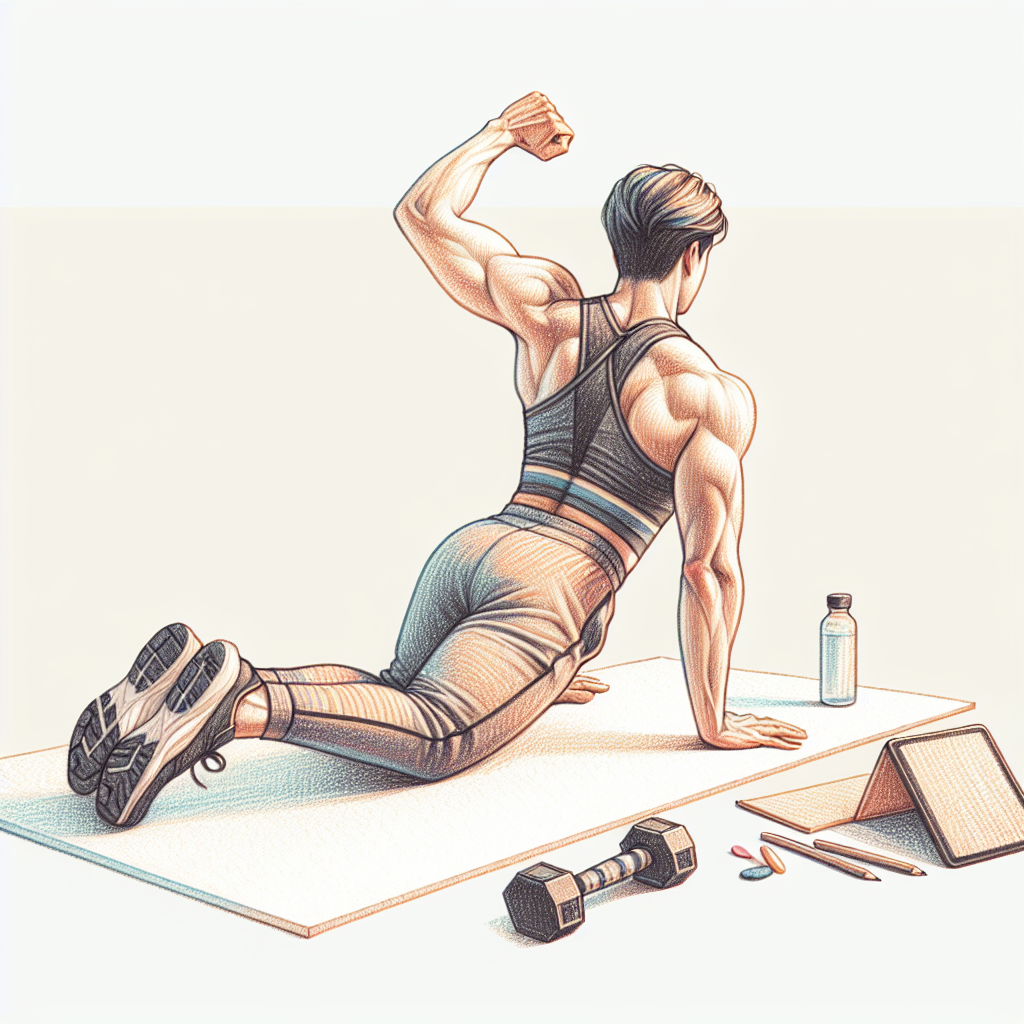
Building a strong back is vital for overall fitness, posture, and functionality. While traditional gym equipment like dumbbells and machines can enhance your workouts, a well-structured back routine can also be effectively performed at home without any gear. This article will explore beneficial exercises that can help you achieve a robust back while also guiding you in avoiding common pitfalls. Furthermore, I will introduce you to a unique 30-day exercise program that allows you to work out for just 6 minutes a day for impactful results.

  • Understanding the Importance of Back Workouts
  • Essential Exercises for a Strong Back
  • Step-by-Step Guide to Performing Each Exercise
  • When to Consult a Professional
  • Common Myths and Mistakes
  • Frequently Asked Questions
  • Conclusion

Understanding the Importance of Back Workouts

The back comprises several critical muscles that support many of our daily movements. A well-developed back can improve posture, enhance athletic performance, and reduce the risk of injuries. Absence of proper back strength can lead to muscle imbalances and associated pain. Thus, focusing on back workouts is not merely about aesthetics; it promotes long-term health and well-being.

Essential Exercises for a Strong Back

Below are effective exercises to strengthen your back without the need for equipment. They target various muscle groups, including the latissimus dorsi, trapezius, and rhomboids:

  • Superman
  • Reverse Snow Angels
  • Bird Dog
  • Plank
  • Bridge
  • Bodyweight Rows (using a sturdy table)

Step-by-Step Guide to Performing Each Exercise

Here’s how to effectively perform each exercise:

  1. Superman: Lie face down on the floor with your arms extended in front. Lift your arms, head, chest, and legs simultaneously off the ground, holding for a few seconds before returning.
  2. Reverse Snow Angels: Lie face down, arms at your sides. Slowly lift your arms and draw them back while keeping your thumbs facing up, then return to start.
  3. Bird Dog: Start on your hands and knees. Extend your right arm forward and your left leg back. Hold for a few seconds, then switch sides.
  4. Plank: Get into a push-up position but rest on your forearms instead of hands. Keep your body straight and hold for as long as you can.
  5. Bridge: Lie on your back with knees bent. Lift your hips off the ground until your body forms a straight line from shoulders to knees. Hold briefly before lowering.
  6. Bodyweight Rows: Use a sturdy table edge or low bar. Grab the edge with both hands, hang down, and pull your chest up toward it, keeping your body straight.

When to Consult a Professional

It is essential to listen to your body during workouts. If you experience severe pain, discomfort, or notice persistent back problems despite following a structured routine, it is advisable to consult a healthcare professional. They can provide tailored advice and assess any underlying issues that may require a specific intervention.

Common Myths and Mistakes

When discussing back workouts, several misconceptions can mislead individuals:

  • Myth 1: You need weights to build a strong back.
  • Myth 2: Back muscles can only be strengthened through heavy lifting.
  • Myth 3: Stretching is unnecessary for back workouts.
  • Mistake: Not maintaining proper form during exercises, leading to injuries.
  • Mistake: Neglecting flexibility and mobility training.

Frequently Asked Questions

Can I really strengthen my back without equipment?

Yes, many effective bodyweight exercises target back muscles effectively without any equipment.

How often should I perform back workouts?

It is generally recommended to incorporate back exercises 2-3 times per week, allowing for recovery between sessions.

Are these exercises suitable for beginners?

Yes, these exercises can be modified for beginners and are safe when performed with proper form.

What additional benefits do back workouts provide?

Back workouts improve posture, stability, and overall performance in various physical activities.

Is it necessary to stretch after these workouts?

Yes, incorporating stretching can enhance flexibility and reduce muscle soreness.

Can joining a structured program help me?

Absolutely! A structured program, like the 30-day exercise routine available through this registration link, allows you to achieve results efficiently, optimizing your workout time.

Conclusion

  • Strengthening your back can significantly enhance your posture and functional abilities.
  • Bodyweight exercises can be equally effective as gym workouts when performed correctly.
  • Consult a professional if you experience any unusual pain or discomfort.
  • Beware of myths and misconceptions regarding back workouts and equipment.
  • Consider exploring structured exercise programs for efficient routines.

Empower yourself with the knowledge to enhance your back strength through these effective, equipment-free workouts. Remember to prioritize form, listen to your body, and do not hesitate to seek professional guidance when needed. Start your journey with the 30-day program that allows you to work out for just 6 minutes a day for great results by signing up here.

Author: John Angel

Related articles

Categories
Fitness

Effective Bodyweight Back Workouts You Can Do at Home

Incorporating effective back workouts into your routine does not necessitate the use of machines or extensive gym equipment. Engaging in bodyweight exercises can effectively strengthen your back muscles, improving posture, increasing functional strength, and reducing the likelihood of injury. This article will guide you through a structured back workout you can perform at home, requiring neither machines nor weights.

  • Understanding the Back Musculature
  • Essential Bodyweight Exercises for Back Strength
  • Creating Your Workout Routine
  • When to Consult a Professional
  • Common Mistakes in Back Workouts
  • FAQs
  • Conclusion

Understanding the Back Musculature

The back is a complex structure composed of various muscle groups, including the latissimus dorsi, trapezius, rhomboids, and erector spinae. These muscles play vital roles in several movements, such as pulling, twisting, and lifting, in addition to supporting proper posture. Understanding these muscle groups is essential for targeting them effectively during bodyweight workouts.

Essential Bodyweight Exercises for Back Strength

Below are key bodyweight exercises you can include in your back workout routine:

  • Superman: Lie face down and extend your arms and legs. Lift your arms, chest, and legs off the ground simultaneously, holding for a few seconds before lowering.
  • Plank to Downward Dog: Start in a plank position, then push your hips upward and back to transition into Downward Dog, focusing on elongating your spine.
  • Reverse Snow Angels: Lie face down with your arms at your sides. Lift your arms and legs while sweeping your arms out to resemble a snow angel, keeping your head and chest elevated.
  • Bird-Dog: Start on all fours. Extend your right arm forward and left leg back while keeping your core engaged. Hold, then switch sides.
  • Bodyweight Rows: Use a sturdy table or horizontal bar. Holding onto the edge, pull your chest up towards it while keeping your body straight.

Creating Your Workout Routine

A structured workout routine is crucial for maximizing the benefits of your back exercises. Here’s a simple six-minute routine you can follow:

  1. Warm-up with 1 minute of dynamic stretching.
  2. Perform 30 seconds of Superman.
  3. Immediately transition to 30 seconds of Plank to Downward Dog.
  4. Execute 30 seconds of Reverse Snow Angels.
  5. Complete 30 seconds of Bird-Dog (15 seconds per side).
  6. Finish with 30 seconds of Bodyweight Rows.
  7. Cool down with static stretches focusing on the back.

For a more comprehensive approach to fitness, consider registering for a free 30-day exercise program where you only exercise for 6 minutes each day, achieving results akin to going to the gym. You can register here: 30-Day Exercise Program.

When to Consult a Professional

While bodyweight exercises are generally safe, there are instances when professional consultation is advisable:

  • If you experience persistent pain during exercises.
  • If you have a prior history of back injuries.
  • When exercises are impacting your daily activities or quality of life.
  • If you are unsure how to perform certain exercises safely.
  • When aiming to recover from specific injuries.

Common Mistakes in Back Workouts

Understanding common misconceptions can enhance the effectiveness of your workout strategy:

  • Neglecting Core Engagement: A strong core is vital for supporting back exercises. Failing to engage the core often leads to improper form and potential injury.
  • Forgetting Warm-Ups: Skipping warm-ups can result in muscle strain. Always include at least a minute of dynamic stretching.
  • Lack of Variability: Repeating the same exercises can lead to plateaus. Ensure variety in your workouts to keep the muscles challenged.
  • Ignoring Recovery: Overtraining can damage muscles and hinder progress. Ensure adequate rest days in your routine.
  • Incorrect Form: Prioritize correct body alignment over the number of reps to reduce the risk of injury.

FAQs

What are the benefits of bodyweight back exercises?

Bodyweight back exercises improve muscle strength, enhance posture, and reduce the risk of back injuries.

Can I perform these exercises at home?

Yes, all listed exercises can be performed at home without the need for equipment.

How often should I do these exercises?

Aim for three to four sessions per week to effectively build back strength.

Do I need to warm up before starting?

Yes, warming up is crucial to prepare your muscles for exercise and prevent injuries.

Can these exercises help alleviate back pain?

While strengthening the back can reduce pain for some, consult a healthcare professional if pain persists or worsens.

Is the 30-day exercise program suitable for beginners?

Yes, the program is designed to be accessible for all fitness levels, including beginners.

Conclusion

  • Bodyweight back exercises can effectively strengthen your back without the need for machines.
  • Understanding the musculature of the back aids in targeting the right areas during workouts.
  • A structured routine enhances efficacy and minimizes risk of injury.
  • Consult professionals when facing persistent pain or uncertainty about exercises.
  • Address common mistakes to ensure safe and effective workouts.

To embark on your fitness journey today and achieve similar results to those from a gym, consider registering for the free 30-day exercise program: 30-Day Exercise Program.

Author: John Angel

Related articles

Categories
Fitness

Effective Bodyweight Back Workout for Strength and Posture

Building a strong and toned back is essential for overall body posture, strength, and aesthetics. Engaging in a back workout without weights can be highly effective, requiring only your body weight and strategic movements. In this article, we will explore various exercises that target the back muscles, providing you with guidance for an efficient workout that can be performed anywhere.

  • Understanding the Importance of Back Workouts
  • Effective Bodyweight Exercises for the Back
  • Step-by-Step Guide: Implementing a Back Workout No Weight
  • When to Seek Professional Advice
  • Common Misconceptions About Bodyweight Back Training
  • FAQs
  • Conclusion

Understanding the Importance of Back Workouts

The back comprises multiple muscle groups, including the latissimus dorsi, trapezius, and rhomboids. Strengthening these muscles not only enhances physical appearance but also improves posture, reduces the risk of injury, and boosts overall functional fitness. Unfortunately, many individuals overlook the back in their training routines. A back workout without weights is an excellent solution, especially for those who may not have access to gym equipment.

Effective Bodyweight Exercises for the Back

When engaging in a bodyweight workout, several exercises can effectively target the muscles of the back. Below are some of the most effective movements:

  • Push-up variations: Including wide-grip and elevated push-ups.
  • Supermans: Laying face down and lifting arms and legs simultaneously.
  • Plank Up-Downs: Transitioning from a plank on elbows to a plank on hands.
  • Bird-Dog: Balancing on hands and knees while extending opposite arm and leg.
  • Inverted Rows: Using a sturdy table to pull yourself up.
  • Bridges: Lying on your back and lifting hips towards the ceiling.

Step-by-Step Guide: Implementing a Back Workout No Weight

To create a well-structured back workout utilizing bodyweight exercises, follow these steps:

  1. Warm-Up: Begin with five minutes of light cardio (jogging, jumping jacks) to increase blood flow.
  2. Exercise Routine: Perform three sets of the following exercises:
  • Wide-Grip Push-ups: 10-15 repetitions
  • Supermans: 15-20 repetitions
  • Plank Up-Downs: 10-15 repetitions
  • Bird-Dog: 10 repetitions per side
  • Inverted Rows: 8-12 repetitions
  • Bridges: 15-20 repetitions
  • Cooldown: Conclude with five minutes of stretching, focusing on the back and shoulders.
  • Consistency: Aim to incorporate this workout 2-3 times a week to see improvements.
  • When to Seek Professional Advice

    While bodyweight workouts are generally safe, there are circumstances when one should consult a healthcare professional or a certified trainer:

    • If you experience chronic pain during or after workouts.
    • If you have a pre-existing condition that may be exacerbated by physical activity.
    • If you are unsure about proper exercise forms and techniques.
    • If you are recovering from an injury.

    Common Misconceptions About Bodyweight Back Training

    Despite the efficacy of bodyweight exercises, several myths and misconceptions exist:

    • Myth 1: Bodyweight exercises are not effective for strength training.
    • Myth 2: You need weights for optimal muscle growth.
    • Myth 3: Bodyweight training cannot help in fat loss.
    • Myth 4: You can’t build a muscular back without gym equipment.
    • Myth 5: Only beginners can benefit from bodyweight exercises.

    FAQs

    Can I build muscle with a back workout no weight?

    Yes, bodyweight exercises can effectively build muscle and strength, especially when performed with proper form and consistency.

    How often should I perform a back workout with no weights?

    Aim to perform the workout 2-3 times per week for optimal results.

    Are there any specific warm-up exercises I should do?

    Light cardio, dynamic stretches, or mobility exercises addressing the shoulders and back would be beneficial before starting.

    Can beginners perform these exercises?

    Yes, these exercises can be modified for beginners to adapt the difficulty level to their fitness level.

    Will I see results quickly with bodyweight exercises?

    Results may vary based on individual commitment and frequency, but with consistency, improvements can be seen within a few weeks.

    Is it possible to target specific areas of my back?

    Yes, different exercises can focus on specific areas of the back, such as upper or lower back, depending on the movements chosen.

    Conclusion

    • Bodyweight back workouts are effective and accessible for everyone.
    • Incorporating a variety of exercises ensures balanced muscle development.
    • Consistency in training is key to achieving desired results.
    • Awareness and understanding of your body are crucial for preventing injuries.
    • For comprehensive results within a short time, consider the 30-day exercise program suitable for your busy lifestyle: Register here.

    Take charge of your fitness journey by integrating these bodyweight back workouts into your routine. Remember to listen to your body and enjoy the benefits of a healthier back.

    Author: John Angel

    Related articles

    Categories
    Fitness

    Effective Bodyweight Back Workout for Strength and Posture

    When it comes to fitness, strengthening the back muscles is often underemphasized, yet it plays a crucial role in overall health and posture. Engaging in a bodyweight back workout can be both effective and convenient, allowing individuals to improve their strength and stability without requiring any equipment. In this article, we will explore a variety of bodyweight exercises specifically targeting the back, outline comprehensive workout routines, and provide helpful tips for maximizing your efforts. Additionally, you’ll find a resource for a free 30-day exercise program that requires just six minutes of effort each day, offering significant results similar to those of traditional gym workouts. You can access it here: 30-day exercise program.

    • Introduction to Bodyweight Back Workouts
    • Benefits of Strengthening the Back
    • Essential Bodyweight Exercises
    • Sample Back Workout Routine
    • When to Consult a Professional
    • Common Myths and Mistakes
    • FAQ
    • Conclusion

    Introduction to Bodyweight Back Workouts

    Back workouts utilizing bodyweight exercises boast versatility and accessibility. Whether you are a beginner or an experienced athlete, these exercises can be adapted to suit your fitness level. Bodyweight training promotes core stability and enhances functional strength, enabling individuals to maintain an upright posture and improve their performance in daily activities.

    Benefits of Strengthening the Back

    A strong back is essential for numerous reasons:

    • Improved Posture: Strong back muscles help align the spine properly, preventing slouching and back pain.
    • Injury Prevention: A well-conditioned back can cushion the spine against injuries during physical activities.
    • Enhanced Performance: Stronger back muscles contribute to better performance in various sports and activities.
    • Core Stability: A robust back supports overall core strength, essential in many athletic movements.
    • Impact on Mobility: Flexible and strong back muscles facilitate a greater range of mobility.

    Essential Bodyweight Exercises

    Incorporating a range of bodyweight exercises ensures comprehensive development of the back muscles. Here are a few essential movements:

    1. Supermans

    This exercise targets the lower back and helps enhance strength:

    1. Lie face down on a mat with arms extended in front of you.
    2. Simultaneously raise your arms and legs off the ground, holding for a few seconds.
    3. Lower back to the starting position and repeat.

    2. Plank Rows (Renegade Rows)

    A fantastic workout for the upper back and shoulders:

    1. Assume a plank position with your hands beneath your shoulders.
    2. While stabilizing your core, lift one arm to your side as if performing a rowing motion.
    3. Lower it back down and alternate sides.

    3. Reverse Snow Angels

    This exercise strengthens the upper back while promoting shoulder mobility:

    1. Lie face down with your arms at your sides.
    2. Sweep your arms out to the sides and overhead in a “snow angel” motion.
    3. Return to starting position and repeat.

    4. Bridges

    Bridges build strength in the lower back and glutes:

    1. Lie on your back with knees bent and feet flat on the floor.
    2. Push through your heels and lift your hips, squeezing your glutes.
    3. Lower back down and repeat.

    5. Bird Dogs

    This exercise enhances stability and balance:

    1. Begin in a tabletop position with hands under shoulders and knees under hips.
    2. Extend one arm forward and the opposite leg back.
    3. Hold for a few seconds, return to starting position, and switch sides.

    Sample Back Workout Routine

    To effectively incorporate the aforementioned exercises, consider the following routine:

    1. Supermans: 3 sets of 12–15 reps
    2. Plank Rows: 3 sets of 10–12 reps per side
    3. Reverse Snow Angels: 3 sets of 10–15 reps
    4. Bridges: 3 sets of 15–20 reps
    5. Bird Dogs: 3 sets of 10 reps per side

    Perform this routine 2–3 times a week for optimal results.

    When to Consult a Professional

    Engaging in any physical training requires awareness of personal limitations. Consider seeking professional guidance if:

    • You experience persistent pain or discomfort during workouts.
    • You have a history of back injuries or conditions.
    • You are unsure of proper form or technique.
    • You are preparing for a specific athletic event.
    • You are looking to expand your training regimen beyond bodyweight exercises.

    Common Myths and Mistakes

    Understanding misconceptions surrounding back workouts can enhance your effectiveness:

    Myth 1: Bodyweight Exercises Are Not Challenging

    Bodyweight exercises can be very challenging when performed correctly and with proper progressions.

    Myth 2: Back Exercises Only Target the Lower Back

    A comprehensive back workout targets the upper, middle, and lower back muscles for balanced strength.

    Mistake 1: Neglecting Core Engagement

    Failing to engage your core during back exercises diminishes their effectiveness and increases injury risk.

    Mistake 2: Skipping Warm-Up and Cool Down

    Proper warm-up and cool-down routines are essential for preventing injuries and enhancing recovery.

    FAQ

    1. How often should I perform back workouts?

    It’s advisable to engage in back workouts 2-3 times per week for optimal results.

    2. Can bodyweight exercises really build muscle?

    Yes, bodyweight exercises can effectively build muscle if performed with sufficient intensity and volume.

    3. What are signs of an overworked back?

    Symptoms include persistent pain, tightness, and reduced mobility in the back muscles.

    4. Should I stretch before or after working out?

    Dynamic stretching is best before workouts, while static stretching is ideal for after workouts.

    5. Can beginners perform these exercises?

    Yes, beginners can start with modified versions of these exercises and progress as strength improves.

    6. Is professional supervision necessary for all workouts?

    While not always necessary, supervision can be helpful for beginners or those with specific concerns.

    Conclusion

    • Strengthening the back is essential for overall health and posture.
    • Bodyweight exercises provide an effective and accessible means to achieve this.
    • A well-rounded back workout includes a variety of movements targeting different muscle groups.
    • Consulting a professional can enhance safety and effectiveness, particularly for beginners.
    • Dispelling common myths and understanding proper technique can prevent injuries and improve results.

    Enhancing your back strength through a structured bodyweight workout can yield remarkable benefits. Explore the recommended exercises and consider participating in the free 30-day exercise program linked above. Your path to a stronger back starts today!

    Author: John Angel

    Related articles

    Categories
    Fitness

    Effective Bodyweight Back Workout for Strength and Posture

    Incorporating a back workout into your fitness regimen is essential for maintaining good posture, reducing the risk of injury, and enhancing overall strength. Notably, a robust back can significantly improve your performance in various physical activities and daily tasks. What if you don’t have access to gym equipment? The good news is that you can strengthen your back effectively using just your body weight.

    • Introduction
    • The Importance of Back Workouts
    • Effective Bodyweight Exercises for Your Back
    • Structured Workout Plan
    • When to Seek Professional Consultation
    • Common Myths and Misconceptions
    • FAQs
    • Conclusion

    The Importance of Back Workouts

    A well-strengthened back supports the body in numerous ways. It plays a critical role in maintaining posture, protects the spine, and aids in movement mechanics. A strong back enhances athletic performance and is fundamental to overall physical wellness.

    Effective Bodyweight Exercises for Your Back

    You can perform several highly effective exercises that engage various back muscles without needing any equipment. Here are a few to consider:

    • Superman: Lie face down on the floor, extend your arms in front of you, and simultaneously raise your arms, legs, and chest off the ground. Hold for a few seconds before lowering.
    • Bird-Dog: Start on your hands and knees. Extend one arm and the opposite leg while maintaining a neutral spine. Hold the position before switching sides.
    • Plank Rows: While in a plank position, lift one arm to your ribcage, then alternate sides. This helps engage the lats and strengthen the core.
    • Bridge: Lie on your back with knees bent. Lift your hips until your body forms a straight line from shoulders to knees, engaging the lower back.
    • Reverse Snow Angels: Lie face down, extending your arms at your sides. Move them to your overhead position while lifting them slightly off the ground and back down in a controlled manner.

    Structured Workout Plan

    Here’s a simple six-minute back workout plan that you can do at home:

    1. **Superman** – 30 seconds
    2. Rest – 15 seconds
    3. **Bird-Dog** – 30 seconds (15 seconds each side)
    4. Rest – 15 seconds
    5. **Plank Rows** – 30 seconds
    6. Rest – 15 seconds
    7. **Bridge** – 30 seconds
    8. Rest – 15 seconds
    9. **Reverse Snow Angels** – 30 seconds
    10. Rest – 15 seconds
    11. Repeat the circuit once more.

    Consistency is key. For a structured approach, consider registering for a free 30-day exercise program where you only need to invest 6 minutes a day to achieve impressive results – as if you were going to the gym. You can sign up here: 30-Day Exercise Program.

    When to Seek Professional Consultation

    While these exercises are generally safe for most individuals, certain situations warrant a consultation with a healthcare professional:

    • If you experience severe or persistent back pain.
    • If you have a history of back injuries or surgeries.
    • If you experience sensations such as numbness, tingling, or weakness in your arms or legs.
    • If you have conditions like osteoporosis or arthritis that may affect your ability to perform these exercises.

    Common Myths and Misconceptions

    Several myths surround back workouts that can lead to confusion:

    • Myth 1: Weightlifting is the only effective way to build back strength. Bodyweight exercises can be equally effective.
    • Myth 2: Only men need to strengthen their back. Back workouts are essential for all genders.
    • Myth 3: You have to work out for an hour to see results. Short, focused workouts can also yield significant benefits.

    FAQs

    What are the benefits of bodyweight exercises for the back?

    They improve strength, flexibility, and posture without needing equipment, making them accessible for everyone.

    How often should I perform back workouts?

    Ideally, aim for 2-3 times a week, allowing recovery time between sessions.

    Can these exercises be done by beginners?

    Yes, these exercises are suitable for all fitness levels and can be modified as needed.

    How long will it take to see results?

    With consistent effort, noticeable improvements can typically be seen within a few weeks.

    Are there any risks associated with these exercises?

    As with any physical activity, improper form can lead to injury. It’s recommended to consult a professional if unsure.

    Can I add weights to these exercises?

    While these exercises are designed for body weight, you may gradually introduce resistance as your strength improves.

    Conclusion

    • Back workouts are essential for overall health and posture.
    • Bodyweight exercises are effective and accessible for everyone.
    • Consistency in your workouts is crucial for achieving desired results.
    • Listening to your body and knowing when to seek professional help is important.
    • Register for a free 30-day program to maximize efficiency in your workout routine.

    Embrace the opportunity to strengthen your back without any equipment and enjoy improved health and fitness. Consider the provided resources to enhance your journey.

    Author: John Angel

    Related articles

    Categories
    Fitness

    Effective Bodyweight Back Workout for Strength and Stability

    Back Workout with No Weights: Strength and Stability through Bodyweight Exercises

    In today’s fitness-conscious world, the ability to strengthen your back without weights is not only convenient but also highly beneficial. An effective bodyweight back workout can enhance your posture, improve your athletic performance, and reduce the risk of injuries. Whether you are a beginner or someone looking to diversify your existing routine, these exercises can offer significant advantages.

    • Key Benefits of Bodyweight Back Workouts
    • Fundamental Bodyweight Exercises for Back Strength
    • How to Structure Your Back Workout
    • When to Consult a Professional
    • Common Myths about Bodyweight Workouts
    • FAQs

    Key Benefits of Bodyweight Back Workouts

    Engaging in bodyweight exercises for your back provides an array of benefits:

    • Accessibility: No gym membership or special equipment needed.
    • Engagement: Promotes functional fitness that can enhance daily activities.
    • Adaptability: Easily modified for different fitness levels.
    • Core Strengthening: Many bodyweight movements simultaneously target the core and back.

    Fundamental Bodyweight Exercises for Back Strength

    Incorporating the right exercises enhances the efficacy of your workout. Here are some fundamental exercises to consider:

    1. Supermans

    Lie face down with your arms extended. Lift your arms and legs off the ground simultaneously, holding for a moment before returning to the starting position.

    2. Plank to Downward Dog

    Begin in a plank position. Shift your hips up and back into a downward dog position, feeling the stretch in your spine and back muscles. Return to plank and repeat.

    3. Bird Dog

    On all fours, extend one arm forward and the opposite leg backward. Maintain balance and engage your core before switching sides.

    4. T-Push-Ups

    Perform a standard push-up. At the top of the movement, rotate into a side plank, reaching one arm up toward the ceiling. Alternate sides with each repetition.

    5. Wall Angels

    Stand with your back against a wall. Move your arms up and down like a snow angel, keeping your back and arms in contact with the wall. This exercise promotes shoulder and back mobility.

    How to Structure Your Back Workout

    For optimal results, consider structuring your workout as follows:

    1. Warm-up (5 minutes): Dynamic stretching targeting the back, shoulders, and hips.
    2. Supermans (3 sets of 10-15 repetitions)
    3. Bird Dogs (3 sets of 10 repetitions per side)
    4. Plank to Downward Dog (3 sets of 5 transitions)
    5. T-Push-Ups (3 sets of 5-10 repetitions)
    6. Wall Angels (3 sets of 10 repetitions)
    7. Cool Down (5 minutes): Focus on static stretches for the back and shoulders.

    Consider joining a 30-day exercise program where you only need to dedicate 6 minutes a day to see incredible results, mimicking those achieved from more extensive gym sessions.

    When to Consult a Professional

    While bodyweight exercises are generally safe, there are instances when it is crucial to consult a professional:

    • If you experience persistent pain in your back during exercises.
    • Following an injury or surgery related to your back.
    • If you notice any unusual symptoms such as tingling or numbness in your extremities.
    • For personalized recommendations based on special health conditions.

    Common Myths about Bodyweight Workouts

    Bodyweight training is often subject to misinformation. Here are some common myths:

    • Myth 1: Bodyweight workouts are not effective for building strength.
    • Myth 2: You can’t build muscle without weights.
    • Myth 3: Bodyweight exercises are only for beginners.
    • Myth 4: You need a long duration of exercise for it to be effective.

    FAQs

    Can bodyweight exercises build muscle?

    Yes, when performed correctly and with adequate intensity, bodyweight exercises can effectively build muscle.

    How often should I do these exercises?

    Aiming for 2-3 sessions per week is generally effective for back strength development.

    Are bodyweight exercises safe for everyone?

    Generally yes, but those with existing health issues should consult a medical professional before starting.

    Can I still achieve results without a gym membership?

    Absolutely! Bodyweight workouts can provide significant benefits without the need for any equipment.

    What is the most important aspect of these workouts?

    Maintaining proper form during exercises to prevent injury and ensure effectiveness is crucial.

    How long will it take to see results?

    Results vary by individual but consistent effort usually leads to noticeable improvements within 4-6 weeks.

    Conclusion

    • Bodyweight workouts are accessible and highly effective for back strength.
    • Engage yourself with exercises like Supermans, Bird Dogs, and Plank to Downward Dog.
    • Structure your workout for optimal performance and results.
    • Consult a professional if you have concerns about pain or discomfort.
    • Debunk common myths surrounding bodyweight training to maximize your fitness journey.

    Take action today to enhance your back strength through these effective bodyweight exercises. For a structured plan that offers substantial results in minimal time, consider signing up for a 30-day exercise program.

    Author: John Angel

    Related articles

    Categories
    Fitness

    Effective Bodyweight Back Workout Guide

    In today’s fast-paced world, finding time to achieve fitness goals can be a challenge. However, a strong back is crucial not only for aesthetics but also for functional strength and posture. Engaging in a back workout without equipment can be both effective and convenient, allowing you to strengthen these muscles in the comfort of your home or anywhere you may be. This article will guide you through essential exercises that target the back effectively, providing you with an efficient workout routine.

    • Understanding Back Anatomy
    • Benefits of Bodyweight Exercises
    • Essential Back Exercises Without Equipment
    • Practical Step-by-Step Routine
    • When to Consult a Professional
    • Common Myths About Back Workouts
    • Frequently Asked Questions

    Understanding Back Anatomy

    The back comprises several muscles, primarily the latissimus dorsi, trapezius, rhomboids, and erector spinae. Each of these plays a significant role in maintaining posture, facilitating movement, and enhancing overall strength. Recognizing how these muscles interact will help you efficiently target them during your workout.

    Benefits of Bodyweight Exercises

    Bodyweight exercises, particularly for the back, offer numerous advantages:

    • Accessibility: No equipment is required, making it easier to integrate into daily routines.
    • Functional Strength: These exercises often mimic everyday movements, enhancing functional strength.
    • Flexibility and Balance: Many bodyweight exercises improve flexibility and core stability.
    • Injury Prevention: Proper form is emphasized, reducing the risk of injury compared to heavy lifting.

    Essential Back Exercises Without Equipment

    Here are some key exercises you can incorporate into your routine:

    • Superman: Lying face down, extend your arms and legs. Lift them simultaneously off the ground while keeping your neck neutral. Hold for a few seconds before lowering.
    • Bent-over T: Bend at the hips and extend your arms outward in a “T” shape. Squeeze your shoulder blades together, then return to the starting position.
    • Bridge: Lie on your back, knees bent. Lift your hips off the ground while squeezing your glutes and engaging your core, then lower.
    • Plank Rows: From a plank position, lift one arm to your side, squeezing your back muscles before alternating sides.
    • Cat-Cow Stretches: Start in a tabletop position; alternate arching your back and rounding it, promoting flexibility and mobility.

    Practical Step-by-Step Routine

    To create an effective back workout, follow these steps:

    1. Begin with a short warm-up (3-5 minutes) to prepare your muscles.
    2. Perform each exercise for 30 seconds, followed by 15 seconds of rest.
    3. Repeat the circuit 3-4 times, depending on your fitness level.
    4. Cool down with gentle stretches, focusing on the back and shoulders.
    5. If interested in a structured program, consider this 30-day exercise plan, which allows you to achieve gym-like results in just 6 minutes daily.

    When to Consult a Professional

    While exercising is generally beneficial, certain symptoms should prompt a consultation with a healthcare professional:

    • Persistent pain that does not improve with rest.
    • Any sudden changes in mobility or flexibility.
    • Unexplained weakness in your arms or legs.
    • Signs of numbness or tingling.
    • Difficulty maintaining posture during exercises.
    • Previous injuries that may be exacerbated by exercise.

    Common Myths About Back Workouts

    Misconceptions can impede progress and lead to suboptimal practices. Here are a few common myths:

    • Myth 1: You need weights to strengthen your back. Truth: Bodyweight exercises can effectively build strength.
    • Myth 2: Back pain is always a sign of injury. Truth: Proper training can alleviate some forms of back pain.
    • Myth 3: Stretching before a workout is always ideal. Truth: Dynamic warm-ups may be more beneficial for muscle engagement.
    • Myth 4: Rounding your back while exercising is acceptable. Truth: Maintaining good form is crucial to prevent injury.
    • Myth 5: Older adults should avoid back exercises. Truth: Safely executed exercises can help improve strength and mobility at any age.

    Frequently Asked Questions

    What are the benefits of a strong back?

    A strong back supports good posture, reduces the risk of injury, and enhances overall functionality in daily activities.

    How often should I do back workouts?

    It is generally recommended to exercise your back 2-3 times a week, allowing adequate recovery time.

    Can I do back workouts if I have a back injury?

    Consult a healthcare professional before engaging in exercise if you have a back injury to avoid exacerbating the condition.

    How long should a back workout last?

    A focused back workout can effectively last as little as 15-30 minutes, depending on the intensity and number of exercises included.

    Are there modifications for beginners?

    Yes, beginners can reduce the duration of exercises, decrease reps, or use wall support for certain movements.

    Can I combine back workouts with other muscle groups?

    Yes, combining workouts targeting different muscle groups can enhance overall fitness, just be mindful of recovery between muscle groups.

    Conclusion

    • Understanding your back’s anatomy is essential for effective workouts.
    • Bodyweight exercises provide an accessible and efficient way to strengthen your back.
    • Consistency is key; aim for regular engagement in back workouts.
    • Consult a professional if you encounter pain or mobility issues.
    • Stay informed on common myths to adhere to effective techniques.

    Begin your journey toward a stronger back today. Consider trying a comprehensive 30-day exercise program that requires only 6 minutes a day and promises meaningful results: register here.

    Author: John Angel

    Related articles

    Categories
    Fitness

    Effective Back Workouts You Can Do Without Machines

    Engaging in a back workout without machines offers numerous benefits, including improved posture, enhanced flexibility, and increased strength. These workouts can be performed in various settings, making them accessible for individuals at all fitness levels. This article will guide you through effective bodyweight exercises aimed at strengthening your back while providing practical insights for optimizing your results.

    • Understanding Back Anatomy
    • Benefits of Bodyweight Back Workouts
    • Effective Exercises to Strengthen Your Back
    • Common Misconceptions About Back Workouts
    • Consulting a Professional: When It’s Necessary
    • Frequently Asked Questions
    • Conclusion

    Understanding Back Anatomy

    To effectively strengthen your back, it’s essential to understand its anatomy. The back is composed of several muscle groups, including the latissimus dorsi, trapezius, rhomboids, and the erector spinae. Each group plays a vital role in the body’s ability to move and maintain proper posture. Targeting these muscles will not only enhance your overall strength but may also reduce the risk of injury.

    Benefits of Bodyweight Back Workouts

    Engaging in bodyweight workouts offers multiple advantages:

    • Accessibility: No equipment is necessary, allowing you to exercise anywhere, from your living room to a park.
    • Functional Strength: Bodyweight exercises mimic natural movements, enhancing your functional strength.
    • Core Engagement: Many back exercises also engage your core, contributing to overall stability and strength.
    • Improved Posture: Strengthening back muscles can lead to better spinal alignment and posture.

    Effective Exercises to Strengthen Your Back

    Here are several exercises that can help target your back muscles effectively:

    • Pike Push-Up
      • Start in a push-up position, then raise your hips towards the ceiling.
      • Lower your head toward the ground by bending at the elbows. Return to the starting position.
    • Superman
      • Lie face down on the mat with arms extended in front.
      • Lift your arms, chest, and legs off the ground simultaneously, holding for a few seconds.
    • Plank Row
      • Assume a plank position.
      • Lift one arm towards your side, keeping the other hand grounded. Alternate sides.
    • Reverse Snow Angel
      • Lie face down and lift your arms and legs off the ground.
      • Move your arms from your sides to above your head in a snow angel motion.
    • Bridge
      • Lie on your back, knees bent, feet flat on the ground.
      • Lift your hips towards the ceiling, squeezing your glutes. Hold briefly before lowering.

    Incorporating these exercises into your routine can promote a stronger and healthier back. To streamline your workout regimen, consider a 30-day exercise program that requires only six minutes of daily effort. This efficient routine offers results similar to those achieved through traditional gym workouts. You can access the program via this link: 30-Day Exercise Program.

    Consulting a Professional: When It’s Necessary

    While many people can safely engage in back workouts without machines, certain conditions may warrant professional guidance. It is advisable to consult a qualified trainer or healthcare professional if you experience:

    • Severe back pain or discomfort.
    • A history of back injuries.
    • Chronic conditions affecting mobility.
    • Difficulty performing standard physical activities.

    Professional advice can be invaluable in tailoring an appropriate exercise regimen that safeguards against injury.

    Common Misconceptions About Back Workouts

    Many myths surround back workouts. Here are a few common misconceptions clarified:

    • You Need Equipment to Strengthen Your Back: While weights can enhance workouts, many effective bodyweight exercises are available.
    • Back Workouts Are Only for Athletes: Anyone can benefit from strengthening their back, regardless of fitness level.
    • All Exercises Are Safe: Not every exercise is suitable for everyone; always listen to your body and consult professionals when in doubt.

    Frequently Asked Questions

    Can I build muscle without using weights?

    Yes, bodyweight exercises are highly effective for building muscle and can improve overall strength and endurance.

    How often should I perform back workouts?

    To see significant improvements, aim for back workouts 2-3 times a week, allowing recovery time between sessions.

    Are there any risks involved with bodyweight exercises?

    As with any physical activity, improper form can lead to injury. Ensure you use correct techniques and listen to your body.

    Can a beginner start with bodyweight back exercises?

    Absolutely! Bodyweight exercises are suitable for beginners and can be modified to match varying fitness levels.

    What if I experience pain during a back workout?

    If you experience pain, stop the exercise immediately. Consult a healthcare professional if pain persists or worsens.

    Can I combine back workouts with other muscle groups?

    Yes, incorporating back exercises into a full-body workout routine is an excellent way to maintain balance and prevent muscular imbalances.

    Conclusion

    • Understanding the anatomy of your back is fundamental for effective workouts.
    • Bodyweight exercises can significantly strengthen your back without the need for equipment.
    • Consult a professional when you have existing injuries or chronic pain.
    • Debunking myths is crucial to establish a sound understanding of back workouts.
    • Integrating a structured program can enhance the benefits of your back workouts.

    Exploring the world of bodyweight back exercises opens the door to a healthier, stronger you. Begin your journey today and make the most of your capabilities—consider registering for a 30-day exercise program designed to deliver results in just six minutes a day.

    Author: John Angel

    Related articles

    Categories
    Fitness

    Effective Beginner Back Workout Without Equipment

    Beginner Back Workout No Equipment

    Developing a strong and flexible back is essential for overall physical health and well-being. A well-rounded back workout can enhance posture, alleviate back pain, and improve performance in various activities. For beginners, performing back exercises without equipment can be both effective and accessible. This article provides a comprehensive guide to help you initiate your back-strengthening journey.

    • Understanding the Importance of Back Workouts
    • Warm-Up: Preparing Your Body
    • Beginner Back Exercises
    • Cooling Down and Stretching
    • Recognizing When to Consult a Professional
    • Mistakes to Avoid in Your Back Workout
    • FAQ
    • Conclusion

    Understanding the Importance of Back Workouts

    The back consists of numerous muscles that are crucial for maintaining balance and supporting day-to-day activities. Strong back muscles are vital for a strong core, which can prevent injuries and improve overall physical performance. Engaging in regular back workouts, even without equipment, helps improve posture, decreases the risk of pain, and enhances your capacity to perform various movements safely.

    Warm-Up: Preparing Your Body

    Before embarking on any workout, it is essential to warm up your muscles and joints to prevent injuries. A proper warm-up increases blood flow, enhances flexibility, and readies the body for physical activity. Here are a few simple warm-up exercises:

    • Arm Circles: Stand tall and extend your arms to the side. Make small circles for 30 seconds, then switch directions.
    • Torso Twists: Stand with your feet shoulder-width apart. Rotate your torso to the left, then to the right, repeating for 30 seconds.
    • Cat-Cow Stretch: On your hands and knees, alternate between arching your back and sinking your belly towards the floor. Repeat this for 10 rounds.

    Beginner Back Exercises

    The following exercises can be performed without any equipment and are suitable for beginners. Aim to perform 10–15 repetitions of each exercise, depending on your fitness level:

    1. Superman Exercise

    Lie face down on the floor with your arms extended in front of you. Simultaneously lift your arms, chest, and legs off the ground, holding for a few seconds before lowering. This helps strengthen your lower back.

    2. Bird Dog

    Start in a tabletop position on your hands and knees. Extend your right arm forward while simultaneously extending your left leg back. Keep your back straight and hold the position for a few seconds. Alternate sides.

    3. Plank

    Assume a push-up position but rest on your forearms instead. Hold your body in a straight line from head to heels, engaging your core. Hold for 20–30 seconds, gradually increasing as your strength builds.

    4. Bent-Over T’s

    Stand with your feet shoulder-width apart, hinge at the hips, and keep your back straight. Extend your arms out to the side to form a “T” shape. Squeeze your shoulder blades together as you lift your arms.

    5. Side Lying Rear Delt Raises

    Lie on your side and keep your bottom arm extended for support. With your top arm bent at the elbow, lift your arm towards the ceiling and lower it again. This exercise targets the upper back and shoulders.

    Cooling Down and Stretching

    Cooling down after your workout is crucial in aiding muscle recovery and maintaining flexibility. Engage in gentle stretches to promote relaxation and reduce tension in your back:

    • Cobra Stretch: Lie face down and push your chest upwards with your hands while keeping your hips on the ground.
    • Child’s Pose: Sit back on your heels while stretching your arms forward on the ground, sinking your chest down.
    • Seated Forward Bend: Sit with your legs extended, and gently reach towards your toes while keeping your back straight.

    Recognizing When to Consult a Professional

    While exercising is beneficial, it is important to recognize when professional guidance may be necessary. If you experience any of the following symptoms, consider seeking advice from a healthcare provider or fitness expert:

    • Persistent back pain that worsens with exercise.
    • Difficulty performing simple daily tasks or movements.
    • Numbness or tingling in the legs or arms during workouts.
    • Back pain accompanied by other symptoms such as fever, weight loss, or weakness.

    Mistakes to Avoid in Your Back Workout

    As you embark on your back workout regimen, it is important to be aware of common mistakes that can hinder your progress or lead to injury:

    • Neglecting proper form can lead to strain and ineffective workouts.
    • Focusing solely on one area of the back can lead to muscle imbalances.
    • Failing to warm up and cool down increases the risk of injury.
    • Overtraining can result in burnout and diminished results; rest is essential.

    FAQ

    1. How often should I perform back exercises?

    For beginners, aim for 2–3 times a week, allowing adequate recovery time.

    2. Can I see results without equipment?

    Yes, bodyweight exercises can be very effective for building back strength and endurance.

    3. What if I experience pain during exercises?

    Stop the exercise immediately and consult with a healthcare provider if the pain persists.

    4. Are warm-ups necessary every time before a workout?

    Yes, warming up each time reduces the risk of injury and prepares your body for exercise.

    5. Should I incorporate cardio into my back workout routine?

    Yes, combining cardio with strength training can enhance overall fitness and weight management.

    6. Can I progress to more advanced exercises?

    Absolutely! As you build strength, gradually incorporate more complex movements or resistance training.

    Conclusion

    • Strengthening your back enhances overall health and posture.
    • Bodyweight exercises are effective for beginners and require no equipment.
    • Consistency is key; aim for regular workouts to see improvements.
    • Always warm up before and cool down after your exercises.
    • If experiencing pain or discomfort, consult a professional for guidance.

    For those looking to further streamline their fitness journey, consider registering for a 30-day exercise program that involves only 6 minutes of daily workouts, yielding impressive results akin to traditional gym routines.

    Author: John Angel

    Related articles

    Categories
    Fitness

    Effective Back Muscle Workout Without Equipment

    Back Muscle Workout Without Equipment: A Comprehensive Guide

    Engaging in regular back muscle workouts is crucial for maintaining overall body alignment, posture, and strength, particularly in our increasingly sedentary lifestyles. The good news is that you do not necessarily need expensive equipment or a gym membership to effectively strengthen your back muscles. This article provides you with a variety of exercises that require no equipment, allowing you to work out in the comfort of your own home or wherever you prefer. A minimal investment of time can yield great results, especially when following a structured program.

    • Introduction
    • Benefits of Back Muscle Workouts
    • Effective No-Equipment Exercises
    • Practical Steps for Implementation
    • When to Seek Professional Advice
    • Common Myths and Misconceptions
    • Frequently Asked Questions
    • Conclusion

    Benefits of Back Muscle Workouts

    Strengthening the back muscles can significantly improve your posture, reduce the risk of injuries, and enhance your athletic performance. A well-developed back not only supports spinal health but also contributes to an overall balanced physique. Furthermore, engaging in targeted workouts can alleviate tension and stress, foster better sleep, and enhance your quality of life. Committing to a six-minute workout each day can prove as effective as longer gym sessions, particularly when paired with a structured regimen. For optimal results, consider exploring this 30-day exercise program.

    Effective No-Equipment Exercises

    The following exercises specifically target various muscles in your back. Here are some effective options:

    • Supermans: Lying face down, extend your arms and legs. Lift both arms and legs off the ground simultaneously, hold for a few seconds, and lower.
    • Bird-Dogs: In a tabletop position, extend one arm forward while extending the opposite leg back. Hold briefly and switch sides.
    • Plank Rows: Assume a plank position and stabilize your body. Alternate raising each arm as if rowing, engaging your back muscles.
    • Wall Angels: Standing against a wall with your arms raised, slowly slide your arms down and back up while keeping contact with the wall to work the upper back.
    • Cat-Cow Stretch: In a tabletop position, alternate between arching and rounding your back, which enhances flexibility and mobility.

    Practical Steps for Implementation

    To incorporate these exercises into your daily routine, follow these steps:

    1. Dedicate a specific time of day for your workouts to build consistency.
    2. Start with 1-2 rounds of each exercise, gradually increasing repetitions or duration as you grow stronger.
    3. Focus on proper form to avoid injuries; consider watching instructional videos if unsure.
    4. Maintain a balanced diet to support your fitness efforts and overall health.
    5. Set realistic goals and monitor your progress over time to stay motivated.

    When to Seek Professional Advice

    It is essential to consult with a qualified healthcare professional or personal trainer if you experience any of the following:

    • Persistent pain: If you encounter ongoing pain during or after workouts.
    • Pre-existing conditions: If you have a history of back issues, consult a doctor before beginning a new exercise regimen.
    • Limited mobility: Experiencing difficulty in movement that affects your quality of life.
    • Unclear guidance: If you are uncertain about correct forms or methods of exercise.

    Common Myths and Misconceptions

    Addressing myths can clarify your approach to exercising your back muscles:

    • You need weights to build muscle: Bodyweight exercises can be equally effective in strengthening muscles if performed correctly.
    • All back exercises are the same: Different exercises target various regions of the back, thus creating a balanced workout is essential.
    • More is better: Quality over quantity matters – short, focused sessions can prove effective and sustainable.
    • Back pain means you should stop exercising: Light activity often alleviates pain; however, it’s wise to consult a professional if pain persists.

    Frequently Asked Questions

    What are the best exercises for beginners?

    Supermans and Bird-Dogs are excellent starting points as they enhance core stability and strength.

    How often should I work out my back muscles?

    A routine of 2-3 times a week can yield noticeable improvements, given adequate recovery time between sessions.

    Can I do these exercises daily?

    Yes, many of these exercises can be performed daily, particularly lighter ones like stretches.

    Will I see results without equipment?

    Absolutely, focused bodyweight exercises can lead to significant strength gains over time.

    Do I need to warm up before these exercises?

    It’s advisable to perform dynamic stretches or light aerobic activity as a warm-up to prepare your muscles.

    What if I feel pain during the exercises?

    Stop immediately and consult a healthcare professional if you experience pain beyond normal discomfort.

    Conclusion

    • No-equipment back workouts can effectively strengthen your muscles and improve posture.
    • A structured routine can be as efficient as longer gym sessions.
    • Consult professionals if experiencing pain or have pre-existing conditions.
    • Understanding myths helps foster a more effective workout approach.
    • Consider incorporating a short daily routine for noticeable results.

    To begin your journey towards a stronger back, consider trying the 30-day exercise program, where you invest just six minutes a day for impressive results. Embrace the commitment, and you will observe significant changes in your strength and overall well-being.

    Author: John Angel

    Related articles

    Website analytics information

    We use Google Analytics 4 for visitor statistics. Analytics cookies require your consent, which you can change using the button above. The data controller is ZDRAVÍ S ÚSMĚVEM s.r.o., company ID 29283329, contact podpora@revolucnicviceni.cz. Google processes browser, device and page visit information. We do not send form field values to Analytics. How Google uses information · Google Privacy Policy.