Categories
Fitness

Beginner Home Workout Guide: No Equipment Needed

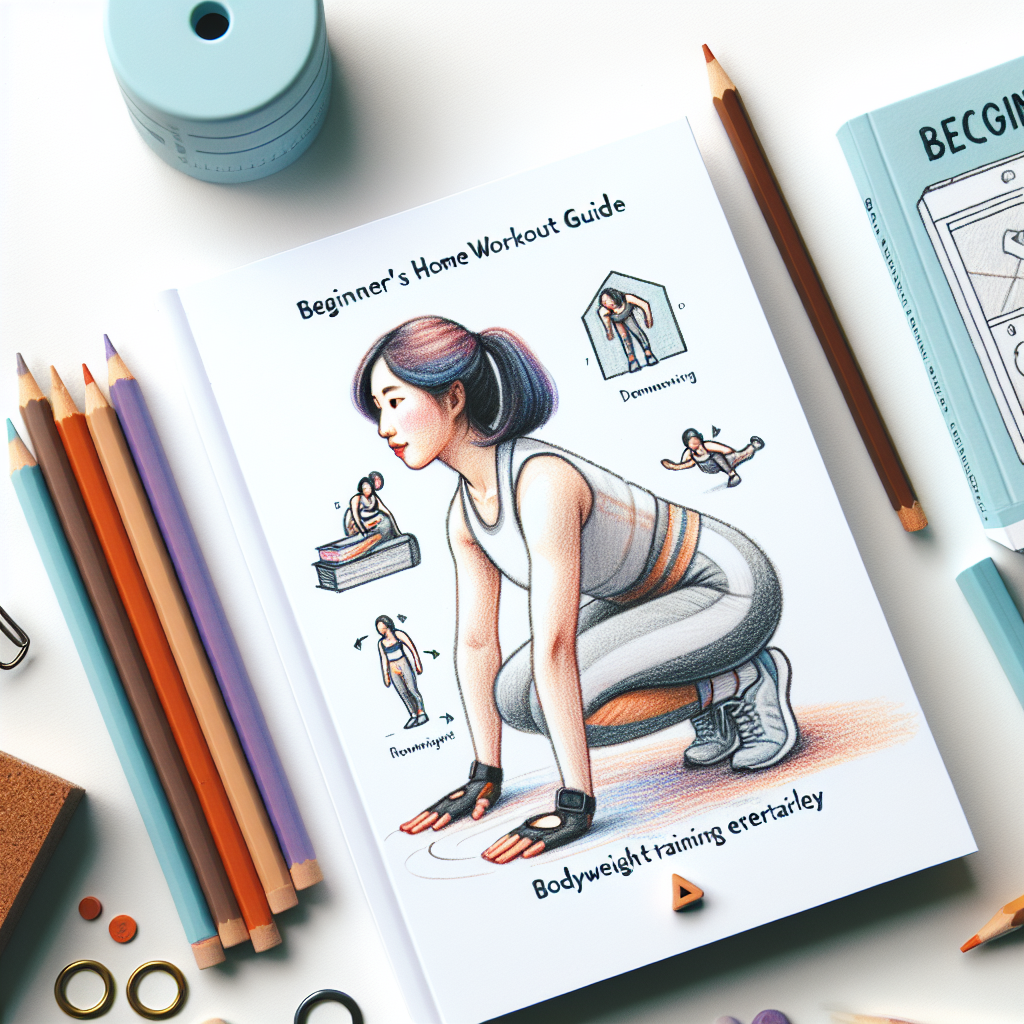
Beginner Home Workout: No Equipment Needed

Embarking on a fitness journey can be intimidating, especially for beginners. However, the good news is that you don’t need a gym membership or expensive equipment to get started. A home workout routine using your body weight can be highly effective, allowing you to build strength, flexibility, and endurance. This article outlines practical home exercises, tips for maximizing your workout, and important considerations for your fitness journey.

  • Introduction
  • Benefits of Home Workouts
  • Essential Warm-Up Exercises
  • Beginner-Friendly Exercises
  • Creating a Routine
  • When to Consult a Professional
  • Common Myths and Misconceptions
  • Frequently Asked Questions
  • Conclusion

Benefits of Home Workouts

Home workouts come with a multitude of advantages. They provide convenience, allowing you to exercise without commute time, and they can also save you money. Moreover, ambient comfort can lower the barrier to entry for regular physical activity, making it easier for beginners to stay committed. Engaging in bodyweight exercises can effectively improve cardiovascular health, build muscle, and enhance flexibility.

Essential Warm-Up Exercises

Before diving into your workout, warming up is crucial. It prepares your body for exercise, reduces the risk of injury, and enhances performance. Here are three simple warm-up exercises:

  • Arm Circles: Stand with your feet shoulder-width apart. Extend your arms to the sides and make small circles, gradually increasing the size. Perform for about 1 minute.
  • Leg Swings: Hold onto a wall or chair for balance. Swing one leg forward and backward, then switch to the other leg. Aim for 30 seconds on each side.
  • Torso Twists: Stand with feet hip-width apart and hands on your hips. Gently twist your torso to one side and then the other. Repeat for 1 minute.

Beginner-Friendly Exercises

This section introduces a series of bodyweight exercises suitable for beginners. Each exercise can be modified based on your fitness level. Aim for 2–3 sets of 8–12 repetitions for each exercise.

1. Push-Ups

Begin in a plank position with your hands slightly wider than shoulder-width apart. Lower your body until your chest nearly touches the ground, then push back up. For an easier version, perform push-ups on your knees.

2. Bodyweight Squats

Stand with feet shoulder-width apart. Lower your hips back as if sitting in a chair while keeping your chest up. Return to a standing position. Make sure your knees do not extend past your toes.

3. Glute Bridges

Lie on your back with knees bent and feet flat on the ground, hip-width apart. Lift your hips towards the ceiling while squeezing your glutes. Hold for a second at the top, then lower.

4. Plank

Assume a plank position with your forearms on the ground and elbows directly beneath your shoulders. Keep your body in a straight line from head to heels. Hold this position for 20–30 seconds, increasing the duration as you get stronger.

5. Burpees

Start in a standing position, drop into a squat, kick your legs back into a plank, perform a push-up, return to the squat position, and jump up. Burpees improve cardiovascular fitness and strength.

These exercises can be easily adjusted based on your ability, and they can be done without any equipment.

Creating a Routine

A consistent workout routine is essential for achieving results. Consider the following steps:

  1. Set a Schedule: Choose specific days and times for your workouts to create a habit.
  2. Duration: Aim for 20-30 minutes of workouts, gradually increasing as your fitness improves.
  3. Mix it Up: Incorporate different exercises to avoid boredom and target various muscle groups.
  4. Recovery: Ensure you include rest days to allow your body to recover and prevent injury.
  5. Track Progress: Keep a journal or use a fitness app to monitor your progress and stay motivated.

For a structured approach, consider registering for a free 30-day exercise program where you only have to commit to 6 minutes of exercise each day, yet can achieve results comparable to gym workouts. You can sign up here.

When to Consult a Professional

While home workouts are generally safe, certain situations warrant consulting a professional. If you experience extreme pain, ongoing discomfort, or significant fatigue, it is advisable to seek the guidance of a healthcare provider or certified trainer. Additionally, professional advice is crucial if you have pre-existing health conditions or injuries.

Common Myths and Misconceptions

As you begin your fitness journey, it’s important to discern fact from fiction. Here are some common myths associated with home workouts:

  • Myth 1: You need expensive equipment to get fit. Fact: Bodyweight exercises can provide effective strength and cardiovascular training.
  • Myth 2: You must work out for hours to see results. Fact: Short, high-intensity workouts can be just as effective.
  • Myth 3: All workouts must be painful to be beneficial. Fact: Gradual progression is key; discomfort is different from pain.
  • Myth 4: You can spot reduce fat. Fact: Fat loss occurs throughout the body, and genetics primarily determine where fat is lost.

Frequently Asked Questions

Can I build muscle without equipment?

Yes, bodyweight exercises like push-ups and squats can effectively build muscle strength at home.

How often should I work out as a beginner?

Start with 2-3 sessions per week and gradually increase to 4-5 sessions as your fitness improves.

What should I do if I feel pain during an exercise?

Stop immediately and reassess your form. If pain persists, consider consulting a professional.

Is it necessary to cool down after a workout?

Yes, cooling down helps your heart rate return to normal and aids in recovery.

Can I lose weight with home workouts?

Yes, when combined with a balanced diet, home workouts can contribute to weight loss.

How do I remain motivated while working out at home?

Set clear goals, track your progress, and consider finding a workout partner or community for support.

Conclusion

  • Home workouts are an effective alternative to gym sessions.
  • Bodyweight exercises can enhance strength and flexibility without equipment.
  • A warm-up is essential to prevent injuries.
  • Establishing a consistent routine helps in achieving results.
  • Do not hesitate to consult a professional if you experience pain or discomfort.

Embarking on your fitness journey with a home workout can be empowering. Begin implementing these strategies today for a healthier lifestyle, and remember to check out the free 30-day exercise program mentioned earlier. Start your transformation now!

Author: John Angel

Related articles

Categories
Fitness

Effective No Equipment Bodyweight Workouts Guide

Harnessing the Power of Bodyweight Workouts: No Equipment Needed

Bodyweight workouts have surged in popularity as an efficient and effective way to enhance fitness without the need for equipment. This comprehensive guide will provide practical insights into how you can transform your physical health through bodyweight exercises, emphasizing their accessibility and versatility. Whether you are a beginner seeking to initiate your fitness journey or an experienced individual aiming to diversify your routine, bodyweight workouts offer numerous benefits that can lead to satisfying results.

  • Introduction to Bodyweight Workouts
  • Benefits of No Equipment Workouts
  • Essential Bodyweight Exercises
  • Sample Bodyweight Workout Routine
  • When to Consult a Professional
  • Common Myths and Mistakes
  • FAQs
  • Conclusion

Benefits of No Equipment Workouts

No equipment workouts provide a range of advantages:

  • Accessibility: Performed anywhere, providing flexibility for busy schedules.
  • Cost-effective: No need for a gym membership or costly equipment.
  • Versatility: Over 200 bodyweight exercises can target various muscle groups.
  • Functional strength: Improves strength for everyday activities.
  • Reduced injury risk: Lower chance of injury compared to weighted exercises.

Essential Bodyweight Exercises

Here are some fundamental bodyweight exercises that can form the foundation of your routine:

1. Push-ups

Target the chest, shoulders, and triceps. Maintain a straight line from head to heels as you lower and raise your body.

2. Squats

Focuses on the legs and glutes. Keep your back straight and lower your hips as if sitting in a chair.

3. Plank

A core-strengthening exercise that also engages shoulders and back. Hold this position while maintaining a straight line from head to heels.

4. Lunges

Strengthens legs and improves balance. Step forward with one foot, lowering your hips, then return to the starting position.

5. Burpees

This full-body exercise combines a squat, push-up, and jump, enhancing cardiovascular fitness.

Sample Bodyweight Workout Routine

To help you get started, here is a simple 6-minute workout that you can perform daily:

  1. 30 seconds of Push-ups
  2. 30 seconds of Rest
  3. 30 seconds of Squats
  4. 30 seconds of Rest
  5. 30 seconds of Plank
  6. 30 seconds of Rest
  7. 30 seconds of Lunges
  8. 30 seconds of Rest
  9. 30 seconds of Burpees
  10. 30 seconds of Rest
  11. Repeat the cycle as time permits.

For a more structured program, consider registering for a 30-day exercise plan that offers effective results in just 6 minutes daily.

When to Consult a Professional

Although bodyweight exercises are generally safe, it is essential to consult a qualified health professional in certain circumstances, including:

  • Experiencing acute pain during exercise
  • Having pre-existing medical conditions or injuries
  • Noticing swelling or persistent discomfort after workouts
  • Feeling dizziness or shortness of breath during exercises
  • Encountering any unusual physical symptoms

Common Myths and Mistakes

Understanding misconceptions about bodyweight training can aid in maximizing benefits:

Myth 1: Bodyweight Workouts Are Only for Beginners

Bodyweight exercises can be sufficiently challenging for all fitness levels when adjusted for intensity and complexity.

Myth 2: You Need Equipment to Build Muscle

While weights can be effective, bodyweight exercises can also build significant strength through resistance and progressive overload.

Myth 3: Bodyweight Workouts Are Boring

Diverse exercises and variations ensure that bodyweight training can be dynamic and engaging.

FAQs

What are bodyweight exercises?

Bodyweight exercises utilize your body weight for resistance without the use of external weights or equipment.

Can I lose weight with bodyweight workouts?

Yes, combining bodyweight workouts with a balanced diet can support weight loss efforts.

How often should I perform bodyweight workouts?

Aim for 3-5 times per week, allowing rest days for recovery.

Are bodyweight exercises suitable for beginners?

Absolutely! Many bodyweight exercises can be modified to accommodate different fitness levels.

Which is better: bodyweight or weighted exercises?

Both have their unique advantages; the best choice depends on personal goals and resources.

How long should a bodyweight workout session last?

Sessions can be effective in as little as 6-30 minutes, depending on the structure and intensity.

Conclusion

  • Bodyweight workouts offer accessibility and flexibility, requiring no specialized equipment.
  • A well-structured routine can effectively target all major muscle groups.
  • Common misconceptions about bodyweight exercises can be addressed with education.
  • Consulting a professional is crucial if experiencing pain or discomfort during workouts.
  • To begin your fitness journey, consider incorporating a guided program for optimal results.

Ready to take the first step toward fitness without the need for equipment? Start your journey today by exploring the 30-day exercise program designed for your success.

Author: John Angel

Related articles

Categories
Fitness

Maximize Weight Loss with Effective Bodyweight Workouts

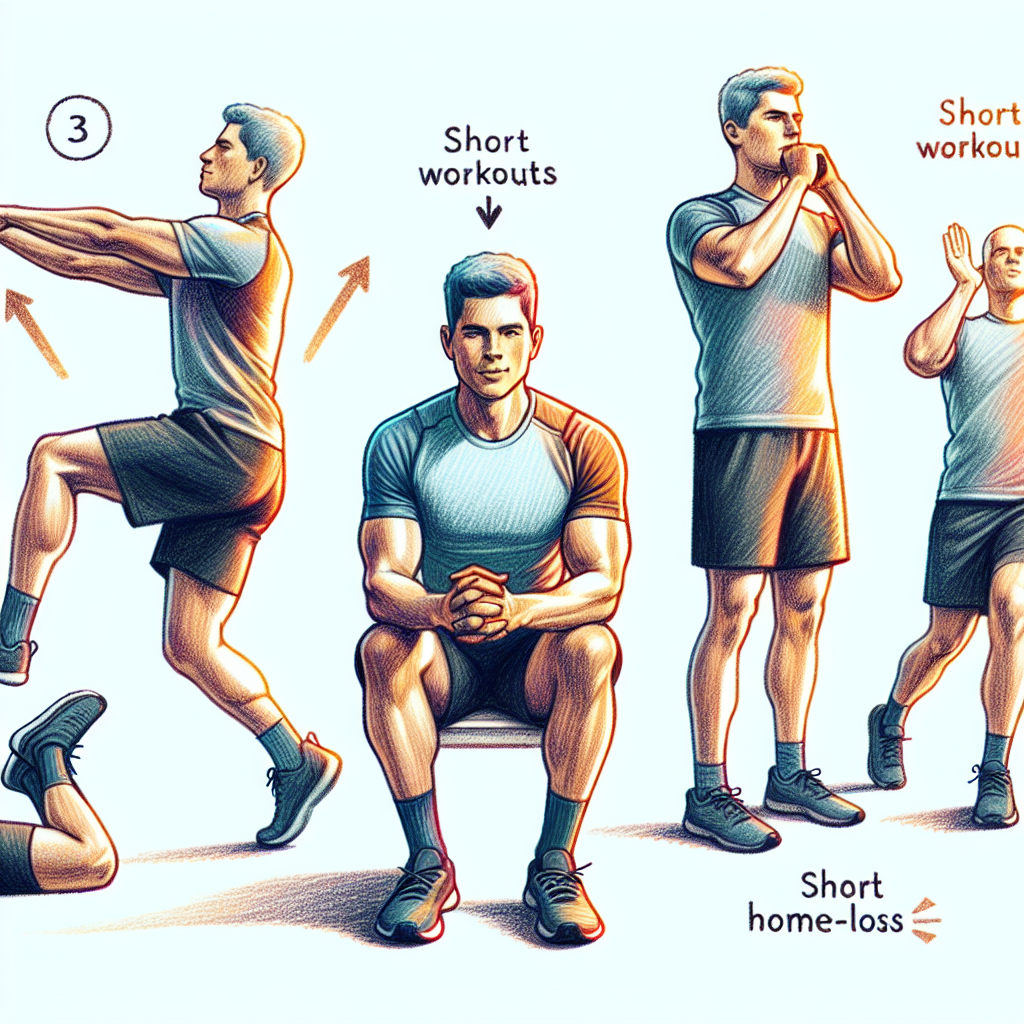
In today’s fast-paced world, finding time for exercise can be challenging. Yet, bodyweight workouts provide a convenient and effective solution that can significantly enhance your weight loss journey. Utilizing your own body as resistance, these exercises require no special equipment and can be performed in the comfort of your home. This article delves into the magic of six-minute short workouts and explores their myriad benefits, all while ensuring you stay on track with your fitness goals.

  • Understanding Bodyweight Exercises
  • The Advantages of Short Workouts
  • How to Integrate Bodyweight Exercises into Your Routine
  • Consulting Professionals: When to Seek Help
  • Common Myths About Bodyweight Training
  • FAQs About Bodyweight Workouts
  • Conclusion and Your Next Steps

Understanding Bodyweight Exercises

Bodyweight exercises are physical movements that utilize the weight of one’s own body to build strength, endurance, flexibility, and coordination. Common examples include push-ups, squats, planks, and lunges. These exercises engage multiple muscle groups at once, offering a comprehensive workout that can lead to improved functional fitness.

The Advantages of Short Workouts

Six-minute workouts are gaining popularity due to their efficiency and effectiveness. These brief sessions are designed to maximize results in minimal time, making them ideal for busy individuals.

  • Time-Efficient: Short workouts allow you to fit exercise into your day without requiring large time blocks.
  • Increased Intensity: Focusing on intensity over duration can elevate your heart rate, aiding in calorie burn.
  • Enhanced Consistency: Shorter workouts reduce the mental barrier to exercising, encouraging regularity.
  • Versatility: These workouts can be tailored to fitness levels and can be done anywhere, eliminating excuses.
  • Mental Boost: Completing a short workout can provide a sense of accomplishment and boost your mood.

How to Integrate Bodyweight Exercises into Your Routine

Incorporating bodyweight exercises into your daily routine is straightforward. Here are some practical steps:

  1. Choose a Time: Select a consistent time each day for your workout to build a habit.
  2. Set a Timer: Use a timer for six minutes to encourage focused, high-intensity exercise.
  3. Mix It Up: Combine different exercises to work various muscle groups. Consider push-ups, squats, and lunges for a full body workout.
  4. Track Your Progress: Use a journal or app to monitor your workouts and improvements over time.
  5. Join a Program: For structured guidance, consider signing up for a program that aligns with your goals, like the SixPack workout program, with a free 30-day trial here.

Consulting Professionals: When to Seek Help

While bodyweight exercises can be performed by most individuals, certain circumstances warrant professional consultation:

  • If you have existing health conditions, consult a healthcare professional before beginning any exercise program.
  • If you experience pain during exercise that does not subside with rest, seek guidance from a qualified trainer or physical therapist.
  • Individuals with a history of injuries should consider professional advice to ensure safe exercise practices.

Common Myths About Bodyweight Training

Despite their growing popularity, several misconceptions about bodyweight exercises persist:

  • Myth 1: Bodyweight exercises are less effective than weight training. In reality, when performed correctly, bodyweight workouts can build significant strength and endurance.
  • Myth 2: You cannot achieve muscle definition without weights. Bodyweight training can lead to impressive muscle definition if executed properly and consistently.
  • Myth 3: Only advanced athletes can perform bodyweight exercises effectively. These exercises can be modified to suit all fitness levels.

FAQs About Bodyweight Workouts

What are bodyweight exercises?

Bodyweight exercises utilize the weight of your own body to perform movements that build strength, endurance, and flexibility.

Can I lose weight with bodyweight exercises?

Yes, bodyweight exercises can aid in weight loss when combined with proper nutrition and a consistent workout routine.

How many bodyweight exercises should I do?

Aiming for 20-30 minutes of exercise 3-5 times a week is typically effective, but even short six-minute workouts can be beneficial.

Are bodyweight exercises safe for beginners?

Yes, bodyweight exercises are generally safe for beginners; however, they should focus on proper technique to avoid injury.

How can I increase the intensity of bodyweight workouts?

You can increase intensity by adding more repetitions, reducing rest time, or incorporating explosive movements.

What equipment do I need for bodyweight training?

No equipment is necessary, but a yoga mat can enhance comfort, and resistance bands can add variety if desired.

Conclusion and Your Next Steps

  • Bodyweight exercises are an effective and convenient way to achieve your fitness goals.
  • Six-minute workouts can provide serious health benefits while fitting into a busy schedule.
  • Integrating these exercises into your daily routine can significantly enhance both physical and mental well-being.
  • Consulting a professional may be necessary for specific health concerns or injuries.
  • Understanding common myths about bodyweight training can empower you on your fitness journey.

If you’re ready to start your weight loss journey and explore the power of six-minute workouts, consider registering for the SixPack workout program for a free 30-day trial here.

Author: John Angel

Related articles

Categories
Fitness

Effective Bodyweight Workouts: Quick Routines for All Levels

In the modern world, where time is often scarce and fitness goals can feel overwhelming, bodyweight workouts have emerged as an incredibly versatile solution. These quick, effective routines require no equipment and can be performed anywhere—from your living room to the park. In particular, the short six-minute workout has gained traction, as it supports individuals on their weight loss journey while fitting seamlessly into daily life. By committing just a few minutes to exercise, you can experience profound physical and mental benefits. This article will delve into bodyweight workouts, showcasing their advantages, and offering practical guidance on incorporating them into your routine.

  • The Magic of Six-Minute Workouts
  • Types of Bodyweight Exercises
  • Designing Your Six-Minute Routine
  • When to Consult a Professional
  • Common Myths and Misconceptions
  • FAQs

The Magic of Six-Minute Workouts

Six-minute workouts have a unique charm that transcends the typical constraints of a fitness regimen. These brief but effective sessions can be performed at any time of the day, making them an ideal choice for busy individuals. Many find the brevity appealing; it removes the intimidation factor often associated with longer workouts. The magic lies not only in their efficiency but also in their ability to boost energy, enhance mood, and promote consistency in one’s fitness journey. By integrating these six-minute bursts into your daily routine, you can foster a sense of achievement and momentum that propels you forward on your weight loss journey.

Types of Bodyweight Exercises

Bodyweight workouts encompass a wide variety of movements, which can be tailored to suit all fitness levels. Below are some key categories of bodyweight exercises:

  • Push Movements: Push-ups, dips, and planks strengthen the upper body.
  • Pull Movements: Bodyweight rows and pull-ups target the back muscles.
  • Leg Movements: Squats, lunges, and calf raises enhance leg strength and endurance.
  • Core Exercises: Crunches, mountain climbers, and leg raises stabilize the midsection.
  • Cardio Elements: Jumping jacks, burpees, and high knees can elevate your heart rate efficiently.

Designing Your Six-Minute Routine

Creating a tailored six-minute workout routine can be both straightforward and rewarding. Here’s a simple structure you can follow:

  1. Warm-Up (1 minute): Begin with dynamic stretching to increase your heart rate.
  2. Workout (4 minutes): Alternate between two different exercises (e.g., push-ups and squats) for 30 seconds each, followed by a 10-second rest.
  3. Cool Down (1 minute): Conclude with static stretches targeting major muscle groups.

For a guided experience, consider registering for the SixPack workout program for 30 days free, which provides structured bodyweight workouts perfect for your lifestyle.

When to Consult a Professional

While bodyweight exercises are generally safe and accessible, there are instances when seeking professional guidance is advisable. If you experience persistent pain, unusual discomfort, or have underlying health conditions, consulting a qualified fitness professional or healthcare provider is crucial. Additionally, if you’re new to exercising, starting with a professional can help avoid injury and ensure that your form is correct.

Common Myths and Misconceptions

Despite the benefits of bodyweight training, several myths can deter individuals from incorporating these workouts into their routines:

  • Myth 1: Bodyweight workouts are ineffective for building muscle.
  • Myth 2: You need a gym membership to achieve fitness goals.
  • Myth 3: Bodyweight exercises are only for beginners.
  • Myth 4: Short workouts do not contribute to weight loss.

Each of these misconceptions can be countered with factual benefits of bodyweight training, demonstrating that these routines can be effective, versatile, and suitable for all levels.

FAQs

Can I lose weight with bodyweight workouts?

Yes, bodyweight workouts can effectively support weight loss when combined with a healthy diet and regular exercise.

How often should I perform these workouts?

For optimal results, aim for three to five sessions per week, mixing different exercises to target various muscle groups.

Do I need any equipment for bodyweight workouts?

No equipment is needed, making bodyweight workouts highly accessible and convenient.

Can beginners perform bodyweight exercises?

Absolutely. Bodyweight workouts can be adapted for all fitness levels, including beginners.

Are short workouts effective?

Yes, short workouts can be highly effective due to their ability to elevate heart rates and build muscle within a condensed timeframe.

What’s the best bodyweight exercise for the core?

Planks and mountain climbers are excellent choices for strengthening the core.

Conclusion

  • Bodyweight workouts are efficient and versatile, perfect for busy schedules.
  • Incorporating six-minute workouts can foster consistency and motivation on your weight loss journey.
  • Many exercises can be adapted to all fitness levels, ensuring accessibility.
  • Consulting a professional is advisable if you have health concerns or experience pain.
  • Challenging common misconceptions can empower individuals to embrace bodyweight training.

If you’re ready to begin your transformative journey with bodyweight workouts, consider registering for the 30-day free SixPack workout program today. Embrace the magic of short workouts to enhance your health and well-being.

Author: John Angel

Related articles

Categories
Fitness

Effective Six-Minute Workouts for Weight Loss at Home

Embarking on a weight loss journey can often feel overwhelming, especially when faced with time constraints and crowded gym environments. However, the magic of six-minute short workouts at home has revolutionized the landscape of fitness, proving that effective exercise doesn’t require hours in the gym. These brief yet intense workouts can elevate your mood, boost your energy, and accelerate your weight loss journey—all from the comfort of your own home. In this article, we will explore the myriad benefits of these workouts, practical steps to incorporate them into your daily routine, and more.

  • The Power of Short Workouts
  • How to Maximize Your 6-Minute Sessions
  • When to Consult a Professional
  • Common Myths and Mistakes
  • Frequently Asked Questions
  • Conclusion

The Power of Short Workouts

Short, high-intensity workouts can yield significant results in a surprisingly brief period. Research indicates that six-minute sessions—when performed consistently and with purpose—can trigger metabolic changes that promote fat loss. These workouts stimulate the cardiovascular system, enhance strength, and improve flexibility, making them versatile in targeting multiple fitness goals. Moreover, the time-efficient nature of these workouts makes them accessible for busy individuals, freeing up time for other important tasks and commitments.

How to Maximize Your 6-Minute Sessions

To effectively integrate short workouts into your daily routine, follow these practical steps:

  1. Choose Your Focus: Decide whether your session will emphasize cardio, strength training, or flexibility.
  2. Set a Timer: Use a timer to ensure you stick to the six-minute limit, allowing for bursts of high-intensity effort.
  3. Warm Up: Spend a minute warming up to prepare your muscles and joints for the workout.
  4. Incorporate Variety: Mix different exercises such as jumping jacks, push-ups, squats, and planks to keep things interesting.
  5. Cool Down: End with a brief cool-down to help your body recover and reduce muscle soreness.

For those eager to jumpstart their fitness journey, consider exploring the 30-day free SixPack workout program, designed to maximize results in minimal time.

When to Consult a Professional

While short workouts can benefit many individuals, certain circumstances may necessitate consultation with a healthcare or fitness professional. Consider seeking help if:

  • You have underlying medical conditions (e.g., heart disease, diabetes).
  • You experience persistent pain or discomfort during or following exercise.
  • You are unsure how to correctly perform exercises to avoid injury.
  • You have specific fitness goals requiring expert guidance or structured programming.

Common Myths and Mistakes

As with any fitness trend, certain misconceptions about short workouts prevail. Here, we address some common myths:

  • Myth: Short workouts are not effective for weight loss.
  • Truth: Research shows that brief, high-intensity workouts can significantly burn calories and contribute to fat loss.
  • Myth: You need expensive equipment for these workouts.
  • Truth: Many effective exercises require only your body weight and minimal space.
  • Myth: Longer workouts are always better.
  • Truth: Quality often trumps quantity when it comes to exercise; intensity matters.

Frequently Asked Questions

Can I lose weight with just six-minute workouts?

Yes, when done frequently and with intensity, six-minute workouts can help you lose weight as part of a balanced routine.

How many times a week should I do six-minute workouts?

Aim for at least three to five times a week to see substantial results.

What types of exercises work best for short workouts?

Exercises such as burpees, mountain climbers, and high knees are excellent for maximizing calorie burn in a short time.

Is a warm-up really necessary for short workouts?

Yes, warming up helps prevent injury and prepares your body for the intensity of the workout.

Can beginners perform these workouts?

Absolutely, beginners can modify exercises and gradually increase intensity as they build strength and endurance.

Will I see results right away?

While immediate results may vary, consistency over weeks will typically lead to noticeable changes in fitness levels and body composition.

Conclusion

  • Six-minute short workouts provide an efficient and effective method for boosting fitness.
  • These workouts can easily fit into a busy lifestyle, enhancing overall well-being.
  • Understanding how to maximize your sessions is key to achieving desired results.
  • Addressing specific concerns with professionals can enhance your fitness journey.
  • Debunking myths surrounding short workouts can empower more individuals to embrace this fitness approach.

If you are ready to embark on a transformative weight loss journey, consider registering for the 30-day free SixPack workout program and begin your path to a healthier, fitter you today.

Author: John Angel

Related articles

Website analytics information

We use Google Analytics 4 for visitor statistics. Analytics cookies require your consent, which you can change using the button above. The data controller is ZDRAVÍ S ÚSMĚVEM s.r.o., company ID 29283329, contact podpora@revolucnicviceni.cz. Google processes browser, device and page visit information. We do not send form field values to Analytics. How Google uses information · Google Privacy Policy.