Categories
Fitness

Effective Workouts Without Weights for Muscle Building

Workouts Without Weights to Build Muscle

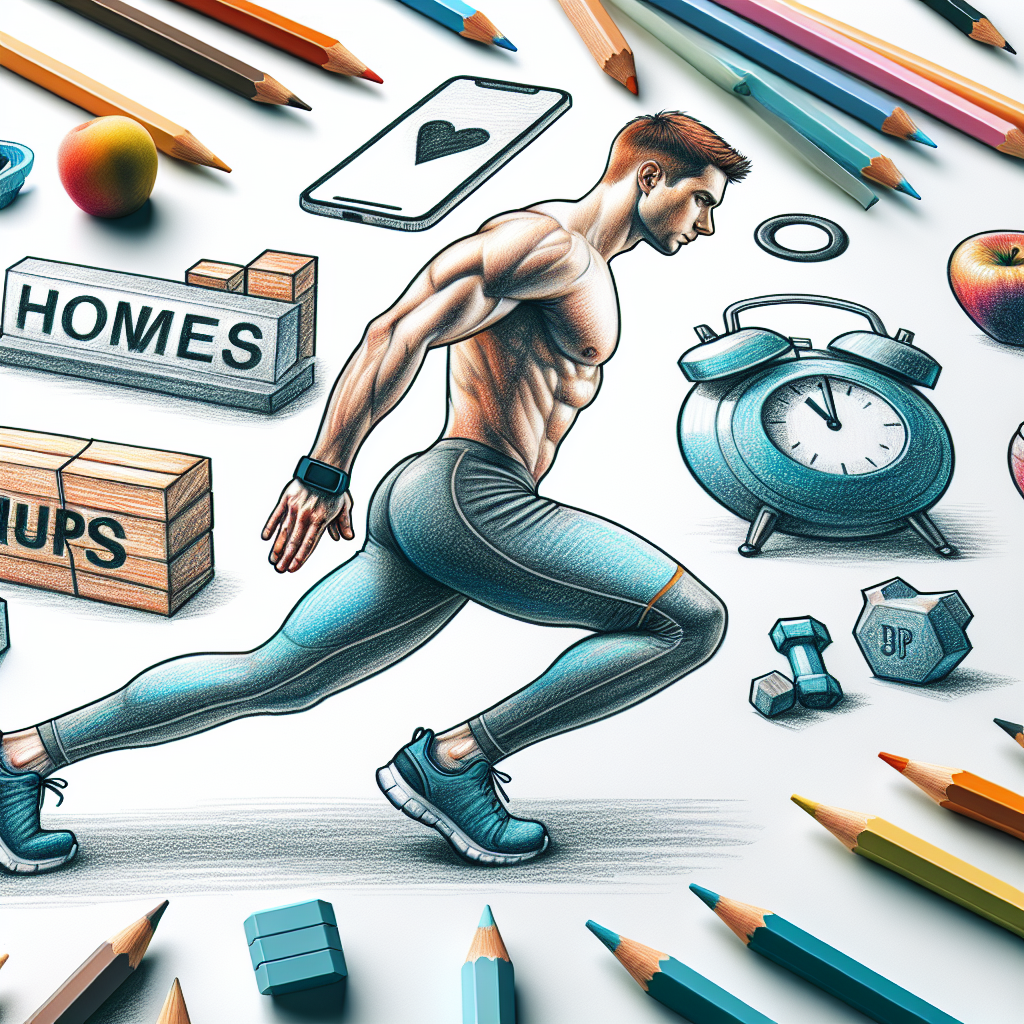
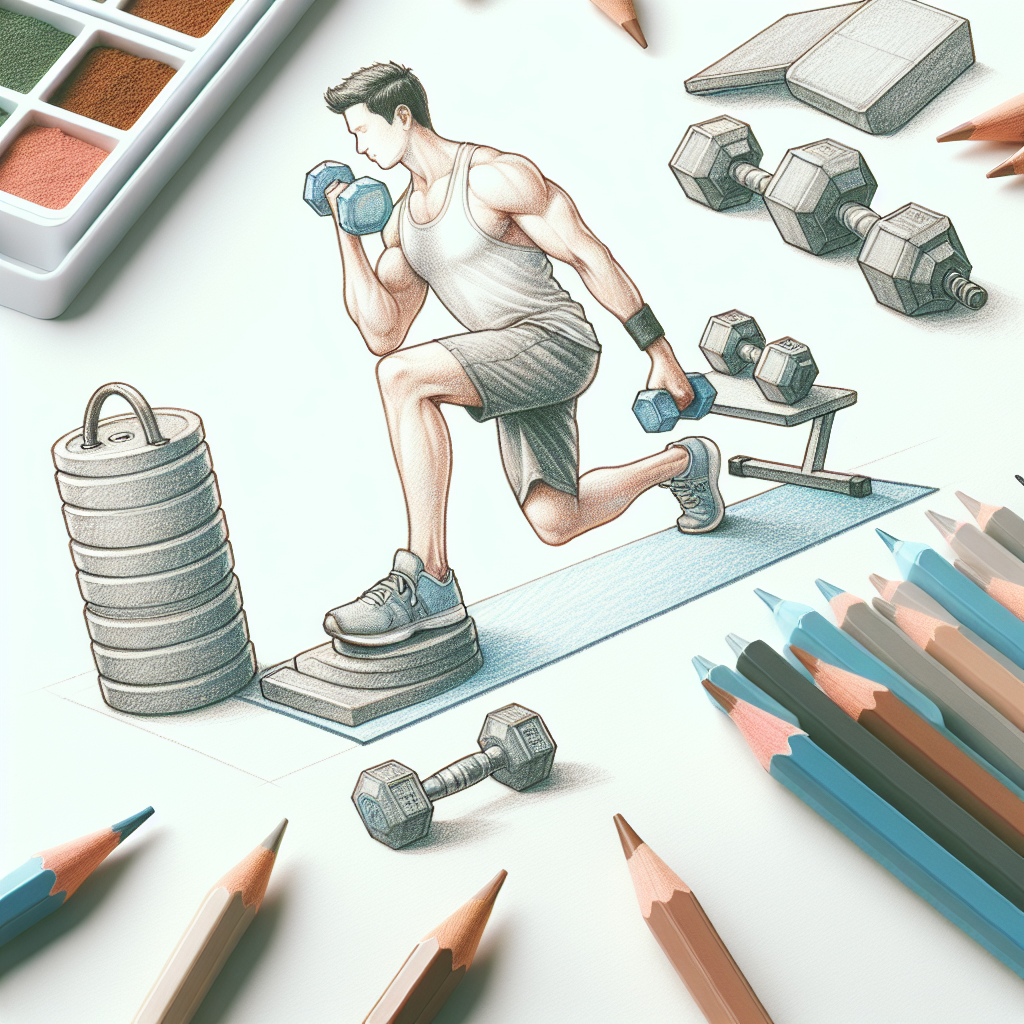
Many individuals seeking to build muscle often turn to weights as the primary tool in their fitness regimen. However, effective muscle-building workouts without weights not only enhance strength but can also be conveniently performed anywhere. This article delves into the benefits of weightless workouts, guiding you through various techniques that yield substantial results. Engage in these exercises with consistency, and you’ll find yourself on a path to increased muscle definition and strength.

  • Introduction
  • Understanding Muscle Building
  • Benefits of Weightless Workouts
  • Effective Bodyweight Exercises
  • Practical Steps to Create a Routine
  • Consulting a Professional
  • Common Myths and Mistakes
  • FAQ
  • Conclusion

Understanding Muscle Building

Muscle growth, or hypertrophy, occurs when muscle fibers undergo stress, leading to microscopic tears that are subsequently repaired, resulting in stronger and larger muscles. This can be achieved without weights through various bodyweight exercises that effectively challenge the muscles. Key factors in muscle building include the number of repetitions, the efficiency of movements, and incorporating a variety of exercises targeting different muscle groups.

Benefits of Weightless Workouts

Engaging in workouts that do not utilize weights presents several advantages:

  • Accessibility: No equipment is required, making exercises accessible anywhere.
  • Reduced Risk of Injury: Without weights, the risk of injury from improper lifting techniques is minimized.
  • Enhanced Core Stability: Many bodyweight exercises require engaging the core, promoting enhanced stability and balance.
  • Versatility: Bodyweight exercises can be modified easily to accommodate varying fitness levels.

Effective Bodyweight Exercises

To maximize muscle-building potential, consider the following bodyweight exercises:

  • Push-Ups: Target chest, shoulders, and triceps.
  • Squats: Enhance leg strength focusing on quadriceps, hamstrings, and glutes.
  • Pull-Ups: Focus on the back and biceps; fit for those with access to a sturdy bar.
  • Planks: Build core strength and stability. Enhance by incorporating side planks.
  • Lunges: Promote lower body strength and balance.
  • Burpees: A full-body exercise improving cardiovascular fitness alongside strength.

Practical Steps to Create a Routine

Creating a structured workout plan can optimize results. Follow these steps:

  1. Set Goals: Define clear, achievable muscle-building goals.
  2. Select Exercises: Choose a mix of the exercises listed above, ensuring all major muscle groups are targeted.
  3. Establish a Schedule: Aim for at least 3-4 sessions per week, dedicating time for recovery.
  4. Track Progress: Record repetitions, sets, and personal feelings towards the workouts to monitor improvements.
  5. Incorporate Variability: Regularly change exercises and routines to avoid plateaus.

For an efficient method to exercise daily, consider participating in a specialized program that offers six-minute workouts, which can deliver gym-like results in a short time frame. Sign up for a free 30-day exercise program today.

Consulting a Professional

While many can successfully engage in bodyweight workouts, individuals with specific health concerns or limitations should consult a qualified fitness professional. This is particularly important for:

  • Those recovering from injuries
  • Individuals with pre-existing health conditions
  • Beginners uncertain about proper form and techniques

Common Myths and Mistakes

Misconceptions about bodyweight training can deter progress. Here are a few myths to be aware of:

  • Myth 1: Bodyweight exercises are not effective for building muscle.
  • Myth 2: You can only build muscle with weights.
  • Myth 3: Muscle gains take longer with bodyweight workouts than with weights.
  • Mistake: Neglecting progression by performing the same routine without increasing intensity or complexity.

FAQ

Can you build muscle using only bodyweight exercises?

Yes, bodyweight exercises can effectively build muscle when performed with proper technique and intensity.

What is the best bodyweight exercise for overall strength?

Push-ups are highly effective as they engage multiple muscle groups and promote upper body strength.

How often should I do bodyweight workouts?

Aim for at least 3-4 times per week for optimal results, with rest days incorporated for recovery.

Can beginners start with bodyweight workouts?

Yes, beginners can effectively start with bodyweight exercises, which can be easily modified to match fitness levels.

Is it necessary to perform bodyweight exercises in a specific order?

While there is no strict order necessary, a balanced routine should cover all major muscle groups and include both pushing and pulling movements.

Are there any specific nutrition tips to follow while building muscle?

A balanced diet rich in protein, healthy fats, and carbohydrates supports muscle growth and recovery.

Conclusion

  • Bodyweight workouts are a practical and effective way to build muscle.
  • Accessibility is a key advantage of weightless exercises.
  • Consistency and progression play essential roles in achieving results.
  • Consulting a professional is advisable for those with health concerns.
  • Debunking common myths can enhance understanding of bodyweight training effectiveness.

Embrace the potential of workouts without weights and explore how you can build strength and endurance effectively. For an innovative approach to daily exercise, consider this free 30-day exercise program, where you’ll only need to commit six minutes a day for impressive results.

Author: John Angel
Related articles

Categories
Fitness

Effective At-Home Back Workouts Without Weights

At-Home Back Workouts Without Weights

For many, achieving a strong and sculpted back can seem daunting, especially without the use of weights or access to gym equipment. However, there are effective exercises you can perform at home that target the back muscles and promote overall core stability. This article will provide insights into these exercises, their benefits, and how to implement them into your daily routine. With just a few minutes each day, you can attain results akin to traditional gym workouts.

  • Understanding the Importance of Back Strength
  • Effective At-Home Back Exercises
  • How to Create Your Own Workout Routine
  • When to Consult a Professional
  • Common Myths About Bodyweight Training
  • Frequently Asked Questions
  • Conclusion

Understanding the Importance of Back Strength

A strong back plays a crucial role in maintaining good posture, enhancing overall body stability, and preventing injuries. Many daily activities, from sitting at a desk to lifting objects, place significant strain on the back. By incorporating strength-building exercises into your routine, you can mitigate discomfort and improve functional performance in daily tasks. Notably, a well-developed back can also enhance athletic performance, contributing to better balance and coordination.

Effective At-Home Back Exercises

The following exercises require no weights and can be performed in the comfort of your home. Each exercise focuses on different areas of the back and can be modified to fit your fitness level.

1. Superman Exercise

Lie face down on the floor with your arms extended in front of you. Contract your lower back muscles to lift your chest and legs off the floor simultaneously. Hold for a few seconds before returning to the start position.

2. Plank Rows

Assume a plank position with your hands directly under your shoulders. While maintaining a stable core, lift one arm and row it towards your waist, then return to the plank position. Alternate sides.

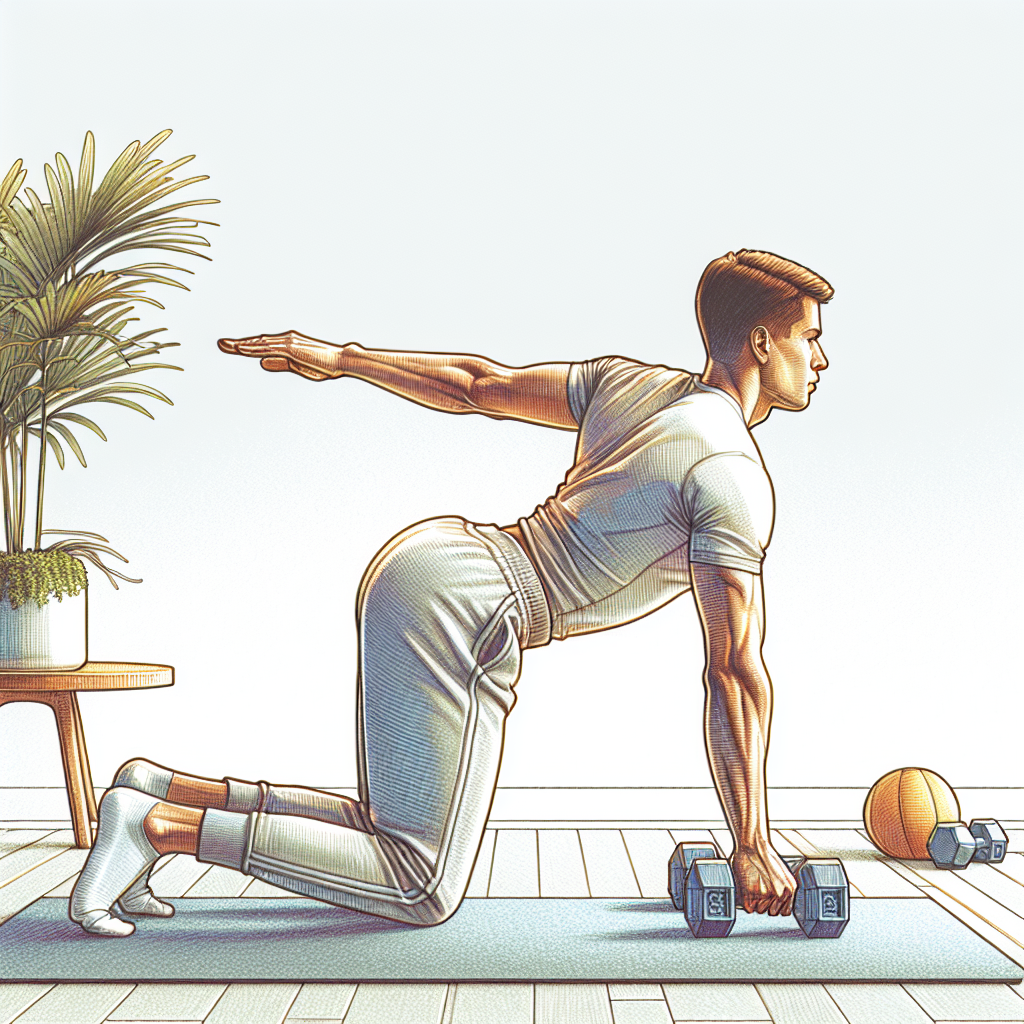
3. Bird-Dog

Begin on your hands and knees, ensuring your back is straight. Extend one arm forward while simultaneously extending the opposite leg back. Hold briefly and switch sides. This exercise enhances stability and engages the back muscles effectively.

4. Reverse Snow Angels

Lie face down with your arms by your sides. Slowly move your arms outwards and upwards, mimicking a snow angel, while lifting your chest off the ground. Return to the starting position. This exercise targets the upper back and shoulders.

5. Wall Angels

Stand with your back against a wall, feet slightly away from it. Keep your arms at a 90-degree angle, and slide them up and down the wall while maintaining contact. This helps improve posture and mobility in the shoulders and upper back.

How to Create Your Own Workout Routine

To maximize your results, consider integrating these exercises into a structured routine. Here are steps to build an effective regimen:

  1. Determine Your Fitness Level: Assess your current abilities and modify exercises accordingly. Progress slowly to avoid injury.
  2. Choose Your Workouts: Select 3-5 exercises from the list provided and aim to perform them 3-4 times a week.
  3. Set Repetitions and Sets: Start with 10-15 repetitions for each exercise, performing 2-3 sets. Adjust as you gain strength.
  4. Incorporate Rest Days: Allow for recovery to prevent overtraining and muscle fatigue.
  5. Track Your Progress: Keep a journal of your workouts to monitor improvements and stay motivated.

For an efficient alternative that promises results comparable to gym workouts, consider registering for a free 30-day exercise program. The program requires only 6 minutes of commitment each day.

When to Consult a Professional

While home workouts can be beneficial, there are circumstances in which consulting a qualified professional is advisable:

  • Persistent back pain preventing you from completing daily tasks.
  • Experiencing any discomfort radiating down your legs.
  • Difficulty maintaining balance or stability while performing exercises.
  • Previous back injuries that may warrant specialized guidance.

Common Myths About Bodyweight Training

With the rising popularity of home workouts, several misconceptions have emerged. Here are a few debunked:

Myth 1: Bodyweight Exercises Are Ineffective for Strength Building

Many believe that weight training is the only way to build strength. In reality, bodyweight exercises can be remarkably effective in developing muscle and endurance when performed correctly.

Myth 2: You Must Work Out for an Hour to See Results

The quality of the workout is often more important than the quantity. Short, focused workouts can lead to significant improvements.

Myth 3: All Back-Friendly Exercises Are Boring

There is a wide range of fun and engaging bodyweight exercises to target the back, making workouts enjoyable.

Frequently Asked Questions

Can I build muscle without weights?

Yes, bodyweight exercises can effectively build muscle and strength, particularly when variations and progressive overload are incorporated.

How often should I do these exercises?

Aim to perform back exercises 3-4 times a week, allowing for rest days in between sessions.

Are there any risks associated with bodyweight training?

Injury risk exists with any form of exercise if done improperly. Ensure you maintain correct form and listen to your body.

Can beginners start with these exercises?

Yes, these exercises can be modified for different fitness levels, making them suitable for beginners.

How long until I see results?

With consistent practice, you may notice improvements in strength and endurance within a few weeks.

Do I need a special diet to complement my workouts?

While not mandatory, a balanced diet can enhance your physical performance and recovery.

Conclusion

  • Engage in effective bodyweight exercises to strengthen your back without weights.
  • Establish a structured workout routine to maximize benefits and maintain motivation.
  • Seek professional guidance if you experience pain or discomfort.
  • Debunk myths surrounding bodyweight training for better comprehension and motivation.
  • Utilize available resources for guided workouts, such as the free 30-day exercise program.

Begin your journey to a stronger back today and explore the many benefits that at-home workouts can provide. Maintain consistency and consult experts when needed to optimize your fitness regime.

Author: John Angel

Related articles

Categories
Fitness

Effective Bodyweight Workouts: No Equipment Needed

In a world where gym memberships and specialized equipment can often feel like barriers to fitness, bodyweight workouts present a convenient and effective alternative. This style of training allows individuals to engage in an effective exercise regimen without any need for weights or machines, making it accessible to everyone, regardless of their fitness level. Moreover, with just a few minutes each day, one can achieve significant health benefits, including enhanced strength, flexibility, and overall well-being. For those interested in an innovative approach, consider a 30-day exercise program allowing you to work out for just 6 minutes daily while reaping the fitness benefits akin to a gym visit. You can register for free here.

  • Understanding Bodyweight Workouts
  • Key Benefits
  • Essential Exercises to Include
  • Recommended Practical Steps
  • When to Consult a Professional
  • Common Myths and Misconceptions
  • FAQ
  • Conclusion

Understanding Bodyweight Workouts

Bodyweight workouts utilize one’s own weight to build strength, improve endurance, and enhance flexibility. Unlike traditional gym workouts that often require expensive equipment, these exercises can be performed nearly anywhere, whether at home, in a park, or even while traveling. This workout modality promotes functional fitness, engaging multiple muscle groups to mimic real-life activities.

Key Benefits

Embracing bodyweight workouts brings numerous advantages. Some key benefits include:

  • Accessibility: No need for specialized equipment or costly gym memberships.
  • Variety: Exercises can be easily modified to suit different fitness levels.
  • Time-efficient: Can be completed in short bursts, making them ideal for those with tight schedules.
  • Improved core strength: Many bodyweight exercises require stabilization, benefiting overall core stability.
  • Enhanced mobility: Dynamic movements improve flexibility and joint health.

Essential Exercises to Include

To establish a well-rounded bodyweight workout regime, consider incorporating the following exercises:

  • Push-ups: Excellent for upper body strength, targeting the chest, shoulders, and triceps.
  • Squats: Fundamental for lower body strength, focusing on the quadriceps, hamstrings, and glutes.
  • Planks: Perfect for core stabilization, enhancing overall body strength and endurance.
  • Lunges: Effective for balance and coordination, targeting major leg muscles.
  • Burpees: A full-body conditioning exercise that improves cardiovascular fitness.

Recommended Practical Steps

To maximize the benefits of bodyweight workouts, follow these concrete steps:

  1. Establish a Routine: Dedicate specific days and times for your workouts to build consistency.
  2. Warm Up: Prepare your muscles with dynamic stretching or light cardio before starting your session.
  3. Select Exercises: Choose a combination of exercises that engage different muscle groups for balanced strength.
  4. Perform Sets: Aim for 2-3 sets of each exercise with 8-15 repetitions, depending on your fitness level.
  5. Cool Down: Incorporate static stretching post-workout to improve flexibility and aid recovery.

When to Consult a Professional

While bodyweight exercises are generally safe for most individuals, there are instances when consulting a qualified professional is advisable:

  • If experiencing persistent pain or discomfort while exercising.
  • If you have a pre-existing condition that may affect your physical abilities.
  • If unsure about proper exercise techniques, which could lead to injury.
  • Before beginning any new fitness regime after a long period of inactivity, especially for older adults.

Common Myths and Misconceptions

Bodyweight workouts are often misunderstood. Let’s clarify some common myths:

  • Myth: Bodyweight workouts are not effective for building muscle.
  • Truth: With the right exercises and intensity, they can yield significant muscle gains.
  • Myth: Only advanced athletes can perform bodyweight exercises.
  • Truth: Exercises can be modified for all skill levels, making them inclusive.
  • Myth: They lack variety and become monotonous.
  • Truth: An array of workouts and progressions exist, keeping routines fresh and engaging.

FAQ

Can I build muscle with bodyweight exercises?

Yes, bodyweight exercises can effectively build muscle when performed with the right intensity and progression.

How often should I do bodyweight workouts?

Aim for at least 3-4 times per week for optimal results, incorporating rest days as needed to promote recovery.

Are bodyweight workouts suitable for beginners?

Absolutely, bodyweight workouts can be tailored to suit beginners, allowing gradual progression.

What should I do to avoid injury?

Maintain proper form, start slowly, and listen to your body; consult a professional if unsure about techniques.

Can bodyweight exercises replace gym workouts?

For many, yes; bodyweight workouts can be both effective and convenient, showcasing functional strength without equipment.

How long does a bodyweight workout typically take?

Bodyweight workouts can be as brief as 6 minutes to longer sessions if desired, depending on fitness goals and routines.

Conclusion

  • Bodyweight workouts are accessible and effective for all fitness levels.
  • They promote strength, flexibility, and overall health in minimal time.
  • Incorporating a variety of exercises creates a balanced workout regimen.
  • Consult a professional if you experience pain or have health concerns.
  • Clear misconceptions about bodyweight training can empower individuals to start exercising.

To begin your fitness journey through convenient bodyweight workouts, consider trying a structured program that only requires 6 minutes of your day. Register for the free 30-day exercise program here and experience the transformation yourself.

Author: John Angel

Related articles

Categories
Fitness

Effective Bodyweight Workouts for Weight Loss at Home

Body Workouts No Weights: Transform Your Fitness Journey

Incorporating bodyweight workouts into your fitness regimen can yield remarkable results without the need for traditional weights. This article will explore the multitude of benefits these exercises offer, particularly in the context of your weight loss journey. Discover how short, six-minute workouts at home can be a game changer in achieving your fitness goals.

  • The Benefits of Bodyweight Training
  • Engaging in Effective Six-Minute Workouts
  • Practical Steps to Get Started
  • When to Consult a Professional
  • Common Myths and Misconceptions
  • Frequently Asked Questions
  • Conclusion and Call to Action

The Benefits of Bodyweight Training

Bodyweight workouts, often underestimated, offer a host of benefits that can enhance your fitness journey. These exercises engage multiple muscle groups, improve flexibility, and can be tailored to all fitness levels. Moreover, they are practical and can be performed anywhere, eliminating barriers that often hinder workout consistency.

As you embark on your weight loss journey, it’s crucial to select workouts that give you the most bang for your buck. Bodyweight exercises are not only efficient but are also a great way to rely on your body’s natural resistance for strength building and toning.

Improved Convenience and Accessibility

Without the need for gym memberships or equipment, bodyweight exercises can be performed at home, in a park, or virtually anywhere. This accessibility allows for seamless integration into your daily routine, making it easier to stay committed to your goals.

Enhanced Core Stability and Balance

Many bodyweight exercises focus on core stability, which is essential for overall strength and balance. Improved stability can aid in daily activities and reduce the risk of injury, thereby supporting your weight loss efforts.

Boosted Metabolism

Engaging in high-intensity, short-duration bodyweight workouts can elevate your metabolic rate, allowing you to burn calories even after your workout has concluded. This is particularly effective during a weight loss journey, as it promotes fat burning and overall weight management.

Engaging in Effective Six-Minute Workouts

One of the incredible aspects of bodyweight training is the ability to achieve significant results in a short time frame. Six-minute workouts can be intense and highly effective, allowing you to maximize your time while still getting a robust workout. These brief sessions can be easily incorporated into your day, making them ideal for anyone with a busy schedule.

The magic of short workouts lies in their design—they are designed to elevate your heart rate quickly. When combined with a strategic approach, they can provide the stimulus your body needs to shed unwanted pounds effectively.

The Structure of a Six-Minute Workout

  • Warm-Up (1 minute): Start with dynamic stretches or light movements to prepare your muscles.
  • Main Workout (4 minutes): Engage in high-intensity bodyweight exercises such as jumping jacks, squats, push-ups, or planks.
  • Cool Down (1 minute): Finish with gentle stretching to aid recovery.

Practical Steps to Get Started

Initiating your bodyweight workout routine can be straightforward and fulfilling. Here are some practical steps to guide you:

  1. Set a Clear Goal: Define what you want to achieve from your workouts, whether it’s weight loss, muscle gain, or improving endurance.
  2. Create a Schedule: Allocating specific times for your workouts ensures consistency, making it easier to integrate this practice into your daily life.
  3. Start Simple: Begin with basic exercises and gradually increase the intensity as you build strength and confidence.
  4. Track Your Progress: Keeping a log of your exercises and improvements helps maintain motivation and adherence to your goals.
  5. Join a Program: Consider registering for a structured program like the SixPack workout program for a free 30-day trial to kickstart your journey.

When to Consult a Professional

While bodyweight exercises are generally safe for most individuals, there are scenarios where consulting a qualified professional may be prudent:

  • Injury or Pain: If you experience chronic pain or discomfort, particularly during or after a workout, seek the guidance of a professional.
  • Existing Health Conditions: Individuals with significant health concerns or chronic conditions should consult a healthcare provider before starting a new fitness regimen.
  • Need for Structured Guidance: If you feel unsure about your ability to exercise safely or effectively, a personal trainer or coach can provide tailored support.

Common Myths and Misconceptions

As with any fitness regimen, bodyweight workouts are often misunderstood. Here are some prevalent myths debunked:

  • Myth 1: Bodyweight Exercises are Ineffective: Many believe that without weights, you cannot achieve significant results. However, the right intensity and variations can produce impressive outcomes.
  • Myth 2: They are Only for Beginners: Bodyweight exercises can be modified to challenge even the most advanced fitness enthusiasts.
  • Myth 3: You Need a Gym for Results: The reality is that your body is the best piece of equipment you need, and workouts can be performed anywhere.

Frequently Asked Questions

Can bodyweight workouts help me lose weight?

Yes, bodyweight workouts can contribute to weight loss by incorporating high-intensity movements that elevate your heart rate and boost metabolism.

Are six-minute workouts effective?

Absolutely! Six-minute workouts are designed to provide quick yet intense exercises that can lead to substantial results when done consistently.

Do I need to warm up before a bodyweight workout?

Yes, warming up is critical to prevent injuries and prepare your muscles for exercise.

How often should I do bodyweight workouts?

Aim for at least three to four times a week, adjusting according to your fitness level and goals.

Can I do bodyweight exercises if I have joint issues?

Consult a healthcare professional first; modifications can often be made for those with joint concerns.

Is it possible to gain muscle with bodyweight workouts?

Yes, bodyweight exercises can promote muscle growth, especially when incorporating variations that challenge your strength levels.

Conclusion and Call to Action

  • Bodyweight workouts are efficient and accessible for all fitness levels.
  • Engaging in short, intense workouts can contribute significantly to your weight loss journey.
  • Practical steps and consistency are key to achieving results.
  • Consulting a professional can enhance your fitness journey, especially if you have pre-existing health conditions.
  • Be aware of myths surrounding bodyweight training to fully embrace its potential.

Ready to transform your fitness journey? Join the free 30-day SixPack workout program today and experience the magic of effective workouts from the comfort of your home.

Author: John Angel

Related articles

Categories
Fitness

Effective Bodyweight Workouts for Weight Loss at Home

Own Weight Workout: Transform Your Weight Loss Journey

Embarking on a weight loss journey often feels daunting, but incorporating own weight workouts can simplify the process significantly. These workouts, which leverage your body weight for resistance, not only promote weight loss but also enhance overall strength, flexibility, and endurance. In this article, we will explore the benefits of short, six-minute workouts that you can perform at home, dissect their transformation potential, and offer practical guidance to seamlessly integrate them into your daily routine.

  • The Power of Bodyweight Exercises
  • The Convenience of Short Workouts
  • How to Structure Your Six-Minute Workouts
  • Common Mistakes in Bodyweight Workouts
  • When to Seek Professional Guidance
  • FAQ
  • Conclusion

The Power of Bodyweight Exercises

Bodyweight exercises leverage your own weight as resistance, making them both accessible and effective for a variety of fitness levels. These workouts build strength across multiple muscle groups and can significantly contribute to your weight loss journey. By incorporating exercises like push-ups, squats, and planks, you can enhance your metabolic rate, allowing your body to burn calories more efficiently.

The Convenience of Short Workouts

One of the most compelling aspects of bodyweight workouts is their flexibility. Short six-minute workouts are designed to fit into the busiest schedules. Whether you have a brief moment during lunch or just before heading to bed, these concise workouts can deliver tremendous benefits without the need for elaborate equipment or lengthy gym sessions. Many individuals find that these short bursts of activity are more sustainable, leading to long-term commitment and results.

How to Structure Your Six-Minute Workouts

Creating an effective six-minute workout can be easy and rewarding. Follow these concrete steps to get started:

  1. Choose Your Exercises: Select 2-3 bodyweight exercises, such as squats, push-ups, and burpees.
  2. Set a Timer: Use a stopwatch or timer app to ensure each exercise lasts for 30 seconds, with 15 seconds of rest between exercises.
  3. Warm-Up: Spend a minute warming up to avoid injury; simple stretches or jumping jacks work well.
  4. Workout: Perform each exercise consecutively for six minutes, aiming for maximum effort.
  5. Cool Down: Conclude with a minute of gentle stretching to help with recovery.

For those looking for a structured approach, consider registering for the SixPack workout program for 30 days free. This program provides targeted workouts specifically designed for home practice.

Common Mistakes in Bodyweight Workouts

While own weight workouts are straightforward, several common misconceptions can hinder progress:

  • Not Engaging Core Muscles: Failing to stabilize your core can lead to improper form, and limit exercise effectiveness.
  • Skipping Rest Days: Overworking your muscles without allowing for recovery can lead to burnout or injury.
  • Consistency: Many individuals begin strong but falter in consistency. It’s crucial to integrate these workouts regularly for lasting results.

When to Seek Professional Guidance

While own weight workouts are generally safe, it is prudent to consult a qualified professional if you experience any of the following:

  • Persistent Pain: If you have ongoing aches or sharp pains during exercises.
  • Pre-Existing Conditions: Consult a healthcare provider if you have health conditions or concerns that may affect your fitness.
  • Lack of Progress: If you are not seeing improvements despite effort, a personal trainer may help recalibrate your approach.

FAQ

1. Are bodyweight exercises effective for weight loss?

Yes, bodyweight exercises can be very effective for weight loss as they help build muscle while burning calories.

2. How often should I do short workouts?

For best results, aim to incorporate short workouts into your routine at least 3–5 times a week.

3. Can I lose weight doing only six-minute workouts?

While six-minute workouts can contribute to weight loss, combining them with a balanced diet is essential for optimal results.

4. Is it suitable for beginners?

Absolutely! Bodyweight workouts are very adaptable and can be scaled to match fitness levels, making them perfect for beginners.

5. Do I need any equipment?

No, one of the major advantages of bodyweight workouts is that they can be performed without any equipment, just using your own body weight.

6. How do I stay motivated to keep exercising?

Setting clear goals, tracking your progress, and connecting with others in fitness communities can help maintain motivation.

Conclusion

  • Bodyweight workouts are accessible and effective tools for weight loss.
  • Six-minute workouts can easily fit into everyday life, providing a sustainable fitness routine.
  • Proper structure and consistency are key to maximizing workout benefits.
  • Avoid common mistakes to ensure effective workouts and promote progress.
  • Consult a professional if you experience pain or are uncertain about your exercise routine.

In summary, incorporating own weight workouts into your weight loss journey offers flexibility and effectiveness. Ready to start? Register now for the SixPack workout program for 30 days free and embrace the transformation that awaits you!

Author: John Angel

Related articles

Categories
Fitness

Benefits and Guide to Free Weight Exercises at Home

Unlocking the Benefits of Free Weight Exercises

Embarking on a weight loss journey can be both transformative and challenging. One of the most effective and accessible methods for exercise is through free weight exercises. These workouts can be conducted in the comfort of your home and require only minimal equipment, making them an excellent choice for those looking to achieve their fitness goals without the burden of a gym membership. In this article, we will explore the advantages of free weight exercises, provide a practical guide for getting started, and discuss when to seek professional advice.

  • Understanding Free Weights
  • Benefits of Free Weight Exercises
  • Effective Free Weight Exercises to Try
  • Steps to Getting Started
  • When to Consult a Professional
  • Common Myths and Misconceptions
  • Frequently Asked Questions
  • Conclusion and Call to Action

Understanding Free Weights

Free weights encompass a variety of exercise tools such as dumbbells, kettlebells, and barbells that allow for a range of motion and the ability to target multiple muscle groups. Unlike machines, which guide your movements, free weights require the engagement of stabilizing muscles, offering a more comprehensive workout.

Benefits of Free Weight Exercises

The incorporation of free weight exercises into your fitness routine can yield a myriad of benefits, notably:

  • Increased Muscle Strength: Engaging multiple muscle groups helps build functional strength.
  • Enhanced Weight Loss: Free weight workouts can elevate your metabolism, aiding in your weight loss journey.
  • Improved Core Stability: Many free weight exercises require core engagement, improving overall stability.
  • Flexibility and Coordination: These exercises promote better mobility and coordination.
  • Time Efficiency: Short but intense workouts can yield significant results in minimal time, making them ideal for busy schedules.

Effective Free Weight Exercises to Try

Here are some effective free weight exercises that can be easily performed at home:

  • Deadlifts: Utilize a dumbbell or kettlebell to engage your hamstrings, glutes, and lower back.
  • Squats: Hold weights at your sides or shoulder level to target quads, hamstrings, and glutes.
  • Bench Press: Using dumbbells, this exercise targets the chest, shoulders, and triceps.
  • Overhead Press: A great way to build shoulder strength, this exercise can be done standing or seated.
  • Rows: Bend slightly forward and pull weights toward your torso to engage your back muscles.

Steps to Getting Started

To effectively incorporate free weights into your routine, follow these steps:

  1. Select Appropriate Weights: Start with lighter weights to ensure proper form.
  2. Warm Up: Always begin with a warm-up to prepare your muscles.
  3. Focus on Form: Master the movement patterns before increasing weight.
  4. Create a Consistent Schedule: Aim for at least three sessions per week to see progress.
  5. Listen to Your Body: Stop if you experience pain and consult a professional if needed.
  6. Consider Short Workouts: Engage in six-minute sessions to maximize efficiency and maintain motivation. Join the SixPack workout program for 30 days free!

When to Consult a Professional

While free weight exercises can be beneficial, certain situations warrant professional guidance:

  • If you experience persistent pain or discomfort during exercises.
  • When you’re unsure about proper techniques and form.
  • For personalized workout plans tailored to your specific needs.
  • If you have pre-existing health conditions affecting your ability to exercise safely.

Common Myths and Misconceptions

There are several misconceptions surrounding free weight exercises. It is crucial to differentiate fact from fiction:

  • Myth: Women Should Avoid Weights to Prevent Bulking. Truth: Weight training can lead to toned muscles without excessive bulk.
  • Myth: Free Weights are More Dangerous than Machines. Truth: With proper technique, free weights are safe and effective.
  • Myth: You Need a Lot of Equipment to See Results. Truth: Simple free weight exercises can yield substantial benefits.

Frequently Asked Questions

What are the main advantages of free weight exercises?

Free weights enhance muscle strength, promote weight loss, improve core stability, and increase flexibility.

Can beginners start with free weight exercises?

Yes, beginners can safely start with lighter weights and focus on mastering proper form.

How often should I do free weight exercises?

Aim for at least three sessions per week to promote muscle growth and improve strength.

Is it necessary to warm up before free weight exercises?

Yes, warming up prepares your muscles and reduces the risk of injury.

Can I perform free weight exercises at home?

Absolutely! Many effective free weight exercises can easily be done at home with minimal equipment.

What should I do if I experience pain during exercises?

Stop the exercise immediately and seek guidance from a medical professional or qualified trainer.

Conclusion

  • Free weight exercises are a versatile and effective means of enhancing physical fitness.
  • These exercises can significantly contribute to your weight loss journey.
  • With proper form and technique, free weights can be safe and beneficial for all fitness levels.
  • A two-three times a week workout routine can lead to substantial improvements.
  • Consider enrolling in program options like the SixPack workout for efficient, six-minute home workouts — register for 30 days free!

Author: John Angel

Related articles

Website analytics information

We use Google Analytics 4 for visitor statistics. Analytics cookies require your consent, which you can change using the button above. The data controller is ZDRAVÍ S ÚSMĚVEM s.r.o., company ID 29283329, contact podpora@revolucnicviceni.cz. Google processes browser, device and page visit information. We do not send form field values to Analytics. How Google uses information · Google Privacy Policy.