Categories
Fitness

Effective Back Exercises Without Equipment

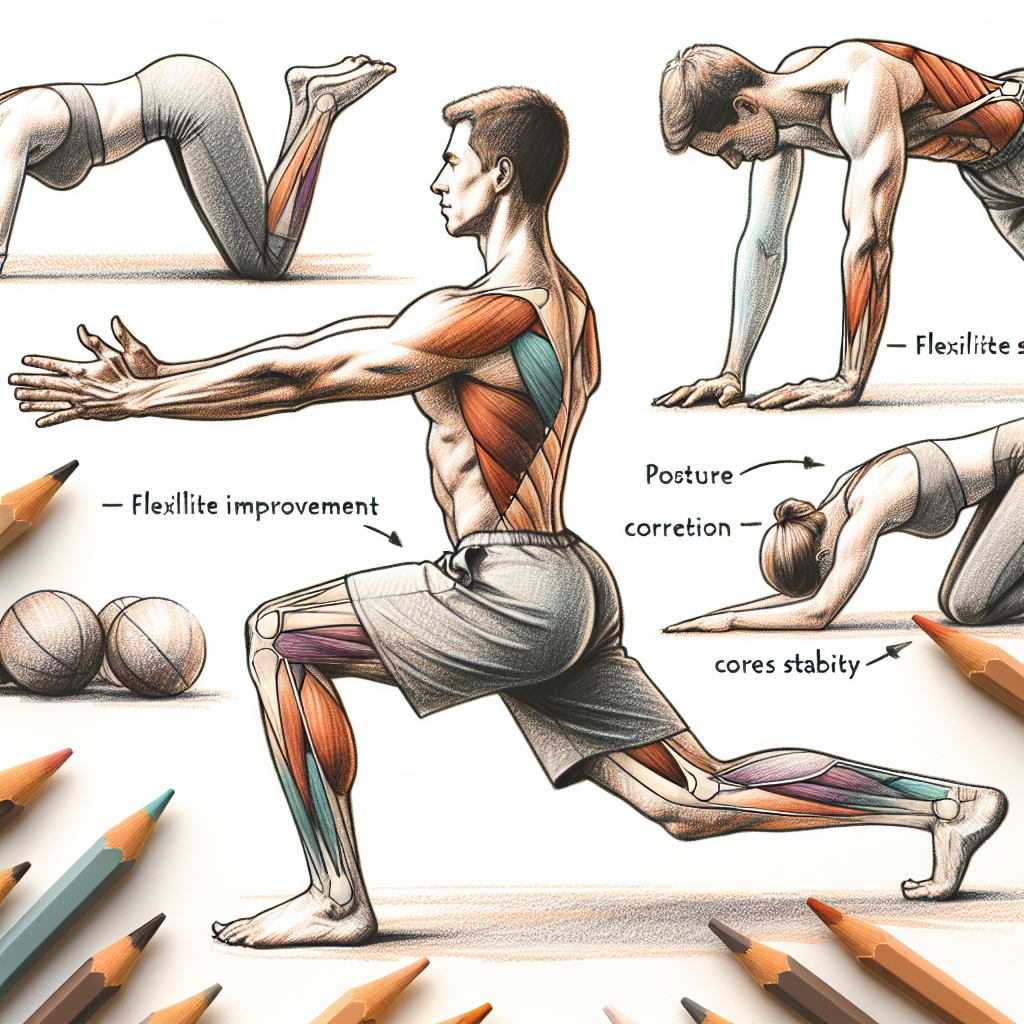
Best Back Exercises Without Equipment

In today’s fast-paced world, maintaining physical fitness can be a challenge, particularly when access to gym equipment is limited. However, strengthening your back does not require fancy machines or weights. By incorporating simple yet effective exercises into your routine, you can achieve remarkable results in a short amount of time. This article will provide a detailed overview of the best back exercises that necessitate no equipment, guiding you toward enhanced strength, posture, and overall well-being.

  • Understanding the Importance of Back Strength
  • Top Back Exercises You Can Do at Home
  • A Step-by-Step Guide to Implementing These Exercises
  • Consulting a Professional: When Is It Necessary?
  • Common Myths and Misconceptions
  • Frequently Asked Questions

Understanding the Importance of Back Strength

The back is a complex structure composed of various muscles that play a pivotal role in maintaining posture and supporting the spine. A strong back not only enhances physical performance but also helps in preventing injuries. It is crucial for daily activities, such as lifting objects, sitting for extended periods, and even sleeping comfortably. Increasing back strength can also alleviate back pain and promote overall body stability.

Top Back Exercises You Can Do at Home

1. Superman Exercise

The Superman exercise effectively targets the lower back and stimulates the core muscles. It is straightforward yet immensely productive.

2. Plank

A plank engages multiple muscle groups, promoting core stability and strengthening the back. It can be performed in various variations to adjust the difficulty level.

3. Bird-Dog

This dynamic exercise improves coordination and balance while strengthening the lower back and abdominal muscles.

4. Reverse Snow Angels

Reverse snow angels help target the upper back and shoulder region, enhancing mobility and strength.

5. Side Plank

This variation of the plank notably emphasizes the obliques while providing support to the back.

A Step-by-Step Guide to Implementing These Exercises

Incorporating these exercises into your routine can be simple. Here’s how to get started:

  1. Warm-Up: Engage in a 5-minute warm-up to prepare your muscles. This could include light stretching or dynamic movements.
  2. Choose Exercises: Select 3-4 exercises from the list based on your comfort level.
  3. Repetitions: Aim for 10-15 repetitions for each exercise, gradually increasing as you build strength.
  4. Frequency: Dedicate at least 3-4 days a week to these exercises to achieve noticeable results.
  5. Cool Down: Finish with a 5-minute cool-down to stretch the muscles you have worked on.

For those looking for a guided program, consider registering for a free 30-day exercise routine where you only need to exercise for 6 minutes a day but can achieve results comparable to traditional gym workouts: Register Here.

Consulting a Professional: When Is It Necessary?

While exercising is vital for physical health, some conditions warrant professional consultation. If you experience severe back pain, numbness, or tingling sensations, it is crucial to consult a healthcare provider or physical therapist. Signs indicating a possible underlying condition include:

  • Persistent pain lasting more than a few days
  • Pain accompanied by leg weakness or bladder dysfunction
  • Unexplained weight loss
  • Changes in daily activity levels due to discomfort

Common Myths and Misconceptions

Equipping oneself with accurate information is vital for effective training. Here are some common myths regarding back exercises:

  • Myth 1: Strengthening the back is only for athletes.
    Reality: Everyone can benefit from back exercises, regardless of fitness level.
  • Myth 2: You need weights to build back strength.
    Reality: Bodyweight exercises can be just as effective.
  • Myth 3: All back pain is caused by weak muscles.
    Reality: Back pain can arise from various factors, including poor posture and underlying health conditions.
  • Myth 4: Stretching is unnecessary for back strength.
    Reality: Proper stretching is needed for flexibility and injury prevention.

Frequently Asked Questions

What are the benefits of back exercises without equipment?

Back exercises improve posture, enhance strength, and help prevent injuries, all without requiring special equipment.

How often should I perform back exercises?

Aimed for at least 3-4 times a week for optimal results, allowing for recovery is essential.

Can beginners perform these exercises?

Yes, these exercises are suitable for beginners. Start with lower repetitions and gradually increase as you gain strength.

Is it necessary to warm up before exercising?

Yes, warming up prepares your muscles for activity and significantly reduces the risk of injury.

Can these exercises help alleviate back pain?

They may help improve back strength, which can alleviate some types of back pain, but consult a professional for persistent pain.

Is it possible to build muscle without weights?

Yes, bodyweight exercises stimulate muscle growth and can be equally effective without weights, depending on execution.

Conclusion

  • Strengthening your back does not require specialized equipment.
  • Several effective bodyweight exercises can significantly improve back strength.
  • Consistency is vital to achieving noticeable results.
  • Consult professionals when experiencing severe or persistent back issues.
  • Stay informed about myths to prevent misinformation impacting your training.

Embrace these no-equipment exercises into your fitness routine and witness the transformative effects on your back strength. Remember, proper technique and consistency are key to your progress. For additional guidance and a structured approach, consider registering for a free 30-day exercise program where just 6 minutes a day can lead to impressive gains: Sign Up Today.

Author: John Angel

Related articles

Categories
Fitness

Effective Back Exercises You Can Do Without Equipment

Best Back Exercises Without Equipment

Strengthening your back muscles is essential for maintaining good posture, reducing the risk of injury, and supporting overall physical health. Fortunately, you do not need a gym or expensive equipment to achieve a strong and resilient back. In this article, we will explore effective back exercises that require no equipment, allowing individuals to engage in beneficial movements anywhere. Additionally, find a link to a free 30-day exercise program that requires only 6 minutes a day, promising results similar to traditional gym workouts. Begin your journey here.

  • Understanding the Importance of Back Strength
  • Key Back Exercises
  • Guidelines for Effective Exercise
  • Myths and Mistakes in Back Training
  • When to Consult a Professional
  • Frequently Asked Questions
  • Conclusion

Understanding the Importance of Back Strength

A strong back is crucial not just for athletic performance but also for daily activities. The back plays a vital role in stabilizing the body, facilitating movement, and protecting the spine. Furthermore, a well-conditioned back can alleviate discomfort often associated with sedentary lifestyles. Engaging in regular back exercises enhances muscle strength, improves flexibility, and promotes better posture.

Key Back Exercises

Below are several effective and easy-to-perform back exercises that require no equipment:

1. Supermans

This exercise targets the lower back and promotes strength and stability.

  • Lie face down on a comfortable surface with arms extended in front of you.
  • Simultaneously raise your arms, legs, and chest off the ground.
  • Keep your head in a neutral position and hold for a few seconds before returning to the starting position.
  • Repeat for 10-15 repetitions.

2. Bird Dogs

A wonderful exercise to enhance core stability and balance.

  • Begin on all fours, ensuring your hands are under your shoulders and knees under your hips.
  • Extend your right arm forward and left leg back at the same time.
  • Hold for a moment, then return to the starting position and switch sides.
  • Complete 10-12 repetitions on each side.

3. Planks

While a full-body exercise, planks significantly engage the back muscles.

  • Start in a face-down position on your forearms and toes.
  • Maintain a straight line from head to heels, ensuring your back is flat.
  • Hold this position for 20-60 seconds, depending on your ability.
  • Rest and repeat for 2-3 sets.

4. Cat-Cow Stretch

A gentle way to increase flexibility and relieve tension in the spine.

  • Start on all fours and alternate between arching your back (Cat) and lowering your belly while lifting your head (Cow).
  • Flow between these two positions, breathing deeply.
  • Continue for 30 seconds to 1 minute.

5. Reverse Snow Angels

This exercise strengthens the upper back and shoulders.

  • Lie face down with your arms at your sides and palms facing down.
  • Slowly raise your arms and legs off the ground while sweeping your arms outward and upward.
  • Return to the starting position and repeat for 10-15 repetitions.

Guidelines for Effective Exercise

To get the most out of your back exercises, consider the following guidelines:

  • Maintain proper form to prevent injuries.
  • Warm up before each session to prepare your muscles.
  • Incorporate a variety of exercises to target different areas of the back.
  • Listen to your body and adjust exercises if you experience discomfort.
  • Stay hydrated and focus on your breathing during workouts.

Myths and Mistakes in Back Training

It is essential to address common misconceptions about exercising the back to ensure effective training:

Myth 1: You Need Equipment for Effective Back Training

Many believe that back exercises require machines or weights, which is false; bodyweight exercises are highly effective.

Myth 2: Stretching Alone Can Build Back Strength

While stretching is essential, it must be combined with strengthening exercises to improve back strength truly.

Myth 3: Back Pain Means You Should Avoid Exercise

On the contrary, engaging in appropriate back exercises can alleviate pain, but it is essential to consult with a healthcare professional first.

When to Consult a Professional

It is vital to seek professional advice in the following circumstances:

  • If you experience severe or persistent back pain.
  • When pain radiates into your legs or arms.
  • If you suffer from a recent injury that limits your mobility.
  • When you experience weakness or numbness in your limbs.
  • If you have underlying health conditions that may affect your ability to exercise.

Frequently Asked Questions

1. How often should I perform back exercises?

Ideally, aim for 2-3 times a week for optimal results.

2. Can these exercises help with existing back pain?

Yes, many can alleviate discomfort; however, consult a healthcare professional for tailored advice.

3. How long should I hold each exercise?

Typically, hold any stable position for 20-60 seconds, depending on your strength and endurance.

4. Can I do these exercises if I am a beginner?

Absolutely! These exercises are suitable for individuals of all fitness levels.

5. What should I do if I feel pain while exercising?

Immediately stop and consult a healthcare professional if you experience sharp or persistent pain.

6. Is it safe to exercise every day?

While daily movement is encouraged, ensure you allow muscles to recover; consider alternate days for intense workouts.

Conclusion

  • A strong back contributes greatly to overall physical health.
  • Bodyweight exercises can efficiently strengthen the back without the need for equipment.
  • Maintain proper form and listen to your body during workouts.
  • Consult professionals if you experience persistent pain or discomfort.
  • Consider exploring a free 30-day exercise program to enhance your fitness journey.

Empower yourself with the knowledge to perform these back exercises effectively, and remember to consult a healthcare professional when necessary. Explore your fitness limits and take the first step towards a healthier you by registering for the 30-day exercise program today!

Author: John Angel

Related articles

Categories
Fitness

Top Bodyweight Exercises for Back Strength Without Equipment

Bodyweight exercises offer a versatile and equipment-free means to strengthen the back muscles, contributing significantly to overall fitness and posture. Engaging in effective bodyweight back exercises not only enhances muscle tone but also improves stability and functional movement essential for daily activities. In this article, we will explore the best bodyweight back exercises you can do anywhere, along with valuable tips to maximize results.

  • Understanding the Importance of Back Strength
  • Effective Bodyweight Back Exercises
  • Practical Steps to Incorporate Back Exercises
  • Recognizing When to Consult a Professional
  • Common Myths about Bodyweight Training
  • Frequently Asked Questions
  • Conclusion

Understanding the Importance of Back Strength

A strong back is vital not only for athletic performance but also for everyday tasks such as lifting, bending, and maintaining a proper posture. Weak back muscles can lead to discomfort and may increase the risk of injury. Focusing on bodyweight exercises that target the back helps maintain functional strength, supports spinal health, and improves overall body aesthetics.

Effective Bodyweight Back Exercises

1. Superman Exercise

The Superman exercise targets the lower back, glutes, and shoulders. By mimicking the flying pose of Superman, this exercise strengthens the posterior chain.

2. Plank to Downward Dog

This dynamic movement works the upper back while engaging the core. Transitioning from a plank position to a downward dog helps improve shoulder flexibility and overall back strength.

3. Reverse Snow Angel

This exercise enhances the upper back and shoulder mobility, helping to counteract slouched posture by activating key stabilizing muscles.

4. Bird-Dog

This well-rounded exercise involves extending opposite arms and legs, boosting core stability while effectively targeting the back muscles.

5. Wall Slides

Wall slides assist in opening the chest and strengthening the upper back. They are excellent for counteracting the effects of prolonged sitting.

Practical Steps to Incorporate Back Exercises

To achieve optimal results, follow these practical steps:

  1. Dedicate 3-4 days a week to your back workout.
  2. Include 2-3 sets of 10-15 repetitions for each exercise.
  3. Warm up with light cardio and dynamic stretches to prevent injury.
  4. Focus on form rather than speed—quality of movement is key.
  5. Consider joining a structured program for consistency; you might explore options like the 30-day exercise program, requiring only 6 minutes daily.

Recognizing When to Consult a Professional

While bodyweight exercises are generally safe for most individuals, certain circumstances may warrant a consultation with a healthcare or fitness professional:

  • Persistent back pain or discomfort during exercises.
  • History of back injury or surgery.
  • Inability to maintain proper form despite practice.
  • Sudden onset of new pain or discomfort in the back.
  • Concerns concerning overall fitness or pre-existing medical conditions.

Common Myths about Bodyweight Training

Several misconceptions surround bodyweight training for back strength:

  • Myth 1: Bodyweight exercises are not challenging.
  • Myth 2: You need weights to build muscle.
  • Myth 3: Bodyweight exercises are ineffective for serious athletes.
  • Myth 4: You cannot target specific muscles with bodyweight training.

Frequently Asked Questions

What are the benefits of bodyweight back exercises?

Bodyweight back exercises improve strength, flexibility, and posture, while reducing the risk of injuries.

Can beginners perform these exercises?

Yes, beginners can start with modified versions of these exercises and gradually increase intensity as they progress.

How often should I perform bodyweight back exercises?

It’s recommended to perform back exercises 3-4 times a week for optimal results.

Is it safe to do bodyweight exercises every day?

While many people can safely do bodyweight exercises daily, it’s essential to listen to your body and allow for rest and recovery as needed.

Can bodyweight exercises also help with flexibility?

Yes, many bodyweight exercises promote flexibility alongside strength, particularly when performed with proper form and dynamic movements.

Should I warm up before doing these exercises?

Absolutely. Warming up with light cardio and dynamic stretches prepares your muscles and reduces the risk of injury.

Conclusion

  • Bodyweight exercises are effective for developing back strength without equipment.
  • A strong back contributes to overall fitness and posture.
  • Incorporating these exercises requires consistency and attention to form.
  • Consult a professional if you experience pain or have pre-existing conditions.
  • Address common misconceptions to maximize the benefits of bodyweight training.

Start your journey toward a stronger back today by incorporating these effective exercises into your routine, and consider signing up for the 30-day exercise program for guided workouts that only take 6 minutes each day!

Author: John Angel

Related articles

Categories
Fitness

Effective Bodyweight Exercises for Back Health

Maintaining a healthy back is essential for overall well-being. Unfortunately, many individuals experience back discomfort due to sedentary lifestyles, poor posture, or lack of physical activity. Engaging in targeted exercises without the need for equipment can significantly strengthen the back muscles, improve flexibility, and enhance posture. In this article, we will explore some of the best exercises for your back that require no equipment and provide guidance on how to incorporate them into your daily routine.

  • Introduction
  • Understanding the Importance of Back Health
  • Effective Back Exercises Without Equipment
  • Practical Steps to Implement These Exercises
  • When to Consult a Professional
  • Common Myths and Mistakes
  • Frequently Asked Questions
  • Conclusion

Understanding the Importance of Back Health

The back constitutes a complex structure comprising muscles, ligaments, tendons, and bones, all of which must work harmoniously for optimal function. Good back health is crucial, as it supports the body’s posture and movement, facilitates daily activities, and significantly impacts one’s quality of life. Weak back muscles can lead to poor posture, chronic pain, and decreased mobility. Prioritizing back exercises without equipment can help individuals of all fitness levels achieve stronger, healthier backs.

Effective Back Exercises Without Equipment

The Cat-Cow Stretch

This exercise enhances flexibility in the spine and stretches the back muscles. Transitioning between these two positions mobilizes the spine effectively.

Bird-Dog

The Bird-Dog is excellent for improving core stability while strengthening the muscles of the lower back and glutes.

Superman Exercise

The Superman strengthens the lower back. It also targets the glutes and shoulders, promoting overall back strength.

Glute Bridge

This movement engages the gluteal muscles, which play a vital role in stabilizing the lower back region.

Child’s Pose

Child’s Pose is a restorative stretch that alleviates tension along the spine, providing a gentle way to relieve back pain.

Practical Steps to Implement These Exercises

Incorporating back exercises into your daily routine can be straightforward. Follow these practical steps to ensure effective execution:

  1. Begin with a warm-up such as gentle stretching to prepare your muscles.
  2. Choose three to five exercises from the list above.
  3. Perform each exercise for 30 seconds to one minute, focusing on form and control.
  4. Allow a brief rest of 15 seconds between exercises.
  5. Repeat the circuit two to three times, depending on your fitness level.
  6. Cool down with light stretching to enhance flexibility.

For those seeking a more structured routine, consider a 30-day exercise program that requires only six minutes a day yet yields gym-like results. You can register for free here.

When to Consult a Professional

While engaging in back exercises is beneficial, certain situations warrant the attention of a medical professional. Seek assistance if you experience:

  • Persistent or worsening pain, especially radiating down the legs.
  • Sudden onset of back pain after an injury or fall.
  • Symptoms of numbness or weakness in your legs or arms.
  • A noticeable change in bowel or bladder control.
  • Difficulty walking or maintaining balance.
  • Pain that interferes with daily activities or sleep.

Common Myths and Mistakes

As with any fitness routine, various myths and misconceptions abound concerning back exercises. It’s crucial to debunk these for better awareness:

  • Myth: Lifting weights is the only way to strengthen the back. Truth: Bodyweight exercises can effectively build strength.
  • Myth: Stretching is unnecessary before workouts. Truth: Proper warm-up and stretching reduce injury risk and enhance performance.
  • Myth: All back pain is serious and requires immediate medical intervention. Truth: Many instances of back pain are self-limiting and can be managed with appropriate exercises.
  • Mistake: Overtraining can lead to more harm than good. Advice: Incorporate rest days to allow muscles to recover.

Frequently Asked Questions

Can I perform these exercises if I have an existing back injury?

It is crucial to consult with a healthcare professional before starting any exercise regimen, especially if you have a current back injury.

How often should I perform these back exercises?

Aiming for at least three to four times per week is beneficial, but listen to your body and adjust accordingly.

How long will it take to see results?

Results may vary by individual; consistent practice over a few weeks typically reveals improvements in strength and flexibility.

Do I need specific clothing or space to perform these exercises?

Comfortable clothing and a little bit of room are often all you need. Consider using a yoga mat for added comfort on hard surfaces.

Are these exercises appropriate for older adults?

Yes, as long as there are no contraindications; these exercises can be adapted for older adults by modifying range of motion and intensity.

Can these exercises help with poor posture?

Yes, strengthening the back and core significantly contributes to improved posture, which can mitigate back pain.

Conclusion

  • Regular back exercises are essential for maintaining a healthy spine.
  • Bodyweight exercises can effectively strengthen back muscles without the need for equipment.
  • Incorporating these exercises into your daily routine can enhance flexibility and posture.
  • Consult a professional when facing persistent or severe back pain.
  • Debunking common myths can help you approach your fitness journey with clarity and confidence.

Take charge of your back health today by incorporating these exercises into your routine. For a comprehensive program that delivers gym-like results without extensive time commitments, consider registering for the free 30-day exercise program at this link. Your journey to a stronger back begins now!

Author: John Angel

Related articles

Categories
Fitness

Effective Back Exercises Without Weights for Strength and Flexibility

Back Exercise Without Weights: Building Strength and Flexibility

Engaging in back exercises without weights can significantly enhance your posture, alleviate pain, and improve overall physical health. This article explores effective bodyweight exercises that can be performed anywhere, making them accessible to everyone. By focusing on core stability and flexibility, you can achieve results comparable to weight training, without the need for gym equipment. Furthermore, we will address when it may be necessary to consult a professional regarding back issues and debunk common myths associated with exercise routines.

  • Introduction
  • Benefits of Weight-Free Back Exercises
  • Effective Bodyweight Back Exercises
  • Incorporating Flexibility Training
  • When to Seek Professional Assistance
  • Common Myths and Mistakes
  • Frequently Asked Questions
  • Conclusion

Benefits of Weight-Free Back Exercises

Performing back exercises without weights comes with numerous advantages:

  • Flexibility and Mobility: Bodyweight exercises enhance flexibility and mobility, essential for overall health.
  • Posture Improvement: Strengthening back muscles contributes to better posture, reducing strain on vertebrae and discs.
  • Reduced Risk of Injury: Training with body weight minimizes the risk of injury linked to heavy lifting.
  • Increased Core Stability: These exercises often engage core muscles, providing a solid foundation for all physical activities.
  • Convenience: No need for gym memberships or equipment; you can exercise anywhere at any time.

Effective Bodyweight Back Exercises

The following exercises can be performed individually or as part of a routine to target the back effectively:

  1. Superman Exercise:
    • Lie face down on a mat with arms extended in front.
    • Simultaneously raise your arms, chest, and legs off the ground.
    • Hold for 3-5 seconds, then lower back down. Repeat for 10-15 reps.
  2. Bird Dog:
    • Start on all fours, aligning knees under hips and hands under shoulders.
    • Extend one leg and the opposite arm fully.
    • Hold for a moment before returning to the starting position. Switch sides. Perform 10-15 reps per side.
  3. Plank:
    • Lie face down, then lift your body on your elbows and toes, keeping a straight line from head to heels.
    • Engage your core and hold for as long as possible, aiming for 30 seconds to 1 minute.
  4. Bridge:
    • Lie on your back with knees bent and feet flat on the floor.
    • Lift your hips towards the ceiling, squeezing your glute muscles.
    • Hold for a few seconds before lowering. Repeat for 10-15 reps.

Incorporating Flexibility Training

Flexibility is essential for maintaining a healthy back. Incorporating gentle stretches into your routine can help elongate muscles and improve motion:

  • Cobra Stretch: Lying face down, place your hands under your shoulders and push your chest up while keeping your hips on the ground.
  • Child’s Pose: Sit back on your heels and stretch your arms forward on the ground while relaxing your torso.
  • Seated Forward Bend: Sit with your legs extended in front and reach towards your toes to stretch your lower back.

When to Seek Professional Assistance

While exercising can enhance back health, certain conditions warrant professional consultation:

  • Persistent pain that does not respond to rest or over-the-counter treatments.
  • Radiating pain into the legs or numbness.
  • Injury-related discomfort following a fall or heavy lifting.
  • Signs of serious conditions, such as fever or unexplained weight loss accompanying back pain.

Common Myths and Mistakes

Misinformation can lead to ineffective workouts or even injury. Consider the following myths:

  • Myth 1: Bodyweight exercises are not as effective as weights. Fact: Bodyweight exercises can build strength and endurance effectively.
  • Myth 2: All back pain requires complete rest. Fact: Gentle movement is often beneficial for back rehabilitation.
  • Myth 3: Flexibility is only important for athletes. Fact: Everyone benefits from improved flexibility for daily activities.

Frequently Asked Questions

Can bodyweight exercises build muscle?

Yes, bodyweight exercises can effectively increase strength and muscle tone, particularly for beginners and those returning to fitness.

How often should I perform back exercises?

For optimal results, aim to perform back exercises 2-3 times per week, allowing for recovery time between sessions.

Are there any risks associated with these exercises?

When performed correctly, these exercises are generally safe. However, it’s crucial to listen to your body and avoid pushing through pain.

Can I combine these exercises with a cardio routine?

Absolutely! Incorporating aerobic exercises like walking, jogging, or cycling can enhance cardiovascular health while performing back exercises.

What if I have a pre-existing back condition?

If you have a known back condition, consult a healthcare professional before starting any new exercise regimen.

Is it effective to follow a guided exercise program?

Yes, participating in a structured program can provide motivation, guidance, and accountability while maximizing results. You can try a 30-day free exercise program that requires just 6 minutes of effort daily by registering here.

Conclusion

  • Back exercises without weights can improve flexibility and strength.
  • Effective bodyweight exercises can be performed anywhere, requiring no special equipment.
  • Flexibility training is essential for a healthy back.
  • Know when to seek professional guidance for persistent pain or injury.
  • Be aware of common myths and misconceptions regarding exercise.

Incorporating these insights and exercises into your daily routine can significantly benefit your back health. Begin your journey toward a stronger back today!

Author: John Angel

Related articles

Categories
Fitness

Effective No-Equipment Back Exercises for Stronger Muscles

Back Exercises with No Equipment

Maintaining a strong and flexible back is essential for overall health and well-being. A well-conditioned back not only enhances posture and reduces the risk of injury but also improves mobility and performance in daily activities. In this article, we will explore effective back exercises requiring no equipment, making them accessible to everyone. In addition, we invite you to register for a free 30-day exercise program, designed to yield gym-like results in just six minutes a day.

  • Introduction
  • Benefits of Back Exercises
  • Essential Back Exercises
  • Step-by-Step Guide to Effective Back Workouts
  • When to Seek Professional Guidance
  • Common Myths About Back Exercises
  • Frequently Asked Questions (FAQs)
  • Conclusion

Benefits of Back Exercises

Focusing on back exercises can lead to a myriad of benefits, such as:

  • Improved posture
  • Enhanced core stability
  • Reduced risk of back pain
  • Increased flexibility and range of motion
  • Better performance in physical activities

Regularly engaging in these exercises prepares the muscles for daily tasks and reduces strain during activities like lifting or bending.

Essential Back Exercises

Here are some effective back exercises you can perform without any equipment:

  • Superman Exercise: Lying face down, extend your arms and legs, lifting them off the ground simultaneously. Hold for a few seconds and lower.
  • Bird Dog: Start on all fours, extend one arm forward and the opposite leg backward, keeping your body stable. Alternate sides.
  • Bridge: Lie on your back with knees bent, feet flat on the ground. Lift your hips until your body forms a straight line from shoulders to knees.
  • Cat-Cow Stretch: On all fours, alternate between arching your back towards the ceiling and lowering your abdomen toward the floor while lifting your head.
  • Plank Rotation: From a plank position, rotate your torso, extending one arm toward the ceiling. Alternate sides while maintaining a stable base.

Step-by-Step Guide to Effective Back Workouts

For a well-rounded back workout, follow these steps:

  1. Warm-Up: Spend 5–10 minutes warming up with light cardio or dynamic stretches.
  2. Perform Exercises: Execute each of the essential exercises mentioned above, aiming for 10–15 repetitions per exercise.
  3. Maintain Proper Form: Focus on form over speed to maximize effectiveness and minimize risk of injury.
  4. Cool Down: Conclude with stretches targeting the back and surrounding muscles for flexibility.
  5. Frequency: Aim to complete this workout at least 2-3 times a week for optimal results.

When to Seek Professional Guidance

Consulting a healthcare professional is imperative if you experience:

  • Persistent back pain that disrupts daily activities
  • Sudden onset of pain after an injury
  • Numbness or tingling in the limbs
  • Loss of strength or control in your arms or legs
  • Difficulty standing or walking

Taking these symptoms seriously can prevent more serious conditions from developing.

Common Myths About Back Exercises

There are several prevalent misconceptions surrounding back exercises that may deter individuals from pursuing a regular routine:

  • Myth 1: You need equipment to strengthen your back.
  • Myth 2: Stretching is the only way to relieve back pain.
  • Myth 3: Back exercises are only for those experiencing pain.
  • Myth 4: You should ignore back pain until it becomes severe.
  • Myth 5: Strengthening the back means lifting heavy weights.

Understanding the truth behind these myths allows for a more informed approach to fitness and back health.

Frequently Asked Questions (FAQs)

1. How often should I do these back exercises?

It’s advisable to engage in these exercises 2-3 times per week for optimal results.

2. Can I do back exercises if I already have back pain?

Consult a healthcare professional before starting exercises if you have existing back pain.

3. How long does it take to see results from these exercises?

With consistent practice, you may start noticing improvements in strength and flexibility within a few weeks.

4. Can back exercises improve posture?

Yes, strengthening the back muscles plays a crucial role in enhancing overall posture.

5. Do I need a warm-up before exercising?

Yes, warming up for 5–10 minutes prepares your muscles and reduces the risk of injury.

6. Are there any contraindications for these exercises?

Individuals with specific medical conditions or injuries should consult a healthcare professional before beginning a workout program.

Conclusion

  • Incorporating no-equipment back exercises can enhance strength and flexibility.
  • Regular practice significantly reduces the risk of back pain and improves posture.
  • Consult professionals if you experience concerning symptoms.
  • Dispelling common myths can empower your approach to back health.
  • Consider joining the 30-day exercise program for guided improvement.

Strengthening your back doesn’t have to be complicated or require a gym membership. By integrating these exercises into your routine, you are taking a significant step towards a healthier, more resilient back. Take action today and empower yourself with informed choices.

Author: John Angel

Related articles

Categories
Fitness

Effective No-Gym Back Exercises for Strength and Posture

Back exercises are pivotal for maintaining a healthy spine, enhancing posture, and preventing discomfort. Engaging in regular back workouts can be done simply from the comfort of your home without the need for gym equipment. This article explores effective back exercises that require minimal space and time, allowing individuals of all fitness levels to benefit.

  • Importance of Back Exercises
  • Key Exercises for Back Strength
  • Effective Techniques for Home Workouts
  • When to Consult a Professional
  • Common Myths About Back Exercises
  • Frequently Asked Questions

Importance of Back Exercises

The back comprises a complex network of muscles, ligaments, and vertebrae. Strengthening these muscles can lead to improved posture, increased range of motion, and reduced risk of injury. Furthermore, addressing back muscle weakness can alleviate strain on the spine and joints, thus enhancing overall bodily function.

Key Exercises for Back Strength

Incorporating various movements can target different parts of the back, ensuring comprehensive strength development. Here are some effective no-gym back exercises:

1. Superman Exercise

This exercise targets the lower back and helps strengthen the stabilizing muscles.

  1. Lie face down on a mat with your arms extended in front of you.
  2. Simultaneously lift your arms, chest, and legs off the ground.
  3. Hold for a few seconds before lowering back down. Repeat for 10-15 repetitions.

2. Bird-Dog

The Bird-Dog enhances core stability while simultaneously strengthening the back.

  1. Start in a tabletop position on your hands and knees.
  2. Extend your right arm forward while simultaneously extending your left leg backward.
  3. Hold for a moment, then switch sides. Aim for 10-12 repetitions on each side.

3. Bridge Exercise

The Bridge focuses on the lower back and glutes, promoting stability.

  1. Lie on your back with knees bent and feet flat on the ground.
  2. Push through your heels to lift your hips toward the ceiling.
  3. Hold for a few seconds, then lower back down. Repeat for 10-15 repetitions.

4. Planks

Planks engage the entire back along with the core muscles.

  1. Start on your forearms and toes, maintaining a straight line from head to heels.
  2. Hold the position for 20-30 seconds, gradually increasing the time as you grow stronger.

5. Cat-Cow Stretch

This dynamic stretch promotes flexibility in the spine.

  1. Begin in a tabletop position.
  2. Inhale as you arch your back (Cow), lifting your head and tailbone.
  3. Exhale as you round your back (Cat), tucking your chin and pelvis.
  4. Repeat for 8-10 cycles.

Effective Techniques for Home Workouts

In order to maximize the effectiveness of your home workout routine, consider the following techniques:

  • Maintain proper form to avoid injury.
  • Engage your core during exercises for better stability.
  • Start with 6 minutes of exercises daily, gradually increasing intensity.
  • Incorporate a variety of movements to keep the workouts interesting.
  • Utilize resources, such as online workout programs, to stay motivated and guided.

For a structured program that requires just 6 minutes a day, consider registering for this free 30-day exercise program: Free 30-Day Exercise Program.

When to Consult a Professional

It is advisable to seek professional guidance in the following situations:

  • If you experience persistent back pain.
  • When performing exercises causes discomfort beyond normal exertion.
  • If there is a history of back injuries.
  • When attempting new exercise routines without adequate knowledge.

Consulting a healthcare or fitness professional can provide personalized strategies and adjustments to ensure an effective, safe workout regimen.

Common Myths About Back Exercises

Despite the benefits of back exercises, misconceptions persist. Here are a few:

  • Myth: Back exercises are only for athletes. Truth: Anyone can benefit from back-strengthening exercises, regardless of fitness level.
  • Myth: Lifting weights is necessary for a strong back. Truth: Bodyweight exercises can be equally effective in building back strength.
  • Myth: Stretching is optional. Truth: Flexibility is a crucial component of back health and should not be neglected.

Frequently Asked Questions

What are some signs that I need to strengthen my back?

Common indicators include lower back pain, poor posture, and limited mobility.

How often should I perform back exercises?

Aiming for at least three sessions per week is beneficial for strengthening your back.

Can I perform these exercises if I have existing back pain?

Always consult a healthcare professional before starting a new exercise regimen if you have existing pain.

How long will it take to see results?

With consistent practice, many individuals notice improvements in strength and flexibility within a few weeks.

Is it safe to perform back exercises daily?

While some exercises can be done daily, ensure you vary the routine to allow muscles to recover.

Do I need special equipment for these exercises?

No special equipment is needed; bodyweight exercises are highly effective for back strength.

Conclusion

  • Regular back exercises enhance posture and reduce pain.
  • Home workouts can be effective without gym equipment.
  • Incorporating a variety of movements targets different muscle groups.
  • Always maintain proper form to avoid injuries.
  • Consult a professional if you experience persistent discomfort.

Whether you aim to strengthen your back for athletic performance or daily activities, initiating a consistent workout routine can lead to significant improvements in your overall health. Take the first step: consider registering for the free 30-day exercise program today!

Author: John Angel

Related articles

Categories
Fitness

Comprehensive Guide to Bodyweight Back Training

Back Training Without Equipment: A Comprehensive Guide

Back training is crucial for maintaining a healthy posture, preventing injuries, and enhancing overall physical performance. However, many people assume that effective back workouts require expensive equipment or gym access. In reality, there are numerous effective exercises you can perform at home, requiring no more than your body weight. This article will explore various back training techniques that require no equipment, enabling you to strengthen this pivotal muscle group efficiently.

  • Understanding the Importance of Back Training
  • Essential Bodyweight Exercises for Back Strength
  • Creating a Structured Routine
  • Addressing Common Misconceptions
  • When to Consult a Professional
  • FAQs About Back Training

Understanding the Importance of Back Training

The back is a complex and vital structure that plays an integral role in daily activities. It supports the spine, facilitates movement, and is vital for maintaining proper posture. Strengthening the back can enhance athletic performance, reduce the risk of injury, and alleviate chronic pain conditions. Moreover, a strong back contributes significantly to overall core stability, which is essential for safe and effective movement.

Essential Bodyweight Exercises for Back Strength

Here are some effective bodyweight exercises that specifically target back musculature:

  • Superman Exercise: Lie face down on a mat, extend your arms in front and lift your arms and legs simultaneously, holding for a few seconds before lowering.
  • Bird-Dog: Start on all fours, extend your right arm and left leg simultaneously, and hold for a few seconds before switching sides.
  • Plank: Get into a push-up position and hold, keeping your body straight from head to heels. This also engages your core and strengthens your back muscles.
  • Reverse Snow Angel: Lie face down and lift your arms and legs slightly off the ground, moving your arms back and forth like making a snow angel.
  • Bridge: Lie on your back, bend your knees, and lift your hips off the ground, squeezing your glutes at the top position.
  • Pull-Up Variations: If you have access to a sturdy beam, variations of pull-ups can provide excellent back training without any equipment.

Creating a Structured Routine

For optimal results, it is advisable to integrate these exercises into a structured training routine. Here’s a sample regimen you can follow:

  1. Warm-up with light stretching for 5-10 minutes.
  2. Perform each exercise for 30 seconds, resting for 15 seconds in between.
  3. Repeat the circuit 3-4 times, depending on your fitness level.
  4. Cool down with gentle stretches focusing on the back and shoulders.

The above routine can be tailored and adjusted according to your fitness level. For those seeking a more guided approach, consider checking out this 30-day exercise program which provides daily routines requiring just 6 minutes of your time while yielding gym-like results.

Addressing Common Misconceptions

Despite the myriad benefits of back training, there are common myths that can deter individuals from pursuing it:

  • Myth 1: You need weights to strengthen your back. Bodyweight exercises can be equally effective.
  • Myth 2: Back exercises are only for athletes. Individuals of all fitness levels can benefit.
  • Myth 3: Back pain indicates a need to stop all exercises. In many cases, strengthening the back can alleviate pain.
  • Myth 4: You can spot-reduce back fat. Targeting specific areas is a common misconception; overall fat reduction is required.

When to Consult a Professional

While training and strengthening your back can offer significant benefits, there are instances when you should consult a healthcare professional:

  • If you experience chronic or severe back pain.
  • If you have a pre-existing medical condition affecting your back.
  • If you notice numbness, weakness in your limbs, or other alarming symptoms.
  • If your pain persists despite home exercises.
  • If you are unsure about performing specific exercises safely.

FAQs About Back Training

What is the best way to strengthen my back without equipment?

Bodyweight exercises such as the Superman, Bird-Dog, and Plank are excellent for building back strength without equipment.

How often should I train my back?

You can train your back 2-3 times a week, allowing at least one day of rest in between to promote recovery.

Can I train my back if I have an injury?

It is advised to consult a healthcare professional before resuming training if you have a back injury or chronic pain.

How do I know if I’m doing the exercises correctly?

Consider using mirrors or recording yourself, or consult with a trained fitness professional for guidance on form.

Are there any specific stretches I should do after training?

Post-training stretches like the Cat-Cow Stretch and Child’s Pose can help alleviate tension in the back muscles.

Can I see results with just 6-minute workouts?

Yes, consistent 6-minute high-intensity workouts can yield significant results, akin to longer gym sessions, particularly if they are part of a comprehensive fitness program.

Conclusion

  • Back training is essential for overall health and injury prevention.
  • Effective back exercises can be performed without any equipment.
  • Creating a structured routine enhances efficiency and results.
  • Consult a healthcare professional if you experience any concerning symptoms.
  • Consistency is key to achieving desired results in back strength.

Ready to strengthen your back without the need for a gym? Start incorporating bodyweight exercises into your routine today, and consider registering for this innovative 30-day exercise program to make the most of your training in just 6 minutes each day.

Author: John Angel

Related articles

Categories
Fitness

Effective Bodyweight Back Workout for Strength and Posture

When it comes to fitness, strengthening the back muscles is often underemphasized, yet it plays a crucial role in overall health and posture. Engaging in a bodyweight back workout can be both effective and convenient, allowing individuals to improve their strength and stability without requiring any equipment. In this article, we will explore a variety of bodyweight exercises specifically targeting the back, outline comprehensive workout routines, and provide helpful tips for maximizing your efforts. Additionally, you’ll find a resource for a free 30-day exercise program that requires just six minutes of effort each day, offering significant results similar to those of traditional gym workouts. You can access it here: 30-day exercise program.

  • Introduction to Bodyweight Back Workouts
  • Benefits of Strengthening the Back
  • Essential Bodyweight Exercises
  • Sample Back Workout Routine
  • When to Consult a Professional
  • Common Myths and Mistakes
  • FAQ
  • Conclusion

Introduction to Bodyweight Back Workouts

Back workouts utilizing bodyweight exercises boast versatility and accessibility. Whether you are a beginner or an experienced athlete, these exercises can be adapted to suit your fitness level. Bodyweight training promotes core stability and enhances functional strength, enabling individuals to maintain an upright posture and improve their performance in daily activities.

Benefits of Strengthening the Back

A strong back is essential for numerous reasons:

  • Improved Posture: Strong back muscles help align the spine properly, preventing slouching and back pain.
  • Injury Prevention: A well-conditioned back can cushion the spine against injuries during physical activities.
  • Enhanced Performance: Stronger back muscles contribute to better performance in various sports and activities.
  • Core Stability: A robust back supports overall core strength, essential in many athletic movements.
  • Impact on Mobility: Flexible and strong back muscles facilitate a greater range of mobility.

Essential Bodyweight Exercises

Incorporating a range of bodyweight exercises ensures comprehensive development of the back muscles. Here are a few essential movements:

1. Supermans

This exercise targets the lower back and helps enhance strength:

  1. Lie face down on a mat with arms extended in front of you.
  2. Simultaneously raise your arms and legs off the ground, holding for a few seconds.
  3. Lower back to the starting position and repeat.

2. Plank Rows (Renegade Rows)

A fantastic workout for the upper back and shoulders:

  1. Assume a plank position with your hands beneath your shoulders.
  2. While stabilizing your core, lift one arm to your side as if performing a rowing motion.
  3. Lower it back down and alternate sides.

3. Reverse Snow Angels

This exercise strengthens the upper back while promoting shoulder mobility:

  1. Lie face down with your arms at your sides.
  2. Sweep your arms out to the sides and overhead in a “snow angel” motion.
  3. Return to starting position and repeat.

4. Bridges

Bridges build strength in the lower back and glutes:

  1. Lie on your back with knees bent and feet flat on the floor.
  2. Push through your heels and lift your hips, squeezing your glutes.
  3. Lower back down and repeat.

5. Bird Dogs

This exercise enhances stability and balance:

  1. Begin in a tabletop position with hands under shoulders and knees under hips.
  2. Extend one arm forward and the opposite leg back.
  3. Hold for a few seconds, return to starting position, and switch sides.

Sample Back Workout Routine

To effectively incorporate the aforementioned exercises, consider the following routine:

  1. Supermans: 3 sets of 12–15 reps
  2. Plank Rows: 3 sets of 10–12 reps per side
  3. Reverse Snow Angels: 3 sets of 10–15 reps
  4. Bridges: 3 sets of 15–20 reps
  5. Bird Dogs: 3 sets of 10 reps per side

Perform this routine 2–3 times a week for optimal results.

When to Consult a Professional

Engaging in any physical training requires awareness of personal limitations. Consider seeking professional guidance if:

  • You experience persistent pain or discomfort during workouts.
  • You have a history of back injuries or conditions.
  • You are unsure of proper form or technique.
  • You are preparing for a specific athletic event.
  • You are looking to expand your training regimen beyond bodyweight exercises.

Common Myths and Mistakes

Understanding misconceptions surrounding back workouts can enhance your effectiveness:

Myth 1: Bodyweight Exercises Are Not Challenging

Bodyweight exercises can be very challenging when performed correctly and with proper progressions.

Myth 2: Back Exercises Only Target the Lower Back

A comprehensive back workout targets the upper, middle, and lower back muscles for balanced strength.

Mistake 1: Neglecting Core Engagement

Failing to engage your core during back exercises diminishes their effectiveness and increases injury risk.

Mistake 2: Skipping Warm-Up and Cool Down

Proper warm-up and cool-down routines are essential for preventing injuries and enhancing recovery.

FAQ

1. How often should I perform back workouts?

It’s advisable to engage in back workouts 2-3 times per week for optimal results.

2. Can bodyweight exercises really build muscle?

Yes, bodyweight exercises can effectively build muscle if performed with sufficient intensity and volume.

3. What are signs of an overworked back?

Symptoms include persistent pain, tightness, and reduced mobility in the back muscles.

4. Should I stretch before or after working out?

Dynamic stretching is best before workouts, while static stretching is ideal for after workouts.

5. Can beginners perform these exercises?

Yes, beginners can start with modified versions of these exercises and progress as strength improves.

6. Is professional supervision necessary for all workouts?

While not always necessary, supervision can be helpful for beginners or those with specific concerns.

Conclusion

  • Strengthening the back is essential for overall health and posture.
  • Bodyweight exercises provide an effective and accessible means to achieve this.
  • A well-rounded back workout includes a variety of movements targeting different muscle groups.
  • Consulting a professional can enhance safety and effectiveness, particularly for beginners.
  • Dispelling common myths and understanding proper technique can prevent injuries and improve results.

Enhancing your back strength through a structured bodyweight workout can yield remarkable benefits. Explore the recommended exercises and consider participating in the free 30-day exercise program linked above. Your path to a stronger back starts today!

Author: John Angel

Related articles

Categories
Fitness

Effective Full Body Workout Without Equipment at Home

Basic Full Body Workout: No Equipment Needed

In today’s fast-paced world, the lack of time and access to a gym can hinder one’s fitness journey. Nevertheless, a comprehensive full-body workout can be effectively executed without any equipment. This article outlines a series of exercises that utilize body weight to enhance strength, flexibility, and endurance. By dedicating just a small portion of your day, you can achieve significant results, similar to those seen in traditional gym settings.

  • Understanding Bodyweight Training
  • The Key Benefits
  • Essential Exercises for a Full Body Workout
  • Creating Your Routine
  • When to Seek Professional Guidance
  • Common Misconceptions
  • FAQs

Understanding Bodyweight Training

Bodyweight training leverages your own mass as resistance, providing an effective workout that enhances muscle tone and strength. This method cultivates flexibility and can be performed virtually anywhere. From movements that engage all major muscle groups to specific isolation exercises, bodyweight workouts can be both diverse and scalable to individual fitness levels.

The Key Benefits

There are myriad advantages to incorporating bodyweight exercises into your fitness regimen:

  • No Equipment Required: Ideal for home workouts or travel.
  • Improved Core Stability: Many bodyweight exercises target core muscles, improving stability.
  • Enhanced Functional Strength: Builds strength relevant to daily activities.
  • Adjustable Intensity: Workouts can be tailored to suit personal fitness levels.
  • Boosted Metabolism: Engaging multiple muscle groups increases calorie burn.

Essential Exercises for a Full Body Workout

Below is a list of fundamental bodyweight exercises that can be combined for a full-body workout:

  • Push-Ups: Excellent for upper body strength (chest, shoulders, triceps).
  • Squats: Engages your lower body (quads, hamstrings, glutes).
  • Lunges: Enhances balance and works the same muscle groups as squats.
  • Planks: Targets core stability and improves overall strength.
  • Burpees: A powerhouse exercise that combines strength and cardio.
  • Mountain Climbers: Great for cardiovascular fitness and core engagement.

Creating Your Routine

To structure an effective full-body workout without equipment, follow these steps:

  1. Begin with a warm-up (5-10 minutes of light cardio, such as jogging in place).
  2. Select 4-6 exercises from the list provided.
  3. Perform each exercise for 30 seconds to 1 minute, followed by a 15-30 second rest.
  4. Complete 2-3 sets of your circuit.
  5. Cool down with stretching to enhance flexibility and prevent injury.

When to Seek Professional Guidance

It is prudent to consult with a qualified professional in the following scenarios:

  • Experiencing chronic pain or discomfort during exercise.
  • Having pre-existing health conditions that may affect your ability to work out.
  • Seeking personalized guidance to achieve specific fitness goals.
  • Noticing stalled progress despite consistent efforts.

Common Misconceptions

It is vital to dispel prevalent myths regarding bodyweight workouts:

  • Bodyweight Exercises Are Less Effective: Many bodyweight exercises, particularly when performed with proper form and intensity, are highly effective for building strength and endurance.
  • Only Beginners Can Benefit: Bodyweight training is scalable; advanced athletes can also find substantial benefits.
  • You Need Long Duration Workouts: Brief, high-intensity workouts can be equally effective, especially when focusing on compound movements.

FAQs

Can I gain muscle using only bodyweight exercises?

Yes, bodyweight exercises can promote muscle growth, especially when performed with high intensity and proper progression.

How often should I do these workouts?

For best results, aim for full-body workouts 3-4 times per week.

What is the best way to warm up before starting?

Engage in dynamic stretches and light cardio to elevate heart rate and prepare muscles, such as jogging in place or arm circles.

Can beginners perform these exercises?

Absolutely. Exercises can be modified to suit different fitness levels, making them accessible for beginners and advanced trainees alike.

How long should I hold the plank position?

Begin with 20-30 seconds and gradually increase duration as your core strength improves.

Is it necessary to cool down after a workout?

Cooling down by stretching is recommended to prevent muscle tightness and promote recovery.

Conclusion

  • Bodyweight workouts are effective for all fitness levels.
  • No special equipment is needed, making exercise accessible anywhere.
  • Consistent practice enhances strength, endurance, and flexibility.
  • Consult a fitness professional if unsure or experiencing discomfort.
  • Explore dedicated 6-minute daily workouts for impactful results: Free 30-Day Exercise Program.

Engaging in a basic full-body workout without equipment opens doors to fitness opportunities, providing you with the flexibility to exercise according to your schedule. Start your journey today by incorporating these principles and exercises into your routine!

Author: John Angel

Related articles

Website analytics information

We use Google Analytics 4 for visitor statistics. Analytics cookies require your consent, which you can change using the button above. The data controller is ZDRAVÍ S ÚSMĚVEM s.r.o., company ID 29283329, contact podpora@revolucnicviceni.cz. Google processes browser, device and page visit information. We do not send form field values to Analytics. How Google uses information · Google Privacy Policy.