Categories
Fitness

Effective No-Equipment Workout Plan for Fitness Anywhere

Workout Plan Without Equipment: Achieve Fitness Anywhere

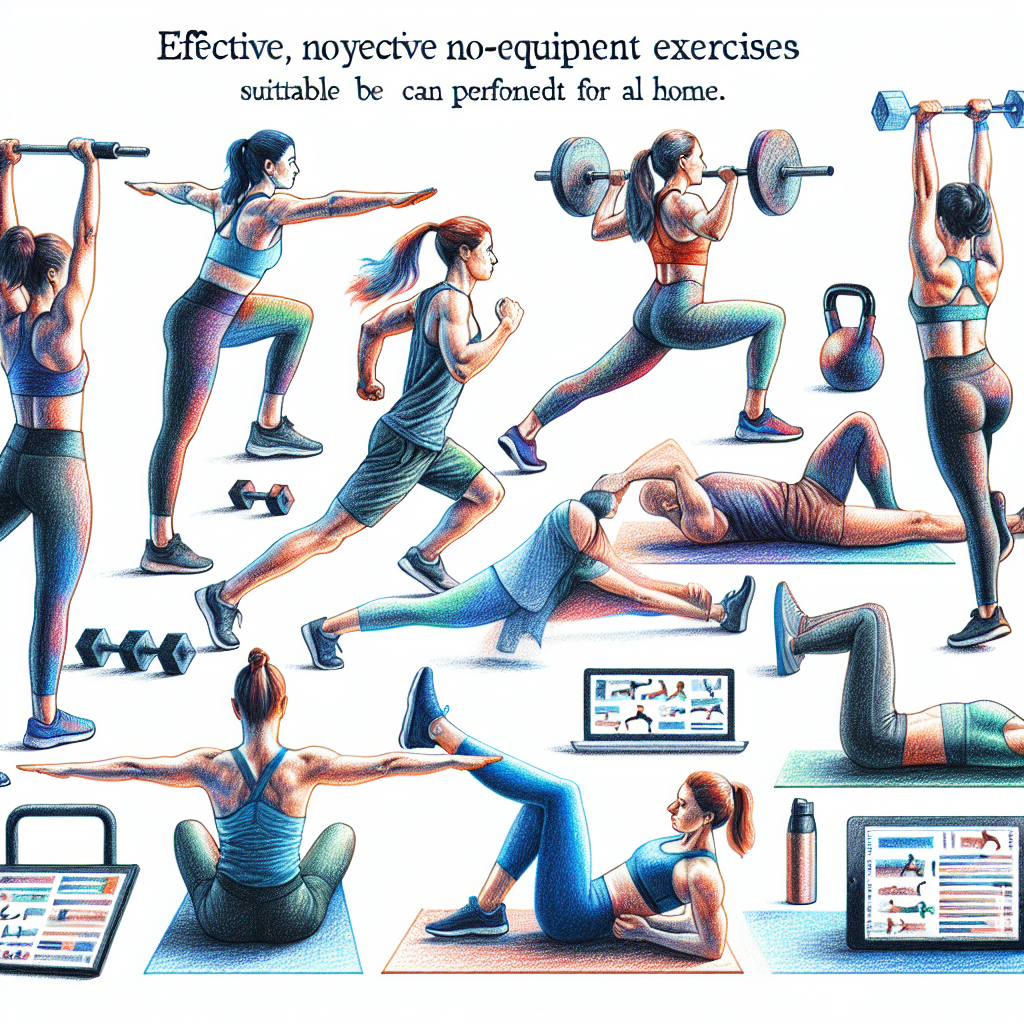
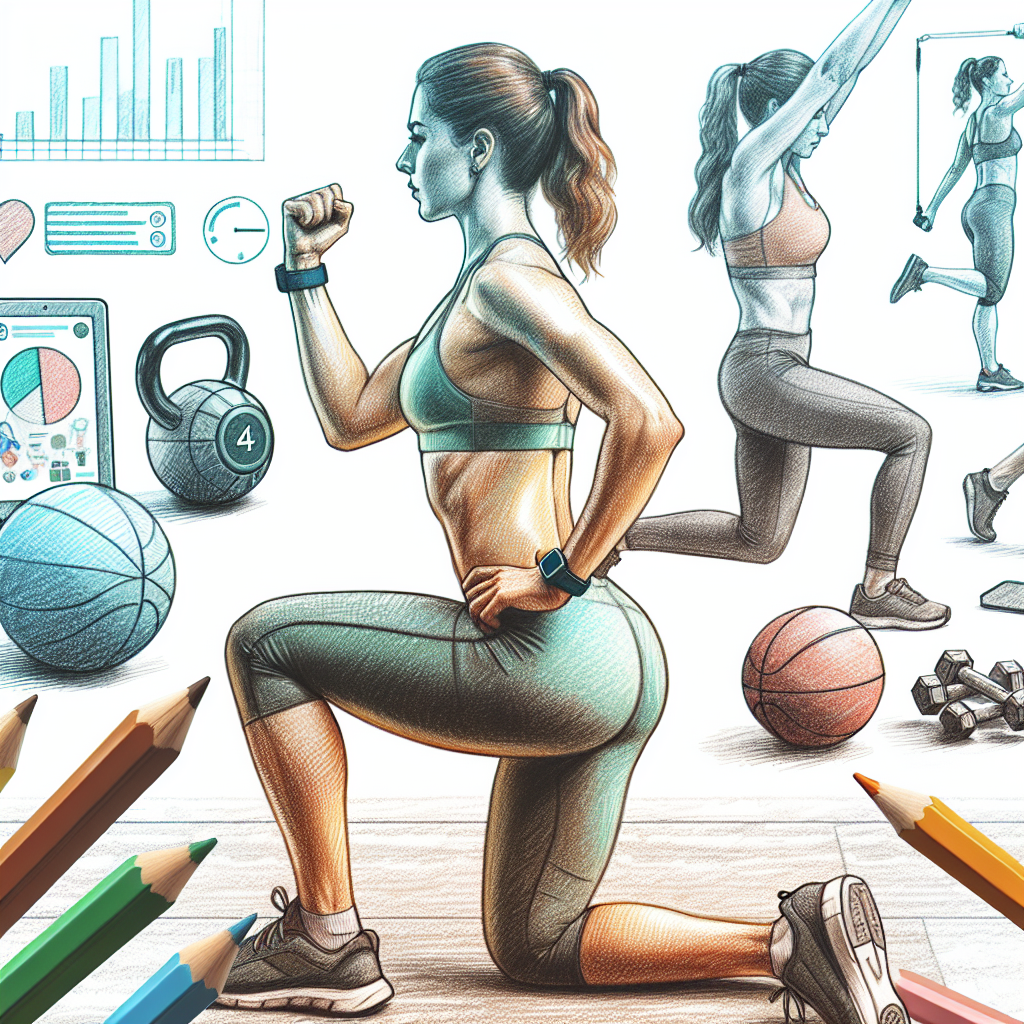
Finding the time and resources to maintain an active lifestyle can often be challenging. A workout plan that requires no equipment can provide a convenient and effective solution, allowing you to exercise wherever you are. This article outlines a structured workout plan that can be performed at home or on the go, maximizing efficiency without compromising on results.

  • Introduction
  • The Benefits of a No-Equipment Workout Plan
  • Key Components of a Successful Workout
  • Sample 6-Minute Daily Workout
  • When to Consult a Professional
  • Common Misconceptions About Bodyweight Training
  • Frequently Asked Questions
  • Conclusion

The Benefits of a No-Equipment Workout Plan

Engaging in a workout plan that requires no equipment comes with numerous advantages:

  • Accessibility: These workouts can be performed anywhere, whether at home, in a park, or while traveling.
  • Time-Efficient: Short, focused sessions can yield significant benefits, making it easier to fit exercise into a busy schedule.
  • Cost-Effective: Eliminating the need for gym memberships or equipment reduces expenses.
  • Functional Strength Building: Bodyweight exercises enhance functional strength and flexibility, improving overall performance in daily tasks.

Key Components of a Successful Workout

To maximize the effectiveness of your no-equipment workout plan, it is essential to incorporate several key components:

  • Warm-Up: Preparing your muscles and joints for exercise prevents injuries and improves performance.
  • Core Engagement: Activating the core helps stabilize the body during movements.
  • Muscle Engagement: Ensure a balance of upper body, lower body, and core exercises to create a well-rounded routine.
  • Cool Down: Gradually bringing your heart rate back to normal and stretching your muscles aids recovery and reduces soreness.

Sample 6-Minute Daily Workout

If you are looking for a simple yet effective way to stay fit, the following routine only takes six minutes a day and can be adapted for any fitness level:

  1. Jumping Jacks (1 minute): A great full-body warm-up that increases your heart rate.
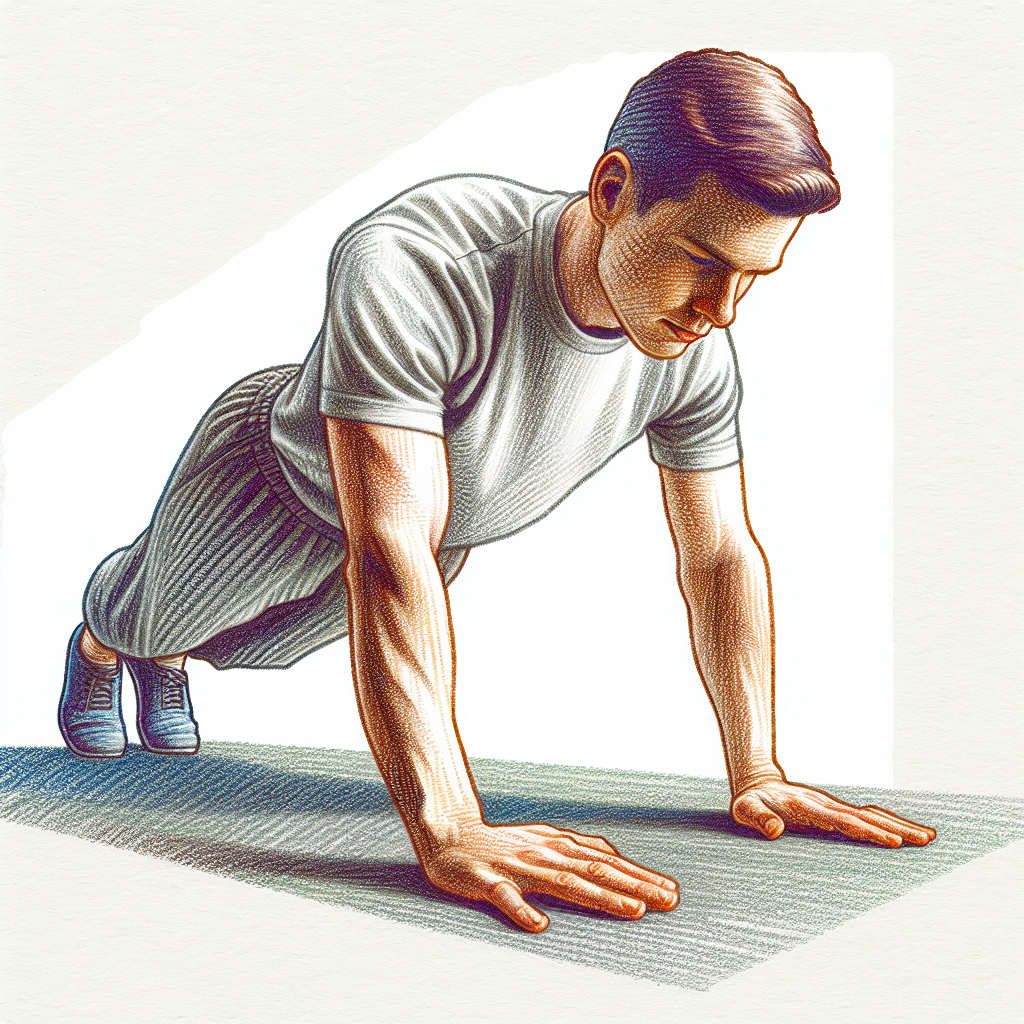
  2. Push-Ups (1 minute): Targets the chest, shoulders, and triceps; modify by performing knee push-ups if necessary.
  3. Bodyweight Squats (1 minute): Strengthens the legs and glutes; ensure proper form by keeping your back straight.
  4. Plank (1 minute): Builds core strength; keep your body in a straight line from head to heels.
  5. High Knees (1 minute): A cardiovascular exercise that also engages the core and legs.
  6. Cool Down with Stretching (1 minute): Focus on major muscle groups to aid flexibility and recovery.

For those seeking guided support, you can register for a 30-day exercise program that emphasizes six-minute workouts designed to deliver impressive results.

When to Consult a Professional

While bodyweight workouts are generally safe, there are circumstances when it’s advisable to consult a healthcare professional:

  • If experiencing chronic pain or discomfort during exercise.
  • After an injury, to assess readiness for physical activity.
  • If you have pre-existing medical conditions that may affect your ability to exercise.
  • For tailored workout recommendations based on specific fitness goals.

Common Misconceptions About Bodyweight Training

Despite its growing popularity, several misconceptions surrounding bodyweight training persist:

  • Myth 1: Bodyweight workouts are only for beginners.
  • Myth 2: You cannot build muscle tone without weights.
  • Myth 3: Bodyweight exercises are less effective than weight training.
  • Myth 4: You cannot achieve cardiovascular fitness without machines.

Frequently Asked Questions

Can I lose weight with no-equipment workouts?

Yes, a well-structured bodyweight workout can aid in weight loss, especially when combined with a balanced diet.

How often should I work out without equipment?

Aim for at least 150 minutes of moderate-intensity exercise per week, which can be divided into short daily sessions.

Is bodyweight training effective for building muscle?

Yes, bodyweight exercises can effectively build muscle, provided you maintain proper form and progressively challenge yourself.

Can beginners perform these workouts?

Absolutely; bodyweight exercises can be modified to suit different fitness levels, making them accessible to beginners.

Do I need to warm up before starting the workout?

Yes, warming up is crucial to prevent injuries and prepare your body for exercise.

How do I measure progress with bodyweight workouts?

Track your performance by noting increases in repetitions, duration, or overall difficulty of exercises over time.

Conclusion

  • Workout plans without equipment offer accessibility and convenience
  • Incorporating a structured routine is key to achieving fitness goals
  • Consider professional guidance if you have health concerns or specific fitness needs
  • Awareness of common misconceptions can enhance your training approach
  • Stay committed to your routine and observe the improvements in strength and endurance

Incorporate these principles into your daily life and consider starting the 30-day exercise program to unlock your full potential. Consistency is essential for achieving results without any equipment!

Author: John Angel

Related articles

Categories
Fitness

Top Home Workout Apps Without Equipment for Effective Fitness

In an age where convenience clashes with the desire for fitness, home workout apps have burgeoned, offering valuable alternatives to traditional workouts. The best home workout app without equipment provides an effective solution for individuals seeking to stay fit without the constraints of a gym or bulky equipment. By utilizing these apps, one can achieve significant results through guided routines that require little time and no financial investment in gym memberships.

  • Overview of Home Workout Apps
  • Key Features of Top Apps
  • Beginner-Friendly Routines
  • Addressing Common Misconceptions
  • Consulting a Professional Health Expert
  • FAQs
  • Conclusion and Recap

Overview of Home Workout Apps

As personal health becomes a priority for many, home workout apps have emerged as accessible avenues to fitness. These applications provide various resources, including video tutorials, guided sessions, and community support, enabling users to engage in workouts that fit their schedules and fitness levels. The most effective home workout apps often prioritize practicality and user engagement, allowing individuals to work out anytime and anywhere.

Key Features of Top Apps

When selecting the best home workout app, consider the following essential features:

  • User-Friendly Interface: An intuitive design helps ease navigation.
  • Customizable Routines: The ability to tailor workouts to individual fitness levels and goals is critical.
  • Progress Tracking: Many apps include features to monitor workouts and progress over time.
  • Video Demonstrations: High-quality instructional videos ensure correct form and technique.
  • Community Support: Access to forums or user groups can enhance motivation.

Beginner-Friendly Routines

For those new to fitness or looking to establish a consistent routine, it can be beneficial to start simple. Below are steps to help create your own 6-minute daily workout at home:

  1. Set a Specific Time: Dedicate a consistent time each day to exercise.
  2. Warm-Up: Spend the first minute warming up your body with dynamic stretches.
  3. Choose 3 Exercises: Select exercises such as bodyweight squats, push-ups, and planks.
  4. Perform Each Exercise: Engage in 30 seconds of each exercise, maximizing effort.
  5. Cool Down: Spend the final minute stretching to improve flexibility.

For a more structured approach, consider joining a free 30-day exercise program that requires only 6 minutes of exercise daily but delivers results akin to traditional gym workouts. You can register for this program here.

Addressing Common Misconceptions

Despite their benefits, several misconceptions surround home workout apps:

  • Myth 1: You need equipment to achieve substantial results. Many effective workouts require no equipment at all.
  • Myth 2: Home workouts are less effective than gym workouts. If performed consistently, home workouts can yield significant results.
  • Myth 3: All apps are the same. Features significantly differ among apps, impacting workout effectiveness.
  • Myth 4: Home workouts can lead to injury. With proper demonstration and guidance, injury risks can be minimized.

Consulting a Professional Health Expert

While home workout apps are a valuable resource, there are circumstances when consultation with a qualified health or fitness professional may be necessary:

  • If you have pre-existing health conditions or injuries, consulting a healthcare provider is advisable before initiating any exercise program.
  • It’s prudent to seek guidance if you experience persistent pain during workouts or any concerning symptoms.
  • A personal trainer can offer tailored advice and correct exercise techniques, especially for complex movements.

FAQs

What is the best home workout app without equipment?

The best app varies based on personal preference, but some popular options include Nike Training Club and FitOn.

Can I get fit without going to a gym?

Yes, with consistent effort and dedication to home workouts, one can achieve considerable fitness results.

Are 6-minute workouts effective?

Short, high-intensity workouts can be highly effective if performed regularly and with proper technique.

How do I maintain motivation while working out at home?

Set achievable goals, track your progress, and consider engaging with a community for support and motivation.

Is it necessary to warm up before exercising?

Yes, warming up helps prepare your body for physical activity and reduces the risk of injury.

What should I do if I feel pain during exercise?

Stop the activity immediately and consult a healthcare professional if the pain persists.

Conclusion and Recap

  • Home workout apps provide accessible fitness solutions without the need for equipment.
  • Selecting the right app depends on features, usability, and your personal fitness goals.
  • Short, focused workouts can yield significant results if performed consistently.
  • Common misconceptions should be addressed to minimize fears and encourage participation.
  • Consulting a professional is advisable under specific health conditions or concerns.

Embark on your fitness journey today with the right tools and mindset. For an excellent starting point, consider joining this free 30-day exercise program—your body will thank you.

Author: John Angel

Related articles

Categories
Fitness

Maximize Fitness with a Free No Equipment Workout App

Unlocking Fitness Potential: The No Equipment Workout App

In today’s fast-paced world, maintaining a consistent fitness routine can be challenging, especially when access to gym facilities is limited or time constraints are prevalent. Fortunately, no equipment workout apps offer an effective solution by allowing users to engage in short yet intense workouts that yield significant results. This article delves into the advantages of using a no equipment workout app, explores the ease of integrating such workouts into a busy schedule, and provides guidance on how to maximize your fitness journey.

  • Understanding No Equipment Workouts
  • Benefits of Using a Free Workout App
  • How to Utilize the No Equipment Workout App Effectively
  • When to Seek Professional Guidance
  • Common Myths Surrounding Home Workouts
  • Frequently Asked Questions
  • Conclusion

Understanding No Equipment Workouts

No equipment workouts utilize body weight and gravity as resistance, making them accessible to anyone, anywhere. These workouts range from high-intensity interval training (HIIT) to yoga and calisthenics, accommodating various fitness levels and goals. The versatility of these exercises not only makes them suitable for individuals with limited space but also eliminates the need for costly gym memberships or equipment purchases.

Benefits of Using a Free Workout App

A free workout app can be a powerful ally in one’s fitness journey. The primary benefits include:

  • Accessibility: A no equipment workout app is available at any time and can be accessed on a smartphone or tablet.
  • Cost-Effective: Many apps are free, providing various workout styles without financial commitment.
  • Personalized Routines: Apps often cater to individual fitness levels and goals, allowing for a customized experience.
  • Efficient Workouts: Sessions can be as short as six minutes, making it easier to fit exercise into a busy day. For those interested, you can start a 30-day program where you only exercise for six minutes daily and achieve results akin to going to the gym: Sign up here.
  • Tracking Progress: Many apps include features to monitor performance, enhancing motivation and accountability.

How to Utilize the No Equipment Workout App Effectively

To derive maximum benefit from a no equipment workout app, consider the following practical steps:

  1. Set Clear Goals: Establish specific, measurable fitness objectives, whether it’s weight loss, muscle gain, or improved endurance.
  2. Choose the Right App: Browse available apps to find one that aligns with your fitness preferences and offers a variety of workout styles.
  3. Schedule Workouts: Dedicate specific times for your workouts and treat them as essential appointments.
  4. Engage in Diversity: Mix different types of workouts (e.g., strength, cardio, and flexibility) to keep the routine engaging and balance muscle development.
  5. Utilize Tutorials: Familiarize yourself with exercises through video explanations or tutorials provided within the app to ensure proper technique and safety.
  6. Monitor Progress: Use the app’s tracking features to record workouts and assess improvements over time.

When to Seek Professional Guidance

While no equipment workouts are generally safe and effective, certain situations warrant consultation with a qualified professional, including:

  • If you experience persistent pain or discomfort during exercises
  • If you have pre-existing health conditions or concerns affecting exercise capability
  • If you are recovering from an injury and require guidance on rehabilitation exercises
  • If you are unsure about workout techniques or are looking for a tailored fitness program

Common Myths Surrounding Home Workouts

Despite the growing popularity of no equipment workouts, several misconceptions persist:

  • Myth 1: No equipment workouts are less effective than gym workouts.
  • Myth 2: You need advanced equipment to achieve significant fitness results.
  • Myth 3: Only intense workouts provide substantial benefits.
  • Myth 4: Home workouts cannot be adjusted to different fitness levels.
  • Myth 5: It’s unsafe to perform body weight exercises without supervision.

Frequently Asked Questions

What types of exercises can I do with a no equipment workout app?

You can engage in various exercises, including squats, push-ups, lunges, planks, burpees, and flexibility routines like yoga.

How do I know if I am doing exercises correctly?

Utilize video tutorials within the app and seek help from professional trainers if needed. Monitoring your form in a mirror can also assist with proper technique.

Can I lose weight using a no equipment workout app?

Yes, with a combination of regular exercise and a balanced diet, no equipment workouts can effectively contribute to weight loss.

How often should I work out with the app?

For best results, aim for at least three to five sessions per week, gradually increasing intensity and duration as you progress.

Are there age restrictions for using a workout app?

No, but it is essential to consider individual fitness levels and consult a healthcare provider for personalized recommendations, especially for seniors or those with specific health conditions.

Can I use the app if I am a beginner?

Yes, many workout apps offer beginner-friendly routines that ease you into regular exercise safely and effectively.

Conclusion

  • No equipment workout apps provide an accessible way to achieve significant fitness results.
  • They cater to diverse fitness levels and can fit into busy schedules.
  • Ensuring proper form and technique is essential for safety and effectiveness.
  • Monitoring progress can aid in maintaining motivation and accountability.
  • Professional guidance is advisable when experiencing pain or if unsure about workout strategies.

If you are ready to transform your fitness journey, consider starting with a no equipment workout app today. For a focused routine that requires just six minutes of your day, explore this free 30-day program: Sign up here.

Author: John Angel

Related articles

Categories
Fitness

Effective Bodyweight Training: Build Strength Without Weights

Weight Training Without Weights: An Effective Guide

Engaging in weight training without traditional weights can be a transformative and empowering experience, allowing individuals to build strength and enhance fitness without the need for equipment. This method emphasizes the use of one’s body weight to achieve gains in strength, flexibility, and endurance. By utilizing natural movements and proper techniques, it is possible to achieve remarkable results, often comparable to traditional weight training. Furthermore, this approach removes barriers to entry for those who may feel intimidated by gym environments or who lack access to weights.

  • Understanding Bodyweight Exercises
  • The Benefits of Weight Training Without Weights
  • Key Exercises to Get Started
  • Incorporating Resistance Training Principles
  • Common Myths and Misconceptions
  • Consulting a Professional: When and Why
  • Frequently Asked Questions

Understanding Bodyweight Exercises

Bodyweight exercises leverage the weight of your own body to create resistance, relying on various forms of motion, balance, and coordination. Such exercises have been utilized across numerous cultures for centuries and are rooted in functionality. Notably, they can be performed almost anywhere, requiring minimal space and no equipment.

The Benefits of Weight Training Without Weights

Engaging in weight training without the use of weights offers numerous advantages:

  • Accessibility: No need for equipment makes it easier to initiate a workout routine.
  • Flexibility: Can be performed anywhere, whether at home, in a park, or while traveling.
  • Reduction of Injury Risk: Lower impact exercises allow for safer practice and recovery.
  • Enhanced Functional Strength: Improves everyday movements, contributing to overall fitness.
  • Cost-Effective: Eliminates the need for expensive gym memberships or equipment purchases.

Key Exercises to Get Started

The following exercises can form the foundation of an effective bodyweight training routine:

  1. Push-Ups: Strengthen the chest, shoulders, and triceps. Vary the difficulty with incline or decline positions.
  2. Squats: Excellent for lower body strength, targeting the quadriceps, hamstrings, and glutes.
  3. Lunges: Promote balance and coordination, improving lower body strength and flexibility.
  4. Planks: A core-strengthening exercise that also engages the shoulders and legs.
  5. Burpees: Combine strength training and cardiovascular fitness in a single dynamic move.
  6. Mountain Climbers: Focus on core stability while providing a cardiovascular challenge.

For individuals seeking a structured approach, consider registering for a 30-day exercise program that includes just six minutes of daily workouts, yielding results comparable to gym training.

Incorporating Resistance Training Principles

To maximize gains without weights, it is essential to incorporate resistance training principles:

  • Progressive Overload: Incrementally increase the difficulty of exercises through variations, additional repetitions, or longer durations.
  • Form and Technique: Prioritize correct form to prevent injuries and enhance the efficacy of each exercise.
  • Consistent Routine: Establish a regular schedule to ensure continuous progress.
  • Active Recovery: Allow muscle recovery through rest days and lighter activity to promote growth.

Common Myths and Misconceptions

Numerous myths hinder individuals from embracing bodyweight training:

  • Myth 1: Bodyweight training is only for beginners.
  • Myth 2: It lacks effectiveness compared to traditional weight methods.
  • Myth 3: You cannot build muscle without weights.
  • Myth 4: All exercises must be high-impact to generate results.

Addressing these misconceptions can empower individuals to effectively use bodyweight exercises to their advantage, particularly by understanding the diverse training aspects and related outcomes.

Consulting a Professional: When and Why

While bodyweight training is accessible, certain health concerns or conditions may necessitate professional guidance:

  • Prior injuries or chronic conditions that could be exacerbated by physical activity.
  • Uncertainty about correct exercise form or modifications needed to prevent injury.
  • The need for a personalized training program tailored to specific fitness goals.
  • Difficulty progressing independently or plateauing without further expertise.

In such instances, consulting with a fitness professional can provide essential insights and adjustments to optimize results.

Frequently Asked Questions

Can I build muscle with bodyweight exercises?

Yes, bodyweight exercises can promote muscle growth through progressive overload and increased intensity.

How often should I perform bodyweight training?

A consistent routine of 3-5 days per week is generally recommended for optimal results.

Are bodyweight exercises suitable for beginners?

Absolutely; bodyweight exercises can be easily modified to accommodate fitness levels.

How do I ensure I am progressing in my workouts?

Incorporate variations of exercises, increase repetition, or adjust workout durations to challenge your body.

Is bodyweight training effective for weight loss?

Yes, when combined with a balanced diet, bodyweight training can contribute significantly to weight loss efforts.

Can I do bodyweight exercises at home?

Definitely; bodyweight exercises can be performed effectively in the comfort of your home.

Conclusion

  • Bodyweight training is a versatile and accessible method of building strength.
  • It requires no equipment, making it easy to start anywhere.
  • Consistent effort and proper technique enhance effectiveness and safety.
  • Addressing common misconceptions can help individuals maximize their training potential.
  • Professional guidance is available for those who require personalized support or have special considerations.

Engaging in a bodyweight training program could be the solution you need to improve your strength and fitness. If you’re eager to embark on this journey, consider signing up for a 30-day exercise program designed to yield impressive results in just six minutes each day!

Author: John Angel

Related articles

Categories
Fitness

Effective No Equipment Exercises for All Fitness Levels

Introduction

In an increasingly busy world, finding time for exercise can be a challenge. However, the idea that one needs equipment or a gym membership to achieve fitness goals is a common misconception. No equipment exercises provide an accessible and effective way to improve physical well-being, requiring only your body weight and a small amount of time. This article will explore the benefits of bodyweight workouts, provide practical exercise routines, and highlight how just six minutes of daily exercise can yield significant results. For those interested in a structured approach, consider joining a 30-day exercise program that emphasizes simplicity and efficiency.

  • Understanding the Benefits of No Equipment Exercises
  • Essential Bodyweight Exercises
  • Creating a Structured Workout Plan
  • Common Myths and Mistakes
  • When to Consult a Professional
  • Frequently Asked Questions
  • Conclusion and Summary

Understanding the Benefits of No Equipment Exercises

No equipment exercises offer numerous benefits suitable for individuals of all fitness levels. Here are some key advantages:

  • Accessibility: These exercises can be performed anywhere, whether at home, in a park, or during a break at work.
  • Cost-effectiveness: Without the need for gym memberships or expensive equipment, bodyweight workouts are budget-friendly.
  • Flexibility: You can easily fit short workouts into your busy schedule without the constraints of gym hours.
  • Functional Strength: These exercises often mirror everyday movements, improving overall functional fitness.
  • Reduced Risk of Injury: Lower resistance levels can contribute to a decreased likelihood of injury, especially for beginners.

Essential Bodyweight Exercises

Implementing a variety of bodyweight exercises ensures a balanced workout routine. Here are some foundational movements:

Squats

Squats work on the lower body, particularly the quads, hamstrings, and glutes.

Push-ups

Push-ups are excellent for strengthening the chest, shoulders, and triceps.

Lunges

Lunges promote balance and strength in the legs and core.

Planks

Planks engage the entire core and promote stability.

Burpees

This full-body exercise enhances cardiovascular health and builds endurance.

Creating a Structured Workout Plan

A well-structured workout plan allows for progressive overload and consistent improvement. Here is a simple guideline:

  1. Warm-up: Spend the first 1-2 minutes performing dynamic stretches or light movements like arm circles, leg swings, or jogging in place.
  2. Core Routine (4 minutes): Choose 2-3 exercises (e.g., squats, push-ups, planks) and aim for 30 seconds of work followed by 15 seconds of rest. Repeat until the 4 minutes are up.
  3. Cool-down: Relax your muscles with 1-2 minutes of static stretching, focusing on the areas worked.

When to Consult a Professional

While no equipment exercises are generally safe, the following scenarios warrant a consultation with a healthcare or fitness professional:

  • If you experience persistent pain during or after exercising.
  • For individuals with pre-existing health conditions, such as heart disease or joint issues.
  • If you are unsure of proper exercise techniques that may lead to injury.
  • For personalized workout plans to address specific fitness goals.

Common Myths and Mistakes

Understanding the common myths surrounding bodyweight exercises can improve effectiveness:

  • Myth: Bodyweight exercises are not challenging. Fact: These exercises can be modified to increase intensity and provide substantial challenges.
  • Mistake: Neglecting form. Always prioritize correct form to avoid injuries.
  • Myth: You can’t build muscle without weights. Fact: Consistent bodyweight training can build muscle effectively, especially for beginners.
  • Mistake: Lack of variety. Failing to incorporate different exercises can lead to plateaus. Regularly change your routine to keep improving.

Frequently Asked Questions

Can I lose weight with no equipment exercises?

Yes, bodyweight exercises can contribute to weight loss when combined with a healthy diet and adequate caloric deficit.

How often should I do no equipment exercises?

Aim for at least 3-5 times a week for optimal results, allowing time for recovery.

Can beginners do these exercises?

Absolutely; bodyweight exercises can be modified to suit beginners while helping them build strength and confidence.

How long will it take to see results?

Results vary by individual, but consistent effort can yield visible progress within 4-6 weeks.

Are no equipment exercises sufficient for building muscle?

Yes, when performed with intensity and variation, bodyweight exercises are effective for building and maintaining muscle mass.

What should I do if I experience pain during these exercises?

Stop immediately and consult with a healthcare professional if you experience sharp or persistent pain.

Conclusion and Summary

  • No equipment exercises are accessible, cost-effective, and flexible.
  • Variety is essential for a balanced workout routine; include different exercises for better results.
  • Safeguard against injury by focusing on form and recognizing when to consult a professional.
  • Dispelling common myths helps to clarify the efficacy of bodyweight workouts.
  • Regular practice can lead to significant health and fitness improvements.

For anyone looking to improve their fitness efficiently, consider challenging yourself to join a 30-day exercise program where you exercise for just six minutes a day but achieve results similar to those from a gym. Embrace the simplicity of no equipment workouts and transform your routine today!

Author: John Angel

Related articles

Categories
Fitness

Effective Daily Bodyweight Workouts: No Equipment Needed

In today’s fast-paced world, maintaining a consistent workout routine can be challenging, especially when access to equipment or a gym facility is limited. However, effective daily workouts without equipment can yield impressive results in a short amount of time. Engaging in strength training, cardiovascular exercises, and flexibility work using your body weight not only enhances physical health but also improves mental well-being. This article highlights efficient strategies for achieving a comprehensive daily workout without the need for equipment and introduces a unique 30-day program focused on just six minutes of daily exercise.

  • Understanding Bodyweight Exercises
  • Designing Your Daily Routine
  • Specific Workouts to Consider
  • The Science Behind Short Workouts
  • When to Seek Professional Advice
  • Common Myths and Misconceptions
  • Frequently Asked Questions
  • Conclusion: Embracing a New Workout Ethos

Understanding Bodyweight Exercises

Bodyweight exercises utilize your own weight to provide resistance, targeting various muscle groups and enhancing functional strength. They have the following advantages:

  • Accessibility: No equipment or gym membership is required.
  • Versatility: Exercises can be performed anywhere—home, park, or during travel.
  • Adaptability: Suitable for all fitness levels and easily modified for progression.

Designing Your Daily Routine

An effective daily workout requires a balance of different exercise modalities, including strength training, cardiovascular conditioning, and flexibility. Here’s a basic structure to follow:

  1. Warm-up: Begin with 2-3 minutes of light cardio (e.g., jumping jacks or jogging in place).
  2. Strength Training: Incorporate 2-3 bodyweight exercises focusing on major muscle groups.
  3. Cardiovascular Burst: Follow with 1-2 minutes of high-intensity exercise (e.g., burpees or mountain climbers).
  4. Cool Down: Conclude with stretching for flexibility and recovery.

Specific Workouts to Consider

Here are some recommended exercises for your daily routine:

Strength Exercises

  • Push-Ups: Targets the chest, shoulders, and triceps.
  • Squats: Works the legs and glutes.
  • Planks: Engages the core for stability and strength.

Cardiovascular Exercises

  • Burpees: Full-body exercise that elevates heart rate.
  • Jumping Jacks: Classic cardio move to keep you agile.
  • High Knees: Effective for aerobic and anaerobic conditioning.

The Science Behind Short Workouts

Short, high-intensity workouts can stimulate muscle growth and fat loss, primarily through enhanced metabolic responses. As demonstrated in research, engaging in intense exercise for brief periods can yield similar, if not better, results than longer sessions. A unique approach worth considering is a 30-day program that requires only six minutes of exercise each day, designed to substitute a traditional gym routine effectively. You can register for this program here.

When to Seek Professional Advice

While bodyweight exercises can be safe and effective for most individuals, consulting a healthcare or fitness professional is advisable under certain conditions:

  • If you have pre-existing health conditions or injuries.
  • If you experience pain or discomfort during exercises.
  • If you are unsure about starting an exercise regime.

Common Myths and Misconceptions

Despite the benefits of bodyweight workouts, several misconceptions persist:

  • Myth 1: You cannot build muscle without weights. This is untrue; bodyweight exercises can be highly effective for muscle growth.
  • Myth 2: Short workouts are ineffective. High-intensity, short workouts can produce significant results within limited timeframes.
  • Myth 3: Bodyweight training is only for beginners. Advanced variations of exercises exist, catering to different fitness levels.

Frequently Asked Questions

What are the benefits of bodyweight training?

Bodyweight training is accessible, versatile, and can be tailored to various fitness levels while improving strength, endurance, and flexibility.

How can I ensure my form is correct while exercising?

Utilize resources like tutorial videos or fitness apps that demonstrate proper techniques, and consider working with a professional if possible.

How often should I do bodyweight workouts?

Aim for at least 3-5 times a week for optimal results, allowing your body to rest and recover as needed.

Can I lose weight with bodyweight exercises?

Yes, when combined with a balanced diet, bodyweight exercises can be effective for weight loss due to their ability to elevate your metabolic rate.

Are bodyweight workouts suitable for all age groups?

Yes, bodyweight workouts can be adjusted to accommodate individuals of various ages and fitness levels, making them widely applicable.

How do I stay motivated to maintain a daily workout routine?

Set realistic goals, track your progress, and keep your workouts varied and enjoyable to maintain motivation.

Conclusion: Embracing a New Workout Ethos

  • Bodyweight workouts provide effective training without needing equipment.
  • Short daily routines can fit into even the busiest schedules.
  • A variety of exercises targets different muscle groups and improves overall fitness.
  • Consult professionals if uncertain about your exercise approach.
  • Stay informed about myths and misconceptions to enhance your understanding.

Now is the time to embrace the benefits of bodyweight exercises and incorporate them into your daily routine. Whether it’s a brief six-minute workout or an expanded session, taking the first step is essential. For those interested in a structured program, consider registering for a 30-day plan that requires only six minutes of daily effort—you can register here.

Author: John Angel

Related articles

Categories
Fitness

The Ultimate Guide to No-Equipment Home Workout Apps

In today’s fast-paced world, finding time to prioritize fitness can be challenging, especially for those who do not have access to a gym or prefer to work out at home. Fortunately, the rise of at-home workout applications has facilitated an efficient approach to exercise without the need for expensive equipment. This article explores the benefits of using a no-equipment workout app, discusses how to effectively utilize such applications, and provides insights into when to engage a professional fitness coach.

  • Benefits of At-Home Workout Apps
  • Key Features to Look For
  • How to Structure Your No-Equipment Workouts
  • Common Misconceptions
  • When to Consult a Professional
  • Frequently Asked Questions
  • Conclusion

Benefits of At-Home Workout Apps

At-home workout apps offer numerous advantages for individuals seeking fitness solutions without a gym membership. First and foremost, they provide convenience, allowing users to exercise in the comfort of their own homes at flexible times. This eliminates barriers such as travel, membership costs, and scheduling conflicts.

Moreover, many of these applications include guided workouts that accommodate various fitness levels. Users can select workouts based on their goals, whether it’s weight loss, muscle gain, or overall wellness. Additionally, no-equipment workouts often utilize body weight exercises that are effective for building strength and endurance.

Key Features to Look For

When searching for a no-equipment workout app, consider the following features to ensure a positive experience:

  • User-Friendly Interface: Choose an app that is easy to navigate and visually appealing.
  • Varied Workout Programs: Look for a range of workouts that cater to different fitness levels and goals.
  • Guidance and Instruction: The app should provide clear video demonstrations and verbal cues to ensure proper form.
  • Progress Tracking: Features that allow users to track their progress help maintain motivation and accountability.
  • Community Support: Many apps offer a community platform where users can share experiences and seek encouragement.

How to Structure Your No-Equipment Workouts

To maximize the benefits of your at-home exercise routine, consider the following structured approach:

  1. Warm-Up: Start each session with a 5-10 minute warm-up, including dynamic stretches or light aerobic activity.
  2. Select Your Workout: Choose a workout focusing on either strength training, cardio, or flexibility. Ensure it aligns with your fitness goal.
  3. Follow the Routine: Engage in the exercises as instructed, maintaining proper form throughout.
  4. Cool Down: End your session with a 5-minute cool-down, incorporating static stretching to enhance flexibility.
  5. Monitor Progress: Track your exercises and improvements, adjusting your routine as needed over time.
  6. Rest and Recovery: Include rest days in your schedule to allow muscles to recover and grow stronger.

Common Misconceptions about At-Home Workouts

Despite their increasing popularity, several misconceptions surround at-home workouts that may deter individuals from embracing this fitness solution:

  • Myth: No Equipment Equals Ineffective Workouts: In reality, bodyweight exercises can build strength and endurance effectively.
  • Myth: Home Workouts Require Extensive Space: Many no-equipment routines can be performed in small areas, such as a living room.
  • Myth: Apps Are Only for Beginners: Many applications offer advanced workouts for experienced fitness enthusiasts as well.
  • Myth: Motivation is Harder to Maintain: With interactive features and communities, users often find added motivation from virtual connections.

When to Consult a Professional

While at-home workout apps can be incredibly beneficial, there are circumstances where consulting a professional may be advisable:

  • If you experience persistent pain or discomfort during exercises.
  • If you have existing health conditions, such as cardiovascular issues or chronic injuries.
  • When you’re unsure about the correctness of your form and technique.
  • If you wish to pursue a specialized fitness program tailored to your unique needs.

Frequently Asked Questions

Are at-home workout apps effective for weight loss?

Yes, when coupled with a balanced diet and consistency, at-home workout apps can be highly effective for weight loss.

Do I need any prior fitness experience to use these apps?

No, most no-equipment workout apps cater to all fitness levels, providing beginner-friendly options.

How much time should I dedicate to workouts each week?

Aim for at least 150 minutes of moderate-intensity exercise each week, distributed across several days.

Can I build muscle without weights?

Yes, bodyweight exercises such as push-ups, squats, and lunges can help build muscle effectively.

Is it necessary to pay for an at-home workout app?

While many paid apps offer premium features, several free apps provide valuable workouts without any cost.

What if I don’t have a lot of time to exercise?

Even short, 6-minute workouts can yield significant benefits. Consider registering for a free 30-day exercise program where you can achieve results akin to a gym workout in just 6 minutes daily: 30-Day Exercise Program.

Conclusion

  • At-home workout apps offer accessible fitness solutions without the need for equipment.
  • Look for user-friendly apps with varied programming and community support.
  • Structure your workouts effectively to maximize results.
  • Be aware of misconceptions that may hinder your fitness journey.
  • Consult a professional if experiencing pain or if you have specific health concerns.

Incorporating at-home workouts into your routine can lead to significant improvements in your physical fitness and overall well-being. Explore the available options and find a program that resonates with your goals — start today!

Author: John Angel

Related articles

Categories
Fitness

Effective Bodyweight Exercises for All Fitness Levels

In an era where convenience often dictates our lifestyle choices, exercising without equipment has emerged as an increasingly viable and effective option. This approach not only negates the need for a gym membership or specialized gear but also allows individuals to engage in physical activity anytime and anywhere. By focusing on bodyweight exercises, one can achieve cardiovascular, strength, and flexibility benefits, leading to a well-rounded fitness regime. This article will delve into the best exercises that require no equipment, providing clear guidance and practical steps for effective implementation.

  • Understanding Bodyweight Exercises
  • Top Bodyweight Workouts
  • Creating an Effective Routine
  • Common Misconceptions About Bodyweight Training
  • Consulting a Professional: When to Seek Help
  • FAQ

Understanding Bodyweight Exercises

Bodyweight exercises are movements that leverage the weight of your own body as resistance. These exercises can vary in intensity and target different muscle groups, making them adaptable for beginners and advanced practitioners alike. Some common benefits include:

  • Enhancing cardiovascular health
  • Building muscle strength
  • Improving endurance and flexibility
  • Facilitating weight management
  • Promoting functional fitness for daily activities

Top Bodyweight Workouts

Here are some of the most effective bodyweight workouts that you can incorporate into your routine:

1. Push-Ups

This classic exercise targets the chest, shoulders, and triceps. Start in a plank position, lower your body to the floor, and then push back up. A modified version is the knee push-up.

2. Squats

Squats engage the quadriceps, hamstrings, and glutes. Stand with feet shoulder-width apart, bend your knees, and lower your hips as if sitting in a chair, then return to standing.

3. Lunges

Lunges work the legs and core. Step forward with one leg, lowering your hips until both knees are bent at a 90-degree angle. Alternate legs for an effective workout.

4. Planks

A core-strengthening exercise, planks require you to maintain a position similar to a push-up. Hold this position, ensuring your body forms a straight line from head to heels.

5. Burpees

Burpees are a high-intensity full-body exercise providing cardiovascular benefits. Start in a standing position, drop to a squat, kick your feet back into a plank, return to squat, and jump up.

6. Mountain Climbers

This exercise engages both the core and cardiovascular system. Begin in a plank position, quickly alternate bringing your knees toward your chest.

Creating an Effective Routine

To maximize the benefits of these exercises, follow these steps to create a balanced routine:

  1. Assess Your Fitness Level: Understand your current capabilities to design a tailored workout.
  2. Set Clear Goals: Determine what you wish to achieve, such as weight loss, increased strength, or improved endurance.
  3. Select a Variety of Exercises: Combine different exercises to ensure a comprehensive workout targeting multiple muscle groups.
  4. Establish a Schedule: Consistency is key; aim for a set number of days each week to engage in your routine.
  5. Track Your Progress: Keep a log of your workouts and improvements to stay motivated.

For those looking to maximize results in minimal time, consider enrolling in a 30-day exercise program where you only exercise for 6 minutes each day but achieve results comparable to traditional gym workouts.

Consulting a Professional: When to Seek Help

While engaging in bodyweight exercises is generally safe for most individuals, specific warning signs may indicate the need for professional guidance:

  • Persistent pain during or after exercise
  • Long-lasting fatigue or weakness
  • Difficulty maintaining proper form
  • Existing medical conditions that could impact physical activity
  • Signs of injury, such as swelling or bruising

Common Misconceptions About Bodyweight Training

Despite the numerous benefits, several myths surround bodyweight exercises:

1. You Can’t Build Muscle

Many believe that without weights, muscle growth is impossible. However, progressive overload through variations and increased repetitions can effectively stimulate muscle growth.

2. Equipment is Necessary to be Effective

While gyms offer advantages, bodyweight exercises can be equally effective when performed correctly and consistently.

3. They Don’t Provide a Good Cardio Workout

The misconception that bodyweight exercises lack cardiovascular benefits is unfounded. High-intensity exercises can engage the cardiovascular system efficiently.

4. They are Only for Beginners

This form of training is suitable for all levels. Advanced variations can challenge even seasoned athletes.

5. Bodyweight Exercises Are Boring

One can combine various exercises and routines to create diverse and engaging workouts.

6. Results Take Longer

With committed effort and proper technique, results can be achieved as quickly as with traditional gym workouts.

FAQ

What are the benefits of bodyweight exercises?

Bodyweight exercises improve strength, flexibility, endurance, and cardiovascular health, making them a comprehensive workout option.

Can bodyweight exercises help with weight loss?

Yes, when combined with a healthy diet and consistency, they can effectively support weight loss.

How often should I perform bodyweight exercises?

Aim for at least three to five times per week for optimal results, allowing for recovery days in between.

Are bodyweight exercises safe for everyone?

While generally safe, individuals with specific medical conditions should consult a professional before starting any new exercise regimen.

Can I build muscle with bodyweight exercises?

Yes, progressive overload through variations and increased repetitions can effectively promote muscle growth.

Is it necessary to warm up before bodyweight exercises?

Yes, warming up is essential to prepare your body, prevent injuries, and enhance performance.

Conclusion

  • Bodyweight exercises offer a practical and effective means of improving fitness without the need for equipment.
  • Variety in exercises can target multiple muscle groups and keep workouts engaging.
  • Establishing a routine and tracking progress can significantly enhance results.
  • Consult with a professional if experiencing pain or other concerning symptoms.
  • Embracing bodyweight workouts can lead to significant health benefits and personal empowerment.

Consider starting your fitness journey today by signing up for a free 30-day exercise program where you only need 6 minutes a day to achieve remarkable results.

Author: John Angel

Related articles

Categories
Fitness

Effective Daily Workouts Without Equipment

In our fast-paced lives, the idea of maintaining a workout routine could easily feel daunting. However, the absence of gym equipment does not inhibit the achievement of significant fitness results. Daily workouts that require no equipment can be effectively integrated into your schedule, providing a pathway to improved strength, flexibility, and overall well-being. Whether you are a busy professional, a parent, or someone simply looking to enhance your physical fitness, this guide will explore how you can achieve meaningful workouts on a daily basis without any equipment.

  • Understanding Bodyweight Exercises
  • Designing Your Daily Workout Routine
  • Practical Steps for Effective Workouts
  • When to Consult a Professional
  • Common Myths and Mistakes
  • Frequently Asked Questions
  • Conclusion

Understanding Bodyweight Exercises

Bodyweight exercises are physical movements that utilize the weight of your own body as resistance. This method of training is highly effective for building strength and endurance. These exercises can be modified to suit all fitness levels, making them accessible for beginners and advanced athletes alike. Popular bodyweight exercises include push-ups, squats, lunges, and planks.

Designing Your Daily Workout Routine

Creating an effective workout routine requires some strategic planning. Here are key points to consider:

  • Frequency: Aim for at least five days of activity each week.
  • Duration: You can achieve benefits by dedicating as little as six minutes each day. For a more gradual approach, try a combination of short sessions throughout the week.
  • Variety: Incorporate a range of exercises targeting different muscle groups.

Practical Steps for Effective Workouts

To maximize your workout efficacy, follow these steps:

  1. Warm-Up: Spend at least one minute performing dynamic stretches or light cardio to prepare your muscles.
  2. Choose 4-6 Exercises: Select from a variety of bodyweight exercises you enjoy, ensuring they target different areas of the body.
  3. Set Time Intervals: For a quick six-minute workout, dedicate 30 seconds to each exercise followed by a 15-second rest.
  4. Cool Down: After your workout, take time to stretch and lower your heart rate gradually.
  5. Stay Consistent: Incorporate these short sessions into your daily routine to foster habit and motivation.

If you’re looking for a structured approach, consider registering for a 30-day exercise program that guarantees results in just six minutes per day.

When to Consult a Professional

While bodyweight workouts are generally safe, there are instances where seeking professional advice becomes essential:

  • If you experience persistent pain or discomfort during exercise.
  • If you have existing medical conditions or physical limitations that may restrict your activity.
  • If you are unsure about how to perform certain exercises safely.

Common Myths and Mistakes

There are several common misconceptions about bodyweight workouts that can hinder progress:

  • Myth 1: Bodyweight exercises are only for beginners. – In reality, they can be easily modified for all fitness levels.
  • Myth 2: You cannot build muscle without weights. – Bodyweight exercises can effectively build strength and muscle endurance.
  • Mistake 1: Neglecting proper form. – Prioritizing form over quantity is essential to prevent injuries.
  • Mistake 2: Inconsistency in workouts. – A regular routine is key to seeing results.

Frequently Asked Questions

What are bodyweight exercises?

Bodyweight exercises use your own body weight as resistance. Examples include push-ups, squats, and planks.

Can I really see results with no equipment?

Yes, consistent bodyweight exercises can lead to improved fitness levels, strength, and endurance.

How often should I work out?

Aim to exercise at least five times per week for optimal results.

Is six minutes enough for a workout?

Yes, six minutes can be effective if properly structured and executed efficiently.

Do I need to warm up before a workout?

Yes, warming up prepares your muscles and reduces the risk of injury.

What if I feel pain during an exercise?

Stop the exercise and consult a professional if the pain persists, as this could indicate an injury.

Conclusion

  • Daily workouts without equipment are accessible and effective.
  • Bodyweight exercises can help build strength, endurance, and flexibility.
  • Creating a structured routine is vital for consistency and results.
  • Consult a professional when experiencing pain or if you have specific health concerns.
  • Being informed about myths and mistakes can enhance your training experience.

Integrate these simple steps into your daily routine to promote a healthier lifestyle. Challenge yourself to start today and consider exploring our 30-day exercise program designed to help you achieve results in just six minutes each day.

Author: John Angel

Related articles

Categories
Fitness

Effective Weight Loss with Bodyweight Exercises at Home

In today’s fast-paced world, many individuals struggle with maintaining a healthy weight and incorporating effective exercise into their routines. The good news is that achieving weight loss does not necessarily require gym equipment. Bodyweight exercises can be equally effective when performed correctly and consistently. This article explores beneficial exercises that require no equipment, highlights the importance of regular physical activity, and provides a gateway to a free 30-day exercise program that only takes six minutes each day.

  • Understanding Bodyweight Exercises
  • Benefits of No-Equipment Workouts
  • Key Bodyweight Exercises for Weight Loss
  • Creating a Daily Routine
  • Signs You Should Consult a Professional
  • Myths and Common Mistakes
  • Frequently Asked Questions

Understanding Bodyweight Exercises

Bodyweight exercises utilize the weight of your own body as resistance to strengthen and tone muscles. Unlike traditional gym workouts that may require machines or free weights, these exercises can be performed anywhere, making them accessible to nearly everyone. Common examples include push-ups, squats, lunges, and planks. Engaging in these exercises can enhance strength, flexibility, and endurance.

Benefits of No-Equipment Workouts

No-equipment workouts offer several advantages, including:

  • Convenience: You can perform these workouts at home, in a park, or while traveling.
  • Cost-Effective: There is no need to invest in a gym membership or expensive equipment.
  • Flexibility: You can tailor workouts to fit your schedule and fitness level.
  • Full-Body Engagement: Many bodyweight exercises activate multiple muscle groups simultaneously.
  • Improved Functional Fitness: These exercises often mimic everyday movements, enhancing overall body function.

Key Bodyweight Exercises for Weight Loss

Incorporating a variety of bodyweight exercises can maximize your calorie burn and promote weight loss. Here are some effective movements:

  • Squats: Targets the lower body, promoting strength in thighs and glutes.
  • Push-Ups: Engages the upper body and core, enhancing overall strength.
  • Lunges: Strengthens the legs and improves balance and mobility.
  • Planks: An excellent core exercise that also activates the shoulders and back.
  • Burpees: Combines strength and cardio for maximal calorie burn.
  • Mountain Climbers: A dynamic exercise that elevates heart rates and tones the core.

Creating a Daily Routine

To achieve optimal results from no-equipment workouts, establishing a consistent routine is essential. Follow these practical steps:

  1. Choose a set time each day to exercise, such as early morning or late afternoon.
  2. Select 4-6 bodyweight exercises to focus on, experimenting with variations to keep it fresh.
  3. Start with short intervals, gradually increasing as your endurance improves.
  4. Incorporate dynamic stretches before and cool-down stretches after your workout.
  5. Track your progress to stay motivated, noting improvements in strength and endurance.
  6. Consider joining a free 30-day exercise program that allows you to see results in just six minutes a day: Register here.

Signs You Should Consult a Professional

While bodyweight exercises are safe for most individuals, there are situations that warrant professional guidance. Seek assistance from a qualified fitness professional if you experience:

  • Persistent pain or discomfort during exercise.
  • Underlying health conditions or injuries that could be exacerbated by physical activity.
  • Difficulty achieving weight loss despite following a consistent routine.
  • Uncertainty about proper techniques or form that could lead to injury.

Myths and Common Mistakes

There are several misconceptions surrounding bodyweight workouts. Addressing these myths can help individuals maximize the effectiveness of their exercise regimen:

  • Myth 1: No-equipment workouts are less effective than gym workouts. Reality: With proper intensity and consistency, bodyweight exercises can yield comparable results.
  • Myth 2: You need to exercise for hours to lose weight. Reality: Short, intense workouts can be highly effective and more sustainable.
  • Myth 3: Bodyweight exercises are only for beginners. Reality: Many advanced variations exist that can challenge seasoned athletes.
  • Common Mistake: Neglecting proper form. Solution: Focus on executing movements correctly to prevent injury.

Frequently Asked Questions

Can I lose weight without exercising?

Weight loss is primarily achieved through a calorie deficit. While exercise can accelerate the process, dietary adjustments can also yield significant results.

How many bodyweight exercises should I do per session?

Aiming for 4-6 exercises per session, each performed for 30-60 seconds, is a practical approach for optimal results.

How often should I exercise?

Engaging in bodyweight workouts at least three to five times a week can support weight loss and improve overall fitness.

Can bodyweight exercises build muscle?

Yes, bodyweight workouts can effectively build muscle by providing sufficient resistance through various movements and progressions.

Is it necessary to warm up before bodyweight exercises?

Yes, warming up prepares your body for exercise, reducing the risk of injury and enhancing performance.

How do I know if I am progressing?

Monitor improvements in strength, endurance, and the ability to perform more challenging variations of exercises over time.

Conclusion

  • Bodyweight exercises are an effective means of weight loss without requiring equipment.
  • These workouts offer flexibility, convenience, and can be performed anywhere.
  • Creating a consistent routine is crucial for achieving and maintaining results.
  • Consulting a professional can help address challenges or concerns related to your exercise program.
  • By dismissing common myths and focusing on correct techniques, anyone can successfully engage in bodyweight workouts.

Consider starting today by exploring a free 30-day exercise program that demands only six minutes of your daily commitment: Register here!

Author: John Angel

Related articles

Website analytics information

We use Google Analytics 4 for visitor statistics. Analytics cookies require your consent, which you can change using the button above. The data controller is ZDRAVÍ S ÚSMĚVEM s.r.o., company ID 29283329, contact podpora@revolucnicviceni.cz. Google processes browser, device and page visit information. We do not send form field values to Analytics. How Google uses information · Google Privacy Policy.