Categories
Fitness

Effective Bodyweight Back Exercises for Pain Relief

Back pain is a prevalent issue affecting many individuals, regardless of age or activity level. Engaging in targeted back exercises can significantly improve strength and flexibility while reducing discomfort. Importantly, these exercises can be performed without weights, making them accessible for everyone. In this article, we will explore the best back exercises that require no equipment, providing you with actionable guidance to enhance your back health.

  • Introduction
  • Benefits of Bodyweight Back Exercises
  • Essential Bodyweight Back Exercises
  • Practical Steps for an Effective Routine
  • When to Seek Professional Help
  • Common Misconceptions About Back Exercises
  • Frequently Asked Questions (FAQ)
  • Conclusion

Benefits of Bodyweight Back Exercises

Bodyweight exercises have numerous advantages, particularly for back strength and health. They:

  • Improve muscle endurance and flexibility.
  • Can be performed anywhere, requiring no special equipment.
  • Reduce the risk of injury by promoting balance and stability.
  • Enhance posture and align the spine, which can alleviate pain.
  • Are suitable for all fitness levels—beginners to advanced can benefit.

Essential Bodyweight Back Exercises

The following exercises specifically target various muscle groups in the back, ensuring a comprehensive workout:

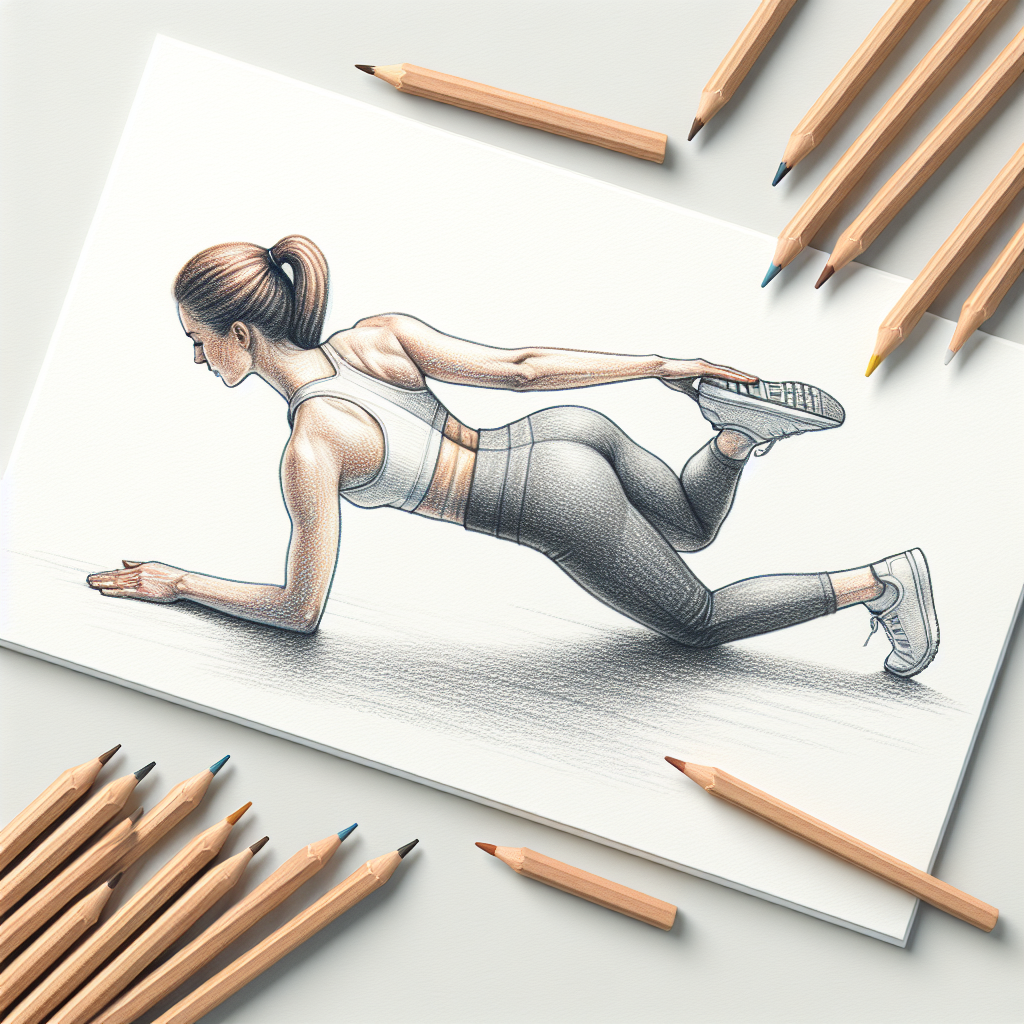
1. Bird-Dog

This exercise enhances core stability and strengthens the lower back.

  • Begin on all fours, with hands beneath shoulders and knees under hips.
  • Extend your right arm forward and left leg back, maintaining balance.
  • Hold for a few seconds, then return to the start position.
  • Switch sides and repeat for several repetitions.

2. Supermans

This movement strengthens the lower back and glutes.

  • Lie face down on the floor with arms extended in front of you.
  • Simultaneously lift your arms, chest, and legs off the ground.
  • Engage your core and hold for a few seconds before lowering.
  • Repeat for 10-15 repetitions.

3. Plank

A well-known exercise that not only targets the back but also the entire core.

  • Start in a push-up position, keeping your body straight from head to heels.
  • Engage your core and hold the position for 30-60 seconds.
  • Focus on your breathing throughout the exercise.

4. Cat-Cow Stretch

This dynamic stretch promotes spine flexibility and alleviates tension.

  • Start on all fours and inhale as you arch your back, dropping your belly (the “cow” position).
  • Exhale while rounding your back towards the ceiling (the “cat” position).
  • Alternate between these two positions for 8-10 repetitions.

5. Wall Angels

This exercise strengthens the upper back and helps improve posture.

  • Stand with your back against a wall, feet slightly away from it.
  • Press your lower back, shoulders, and head against the wall.
  • Raise your arms to a “W” position, then slide them upward into a “Y”.
  • Lower them back down and repeat for 10-12 repetitions.

Practical Steps for an Effective Routine

Implementing these exercises into your routine can be straightforward. Follow these steps:

  1. Identify a suitable space where you can perform exercises safely.
  2. Allocate 10-15 minutes, ideally five days a week, for your back workout.
  3. Execute each exercise with proper form to avoid injury.
  4. Incorporate stretching and cooldown exercises to maintain flexibility.
  5. If you are looking for a structured program, consider registering for a free 30-day exercise program where you can exercise for only 6 minutes each day and achieve Results like those from the gym: Join here.

When to Seek Professional Help

While bodyweight exercises are generally safe, certain situations may warrant professional consultation:

  • If you experience persistent pain during or after exercise.
  • Should you have a pre-existing condition affecting your back.
  • If you notice a sudden change in your mobility or strength.
  • In cases of swelling, redness, or increased sensitivity in the back area.

Common Misconceptions About Back Exercises

There are several myths surrounding back exercises that can lead to discouragement or incorrect practices:

  • Myth: All exercises require weights. Bodyweight exercises can be equally effective for back health.
  • Myth: Strengthening the back will eliminate all pain. A comprehensive approach, including mobility and flexibility, is essential.
  • Myth: You need to exercise for long periods to see results. Short, targeted sessions can yield significant benefits.

Frequently Asked Questions (FAQ)

1. Can I do back exercises every day?

Yes, gentle back exercises can be performed daily; however, ensure you allow time for recovery and vary your routine.

2. How long should I hold each exercise?

Generally, aim for 20-30 seconds for isometric holds and 10-15 repetitions for dynamic exercises.

3. Are these exercises suitable for beginners?

Absolutely, these exercises can be modified to fit any fitness level.

4. What should I do if I experience pain during an exercise?

If you experience pain, stop the exercise immediately and consult a healthcare professional if the pain persists.

5. How can I ensure proper form during back exercises?

Start slowly and focus on your body mechanics; consider working with a trainer if you’re unsure.

6. Do I need to warm up before starting these exercises?

Yes, a brief warm-up can help prepare your muscles and reduce the risk of injury.

Conclusion

  • Engaging in bodyweight exercises can significantly improve back strength and flexibility.
  • Exercises such as Bird-Dog and Plank can be performed anywhere, making them highly accessible.
  • Proper form is essential to avoid injury and maximize benefits.
  • Consult a professional if you experience persistent pain or have underlying health conditions.
  • Consider enrolling in a free online program for structured guidance on your fitness journey.

Strengthening your back through these exercises can lead to a more pain-free and active lifestyle. Start today and prioritize your back health!

Author: John Angel

Related articles

Categories
Fitness

Effective Bodyweight Leg Exercises for Strength and Toning

Best Leg Exercises Without Weights

Maintaining strong and toned legs is essential for overall fitness, mobility, and well-being. Engaging in leg exercises without weights can be highly effective in building strength, improving endurance, and enhancing flexibility. This article presents a comprehensive guide to the top bodyweight leg exercises, offering practical tips and a framework to incorporate these movements into your routine.

  • Understanding the Benefits of Bodyweight Leg Exercises
  • Key Exercises for Strong Legs
  • Steps for an Effective Leg Workout Routine
  • When to Consult a Professional
  • Common Myths About Bodyweight Exercises
  • Frequently Asked Questions (FAQ)
  • Conclusion

Understanding the Benefits of Bodyweight Leg Exercises

Bodyweight exercises provide numerous advantages, particularly for those who prefer not to use external weights. Some key benefits include:

  • Accessibility: No need for gym memberships or expensive equipment.
  • Reduced Injury Risk: Lower chance of injury compared to lifting heavy weights.
  • Improved Functional Strength: Enhances strength required for everyday activities.
  • Flexibility and Balance: Many bodyweight exercises promote flexibility and enhance balance.

Key Exercises for Strong Legs

Here are some of the most effective leg exercises that can be performed without weights:

1. Squats

Squats engage multiple muscle groups, including the quadriceps, hamstrings, and glutes.

  • Stand with feet shoulder-width apart.
  • Lower your body as if sitting in a chair.
  • Keep your chest up and knees behind your toes.
  • Return to the starting position.

2. Lunges

Lunges target the thighs and improve core stability.

  • Step forward with one foot, lowering the back knee toward the ground.
  • Ensure the front knee stays aligned above the ankle.
  • Push back to starting position and alternate legs.

3. Glute Bridges

This exercise strengthens the glutes and lower back.

  • Lie flat on your back with knees bent and feet flat on the floor.
  • Lift your hips towards the ceiling, squeezing your glutes at the top.
  • Hold for a moment, then lower back down.

4. Calf Raises

Calf raises strengthen the lower leg muscles.

  • Stand upright, feet hip-width apart.
  • Lift heels off the ground, balancing on the balls of your feet.
  • Lower back down, and repeat.

5. Side Leg Raises

Enhances outer thigh and hip strength.

  • Lie on one side with legs stacked.
  • Lift the top leg toward the ceiling and hold for a moment.
  • Lower back down and repeat before switching sides.

Steps for an Effective Leg Workout Routine

Incorporating these exercises into a structured routine can enhance results:

  1. Warm-up: Spend 5 minutes warming up with dynamic stretches or light cardio.
  2. Perform each exercise for 10–15 repetitions, resting for 30 seconds between sets.
  3. Complete at least 3 sets of each exercise, adjusting repetitions as needed based on your fitness level.
  4. Cool down: Finish with stretching to improve flexibility and recovery.
  5. Consider joining a time-efficient workout program. You can exercise for just 6 minutes each day and still achieve gym-like results. For a free registration, visit here.

When to Consult a Professional

Consulting a qualified professional might be necessary in certain circumstances:

  • If you experience persistent pain during or after exercising.
  • When unsure about the proper form, which can prevent injuries.
  • If you have underlying health conditions that impact physical activity.

Common Myths About Bodyweight Exercises

Several misconceptions may influence perceptions of bodyweight exercises:

  • Myth: Bodyweight exercises are not effective for building muscle.
  • Reality: With proper form and progressive variations, bodyweight exercises can significantly increase muscle strength.
  • Myth: These exercises are only suitable for beginners.
  • Reality: Advanced versions exist that can challenge even seasoned athletes.

Frequently Asked Questions (FAQ)

Can bodyweight exercises alone build muscle?

Yes, bodyweight exercises can effectively build muscle, especially when incorporating progressive overload.

How often should I perform leg exercises?

Engaging in leg exercises 2-3 times a week is generally recommended for optimal results.

Can I perform these exercises at home?

Absolutely! These exercises can easily be done in a home or outdoor setting without the need for special equipment.

What if I have knee pain?

Consult a healthcare professional for guidance on modifications and to explore pain-free alternatives.

Do I need to warm up before exercises?

Yes, warming up helps prepare your muscles and joints, reducing injury risk during workouts.

Are there advanced variations for these exercises?

Certainly! Variations such as jump squats or Bulgarian split squats offer increased intensity for advanced practitioners.

Conclusion

  • Bodyweight leg exercises provide an accessible and effective way to strengthen lower body muscles.
  • The featured exercises include squats, lunges, glute bridges, calf raises, and side leg raises.
  • Employing a structured routine enhances effectiveness and results.
  • Consult a professional if you experience pain or have specific health concerns.
  • Debunking myths surrounding bodyweight exercises can inspire more individuals to integrate them into their fitness regimes.

Consider starting a new workout routine today and explore the benefits of just 6 minutes of focused exercise each day. For a free registration to a time-efficient program, visit here.

Author: John Angel

Related articles

Categories
Fitness

Effective No-Equipment Back Workout for Strength and Health

In today’s fast-paced world, finding time to engage in regular exercise can often feel like a challenge, especially when equipment is not readily available. A strong back is essential not only for aesthetics but also for overall health and functioning. This article explores the best back workout that requires no equipment, enabling you to strengthen and tone your back effectively from the comfort of your own home.

  • Introduction
  • The Importance of a Strong Back
  • Effective Bodyweight Exercises for the Back
  • Step-by-Step Guide to Your No-Equipment Back Workout
  • Consulting a Professional: When to Seek Help
  • Myths and Common Misconceptions
  • Frequently Asked Questions
  • Conclusion

The Importance of a Strong Back

A strong back supports proper posture, reduces the risk of injury, and improves overall performance in various physical activities. Additionally, it alleviates back pain commonly associated with sedentary lifestyles. By incorporating strength training into your daily routine, particularly for your back, you set the stage for enhanced functionality and well-being.

Effective Bodyweight Exercises for the Back

Bodyweight exercises serve as a powerful and practical method to build back strength without the need for gym equipment. Below are some of the most efficient exercises you can perform:

  • Superman: This exercise mimics the flying superhero and engages the entire back.
  • Plank: A core-strengthening exercise that also targets your back muscles.
  • Bent-over T: A movement focusing on the upper back and shoulders.
  • Reverse Snow Angel: An effective exercise to strengthen the mid and lower back.
  • Bridge: Targets the lower back, glutes, and hamstrings.

Step-by-Step Guide to Your No-Equipment Back Workout

Here is a structured 6-minute workout routine to bolster your back strength:

  1. Superman (1 minute): Lie face down, arms extended. Lift your arms and legs simultaneously, holding for 2–3 seconds before lowering.
  2. Plank (1 minute): Hold a standard plank position on your forearms, ensuring that your body forms a straight line.
  3. Bent-over T (1 minute): Stand tall, hinge at the hips, and extend both arms out to the sides, forming a “T.” Hold for 5 seconds, then release.
  4. Reverse Snow Angel (1 minute): Lie face down with arms by your sides, then move them circularly overhead while lifting them slightly off the ground.
  5. Bridge (1 minute): Lie on your back with knees bent, feet flat on the ground. Lift your hips, engaging your glutes and lower back.
  6. Rest (1 minute): Take a moment to catch your breath before repeating the circuit once more, if desired.

For a comprehensive approach to fitness in just 6 minutes a day, consider registering for this [30-day exercise program](https://app.revolucnicviceni.cz/en/registration) that promises effective results without the need for lengthy workouts.

Consulting a Professional: When to Seek Help

While bodyweight exercises are accessible and beneficial, certain situations warrant professional consultation. If you experience any of the following issues, consider seeking guidance from a healthcare professional:

  • Persistent or debilitating back pain
  • Difficulty performing basic movements
  • Changes in mobility or strength
  • Symptoms radiating to the legs or arms
  • Previous injuries that may affect your exercise routine

Myths and Common Misconceptions

Several myths can hinder effective back training. Understanding these misconceptions can enhance your workout routine:

  • Myth 1: Weightlifting is the only way to build back strength. False; bodyweight exercises can be equally effective.
  • Myth 2: Core strength is irrelevant to back health. Core strength is crucial as it supports the spine.
  • Myth 3: You need to feel pain to build muscle. Discomfort is normal, but pain may indicate injury.

Frequently Asked Questions

What are the benefits of a strong back?

A strong back improves posture, enhances athletic performance, and reduces the risk of injuries.

Can I build back strength without weights?

Yes, bodyweight exercises are highly effective in strengthening the back muscles.

How often should I do back workouts?

It’s recommended to include back exercises 2-3 times a week for optimal strength.

Are there risks associated with bodyweight exercises?

Improper form may increase the risk of injury. It’s essential to focus on technique.

What should I feel during a back workout?

You should feel muscle activation and mild discomfort, not pain. Stop if you feel sharp pain.

How quickly can I expect to see results?

With consistent practice, improvements in strength and endurance can typically be observed within a few weeks.

Conclusion

  • A strong back is essential for overall health and performance.
  • No equipment back workouts are effective and accessible.
  • Structured routines can lead to notable improvements in strength.
  • Consult professionals if you experience pain or have specific concerns.
  • Dispelling myths about back training can enhance your workout success.

Begin your journey to a stronger back today; consider incorporating these exercises into your routine and explore the [30-day exercise program](https://app.revolucnicviceni.cz/en/registration) tailored for busy individuals like yourself.

Author: John Angel

Related articles

Categories
Fitness

Top Bodyweight Exercises for Back Strength Without Equipment

Bodyweight exercises offer a versatile and equipment-free means to strengthen the back muscles, contributing significantly to overall fitness and posture. Engaging in effective bodyweight back exercises not only enhances muscle tone but also improves stability and functional movement essential for daily activities. In this article, we will explore the best bodyweight back exercises you can do anywhere, along with valuable tips to maximize results.

  • Understanding the Importance of Back Strength
  • Effective Bodyweight Back Exercises
  • Practical Steps to Incorporate Back Exercises
  • Recognizing When to Consult a Professional
  • Common Myths about Bodyweight Training
  • Frequently Asked Questions
  • Conclusion

Understanding the Importance of Back Strength

A strong back is vital not only for athletic performance but also for everyday tasks such as lifting, bending, and maintaining a proper posture. Weak back muscles can lead to discomfort and may increase the risk of injury. Focusing on bodyweight exercises that target the back helps maintain functional strength, supports spinal health, and improves overall body aesthetics.

Effective Bodyweight Back Exercises

1. Superman Exercise

The Superman exercise targets the lower back, glutes, and shoulders. By mimicking the flying pose of Superman, this exercise strengthens the posterior chain.

2. Plank to Downward Dog

This dynamic movement works the upper back while engaging the core. Transitioning from a plank position to a downward dog helps improve shoulder flexibility and overall back strength.

3. Reverse Snow Angel

This exercise enhances the upper back and shoulder mobility, helping to counteract slouched posture by activating key stabilizing muscles.

4. Bird-Dog

This well-rounded exercise involves extending opposite arms and legs, boosting core stability while effectively targeting the back muscles.

5. Wall Slides

Wall slides assist in opening the chest and strengthening the upper back. They are excellent for counteracting the effects of prolonged sitting.

Practical Steps to Incorporate Back Exercises

To achieve optimal results, follow these practical steps:

  1. Dedicate 3-4 days a week to your back workout.
  2. Include 2-3 sets of 10-15 repetitions for each exercise.
  3. Warm up with light cardio and dynamic stretches to prevent injury.
  4. Focus on form rather than speed—quality of movement is key.
  5. Consider joining a structured program for consistency; you might explore options like the 30-day exercise program, requiring only 6 minutes daily.

Recognizing When to Consult a Professional

While bodyweight exercises are generally safe for most individuals, certain circumstances may warrant a consultation with a healthcare or fitness professional:

  • Persistent back pain or discomfort during exercises.
  • History of back injury or surgery.
  • Inability to maintain proper form despite practice.
  • Sudden onset of new pain or discomfort in the back.
  • Concerns concerning overall fitness or pre-existing medical conditions.

Common Myths about Bodyweight Training

Several misconceptions surround bodyweight training for back strength:

  • Myth 1: Bodyweight exercises are not challenging.
  • Myth 2: You need weights to build muscle.
  • Myth 3: Bodyweight exercises are ineffective for serious athletes.
  • Myth 4: You cannot target specific muscles with bodyweight training.

Frequently Asked Questions

What are the benefits of bodyweight back exercises?

Bodyweight back exercises improve strength, flexibility, and posture, while reducing the risk of injuries.

Can beginners perform these exercises?

Yes, beginners can start with modified versions of these exercises and gradually increase intensity as they progress.

How often should I perform bodyweight back exercises?

It’s recommended to perform back exercises 3-4 times a week for optimal results.

Is it safe to do bodyweight exercises every day?

While many people can safely do bodyweight exercises daily, it’s essential to listen to your body and allow for rest and recovery as needed.

Can bodyweight exercises also help with flexibility?

Yes, many bodyweight exercises promote flexibility alongside strength, particularly when performed with proper form and dynamic movements.

Should I warm up before doing these exercises?

Absolutely. Warming up with light cardio and dynamic stretches prepares your muscles and reduces the risk of injury.

Conclusion

  • Bodyweight exercises are effective for developing back strength without equipment.
  • A strong back contributes to overall fitness and posture.
  • Incorporating these exercises requires consistency and attention to form.
  • Consult a professional if you experience pain or have pre-existing conditions.
  • Address common misconceptions to maximize the benefits of bodyweight training.

Start your journey toward a stronger back today by incorporating these effective exercises into your routine, and consider signing up for the 30-day exercise program for guided workouts that only take 6 minutes each day!

Author: John Angel

Related articles

Categories
Fitness

Effective Bodyweight Exercises for Strength and Flexibility

Bodyweight exercises are a highly effective means of enhancing strength, flexibility, and overall fitness without the necessity of equipment. They can be integrated seamlessly into any routine, promoting convenience and accessibility. In addition, the efficiency of such exercises allows individuals to achieve significant results from the comfort of their homes. This article presents a structured overview of the best bodyweight exercises that require no equipment, along with practical guidance on how to incorporate them effectively into your daily routine.

  • Introduction
  • Benefits of Bodyweight Exercises
  • Best Bodyweight Exercises
  • Steps to Create a Routine
  • When to Consult a Professional
  • Common Myths and Misconceptions
  • FAQs
  • Conclusion

Benefits of Bodyweight Exercises

Bodyweight exercises offer numerous advantages that make them an appealing choice for fitness enthusiasts at all levels. Some of the key benefits include:

  • Convenience: With no need for equipment, these exercises can be performed virtually anywhere.
  • Cost-effective: They eliminate the need for gym memberships or expensive gear.
  • Scalability: Bodyweight exercises can be modified to suit various fitness levels.
  • Functional Fitness: These exercises often mimic everyday actions, improving overall body mechanics and performance.
  • Muscle Balance: They promote balanced strength development across different muscle groups.

Best Bodyweight Exercises

1. Push-Ups

A fundamental bodyweight exercise that targets the chest, shoulders, and triceps. Push-ups improve upper body strength and stability.

2. Squats

Squats engage the quadriceps, hamstrings, glutes, and core. This exercise is essential for developing lower body strength and stability.

3. Planks

This static exercise is pivotal for building core strength and endurance. Planks engage multiple muscle groups, improving overall stability.

4. Burpees

A full-body exercise that combines a squat, push-up, and jump. Burpees enhance cardiovascular fitness while strengthening multiple muscle groups.

5. Lunges

Lunges target the lower body, promoting strength in the legs and flexibility in the hips. Variations can be introduced to increase difficulty.

6. Mountain Climbers

A dynamic exercise that elevates heart rate while building core strength. Mountain climbers also improve coordination and agility.

Steps to Create a Routine

Creating a bodyweight exercise routine is straightforward. Here are the steps to follow:

  1. Define Your Goals: Determine what you wish to achieve, such as strength building, endurance, or flexibility.
  2. Select Exercises: Choose a mix of the exercises mentioned above to target different muscle groups.
  3. Set a Schedule: Plan to work out 3-5 times a week, allowing for rest days to promote recovery.
  4. Warm Up: Always start with a warm-up to prevent injury; dynamic stretches and light cardio are ideal.
  5. Track Progress: Keep a journal to log performance and improvements over time.
  6. Consider a Program: For a guided approach, consider a structured program. You can register for a free 30-day exercise program that requires only 6 minutes of daily effort. [Sign up here](https://app.revolucnicviceni.cz/en/registration).

When to Consult a Professional

While bodyweight exercises are generally safe, there are circumstances when professional consultation is advisable:

  • If you experience persistent pain or discomfort during exercises.
  • When recovering from an injury or surgery.
  • If you are unsure about how to perform an exercise correctly.
  • When considering starting a new exercise program, especially for those with existing health conditions.

Common Myths and Misconceptions

Several myths surround bodyweight exercises that can mislead individuals regarding their effectiveness:

  • Myth 1: You cannot build muscle with bodyweight exercises. Fact: Bodyweight exercises can be highly effective for muscle growth, especially when increased resistance is applied through variations.
  • Myth 2: They are only for beginners. Fact: Bodyweight workouts can be modified to challenge even advanced athletes.
  • Myth 3: You won’t achieve results without gym equipment. Fact: Consistent bodyweight training can yield impressive results in strength and overall fitness.

FAQs

1. How often should I perform bodyweight exercises?

Aim for 3-5 times weekly, allowing for rest days in between for optimal recovery.

2. Can I lose weight with bodyweight exercises?

Yes, combined with a balanced diet, bodyweight exercises can effectively aid in weight loss.

3. How long should a bodyweight workout last?

You can achieve an effective workout in as little as 20-30 minutes, depending on your routine.

4. Are bodyweight exercises safe for older adults?

Generally, yes. However, it is advisable for older adults to consult a healthcare professional before starting any new exercise regimen.

5. Do I need to warm up before bodyweight exercises?

Yes, warming up is crucial to prevent injuries and enhance performance.

6. Can I build muscle with just bodyweight exercises?

Absolutely! Bodyweight exercises can significantly contribute to muscle hypertrophy and strength development.

Conclusion

  • Bodyweight exercises are highly effective for improving overall fitness.
  • They provide flexibility and can be performed anywhere, without the need for equipment.
  • Creating a routine involves setting clear goals and regularly tracking progress.
  • Consulting a professional is advisable in certain circumstances, especially if pain occurs.
  • Common misconceptions exist regarding the efficacy of bodyweight exercises, but they are unfounded.

As you embark on your fitness journey, consider incorporating bodyweight exercises into your routine. For a guided approach, don’t miss out on the opportunity to register for a free 30-day program that requires only 6 minutes a day! [Sign up here](https://app.revolucnicviceni.cz/en/registration).

Author: John Angel

Related articles

Categories
Fitness

Top Calisthenics Exercises Without Equipment

Introduction

Calisthenics offers a powerful method of exercise that leverages body weight to develop strength, flexibility, and endurance. One of the major benefits is that it requires no equipment, making it accessible to virtually anyone, anywhere. This article aims to provide a comprehensive overview of the best calisthenics exercises you can perform without equipment, giving you a streamlined path to boosting your fitness. Additionally, if you’re looking for a structured approach, consider signing up for a free 30-day exercise program where just 6 minutes a day can yield gym-like results: Get Started Here.

  • Understanding Calisthenics
  • Top Calisthenics Exercises
  • Creating Your Routine
  • When to Seek Professional Guidance
  • Common Misconceptions
  • Frequently Asked Questions
  • Conclusion

Understanding Calisthenics

Calisthenics is a form of exercise that emphasizes the use of one’s body weight as resistance. This approach not only builds strength but also enhances mobility and promotes endurance. The foundation rests on fundamental movements such as pushing, pulling, squatting, and hinging. Such exercises allow for a full-body workout that is adaptable to various fitness levels.

Top Calisthenics Exercises

1. Push-Ups

One of the most renowned calisthenics exercises, push-ups primarily target the chest, shoulders, and triceps. They can be modified to suit different fitness levels, including variations like knee push-ups and decline push-ups.

2. Squats

Squats are essential for building lower body strength, working the quadriceps, hamstrings, and glutes. They can be performed with varying stances and depths to increase difficulty and target different muscle groups.

3. Pull-Ups

While often requiring a bar, pull-ups can also be performed using a sturdy ledge or similar support. This exercise engages the back, biceps, and shoulders and is a key movement for upper body strength.

4. Planks

Planks are excellent for core stability and strength. They can be modified with side planks or dynamic variations to keep your routine challenging while focusing on the abdominal muscles.

5. Lunges

Lunges help improve leg strength and balance. There are various types including forward lunges, reverse lunges, and lateral lunges, each providing unique advantages to your workout.

6. Burpees

This high-intensity exercise combines a squat, push-up, and jump to provide an excellent cardiovascular workout. Burpees elevate heart rate while working multiple muscle groups.

7. Dips

While traditionally done on parallel bars, dips can also be performed on sturdy chairs or benches to target the triceps and shoulders effectively.

Creating Your Routine

Formulating a calisthenics routine doesn’t have to be complex. Here are essential steps to consider:

  1. Identify your fitness goals: Strength, endurance, flexibility, or a combination.
  2. Select a mix of exercises that target different muscle groups.
  3. Decide on your workout frequency, ideally aiming for 3 to 5 sessions per week.
  4. Begin with three sets of 8-12 reps for each exercise, gradually increasing as you progress.
  5. Ensure to include a warm-up before and a cool-down after your sessions to prevent injury.

When to Seek Professional Guidance

While calisthenics is generally safe for most individuals, there are circumstances that may warrant professional consultation. Consider reaching out to a qualified fitness trainer or health professional if you experience:

  • Persistent pain during or after exercises
  • Difficulty maintaining form, which may lead to injury
  • Underlying health conditions affecting your physical activity

Common Misconceptions

Several myths surround calisthenics that can lead to confusion, such as:

  • Myth 1: You need weights to build strength.
  • Myth 2: Calisthenics is not effective for serious athletes.
  • Myth 3: You can’t get a good workout without a gym.

In reality, many elite athletes incorporate calisthenics into their routines for its functional benefits and adaptability.

Frequently Asked Questions

What are calisthenics exercises?

Calisthenics exercises leverage body weight for resistance to enhance strength, flexibility, and endurance.

Do I need equipment for calisthenics?

No, calisthenics can be performed using only your body weight, making it accessible anywhere.

How long should a calisthenics workout last?

Even a short routine of 15-30 minutes can be effective if done with intensity and proper form.

Can beginners do calisthenics?

Absolutely! Exercises can be modified to suit beginners, gradually increasing the difficulty as strength develops.

How many times a week should I do calisthenics?

It is recommended to perform calisthenics 3 to 5 times per week, allowing for adequate recovery between sessions.

Are calisthenics and bodybuilding the same?

No, calisthenics focuses primarily on body-weight exercises, while bodybuilding typically involves weight training to increase muscle mass.

Conclusion

  • Calisthenics offers effective, body-weight exercises for all fitness levels.
  • You can achieve substantial results without any equipment.
  • Routine construction can be straightforward using core exercises.
  • Consult professionals when needed to avoid injury and ensure effective training.
  • Myths about calisthenics often inhibit individuals from fully exploring the discipline.

If you’re ready to dive into the world of calisthenics, consider starting with a structured program where just 6 minutes a day can yield significant benefits: Sign Up Now.

Author: John Angel

Related articles

Categories
Fitness

Effective Bodyweight Exercises for Weight Loss

Best Exercise to Lose Weight Without Equipment

In the quest for effective weight loss, many individuals often overlook the potential of bodyweight exercises that require no equipment. Engaging in these exercises can lead to significant calorie burn, improved metabolic rates, and enhanced muscle tone. This article explores various forms of exercise that can aid in weight loss, all without the necessity for gym equipment. Whether you are a beginner or looking to enhance your current routine, these exercises can elevate your fitness journey effectively.

  • Introduction
  • Understanding Bodyweight Exercises
  • Benefits of No-Equipment Workouts
  • Effective Exercises for Weight Loss
  • Practical Steps to Get Started
  • When to Consult a Professional
  • Common Myths About Weight Loss Exercise
  • FAQ
  • Conclusion

Understanding Bodyweight Exercises

Bodyweight exercises utilize your weight as resistance, allowing for varied training functions throughout the body. These exercises can be performed anywhere, making them ideal for individuals with no access to gym facilities, and they cater to all fitness levels, enabling customized workouts.

Benefits of No-Equipment Workouts

No-equipment workouts have multiple advantages:

  • Accessibility: You can work out anywhere—at home, in a park, or while traveling.
  • Cost-effective: There are no fees for gym memberships or equipment purchases.
  • Scalability: Bodyweight exercises can be easily modified to match your fitness level.
  • Functional fitness: These exercises often mimic real-life movements, improving your overall functional strength.
  • Improved cardiovascular health: High-intensity bodyweight workouts can elevate your heart rate, enhancing metabolic efficiency.

Effective Exercises for Weight Loss

Here are some key bodyweight exercises proven effective for weight loss:

  • Push-Ups: Increases upper body strength and burns calories.
  • Squats: Engages the larger muscle groups in your legs, aiding in calorie expenditure.
  • Planks: Strengthens the core and promotes stability, leading to better balance and posture.
  • Burpees: Combines strength and aerobic training for a full-body workout.
  • Mountain Climbers: A dynamic exercise that escalates heart rate and strengthens the core.
  • Jumping Jacks: Great for warming up and elevating cardiovascular performance.

Practical Steps to Get Started

To effectively incorporate bodyweight exercises into your routine, follow these steps:

  1. Set a Schedule: Dedicate specific days and times to your workouts to create consistency.
  2. Warm Up: Always start with a brief warm-up to prevent injuries.
  3. Select Your Exercises: Choose a mix of the exercises mentioned above, targeting different muscle groups.
  4. Start Slowly: Begin with a lower number of repetitions, gradually increasing as you gain strength.
  5. Track Your Progress: Keep a record of your workouts, noting improvements in strength, endurance, or weight loss.
  6. Join a Program: For structured guidance, consider registering for a 30-day exercise program that involves only 6 minutes of daily exercise but yields results comparable to traditional gym workouts: Join Here.

When to Consult a Professional

While bodyweight exercises are generally safe, there are instances when consulting a healthcare or fitness professional may be necessary:

  • If you have pre-existing medical conditions or concerns.
  • If you experience unusual pain or discomfort when exercising.
  • If you are unsure about your current fitness level or how to start an exercise program.
  • During any significant life changes, such as pregnancy or recovery from injury.

Common Myths About Weight Loss Exercise

Several misconceptions surround weight loss and exercise that warrant clarification:

  • Myth 1: You must exercise for long periods to lose weight. Truth: Short, high-intensity workouts can be equally effective.
  • Myth 2: All weight loss is purely about exercise. Truth: Nutrition plays a crucial role in weight management.
  • Myth 3: You can target fat loss in specific areas. Truth: Spot reduction is largely a myth; overall fat loss is necessary.
  • Myth 4: Bodyweight exercises are not effective. Truth: They can be highly effective when done correctly and consistently.

FAQ

What is the best exercise for weight loss at home?

Some of the most effective bodyweight exercises include squats, push-ups, and burpees, which can significantly boost calorie burn.

How often should I do bodyweight exercises?

Aim for at least three to four times a week, allowing for rest days to enable muscle recovery.

Can I lose weight without cardio?

Yes, strength training and bodyweight exercises can effectively contribute to weight loss even without traditional cardio exercises.

How quickly can I see results?

With consistent effort and a balanced diet, many individuals can see noticeable changes within four to six weeks.

Is it necessary to warm up before exercising?

Yes, warming up prepares your muscles and reduces the risk of injury during your workout.

Can I do these exercises if I am a beginner?

Absolutely! Bodyweight exercises are adaptable and can easily be modified to suit your fitness level.

Conclusion

  • Bodyweight exercises provide an accessible way to lose weight effectively.
  • These exercises can be performed anywhere, saving both time and money.
  • Consistency combined with a good diet is crucial for achieving weight loss goals.
  • Always listen to your body and consult a professional when necessary.
  • Consider joining a structured program for a more guided approach.

If you are ready to embark on a transformative fitness journey, consider starting with a program designed to maximize results in just six minutes a day: Join Here.

Author: John Angel

Related articles

Categories
Fitness

Effective Bodyweight Exercises for Home Workouts

Best Exercises to Do at Home Without Equipment

In recent years, home workout routines have become increasingly prevalent, allowing individuals to maintain their fitness without the need for expensive gym memberships or specialized equipment. This article outlines effective exercises that can be performed at home, requiring only your bodyweight. These exercises can enhance strength, flexibility, and cardiovascular health, offering comprehensive benefits over time.

  • Introduction
  • Benefits of Home Workouts
  • Essential Bodyweight Exercises
  • Creating Your Own Routine
  • When to Consult a Professional
  • Common Myths and Misconceptions
  • Frequently Asked Questions
  • Conclusion

Benefits of Home Workouts

Engaging in home workouts presents numerous benefits:

  • Convenience: No need to travel, saving time and encouraging consistency.
  • Cost-effectiveness: No need for gym fees or expensive equipment.
  • Flexibility: Exercise whenever fits into your schedule.
  • Privacy: Ideal for those who may feel uncomfortable in a gym environment.
  • Variety: Opportunity to experiment with various exercise types and intensities.

Essential Bodyweight Exercises

The following exercises effectively utilize your body weight to promote strength, endurance, and flexibility:

1. Push-Ups

This classic exercise targets the chest, shoulders, and triceps. To perform:

  • Start in a plank position, hands slightly wider than shoulder-width.
  • Lower your body until your chest nearly touches the ground.
  • Push back up to the starting position.

2. Squats

Squats engage the lower body, particularly the quads and glutes. To do a squat:

  • Stand with feet shoulder-width apart, arms extended in front for balance.
  • Lower your hips as if sitting back into a chair, keeping your chest up.
  • Return to the starting position.

3. Plank

This exercise enhances core stability and strength. To execute:

  • Lie face down, then lift your body off the ground, balancing on your forearms and toes.
  • Keep your body in a straight line, engaging your core muscles.
  • Hold this position for 30 seconds to 1 minute.

4. Lunges

Lunges strengthen the legs and improve balance. To perform a lunge:

  • Stand tall and step forward with one leg, lowering your hips until both knees are bent at about a 90-degree angle.
  • Push back to the starting position and switch legs.

5. Mountain Climbers

This exercise provides a cardiovascular boost while strengthening the core. To perform:

  • Begin in a plank position.
  • Quickly bring one knee towards your chest, then switch legs, simulating a running motion.

Creating Your Own Routine

To develop an effective workout routine, consider the following steps:

  1. Determine your fitness goals (strength, endurance, flexibility, etc.).
  2. Select a combination of exercises that target different muscle groups.
  3. Plan your weekly schedule, ensuring you include rest days.
  4. Start with short sessions (6-15 minutes) and gradually increase duration and intensity.
  5. Monitor your progress and adjust your routine as needed.

For those seeking an efficient approach, consider this 30-day exercise program, requiring only 6 minutes a day, yet yielding significant results.

When to Consult a Professional

Although bodyweight exercises are generally safe, certain circumstances may warrant professional guidance:

  • Pre-existing medical conditions (e.g., heart problems, arthritis).
  • Injuries or chronic pain that may interfere with exercise.
  • Uncertainty about proper form and technique.
  • Need for a tailored exercise program to meet specific health goals.

Common Myths and Misconceptions

Understanding common myths related to home workouts can help enhance your fitness journey:

  • Myth 1: You need equipment to get a good workout. False. Bodyweight exercises are incredibly effective.
  • Myth 2: Home workouts are less effective than gym workouts. False. Consistent bodyweight training can yield substantial results when done correctly.
  • Myth 3: All exercises target the same muscles. False. Different exercises can focus on specific areas, promoting balanced development.
  • Myth 4: You can only build muscle using weights. False. Bodyweight exercises can lead to muscle growth and strength.

Frequently Asked Questions

1. Can I lose weight doing bodyweight exercises at home?

Yes, bodyweight exercises can contribute to weight loss when combined with a healthy diet and an appropriate caloric deficit.

2. How often should I perform bodyweight exercises?

For optimal results, aim for at least three to four sessions per week, allowing rest days for recovery.

3. How long should my home workout last?

A workout can be effective even at just 6-15 minutes each day, especially when done with intensity.

4. Can beginners do bodyweight exercises?

Absolutely. Bodyweight exercises can be modified to suit any fitness level.

5. Will I gain muscle from bodyweight exercises alone?

Yes, while it may take longer, bodyweight exercises can effectively build strength and muscle tone.

6. What if I don’t have enough space at home?

Many bodyweight exercises require minimal space. You can adapt routines to fit your environment by choosing exercises that involve less movement.

Conclusion

  • Home workouts offer great convenience and accessibility.
  • Bodyweight exercises effectively enhance strength, flexibility, and cardiovascular health.
  • Creating a routine tailored to individual goals can maximize results.
  • Consult a professional if uncertain about exercise techniques or facing health issues.
  • Debunking myths is essential for an effective home workout experience.

Start your fitness journey today. For those seeking a structured and efficient approach, join the 30-day exercise program that requires just 6 minutes of your time daily while delivering significant results.

Author: John Angel

Related articles

Categories
Fitness

Top Bodyweight Exercises for Effective Home Workouts

In an era where fitness is increasingly emphasized, it is possible to achieve remarkable results without the need for expensive gym memberships or equipment. Home workouts are not only time-efficient but also easily customizable to fit individual needs. This article outlines the best exercises that can be performed at home without any equipment, providing a comprehensive guide to help you get started on your fitness journey.

  • Introduction
  • Benefits of Exercising at Home
  • Effective Bodyweight Exercises
  • Creating a Structured Routine
  • Common Mistakes and Misconceptions
  • When to Consult a Professional
  • FAQs
  • Conclusion

Benefits of Exercising at Home

Exercising at home presents numerous advantages, including:

  • Convenience: You can work out at any time that suits you without needing to commute.
  • Cost-Effective: Save money by not needing gym fees or equipment purchases.
  • Flexibility: You can easily integrate short workouts into your daily routine.
  • Privacy: Exercise in the comfort of your home without judgment.
  • Customization: Choose exercises that align with your interests and fitness goals.

Effective Bodyweight Exercises

Bodyweight exercises use your own weight as resistance and can be incredibly effective. Below are some of the best exercises you can perform without equipment:

1. Push-ups

Push-ups are a fundamental exercise that targets the chest, shoulders, and triceps. To perform:

  • Start in a plank position with your hands slightly wider than shoulder-width apart.
  • Lower your body until your chest almost touches the floor.
  • Push back up to the starting position.

2. Squats

Squats strengthen your legs and glutes. To perform:

  • Stand with your feet shoulder-width apart.
  • Bend your knees while lowering your hips as if sitting in a chair.
  • Keep your chest up and push through your heels to return to standing.

3. Plank

The plank engages your core and improves stability. To perform:

  • Lie face down and lift your body on your forearms and toes.
  • Keep your body in a straight line from head to heels.
  • Hold this position for a set amount of time, starting with 20-30 seconds.

4. Lunges

Lunges enhance leg strength and balance. To perform:

  • Stand upright and step forward with one leg, lowering your hips until both knees are bent at a 90-degree angle.
  • Push back to the starting position and switch legs.

5. Burpees

Burpees are a full-body exercise that also increases cardiovascular fitness. To perform:

  • Start standing with your feet shoulder-width apart.
  • Drop into a squat and place your hands on the floor.
  • Kick your feet back into a plank position.
  • Return to the squat position and jump upwards to finish.

6. Mountain Climbers

This dynamic exercise works multiple muscle groups while improving coordination. To perform:

  • Begin in a plank position with your hands on the ground.
  • Drive one knee towards your chest, followed by the other, as if running in place.

Creating a Structured Routine

A structured routine can help ensure you stay committed to your exercise regimen. Consider the following steps to create an effective routine:

  • **Set Clear Goals:** Determine your fitness objectives, whether they be weight loss, muscle gain, or improved endurance.
  • **Schedule Workouts:** Allocate specific days and times each week dedicated to exercise.
  • **Variety is Key:** Mix different exercises to target various muscle groups, preventing boredom and plateaus.
  • **Track Progress:** Keep a journal or app to record your workouts and milestones.
  • **Stay Flexible:** Adjust your routine as needed to maintain motivation and interest.

For an easy yet effective approach, consider this free 30-day exercise program that requires only six minutes each day yet promises results akin to a traditional gym routine: 30-Day Exercise Program.

Common Mistakes and Misconceptions

Various misconceptions can hinder effective workouts or lead to injuries. Here are a few common mistakes to avoid:

  • Skipping Warm-ups: Always perform warm-up exercises to prepare your body and prevent injuries.
  • Improper Form: Focus on technique rather than the number of repetitions to maximize effectiveness and minimize injury risk.
  • Neglecting Recovery: Allow adequate time for muscle recovery; overtraining can lead to fatigue and burnout.
  • All-or-Nothing Mentality: Focus on consistency rather than perfection. It’s better to exercise a little regularly than to push too hard sporadically.
  • Inconsistent Efforts: Regular exercise yields better results than sporadic intense sessions.

When to Consult a Professional

It is essential to consult a qualified professional under the following circumstances:

  • If you experience persistent pain or discomfort during exercise.
  • If you have a pre-existing medical condition that could be aggravated by physical activity.
  • If you are new to exercise and unsure about starting a program.
  • If you have specific fitness or nutritional goals that require professional guidance.

FAQs

1. Can I build muscle without equipment?

Yes, bodyweight exercises can effectively build muscle and improve strength by utilizing your body weight as resistance.

2. How often should I work out at home?

Aim for at least 3-5 times a week, allowing your body to rest and recover between workouts.

3. Do I need a lot of space to exercise at home?

No, most bodyweight exercises can be performed in small areas, requiring minimal space.

4. Can I lose weight without going to the gym?

Yes, consistency with bodyweight exercises and maintaining a balanced diet can lead to weight loss.

5. How long should my home workouts be?

Twenty to thirty minutes can be effective, but even shorter, intense sessions can provide benefits.

6. Is it safe to exercise at home without supervision?

Yes, as long as you are aware of proper techniques and listen to your body to avoid injury.

Conclusion

  • Home workouts are convenient, cost-effective, and flexible.
  • Bodyweight exercises are highly effective for building strength and endurance.
  • Creating a structured routine enhances commitment and progress.
  • Avoid common mistakes related to form and recovery to maximize effectiveness.
  • Consult a professional if you encounter persistent pain or have specific fitness goals.

Start your fitness journey today by integrating these exercises into your daily routine and consider exploring our free 30-day exercise program for optimal results.

Author: John Angel

Related articles

Categories
Fitness

Effective Back Exercises Without Weights for Strength and Flexibility

Back Exercise Without Weights: Building Strength and Flexibility

Engaging in back exercises without weights can significantly enhance your posture, alleviate pain, and improve overall physical health. This article explores effective bodyweight exercises that can be performed anywhere, making them accessible to everyone. By focusing on core stability and flexibility, you can achieve results comparable to weight training, without the need for gym equipment. Furthermore, we will address when it may be necessary to consult a professional regarding back issues and debunk common myths associated with exercise routines.

  • Introduction
  • Benefits of Weight-Free Back Exercises
  • Effective Bodyweight Back Exercises
  • Incorporating Flexibility Training
  • When to Seek Professional Assistance
  • Common Myths and Mistakes
  • Frequently Asked Questions
  • Conclusion

Benefits of Weight-Free Back Exercises

Performing back exercises without weights comes with numerous advantages:

  • Flexibility and Mobility: Bodyweight exercises enhance flexibility and mobility, essential for overall health.
  • Posture Improvement: Strengthening back muscles contributes to better posture, reducing strain on vertebrae and discs.
  • Reduced Risk of Injury: Training with body weight minimizes the risk of injury linked to heavy lifting.
  • Increased Core Stability: These exercises often engage core muscles, providing a solid foundation for all physical activities.
  • Convenience: No need for gym memberships or equipment; you can exercise anywhere at any time.

Effective Bodyweight Back Exercises

The following exercises can be performed individually or as part of a routine to target the back effectively:

  1. Superman Exercise:
    • Lie face down on a mat with arms extended in front.
    • Simultaneously raise your arms, chest, and legs off the ground.
    • Hold for 3-5 seconds, then lower back down. Repeat for 10-15 reps.
  2. Bird Dog:
    • Start on all fours, aligning knees under hips and hands under shoulders.
    • Extend one leg and the opposite arm fully.
    • Hold for a moment before returning to the starting position. Switch sides. Perform 10-15 reps per side.
  3. Plank:
    • Lie face down, then lift your body on your elbows and toes, keeping a straight line from head to heels.
    • Engage your core and hold for as long as possible, aiming for 30 seconds to 1 minute.
  4. Bridge:
    • Lie on your back with knees bent and feet flat on the floor.
    • Lift your hips towards the ceiling, squeezing your glute muscles.
    • Hold for a few seconds before lowering. Repeat for 10-15 reps.

Incorporating Flexibility Training

Flexibility is essential for maintaining a healthy back. Incorporating gentle stretches into your routine can help elongate muscles and improve motion:

  • Cobra Stretch: Lying face down, place your hands under your shoulders and push your chest up while keeping your hips on the ground.
  • Child’s Pose: Sit back on your heels and stretch your arms forward on the ground while relaxing your torso.
  • Seated Forward Bend: Sit with your legs extended in front and reach towards your toes to stretch your lower back.

When to Seek Professional Assistance

While exercising can enhance back health, certain conditions warrant professional consultation:

  • Persistent pain that does not respond to rest or over-the-counter treatments.
  • Radiating pain into the legs or numbness.
  • Injury-related discomfort following a fall or heavy lifting.
  • Signs of serious conditions, such as fever or unexplained weight loss accompanying back pain.

Common Myths and Mistakes

Misinformation can lead to ineffective workouts or even injury. Consider the following myths:

  • Myth 1: Bodyweight exercises are not as effective as weights. Fact: Bodyweight exercises can build strength and endurance effectively.
  • Myth 2: All back pain requires complete rest. Fact: Gentle movement is often beneficial for back rehabilitation.
  • Myth 3: Flexibility is only important for athletes. Fact: Everyone benefits from improved flexibility for daily activities.

Frequently Asked Questions

Can bodyweight exercises build muscle?

Yes, bodyweight exercises can effectively increase strength and muscle tone, particularly for beginners and those returning to fitness.

How often should I perform back exercises?

For optimal results, aim to perform back exercises 2-3 times per week, allowing for recovery time between sessions.

Are there any risks associated with these exercises?

When performed correctly, these exercises are generally safe. However, it’s crucial to listen to your body and avoid pushing through pain.

Can I combine these exercises with a cardio routine?

Absolutely! Incorporating aerobic exercises like walking, jogging, or cycling can enhance cardiovascular health while performing back exercises.

What if I have a pre-existing back condition?

If you have a known back condition, consult a healthcare professional before starting any new exercise regimen.

Is it effective to follow a guided exercise program?

Yes, participating in a structured program can provide motivation, guidance, and accountability while maximizing results. You can try a 30-day free exercise program that requires just 6 minutes of effort daily by registering here.

Conclusion

  • Back exercises without weights can improve flexibility and strength.
  • Effective bodyweight exercises can be performed anywhere, requiring no special equipment.
  • Flexibility training is essential for a healthy back.
  • Know when to seek professional guidance for persistent pain or injury.
  • Be aware of common myths and misconceptions regarding exercise.

Incorporating these insights and exercises into your daily routine can significantly benefit your back health. Begin your journey toward a stronger back today!

Author: John Angel

Related articles

Website analytics information

We use Google Analytics 4 for visitor statistics. Analytics cookies require your consent, which you can change using the button above. The data controller is ZDRAVÍ S ÚSMĚVEM s.r.o., company ID 29283329, contact podpora@revolucnicviceni.cz. Google processes browser, device and page visit information. We do not send form field values to Analytics. How Google uses information · Google Privacy Policy.