Categories
Fitness

Complete Guide to Effective Bodyweight Workout Routines

Embarking on a weight loss journey can seem daunting, especially when time and access to gym facilities are limited. However, bodyweight workouts offer an incredibly effective solution to those challenges. This article will guide you through a comprehensive bodyweight workout routine that you can perform in the comfort of your home, utilizing short sessions that can dramatically enhance your fitness levels and support your weight loss goals. The magic of six-minute workouts lies in their ability to fit seamlessly into your daily routine, allowing you to prioritize fitness without significant time investment.

  • Understanding Bodyweight Workouts
  • Benefits of Short Workouts
  • Effective Bodyweight Workout Routine
  • Practical Steps to Get Started
  • When to Consult a Professional
  • Common Myths Around Bodyweight Exercises
  • FAQ
  • Conclusion

Understanding Bodyweight Workouts

Bodyweight workouts utilize your own body as a form of resistance to improve strength, flexibility, and endurance. This form of exercise is highly accessible as it requires no special equipment and can be performed anywhere. It includes a variety of movements such as push-ups, squats, and planks that engage multiple muscle groups simultaneously.

Benefits of Short Workouts

The allure of short workouts is their efficiency. Six-minute sessions can elevate your heart rate, boost metabolism, and promote fat burning—all without demanding extensive time from your day. Additionally, these workouts can be easily integrated into your daily life, whether during a quick break at work or as part of your morning routine. This flexibility is vital for maintaining consistency, which is crucial for long-term weight loss.

Effective Bodyweight Workout Routine

Here is a simple yet effective bodyweight workout routine you can follow. It is designed to be completed within six minutes, making it easy to fit into your day:

  1. Warm-Up (1 Minute): Jumping jacks to increase heart rate.
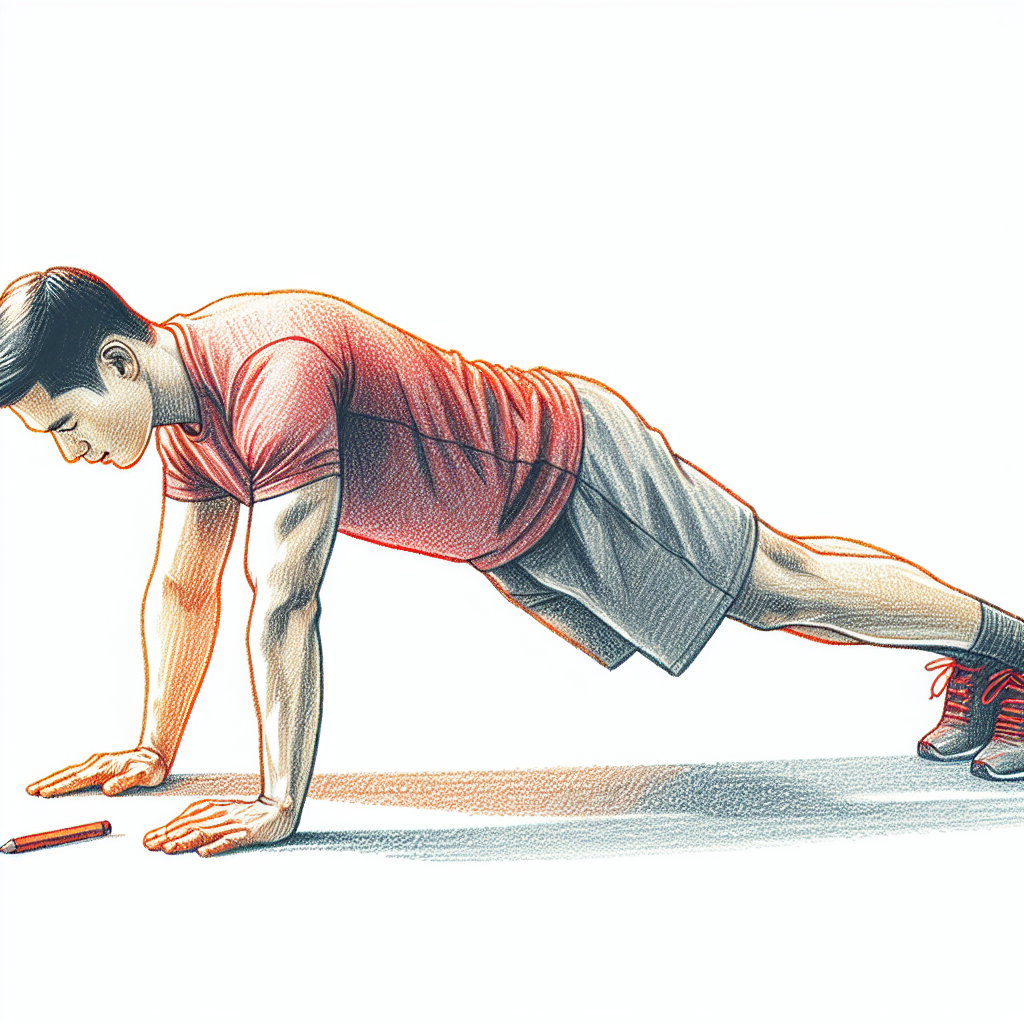
  2. Push-Ups (1 Minute): 30 seconds of regular push-ups followed by 30 seconds of knee push-ups.
  3. Bodyweight Squats (1 Minute): Perform squats at a steady pace, focusing on proper form.
  4. Plank (1 Minute): Hold a plank position for 30 seconds, rest, then 30 more seconds.
  5. Mountain Climbers (1 Minute): Alternate legs quickly in a plank position.
  6. Cool Down (1 Minute): Stretch and breathe deeply to lower your heart rate.

Practical Steps to Get Started

To maximize the benefits of your bodyweight workouts, follow these concrete steps:

  • Set specific, attainable fitness goals.
  • Choose a consistent time each day to complete your workout.
  • Create a comfortable workout space at home.
  • Stay hydrated and maintain a balanced diet to support your workouts.
  • Consider registering for the SixPack workout program for 30 days for free to get additional guidance and workout variety.

When to Consult a Professional

While bodyweight exercises are generally safe for most people, there are circumstances when seeking professional advice is advisable. If you experience persistent pain, discomfort, or significant changes in your physical abilities, it may be essential to consult a qualified fitness trainer or healthcare provider. This is particularly important if you have existing health conditions or recent injuries. Proper guidance can ensure that you are exercising safely and effectively.

Common Myths Around Bodyweight Exercises

Several misconceptions surround bodyweight workouts that can deter individuals from trying them:

  • Myth 1: Bodyweight workouts are only for beginners. Truth: They can be tailored for all fitness levels.
  • Myth 2: Bodyweight exercises are less effective than weight training. Truth: They can build muscle and strength just as efficiently.
  • Myth 3: Short workouts do not yield results. Truth: Consistency, intensity, and proper form are key factors for success, making short sessions effective over time.

FAQ

What are bodyweight workouts?

Bodyweight workouts utilize your own body for resistance in exercises like push-ups, squats, and planks.

Can bodyweight workouts help with weight loss?

Yes, they boost metabolism and can effectively support weight loss when combined with a balanced diet.

How often should I do bodyweight workouts?

Aim for at least three to five sessions a week to see significant benefits.

Are bodyweight workouts suitable for all fitness levels?

Yes, they can be modified to accommodate different fitness levels, making them accessible to everyone.

Do I need any equipment for bodyweight workouts?

No, these exercises use your body as resistance, requiring no special equipment.

How long will it take to see results from bodyweight workouts?

With consistent effort and proper nutrition, you can begin to see results within a few weeks.

Conclusion

  • Bodyweight workouts are effective and accessible for all fitness levels.
  • Short six-minute sessions can integrate easily into busy lives.
  • Focusing on consistency and intensity is crucial for weight loss success.
  • It’s essential to consult professionals when experiencing pain or discomfort.
  • Understanding the truths behind common myths can enhance workout experiences.

As you embark on your weight loss journey, consider incorporating bodyweight workouts into your routine for effective and sustainable results. If you’re ready to take the next step, register for the SixPack workout program for 30 days for free to get tailored guidance and more workout options.

Author: John Angel
Related articles

Categories
Fitness

Transform Your Health with Six-Minute Daily Workouts

Incorporating a brief, yet effective workout into your daily routine has never been easier. With just six minutes a day, you can kickstart your weight loss journey and enhance your overall well-being from the comfort of your home. This article explores the transformative potential of these short workouts and how they fit seamlessly into a busy lifestyle.

  • Understanding Six-Minute Workouts
  • The Benefits of Short Exercise Sessions
  • Practical Steps to Get Started
  • When to Consult a Professional
  • Common Myths and Mistakes
  • Frequently Asked Questions
  • Conclusion and Next Steps

Understanding Six-Minute Workouts

Six-minute workouts are short, high-intensity exercise sessions designed to maximize calorie burn and enhance cardiovascular fitness in a limited timeframe. Such workouts have gained popularity due to their efficiency and practicality. When integrated into a daily routine, these short bursts of exercise can pave the way for significant improvements in overall health and fitness.

The Benefits of Short Exercise Sessions

Engaging in just six minutes of exercise each day offers a variety of benefits:

  • Time Efficiency: Busy schedules often make long workout sessions impractical. A six-minute workout easily fits into even the most hectic days.
  • Enhanced Motivation: Short workouts can be less intimidating, making it easier for individuals to remain committed to their fitness goals.
  • Increased Energy Levels: Regular physical activity, even in brief increments, boosts energy and combats fatigue.
  • Improved Mental Health: Exercise releases endorphins, which can enhance mood and reduce stress levels.
  • Supports Weight Loss Journey: Incorporating these workouts can lead to increased calorie expenditure, contributing to weight loss.

Practical Steps to Get Started

To incorporate six-minute workouts into your routine, consider the following steps:

  1. Choose a Time: Identify a time that works best for you, whether it’s in the morning to start your day or in the evening to unwind.
  2. Select Exercises: Choose a combination of cardio and strength exercises. Incorporate movements such as jumping jacks, squats, and push-ups to target various muscle groups.
  3. Elevate Intensity: Aim for high-intensity bursts during the six minutes. Your goal is to increase heart rate and maximize effort.
  4. Stay Consistent: Aim to perform these workouts at least five days a week to see optimal results.
  5. Track Your Progress: Keeping a log of your workouts can encourage progress and maintain motivation.

For a structured approach, consider registering for the SixPack workout program for 30 days for free.

When to Consult a Professional

While six-minute workouts are suitable for most individuals, it is essential to seek professional guidance under certain circumstances:

  • If you have existing medical conditions such as heart disease, diabetes, or joint issues.
  • If you experience persistent pain or discomfort during any exercise.
  • If you are unsure about the type of exercises suitable for your body and goals.

Common Myths and Mistakes

Several misconceptions surround short workouts that can deter individuals from trying them. Addressing these can help clear the path to incorporating exercise into daily life:

  • Myth: Six minutes is not enough time to see results. Fact: Even short workouts, when performed consistently, can lead to positive changes in fitness and health.
  • Mistake: Underestimating effort. It’s crucial to maintain high intensity. Merely going through the motions will not yield effective results.
  • Myth: Short workouts are only effective for beginners. Individuals at any fitness level can benefit from short, intense workouts.

Frequently Asked Questions

How often should I do six-minute workouts?

Aiming for five days a week can provide noticeable improvements in fitness and well-being.

Can I do these workouts at home?

Yes, six-minute workouts are designed to be practical and can easily be performed at home without special equipment.

What types of exercises are included?

Exercises can include bodyweight movements such as squats, lunges, burpees, and high knees.

How do I track my progress?

Log your workouts in a journal or use mobile apps to track improvements in endurance, strength, and overall fitness.

Are short workouts beneficial for beginners?

Yes, they are less intimidating and can be easily adjusted as fitness levels improve.

What if I have limited space?

Many six-minute workouts can be adapted to fit small spaces; consider low-impact movements that require minimal room.

Conclusion

  • Six-minute workouts are accessible and time-efficient, fitting seamlessly into any schedule.
  • They provide various physical and mental health benefits, supporting your weight loss journey.
  • Beginners and experienced individuals alike can incorporate these short sessions with beneficial results.
  • Professional advice is essential for individuals with specific health concerns or limitations.
  • Address common misconceptions to fully embrace the transformative potential of short workouts.

Are you ready to enhance your fitness journey with effective, bite-sized workouts? Consider registering for the SixPack workout program for 30 days for free and discover the magic of exercising just six minutes a day!

Author: John Angel

Related articles

Categories
Fitness

Maximize Weight Loss with Six-Minute Home Workouts

Exercise for the Day: Transforming Your Life with Short Workouts

The journey to effective weight loss does not always require lengthy hours in the gym. In fact, the true magic lies in six-minute short workouts that can be performed at home. These concise sessions not only fit seamlessly into your daily routine but also offer numerous health benefits. By integrating these short bursts of exercise, you can enhance your physical fitness, improve mental focus, and take significant strides towards your weight loss journey.

  • The benefits of short workouts
  • Incorporating exercise into your daily routine
  • Practical steps for six-minute workouts
  • Consulting a professional for personalized guidance
  • Debunking common myths about short workouts
  • Frequently asked questions

The Benefits of Short Workouts

Short workouts can significantly impact your overall health and well-being. Here are a few key benefits:

  • Time Efficiency: With our busy lives, finding time to exercise can be a challenge. Six-minute workouts fit into any schedule, making it easier to stay consistent.
  • Boosted Metabolism: Engaging in short, intense bursts of exercise can increase your metabolism, leading to enhanced calorie burn both during and after the workout.
  • Improved Mental Clarity: Physical activity releases endorphins that boost your mood and enhance cognitive function, supporting productivity throughout your day.
  • Convenience of Home Workouts: These workouts require minimal space and equipment, allowing you to exercise in the comfort of your home.
  • Variety in Routine: Short workouts enable you to incorporate different exercises, preventing monotony and maintaining your motivation.

Incorporating Exercise into Your Daily Routine

Finding the time to exercise is often cited as one of the main barriers to maintaining a fitness routine. However, by structuring your day around quick workouts, this becomes a manageable task. Here are practical steps to incorporate these workouts into your routine:

  1. Set Specific Goals: Define what you want to achieve with your workouts, whether it’s weight loss, increased strength, or improved endurance.
  2. Schedule Your Workouts: Treat your workout as an appointment. Schedule it into your calendar and commit to it.
  3. Utilize Short Breaks: Use breaks during your workday or daily chores to fit in a quick six-minute workout. Stand up, perform a few exercises, and return to your task with renewed energy.
  4. Find an Accountability Partner: Engage a friend or family member to join you in your short workouts, reinforcing commitment and making exercise enjoyable.
  5. Track Your Progress: Keep a journal or an app to monitor your workouts, which can help you stay motivated and accountable.
  6. Explore Free Programs: Begin your journey with resources such as the SixPack workout program, which offers a 30-day free trial of structured routines.

When to Consult a Professional

While short workouts can yield significant benefits, there may be instances where consulting a professional is advisable:

  • If you experience persistent pain or discomfort during or after exercising, consulting a healthcare professional is essential.
  • Individuals with pre-existing medical conditions should seek guidance from a healthcare provider to ensure the safety of workout regimens.
  • For those unsure about how to start a fitness journey, a personal trainer can provide tailored programs suited to individual needs.
  • If weight loss is a key objective, a nutritionist can offer insights into diet and exercise synergy for optimal results.

Debunking Common Myths About Short Workouts

Despite the growing popularity of short workouts, several myths persist. Understanding these can help mitigate misconceptions and encourage more people to integrate exercise into their lifestyles:

  • Myth 1: Short workouts are not effective. In reality, the intensity of short workouts can lead to substantial benefits within limited time frames.
  • Myth 2: You need hours to see results. Many people have successfully lost weight and gained strength by including consistent, albeit short, workouts in their routine.
  • Myth 3: Short workouts can’t be challenging. Short workouts can be designed to push your limits, increasing intensity and maximizing the impact on both strength and cardiovascular health.
  • Myth 4: Home workouts are less effective. With proper application, workouts at home can be just as beneficial, enabling convenience and flexibility.
  • Myth 5: You must use equipment for effective workouts. Bodyweight exercises provide a robust workout option that can be just as powerful as using weights.

Frequently Asked Questions

Is six minutes enough time for a workout?

Yes, six minutes can be sufficient for an effective workout if performed at high intensity and targeted towards specific muscle groups.

Can these workouts help with weight loss?

Short bursts of high-intensity workouts can elevate your metabolism, contribute to calorie burn, and support your weight loss journey.

What types of exercises can be done in six minutes?

Exercises like jumping jacks, burpees, squats, and push-ups can be performed in a six-minute session for maximum benefit.

Do I need any equipment for six-minute workouts?

No, many effective six-minute workouts can be conducted using just your body weight.

How many times a week should I do these workouts?

For optimal results, aim for at least three to four sessions per week, while allowing for rest and recovery.

Where can I find guided short workout programs?

Consider exploring the SixPack workout program, which offers structured routines for everyone, available for free for the first 30 days.

Conclusion

  • Six-minute workouts fit seamlessly into any lifestyle, making exercise accessible and manageable.
  • They offer numerous health benefits, including improved metabolism and enhanced mental clarity.
  • Incorporating short workouts requires planning, but can bring substantial rewards.
  • Recognizing when to seek professional advice is crucial for safety and optimal results.
  • Debunking common myths encourages more individuals to embrace these effective fitness routines.

Exercise doesn’t need to be time-consuming to yield significant benefits. By incorporating short workouts into your daily routine, you can enhance your physical fitness, boost your mood, and make noticeable strides in your weight loss journey. To start your free 30-day trial and explore a structured approach, visit the SixPack workout program today!

Author: John Angel

Related articles

Categories
Fitness

Effective Bodyweight Workouts: Quick Routines for All Levels

In the modern world, where time is often scarce and fitness goals can feel overwhelming, bodyweight workouts have emerged as an incredibly versatile solution. These quick, effective routines require no equipment and can be performed anywhere—from your living room to the park. In particular, the short six-minute workout has gained traction, as it supports individuals on their weight loss journey while fitting seamlessly into daily life. By committing just a few minutes to exercise, you can experience profound physical and mental benefits. This article will delve into bodyweight workouts, showcasing their advantages, and offering practical guidance on incorporating them into your routine.

  • The Magic of Six-Minute Workouts
  • Types of Bodyweight Exercises
  • Designing Your Six-Minute Routine
  • When to Consult a Professional
  • Common Myths and Misconceptions
  • FAQs

The Magic of Six-Minute Workouts

Six-minute workouts have a unique charm that transcends the typical constraints of a fitness regimen. These brief but effective sessions can be performed at any time of the day, making them an ideal choice for busy individuals. Many find the brevity appealing; it removes the intimidation factor often associated with longer workouts. The magic lies not only in their efficiency but also in their ability to boost energy, enhance mood, and promote consistency in one’s fitness journey. By integrating these six-minute bursts into your daily routine, you can foster a sense of achievement and momentum that propels you forward on your weight loss journey.

Types of Bodyweight Exercises

Bodyweight workouts encompass a wide variety of movements, which can be tailored to suit all fitness levels. Below are some key categories of bodyweight exercises:

  • Push Movements: Push-ups, dips, and planks strengthen the upper body.
  • Pull Movements: Bodyweight rows and pull-ups target the back muscles.
  • Leg Movements: Squats, lunges, and calf raises enhance leg strength and endurance.
  • Core Exercises: Crunches, mountain climbers, and leg raises stabilize the midsection.
  • Cardio Elements: Jumping jacks, burpees, and high knees can elevate your heart rate efficiently.

Designing Your Six-Minute Routine

Creating a tailored six-minute workout routine can be both straightforward and rewarding. Here’s a simple structure you can follow:

  1. Warm-Up (1 minute): Begin with dynamic stretching to increase your heart rate.
  2. Workout (4 minutes): Alternate between two different exercises (e.g., push-ups and squats) for 30 seconds each, followed by a 10-second rest.
  3. Cool Down (1 minute): Conclude with static stretches targeting major muscle groups.

For a guided experience, consider registering for the SixPack workout program for 30 days free, which provides structured bodyweight workouts perfect for your lifestyle.

When to Consult a Professional

While bodyweight exercises are generally safe and accessible, there are instances when seeking professional guidance is advisable. If you experience persistent pain, unusual discomfort, or have underlying health conditions, consulting a qualified fitness professional or healthcare provider is crucial. Additionally, if you’re new to exercising, starting with a professional can help avoid injury and ensure that your form is correct.

Common Myths and Misconceptions

Despite the benefits of bodyweight training, several myths can deter individuals from incorporating these workouts into their routines:

  • Myth 1: Bodyweight workouts are ineffective for building muscle.
  • Myth 2: You need a gym membership to achieve fitness goals.
  • Myth 3: Bodyweight exercises are only for beginners.
  • Myth 4: Short workouts do not contribute to weight loss.

Each of these misconceptions can be countered with factual benefits of bodyweight training, demonstrating that these routines can be effective, versatile, and suitable for all levels.

FAQs

Can I lose weight with bodyweight workouts?

Yes, bodyweight workouts can effectively support weight loss when combined with a healthy diet and regular exercise.

How often should I perform these workouts?

For optimal results, aim for three to five sessions per week, mixing different exercises to target various muscle groups.

Do I need any equipment for bodyweight workouts?

No equipment is needed, making bodyweight workouts highly accessible and convenient.

Can beginners perform bodyweight exercises?

Absolutely. Bodyweight workouts can be adapted for all fitness levels, including beginners.

Are short workouts effective?

Yes, short workouts can be highly effective due to their ability to elevate heart rates and build muscle within a condensed timeframe.

What’s the best bodyweight exercise for the core?

Planks and mountain climbers are excellent choices for strengthening the core.

Conclusion

  • Bodyweight workouts are efficient and versatile, perfect for busy schedules.
  • Incorporating six-minute workouts can foster consistency and motivation on your weight loss journey.
  • Many exercises can be adapted to all fitness levels, ensuring accessibility.
  • Consulting a professional is advisable if you have health concerns or experience pain.
  • Challenging common misconceptions can empower individuals to embrace bodyweight training.

If you’re ready to begin your transformative journey with bodyweight workouts, consider registering for the 30-day free SixPack workout program today. Embrace the magic of short workouts to enhance your health and well-being.

Author: John Angel

Related articles

Categories
Fitness

Transform Your Fitness in 30 Days with 6-Minute Workouts

In an increasingly fast-paced world, finding time for a dedicated weight loss journey can feel overwhelming. However, dedicating just 30 minutes a day for 30 days can lead to transformative results. This article explores how incorporating short six-minute workouts into your daily routine can make a significant impact on your health and fitness goals, all from the comfort of your home. To get started, consider joining the SixPack workout program for 30 days for free.

  • Understanding Short Workouts
  • The Benefits of Consistency
  • Implementing Six-Minute Sessions
  • Signs You Should Consult a Professional
  • Addressing Common Myths
  • FAQs
  • Conclusion

Understanding Short Workouts

Short workouts, specifically six-minute segments, may seem trivial, but they offer a unique blend of efficiency and effectiveness. These workouts are designed to elevate your heart rate and boost metabolism without requiring an extensive time commitment. The magic lies in their ability to integrate seamlessly into even the busiest of schedules, allowing for impactful physical activity that fits within your daily routine.

The Benefits of Consistency

Engaging in consistent, brief workouts can lead to numerous advantages:

  • Improved Cardiovascular Health: Regular short workouts can enhance heart function, aiding in overall cardiovascular health.
  • Enhanced Mental Clarity: Physical activity boosts endorphin levels, often referred to as “feel-good” hormones, promoting mental well-being and focus.
  • Increased Energy Levels: A short burst of physical activity can help invigorate your body, combating feelings of fatigue.
  • Weight Management: Daily physical activity plays a crucial role in weight loss or maintenance.
  • Adaptability: These brief sessions can be tailored to suit varying fitness levels and preferences.

Implementing Six-Minute Sessions

Incorporating six-minute workouts into your day doesn’t require extensive planning. Here are some straightforward steps to help you get started:

  1. Choose Your Time: Select a consistent time every day—whether in the morning, afternoon, or evening.
  2. Set a Timer: Use any timer to ensure you stay focused and complete the full six minutes of activity.
  3. Select Exercises: Choose exercises such as jumping jacks, burpees, or bodyweight squats that elevate your heart rate.
  4. Mix It Up: Vary the exercises daily to keep your routine exciting and to work different muscle groups.
  5. Track Your Progress: Maintain a journal to monitor your workouts, noting how you feel and any changes you observe.

Signs You Should Consult a Professional

While short workouts are beneficial for many, certain conditions may warrant professional guidance. You should consult a healthcare provider if you experience:

  • Persistent pain or discomfort during or after physical activity
  • Severe fatigue that does not improve with rest
  • Unexplained weight gain or loss
  • Heart palpitations or irregularities
  • Any other concerning symptoms that interfere with your daily life

Addressing Common Myths

Several misconceptions surround short workouts that can deter individuals from embracing them. Here are a few:

  • Myth 1: Short workouts are ineffective.
  • Myth 2: You have to spend hours at the gym to see results.
  • Myth 3: Only high-intensity training yields significant weight loss.
  • Myth 4: Short workouts are only beneficial for beginners.

What can you do to ensure you meet your fitness goals?

The key is consistency and engagement. Establishing a regimen and finding enjoyable exercises can enhance adherence to your weight loss journey. Remember, every small effort counts.

FAQs

Can six-minute workouts really help with weight loss?

Yes, when incorporated consistently and combined with a balanced diet, they can aid in weight management.

How many days a week should I do six-minute workouts?

Ideally, aim for at least five days a week to maximize benefits.

Are there’s specific equipment needed for these workouts?

No equipment is required, though you may use dumbbells or resistance bands for added intensity.

Can beginners participate in these six-minute sessions?

Absolutely! Six-minute workouts can be adjusted to suit all fitness levels.

Is it necessary to warm up before a six-minute workout?

A brief warm-up is recommended to prepare your muscles and minimize injury risk.

How can I maintain motivation for my workout routine?

Setting achievable goals, tracking your progress, and varying your workouts can keep motivation high.

Conclusion

  • Short six-minute workouts can be highly effective for maintaining fitness and aiding weight loss.
  • Consistency in these brief sessions can lead to significant physical and mental health benefits.
  • Consult a professional if you notice any alarming symptoms or if you have underlying health conditions.
  • Be aware of common myths that may deter you from starting your fitness journey.
  • Consider joining the SixPack workout program for 30 days for free to kickstart your routine.

Author: John Angel

Related articles

Categories
Nutrition and Wellness

Understanding Fat Loss: Mechanisms, Benefits, and Practical Steps

In an age where health and wellness dominate many conversations, understanding the intricacies of fat loss becomes essential for anyone embarking on a weight loss journey. Fat loss refers to the process of reducing the total mass of fat in the body, primarily through a combination of exercise, diet, and lifestyle changes. This article will explore what fat loss entails, its mechanisms, benefits, and practical steps individuals can take to achieve their goals, while introducing the efficient SixPack workout program, which offers a unique approach to exercising in just six minutes a day.

  • Understanding Fat Loss
  • The Science Behind Fat Loss
  • Benefits of Effective Fat Loss
  • Practical Steps to Start Your Weight Loss Journey
  • When to Consult a Professional
  • Common Myths and Misconceptions
  • Frequently Asked Questions
  • Conclusion

Understanding Fat Loss

Fat loss is more than just a numerical decrease on a scale; it involves a comprehensive understanding of how our bodies utilize energy. When we consume fewer calories than we burn, our body begins to use stored fat for energy. The balance between energy intake and expenditure is central to successful fat loss. It is also important to note that muscle and water weight can fluctuate, which is why measuring progress through body composition rather than solely weight is advisable.

The Science Behind Fat Loss

The process of fat loss is influenced by various physiological mechanisms, including hormonal balances, metabolism, and energy pathways. Here are some key components:

  • Caloric Deficit: This is achieved when you consume fewer calories than your body requires for maintenance.
  • Metabolism: Your metabolic rate—the number of calories your body burns at rest—varies from person to person and is influenced by age, muscle mass, and genetic factors.
  • Hormonal Regulation: Hormones such as insulin and cortisol play pivotal roles in fat storage and metabolism.

Benefits of Effective Fat Loss

Engaging in a fat loss journey extends beyond mere aesthetics; it promotes numerous health benefits:

  • Improved Health: Reducing excess body fat lowers the risk of cardiovascular diseases, diabetes, and certain cancers.
  • Enhanced Mobility: A healthier weight can improve joint health and overall mobility.
  • Boost in Energy Levels: People often report feeling more energetic as they reduce body fat.
  • Better Mental Health: Weight loss can contribute to improved self-esteem and reduced anxiety.
  • Increased Longevity: Achieving a healthy weight supports longevity and improves quality of life.

Practical Steps to Start Your Weight Loss Journey

Embarking on a weight loss journey can be simpler than one might expect. Here are several steps to start:

  1. Set Realistic Goals: Establish specific, measurable, achievable, relevant, and time-bound (SMART) goals.
  2. Adopt a Balanced Diet: Focus on whole foods, lean proteins, healthy fats, and plenty of fruits and vegetables.
  3. Incorporate Regular Exercise: Aim for at least 150 minutes of moderate aerobic activity per week. The SixPack workout program, featuring six-minute workouts at home, can seamlessly fit into your routine. Register for the SixPack workout program for 30 days for free.
  4. Monitor Progress: Keep track of your nutrition and exercise, adjusting as necessary.
  5. Stay Consistent: Fat loss is a journey that requires persistence.

When to Consult a Professional

If you find yourself struggling with weight loss despite making significant efforts, it may be time to seek professional advice. Consider consulting a healthcare provider or a registered dietitian if you experience:

  • Significant and unexplained weight fluctuations.
  • Persistent feelings of fatigue or weakness.
  • Emotional distress relating to body image or diet.
  • Medical conditions that might affect your metabolism or appetite.

Common Myths and Misconceptions

Understanding fat loss also involves debunking common myths that can hinder progress:

  • Spot Reduction: The idea that you can lose fat in a specific area through targeted exercises is largely a myth; fat loss occurs throughout the body.
  • Fast Results: Quick fixes and extreme diets often result in temporary weight loss followed by rebound gains.
  • Carbohydrates Are Bad: Carbohydrates are not inherently harmful. The focus should be on quality and quantity.

Frequently Asked Questions

What is the most effective way to lose fat?

A balanced combination of a healthy diet, regular exercise, and sustainable lifestyle changes is the most effective approach.

How fast can I expect to see results?

Results vary; however, aiming for a gradual weight loss of 1-2 pounds per week is realistic.

Aren’t all calories the same?

No, the source of calories matters. Nutrient-dense foods are generally healthier and more filling than processed options.

Is strength training important for fat loss?

Yes, building muscle can increase your resting metabolic rate, making it easier to lose fat over time.

Can I lose weight without exercise?

While diet plays a crucial role in weight loss, exercise contributes to overall health and can enhance results.

Are diet pills a good option for losing fat?

It is essential to approach diet pills carefully, as they can have side effects and should not be relied upon as a primary weight loss method.

Conclusion

  • Fat loss is a comprehensive process that requires understanding energy balance.
  • Emphasizing a balanced diet and regular exercise yields significant health benefits.
  • Engaging in short, effective workouts, such as those offered in the SixPack program, can fit easily into daily life.
  • Consult a healthcare professional when faced with persistent challenges.
  • Debunking myths around fat loss is crucial for informed and effective weight management.

Embarking on a fat loss journey is attainable for anyone willing to commit to healthy changes. Start by implementing these practical steps today, and consider joining the SixPack workout program to enhance your fitness routine. Register for the SixPack workout program for 30 days for free and take the first step toward a healthier you!

Author: John Angel

Related articles

Categories
Fitness

Transform Your Weight Loss Journey with Six-Minute Workouts

Embarking on a weight loss journey often feels daunting, filled with challenges and uncertainties. However, incorporating short, targeted workouts into your daily routine can make this journey more manageable and enjoyable. This article explores the transformative magic of six-minute workouts at home, emphasizing their benefits for overall well-being and weight loss.

  • Understanding Six-Minute Workouts
  • Benefits of Short Workouts
  • How to Incorporate It into Your Day
  • When to Consult a Professional
  • Common Myths and Misconceptions
  • FAQs

Understanding Six-Minute Workouts

Short workouts, especially those lasting around six minutes, harness the power of high-intensity interval training (HIIT). This approach maximizes workout efficiency, allowing individuals to achieve significant results in a fraction of the time typically required for longer sessions. With minimal equipment needed, these workouts can be done almost anywhere, making them an excellent option for those with busy schedules.

Benefits of Short Workouts

The appeal of six-minute workouts extends beyond convenience. Here are some key benefits:

  • Time Efficiency: In just six minutes, you can engage multiple muscle groups and elevate your heart rate.
  • Increased Metabolism: Short bursts of high intensity can stimulate your metabolism, promoting calorie burn even after the workout.
  • Improved Mood: Physical activity releases endorphins, elevating your mood and reducing stress.
  • Flexibility: Easily integrate short workouts into busy routines, making it less likely you’ll skip them.
  • Accessibility: Minimal to no equipment needed means you can work out at home, at the office, or even when traveling.

How to Incorporate It into Your Day

Integrating six-minute workouts into your daily routine can be straightforward. Here are some practical steps:

  1. Choose Your Time: Identify a window in your day when you can dedicate six minutes—this could be morning, lunch, or evening.
  2. Select a Workout: Consider intervals that target different muscle groups. Various platforms offer short workout videos; find one that resonates with you.
  3. Set a Timer: Use a timer to keep track of your workout duration, ensuring a solid six minutes of intense effort.
  4. Stay Consistent: Aim to incorporate these workouts several times a week to see significant benefits over time.
  5. Track Progress: Keep a journal or app to monitor your workouts and celebrate milestones during your weight loss journey.

When to Consult a Professional

While short workouts can be beneficial for most individuals, there are times when consulting a professional is advisable:

  • If you have preexisting health conditions or concerns.
  • When experiencing unusual pain during or after workouts.
  • If you’re planning to start a workout regimen after a long period of inactivity.
  • Seeking personalized advice tailored to your specific health and fitness goals.

Common Myths and Misconceptions

Despite their growing popularity, several misconceptions surrounding six-minute workouts persist:

  • Myth 1: Six minutes is too short to be effective. Reality: Even short bursts of exercise can yield significant health benefits.
  • Myth 2: Short workouts are only for beginners. Reality: They can be customized to suit various fitness levels.
  • Myth 3: You don’t need to warm up. Reality: A brief warm-up is essential to prevent injuries.

FAQs

Are six-minute workouts enough for weight loss?

Yes, short workouts can be efficient for weight loss when combined with a balanced diet and consistent effort.

Can I do these workouts every day?

While daily short workouts can be beneficial, it’s crucial to listen to your body and allow for rest days when needed.

What types of exercises are best for six-minute workouts?

High-intensity exercises such as burpees, jump squats, and push-ups are excellent choices for short workouts.

Do I need special equipment?

No, many six-minute workouts require minimal equipment, such as dumbbells or resistance bands.

How can I track my progress?

Using a fitness app, journal, or calendar to mark workout days can help you visualize your progress.

Where can I find short workout routines?

Various online platforms and fitness apps offer structured six-minute workouts. For a great start, consider registering for the SixPack workout program for 30 days for free.

Conclusion

  • Short workouts can significantly enhance physical and mental well-being.
  • They provide a time-efficient solution for incorporating fitness into a bustling lifestyle.
  • The benefits of these six-minute sessions extend beyond weight loss.
  • Consulting a professional can help tailor workouts to individual needs and health conditions.
  • Embrace consistency and track progress for motivating results on your weight loss journey.

As you embark on or continue your weight loss journey, consider the magic of six-minute workouts. They may just be the pivotal element you’ve been seeking. For a comprehensive start, don’t hesitate to register for the SixPack workout program for 30 days for free.

Author: John Angel

Related articles

Categories
Fitness

Effective Weight Training Program for Weight Loss Success

Introduction

Embarking on a weight loss journey often feels daunting, especially when navigating the myriad of workout programs available. One highly effective approach is incorporating weight training into your routine. This article explores a structured weight training workout program that can be seamlessly integrated into your life, maximizing benefits while fitting into your busy schedule. The emphasis will be on how short, six-minute workouts at home can yield transformative results, making each moment count towards your fitness goals.

  • The Benefits of Weight Training for Weight Loss
  • Creating an Effective Weight Training Program
  • How to Perform Six-Minute Workouts at Home
  • Common Myths About Weight Training
  • When to Consult a Professional
  • FAQs
  • Conclusion

The Benefits of Weight Training for Weight Loss

Weight training offers unparalleled advantages for those on a weight loss journey. Unlike traditional cardio, incorporating resistance exercises can elevate your metabolic rate, allowing your body to burn calories more efficiently even after the workout has concluded. Furthermore, muscle tissue burns more calories at rest than fat tissue, meaning the more muscle you develop, the more your body can naturally support weight loss.

Moreover, consistent weight training enhances overall strength, improves bone density, and has been linked to better mood regulation through the release of endorphins, significantly impacting long-term adherence to fitness routines.

Creating an Effective Weight Training Program

Designing an effective weight training program requires understanding the key components of strength training. Here’s how to create your personalized plan:

  • Set Clear Goals: Define your weight loss targets, whether it’s losing a specific amount of weight or reducing body fat percentage.
  • Select Exercises: Choose compound movements like squats, deadlifts, and bench presses that engage multiple muscle groups.
  • Establish Frequency: Aim for 3-4 sessions per week, integrating rest days to promote muscle recovery.
  • Utilize Progressive Overload: Gradually increase weights or reps over time to continuously challenge your muscles.
  • Incorporate Flexibility: Include warm-ups and cool-downs to prevent injury and improve mobility.

How to Perform Six-Minute Workouts at Home

The allure of six-minute workouts lies in their efficiency and flexibility, making it possible to integrate fitness into even the busiest of days. Here’s how to maximize six-minute workout sessions:

  1. Warm-Up: Spend the first minute engaging in dynamic movements like high knees or arm circles to prepare your body.
  2. Select Key Exercises: Choose 2-3 exercises that target different muscle groups; for instance, push-ups, squats, and lunges.
  3. Time Your Sets: Dedicate one minute to each exercise, performing as many quality repetitions as possible.
  4. Rest Efficiently: Take 10-15 seconds of rest between exercises to recover, allowing you to maximize your effort.
  5. Cool Down: Use the final minute to perform stretching exercises, improving flexibility and reducing soreness.

To kickstart your journey, consider registering for a free 30-day trial of the SixPack workout program, perfect for those looking to explore this approach.

Common Myths About Weight Training

Despite its advantages, numerous myths surround weight training that may deter individuals from exploring its potential. Here are some common misconceptions:

  • Myth 1: Weight training is only for bodybuilders.
  • In reality, weight training is suitable for all fitness levels and can enhance overall health, not just build muscle mass.

  • Myth 2: Lifting weights will make women bulky.
  • Women lack the testosterone levels necessary to achieve significant muscle bulk, instead developing toned muscles and a lean appearance.

  • Myth 3: Cardio is more important for weight loss.
  • While cardio is beneficial, weight training plays a critical role in maintaining muscle mass during weight loss.

When to Consult a Professional

While many can benefit from self-guided training, certain instances warrant consulting a healthcare or fitness professional:

  • If you experience consistent pain or discomfort during exercises.
  • If you lack knowledge about proper form and techniques to prevent injury.
  • If you have existing health conditions that may influence your workout capabilities.
  • When seeking tailored guidance to meet specific fitness or weight loss goals.

FAQs

What are the best exercises for beginners in weight training?

Beginners should focus on compound movements such as squats, push-ups, and rows, which engage multiple muscle groups and build a strong foundation.

How often should I engage in weight training for weight loss?

Aiming for 3-4 sessions per week is ideal, allowing your body adequate time for recovery between workouts.

Can I lose weight without lifting heavy weights?

Absolutely! You can use lighter weights and perform more repetitions to achieve weight loss while still benefiting from resistance training.

What should I eat before a weight training session?

A small meal or snack containing both protein and carbohydrates, such as a banana with peanut butter, can provide fuel for your workout.

Is weight training safe for older adults?

Yes, weight training can enhance muscle mass and strength in older adults, reducing the risk of injury and improving balance.

How long will it take to see results from weight training?

Results can vary, but many individuals notice improvements in strength and overall fitness within a few weeks of consistent training.

Conclusion

  • Weight training offers unique benefits for those on a weight loss journey, including increased metabolism and improved mood.
  • Creating an effective program involves setting clear goals and employing progressive overload.
  • Six-minute workouts at home can fit into any schedule, making exercise accessible to everyone.
  • Dispelling common myths can encourage more individuals to incorporate strength training into their routines.
  • Professional guidance ensures safe and effective training, tailored to individual needs.

To truly experience the convenience and effectiveness of short workouts, consider joining the SixPack workout program for free. Embrace the transformation on your weight loss journey today!

Author: John Angel

Related articles

Categories
Fitness

Maximize Fitness with Effective Bodyweight Workouts

Work Out with Your Own Body Weight

In today’s fast-paced world, finding the time and motivation to work out can be challenging. However, engaging in bodyweight exercises offers a highly efficient and accessible route to fitness. These workouts can be performed anywhere, require no equipment, and are especially effective in supporting your weight loss journey. In just six minutes a day, you can witness transformative changes in your body and well-being.

  • Understanding Bodyweight Exercises
  • Benefits of Short Workouts
  • Creating Your Own Routine
  • Common Misconceptions
  • Consulting a Professional
  • Frequently Asked Questions

Understanding Bodyweight Exercises

Bodyweight exercises employ the weight of your own body to build strength, improve flexibility, and enhance endurance. Common movements include push-ups, squats, lunges, and planks. The beauty of these exercises lies in their adaptability; they can be modified to match your fitness level, making them suitable for beginners and advanced athletes alike.

Benefits of Short Workouts

Short workouts, especially those lasting around six minutes, are specifically designed to be efficient and effective. Here are some key benefits:

  • Time-Efficient: Short bursts of exercise fit seamlessly into busy schedules. You can easily incorporate them into your day, whether it’s during a lunch break or while waiting for dinner to cook.
  • Accessibility: These workouts require no special equipment, allowing you to exercise in the comfort of your home or even at your office.
  • Boosted Metabolism: High-intensity bodyweight workouts can elevate your heart rate and promote fat burning, which supports your weight loss journey.
  • Improved Strength and Tone: Consistent bodyweight training can lead to significant improvements in strength and muscle tone over time.
  • Mental Benefits: Engaging in even short workouts can lead to improved mood and reduced stress levels, contributing to overall well-being.

Creating Your Own Routine

A structured routine is crucial for maximizing the effectiveness of bodyweight workouts. Here are concrete steps to create your own:

  1. Choose Your Exercises: Select a mix of exercises that target different muscle groups. Consider push-ups, squats, lunges, mountain climbers, and planks.
  2. Set Your Duration: Aim for six minutes initially. You can segment it by performing each exercise for 30-45 seconds with a brief rest in between.
  3. Establish a Schedule: Consistency is key. Designate specific days and times for your workouts, treating them as you would any important appointment.
  4. Track Your Progress: Record your workouts in a journal. Monitor the number of reps, sets, and your feelings post-workout to stay motivated.
  5. Adjust and Evolve: As you become more comfortable, consider increasing the intensity, duration, or complexity of the exercises.

For those interested in following a structured program, consider registering for the free 30-day SixPack workout program. This program provides variety and guidance, making it easier to stay on track.

Consulting a Professional

While bodyweight workouts can be beneficial for many individuals, it is important to know when to seek professional guidance. If you experience any of the following, consulting with a fitness expert or a healthcare professional is recommended:

  • Persistent pain or discomfort during activities
  • Medical conditions that may affect exercise
  • Uncertainty about proper form or technique
  • Goals that require specialized training, such as injury rehabilitation or athletic performance enhancement

Common Misconceptions

Despite their popularity, several myths surround bodyweight workouts. Here are a few corrections to common misconceptions:

  • Myth 1: Bodyweight training is only for beginners.
  • Truth: Both beginners and experienced athletes can benefit from bodyweight exercises, as they can be modified for intensity.
  • Myth 2: You can’t build muscle with bodyweight exercises.
  • Truth: Bodyweight training can improve muscle tone and strength, especially when resistance is gradually increased through variations.
  • Myth 3: Short workouts aren’t effective.
  • Truth: High-intensity short workouts can be highly effective, especially when combined with a balanced diet for weight loss.

Frequently Asked Questions

Can I lose weight with bodyweight exercises alone?

Yes, bodyweight exercises can help you lose weight if combined with a balanced diet and consistent practice.

Are bodyweight workouts safe for beginners?

Absolutely. Bodyweight exercises can be easily modified to suit different fitness levels, making them safe for beginners.

How often should I perform bodyweight exercises?

For optimal results, aim to perform bodyweight workouts 3-5 times a week, allowing for adequate rest in between sessions.

What can I do if I get bored with my routine?

Try incorporating new exercises, varying the intensity, or joining a structured program like the free 30-day SixPack workout program to keep your workouts fresh.

Do I need any equipment for bodyweight workouts?

No, bodyweight exercises require no special equipment, making them very accessible.

How long will it take to see results?

Results can vary, but with consistent effort, many individuals notice improvements in strength and endurance within a few weeks.

Conclusion

  • Bodyweight workouts are an effective means for weight loss and fitness.
  • Short, six-minute workouts are perfect for busy schedules.
  • Consistency and proper technique are key to maximizing benefits.
  • Consult a professional if you experience any health concerns.
  • Common misconceptions about bodyweight training should be addressed for a clearer understanding.

Consider starting your journey today by exploring the power of bodyweight exercises. For those looking for a structured workout plan, register for the free 30-day SixPack workout program and discover the potential of short, effective workouts!

Author: John Angel

Related articles

Categories
Fitness

Free Beginner Workout Program: Six-Minute Home Workouts

Embarking on a weight loss journey can be daunting, especially for those who are just starting. However, a simplified approach can significantly lessen the barriers. A free workout program designed for beginners can offer manageable and effective exercise options that can fit seamlessly into your daily routine. This article focuses on six-minute short workouts at home, illustrating their profound impact on enhancing your health without overwhelming your schedule.

  • Introduction
  • The Magic of Short Workouts
  • Benefits of a Structured Program
  • How to Get Started
  • Common Misconceptions
  • When to Consult a Professional
  • FAQs
  • Conclusion

The Magic of Short Workouts

In our fast-paced lives, dedicating long hours to fitness can feel unrealistic. Enter the six-minute workout, a concept that has revolutionized home exercise routines. These short bursts of physical activity are not only time-efficient but can also yield impressive results. By focusing on high-intensity exercises, these routines stimulate metabolic processes that can lead to substantial improvements in cardiovascular health and overall fitness, without requiring significant time commitments.

Benefits of a Structured Program

For those just beginning their weight loss journey, a structured workout program can provide guidance and motivation. Here are some benefits of participating in a free workout program like SixPack:

  • Accountability: A structured program encourages regular participation and can keep you motivated to exercise consistently.
  • Increased Effectiveness: Programs designed for beginners often include a balanced mix of cardio and strength training, maximizing calorie burn and muscle development.
  • Diverse Workouts: A variety of exercises keep workouts engaging, preventing burnout or boredom.
  • Support from Community: Engaging with others on similar journeys can provide valuable support and encouragement.
  • Free Trial: The opportunity to register for a program like the SixPack workout for 30 days free allows you to evaluate its suitability for your needs.

To start your journey, consider registering for the SixPack workout program, where you can access a variety of six-minute workouts designed for beginners.

How to Get Started

Beginning your workout regimen does not have to be overly complicated. Follow these steps to initiate your free workout program:

  1. Identify Your Goals: Determine what you wish to achieve—weight loss, muscle toning, improved endurance, etc.
  2. Choose a Schedule: Set aside time each day for your workouts, even if it’s just six minutes. Consistency is crucial.
  3. Select a Program: Register for a suitable workout program, such as the SixPack program, which offers engaging and diverse workouts.
  4. Gradual Progression: Start slow and gradually increase the intensity or duration of your workouts as you feel more comfortable.
  5. Track Your Progress: Keep a record of your workouts and any changes you notice in your body and energy levels.

When to Consult a Professional

While embarking on a weight loss journey is commendable, there are times when seeking professional assistance is vital:

  • If you have pre-existing medical conditions that may impact your ability to exercise.
  • Experiencing persistent pain or discomfort during or after workouts.
  • If you have questions regarding safe exercise practices tailored to your individual health needs.
  • If your weight loss goals seem unattainable despite consistent efforts.

Common Misconceptions about Short Workouts

Short workouts come with certain myths that may discourage beginners:

  • Myth 1: Short workouts are less effective than longer sessions. Truth: Short, high-intensity workouts can be just as beneficial, if not more so, than longer sessions.
  • Myth 2: You need expensive equipment to succeed. Truth: Many effective exercises require no equipment at all, making workouts accessible to everyone.
  • Myth 3: Weight loss through exercise alone is sufficient. Truth: Combining exercise with a balanced diet is crucial for effective weight management.
  • Myth 4: Every workout must leave you exhausted. Truth: Consistency and gradual progression are far more important than feeling utterly fatigued after every session.

FAQs

What types of exercises are included in a six-minute workout program?

Six-minute workouts typically include a variety of high-intensity activities such as bodyweight exercises, cardio routines, and strength training.

Can I do a six-minute workout every day?

Yes, daily workouts of six minutes can be beneficial, but it’s advisable to listen to your body and allow for rest as needed.

Will I see results from only six minutes of exercise?

With high-intensity and focused workloads, many people do see results over time, especially when combined with a proper diet.

Do I need any special equipment for these workouts?

Most six-minute workouts can be performed with little to no equipment, making them ideal for home workouts.

Is a six-minute workout suitable for complete beginners?

Absolutely! These workouts are designed with beginners in mind and can be modified to suit all fitness levels.

How can I stay motivated to continue with my workouts?

Setting small, attainable goals, tracking your progress, and perhaps enlisting a workout buddy can help keep your motivation high.

Conclusion

  • Short workouts can be integrated into your daily routine without logistical challenges.
  • A structured workout program enhances motivation and efficiency.
  • Utilizing free resources enables beginners to explore fitness without financial commitment.
  • Common misconceptions can deter individuals from starting, yet understanding the benefits of short workouts is crucial.
  • Consulting professionals when needed ensures a safe and effective fitness journey.

Begin your transformative journey today by exploring how six-minute workouts can change your life. Explore the SixPack workout program for free and take the first step towards a healthier you.

Author: John Angel

Related articles

Website analytics information

We use Google Analytics 4 for visitor statistics. Analytics cookies require your consent, which you can change using the button above. The data controller is ZDRAVÍ S ÚSMĚVEM s.r.o., company ID 29283329, contact podpora@revolucnicviceni.cz. Google processes browser, device and page visit information. We do not send form field values to Analytics. How Google uses information · Google Privacy Policy.