Categories
Fitness

Effective No-Weights Muscle Building Workout Guide

Building muscle without the use of weights is entirely feasible and can be effectively achieved through bodyweight exercises and resistance techniques. This workout approach not only promotes muscle growth but also enhances overall fitness, flexibility, and endurance. In this article, we will explore the fundamentals of a no-weights muscle-building workout, its effectiveness, and practical guidance to help you incorporate it into your routine.

  • Understanding No-Weights Muscle Building
  • Benefits of Bodyweight Exercises
  • No-Weights Muscle-Building Techniques
  • Creating Your Workout Plan
  • When to Consult a Professional
  • Common Myths and Misconceptions
  • FAQ
  • Conclusion

Understanding No-Weights Muscle Building

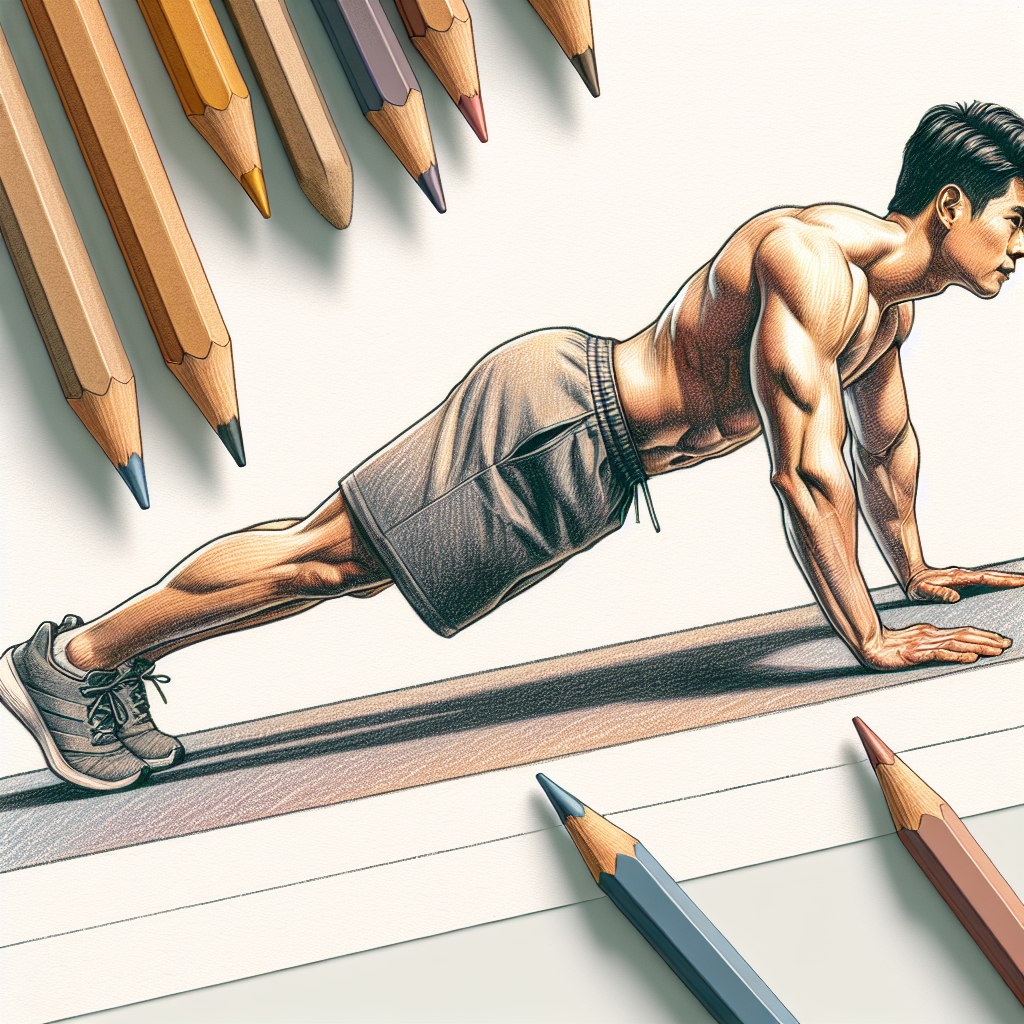
No-weights muscle building relies on exercises that utilize the body’s own weight as resistance. This method has gained popularity due to its accessibility; individuals can work out anywhere without needing a gym membership or equipment. Common bodyweight exercises include push-ups, squats, lunges, and planks, all of which can sculpt and strengthen various muscle groups effectively.

Benefits of Bodyweight Exercises

Engaging in a no-weights workout routine offers a variety of benefits, including:

  • Convenience: Bodyweight exercises require no equipment, allowing you to work out at home, in a park, or while traveling.
  • Flexibility: You can easily modify exercises to suit your fitness level or desired intensity, making workouts scalable.
  • Improved Functional Strength: These exercises often mimic daily activities, enhancing your ability to perform everyday tasks efficiently.
  • Increased Safety: The risk of injury is often lower without weights since bodyweight exercises typically involve movements that the body is already accustomed to.
  • Efficient Workouts: Short workouts can yield significant results, especially when focusing on high-intensity intervals.

No-Weights Muscle-Building Techniques

Several techniques can maximize muscle-building without weights, including:

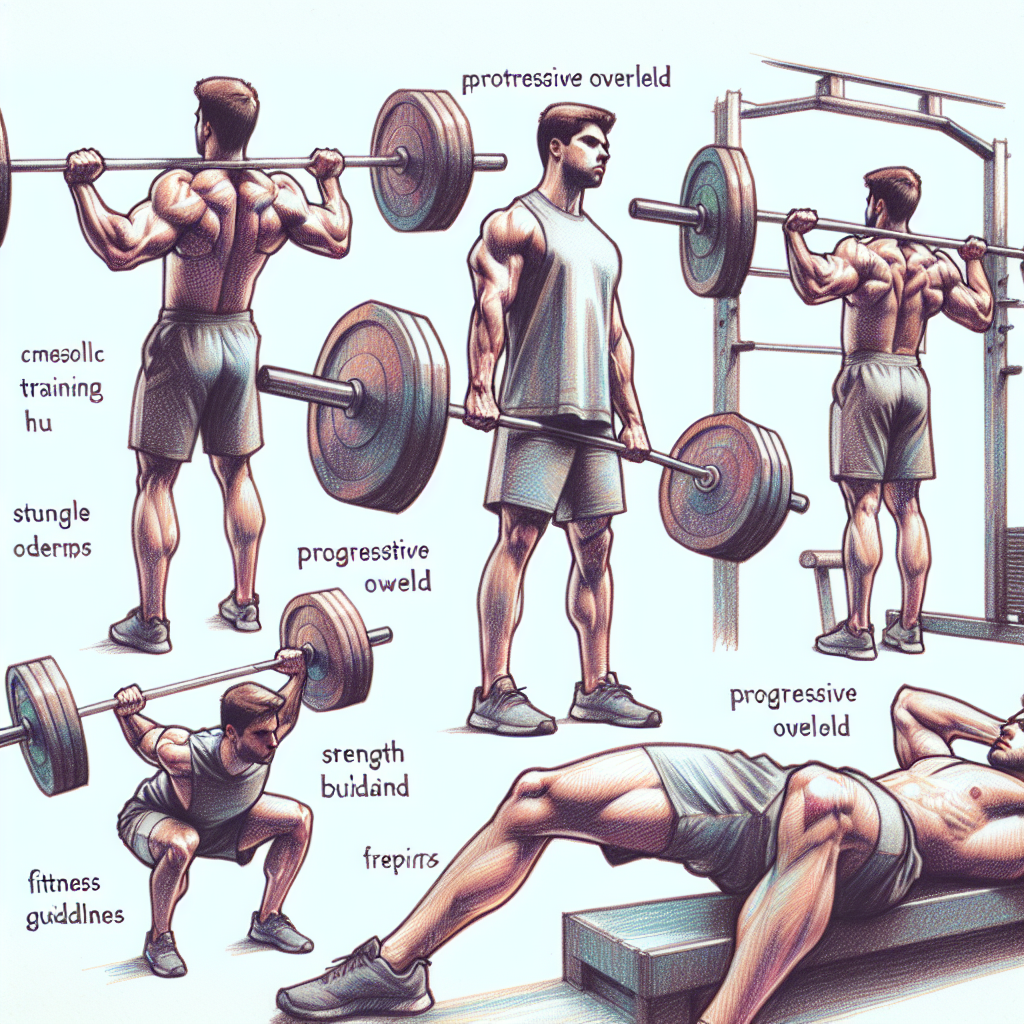
1. Progressive Overload

Even without weights, you can apply progressive overload by increasing the difficulty of exercises over time. This can be achieved through:

  • Performing additional repetitions
  • Reducing rest time between sets
  • Incorporating advanced variations (e.g., transitioning from regular push-ups to decline push-ups)

2. Compound Exercises

These exercises engage multiple muscle groups simultaneously, promoting overall strength. Examples include:

  • Plyometric push-ups
  • Burpees
  • Squats with jumps

3. Isometric Holds

Incorporating isometric holds into your routine can further enhance muscle endurance and growth. Examples include:

  • Wall sits
  • Plank holds
  • Glute bridges (holding the bridge position)

Creating Your Workout Plan

To maximize your muscle-building potential, consider implementing the following practical steps:

  1. Assess Your Fitness Level: Begin by evaluating your current abilities to tailor exercises effectively.
  2. Select Your Exercises: Choose a variety of exercises that target all major muscle groups.
  3. Plan Your Frequency: Aim for at least three to five sessions per week, allowing for rest and recovery.
  4. Set Goals: Establish clear, actionable goals based on increases in repetitions, time, and workout intensity.
  5. Track Progress: Maintain a log of your workouts to monitor improvements and adjust your routine as needed.
  6. Optional: Try a Short Program: For a structured approach, consider a 30-day exercise program where you work out just 6 minutes a day but achieve results akin to more extended gym sessions. Register for free here: 30-Day Exercise Program.

When to Consult a Professional

It is essential to consult a qualified health professional or fitness expert if you experience any of the following:

  • Persistent pain during or after workouts
  • Difficulty performing basic movements
  • Signs of overtraining, including fatigue and mood changes
  • Pre-existing health conditions that may be affected by physical activity
  • Uncertainty about your exercise technique or form

Common Myths and Misconceptions

When it comes to no-weights muscle building, several misconceptions may hinder progress:

Myth 1: Bodyweight Exercises Do Not Build Muscle

While using weights is traditionally viewed as the primary method for muscle building, bodyweight exercises can effectively stimulate muscle growth when performed with adequate intensity.

Myth 2: You Cannot Get a Complete Workout Without Weights

A comprehensive workout can be achieved through a well-rounded bodyweight routine that targets multiple muscle groups.

Myth 3: All No-Weights Programs Are Ineffective

Effectiveness is largely dependent on the structure of the program. Well-designed no-weights routines can yield substantial results.

Myth 4: Bodyweight Exercises Are Only for Beginners

Bodyweight workouts can be highly sophisticated and effective for individuals at any fitness level, including advanced athletes.

Myth 5: You Need to Spend Hours to Build Muscle

Focused and high-intensity workouts can produce significant results in a fraction of the time, proving that short but effective sessions are feasible.

FAQ

Can I build muscle with just bodyweight exercises?

Yes, bodyweight exercises can effectively build muscle by using your body weight as resistance and applying progressive overload.

How often should I work out without weights?

Aim for at least three to five sessions per week to promote muscle growth and overall fitness.

What are some effective bodyweight exercises for beginners?

Effective beginner exercises include squats, push-ups, lunges, and planks.

Is it necessary to follow a structured program for bodyweight training?

While a structured program can enhance results, you can also create a personalized routine based on your goals and fitness level.

How can I prevent injury while performing bodyweight exercises?

Focus on proper form and technique, start at your fitness level, and gradually increase intensity to avoid injury.

Can older adults safely engage in no-weights muscle building?

Yes, older adults can safely perform bodyweight exercises, but it is advisable to consult a healthcare professional before starting any exercise program.

Conclusion

  • No-weights muscle building is accessible and effective, allowing individuals to enhance their strength without traditional gym equipment.
  • Bodyweight exercises provide numerous benefits, including convenience, flexibility, and improved functional strength.
  • Employing techniques such as progressive overload and compound movements can maximize results.
  • Tracking progress and setting clear goals are crucial for sustaining motivation and achieving success.
  • For those interested in a structured approach, consider a short program that delivers substantial results in just minutes a day.

To embark on your fitness journey today, consider exploring the above strategies and enjoy the numerous benefits associated with no-weights muscle building.

Author: John Angel
Related articles

Categories
Fitness

Effective Muscle Building Workouts Without Equipment

Muscle Building Workout Without Equipment

In today’s fast-paced world, the pursuit of fitness often gets sidelined due to time constraints and access to gym facilities. However, building muscle is entirely feasible without traditional exercise equipment. Leveraging bodyweight exercises offers an effective solution for enhancing muscular strength and endurance. This article explores a comprehensive muscle-building workout utilizing your body, providing practical guidance to help you reach your fitness goals.

  • Understanding Bodyweight Training
  • The Physiology of Muscle Growth
  • Sample Bodyweight Exercises
  • Creating a Workout Routine
  • When to Consult a Professional
  • Common Misconceptions About Bodyweight Training
  • Frequently Asked Questions
  • Conclusion

Understanding Bodyweight Training

Bodyweight training involves exercises that utilize an individual’s own weight as resistance. This approach is versatile, making it accessible to everyone, regardless of fitness level. With no equipment required, bodyweight workouts can be performed in various settings—be it at home, in a park, or during travel. Additionally, these exercises cultivate not only strength but also flexibility, balance, and coordination.

The Physiology of Muscle Growth

To build muscle, it is essential to understand the underlying physiological processes. Muscle growth, or hypertrophy, occurs when muscle fibers sustain microscopic tears during resistance training. The body repairs these tears through a process called muscle protein synthesis, leading to stronger and larger muscle fibers. This adaptive response is driven by factors such as intensity, volume, and frequency of exercise.

The Role of Progressive Overload

For effective muscle building, progressive overload is crucial. This concept entails gradually increasing the demand placed on your muscles by adjusting the intensity or volume of your workouts. Bodyweight exercises can be modified through variations, increasing repetitions, or shortening rest periods to apply this principle.

Sample Bodyweight Exercises

Here are several effective bodyweight exercises that can contribute significantly to muscle building:

  • Push-Ups: Primarily targets the chest, shoulders, and triceps.
  • Squats: Engages the quadriceps, hamstrings, and glutes.
  • Plank: Strengthens the core, shoulders, and back.
  • Lunges: Works the legs and enhances balance.
  • Burpees: A full-body exercise that integrates cardio and strength.
  • Mountain Climbers: Combines core work with cardiovascular conditioning.

Creating a Workout Routine

To facilitate muscle growth, it is essential to establish a structured workout routine. Below are steps to create an effective bodyweight workout plan:

  1. Determine Frequency: Aim for 3-4 sessions per week to promote recovery and growth.
  2. Select Exercises: Choose a variety of exercises targeting different muscle groups.
  3. Set Repetitions and Sets: Aim for 3-4 sets of 8-12 repetitions for each exercise.
  4. Include Rest Days: Allow at least one rest day between workouts focusing on the same muscle groups.
  5. Track Progress: Maintain a log to monitor your exercises and adaptations over time.
  6. Explore the 30-Day Program: For additional results, consider registering for a free 30-day exercise program that only requires 6 minutes of commitment daily yet delivers results akin to traditional gym workouts. Join here.

When to Consult a Professional

While bodyweight training is generally safe, there are specific circumstances where consulting a fitness professional or medical provider is advisable:

  • If you experience persistent pain or discomfort during exercise.
  • In cases of prior injuries or chronic conditions that may affect your ability to exercise.
  • When uncertainty arises regarding proper form or technique for exercises.
  • If you wish to develop a tailored fitness regimen that accommodates your unique needs.

Common Misconceptions About Bodyweight Training

Numerous myths surround bodyweight training that can deter individuals from embracing this effective fitness method. Below are some commonly held misconceptions:

  • Myth 1: Bodyweight exercises are insufficient for building muscle. Fact: With the right intensity and variations, bodyweight training can effectively stimulate muscle hypertrophy.
  • Myth 2: Bodyweight workouts are only for beginners. Fact: Individuals of all fitness levels can benefit from bodyweight exercises through progressive overload and advanced variations.
  • Myth 3: You cannot achieve a full-body workout with bodyweight alone. Fact: A well-structured bodyweight program can thoroughly engage all major muscle groups.
  • Myth 4: Flexibility is not addressed with bodyweight training. Fact: Many bodyweight exercises enhance flexibility and mobility.

Frequently Asked Questions

Can I really build muscle without weights?

Yes, bodyweight training can effectively promote muscle growth through resistance and progressive overload.

How often should I do bodyweight workouts for muscle building?

3-4 times per week is generally effective, allowing for muscle recovery and growth.

Are bodyweight exercises safe for everyone?

Most individuals can safely perform bodyweight exercises, but those with pre-existing conditions should consult a professional.

How long will it take to see results?

Results vary based on individual factors, but consistent effort typically yields visible improvements within a few weeks.

Can I combine bodyweight workouts with other forms of exercise?

Yes, combining bodyweight training with cardio and flexibility exercises creates a balanced fitness regimen.

What if I can’t perform certain exercises?

Modify the exercises or substitute them with alternatives that suit your fitness level or any physical limitations.

Conclusion

  • Bodyweight training is an effective method for muscle building and requires no equipment.
  • Understanding the principles of muscle hypertrophy is crucial for proper training.
  • Creating a structured routine enhances progress and ensures workout efficiency.
  • Consult professionals when experiencing pain or uncertainty regarding exercise.
  • Address misconceptions to fully leverage the benefits of bodyweight workouts.

Start utilizing bodyweight exercises today to embark on your fitness journey, and consider registering for the free 30-day exercise program to maximize your results with just six minutes of daily exercise. Click here to join!

Author: John Angel

Related articles

Categories
Fitness

Effective Ways to Build Muscle Without Equipment at Home

Building muscle without equipment is not only achievable but can also be highly effective. This approach requires a mix of bodyweight exercises and smart strategies to maximize resistance and ensure progressive overload. With the right techniques, you can develop strength, endurance, and muscle definition—right from the comfort of your home. This article will guide you through practical steps to build muscle without the need for gym equipment.

  • Understanding Bodyweight Exercises
  • The Importance of Progressive Overload
  • Effective Bodyweight Exercises
  • Creating a Workout Routine
  • Common Myths and Misconceptions
  • When to Consult a Professional
  • Frequently Asked Questions

Understanding Bodyweight Exercises

Bodyweight exercises utilize your own weight as resistance, eliminating the need for external equipment. Movements such as push-ups, squats, and planks can effectively target various muscle groups, providing a comprehensive workout. The beauty of bodyweight training lies in its versatility—these exercises can be performed anywhere and tailored to fit different fitness levels.

The Importance of Progressive Overload

To build muscle, you must consistently challenge your muscles through progressive overload. This principle involves gradually increasing resistance, duration, or intensity of exercises. In bodyweight training, you can achieve overload by:

  • Altering your body position to increase leverage
  • Incorporating slow and controlled movements
  • Increasing the number of repetitions
  • Adding variations to exercises

Effective Bodyweight Exercises

Below are several effective bodyweight exercises you can start incorporating into your routine:

  • Push-ups: Great for the chest, shoulders, and triceps. Consider variations such as incline or decline push-ups for added intensity.
  • Squats: Target the quadriceps, hamstrings, and glutes. Add plyometric movements like jump squats for extra challenge.
  • Planks: Excellent for core stability. Experiment with side planks and plank variations to engage different muscles.
  • Lunges: Improve lower body strength. Try forward, backward, or lateral lunges for variety.
  • Burpees: This full-body exercise builds endurance and strength simultaneously.

Creating a Workout Routine

To effectively build muscle without equipment, structure your workouts with the following steps:

  1. Start with a warm-up to prepare your muscles and prevent injury. Incorporate dynamic stretches and light aerobic movements.
  2. Select 3-5 bodyweight exercises that target different muscle groups.
  3. Perform 3-4 sets of each exercise, aiming for 8-15 repetitions based on your comfort level.
  4. Allow 1-2 minutes of rest between sets to recover.
  5. Conclude with a cool down that includes static stretching to promote flexibility and recovery.

For those seeking a convenient program, consider registering for a 30-day exercise program that requires only six minutes of daily exercise aimed at achieving results analogous to regular gym workouts.

Common Myths and Misconceptions

Many misconceptions surround muscle building without equipment. Here are a few debunked:

  • Myth: You cannot build muscle without weights.
  • Fact: Bodyweight exercises can effectively build muscle through increased resistance and intensity.
  • Myth: More repetitions are always better for muscle growth.
  • Fact: Progressive overload is key; quality over quantity is crucial.
  • Myth: Only gym-goers can achieve a toned physique.
  • Fact: Consistent bodyweight training can yield impressive results.

When to Consult a Professional

While bodyweight training is generally safe, there are instances where professional consultation may be warranted:

  • If you experience persistent pain or discomfort during exercises
  • When facing challenges in establishing an effective workout routine
  • If you have pre-existing health conditions or concerns about your fitness level
  • When aiming for specific goals that require personalized guidance

Frequently Asked Questions

Can I build muscle without any gym equipment?

Yes, bodyweight exercises can effectively build muscle using your body weight as resistance.

How often should I perform bodyweight exercises?

It is generally recommended to exercise 3-5 times a week, allowing muscle recovery time between sessions.

What is the best way to progress in bodyweight training?

Incorporate variations to increase resistance, increase repetitions, and focus on proper form to enhance difficulty.

Is it necessary to warm up before exercising?

Yes, warm-ups help prepare your muscles and reduce the risk of injury, making them critical to any routine.

Are there specific diets I should follow to build muscle?

A balanced diet rich in protein, healthy fats, and carbohydrates will support muscle growth and recovery.

Can beginners practice bodyweight exercises?

Absolutely! Bodyweight exercises can be easily modified to accommodate all fitness levels, making them ideal for beginners.

Conclusion

  • Bodyweight exercises can effectively build muscle without the need for equipment.
  • Implementing the principle of progressive overload is essential for muscle growth.
  • Structure your workouts to optimize effectiveness and ensure muscle engagement.
  • While myths exist, consistent training can yield significant results akin to gym workouts.
  • Always consider professional guidance if you experience persistent issues or have specific fitness goals.

If you’re ready to start your journey toward building muscle without equipment, consider registering for a free 30-day exercise program that requires only six minutes each day and promises results similar to those achieved at the gym.

Author: John Angel

Related articles

Categories
Fitness

Effective At-Home Muscle Building Without Equipment

In an age where gym memberships often come with hefty fees and time commitments, an at-home muscle-building workout without equipment represents a revolutionary approach to fitness. These bodyweight exercises not only facilitate strength gains but also enhance flexibility and endurance. Most importantly, they offer the convenience of fitting into your daily routine, requiring minimal time and resources while still delivering significant results.

  • Introduction
  • Benefits of Bodyweight Training
  • Essential Bodyweight Exercises
  • Structuring Your Workout Routine
  • Common Myths and Misconceptions
  • When to Seek Professional Guidance
  • FAQ
  • Conclusion

Benefits of Bodyweight Training

Bodyweight training offers numerous advantages that make it an appealing option for all fitness levels. Firstly, it promotes muscle growth similarly to traditional weightlifting, as long as you progressively increase the difficulty of the movements over time. Secondly, it significantly enhances functional strength, which translates directly to everyday activities. Furthermore, bodyweight exercises engage multiple muscle groups, thus providing a full-body workout and improving coordination and balance.

Essential Bodyweight Exercises

Incorporating a variety of bodyweight exercises into your workout routine is crucial. Here are some foundational movements that can effectively build strength:

  • Push-Ups: Target the chest, shoulders, and triceps.
  • Squats: Focus on the quadriceps, hamstrings, and glutes.
  • Lunges: Work the legs and core while improving balance.
  • Planks: Engage the core and enhance stabilization.
  • Burpees: A full-body exercise that boosts endurance.

Structuring Your Workout Routine

Designing a workout routine at home without equipment involves careful planning. Here’s how to structure it:

  1. Warm-Up: Always begin with a 5-minute warm-up to prepare your joints and muscles. Activities can include jogging in place, arm circles, and dynamic stretches.
  2. Select Exercises: Choose at least four different bodyweight exercises from the list provided and alternate them.
  3. Set Duration: Aim for 20-30 seconds of activity followed by 10-15 seconds of rest for each exercise.
  4. Repeat: Complete 3-4 rounds of your selected exercises.
  5. Cool Down: End with a cool-down involving static stretches to promote flexibility and recovery.

For those looking for an efficient way to train, consider registering for a 30-day exercise program that requires only 6 minutes of daily commitment but promises results comparable to traditional gym workouts.

Common Myths and Misconceptions

Despite their effectiveness, many misconceptions surround bodyweight training. Addressing these can help you stay focused on your fitness journey:

  • Myth 1: Bodyweight exercises are not challenging enough for muscle building. While they may seem simple, variations and progressions significantly enhance their difficulty.
  • Myth 2: You can’t build muscle without weights. Strength can be developed through bodyweight training as long as one incorporates progressive overload.
  • Myth 3: All bodyweight exercises are safe for everyone. It is essential to use proper form and technique to avoid injury.

When to Seek Professional Guidance

While bodyweight exercises can be beneficial, there are circumstances in which consulting with a qualified fitness professional is advisable:

  • Should you experience persistent joint pain or discomfort during exercises.
  • If you have pre-existing medical conditions or injuries that could be aggravated by activity.
  • When you are unsure about proper form or technique, leading to the risk of injury.

Frequently Asked Questions

Can I build muscle with just bodyweight exercises?

Yes, bodyweight exercises can effectively build muscle, especially when acknowledging progressive overload and incorporating varied movements.

How often should I perform bodyweight workouts for muscle building?

It is generally recommended to perform bodyweight workouts 3-4 times a week, allowing adequate rest for muscle recovery.

Are bodyweight exercises safe for beginners?

Yes, they are suitable for beginners, as they allow for gradual progression and can be tailored to fit individual fitness levels.

Do I need a lot of space to perform these exercises?

No, bodyweight exercises can be performed in small spaces, making them ideal for at-home workouts.

Can I combine bodyweight exercises with other forms of training?

Absolutely, combining bodyweight training with other forms of exercise, such as cardio or flexibility work, can enhance overall fitness.

How long does it take to see results with bodyweight training?

Results can vary based on consistency and intensity, but many individuals notice improvements in strength and muscle tone within a few weeks.

Conclusion

  • Bodyweight exercises provide effective muscle-building opportunities without any equipment.
  • Variety in exercise selection contributes to a well-rounded workout regime.
  • Progressive overload is essential for continued muscle growth and strength development.
  • Proper technique is crucial for avoiding injury and ensuring effective workouts.
  • Consulting a professional may be beneficial in certain circumstances for optimal safety and results.

Begin your fitness journey today by experimenting with bodyweight exercises, and consider signing up for a 30-day exercise program designed for maximum results in minimal time. Your health and fitness deserve the investment!

Author: John Angel

Related articles

Categories
Fitness

Effective Bodyweight Exercises for Muscle Building

Introduction

The ability to develop increased muscle strength without the need for weights is a valuable skill, especially for those with limited access to gym facilities or equipment. Bodyweight exercises not only enhance muscle hypertrophy but also improve functional strength, coordination, and overall fitness. This article explores various effective bodyweight exercises designed to build muscle, offering a practical guide to achieve results comparable to traditional weightlifting.

  • Understanding Bodyweight Exercises
  • The Importance of Progressive Overload
  • Key Bodyweight Exercises for Muscle Growth
  • Sample Workout Routine
  • When to Consult a Professional
  • Common Myths About Bodyweight Training
  • Frequently Asked Questions
  • Conclusion

Understanding Bodyweight Exercises

Bodyweight exercises utilize the individual’s own weight as resistance, making them accessible and versatile. They can be performed anywhere, making them especially ideal for those who prefer at-home workouts. These exercises engage multiple muscle groups, promoting not only strength but also stability and coordination.

The Importance of Progressive Overload

Progressive overload is fundamental to muscle growth. This principle asserts that to increase muscle size and strength, one must gradually increase the weight, frequency, or intensity of exercises. In the context of bodyweight training, this can be achieved by manipulating variables such as exercise duration, movement complexity, and rest intervals.

Key Bodyweight Exercises for Muscle Growth

Below are several effective bodyweight exercises that target various muscle groups, promoting overall strength and hypertrophy:

  • Push-Ups: An excellent exercise for the chest, shoulders, and triceps. Variants such as wide-grip, diamond, and decline push-ups can enhance muscle engagement.
  • Squats: Targeting the quadriceps, hamstrings, and glutes, bodyweight squats can be intensified with variations like jump squats or single-leg squats.
  • Lunges: This movement develops lower body strength while also enhancing balance. Incorporate forward, backward, and lateral lunges for comprehensive training.
  • Planks: While primarily a core exercise, planks also engage various muscle groups. Incorporate side planks or plank variations to increase difficulty.
  • Pull-Ups or Chin-Ups: These exercises mainly target the back and biceps. They require a sturdy overhead bar, but can be executed using bands for assistance.

Sample Workout Routine

Here is a concise routine that can be performed daily or several times a week, designed to build muscle effectively in just six minutes:

  1. Warm-up (1 minute): Jumping jacks or high knees to elevate heart rate.
  2. Push-Ups (1 minute): Perform as many quality reps as possible.
  3. Bodyweight Squats (1 minute): Focus on form, aiming for depth.
  4. Planks (1 minute): Hold a plank position, activating the core.
  5. Lunges (1 minute): Alternate legs, ensuring proper knee alignment.
  6. Cool Down (1 minute): Stretch major muscle groups, focusing on breath.

For those seeking a structured program, consider participating in a 30-day exercise program that only requires six minutes of daily training to yield significant results.

When to Consult a Professional

While bodyweight exercises can benefit most individuals, consulting a fitness professional is advisable if you experience ongoing pain, have pre-existing injuries, or feel uncertain about exercise techniques. A qualified trainer can provide personalized guidance and ensure that your workouts are safe and effective.

Common Myths About Bodyweight Training

Several misconceptions surround bodyweight training, leading to misunderstandings about its effectiveness:

  • Myth 1: Bodyweight exercises are less effective than weightlifting. In reality, they can build muscle effectively with proper technique and progression.
  • Myth 2: Only beginners can benefit from bodyweight exercises. Individuals at all fitness levels can adjust difficulty and intensity.
  • Myth 3: Bodyweight training does not offer substantial strength improvements. Consistent practice with progressive overload can yield significant strength gains.

Frequently Asked Questions

Can I build muscle without weights?

Yes, bodyweight exercises can effectively build muscle strength and mass when performed with proper intensity and progression.

How many times a week should I do bodyweight exercises?

For optimal results, aim for a minimum of three times a week, allowing adequate recovery between sessions.

Are there any limitations to bodyweight training?

While bodyweight training provides numerous benefits, it may be challenging to target specific muscle groups as effectively as with weights when advanced levels are reached.

Do I need to warm-up before bodyweight training?

Yes, warming up is essential to prevent injury and prepare your muscles for the workout. A brief session of dynamic movements is ideal.

Can bodyweight training help with weight loss?

Yes, bodyweight exercises can contribute to weight loss when combined with a balanced diet and cardiovascular activities.

How can I progress my bodyweight exercises?

Increase challenge by adding repetitions, reducing rest times, or introducing advanced variations of each exercise.

Conclusion

  • Bodyweight exercises are highly effective for building muscle without weights.
  • Progressive overload is crucial for achieving muscle hypertrophy.
  • A variety of exercises work different muscle groups, fostering overall strength.
  • Consult professionals when uncertain about techniques or dealing with injuries.
  • Dispelling myths about bodyweight training can help enhance workout efficacy.

Embark on your journey to strength and fitness today by exploring this 30-day exercise program, designed for busy individuals seeking results in just six minutes a day.

Author: John Angel

Related articles

Categories
Fitness

Effective Muscle Building Workouts Without Equipment

Introduction

Building muscle without equipment is not only feasible but also highly effective for individuals seeking convenience and flexibility in their fitness routines. This no-equipment muscle-building workout allows you to strengthen your body using your own weight, making it a cost-effective option for anyone from busy professionals to stay-at-home parents. Additionally, it can easily be tailored to your individual fitness level. This article will cover practical exercises, methods for structuring your workouts, and offer insights into when to seek professional advice.

  • Understanding Bodyweight Exercises
  • Full-Body Workout Routine
  • Structuring Your Workouts
  • When to Consult a Professional
  • Common Myths and Mistakes
  • FAQs
  • Conclusion and Call to Action

Understanding Bodyweight Exercises

Bodyweight exercises use the weight of your own body to create resistance against gravity, making them an excellent method for muscle building. These exercises can enhance strength, endurance, and balance, offering a holistic approach to fitness. Common bodyweight exercises include push-ups, squats, lunges, and planks. Each of these not only targets specific muscle groups but also engages multiple muscles, resulting in effective full-body workouts.

Full-Body Workout Routine

Incorporating a variety of exercises helps ensure balanced development across all muscle groups. Here is a sample full-body workout that you can perform without any equipment:

  1. Push-Ups: 3 sets of 10-15 repetitions
  2. Bodyweight Squats: 3 sets of 15-20 repetitions
  3. Planks: Hold for 30-60 seconds, 3 times
  4. Burpees: 3 sets of 10 repetitions
  5. Lunges: 3 sets of 10 repetitions per leg
  6. Mountain Climbers: 3 sets of 15-20 repetitions

For a tailored program that requires only 6 minutes a day yet yields impressive results, consider signing up for a free 30-day exercise program here: Free 30-Day Exercise Program.

Structuring Your Workouts

Creating a solid routine is key to achieving muscle-building goals. Here are some tips on how to structure your workouts effectively:

  • Frequency: Aim for at least 3-4 sessions per week.
  • Warm-Up: Always start with 5-10 minutes of light cardio and dynamic stretching to prepare your muscles.
  • Progressive Overload: Gradually increase the difficulty of exercises by adding more repetitions or decreasing rest time.
  • Rest: Allow muscle groups to recover by incorporating rest days between workouts targeting the same muscles.
  • Variety: Change up your exercises every few weeks to prevent plateaus and maintain motivation.

When to Consult a Professional

While bodyweight workouts can be highly effective, certain indicators may suggest it’s time to seek guidance from a qualified fitness professional:

  • If you experience persistent pain or discomfort while exercising.
  • When unsure about proper form and technique for exercises.
  • If your fitness progress stalls despite following a structured program.
  • In cases of pre-existing medical conditions that may interfere with physical activity.

Common Myths and Mistakes

Numerous misconceptions can hinder progress in muscle building without equipment. It is vital to be aware of these common myths:

  • Myth 1: Bodyweight exercises are not effective for muscle building. Fact: They can be highly effective when performed correctly and with intensity.
  • Myth 2: Muscle building requires heavy weights. Fact: Progressive overload can be achieved through variations in bodyweight exercises.
  • Myth 3: You need a gym to build muscle. Fact: Consistency with bodyweight exercises can yield impressive results.
  • Mistake 1: Rushing through repetitions without focusing on form.
  • Mistake 2: Not allowing adequate rest between workouts targeting the same muscle groups.

FAQs

What are some effective bodyweight exercises for beginners?

Effective beginner exercises include push-ups, squats, lunges, and planks. Start with lower repetitions and focus on technique.

Can I build muscle just with bodyweight exercises?

Yes, bodyweight exercises can effectively build muscle when performed consistently and with progressive overload.

How often should I do bodyweight workouts?

Aim to perform bodyweight workouts 3-4 times per week to allow for muscle recovery.

Are bodyweight workouts suitable for weight loss?

Yes, bodyweight workouts can aid in weight loss when combined with proper nutrition and an active lifestyle.

What should I do if I hit a plateau?

To overcome a plateau, change your workout routine, increase repetitions, or reduce rest times.

Can I incorporate bodyweight exercises into my existing fitness routine?

Absolutely! Bodyweight exercises can complement other forms of exercise and enhance overall fitness.

Conclusion

  • No-equipment workouts can effectively build muscle and improve overall fitness.
  • Bodyweight exercises target multiple muscle groups and can be performed anywhere.
  • Structuring workouts for consistency and incorporating progressive overload is crucial.
  • Consult a professional if you experience pain or are unsure about your workout techniques.
  • Understanding common myths can enhance your workout experience and efficacy.

Embarking on a journey of muscle building without equipment offers a unique blend of convenience and effectiveness. Start integrating bodyweight exercises into your routine today, and for an innovative approach that requires only 6 minutes a day, consider signing up for a free 30-day exercise program here: Free 30-Day Exercise Program.

Author: John Angel

Related articles

Categories
Fitness

Effective Weight Training Program for Weight Loss Success

Introduction

Embarking on a weight loss journey often feels daunting, especially when navigating the myriad of workout programs available. One highly effective approach is incorporating weight training into your routine. This article explores a structured weight training workout program that can be seamlessly integrated into your life, maximizing benefits while fitting into your busy schedule. The emphasis will be on how short, six-minute workouts at home can yield transformative results, making each moment count towards your fitness goals.

  • The Benefits of Weight Training for Weight Loss
  • Creating an Effective Weight Training Program
  • How to Perform Six-Minute Workouts at Home
  • Common Myths About Weight Training
  • When to Consult a Professional
  • FAQs
  • Conclusion

The Benefits of Weight Training for Weight Loss

Weight training offers unparalleled advantages for those on a weight loss journey. Unlike traditional cardio, incorporating resistance exercises can elevate your metabolic rate, allowing your body to burn calories more efficiently even after the workout has concluded. Furthermore, muscle tissue burns more calories at rest than fat tissue, meaning the more muscle you develop, the more your body can naturally support weight loss.

Moreover, consistent weight training enhances overall strength, improves bone density, and has been linked to better mood regulation through the release of endorphins, significantly impacting long-term adherence to fitness routines.

Creating an Effective Weight Training Program

Designing an effective weight training program requires understanding the key components of strength training. Here’s how to create your personalized plan:

  • Set Clear Goals: Define your weight loss targets, whether it’s losing a specific amount of weight or reducing body fat percentage.
  • Select Exercises: Choose compound movements like squats, deadlifts, and bench presses that engage multiple muscle groups.
  • Establish Frequency: Aim for 3-4 sessions per week, integrating rest days to promote muscle recovery.
  • Utilize Progressive Overload: Gradually increase weights or reps over time to continuously challenge your muscles.
  • Incorporate Flexibility: Include warm-ups and cool-downs to prevent injury and improve mobility.

How to Perform Six-Minute Workouts at Home

The allure of six-minute workouts lies in their efficiency and flexibility, making it possible to integrate fitness into even the busiest of days. Here’s how to maximize six-minute workout sessions:

  1. Warm-Up: Spend the first minute engaging in dynamic movements like high knees or arm circles to prepare your body.
  2. Select Key Exercises: Choose 2-3 exercises that target different muscle groups; for instance, push-ups, squats, and lunges.
  3. Time Your Sets: Dedicate one minute to each exercise, performing as many quality repetitions as possible.
  4. Rest Efficiently: Take 10-15 seconds of rest between exercises to recover, allowing you to maximize your effort.
  5. Cool Down: Use the final minute to perform stretching exercises, improving flexibility and reducing soreness.

To kickstart your journey, consider registering for a free 30-day trial of the SixPack workout program, perfect for those looking to explore this approach.

Common Myths About Weight Training

Despite its advantages, numerous myths surround weight training that may deter individuals from exploring its potential. Here are some common misconceptions:

  • Myth 1: Weight training is only for bodybuilders.
  • In reality, weight training is suitable for all fitness levels and can enhance overall health, not just build muscle mass.

  • Myth 2: Lifting weights will make women bulky.
  • Women lack the testosterone levels necessary to achieve significant muscle bulk, instead developing toned muscles and a lean appearance.

  • Myth 3: Cardio is more important for weight loss.
  • While cardio is beneficial, weight training plays a critical role in maintaining muscle mass during weight loss.

When to Consult a Professional

While many can benefit from self-guided training, certain instances warrant consulting a healthcare or fitness professional:

  • If you experience consistent pain or discomfort during exercises.
  • If you lack knowledge about proper form and techniques to prevent injury.
  • If you have existing health conditions that may influence your workout capabilities.
  • When seeking tailored guidance to meet specific fitness or weight loss goals.

FAQs

What are the best exercises for beginners in weight training?

Beginners should focus on compound movements such as squats, push-ups, and rows, which engage multiple muscle groups and build a strong foundation.

How often should I engage in weight training for weight loss?

Aiming for 3-4 sessions per week is ideal, allowing your body adequate time for recovery between workouts.

Can I lose weight without lifting heavy weights?

Absolutely! You can use lighter weights and perform more repetitions to achieve weight loss while still benefiting from resistance training.

What should I eat before a weight training session?

A small meal or snack containing both protein and carbohydrates, such as a banana with peanut butter, can provide fuel for your workout.

Is weight training safe for older adults?

Yes, weight training can enhance muscle mass and strength in older adults, reducing the risk of injury and improving balance.

How long will it take to see results from weight training?

Results can vary, but many individuals notice improvements in strength and overall fitness within a few weeks of consistent training.

Conclusion

  • Weight training offers unique benefits for those on a weight loss journey, including increased metabolism and improved mood.
  • Creating an effective program involves setting clear goals and employing progressive overload.
  • Six-minute workouts at home can fit into any schedule, making exercise accessible to everyone.
  • Dispelling common myths can encourage more individuals to incorporate strength training into their routines.
  • Professional guidance ensures safe and effective training, tailored to individual needs.

To truly experience the convenience and effectiveness of short workouts, consider joining the SixPack workout program for free. Embrace the transformation on your weight loss journey today!

Author: John Angel

Related articles

Website analytics information

We use Google Analytics 4 for visitor statistics. Analytics cookies require your consent, which you can change using the button above. The data controller is ZDRAVÍ S ÚSMĚVEM s.r.o., company ID 29283329, contact podpora@revolucnicviceni.cz. Google processes browser, device and page visit information. We do not send form field values to Analytics. How Google uses information · Google Privacy Policy.