Categories
Fitness

Effective Strength Exercises at Home Without Equipment

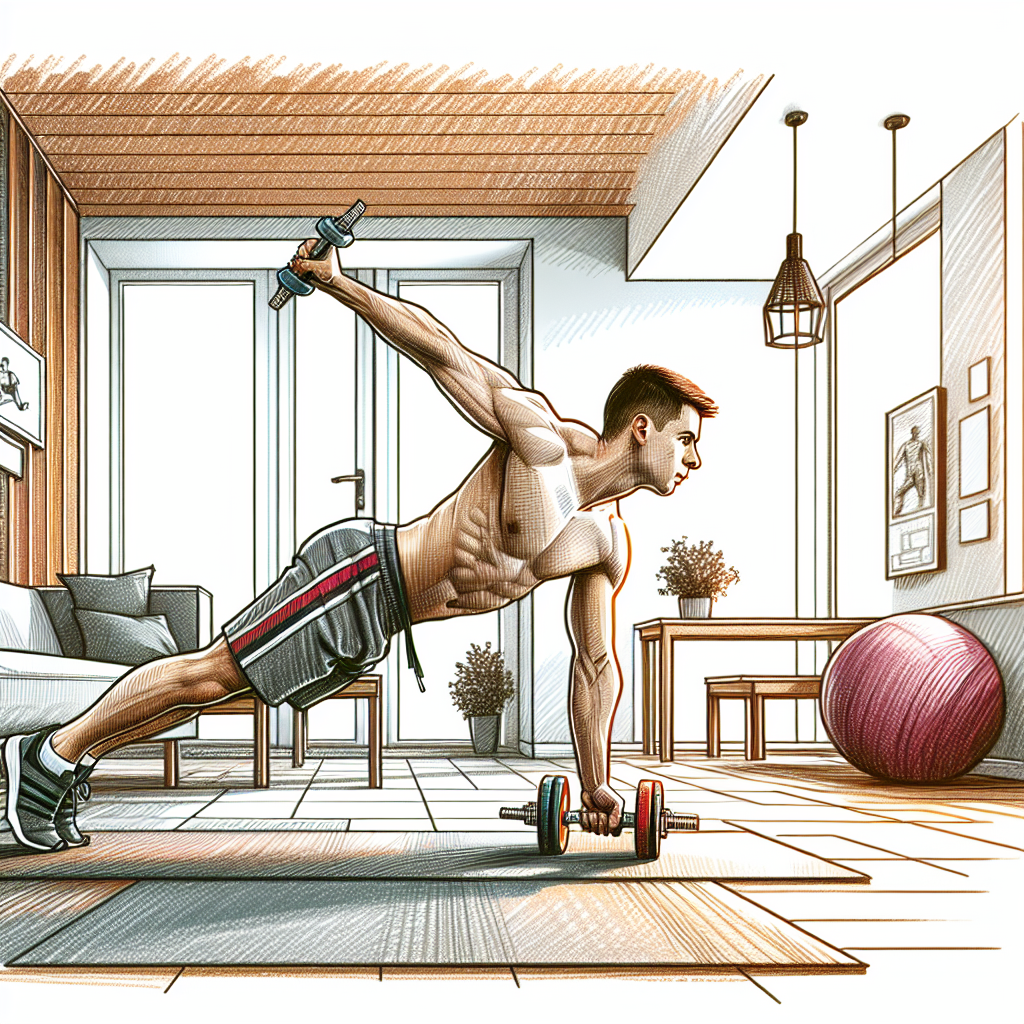
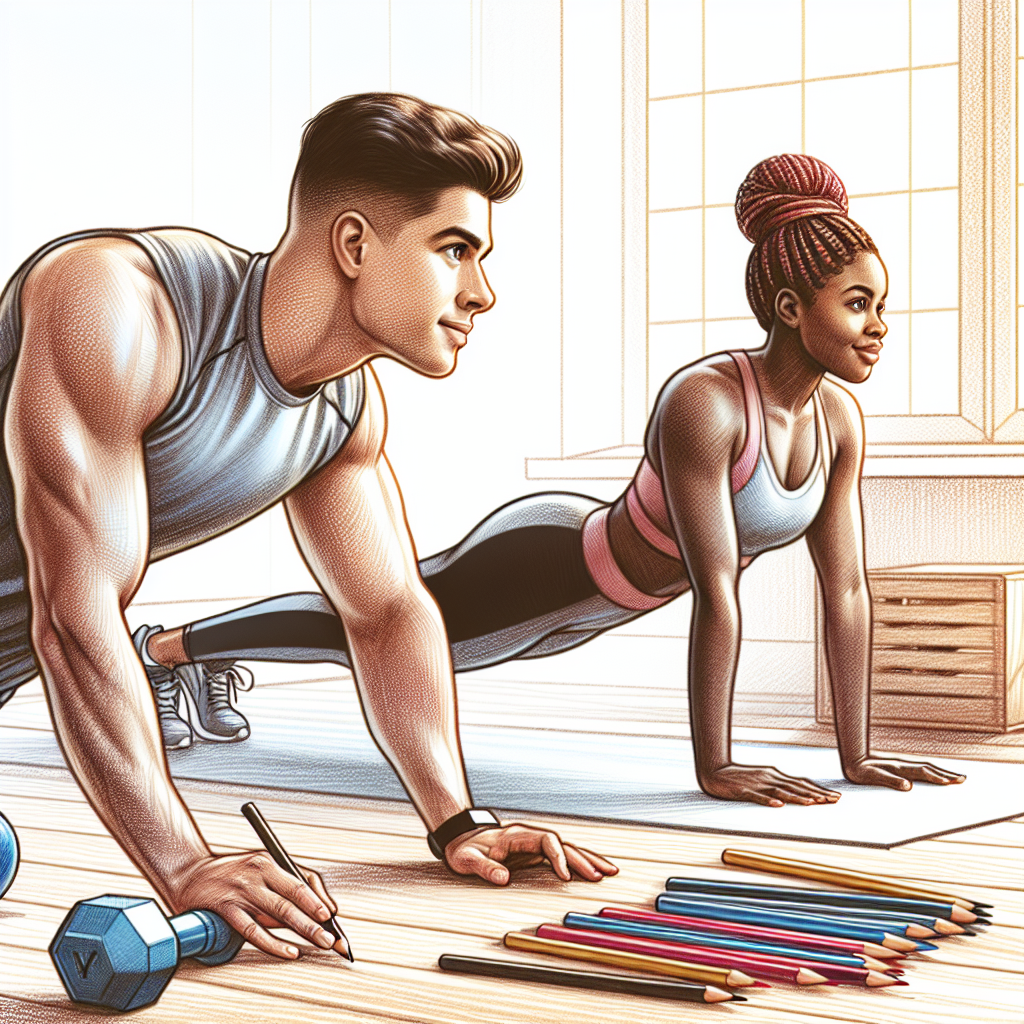
In today’s fast-paced world, maintaining physical fitness can be a challenge, especially for those with busy schedules or limited access to gym facilities. However, engaging in strength exercises at home without equipment offers a practical solution, allowing individuals to improve their muscular strength and endurance while saving time and money. This article explores various effective exercises, the benefits of a home workout routine, and practical guidance on how to get started.

  • Introduction
  • Benefits of Home Strength Training
  • Selecting the Right Exercises
  • Sample Strength Training Routine
  • When to Consult a Professional
  • Myths and Misconceptions
  • Frequently Asked Questions
  • Conclusion

Benefits of Home Strength Training

Exercising at home without equipment comes with several advantages:

  • Convenience: No need to travel to a gym, allowing for more flexible scheduling.
  • Cost-effectiveness: Eliminates gym membership fees or equipment purchases.
  • Privacy: Provides a comfortable environment to exercise without distractions or judgments.
  • Customization: Allows for personalized routines tailored to individual fitness levels and goals.

Selecting the Right Exercises

Choosing effective bodyweight exercises is crucial for engaging multiple muscle groups. Here are key exercises to consider:

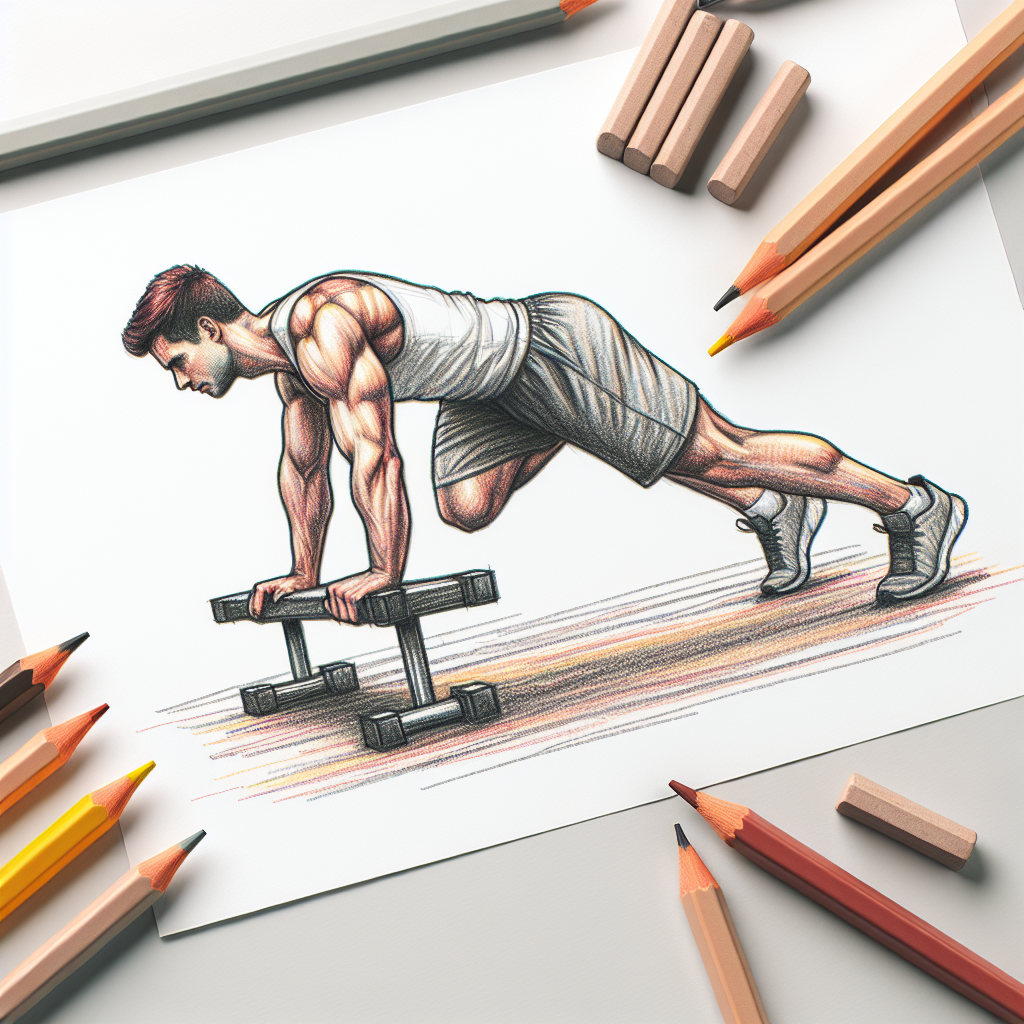
  • Push-ups: Targets the chest, shoulders, and triceps.
  • Squats: Engages the quads, hamstrings, and glutes.
  • Lunges: Works the lower body while improving balance.
  • Planks: Strengthens the core and stabilizes the body.
  • Burpees: A full-body workout that enhances cardiovascular endurance.

Sample Strength Training Routine

Here’s a simple 20-minute workout routine that requires no equipment:

  1. Warm-up: 5 minutes of dynamic stretching (arm circles, leg swings).
  2. Push-ups: 3 sets of 10-15 repetitions.
  3. Squats: 3 sets of 15-20 repetitions.
  4. Lunges: 3 sets of 10 repetitions per leg.
  5. Plank: 3 sets, holding for 30-60 seconds.
  6. Burpees: 3 sets of 5-10 repetitions.
  7. Cool down: 5 minutes of stretching focusing on major muscle groups.

This routine can be performed 3-4 times a week for optimal results. For those seeking an efficient daily exercise program, consider registering for a free 30-day exercise program that requires just 6 minutes of your day, delivering results comparable to a trip to the gym.

When to Consult a Professional

While exercising at home can be beneficial, certain circumstances may necessitate professional advice:

  • Experiencing persistent pain or discomfort during exercise.
  • Having pre-existing medical conditions or injuries that could be aggravated by physical activity.
  • Uncertainty about proper techniques, leading to the risk of injury.
  • Lack of progress despite consistent effort and adherence to routines.

Myths and Misconceptions about Bodyweight Exercises

Several common myths surround home strength training:

  • Myth: Bodyweight exercises are not effective. Bodyweight training can build muscle and improve strength just as effectively as weightlifting when performed correctly.
  • Myth: You need equipment for a complete workout. Resistance can be created using just one’s body, making any space suitable for a workout.
  • Myth: Only high-intensity workouts are beneficial. Even moderate exercises can yield significant benefits, especially for beginners.
  • Myth: Home workouts are less motivating. Setting personal goals and routines can foster a motivating environment at home.

Frequently Asked Questions

What is the best time to perform strength training at home?

The best time to workout is whenever it fits your schedule, ensuring you can remain consistent.

How often should I do strength exercises at home?

Engaging in strength exercises 3-4 times per week is generally recommended for optimal muscle development.

Are bodyweight exercises suitable for beginners?

Yes, bodyweight exercises are excellent for beginners as they can be modified to suit various fitness levels.

Is it necessary to warm up before starting my routine?

A warm-up is essential to prepare your muscles and joints, reducing the risk of injury.

Can I lose weight by doing strength exercises at home?

Incorporating strength training into a balanced diet can aid in weight loss by increasing muscle mass and metabolism.

How long should my workout sessions be?

Even short, focused sessions of 20-30 minutes can be effective if done consistently.

Conclusion

  • Strength exercises can be effectively performed at home without equipment.
  • Home workouts provide flexibility, cost savings, and privacy.
  • A variety of bodyweight exercises can engage multiple muscle groups.
  • Consult a professional if experiencing pain or uncertainty regarding exercise techniques.
  • Myths about home strength training can be clarified through research and experience.

Ready to start your strength training journey? Consider incorporating these exercises into your routine, and explore the free 30-day exercise program that only requires six minutes each day for impressive results!

Author: John Angel

Related articles

Categories
Fitness

Effective No-Equipment Training Program for Home Workouts

In today’s fast-paced world, finding time to stay fit can be a challenge, especially when the gym seems like the only path to effective training. However, a comprehensive training program that requires no equipment can offer significant benefits, including improved strength, endurance, and flexibility—all in the comfort of your home. This article will explore how you can achieve remarkable fitness results with a no-equipment training program, focusing on clear guidance and actionable steps.

  • Introduction
  • Understanding the Benefits of No-Equipment Training
  • Designing Your Training Program
  • Practical Steps for Effective Workouts
  • Common Misconceptions
  • When to Consult a Professional
  • FAQs
  • Conclusion

Understanding the Benefits of No-Equipment Training

No-equipment training programs are incredibly versatile and accessible. Here are some key advantages:

  • Accessibility: You can work out anywhere, whether at home, in a park, or while traveling.
  • Cost-effectiveness: There’s no need to invest in expensive gym memberships or equipment.
  • Time-efficient: Many no-equipment workouts can be completed in under 30 minutes, fitting easily into a busy schedule.
  • Variety: You can incorporate numerous exercises targeting different muscle groups to prevent boredom and keep the body challenged.

Designing Your Training Program

A well-structured program should include a mix of exercises aimed at improving strength, endurance, flexibility, and balance. Consider the following components:

  • Warm-Up: Start with dynamic stretching or light cardio to prepare your body for exercise.
  • Strength Training: Include body-weight exercises such as push-ups, squats, and lunges.
  • Cardio: Engage in activities like jumping jacks or high knees to elevate your heart rate.
  • Flexibility and Cool Down: Incorporate stretching to improve recovery and prevent injury.

Practical Steps for Effective Workouts

To maximize the benefits of your no-equipment training, follow these practical guidelines:

  1. Establish a routine: Aim for consistency, starting with a 6-minute daily workout that fits your schedule.
  2. Focus on form: Prioritize quality over quantity to reduce the risk of injury.
  3. Progress gradually: Increase the intensity or duration of workouts as your strength improves.
  4. Stay hydrated and eat well: Fueling your body properly can enhance performance and recovery.
  5. Track your progress: Consider using an app or journal to monitor improvements and stay motivated. For a structured approach, you can register for a 30-day exercise program designed for quick, effective daily workouts.

Common Misconceptions

Many people harbor misconceptions about no-equipment training. Addressing these can enhance your workout experience:

  • Myth: You cannot build muscle without weights. Truth: Body-weight exercises can effectively build muscle and strength.
  • Myth: No-equipment workouts are less effective. Truth: High-intensity body-weight workouts can provide benefits comparable to traditional weight training.
  • Myth: You need hours to see results. Truth: Short, focused workouts can yield significant results when performed consistently.

When to Consult a Professional

While no-equipment workouts are generally safe and effective, certain situations warrant professional advice:

  • Experiencing persistent pain or discomfort during or after exercise.
  • Recovering from an injury or surgery, where specific guidance is essential.
  • Struggling to achieve desired results despite consistent efforts.
  • Uncertainty about exercise form and technique that could lead to injury.

FAQs

Can I really see results without any equipment?

Yes, consistent body-weight training can lead to significant improvements in strength, endurance, and flexibility.

How long should my workouts be?

Quality workouts as short as 6 minutes can be effective, especially when performed consistently.

What types of exercises can I do?

You can perform a variety of body-weight exercises, including push-ups, squats, lunges, planks, and jumping jacks.

How often should I train?

Aim for at least three to five times per week for optimal results.

Is it necessary to warm up before workouts?

Yes, warming up helps avoid injuries and prepares your body for more intense activity.

How do I maintain motivation for my workouts?

Set personal goals, track your progress, and consider joining a community or partnering with friends for added support.

Conclusion

  • No-equipment training is accessible, cost-effective, and versatile.
  • Designing a structured program can enhance your fitness results.
  • Gradual progression, form focus, and proper nutrition are crucial for success.
  • Understanding myths about body-weight training can improve your approach.
  • Consulting a professional for persistent issues or goals may be beneficial.

Embrace the benefits of a no-equipment training program and discover how you can achieve your fitness goals effectively and efficiently. Consider signing up for a 30-day exercise program tailored to your lifestyle.

Author: John Angel

Related articles

Categories
Fitness

Effective Home Workouts: Achieve Fitness Without Equipment

In the era of modern living, many individuals find themselves grappling with the challenge of maintaining physical fitness without access to a gym. Working out at home with no equipment can be just as effective as traditional gym workouts when performed correctly. This flexibility allows individuals to integrate fitness into their daily routines, enhancing physical health and mental well-being. By focusing on bodyweight exercises and effective techniques, anyone can achieve remarkable results from the comfort of their home.

  • Understanding Bodyweight Exercises
  • Developing a Practical Routine
  • Benefits of Working Out at Home
  • Addressing Professional Consultation Needs
  • Common Myths and Misconceptions
  • Frequently Asked Questions

Understanding Bodyweight Exercises

Bodyweight exercises utilize one’s own weight as resistance, providing a means to build strength, endurance, and flexibility without the need for external equipment. Some common bodyweight exercises include:

  • Push-ups: Target the chest, shoulders, and triceps.
  • Squats: Work the legs and glutes.
  • Lunges: Enhance coordination and strengthen lower body muscles.
  • Planks: Improve core strength and stability.
  • Burpees: Combine strength and aerobic fitness.

Developing a Practical Routine

Creating a balanced workout routine at home can enhance efficiency and effectiveness. Here’s a simple framework:

  1. Warm-up (2-3 minutes): Light cardio activities such as jogging in place or dynamic stretches.
  2. Main Workout (6 minutes): Choose 3-5 exercises from the list above and perform them in sets of 30 seconds each, resting for 15 seconds in between.
  3. Cool Down (2-3 minutes): Stretching exercises to aid recovery and flexibility.

For a structured approach to a daily workout of just six minutes, consider registering for a 30-day exercise program at this link. Participants can experience results comparable to a full-fledged gym routine.

Benefits of Working Out at Home

The advantages of exercising at home extend beyond mere convenience. Some key benefits include:

  • Cost-effectiveness: Eliminating gym membership fees and travel costs.
  • Time-saving: Avoiding travel time and allowing for flexible scheduling.
  • Comfort: The ability to work out in a familiar environment.
  • Personalization: Tailoring the routine to personal preferences and fitness levels.

Addressing Professional Consultation Needs

While exercising at home can be beneficial, certain conditions warrant professional guidance. Individuals should seek the advice of a healthcare practitioner if they experience:

  • Persistent pain or discomfort during exercises.
  • Underlying health conditions that may be aggravated by physical activity.
  • Difficulty in maintaining proper form, leading to increased risk of injury.

Consulting with a certified personal trainer may also provide valuable insights on exercise techniques and optimized routines.

Common Myths and Misconceptions

Despite the growing popularity of home workouts, several myths persist that may deter individuals from embracing this fitness approach. Understanding these misconceptions can encourage more people to engage in bodyweight training:

  • Myth 1: You need equipment for an effective workout.
  • Myth 2: Home workouts cannot provide real results.
  • Myth 3: Bodyweight exercises are only for beginners.
  • Myth 4: You must spend hours exercising to see improvements.

Frequently Asked Questions

Can I really get fit without equipment?

Yes, bodyweight exercises can effectively build strength and improve fitness without any equipment.

How often should I workout at home?

Aim for at least 3-5 times a week to maximize your fitness gains.

Do I need to follow a specific sequence of exercises?

While there’s no mandatory order, a balanced routine typically includes push, pull, leg, and core exercises.

What if I don’t know how to perform certain exercises?

There are plenty of online resources, tutorials, and programs available to learn proper form and technique.

How can I stay motivated to work out at home?

Setting clear goals, tracking progress, and switching up your routine can help maintain motivation.

Are short workouts effective?

Yes, even short workouts, if structured correctly, can yield significant fitness results.

Conclusion

  • Bodyweight exercises provide a flexible and effective means of attaining fitness without gym equipment.
  • A well-structured routine can yield results comparable to traditional workouts.
  • Consulting professionals is advised when experiencing persistent pain or health concerns.
  • Addressing common myths about bodyweight training can encourage more engagement.
  • Consistency and motivation are key components in achieving fitness goals.

Embrace the opportunity to get fit from home through bodyweight exercises and personalized routines. For a guided experience, consider exploring the program linked earlier. Start your journey today!

Author: John Angel

Related articles

Categories
Fitness

No-Equipment Strength Workouts: Build Muscle at Home

Strength Home Workout: No Equipment Needed

In an era where fitness is vital for overall health, many individuals find themselves constrained by time, finances, or accessibility to gym facilities. A strength home workout that requires no equipment can provide an efficient means to build muscle, enhance endurance, and boost overall fitness at home. Not only does it save time and money, but it can also be adapted to fit any skill level. By committing just six minutes a day, you can engage in a sustainable fitness routine that yields results comparable to traditional gym workouts. Consider exploring this free registration for a 30-day exercise program: 6-Minute Daily Workout.

  • Understanding Bodyweight Exercises
  • Key Benefits of No-Equipment Workouts
  • Effective Bodyweight Exercises
  • Creating a Structured Routine
  • Common Myths and Mistakes
  • When to Seek Professional Guidance
  • Frequently Asked Questions

Understanding Bodyweight Exercises

Bodyweight exercises utilize the individual’s own weight as resistance. This method is foundational in calisthenics and requires no additional equipment, making it accessible for people at all fitness levels. Key exercises include push-ups, squats, lunges, and planks, each offering unique benefits for strength training. As you progress, variations can be introduced to increase intensity and challenge different muscle groups.

Key Benefits of No-Equipment Workouts

Engaging in strength training without equipment offers numerous advantages:

  • Accessibility: Anyone can do it, regardless of location.
  • Cost-Effective: No gym membership or equipment purchase needed.
  • Flexibility: Workouts can be performed anywhere and anytime, making it easier to fit into a busy schedule.
  • Full-Body Engagement: Many exercises activate multiple muscle groups simultaneously, maximizing efficiency.
  • Scalability: Easily customize the intensity to match your fitness level and goals.

Effective Bodyweight Exercises

Here are several key exercises that can be incorporated into your no-equipment strength workout routine:

  • Push-ups: Great for the chest, shoulders, and triceps. Start in a plank position and lower your body until your chest nearly touches the floor, then push back up.
  • Squats: Target your quadriceps, hamstrings, and glutes. Stand with feet shoulder-width apart, lower your body as if sitting back into an invisible chair, and return to standing.
  • Lunges: Effective for leg strength and balance. Step forward with one leg and lower your hips until both knees are bent at 90 degrees, then return to standing.
  • Planks: Excellent for core stability. Position yourself on your forearms and toes, keeping your body in a straight line. Hold for as long as possible while engaging your core.
  • Burpees: A full-body workout combining a squat, jump, and push-up, increasing both strength and cardiovascular endurance.

Creating a Structured Routine

To maximize the benefits of your home workout, establish a structured routine. A sample weekly plan could consist of:

  • Day 1: Upper Body Focus – Push-ups, tricep dips, and shoulder taps.
  • Day 2: Lower Body Focus – Squats, lunges, and glute bridges.
  • Day 3: Core Focus – Planks, side planks, and Russian twists.
  • Day 4: Combination – Circuit of the previous days’ exercises.
  • Day 5: Active Recovery – Light stretching or yoga.
  • Day 6: Full Body – Burpees, mountain climbers, and jumping jacks.
  • Day 7: Rest Day – Essential for muscle recovery and growth.

Common Myths and Mistakes

There are prevalent misconceptions surrounding bodyweight training and some common mistakes that can hinder progress:

  • Myth 1: Bodyweight workouts are not effective for building muscle. In reality, when performed correctly and progressively, they can lead to significant strength gains.
  • Myth 2: You need heavy weights to achieve results. Bodyweight exercises can be as challenging, especially when variations increase the difficulty.
  • Common Mistake: Rushing through exercises without proper form can lead to injury. Always prioritize technique over speed.
  • Common Mistake: Neglecting to progress as you get stronger. Incorporate variations and increased repetitions to avoid plateaus.

When to Seek Professional Guidance

While engaging in strength-training workouts at home is generally safe, it is advisable to consult a qualified professional in the following circumstances:

  • You experience pain or discomfort that persists during or after workouts.
  • You have a pre-existing medical condition that may affect your ability to exercise safely.
  • Unsure about the correct form or technique for specific exercises.
  • Seeking personalized guidance tailored to your fitness goals and capability.

Frequently Asked Questions

1. How long does a no-equipment workout take?

A no-equipment workout can be done in as little as six minutes, focusing on high-intensity exercises for maximum effectiveness.

2. Can beginners start with bodyweight exercises?

Yes, bodyweight exercises are suitable for beginners and can be adjusted to match fitness levels.

3. How often should I do strength workouts at home?

Aim for at least three to five times a week for the best results, incorporating rest days to allow for recovery.

4. Do I need to warm up before bodyweight exercises?

Indeed, warming up is important to prepare your muscles and prevent injury. Simple dynamic stretches can suffice.

5. How can I make bodyweight exercises more challenging?

Incorporate advanced variations, increase repetitions or sets, or reduce rest time between exercises to heighten intensity.

6. Is it possible to build muscle with no equipment?

Absolutely! Consistent bodyweight training and progressive overload can lead to muscle growth over time.

Conclusion

  • Bodyweight exercises offer a versatile and effective means to strengthen muscles without equipment.
  • There are numerous benefits, including accessibility, cost-effectiveness, and flexibility of training.
  • Creating a structured routine can maximize results while preventing plateaus.
  • Be aware of common myths and mistakes that can obstruct progress.
  • If unsure about your training, or experiencing discomfort, consulting a professional is recommended.

Embark on your fitness journey today by exploring a structured program that requires only six minutes per day and promises impactful results: Join Now.

Author: John Angel

Related articles

Categories
Fitness

Effective Bodyweight Training Program Without Equipment

In an increasingly busy world, many individuals seek efficient and effective methods to stay fit without the need for traditional gym equipment. A well-structured training program executed daily can yield significant health benefits through simple bodyweight exercises. This article explores how to create a successful training program without equipment, allowing individuals to maintain their physical health and well-being in the comfort of their own space.

  • Introduction
  • The Foundations of Bodyweight Training
  • Effective Bodyweight Exercises
  • Creating Your Own Training Program
  • Common Myths and Mistakes
  • When to Consult a Professional
  • Frequently Asked Questions
  • Conclusion

The Foundations of Bodyweight Training

Bodyweight training, as the name suggests, utilizes one’s own weight to provide resistance. It offers several advantages:

  • No Equipment Required: All that is needed is your body and a small amount of space.
  • Flexibility: You can perform these exercises anywhere—home, park, or even at work.
  • Customizable Difficulty: Exercises can be adjusted in intensity based on your fitness level.
  • Improved Functional Strength: These movements often mimic everyday activities, leading to enhanced overall strength and mobility.

Effective Bodyweight Exercises

A successful program includes various exercises that target different muscle groups. Here are some foundational exercises that can be integrated into your routine:

  • Push-ups: Strengthen the chest, shoulders, and triceps.
  • Squats: Target the quadriceps, hamstrings, and glutes.
  • Planks: Engage the core, shoulders, and back muscles.
  • Lunges: Improve balance and work the legs effectively.
  • Burpees: A full-body workout that boosts cardiovascular health.
  • Mountain Climbers: Enhance agility while working the core.

Creating Your Own Training Program

Designing an effective training program involves structuring your workout schedule. Here’s a simple step-by-step guide:

  1. Determine Your Frequency: Aim for at least 4 to 5 days per week.
  2. Set a Duration: Shorter sessions (6 minutes as suggested) can be highly effective if executed properly.
  3. Choose Your Exercises: Select a balance of strength, flexibility, and endurance exercises.
  4. Warm Up and Cool Down: Always include a brief warm-up and cool-down to prevent injury.
  5. Track Your Progress: Keep a journal or app to log your workouts and observe your improvements.
  6. Join a Community: Consider joining a challenge or group for additional support. You can start with a free 30-day exercise program that incorporates just 6 minutes of daily practice—[register here](https://app.revolucnicviceni.cz/en/registration).

Common Myths and Mistakes

Dispelling myths about bodyweight training is crucial for maintaining motivation. Here are some common misconceptions:

  • Myth 1: Bodyweight Training is Only for Beginners: In fact, bodyweight exercises can be adjusted to suit advanced fitness levels.
  • Myth 2: You Can’t Build Muscle Without Weights: Progressive bodyweight training can significantly enhance muscle growth and strength.
  • Myth 3: Bodyweight Exercises are Ineffective: They can be just as effective as weighted exercises if performed correctly and with intensity.

When to Consult a Professional

While bodyweight training is beneficial for the vast majority of individuals, certain situations might warrant a consultation with a fitness professional:

  • If you are beginning a new exercise routine after a long period of inactivity.
  • Experiencing discomfort or pain while performing exercises.
  • Struggling to meet personal fitness goals despite consistent effort.
  • If you have a pre-existing medical condition that could impact your workout routine.

Frequently Asked Questions

What are the benefits of bodyweight training?

Bodyweight training offers flexibility, improved functional strength, and can be performed anywhere, making it accessible for all fitness levels.

How can I make bodyweight exercises more challenging?

Incorporate variations, increase the number of repetitions, or decrease rest periods to enhance intensity.

Is warm-up necessary before bodyweight exercises?

Yes, warming up is crucial to prevent injuries and prepare the body for exercise.

Can I lose weight with a bodyweight training program?

Absolutely, bodyweight training can be an effective component of a weight loss strategy combined with a balanced diet.

How long should my workouts be?

Even a 6-minute daily workout can be effective if it is well-structured; however, longer sessions can provide additional benefits.

Do I need a fitness trainer for bodyweight exercises?

While not necessary, a trainer can provide valuable guidance, especially for beginners or when learning new techniques.

Conclusion

  • Bodyweight training is a flexible and effective fitness solution.
  • It requires no equipment and can be performed anywhere.
  • Creating a simple routine can yield significant health benefits.
  • Common misconceptions need to be understood for maximum motivation.
  • Professional guidance may be beneficial in specific circumstances.

To begin your journey toward a healthier lifestyle, consider starting with a manageable training program. Remember that consistency is key, and your best fitness results are achievable—often without expensive equipment.

Author: John Angel

Related articles

Categories
Fitness

Effective Home Workout Plan: No Equipment Needed

Workout at Home Without Equipment Plan

In today’s fast-paced world, maintaining physical fitness is crucial, yet many individuals find it challenging to make time for the gym. Fortunately, a workout plan you can execute at home without any equipment can provide the flexibility and effectiveness you need. This guide outlines a comprehensive approach that can help you achieve your fitness goals with just six minutes of exercise daily. As a bonus, explore a free 30-day exercise program that promises results akin to those of traditional gym workouts — register here.

  • Understanding Home Workouts
  • Benefits of Working Out at Home
  • Essential Components of an Effective Home Workout Plan
  • Sample Daily Workout Routines
  • When to Consult a Professional
  • Common Myths About Home Workouts
  • FAQ
  • Conclusion

Understanding Home Workouts

Home workouts entail exercising in your living space using your body weight to enhance strength, flexibility, and overall health. Unlike structured gym sessions, home workouts offer the advantage of convenience, enabling you to engage in physical activity regardless of your schedule. The absence of equipment allows for versatility, targeting different muscle groups simply through body movements.

Benefits of Working Out at Home

There are numerous advantages to incorporating home workouts into your routine:

  • Cost-effective: Eliminates gym membership fees and travel expenses.
  • Flexibility: Allows you to exercise at any time that suits you.
  • Privacy: Offers a comfortable space to work out without distractions.
  • Adaptability: Home workouts can easily be adjusted according to personal fitness levels.
  • Consistency: Removing barriers can lead to a more consistent exercise routine.

Essential Components of an Effective Home Workout Plan

To create a successful home workout plan, consider the following components:

  • Goal Setting: Define clear, achievable fitness goals (e.g., increasing endurance, building muscle).
  • Variety: Include a mix of strength, cardio, and flexibility exercises to prevent boredom and promote overall fitness.
  • Warm-Up and Cool Down: Begin each session with a warm-up and end with a cool-down to reduce injury risk.
  • Progress Tracking: Regularly evaluate your progress to stay motivated and make necessary adjustments.

Sample Daily Workout Routines

The following routines are designed to be completed in just six minutes each day. These short yet effective sessions maximize results through high-intensity interval training (HIIT) principles:

Day 1: Full Body

  1. Jumping Jacks – 1 minute
  2. Push-Ups – 1 minute
  3. Bodyweight Squats – 1 minute
  4. Plank – 1 minute
  5. High Knees – 1 minute
  6. Burpees – 1 minute

Day 2: Core Focus

  1. Crunches – 1 minute
  2. Leg Raises – 1 minute
  3. Russian Twists – 1 minute
  4. Side Plank (30 seconds each side) – 1 minute
  5. Mountain Climbers – 1 minute
  6. Flutter Kicks – 1 minute

Day 3: Lower Body

  1. Squat Jumps – 1 minute
  2. Wall Sit – 1 minute
  3. Forward Lunges – 1 minute
  4. Calf Raises – 1 minute
  5. Sumo Squats – 1 minute
  6. Bridge – 1 minute

When to Consult a Professional

While home workouts can significantly benefit most individuals, certain circumstances warrant consulting a healthcare professional:

  • If you experience persistent pain during any exercise.
  • If you have existing health conditions that may affect your ability to exercise.
  • If noticeable changes in your physical condition occur, such as unexplained fatigue or loss of motivation.
  • Prior to starting a new exercise regimen if you have not been active for an extended period.

Common Myths About Home Workouts

Misconceptions about home workouts can discourage many from exploring this convenient option. Here are some common myths:

  • Myth 1: Home workouts are less effective than gym sessions.
  • Myth 2: You need expensive equipment for a good workout.
  • Myth 3: Only long workouts yield results.
  • Myth 4: The absence of a personal trainer means improper form.

FAQ

Can I achieve significant results by working out at home?

Yes, with consistency and proper planning, home workouts can be highly effective for attaining fitness goals.

How many times a week should I work out at home?

Aim for at least 3-5 sessions per week, depending on your fitness level and goals.

What are some effective warm-up exercises?

Dynamic stretches, such as arm circles, leg swings, and hip circles, are great for warming up.

How do I maintain motivation while working out at home?

Set specific goals, track your progress, and consider joining online fitness communities for support.

Can beginners use this workout plan?

Absolutely! Beginners can modify the exercises to suit their current fitness level.

How long does it take to see results from home workouts?

Results vary, but with regular effort, many individuals notice improvements within 4-6 weeks.

Conclusion

  • Home workouts offer flexibility, convenience, and cost-effectiveness.
  • Short, high-intensity sessions can yield results comparable to traditional gym workouts.
  • Goal setting, variety, and consistency are crucial for a successful home workout plan.
  • Be mindful of potential health issues and consult a professional when necessary.
  • Dispelling common myths about home workouts can encourage more individuals to adopt this fitness approach.

Now that you have the knowledge and resources, take the first step towards a fitter you by exploring a free 30-day exercise program, where just six minutes of effort daily can lead to impressive results — register here.

Author: John Angel

Related articles

Categories
Fitness

Effective Strength Training at Home Without Weights

Strength Training at Home Without Weights

In today’s fast-paced world, finding time to visit the gym can be challenging. However, strength training is crucial for overall health, enhancing muscle tone, improving bone density, and boosting metabolism. Remarkably, one can achieve significant strength gains at home, utilizing bodyweight exercises that require minimal to no equipment. This article will guide you through effective strength-training techniques that you can implement in the comfort of your home, ensuring you maintain an active lifestyle without the burden of weights.

  • Introduction to Bodyweight Training
  • Benefits of Strength Training at Home
  • Essential Bodyweight Exercises
  • Creating an Effective Workout Routine
  • Myths and Common Mistakes
  • When to Seek Professional Guidance
  • Frequently Asked Questions
  • Conclusion: Empowering Your Fitness Journey

Introduction to Bodyweight Training

Bodyweight training involves exercises that rely on an individual’s weight to perform resistance movements. This training method is versatile, accessible, and can be adjusted to fit various fitness levels. Whether you’re a beginner or an advanced athlete, bodyweight exercises can provide a challenging workout that promotes strength development and endurance.

Benefits of Strength Training at Home

Opting for strength training at home, especially without weights, offers numerous advantages:

  • Cost-Effective: No gym memberships or equipment purchases are required.
  • Convenience: Work out according to your schedule, alleviating time constraints.
  • Privacy: Train in a comfortable environment that suits your personal preferences.
  • Adaptability: Modify exercises to match your fitness level, enhancing safety and effectiveness.
  • Comprehensive Fitness: Engages multiple muscle groups, improving overall functional strength.

Essential Bodyweight Exercises

Below are foundational bodyweight exercises that can be seamlessly incorporated into any home training regimen:

  • Push-Ups: Targets chest, shoulders, triceps, and core.
  • Bodyweight Squats: Engages quadriceps, hamstrings, and glutes.
  • Lunges: Strengthens legs and improves balance.
  • Plank: Builds core stability and strength.
  • Burpees: Combines strength and cardio, hitting multiple muscle groups.
  • Glute Bridges: Isolates and strengthens gluteal muscles.

Creating an Effective Workout Routine

To maximize the benefits of strength training at home, consider the following steps to design a balanced workout routine:

  1. Warm-Up: Always start with 5-10 minutes of dynamic stretching or light cardio to prepare your body.
  2. Select Exercises: Choose 4-6 bodyweight exercises that target various muscle groups.
  3. Determine Sets and Reps: Aim for 3 sets of 8-12 repetitions for each exercise, varying the intensity as needed.
  4. Rest Periods: Allow 30-60 seconds of rest between sets to recover adequately.
  5. Cool Down: Conclude your workout with static stretching to promote flexibility and reduce soreness.

For those looking for a structured approach, consider registering for this 30-day exercise program that requires only 6 minutes of daily commitment while delivering results comparable to traditional gym workouts.

Myths and Common Mistakes

Common Misconceptions in Bodyweight Training

Despite its effectiveness, bodyweight training is often surrounded by misconceptions:

  • Myth 1: Bodyweight exercises are not effective for building strength.
  • Myth 2: You cannot achieve muscle hypertrophy without weights.
  • Myth 3: Bodyweight training is only for beginners.
  • Myth 4: Bodyweight exercises are easy and don’t need modifications.

Addressing these myths is essential to understand the true value of bodyweight exercises, catering to all fitness levels and goals.

When to Seek Professional Guidance

While bodyweight training is inherently safe, certain situations may warrant professional advice:

  • If you experience persistent pain during exercises.
  • In cases of pre-existing injuries that may be exacerbated.
  • If you’re uncertain about proper form or technique.
  • To tailor a workout regimen that aligns with specific fitness goals or medical restrictions.

Frequently Asked Questions

Can I build muscle with bodyweight training?

Yes, bodyweight training can effectively build muscle, especially if exercises are progressively challenged and varied.

How often should I do bodyweight training?

Aim for at least three to four times a week, allowing recovery days in between to facilitate muscular recovery.

Is bodyweight training suitable for all ages?

Indeed, bodyweight exercises can be modified for individuals of any age and fitness level, promoting strength safely.

What are the signs of overtraining?

Signs include chronic fatigue, decreased performance, persistent muscle soreness, and increased risk of injury.

How can I track my progress in bodyweight training?

Methods include tracking repetitions and sets, taking monthly measurements, or noting improvements in exercise difficulty.

Should I complement bodyweight training with cardio?

Yes, integrating cardio can enhance cardiovascular health and overall fitness, providing a balanced workout regimen.

Conclusion: Empowering Your Fitness Journey

  • Strength training at home is both accessible and effective.
  • Bodyweight exercises engage multiple muscle groups, facilitating overall strength gains.
  • Creating a structured workout routine enhances the effectiveness of your training.
  • Addressing myths surrounding bodyweight training helps optimize your efforts.
  • Consulting professionals when necessary ensures safe and targeted progress.

Start your journey toward achieving fitness from home today! Explore the convenience of bodyweight training and consider registering for the 30-day exercise program for a guided approach that inspires results with minimal time commitment.

Author: John Angel

Related articles

Categories
Home Workouts

Weekly No-Equipment Workout Plan for Home Fitness

Weekly Workout Plan at Home: No Equipment Needed

In today’s fast-paced world, the ability to maintain a fitness routine without visiting a gym can seem daunting. However, engaging in effective workouts at home can be both accessible and rewarding. This article presents a comprehensive weekly workout plan that requires no equipment, making it achievable for individuals at all fitness levels. By embracing a structured approach, you can cultivate a healthier lifestyle right from your living room.

  • Why a Home Workout Plan?
  • Weekly Workout Overview
  • Daily Workout Routines
  • Benefits of Short Workouts
  • When to Consult a Professional
  • Common Misconceptions
  • FAQs

Why a Home Workout Plan?

Choosing to work out at home eliminates the need for expensive gym memberships, travel time, and can easily be tailored to fit into a busy schedule. Moreover, it allows individuals to exercise within the comfort of their own space while creating a sustainable routine. Effective home workouts can enhance flexibility, strength, and cardiovascular health.

Weekly Workout Overview

This weekly plan incorporates a balanced mix of strength, cardiovascular, and flexibility training. Below, you will find the daily workout structure aimed at engaging all major muscle groups and promoting overall fitness.

  • Monday: Full Body Strength
  • Tuesday: Cardio Intervals
  • Wednesday: Core Stability
  • Thursday: Full Body Mobility
  • Friday: High-Intensity Interval Training (HIIT)
  • Saturday: Yoga and Flexibility
  • Sunday: Rest and Recovery

Daily Workout Routines

The following outlines specific exercises for each day of the week. Each session can be completed in approximately 20-30 minutes, depending on your intensity level.

Monday: Full Body Strength

  • Bodyweight Squats: 3 sets of 10-15 reps
  • Push-Ups: 3 sets of 8-12 reps
  • Lunges: 3 sets of 10-12 reps per leg
  • Plank: Hold for 30 seconds to 1 minute

Tuesday: Cardio Intervals

  • Jumping Jacks: 30 seconds
  • Rest: 15 seconds
  • High Knees: 30 seconds
  • Rest: 15 seconds
  • Repeat for a total of 15-20 minutes

Wednesday: Core Stability

  • Dead Bugs: 3 sets of 10-12 reps
  • Side Plank: 30 seconds on each side
  • Bicycle Crunches: 3 sets of 15 reps
  • Glute Bridge: 3 sets of 12-15 reps

Thursday: Full Body Mobility

  • Dynamic Stretching: 5 minutes
  • Arm Circles: 2 sets of 10 per direction
  • Hip Openers: 2 sets of 10 per side
  • Cat-Cow Stretch: 1 minute

Friday: High-Intensity Interval Training (HIIT)

  • Burpees: 30 seconds
  • Rest: 15 seconds
  • Mountain Climbers: 30 seconds
  • Rest: 15 seconds
  • Repeat for 15-20 minutes

Saturday: Yoga and Flexibility

  • Child’s Pose: 1 minute
  • Downward-Facing Dog: 1 minute
  • Seated Forward Bend: 1 minute
  • Supine Spinal Twist: 1 minute per side

Sunday: Rest and Recovery

  • Gentle stretching for 10-15 minutes
  • Stay hydrated and focus on nutrition

Benefits of Short Workouts

Modern research suggests that short, high-intensity workouts can be as effective, if not more so, than traditional gym sessions. Even six minutes of effective exercise can yield significant health benefits when performed consistently. For those interested in maximizing their results with minimal time commitment, I recommend checking out a comprehensive 30-day exercise program that entails just six minutes of daily workouts. You can register for free [here](https://app.revolucnicviceni.cz/en/registration).

When to Consult a Professional

A well-structured home workout can be beneficial, but it is essential to listen to your body. Consider consulting a healthcare professional or a qualified fitness trainer if you experience:

  • Persistent pain or discomfort during exercise
  • Any unusual or severe physical symptoms
  • A significant change in your health condition
  • Uncertainty about performing exercises correctly

Common Misconceptions

When it comes to home workouts, several myths may deter individuals from participating:

  • Myth 1: You need expensive equipment to get fit.
  • Myth 2: Home workouts are less effective.
  • Myth 3: Consistency does not matter as long as you can push hard.
  • Myth 4: You can’t build muscle without weights.

In truth, effective workouts can be performed using your body weight, and consistency remains the cornerstone of fitness success.

FAQs

Can I really achieve results without equipment?

Yes, bodyweight exercises are highly effective for building strength, flexibility, and cardiovascular fitness.

How long should my workouts be?

Aim for 20-30 minutes per session, focusing on intensity and proper form.

Can beginners follow this plan?

Absolutely! Modifications can be made to suit different fitness levels.

How do I stay motivated?

Setting achievable goals and tracking your progress can help maintain motivation.

Is it necessary to rest between workout days?

Rest days are crucial for recovery and preventing overuse injuries.

What if I miss a workout?

Don’t be discouraged; simply resume with your next scheduled workout and maintain consistency.

Conclusion

  • Home workouts provide flexibility, accessibility, and effectiveness.
  • A structured weekly routine engages all major muscle groups.
  • Short workouts can be just as beneficial as longer sessions.
  • Consult a professional if persistent discomfort occurs.
  • Overcome common workout misconceptions to find confidence and success.

Embrace this opportunity to transform your fitness journey at home. Start today and consider registering for the free six-minute daily program. Establish your path towards a healthier lifestyle!

Author: John Angel

Related articles

Categories
Fitness

Effective No-Equipment Back Workouts for Home Fitness

In today’s fast-paced world, the necessity of maintaining physical fitness often clashes with time constraints and access to equipment. A strong back is crucial for overall health, supporting posture and preventing injuries. This article explores effective back workouts that require no equipment, allowing anyone to strengthen their back muscles in the comfort of their home. Moreover, you may consider committing to a free registration for a 30-day exercise program that requires just six minutes of daily effort, yet yields results akin to a gym routine. You can find this program here.

  • Introduction to Back Workouts
  • Benefits of Strengthening Your Back
  • Effective No-Equipment Exercises
  • Guidelines for Optimal Results
  • When to Seek Professional Advice
  • Common Misconceptions
  • Frequently Asked Questions
  • Conclusion

Introduction to Back Workouts

Back workouts are integral for both aesthetics and functionality. They play a pivotal role in stabilizing the entire body, contributing to athletic performance, daily movements, and injury prevention. While traditional gym workouts often require specialized apparatus, numerous highly effective exercises can be performed at home, needing only your body weight. This guide aims to provide a detailed approach to implementing these exercises to achieve the desired results.

Benefits of Strengthening Your Back

A robust back contributes significantly to overall health. Here are some of the primary benefits:

  • Improved Posture: Strong back muscles help align the spine, reducing slouching.
  • Reduced Risk of Injury: Strengthening the back supports surrounding muscles, diminishing the likelihood of injury.
  • Enhanced Athletic Performance: A strong back plays a key role in sports that require power and agility.
  • Better Daily Functionality: A resilient back aids in performing everyday tasks more efficiently.
  • Pain Reduction: By fortifying your back muscles, you can alleviate chronic back discomfort.

Effective No-Equipment Exercises

Here is a selection of exercises designed to strengthen your back without any equipment:

  1. Superman Exercise: Lie face down and extend your arms and legs. Lift them simultaneously, holding for a few seconds.
  2. Bird-Dog: Start on all fours. Extend one arm and the opposite leg, maintaining balance before switching sides.
  3. Back Widows: Lie on your back with your knees bent. Press your elbows into the ground and lift your back, squeezing the shoulder blades.
  4. Plank: Hold a plank position on your forearms and toes, ensuring your body forms a straight line from head to heels.
  5. Bridge: Lying on your back, knees bent, lift your hips off the ground until your body forms a straight line from shoulders to knees.
  6. Cat-Cow Stretch: In an all-fours position, alternate between arching and rounding your back to enhance flexibility.

Guidelines for Optimal Results

To maximize the benefits of your back workouts, consider the following guidelines:

  • Maintain proper form to prevent injury and ensure effectiveness.
  • Incorporate variations to challenge different muscle groups.
  • Allow for recovery between sessions to promote muscle growth.
  • Gradually increase intensity, duration, or frequency as you become more comfortable.
  • Stay hydrated before, during, and after your workouts.

When to Seek Professional Advice

While strengthening your back at home is beneficial, certain warning signs may necessitate professional intervention:

  • Persistent Pain: If you experience ongoing pain that doesn’t subside with rest or modifications.
  • Limited Mobility: Difficulty performing everyday activities could indicate an underlying issue.
  • Recurring Injuries: Frequent injuries suggest that an adjustment in your exercise regimen is needed.
  • Severe Discomfort: If you experience acute discomfort during or after exercising.

Common Misconceptions

Despite the many advantages of back workouts, several myths persist:

  • No Pain, No Gain: Pain is not a measure of effectiveness; focusing on proper technique is vital.
  • Heavy Weights Only Build Back Strength: Bodyweight exercises can be highly effective.
  • Back Weakness is Inevitable with Age: Proactive back workouts can mitigate age-related decline.
  • Stretching is Sufficient: Strengthening is crucial, not just flexibility.

Frequently Asked Questions

Can I strengthen my back without equipment?

Yes, bodyweight exercises effectively strengthen the back without the need for any equipment.

How often should I perform back workouts?

For optimal results, aim for two to three times per week, allowing recovery time in between.

Are home workouts as effective as gym workouts?

With consistency and proper technique, home workouts can be just as effective as gym workouts.

What should I do if I feel pain during an exercise?

Stop immediately, assess your form, and consult a professional if the pain persists.

How long does it take to see results?

Typically, noticeable improvements may be observed within four to six weeks with consistent effort.

Can I target specific areas of my back?

Yes, certain exercises can be adjusted to focus on upper, middle, or lower back regions.

Conclusion

  • Strengthening your back is essential for overall health and well-being.
  • No-equipment exercises offer an accessible and effective means of enhancing back strength.
  • Proper technique and consistency are crucial for generating positive results.
  • Listen to your body and seek professional advice if you encounter issues.
  • Consider registering for a convenient 30-day exercise program for further guidance on your fitness journey.

Start today to elevate your back strength and overall fitness—explore the possibilities with only six minutes of daily commitment. For more information on an effective exercise program, visit this link.

Author: John Angel

Related articles

Categories
Fitness

Effective Strength Training Without Equipment

Strength training is often misconceived as a gym-exclusive activity requiring fancy equipment and oversized machines. However, it is entirely possible and highly effective to engage in strength training exercises without any equipment. By utilizing your body weight, you can garner substantial strength gains while enhancing endurance and flexibility. This article explores various bodyweight exercises, their benefits, and practical guidance to help you incorporate them into your daily routine.

  • Understanding Strength Training
  • Benefits of Bodyweight Exercises
  • Essential Bodyweight Exercises
  • A Sample Strength Training Routine
  • When to Consult a Professional
  • Common Myths and Misconceptions
  • Frequently Asked Questions (FAQ)
  • Conclusion

Understanding Strength Training

Strength training, often associated with weightlifting, focuses on improving muscular strength and endurance. Bodyweight exercises, on the other hand, harness the weight of your own body as resistance to stimulate muscle growth. This approach not only builds strength but also helps improve balance and coordination, making it an excellent option for individuals at all fitness levels.

Benefits of Bodyweight Exercises

The advantages of engaging in bodyweight exercises are diverse:

  • Accessibility: They require no equipment, allowing you to train virtually anywhere.
  • Cost-effective: Eliminating the need for gym memberships and equipment cuts training costs dramatically.
  • Functional Strength: Focusing on movements that mimic everyday activities enhances overall functional strength.
  • Flexibility & Mobility: Bodyweight training often includes dynamic movements that improve flexibility and joint mobility.
  • Scalability: Exercises can be modified to match any fitness level, from beginners to advanced practitioners.

Essential Bodyweight Exercises

Incorporate the following foundational exercises into your routine to develop strength across various muscle groups:

  • Push-Ups: Target your chest, shoulders, and triceps. Variations include incline, decline, and diamond push-ups.
  • Squats: Engage the quadriceps, hamstrings, and glutes. You can perform regular or jump squats for added intensity.
  • Lunges: Work on balance and strength in your lower body. Alternate between forward, reverse, and lateral lunges.
  • Planks: Strengthen your core, shoulders, and back. Aim for side planks and variations to engage different muscle groups.
  • Burpees: A full-body workout that builds endurance and strength while promoting cardiovascular health.
  • Glute Bridges: Focus on the posterior chain, effectively targeting the glutes and lower back.

A Sample Strength Training Routine

To effectively structure your workout, consider the following six-minute routine that necessitates no equipment:

  1. 30 seconds of Push-Ups
  2. 30 seconds of Squats
  3. 30 seconds of Lunges (15 seconds each leg)
  4. 30 seconds of Planks
  5. 30 seconds of Burpees
  6. 30 seconds of Glute Bridges

Perform this routine six days a week for 30 days, and experience results akin to those achieved through traditional gym workouts. For a more structured approach, consider registering for a 30-day exercise program that incorporates these exercises with optimal pacing and variation.

When to Consult a Professional

While bodyweight exercises are generally safe, there are instances when consulting a qualified professional is advisable:

  • If you have pre-existing health conditions.
  • If you experience pain or discomfort during exercises.
  • If you are unsure about your form or technique, which can lead to injury.

Common Myths and Misconceptions

Despite the benefits, several myths persist regarding bodyweight training:

  • Myth: You can’t build muscle without weights. Reality: Bodyweight exercises can significantly increase muscle strength if performed correctly and consistently.
  • Myth: Bodyweight training is only for beginners. Reality: Advanced athletes can also benefit from bodyweight exercises through variations and increased repetitions.
  • Myth: All bodyweight exercises are easy. Reality: Many bodyweight exercises can be quite challenging and require substantial strength.

Frequently Asked Questions (FAQ)

What are bodyweight exercises?

Bodyweight exercises utilize your own weight for resistance, allowing you to strengthen muscles without the need for equipment.

Can I build muscle with bodyweight exercises?

Yes, consistent bodyweight training can build significant muscle strength and endurance.

How often should I perform bodyweight exercises?

Aim for at least 3-5 times a week for optimal results, ensuring adequate rest between workouts.

Are bodyweight exercises safe for everyone?

While generally safe, individuals with existing health conditions should consult a healthcare professional before starting a new exercise regime.

How can I make bodyweight exercises more challenging?

You can increase the challenge by modifying techniques, adding more repetitions, or reducing rest time between sets.

Where can I find more structured bodyweight routines?

Consider programs specifically designed for bodyweight training, such as the 30-day program mentioned earlier.

Conclusion

  • Strength training can be effectively performed without equipment.
  • Bodyweight exercises provide a variety of health benefits, including improved strength and flexibility.
  • A simple routine can yield substantial results within just six minutes a day.
  • Consult a professional if you experience pain or have pre-existing health conditions.
  • Dispelling myths about bodyweight training can help you realize its true potential.

Incorporate bodyweight exercises into your daily routine and experience their transformative power. To kickstart your journey, register for a free 30-day exercise program that focuses on achieving gym-like results in just six minutes a day.

Author: John Angel

Related articles

Website analytics information

We use Google Analytics 4 for visitor statistics. Analytics cookies require your consent, which you can change using the button above. The data controller is ZDRAVÍ S ÚSMĚVEM s.r.o., company ID 29283329, contact podpora@revolucnicviceni.cz. Google processes browser, device and page visit information. We do not send form field values to Analytics. How Google uses information · Google Privacy Policy.