Categories
Fitness

Effective No-Weights Muscle Building Workout Guide

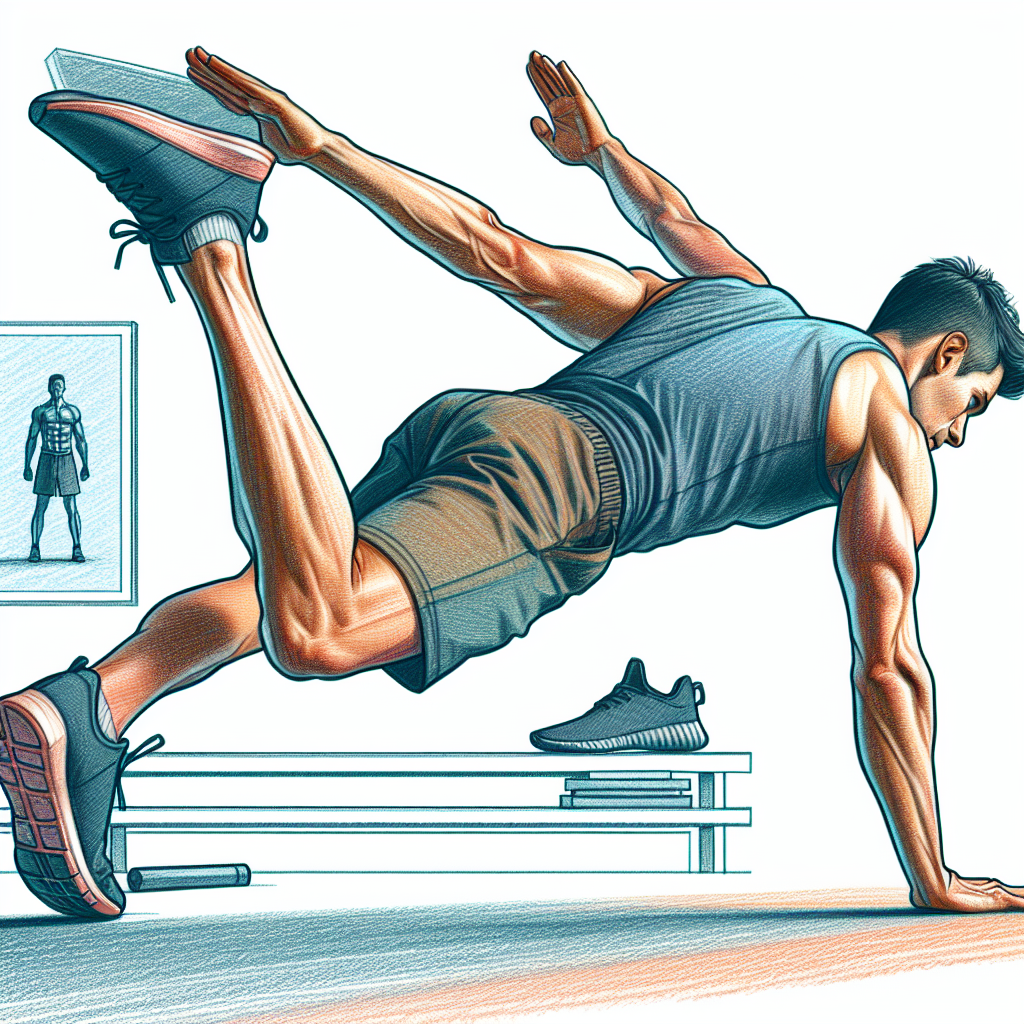
Building muscle without the use of weights is entirely feasible and can be effectively achieved through bodyweight exercises and resistance techniques. This workout approach not only promotes muscle growth but also enhances overall fitness, flexibility, and endurance. In this article, we will explore the fundamentals of a no-weights muscle-building workout, its effectiveness, and practical guidance to help you incorporate it into your routine.

  • Understanding No-Weights Muscle Building
  • Benefits of Bodyweight Exercises
  • No-Weights Muscle-Building Techniques
  • Creating Your Workout Plan
  • When to Consult a Professional
  • Common Myths and Misconceptions
  • FAQ
  • Conclusion

Understanding No-Weights Muscle Building

No-weights muscle building relies on exercises that utilize the body’s own weight as resistance. This method has gained popularity due to its accessibility; individuals can work out anywhere without needing a gym membership or equipment. Common bodyweight exercises include push-ups, squats, lunges, and planks, all of which can sculpt and strengthen various muscle groups effectively.

Benefits of Bodyweight Exercises

Engaging in a no-weights workout routine offers a variety of benefits, including:

  • Convenience: Bodyweight exercises require no equipment, allowing you to work out at home, in a park, or while traveling.
  • Flexibility: You can easily modify exercises to suit your fitness level or desired intensity, making workouts scalable.
  • Improved Functional Strength: These exercises often mimic daily activities, enhancing your ability to perform everyday tasks efficiently.
  • Increased Safety: The risk of injury is often lower without weights since bodyweight exercises typically involve movements that the body is already accustomed to.
  • Efficient Workouts: Short workouts can yield significant results, especially when focusing on high-intensity intervals.

No-Weights Muscle-Building Techniques

Several techniques can maximize muscle-building without weights, including:

1. Progressive Overload

Even without weights, you can apply progressive overload by increasing the difficulty of exercises over time. This can be achieved through:

  • Performing additional repetitions
  • Reducing rest time between sets
  • Incorporating advanced variations (e.g., transitioning from regular push-ups to decline push-ups)

2. Compound Exercises

These exercises engage multiple muscle groups simultaneously, promoting overall strength. Examples include:

  • Plyometric push-ups
  • Burpees
  • Squats with jumps

3. Isometric Holds

Incorporating isometric holds into your routine can further enhance muscle endurance and growth. Examples include:

  • Wall sits
  • Plank holds
  • Glute bridges (holding the bridge position)

Creating Your Workout Plan

To maximize your muscle-building potential, consider implementing the following practical steps:

  1. Assess Your Fitness Level: Begin by evaluating your current abilities to tailor exercises effectively.
  2. Select Your Exercises: Choose a variety of exercises that target all major muscle groups.
  3. Plan Your Frequency: Aim for at least three to five sessions per week, allowing for rest and recovery.
  4. Set Goals: Establish clear, actionable goals based on increases in repetitions, time, and workout intensity.
  5. Track Progress: Maintain a log of your workouts to monitor improvements and adjust your routine as needed.
  6. Optional: Try a Short Program: For a structured approach, consider a 30-day exercise program where you work out just 6 minutes a day but achieve results akin to more extended gym sessions. Register for free here: 30-Day Exercise Program.

When to Consult a Professional

It is essential to consult a qualified health professional or fitness expert if you experience any of the following:

  • Persistent pain during or after workouts
  • Difficulty performing basic movements
  • Signs of overtraining, including fatigue and mood changes
  • Pre-existing health conditions that may be affected by physical activity
  • Uncertainty about your exercise technique or form

Common Myths and Misconceptions

When it comes to no-weights muscle building, several misconceptions may hinder progress:

Myth 1: Bodyweight Exercises Do Not Build Muscle

While using weights is traditionally viewed as the primary method for muscle building, bodyweight exercises can effectively stimulate muscle growth when performed with adequate intensity.

Myth 2: You Cannot Get a Complete Workout Without Weights

A comprehensive workout can be achieved through a well-rounded bodyweight routine that targets multiple muscle groups.

Myth 3: All No-Weights Programs Are Ineffective

Effectiveness is largely dependent on the structure of the program. Well-designed no-weights routines can yield substantial results.

Myth 4: Bodyweight Exercises Are Only for Beginners

Bodyweight workouts can be highly sophisticated and effective for individuals at any fitness level, including advanced athletes.

Myth 5: You Need to Spend Hours to Build Muscle

Focused and high-intensity workouts can produce significant results in a fraction of the time, proving that short but effective sessions are feasible.

FAQ

Can I build muscle with just bodyweight exercises?

Yes, bodyweight exercises can effectively build muscle by using your body weight as resistance and applying progressive overload.

How often should I work out without weights?

Aim for at least three to five sessions per week to promote muscle growth and overall fitness.

What are some effective bodyweight exercises for beginners?

Effective beginner exercises include squats, push-ups, lunges, and planks.

Is it necessary to follow a structured program for bodyweight training?

While a structured program can enhance results, you can also create a personalized routine based on your goals and fitness level.

How can I prevent injury while performing bodyweight exercises?

Focus on proper form and technique, start at your fitness level, and gradually increase intensity to avoid injury.

Can older adults safely engage in no-weights muscle building?

Yes, older adults can safely perform bodyweight exercises, but it is advisable to consult a healthcare professional before starting any exercise program.

Conclusion

  • No-weights muscle building is accessible and effective, allowing individuals to enhance their strength without traditional gym equipment.
  • Bodyweight exercises provide numerous benefits, including convenience, flexibility, and improved functional strength.
  • Employing techniques such as progressive overload and compound movements can maximize results.
  • Tracking progress and setting clear goals are crucial for sustaining motivation and achieving success.
  • For those interested in a structured approach, consider a short program that delivers substantial results in just minutes a day.

To embark on your fitness journey today, consider exploring the above strategies and enjoy the numerous benefits associated with no-weights muscle building.

Author: John Angel
Related articles

Categories
Home Workouts

Effective Back Training at Home Without Equipment

Back training at home without equipment is not only feasible but can be highly effective if done correctly. Strengthening your back muscles at home can enhance posture, reduce discomfort, and improve overall physical fitness. This article will delve into various methods to train your back effectively, all within the comfort of your home and without requiring any special equipment.

  • Understanding the Importance of Back Strength
  • Exercises for Back Training
  • Proper Techniques for Home Workouts
  • Common Misconceptions about Back Training
  • When to Seek Professional Guidance
  • FAQ

Understanding the Importance of Back Strength

The back comprises several muscle groups, each playing a crucial role in support and stability. Strengthening these muscles not only aids in injury prevention but also enhances overall physical performance. A well-conditioned back facilitates better posture and balance, reduces the risks associated with back pain, and allows for greater mobility in daily activities.

Exercises for Back Training

Below are some effective bodyweight exercises you can perform at home to target various back muscles:

  • Superman: Lie flat on your stomach with your arms extended. Raise your arms, legs, and chest off the ground simultaneously and hold for a few seconds.
  • Reverse Plank: Sit on the floor with your legs extended in front. Place your hands behind you and lift your hips upwards, aligning your body in a straight line.
  • Bird-Dog: Begin on all fours. Extend one arm and the opposite leg while keeping your back flat. Alternate sides.
  • Wall Angels: Stand with your back against a wall and arms raised. Slide your arms down and then back up the wall while keeping contact throughout.
  • Cat-Cow Stretch: On all fours, alternate between arching your back upwards and then dipping it down, synchronizing with your breath.

Proper Techniques for Home Workouts

To achieve optimal results from your home workouts, adhere to the following guidelines:

  • **Warm Up:** Always begin with a light warm-up to prepare your muscles.
  • **Maintain Form:** Focus on precise movements and proper alignment to avoid injuries.
  • **Breath Control:** Incorporate controlled breathing, exhaling during exertion to maximize muscle performance.
  • **Progress Gradually:** Increase the number of repetitions or sets as your strength improves.
  • **Cool Down:** Following your workout, perform stretching exercises to promote recovery.

Common Misconceptions about Back Training

Several myths can deter individuals from engaging in back training at home:

  • Myth 1: Weightlifting is the only way to strengthen the back.
  • Bodyweight exercises can be just as effective for building strength.

  • Myth 2: Back pain is a sign to avoid exercise.
  • Gentle and targeted exercises can often alleviate discomfort.

  • Myth 3: Only young individuals need back strength.
  • Back strength is essential at all ages for maintaining mobility and preventing injuries.

When to Seek Professional Guidance

Consulting a healthcare professional is advisable under the following conditions:

  • If you experience persistent pain during or after exercises.
  • If you are recovering from an injury that affects your back.
  • If you have underlying health conditions that may complicate your training.
  • When starting a new exercise regimen, especially if it’s significantly different from your previous activities.
  • If you have concerns about your form or exercise selection.

FAQ

Can I effectively train my back without weights?

Yes, many bodyweight exercises target back muscles effectively and can be performed at home.

How often should I train my back at home?

It is advisable to train your back 2-3 times a week, allowing adequate rest and recovery between sessions.

Are there risks associated with back training?

Improper technique can lead to injuries, so maintaining correct form is crucial.

Is warming up necessary?

Yes, warming up increases blood flow to muscles and reduces the risk of injury.

Can I achieve significant results from short daily workouts?

Absolutely! Short, consistent workouts can yield impressive results over time.

Where can I find a structured back training program?

You can register for a free 30-day exercise program that only requires six minutes of daily effort and will help you achieve effective results. [Free Registration Here](https://app.revolucnicviceni.cz/en/registration).

Conclusion

  • Strengthening your back at home is both practical and effective.
  • Bodyweight exercises can yield substantial results without the need for equipment.
  • Proper technique and consistency are essential for effective training.
  • Be aware of common misconceptions regarding back strength.
  • Consult a healthcare professional if you experience pain or complications.

Take advantage of the opportunity to improve your back strength conveniently at home. Consider joining a structured program that fits into your busy schedule, and start your journey to enhanced physical fitness today!

Author: John Angel

Related articles

Categories
Fitness

Effective Bodyweight Back Workout at Home for Strength

At Home Bodyweight Back Workout

Building a strong back is crucial for overall health and fitness. An effective back workout using only bodyweight exercises can improve posture, enhance athletic performance, and reduce the risk of injury. This article will guide you through several effective bodyweight exercises that you can perform at home, along with tips on form and structure to optimize your workout. Additionally, we will provide insights on when to consult a professional regarding back health.

  • Understanding the Importance of a Strong Back
  • Essential Bodyweight Exercises for Back Strength
  • Designing Your Workout Routine
  • Common Mistakes and Misconceptions
  • When to Consult a Professional
  • Frequently Asked Questions
  • Conclusion and Call to Action

Understanding the Importance of a Strong Back

The back comprises several muscle groups, including the latissimus dorsi, trapezius, rhomboids, and the erector spinae. These muscles play a vital role in stability, mobility, and supporting the spine. Weak back muscles can lead to poor posture, which increases the risk of back pain and injury. Therefore, incorporating back-focused exercises into your fitness routine is imperative for both athletes and casual exercisers alike.

Essential Bodyweight Exercises for Back Strength

Bodyweight exercises are an excellent way to build back strength without the need for any equipment. Below are several exercises that specifically target the back muscles.

1. Superman Exercise

This is a fundamental exercise that engages the entire back.

  • Lie face down on the floor with your arms extended in front of you and legs straight.
  • Simultaneously lift your arms, chest, and legs off the ground, forming a “superman” position.
  • Hold for a few seconds before lowering back down. Repeat for 10-15 reps.

2. Plank to T-Raise

This exercise combines stability and strength by engaging the core and back.

  • Start in a plank position, ensuring your body forms a straight line from head to heels.
  • Raise your right arm to shoulder height while rotating your torso to face the right. Return to plank.
  • Switch sides, repeating for 8-10 reps on each side.

3. Inverted Row (Using a Table)

This exercise is highly effective for targeting the upper back.

  • Lie underneath a sturdy table, gripping the edge with both hands.
  • Pull your chest towards the table, then lower yourself back down. Aim for 8-12 reps.

4. Bird-Dog Exercise

This movement promotes balance and spinal stability.

  • Start on your hands and knees, keeping your back straight.
  • Extend your right arm forward and your left leg backward, maintaining balance.
  • Return to the starting position and switch sides for 10-12 reps on each side.

Designing Your Workout Routine

When setting up your back workout routine, consider the following tips:

  • Warm up for 5-10 minutes with light cardio and dynamic stretches.
  • Choose at least 3-4 exercises to perform in each session.
  • Perform 2-3 sets of each exercise with 30-60 seconds of rest between sets.
  • Incorporate variations to keep the routine fresh and engage different muscle groups.
  • Cool down with stretches focusing on the back and shoulders post-workout.

Additionally, if you seek quick results but can only spare six minutes per day, consider exploring this free 30-day exercise program: 30-Day Exercise Program.

Common Mistakes and Misconceptions

Understanding common pitfalls can help maximize the effectiveness of your back workouts and avoid potential injuries:

  • Skipping warm-ups: Proper warm-ups prepare your muscles and reduce injury risk.
  • Holding one’s breath: Breathe steadily throughout the exercises to maintain form and endurance.
  • Neglecting flexibility: Incorporating stretching for both back muscles and hip flexors aids recovery.
  • Assuming that heavier is better: Focus on form rather than load to prevent injury.
  • Believing one exercise is enough: A well-rounded program should include various movements targeting all back muscles.

When to Consult a Professional

While bodyweight exercises can be highly beneficial, it is essential to recognize when to seek professional help:

  • If you experience persistent back pain after exercising.
  • Difficulty engaging in daily activities due to back discomfort.
  • Experiencing numbness or tingling in the arms or legs.
  • Snowballing pain that worsens with specific movements or positions.
  • Your range of motion is significantly limited.

Consulting a qualified physiotherapist or physician can provide insights into your condition and recommended strategies for pain relief and rehabilitation.

Frequently Asked Questions

1. How often should I perform back workouts at home?

It is recommended to practice back workouts 2-3 times a week, allowing a day of rest in between sessions.

2. Can bodyweight exercises effectively build muscle?

Yes, bodyweight exercises can build muscle strength and endurance, especially when performed with proper technique and progression.

3. What should I do if I feel pain during an exercise?

If you experience pain, stop the exercise immediately and assess your form. If the pain persists, consult a professional.

4. Is stretching necessary after a back workout?

Yes, stretching is crucial for maintaining flexibility and aiding recovery post-workout.

5. Can I target specific areas of my back with bodyweight exercises?

Yes, different exercises can focus on specific muscle groups in the back, allowing for targeted training.

6. How long before I see results from bodyweight workouts?

Results can vary; however, consistent practice and proper nutrition can lead to noticeable improvements within a few weeks.

Conclusion

  • A strong back is essential for overall health and functionality.
  • Bodyweight exercises effectively build back strength without the need for equipment.
  • Be aware of common mistakes to maximize your workout’s effectiveness.
  • Consult a professional if you experience persistent pain or discomfort.
  • Consider incorporating short, effective workout programs for optimal results.

Take charge of your back health today by starting your home workout regimen. If you’re looking for an efficient way to get fit, don’t forget to try the free 30-day exercise program: 30-Day Exercise Program.

Author: John Angel

Related articles

Website analytics information

We use Google Analytics 4 for visitor statistics. Analytics cookies require your consent, which you can change using the button above. The data controller is ZDRAVÍ S ÚSMĚVEM s.r.o., company ID 29283329, contact podpora@revolucnicviceni.cz. Google processes browser, device and page visit information. We do not send form field values to Analytics. How Google uses information · Google Privacy Policy.