Categories
Fitness

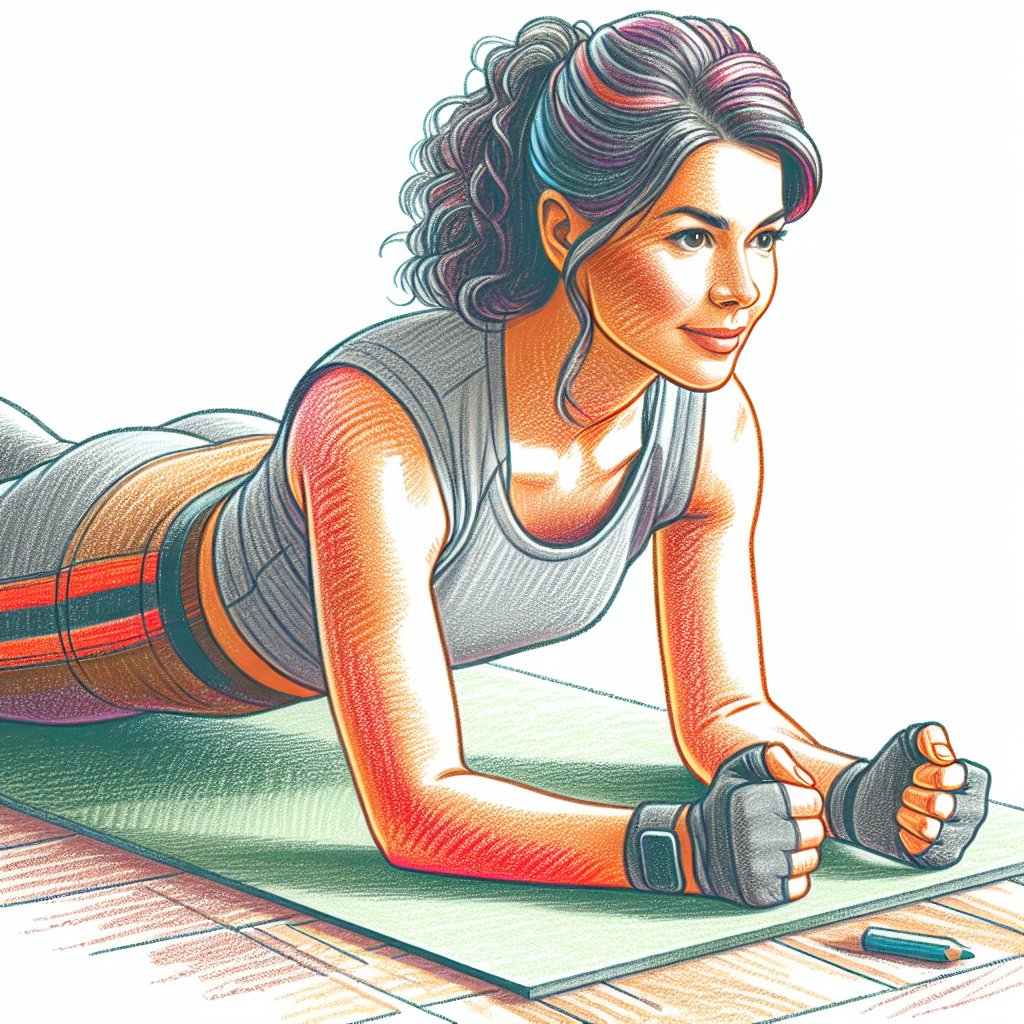
Body Weight Gyms: Your Guide to Effective Home Workouts

Body Weight Gyms: Transforming Your Weight Loss Journey

In an era where time and convenience often dictate our fitness routines, body weight gyms have emerged as an excellent solution for those embarking on a weight loss journey. These gyms operate on the simple principle of utilizing one’s body weight as resistance, making fitness accessible to all. With just six minutes of focused effort, you can achieve impressive results — powerful workouts that fit into even the busiest schedules. This article will explore the advantages of body weight training, provide practical guidance on starting your fitness regimen, and dispel some common myths surrounding this revolutionary approach.

  • Understanding Body Weight Gyms
  • The Science Behind Short Workouts
  • Benefits of Home-Based Body Weight Training
  • The Six-Minute Magic: Getting Started
  • When to Consult a Professional
  • Common Misconceptions About Body Weight Gyms
  • Frequently Asked Questions
  • Conclusion

Understanding Body Weight Gyms

Body weight gyms, sometimes referred to as calisthenics studios, emphasize physical exercises that involve minimal equipment. Using the weight of your own body provides a unique and effective means of building strength, endurance, and flexibility. These gyms encourage a wide range of exercises, including push-ups, squats, and lunges, which can easily be performed at home. This flexibility enables individuals to maintain consistent routines, fostering a sustainable approach to fitness.

The Science Behind Short Workouts

Research in exercise science has shown that short bursts of high-intensity workouts can significantly improve fitness levels and contribute to weight loss. When exercises are performed for just six minutes, they can engage multiple muscle groups, elevate heart rates, and promote calorie burning. The magic lies in the intensity; even minimal time spent on exercise can yield substantial results when paired with consistency and proper technique.

Benefits of Home-Based Body Weight Training

Training at home offers numerous advantages for individuals seeking to lose weight:

  • Accessibility: No travel time and no expensive gym memberships.
  • Flexibility: Schedule workouts during inconvenient or unconventional hours.
  • Customization: Tailor routines to fit personal preferences and fitness levels.
  • Comfort: Workout in a familiar environment without distractions.
  • Time-Efficiency: Achieve effective results in as little as six minutes.

The Six-Minute Magic: Getting Started

Embarking on your body weight training journey requires minimal preparation. Here’s a simple outline to get started:

  1. Select Exercises: Choose 3-5 different body weight exercises, such as push-ups, squats, and planks.
  2. Create a Routine: Structure your routine to incorporate each exercise in intervals, preserving high intensity throughout.
  3. Warm-Up: Always start with a brief warm-up to prepare your muscles.
  4. Implement Six-Minute Workouts: Dedicate six minutes to your selected exercises, focusing on form and intensity.
  5. Track Progress: Keep a log of your workouts to monitor improvements over time.

If you’re looking for a comprehensive guide, consider registering for the SixPack workout program for 30 days for free.

When to Consult a Professional

While body weight training is generally safe for individuals of all fitness levels, there are instances where professional guidance is essential:

  • If you have pre-existing medical conditions.
  • When experiencing persistent pain during or after workouts.
  • If your fitness level stagnates despite your best efforts.
  • When you’re unsure about proper exercise techniques.

Common Misconceptions About Body Weight Gyms

Despite the effectiveness of body weight training, several myths persist that may deter individuals from considering it:

  • Myth 1: You need weights to build muscle. Fact: Body weight exercises can effectively strengthen muscles.
  • Myth 2: Body weight training is only for beginners. Fact: It can be scaled to fit any fitness level.
  • Myth 3: Short workouts aren’t effective. Fact: High-intensity six-minute sessions can yield remarkable results.

Frequently Asked Questions

What exercises can I do at a body weight gym?

Common exercises include push-ups, squats, lunges, burpees, and planks.

How often should I train at home?

Aim for at least 3–5 times a week, depending on your fitness goals and schedule.

Can I lose weight with body weight workouts alone?

Yes! When combined with a balanced diet, body weight workouts can contribute significantly to weight loss.

Do I need any equipment for body weight training?

No, body weight training requires no special equipment, although mats can enhance comfort during workouts.

Is body weight training suitable for seniors?

Yes, body weight exercises can be adapted to suit individuals of all ages, but seniors should consult a doctor before starting.

How can I stay motivated?

Set achievable goals, track your progress, and consider joining a community or program like the SixPack workout program for 30 days for free.

Conclusion

  • Body weight gyms offer a versatile and practical approach to fitness.
  • Short, high-intensity workouts can elevate your fitness level significantly.
  • Practicing body weight exercises can be done anywhere, enhancing your consistency.
  • Consult a professional if you encounter any health concerns or training stagnation.
  • Don’t let misconceptions deter you; body weight training is effective for all fitness levels.

To kickstart your journey towards a healthier lifestyle, consider registering for the SixPack workout program for 30 days for free. Remember, every little step counts!

Author: John Angel

Related articles

Categories
Fitness

Effective Bodyweight Training: Short Workouts for Weight Loss

Training with Own Body Weight: Unlocking the Potential of Short Workouts

In the realm of fitness, bodyweight training has surged in popularity, primarily due to its accessibility and effectiveness. The ability to conduct short, engaging workouts at home taps into a burgeoning demand for efficient and flexible exercise regimens. One of the most engaging aspects of bodyweight training is its ability to support your weight loss journey without requiring elaborate equipment or extended time commitments. This article delves into the power of bodyweight exercises, particularly focusing on six-minute workouts that can seamlessly integrate into daily routines, offering substantial benefits.

  • Understanding Bodyweight Training
  • The Allure of Short Workouts
  • Building a Home Workout Routine
  • Common Misconceptions
  • When to Seek Professional Guidance
  • Frequently Asked Questions

Understanding Bodyweight Training

Bodyweight training involves exercises that utilize one’s own weight as resistance. This form of training can enhance strength, flexibility, and endurance without the need for weights or machines. Exercises like push-ups, squats, and planks can be adjusted in difficulty to cater to various fitness levels, making bodyweight training accessible to everyone.

The Allure of Short Workouts

Consider the magic of short six-minute workouts. In our fast-paced lives, dedicating hours to the gym often feels daunting. However, studies indicate that even brief periods of high-intensity exercise can yield significant benefits. A six-minute workout can elevate heart rates, activate muscles, and burn calories efficiently. When performed regularly, these short bursts can contribute to noticeable improvements in strength and endurance, helping to drive your weight loss journey forward.

Benefits of Six-Minute Workouts

Short workouts offer numerous advantages:

  • Time Efficiency: Fit exercise into even the busiest schedules.
  • Flexibility: Easily integrate workouts into daily routines, at home or outdoors.
  • Cardiovascular Improvement: Boost heart health and stamina quickly.
  • Increased Metabolic Rate: Short, intense workouts can elevate metabolism for hours.
  • Enhanced Mental Health: Engaging in physical activity releases endorphins, improving mood and reducing stress.

Building a Home Workout Routine

Creating an effective home workout routine using bodyweight exercises is straightforward. Here’s a simple guide to help you get started:

  1. Choose Your Exercises: Select a combination of strength, cardio, and flexibility exercises.
  2. Set a Timed Routine: Allocate six minutes and structure your workout with intervals (e.g., 30 seconds of work followed by 30 seconds of rest).
  3. Utilize Space Efficiently: Clear an area in your home where you can exercise comfortably.
  4. Track Your Progress: Maintain a journal or use an app to log your workouts and track improvements.
  5. Stay Committed: Engage with the SixPack workout program for 30 days free to maintain motivation and structure: register now.

Common Misconceptions About Bodyweight Training

As with any form of exercise, several myths and misconceptions exist surrounding bodyweight training:

  • Bodyweight Exercises Are Only for Beginners: This is false; exercises can be modified to increase difficulty for advanced athletes.
  • Resistance Training Must Involve Weights: Bodyweight training can provide ample resistance for building strength.
  • Short Workouts Are Ineffective: Even brief, intense sessions are capable of delivering robust benefits.

When to Seek Professional Guidance

While bodyweight training offers numerous benefits, certain situations warrant professional guidance:

  • If you are recovering from an injury or experience inconsistent pain.
  • Should you have pre-existing health conditions that could be affected by exercise.
  • If you find yourself unable to progress or achieve your desired results despite consistent effort.

Frequently Asked Questions

Can I lose weight with bodyweight exercises?

Yes, when combined with a balanced diet and regular exercise, bodyweight workouts can significantly aid in weight loss.

How often should I do bodyweight workouts?

Depending on your fitness level, aim for at least three to five times weekly for optimal results.

Are six-minute workouts effective?

Yes, they can be highly effective, particularly when performed at high intensity.

Do I need special equipment for bodyweight workouts?

No, bodyweight exercises require no equipment, although mats can enhance comfort for floor exercises.

Can beginners perform bodyweight exercises?

Absolutely, exercises can be tailored to suit beginner abilities, enabling a gradual progression.

What if I don’t have six continuous minutes?

You can break the six minutes into smaller segments throughout the day, as short bouts of exercise still provide benefits.

Conclusion

  • Bodyweight training is versatile and accessible.
  • Six-minute workouts can fit into any busy schedule.
  • Regularly engaging in bodyweight exercises supports overall fitness and aids in weight loss.
  • Professional guidance is recommended when facing health concerns or barriers to progress.
  • Utilize the free 30-day SixPack workout program to enhance your training routine and motivation.

Take the first step on your transformative fitness journey today by exploring the potential of bodyweight training. It’s not just about exercise; it’s about empowering your health and wellness.

Author: John Angel

Related articles

Categories
Fitness

7-Day Meal Plan for Effective Weight Loss

Embarking on a weight loss journey can be both exciting and challenging. A structured meal plan can serve as a reliable guide, balancing nutrition with calorie control. This 7-day meal plan is designed to help you manage your weight effectively while still enjoying delicious meals. Each meal is meticulously crafted to support your goals without sacrificing flavor or satisfaction. Furthermore, integrating SixPack workouts into your routine can maximize results and efficiency, especially with the magic of six-minute short workouts that fit seamlessly into a typical day.

  • Understanding the Meal Plan
  • Daily Meal Breakdown
  • Incorporating Workouts
  • Consulting Professionals
  • Addressing Common Myths
  • Frequently Asked Questions
  • Conclusion and Next Steps

Understanding the Meal Plan

This 7-day meal plan is designed to be nutritionally balanced and simple to follow. Each day includes three meals and two snacks, promoting portion control and nutrient diversity. The meals emphasize whole foods such as vegetables, fruits, lean proteins, and whole grains, while avoiding processed foods that can hinder your weight loss journey. It’s vital to stay hydrated by drinking plenty of water throughout the day as well.

Daily Meal Breakdown

Here’s a sample meal plan to guide you through your weight loss journey:

Day 1

  • Breakfast: Greek yogurt with mixed berries and a sprinkle of flaxseeds.
  • Snack: A medium apple with a tablespoon of almond butter.
  • Lunch: Quinoa salad with chopped vegetables, chickpeas, and a lemon vinaigrette.
  • Snack: Carrot sticks with hummus.
  • Dinner: Grilled salmon, steamed broccoli, and wild rice.

Day 2

  • Breakfast: Overnight oats with chia seeds and banana.
  • Snack: A handful of mixed nuts.
  • Lunch: Turkey wrap with lettuce, tomatoes, and avocado.
  • Snack: A small pear.
  • Dinner: Stir-fried tofu with bell peppers and brown rice.

Day 3

  • Breakfast: Scrambled eggs with spinach and whole-grain toast.
  • Snack: Greek yogurt with honey.
  • Lunch: Lentil soup with a side salad.
  • Snack: Cucumber slices with tzatziki.
  • Dinner: Baked chicken thighs with sweet potatoes and asparagus.

Day 4

  • Breakfast: Smoothie with spinach, banana, and almond milk.
  • Snack: A handful of strawberries.
  • Lunch: Grilled vegetable sandwich on whole grain.
  • Snack: Celery sticks with peanut butter.
  • Dinner: Zucchini noodles with marinara sauce and turkey meatballs.

Day 5

  • Breakfast: Cottage cheese with pineapple chunks.
  • Snack: A small orange.
  • Lunch: Chicken Caesar salad (dressing on the side).
  • Snack: Rice cakes with avocado.
  • Dinner: Grilled shrimp with quinoa and mixed vegetables.

Day 6

  • Breakfast: Chia pudding with coconut milk and blueberries.
  • Snack: Hard-boiled eggs.
  • Lunch: Whole grain pasta with pesto and cherry tomatoes.
  • Snack: A sliced bell pepper.
  • Dinner: Baked cod with wild rice and green beans.

Day 7

  • Breakfast: Smoothie bowl topped with nuts and seeds.
  • Snack: A banana.
  • Lunch: Spinach salad with feta, walnuts, and olive oil.
  • Snack: Trail mix.
  • Dinner: Stuffed peppers with ground turkey and brown rice.

Incorporating Workouts

To complement this meal plan, consider integrating the SixPack workout program into your routine. The beauty of the SixPack workouts is their design, offering effective six-minute sessions that can be performed at home. These brief yet intense workouts can boost your metabolism and enhance your overall fitness level without requiring a huge time commitment. By embracing short workouts, you can fit exercise into even the busiest of schedules, making it easier to achieve your weight loss goals.

Transform your fitness journey with the SixPack workout program for 30 days for free. It’s a practical approach to incorporate physical activity into your daily routine.

When to Consult a Professional

While meal plans and workouts can be highly beneficial, there are circumstances that warrant professional guidance. If you experience any of the following, consider consulting with a healthcare professional:

  • Persistent fatigue or exhaustion while following a meal plan.
  • Significant or unexplained weight loss.
  • Poor nutritional knowledge leading to unhealthy choices.
  • Health conditions like diabetes or hypertension that require tailored advice.
  • Mental health concerns related to body image or eating habits.

Addressing Common Myths

As you embark on your weight loss journey, it’s crucial to be aware of common misconceptions that may derail your efforts. Here are a few prevalent myths:

  • Myth 1: Low-carb diets are the only way to lose weight.
  • Myth 2: Skipping meals will help you lose weight faster.
  • Myth 3: You need to eliminate all treats to be successful.
  • Myth 4: Weight loss is solely about diet; exercise is unnecessary.
  • Myth 5: Supplements are a magic solution for weight loss.

Understanding these myths can provide clarity and help you make informed decisions throughout your weight loss journey.

Frequently Asked Questions

What foods should I avoid for weight loss?

Avoid processed foods, excessive sugars, and saturated fats. Focus on whole foods for better results.

How quickly can I expect to lose weight?

Weight loss varies per individual, but a safe goal is 1–2 pounds per week.

Do I need to count calories?

While counting calories can be helpful, focusing on portion sizes and food quality may be more sustainable.

Can I still eat out while on a meal plan?

Yes, but choose healthier options and control portion sizes when dining out.

How important is hydration in a weight loss journey?

Staying hydrated is essential; it aids digestion and can help manage hunger levels.

Can exercise alone lead to weight loss?

Exercise should be combined with a balanced diet for optimal results in your weight loss journey.

Conclusion

  • Implementing a structured 7-day meal plan can simplify your weight loss journey.
  • Cohesively integrating short, effective workouts like the SixPack program can amplify results.
  • Understanding dietary myths can help enhance your approach to weight loss.
  • Staying attuned to your body and consulting professionals can ensure a safe and effective process.
  • Emphasizing hydration and whole foods will support your wellness goals long-term.

The journey to weight loss should be enjoyable and manageable. Begin your transformation today by exploring the SixPack workout program for 30 days for free. Take that first step toward a healthier you!

Author: John Angel

Related articles

Categories
Fitness

Effective Six-Minute Bodyweight Workouts for Weight Loss

Embarking on a weight loss journey can often feel daunting, especially when time constraints and busy schedules hinder your ability to commit to a traditional workout routine. However, integrating a bodyweight workout body into your daily life can yield remarkable results without the need for a gym. In particular, short six-minute workouts can be a game-changer, offering significant benefits with minimal investment of time. This article delves into the purpose and effectiveness of these workouts, demonstrating how they can seamlessly fit into your day and contribute to your fitness goals.

  • Understanding Bodyweight Workouts
  • The Magic of Six-Minute Workouts
  • Benefits of Short Workouts
  • Implementing Bodyweight Exercises into Daily Life
  • When to Seek Professional Guidance
  • Common Misconceptions about Bodyweight Workouts
  • Frequently Asked Questions

Understanding Bodyweight Workouts

Bodyweight workouts rely solely on the individual’s weight as resistance, eliminating the need for specialized equipment. Exercises like push-ups, squats, and planks utilize your body’s natural weight to build strength, endurance, and flexibility. The convenience of bodyweight workouts allows individuals to exercise anywhere, making it an accessible option for all fitness levels.

The Magic of Six-Minute Workouts

Six-minute workouts are designed to maximize intensity while minimizing time commitment. The essence of these quick sessions lies in their ability to elevate your heart rate and engage multiple muscle groups swiftly, enabling significant calorie burn and muscle engagement within a short period. This convenience often translates to improved motivation and consistency.

How Six-Minute Workouts Fit into a Normal Day

Incorporating these short sessions into a busy lifestyle can be surprisingly easy. Whether you’re between meetings, waiting for dinner to cook, or simply enjoying a break, six-minute workouts can be performed in any space and at any moment. This flexibility fosters a more dedicated approach to your weight loss journey, allowing even the busiest individuals to remain active.

Benefits of Short Workouts

The benefits of six-minute bodyweight workouts extend beyond mere convenience. Here are some notable advantages:

  • Time Efficiency: Achieve more in less time, which encourages consistency in your routine.
  • Elevation of Metabolism: Short bursts of exercise can lead to an increased metabolic rate, burning more calories even after you finish.
  • Improved Flexibility: Engaging multiple muscle groups enhances overall body flexibility and reduces the risk of injury.
  • Enhanced Mood: Exercise has been proven to release endorphins, providing an immediate uplift in mood.
  • No Equipment Necessary: Perform exercises anywhere; all you need is your body and some space.

Implementing Bodyweight Exercises into Daily Life

Transitioning to a bodyweight workout body does not require a comprehensive overhaul of your routine. Here are some practical steps to incorporate effective workouts into your day:

  1. Designate Break Times: Allocate specific break periods in your day to engage in a six-minute workout.
  2. Set Reminders: Use alarms or calendar notifications to remind you to exercise.
  3. Combine with Routine Activities: Integrate workouts into mundane activities, like doing squats or lunges while watching TV.
  4. Accountability Partner: Collaborate with a friend or family member to motivate each other.
  5. Create a Weekly Plan: Outline workout days and types, ensuring diversity and excitement in your routine.

When to Seek Professional Guidance

While bodyweight workouts can be beneficial, there are instances where professional advice should be sought:

  • If you have pre-existing medical conditions, it’s essential to consult a healthcare provider before starting any new workout program.
  • Seek help if you feel pain while exercising, as it may indicate improper form or underlying issues.
  • Consider professional guidance if you’re not sure how to create a balanced workout regimen tailored to your needs.

Common Misconceptions about Bodyweight Workouts

Several myths about bodyweight workouts can deter individuals from embracing them. Understanding these misconceptions is vital:

  • “Bodyweight workouts aren’t as effective as gym workouts.” This belief can undermine the potential of bodyweight exercises, which can be just as effective, particularly for beginners.
  • “They are too easy.” On the contrary, bodyweight workouts can be intensified and varied, providing sufficient challenges for all fitness levels.
  • “Short workouts do not yield results.” Evidence indicates that shorter, high-intensity workouts can be extraordinarily effective for weight loss and muscle building.

Frequently Asked Questions

What are the best bodyweight exercises for beginners?

Beginners should start with exercises like squats, push-ups, and planks, which build a solid foundation of strength.

How many times a week should I do bodyweight workouts?

Aim for at least 3-5 times a week, ensuring to mix in different exercises to cover all major muscle groups.

Can I lose weight with just bodyweight workouts?

Yes, when combined with a balanced diet, bodyweight workouts can contribute significantly to weight loss.

Is it necessary to warm up before a bodyweight workout?

Absolutely; warming up increases blood flow and reduces the risk of injury during your workouts.

How long should each workout session last?

Six minutes can be effective, but you can also extend it to 15-30 minutes for a more intense workout, depending on your fitness level.

Are there specific goals for bodyweight workouts?

Goals can range from increasing strength, improving endurance, enhancing flexibility, to enhancing overall health.

Conclusion

  • Bodyweight workouts provide a flexible, accessible method to enhance fitness without extensive time commitment.
  • Six-minute sessions are effective for building strength and facilitating weight loss.
  • Engaging in short workouts can elevate mood and improve overall well-being.
  • These workouts can be seamlessly integrated into daily routines for maximum effectiveness.
  • Understanding the misconceptions can empower individuals to embrace bodyweight training fully.

For those ready to kickstart their fitness journey, consider exploring the amazing opportunity to join the SixPack workout program for 30 days at no cost. Sign up today to experience the benefits firsthand!

Author: John Angel

Related articles

Categories
Nutrition and Wellness

Effective Weekly Meal Plan for Fat Loss

Weekly Meal Plan for Fat Loss

Embarking on a weight loss journey often requires strategic planning, particularly regarding dietary choices. A thoughtfully designed weekly meal plan can significantly streamline your efforts and foster lasting change. This article outlines an effective meal plan tailored for fat loss, emphasizing practicality and nutritional balance. By incorporating this guide into your routine, you can accelerate your progress while also enjoying a diverse range of foods.

  • Understanding Nutrition Basics
  • Sample Weekly Meal Plan
  • Practical Cooking Tips
  • When to Seek Professional Guidance
  • Common Myths and Misconceptions
  • Frequently Asked Questions
  • Conclusion

Understanding Nutrition Basics

Before diving into a structured meal plan, it’s essential to grasp fundamental nutrition concepts. A successful approach to fat loss hinges on a calorie deficit, achieved by consuming fewer calories than you expend. However, the quality of those calories matters immensely. Emphasizing whole foods—such as fruits, vegetables, whole grains, lean proteins, and healthy fats—will nourish your body while supporting sustainable weight loss.

Macronutrients Explained

Understanding macronutrients—carbohydrates, proteins, and fats—is crucial for a balanced diet:

  • Carbohydrates: Preferably complex, such as vegetables and whole grains, which provide energy and fiber.
  • Proteins: Essential for muscle repair and growth, focus on lean sources like chicken, fish, legumes, and tofu.
  • Fats: Healthy fats from sources like avocados, nuts, and olive oil are important for hormonal balance and satiety.

Sample Weekly Meal Plan

Here is a practical seven-day meal plan designed to assist you on your weight loss journey. Each day includes three meals and two snacks, ensuring sustained energy and satiety.

Day 1

  • Breakfast: Greek yogurt with berries and a sprinkle of granola
  • Lunch: Quinoa salad with chickpeas, cucumber, and a lemon vinaigrette
  • Dinner: Grilled chicken breast, steamed broccoli, and brown rice
  • Snacks: Carrot sticks with hummus, a small apple

Day 2

  • Breakfast: Overnight oats with almond milk, chia seeds, and banana
  • Lunch: Spinach salad with grilled salmon, cherry tomatoes, and avocado
  • Dinner: Stir-fried tofu with mixed vegetables and quinoa
  • Snacks: Celery sticks with almond butter, a handful of nuts

Day 3

  • Breakfast: Smoothie with spinach, banana, protein powder, and flaxseeds
  • Lunch: Turkey wrap with whole-wheat tortilla and mixed greens
  • Dinner: Baked cod with asparagus and sweet potato
  • Snacks: Greek yogurt, sliced cucumbers

Day 4

  • Breakfast: Scrambled eggs with tomatoes and a slice of whole-grain toast
  • Lunch: Lentil soup with a side salad
  • Dinner: Grilled shrimp with zucchini noodles
  • Snacks: A pear, a handful of almonds

Day 5

  • Breakfast: Cottage cheese with pineapple and sunflower seeds
  • Lunch: Brown rice bowl with black beans, corn, and salsa
  • Dinner: Baked chicken drumsticks with roasted Brussels sprouts
  • Snacks: Bell pepper slices with guacamole, a small orange

Day 6

  • Breakfast: Smoothie bowl topped with fruits and nuts
  • Lunch: Grilled vegetable sandwich on whole grain bread
  • Dinner: Turkey meatballs with spaghetti squash
  • Snacks: Greek yogurt, an apple

Day 7

  • Breakfast: Chia pudding made with almond milk and topped with berries
  • Lunch: Quinoa-stuffed peppers
  • Dinner: Grilled tilapia with a side of sautéed spinach
  • Snacks: A handful of trail mix, carrot sticks

Practical Cooking Tips

To maximize your meal plan’s effectiveness, consider these practical cooking tips:

  • Batch-cook major ingredients like grains and proteins to save time.
  • Experiment with herbs and spices to enhance flavor without added calories.
  • Practice portion control, utilizing smaller plates to help manage serving sizes.
  • Maintain variety in your meals to prevent monotony and boredom.

When to Seek Professional Guidance

If you’re struggling to lose weight despite diligent efforts or have underlying health concerns, it may be wise to consult a healthcare professional. Consider seeking help if:

  • You experience fatigue or health issues that affect daily activities.
  • You have specific dietary restrictions or conditions requiring professional supervision.
  • You feel overwhelmed or frustrated by the process.

Common Myths and Misconceptions

Weight loss journeys can often be clouded by misinformation. Here are common myths to dispel:

  • Myth 1: Carbs are the enemy. Truth: Quality carbohydrates are essential for energy.
  • Myth 2: Skipping meals helps you lose weight faster. Truth: This can lead to binge eating and nutrient deficiencies.
  • Myth 3: All fats make you gain weight. Truth: Healthy fats are critical for well-being and satiety.

Frequently Asked Questions

1. How often should I meal prep for weight loss?

Meal prepping once a week can help you stay organized and make healthier choices.

2. Can I lose weight without exercising?

Yes, weight loss is primarily driven by dietary changes, but exercise enhances results.

3. Is snacking bad for weight loss?

No, healthy snacks can help maintain energy levels and prevent overeating during meals.

4. Should I avoid all sugar to lose weight?

It’s not necessary to eliminate sugars completely; focus on minimizing added sugars.

5. How can I stay motivated on my weight loss journey?

Setting realistic goals and celebrating small victories can boost motivation.

6. What if I have cravings?

Moderation is key; consider healthier alternatives to your cravings.

Conclusion

  • Understanding nutrition is crucial for effective weight loss.
  • A balanced meal plan supports sustained energy and satisfaction.
  • Practical cooking tips will facilitate easier meal preparation.
  • Consult a professional if facing consistent challenges or health concerns.
  • Dispelling myths will ensure a clearer approach to your weight loss journey.

For an added boost in your fitness routine, consider registering for the free 30-day SixPack workout program. Experience the magic of six-minute workouts at home, tailored to fit seamlessly into your daily life while accelerating your weight loss journey.

Author: John Angel

Categories
Fitness

Effective Six-Minute Workouts for Weight Loss at Home

Embarking on a weight loss journey can be both exciting and overwhelming. Among the many components essential for success, exercise stands out as a primary pillar. Engaging in short, focused workouts can lead to significant reductions in body weight while offering numerous additional health benefits. In this article, we will explore effective exercises for weight loss, specifically highlighting the magic of six-minute short workouts you can perform at home.

  • Understanding the Science of Weight Loss
  • Benefits of Short Workouts
  • Effective Exercises for Quick Results
  • A Day in the Life of Short Workouts
  • When to Consult a Professional
  • Common Myths About Weight Loss
  • FAQs
  • Conclusion

Understanding the Science of Weight Loss

To effectively navigate your weight loss journey, it is crucial to understand the basic principles of weight management. Weight loss occurs when you burn more calories than you consume. This caloric deficit stimulates your body to utilize stored fat for energy, leading to weight reduction. Regular exercise amplifies this effect by increasing your metabolism and enhancing fat oxidation.

Benefits of Short Workouts

Short workouts can be surprisingly effective. The convenience and time efficiency of workouts lasting just six minutes make them accessible for nearly everyone. These brief sessions can easily fit into a busy day, enabling consistent engagement in physical activity without feeling overwhelmed. The following highlights illuminate the benefits:

  • Time-Efficient: Short workouts require minimal time commitment, making it easier to integrate exercise into your routine.
  • Flexibility: You can perform exercises virtually anywhere—at home, during a break at work, or while traveling.
  • Enhanced Focus: Short bursts of exercise can help maintain your enthusiasm and commitment to your weight loss journey.
  • Improved Mood: Physical activity releases endorphins, which can boost your overall mental well-being.
  • Consistent Engagement: Easier to remain committed when workouts are brief and can be repeated multiple times a day.

Effective Exercises for Quick Results

Incorporating a variety of exercises into your routine can optimize weight loss. Below are high-impact exercises suitable for six-minute sessions:

  1. Jumping Jacks: A classic cardio move that elevates your heart rate.
  2. High Knees: This exercise targets your legs and activates your core.
  3. Burpees: A full-body workout combining strength and cardio.
  4. Mountain Climbers: Great for stimulating multiple muscle groups and burning calories.
  5. Bodyweight Squats: Strengthen your legs and core while maintaining a steady pace.

For a structured guide, consider the 30-day SixPack workout program to enhance your results and keep your motivation high.

A Day in the Life of Short Workouts

Incorporating six-minute short workouts into your daily routine can bring transformative benefits:

  • Upon waking, engage in a short workout to kickstart your metabolism.
  • Utilize breaks during work to perform quick sessions, maintaining your energy levels.
  • End your day with a brief workout to unwind and relieve stress.

This rhythm facilitates better calorie management throughout the day and enables a smooth weight loss journey.

When to Consult a Professional

While exercise is essential, it is crucial to recognize when to seek professional guidance. Consider consultation with a qualified health professional if you experience any of the following:

  • Unexplained weight fluctuations.
  • Chronic fatigue or excessive strain during workouts.
  • Pre-existing health conditions that impact your ability to exercise.
  • Concerns about meeting your nutritional needs.

Common Myths About Weight Loss

Numerous misconceptions surround the topic of weight loss. Addressing these is vital for clarity:

  • Myth: Longer workouts yield better results.
  • Myth: Weight loss is solely about exercising.
  • Myth: Lifting weights makes you bulky.
  • Myth: You have to cut out entire food groups to lose weight.

Recognizing these myths allows you to approach your weight loss journey more informed and confidently.

FAQ

What type of exercise is best for weight loss?

A combination of cardiovascular and strength training exercises offers the best results for weight loss.

How often should I work out for effective weight loss?

Engaging in moderate-intensity exercise most days of the week is ideal, with at least 150 minutes per week being a good benchmark.

Can short workouts be effective for weight loss?

Yes, short, intense workouts can be highly effective, especially when performed consistently.

Will strength training help me lose belly fat?

Strength training builds muscle, which can increase your metabolic rate, aiding in overall fat loss, including belly fat.

Do I need equipment for a home workout?

No, many effective exercises can be done with just your body weight.

How can I stay motivated on my weight loss journey?

Setting realistic goals, tracking progress, and joining a supportive community can enhance motivation.

Conclusion

  • Understanding the fundamentals of weight loss is essential for success.
  • Short workouts offer time-efficient, effective options for weight loss.
  • Incorporating a variety of exercises keeps your routine fresh and engaging.
  • Recognizing the need for professional guidance ensures a safer journey.
  • Combatting common myths allows for a more informed approach to weight loss.

As you embark on your weight loss journey, remember that consistency and determination are key. Consider participating in the 30-day SixPack workout program to help you stay committed and achieve your goals effectively.

Author: John Angel

Related articles

Categories
Fitness

Effective Home Bodyweight Workout for Weight Loss

At Home Bodyweight Workout for Weight Loss

Embarking on a weight loss journey often feels overwhelming, but incorporating bodyweight workouts into your daily routine can make a significant difference. Not only do these exercises require no equipment and minimal space, but they also save time while promoting efficiency in burning calories. In just six minutes, you can invigorate your body, elevate your mood, and set the tone for a productive day. Through consistent effort, a bodyweight workout can become a powerful ally in your pursuit of weight loss.

  • What is Bodyweight Training?
  • Short Workouts: The Magic of Six Minutes
  • Designing Your At-Home Routine
  • Common Misconceptions
  • When to Consult a Professional
  • FAQs
  • Conclusion

What is Bodyweight Training?

Bodyweight training involves exercises that utilize the individual’s own weight as resistance. This form of training can include movements such as push-ups, squats, lunges, and planks. These exercises not only help in building strength but also enhance flexibility and promote cardiovascular health. By focusing on functional movements, bodyweight workouts align closely with real-life activities, thereby improving overall agility and coordination.

Short Workouts: The Magic of Six Minutes

The idea behind six-minute workouts lies in their efficiency. With just a few minutes allocated for high-intensity bursts of activity, you can activate multiple muscle groups, maximize calorie burn, and stimulate metabolism. This approach allows you to fit a workout into even the busiest of schedules, making it far easier to maintain consistency. The science behind high-intensity interval training (HIIT) demonstrates that shorter, more intense workouts can yield greater results in weight loss and fitness than longer sessions of steady state cardio.

Designing Your At-Home Routine

Creating an effective at-home bodyweight workout routine can be straightforward. Here is a suggested plan:

  1. Warm-Up (1 minute): Perform dynamic stretches or light cardio like jogging in place to get your body ready.
  2. Workout (4 minutes): Choose four exercises such as push-ups, squats, lunges, and planks. Perform each for 30 seconds, resting as needed.
  3. Cool Down (1 minute): Take the time to stretch and relax your muscles post-workout.

Consistency is key. Aim to perform these workouts four to five times a week, gradually increasing the intensity and duration as your strength improves.

When to Consult a Professional

While bodyweight workouts can be safe for most, there are important times when consulting a qualified professional is recommended. If you experience:

  • Persistent pain during exercises
  • Dizziness or shortness of breath
  • Injuries that do not heal
  • Unexplained weight loss or gain
  • Health conditions that might affect your ability to exercise

In these circumstances, seeking guidance from a healthcare provider or a fitness professional is essential for ensuring a safe and effective weight loss journey.

Common Misconceptions

As with any fitness regimen, numerous myths circulate around bodyweight training. Debunking these can empower your efforts:

  • Myth: Bodyweight exercises are not effective for building strength. Fact: Bodyweight exercises can build substantial strength and improve endurance.
  • Myth: You need equipment to lose weight. Fact: Bodyweight workouts are highly effective for weight loss, often equally as effective as weight training.
  • Myth: Short workouts don’t yield results. Fact: Short, high-intensity workouts can be more effective than longer sessions when performed consistently.

FAQs

What is the best time of day to do bodyweight workouts?

The best time varies according to personal preference. Morning workouts can boost your energy for the day, while evening workouts can relieve stress.

How many bodyweight workouts should I do each week?

Aim for 3-5 times a week, depending on your fitness level and goals.

Can beginners start with bodyweight training?

Absolutely! Bodyweight exercises can be modified to suit any fitness level, making them ideal for beginners.

How long should I hold a plank for optimal benefits?

Start with 15-30 seconds and progressively extend the duration as your core strength improves.

Is bodyweight training suitable for weight loss?

Yes, bodyweight training can effectively promote weight loss, especially when combined with a balanced diet.

Can I do bodyweight workouts every day?

While daily workouts are feasible, it’s essential to allow your muscles to recover. Consider active recovery days or varying your routine.

Conclusion

  • Bodyweight workouts offer a practical solution for weight loss journeys.
  • Six-minute routines maximize efficiency and fit easily into daily life.
  • Consistent training enhances strength, flexibility, and cardiovascular health.
  • Seek professional advice when experiencing pain or other health concerns.
  • Address common misconceptions to empower your fitness decisions.

Warm up to the idea of integrating short bodyweight workouts into your day and witness the transformation it brings to both your body and mind. Remember, the consistency with which you approach your fitness journey is crucial. Feel free to register for a free 30-day trial of the SixPack workout program and experience the profound effects of at-home workouts today.

Author: John Angel

Related articles

Categories
Fitness

Efficient Advanced Workout Plans for Quick Fitness Results

In an age where time is a luxury, the allure of advanced workout plans has become increasingly appealing to those seeking efficiency and efficacy in their fitness routines. These plans cater not only to seasoned athletes but also to individuals at various stages of their weight loss journey. A particular highlight of these regimes is the “magic” of six-minute short workouts, which can invigorate your day and lead to significant health benefits. By integrating these focused sessions into your daily routine, you can optimize your physical performance while accommodating a busy lifestyle.

  • Understanding Advanced Workout Plans
  • The Six-Minute Workout Phenomenon
  • Benefits of Short Workouts
  • Steps to Create Your Advanced Workout Plan
  • When to Seek Professional Guidance
  • Myths and Misconceptions about Short Workouts
  • FAQs
  • Conclusion

Understanding Advanced Workout Plans

Advanced workout plans are meticulously designed frameworks that cater to various fitness levels and goals, including weight loss, muscle gain, and overall health improvement. Unlike traditional workout routines that may focus solely on long sessions, advanced plans emphasize efficiency, incorporating strength training, cardio, and flexibility exercises into short, targeted bursts. This multifaceted approach allows participants to maximize their time and results, making fitness goals more achievable.

The Six-Minute Workout Phenomenon

The six-minute workout trend has gained momentum due to its simplicity and effectiveness. These brief yet intense workouts require minimal equipment and space, making them particularly suitable for home environments. The beauty lies in their ability to stimulate significant metabolic activation within a short duration. Studies suggest that even a fraction of a high-intensity workout can yield substantial fitness benefits, enhancing endurance and supporting weight loss.

Benefits of Short Workouts

Integrating six-minute workouts into your daily routine can provide numerous advantages:

  • Time Efficiency: With busy lifestyles, a condensed workout plan allows for effective exercise without the need for hours at the gym.
  • Improved Physical Health: Regular short workouts contribute to cardiovascular health, muscular endurance, and flexibility.
  • Increased Motivation: Shorter sessions can reduce the mental barrier to exercise, encouraging consistency and reducing procrastination.
  • Enhanced Fat Loss: High-intensity intervals can tap into fat reserves, supporting your weight loss journey effectively.
  • Convenience: These workouts can be done anywhere and at any time, eliminating barriers to fitness.

Steps to Create Your Advanced Workout Plan

Crafting an effective advanced workout plan involves several strategic steps:

  1. Define Your Goals: Determine whether you aim for weight loss, muscle gain, or improved endurance.
  2. Select Your Workout Modalities: Combine cardio, strength training, and flexibility exercises for a comprehensive approach.
  3. Incorporate Six-Minute Sessions: Integrate high-intensity workouts into your plan for maximum efficiency.
  4. Schedule Your Workouts: Consistency is vital; designate specific times throughout the week for your sessions.
  5. Track Your Progress: Utilize fitness apps or journals to monitor improvements and stay motivated.

For those seeking a structured approach, consider registering for the SixPack workout program for 30 days for free, which can bolster your weight loss journey with guided workouts.

When to Seek Professional Guidance

While advanced workout plans can be immensely beneficial, there are circumstances where professional guidance may be warranted:

  • If you experience persistent pain or discomfort during workouts
  • If you have a pre-existing medical condition affecting your ability to exercise
  • When you feel overwhelmed by fitness choices and need personalized advice
  • If you’re unsure about exercising form and technique, which can lead to injury

Myths and Misconceptions about Short Workouts

Despite the growing popularity of short workouts, misunderstandings still exist:

  • They Are Ineffective: Many believe that longer workouts yield better results, yet studies show that high-intensity short workouts can be just as effective.
  • Only for Beginners: Advanced athletes can also benefit from short, intense workouts as part of their training regimen.
  • Requires Equipment: Many efficient short workouts can be performed using bodyweight alone, making them accessible to everyone.

FAQs

1. Can six-minute workouts really help with weight loss?

Yes, high-intensity six-minute workouts can stimulate fat loss and boost metabolism, making them effective for weight loss journeys.

2. How many six-minute workouts can I do in a week?

It is recommended to perform multiple six-minute workouts, ideally 3 to 5 times per week, depending on your fitness level and goals.

3. Do I need any special equipment for these workouts?

No, many six-minute workouts can be done with just your body weight or minimal equipment, such as resistance bands.

4. Are short workouts suitable for all fitness levels?

Yes, six-minute workouts can be modified to fit the needs of various fitness levels, from beginners to advanced athletes.

5. Will I see results with just six-minute workouts?

If done consistently and with high intensity, you should see improvements in fitness, endurance, and weight loss.

6. What’s the best time of day to do a six-minute workout?

The best time varies by individual. Some prefer morning sessions to kickstart their day, while others find evening workouts to be more convenient.

Conclusion

  • Advanced workout plans offer effective and efficient strategies for reaching fitness goals.
  • Six-minute workouts provide a time-efficient means to incorporate exercise into daily life.
  • Numerous benefits, including cardiovascular improvements and weight loss support, are achievable through short workout sessions.
  • Consult professionals when unsure about exercise methods or if facing health concerns.
  • Short workout myths can lead to misconceptions; educate yourself to optimize your fitness journey.

Considering the diverse advantages of advanced workout plans and particularly the six-minute workouts, it’s time to elevate your fitness routine. Embrace this transformative approach and experience the benefits firsthand. For those interested, I invite you to explore the SixPack workout program for 30 days for free to kickstart your weight loss journey today.

Author: John Angel

Related articles

Categories
Nutrition and Wellness

Free Weight Loss Tracking Tools for Effective Progress

Free Weight Loss Tracking: A Game Changer for Your Weight Loss Journey

Embarking on a weight loss journey can be overwhelming, yet tracking your progress can turn it into a manageable and rewarding experience. Utilizing free weight loss tracking tools not only helps monitor your caloric intake and exercise but also offers motivation and accountability. By understanding your habits, you can make data-driven decisions to enhance your journey. Engaging in effective methods such as six-minute short workouts at home can amplify your results, making a significant impact in your daily routine.

  • What is Weight Loss Tracking?
  • The Importance of Tracking Your Progress
  • Effective Tools for Tracking Weight Loss
  • Benefits of Short Workouts at Home
  • When to Consult a Professional
  • Common Myths and Misconceptions
  • Frequently Asked Questions
  • Conclusion

What is Weight Loss Tracking?

Weight loss tracking involves monitoring various aspects of your weight loss journey, including your weight, diet, exercise routines, and even your emotional state. This multifaceted approach provides insight into what works best for you and allows for adjustments in your strategy as necessary.

The Importance of Tracking Your Progress

Tracking is vital for numerous reasons:

  • Accountability: Keeping track of your progress creates a sense of responsibility towards your goals.
  • Awareness: It helps identify patterns that may contribute to weight gain or loss.
  • Motivation: Seeing tangible results can serve to boost your morale and keep you committed.
  • Goal Setting: Allows for better goal setting based on your own data, paving the way forward.

Effective Tools for Tracking Weight Loss

There are numerous free weight loss tracking tools available. Here are some popular options:

  • Mobile Apps: Applications like MyFitnessPal and Lose It! provide an easy interface to log food intake and exercise.
  • Weight Loss Journals: A traditional yet effective method, writing in a journal can help reinforce your commitment.
  • Spreadsheets: For the tech-savvy, designing a custom spreadsheet can offer flexibility in tracking.
  • Online Forums/Communities: Engaging in support groups can provide inspirational stories and accountability.

Benefits of Short Workouts at Home

Incorporating six-minute short workouts at home into your routine can dramatically simplify achieving your fitness goals. Here’s why:

  • Time Efficiency: Short workouts fit seamlessly into busy schedules, making it easier to stay active.
  • No Equipment Necessary: Many six-minute routines require little to no equipment, lowering the barrier to entry.
  • Boosts Metabolism: High-intensity workouts enhance metabolic rate, promoting weight loss even after the workout is over.
  • Improves Mood: Physical activity releases endorphins, which can enhance your mood and motivation levels.
  • Variety and Engagement: Short workouts can be varied easily, helping to maintain interest and engagement over time.

If you’re ready to experience the transformative benefits of these workouts for yourself, consider registering for the SixPack workout program for 30 days for free.

When to Consult a Professional

While tracking your weight loss and engaging in short workouts can be beneficial, there are times when consulting a healthcare professional is advisable:

  • When you experience significant weight fluctuation that could indicate a medical issue.
  • If you have underlying health conditions that could be affected by changes in diet or exercise.
  • When you feel overwhelmed or unable to maintain the motivation to track effectively.
  • If your self-esteem or mental health is adversely impacted by your weight loss journey.

Common Myths and Misconceptions

Understanding the common myths surrounding weight loss is crucial for fostering a healthier relationship with your journey:

  • Myth 1: You must spend hours in the gym to lose weight. Reality: Short, effective workouts can yield significant results.
  • Myth 2: Carbs are the enemy. Reality: Balanced nutrition, rather than strict restriction, is key.
  • Myth 3: Weight loss is linear. Reality: Fluctuations are normal and should not discourage you.
  • Myth 4: You can out-exercise a poor diet. Reality: Both diet and exercise play vital roles in successful weight loss.

Frequently Asked Questions

What should I track on my weight loss journey?

You should track your weight, food intake, physical activity, and any emotional aspects that may affect your journey.

How often should I weigh myself?

Weighing yourself once a week is generally a good practice, as daily fluctuations are normal.

Can workouts be effective if they are short?

Yes, six-minute workouts can be highly effective if they are high-intensity and tailored to your fitness level.

Is tracking my weight loss necessary?

While not mandatory, tracking can provide accountability and insights that enhance your efforts.

What if I hit a weight loss plateau?

Consider reassessing your diet and workout routine; involve a professional if you continue to struggle.

Are there specific foods I should avoid while losing weight?

Rather than focusing on avoidance, aim for a balanced diet rich in whole foods, while minimizing processed and sugary items.

Conclusion

  • Weight loss tracking is essential for accountability and progress measurement.
  • Effective tools include mobile applications, journals, and online communities.
  • Incorporating six-minute workouts can significantly enhance your routine.
  • Consult professionals when experiencing health concerns related to weight management.
  • Dispelling myths enables a healthier mindset towards weight loss.

As you embark on your weight loss journey, remember that tracking your progress and remaining consistent are key. Embrace the simplicity and convenience of short workouts at home, and consider making the most of your opportunity with the free 30-day SixPack workout program. Start today, and take a step towards a healthier you!

Author: John Angel

Categories
Nutrition and Wellness

Effective Nutritional Strategies for Weight Loss

Weight Loss Through Nutrition: A Comprehensive Guide

Navigating the path of a weight loss journey can often be challenging, yet understanding the intricacies of nutrition can facilitate this process significantly. Proper nutrition not only supports weight loss but also improves overall health and well-being. In this article, we will explore effective nutritional strategies for weight loss, alongside the integration of manageable exercise regimens, such as the magical six-minute short workouts at home, which cater to the time constraints of modern life.

  • Understanding Nutrition Basics
  • Effective Nutritional Strategies for Weight Loss
  • The Magic of Six-Minute Workouts
  • Common Myths About Weight Loss
  • When to Consult a Professional
  • Frequently Asked Questions

Understanding Nutrition Basics

Nutrition plays a crucial role in any weight loss journey. It encompasses the food choices we make and their impact on our bodies. A balanced diet is characterized by a variety of foods rich in essential nutrients, including vitamins, minerals, carbohydrates, fats, and proteins. Emphasizing whole foods, such as fruits, vegetables, lean proteins, and whole grains, can foster a positive environment for weight management.

Effective Nutritional Strategies for Weight Loss

Caloric Deficit

A caloric deficit occurs when you consume fewer calories than your body requires to maintain its current weight. This is fundamental for weight loss. Aim to create a moderate deficit of around 500 calories daily, which can result in approximately one pound of weight loss per week.

Macronutrient Balance

Understanding the role of macronutrients—carbohydrates, proteins, and fats—is essential. A balanced intake of these macronutrients supports metabolism and preserves muscle mass. For weight loss, a typical macronutrient ratio might be 40% carbs, 30% protein, and 30% fat, but individual needs may vary.

Mindful Eating

Mindful eating involves paying full attention to the experience of eating and drinking. This practice encourages slower eating, which can facilitate better digestion and help recognize hunger cues, ultimately leading to decreased caloric intake.

The Magic of Six-Minute Workouts

The integration of short, efficient workouts into your daily routine can be transformative. These six-minute workouts can be seamlessly incorporated into even the busiest of schedules, providing significant benefits without the overwhelming commitment often associated with exercise.

The “magic” of these brief workouts lies in their accessibility and effectiveness; a high-intensity six-minute session can boost your metabolism, improve cardiovascular health, and enhance muscular strength. What makes them particularly appealing is the ability to perform them in the comfort of your home, eliminating barriers such as travel time to the gym.

Moreover, these workouts can be a catalyst for motivation. Completing a brief session can lead to a sense of accomplishment, fueling your dedication to your weight loss journey. To get started, consider registering for a free 30-day SixPack workout program tailored for home exercise.

Common Myths About Weight Loss

Myth: Carbs Are the Enemy

Carbohydrates are often demonized, but they are essential for energy. The key is focusing on complex carbs, like whole grains, which provide sustained energy and fiber.

Myth: All Calories Are Equal

While a caloric deficit is vital, the source of those calories matters. Nutrient-dense foods promote better health and satiety than processed, low-nutrient options.

Myth: Supplements Are Necessary

Many believe supplements are essential for weight loss, but a well-rounded diet usually provides the necessary nutrients without additional products.

When to Consult a Professional

While pursuing a weight loss journey through nutrition and exercise can be beneficial, it is essential to know when to seek professional guidance. Please consider consulting a healthcare provider or registered dietitian if you experience any of the following:

  • Severe weight loss or gain without intention.
  • Signs of disordered eating.
  • Medical conditions affecting your weight management.
  • Inability to achieve weight loss despite consistent efforts.
  • Strong emotional distress related to food and eating habits.

Frequently Asked Questions

What is a caloric deficit?

A caloric deficit occurs when you consume fewer calories than your body needs for maintenance, leading to weight loss.

Can I lose weight without exercising?

While exercise enhances weight loss and overall health, managing caloric intake alone can lead to weight loss.

Are all fats bad for weight loss?

No, healthy fats, such as those from avocados and nuts, are necessary for optimal health and can promote satiety.

How important is hydration in a weight loss journey?

Staying hydrated supports metabolic processes and can help control hunger, making it a vital component of weight loss.

Is late-night snacking a barrier to weight loss?

It depends on the type of snacks and total caloric intake. Healthy, portion-controlled options can be included in your plan.

How can I improve my meal planning?

Plan meals around whole foods, incorporate a variety of nutrients, and prep ahead to reduce the likelihood of unhealthy choices.

Conclusion

  • Weight loss requires a balanced approach to nutrition that includes creating a caloric deficit.
  • A well-rounded diet with proper macronutrient distribution is essential for sustainable weight loss.
  • Short workouts offer a convenient and effective way to enhance your weight loss journey.
  • Understanding and addressing common myths can help refine your approach.
  • Consulting a professional can provide personalized guidance for more complex weight loss issues.

Embarking on a weight loss journey through nutrition can be both fulfilling and transformative. Your road to success begins with informed choices—consider registering for a free 30-day SixPack workout program to kickstart your efforts towards a healthier lifestyle.

Author: John Angel

Related articles

Website analytics information

We use Google Analytics 4 for visitor statistics. Analytics cookies require your consent, which you can change using the button above. The data controller is ZDRAVÍ S ÚSMĚVEM s.r.o., company ID 29283329, contact podpora@revolucnicviceni.cz. Google processes browser, device and page visit information. We do not send form field values to Analytics. How Google uses information · Google Privacy Policy.