Categories
Fitness

Effective Bodyweight Exercises for Muscle Building

Introduction

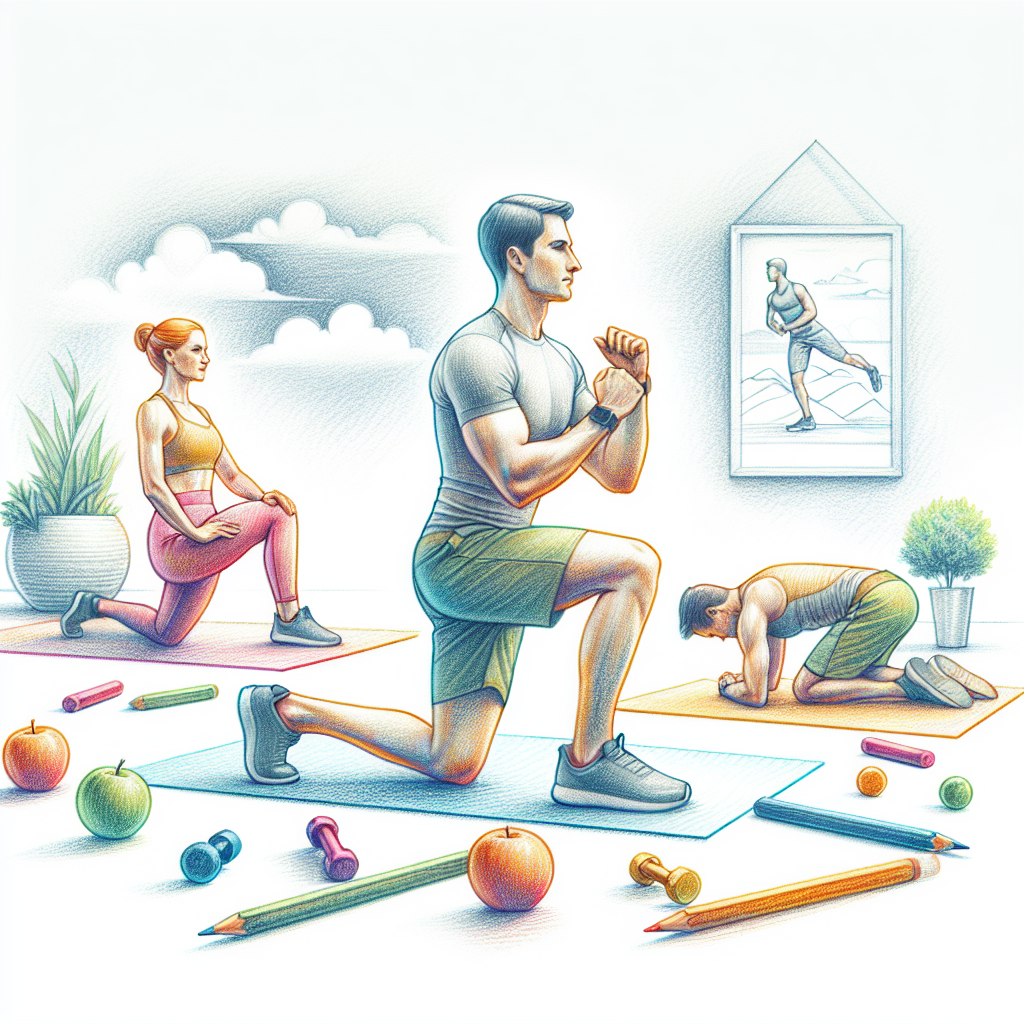
The ability to develop increased muscle strength without the need for weights is a valuable skill, especially for those with limited access to gym facilities or equipment. Bodyweight exercises not only enhance muscle hypertrophy but also improve functional strength, coordination, and overall fitness. This article explores various effective bodyweight exercises designed to build muscle, offering a practical guide to achieve results comparable to traditional weightlifting.

  • Understanding Bodyweight Exercises
  • The Importance of Progressive Overload
  • Key Bodyweight Exercises for Muscle Growth
  • Sample Workout Routine
  • When to Consult a Professional
  • Common Myths About Bodyweight Training
  • Frequently Asked Questions
  • Conclusion

Understanding Bodyweight Exercises

Bodyweight exercises utilize the individual’s own weight as resistance, making them accessible and versatile. They can be performed anywhere, making them especially ideal for those who prefer at-home workouts. These exercises engage multiple muscle groups, promoting not only strength but also stability and coordination.

The Importance of Progressive Overload

Progressive overload is fundamental to muscle growth. This principle asserts that to increase muscle size and strength, one must gradually increase the weight, frequency, or intensity of exercises. In the context of bodyweight training, this can be achieved by manipulating variables such as exercise duration, movement complexity, and rest intervals.

Key Bodyweight Exercises for Muscle Growth

Below are several effective bodyweight exercises that target various muscle groups, promoting overall strength and hypertrophy:

  • Push-Ups: An excellent exercise for the chest, shoulders, and triceps. Variants such as wide-grip, diamond, and decline push-ups can enhance muscle engagement.
  • Squats: Targeting the quadriceps, hamstrings, and glutes, bodyweight squats can be intensified with variations like jump squats or single-leg squats.
  • Lunges: This movement develops lower body strength while also enhancing balance. Incorporate forward, backward, and lateral lunges for comprehensive training.
  • Planks: While primarily a core exercise, planks also engage various muscle groups. Incorporate side planks or plank variations to increase difficulty.
  • Pull-Ups or Chin-Ups: These exercises mainly target the back and biceps. They require a sturdy overhead bar, but can be executed using bands for assistance.

Sample Workout Routine

Here is a concise routine that can be performed daily or several times a week, designed to build muscle effectively in just six minutes:

  1. Warm-up (1 minute): Jumping jacks or high knees to elevate heart rate.
  2. Push-Ups (1 minute): Perform as many quality reps as possible.
  3. Bodyweight Squats (1 minute): Focus on form, aiming for depth.
  4. Planks (1 minute): Hold a plank position, activating the core.
  5. Lunges (1 minute): Alternate legs, ensuring proper knee alignment.
  6. Cool Down (1 minute): Stretch major muscle groups, focusing on breath.

For those seeking a structured program, consider participating in a 30-day exercise program that only requires six minutes of daily training to yield significant results.

When to Consult a Professional

While bodyweight exercises can benefit most individuals, consulting a fitness professional is advisable if you experience ongoing pain, have pre-existing injuries, or feel uncertain about exercise techniques. A qualified trainer can provide personalized guidance and ensure that your workouts are safe and effective.

Common Myths About Bodyweight Training

Several misconceptions surround bodyweight training, leading to misunderstandings about its effectiveness:

  • Myth 1: Bodyweight exercises are less effective than weightlifting. In reality, they can build muscle effectively with proper technique and progression.
  • Myth 2: Only beginners can benefit from bodyweight exercises. Individuals at all fitness levels can adjust difficulty and intensity.
  • Myth 3: Bodyweight training does not offer substantial strength improvements. Consistent practice with progressive overload can yield significant strength gains.

Frequently Asked Questions

Can I build muscle without weights?

Yes, bodyweight exercises can effectively build muscle strength and mass when performed with proper intensity and progression.

How many times a week should I do bodyweight exercises?

For optimal results, aim for a minimum of three times a week, allowing adequate recovery between sessions.

Are there any limitations to bodyweight training?

While bodyweight training provides numerous benefits, it may be challenging to target specific muscle groups as effectively as with weights when advanced levels are reached.

Do I need to warm-up before bodyweight training?

Yes, warming up is essential to prevent injury and prepare your muscles for the workout. A brief session of dynamic movements is ideal.

Can bodyweight training help with weight loss?

Yes, bodyweight exercises can contribute to weight loss when combined with a balanced diet and cardiovascular activities.

How can I progress my bodyweight exercises?

Increase challenge by adding repetitions, reducing rest times, or introducing advanced variations of each exercise.

Conclusion

  • Bodyweight exercises are highly effective for building muscle without weights.
  • Progressive overload is crucial for achieving muscle hypertrophy.
  • A variety of exercises work different muscle groups, fostering overall strength.
  • Consult professionals when uncertain about techniques or dealing with injuries.
  • Dispelling myths about bodyweight training can help enhance workout efficacy.

Embark on your journey to strength and fitness today by exploring this 30-day exercise program, designed for busy individuals seeking results in just six minutes a day.

Author: John Angel

Related articles

Categories
Fitness

Effective Home Workout Apps: No Equipment Needed

In today’s fast-paced world, many people find it challenging to allocate time for fitness, especially when gym memberships and travel are involved. However, a home workout app that requires no equipment can provide you with an efficient solution for maintaining your health and fitness levels. With just a few minutes each day, you can transform your body and boost your well-being. This article explores the advantages of home workout apps, offers tips on choosing the right one, and provides insights for maximizing your exercise routine.

  • Introduction
  • The Rise of Home Workout Apps
  • Key Features to Look For
  • Creating Your Own Routine
  • Common Misconceptions about At-Home Workouts
  • When to Seek Professional Guidance
  • FAQs
  • Conclusion

The Rise of Home Workout Apps

In recent years, the increasing prevalence of smartphones has led to the growth of fitness technology, particularly home workout apps. These platforms offer a range of exercises catering to various fitness levels, allowing users to stay active without stepping into a gym. The convenience of working out at home or anywhere else can significantly contribute to a more sustainable fitness routine.

Key Features to Look For

When selecting a home workout app, consider the following features to ensure a beneficial experience:

  • User-Friendly Interface: Look for an app that is easy to navigate, with gentle tutorials for beginners.
  • Variety of Workouts: Opt for an app that provides diverse workout plans, from high-intensity interval training (HIIT) to yoga.
  • Customization Options: The ability to personalize your workout according to time, goal, or fitness level is crucial.
  • Progress Tracking: Choose apps that can log your workouts and track your progress over time.
  • Community Support: Apps that offer community forums or challenges can motivate you and keep you accountable.

Creating Your Own Routine

A personalized workout routine can be highly effective. Here are steps to create your own routine without equipment:

  1. Set Clear Goals: Decide what you want to achieve, whether that be weight loss, muscle gain, or overall health improvement.
  2. Choose Your Types of Workouts: Select exercises that target different body parts—core, legs, arms, and cardiovascular health.
  3. Establish a Schedule: Aim to workout for at least six minutes a day. Consistency is key.
  4. Warm-Up and Cool Down: Incorporate warm-up and cool-down stretches to prevent injury.
  5. Monitor Your Progress: Regularly assess your performance and adjust your routine as necessary.

For a structured program that requires only six minutes of your time each day, consider registering for a 30-day exercise program [here](https://app.revolucnicviceni.cz/en/registration). This program is designed to yield results similar to traditional gym workouts without the need for equipment.

Common Misconceptions about At-Home Workouts

Despite growing evidence of their efficacy, some misconceptions about at-home workouts persist:

  • No Equipment Means No Results: Many effective bodyweight exercises target various muscle groups without the need for weights.
  • Only for Beginners: Home workouts can be scaled to suit any fitness level, including advanced routines.
  • Less Motivating: With the right app and community, you can find significant motivation through challenges and peer support.
  • Time-Consuming: Many effective workouts can be completed in as little as six minutes, making them highly time-efficient.

When to Seek Professional Guidance

While home workouts can be highly beneficial, there are certain situations where consulting a professional is advisable:

  • Persistent Pain: If you experience ongoing pain during or after workouts, consult a healthcare provider.
  • Pre-existing Conditions: Individuals with chronic health issues should speak with a professional before engaging in a new routine.
  • Uncertain About Exercise Form: If you are unsure about proper technique, consider a session with a fitness coach.
  • Lack of Progress: If you find yourself plateauing or experiencing diminishing returns, consulting with a trainer might help adjust your approach.

FAQs

Can I get fit with only 6 minutes of exercise a day?

Yes, high-intensity workouts can provide substantial benefits, even in brief sessions.

What types of exercises can I do at home without equipment?

Bodyweight exercises, such as push-ups, squats, and planks, are effective choices.

Do I need to follow a specific program to see results?

While structured programs can provide guidance, you can also create your own customized routine.

How can I stay motivated when working out at home?

Involve friends, track your progress, and participate in challenges to stay engaged.

Are home workouts safe for everyone?

Most individuals can engage in home workouts, but consult a healthcare provider if you have concerns or health conditions.

What if I don’t have enough space for workouts?

Many exercises can be done in limited space; focus on bodyweight movements that require minimal room.

Conclusion

  • Home workout apps provide convenient, effective fitness options.
  • Select apps with user-friendly interfaces and diverse workout options.
  • Creating a personal routine can yield significant results.
  • Be aware of common misconceptions that may hinder your fitness journey.
  • Consult professionals when facing persistent issues or health concerns.

Embrace the convenience of home workouts, and start your fitness journey today. For a well-structured program that fits easily into your daily routine, consider signing up for a 30-day exercise plan [here](https://app.revolucnicviceni.cz/en/registration). Your path to improved health is just a few minutes away!

Author: John Angel

Related articles

Categories
Fitness

Effective Leg Workouts Without Weights for All Fitness Levels

Leg Workouts Without Weights

Incorporating effective leg workouts into your fitness routine need not require weights. Bodyweight exercises can build strength, endurance, and flexibility while promoting overall fitness. These workouts not only enhance your lower body musculature but can also improve functional movements, making daily activities easier. This article explores various bodyweight exercises specifically aimed at strengthening your legs, showcases a structured workout plan, and discusses when to seek professional advice for any ongoing concerns.

  • Understanding Bodyweight Leg Exercises
  • Top Bodyweight Exercises for Legs
  • Structuring Your Leg Workout
  • Consulting a Professional: When to Seek Help
  • Common Myths About Weightless Workouts
  • Frequently Asked Questions
  • Conclusion

Understanding Bodyweight Leg Exercises

Bodyweight leg exercises utilize the weight of your own body as resistance, making them accessible and effective for individuals of all fitness levels. Unlike traditional weightlifting, these exercises often engage multiple muscle groups, enhancing coordination and core stability. Moreover, they can be performed virtually anywhere, eliminating the need for a gym or equipment.

Top Bodyweight Exercises for Legs

Engaging in various exercises can target different muscle groups within the legs. Below are some of the most effective bodyweight exercises:

  • Squats: A foundational movement that targets the quadriceps, hamstrings, and glutes. Stand with feet shoulder-width apart and lower your body as if sitting back into a chair.
  • Lunges: These work the same muscle groups as squats but add a balance component. Step forward with one leg, lowering your hips until both knees are bent at about a 90-degree angle.
  • Calf Raises: Ideal for strengthening the calves, simply rise up onto your toes and lower back down. This can be enhanced by doing it on an elevated surface.
  • Step-Ups: Use a sturdy bench or step. Step up with one foot and bring the other foot up to meet it, then step back down. This promotes stability and strength.
  • Glute Bridges: Lie on your back with knees bent. Lift your hips towards the ceiling while squeezing the glutes. This exercise targets the hamstrings and glutes remarkably.
  • Wall Sits: This isometric exercise involves sitting against a wall as if in an invisible chair, which powerfully engages the quadriceps.

Structuring Your Leg Workout

When designing a leg workout, consider the following components to ensure comprehensive muscle engagement:

  1. Warm-Up: Begin with light cardio to prepare your muscles. Activities like high knees or jumping jacks for 5 minutes can be effective.
  2. Exercise Selection: Choose 3-5 exercises from the list above. Aim to include a mixture of squats, lunges, and isolated movements like calf raises.
  3. Repetitions and Sets: Start with 3 sets of 10-15 repetitions for each exercise, adjusting as necessary based on your fitness level.
  4. Cooldown: Conclude with stretches focused on the leg muscles, including hamstring and quadriceps stretches, lasting about 5-10 minutes.
  5. Daily Commitment: Consistency is key. Consider integrating a 30-day exercise program that offers effective results, requiring just 6 minutes of your time each day. For a free registration to begin, please visit this link.

Consulting a Professional: When to Seek Help

While bodyweight exercises are generally safe, there are instances when seeking professional guidance is advisable. If you experience:

  • Persistent pain during exercises, especially in the joints.
  • Unusual swelling or bruising in the leg area.
  • Difficulty or instability when performing basic movements.
  • A history of previous injuries impacting your legs.

Consulting a qualified fitness instructor or healthcare provider can provide personalized recommendations tailored to your specific health needs.

Common Myths About Weightless Workouts

There are several misconceptions surrounding bodyweight exercise routines. Addressing these can help individuals make informed decisions about their fitness journeys:

  • Myth 1: Bodyweight exercises are not effective for building muscle. Fact: Many athletes utilize bodyweight routines to enhance strength and endurance.
  • Myth 2: You need weights to achieve a challenging workout. Fact: Bodyweight exercises can be modified to increase difficulty through variations and tempo changes.
  • Myth 3: Weightless workouts only benefit beginners. Fact: Advanced practitioners often engage in bodyweight training for functional performance and injury prevention.
  • Myth 4: All bodyweight workouts are the same. Fact: There is a wide range of exercises that target various muscle groups and offer different levels of intensity.

Frequently Asked Questions

Can beginners perform leg workouts without weights?

Yes, bodyweight leg workouts are ideal for beginners as they help in building strength and mastering form.

How often should I do bodyweight leg workouts?

It is advisable to perform leg workouts 2-3 times per week, allowing for adequate recovery time between sessions.

Can I increase the intensity of these workouts?

Absolutely! You can increase repetitions, shorten rest periods, or try advanced variations of exercises to enhance the challenge.

Are bodyweight leg workouts suitable for weight loss?

Yes, when combined with a balanced diet, bodyweight leg workouts can contribute to weight loss by burning calories and building lean muscle.

Can I do leg workouts every day?

While consistency is important, daily workouts may lead to fatigue or injury. It is best to incorporate rest days to allow muscle recovery.

Do I need to warm up before bodyweight exercises?

Yes, a proper warm-up is crucial to prepare the muscles and reduce the risk of injury during workouts.

Conclusion

  • Bodyweight exercises effectively strengthen leg muscles without the need for weights.
  • Creating a structured workout routine enhances strength and stability.
  • Consult a professional if you experience pain or have previous injuries affecting your workouts.
  • Don’t let common myths deter you from engaging in effective weightless workouts.
  • Consider joining a streamlined 30-day exercise program to achieve results in just 6 minutes daily by visiting this link.

Start transforming your fitness journey today with leg workouts that are simple, effective, and highly rewarding!

Author: John Angel

Related articles

Categories
Fitness

Effective Fat Burning Exercises at Home for Beginners

Fat Burning Exercises at Home: No Equipment for Beginners

Fat burning exercises are essential for anyone looking to shed excess weight and improve overall health. The beauty of these exercises is that they can be performed at home without any specialized equipment, making them accessible and convenient for beginners. In this article, we will explore effective fat-burning workouts perfect for novices, helping you jumpstart your fitness journey.

  • Benefits of Home Workouts
  • Essential Exercises for Fat Burning
  • Creating Your Workout Routine
  • Common Mistakes to Avoid
  • When to Consult a Professional
  • Frequently Asked Questions

Benefits of Home Workouts

Exercising at home offers multiple advantages, especially for beginners. Some key benefits include:

  • Convenience: You can exercise anytime that fits your schedule.
  • Cost-effectiveness: No need for gym memberships or expensive equipment.
  • Privacy: Working out in your space can boost confidence.
  • Flexibility: Tailor your routine to your specific needs and goals.

Essential Exercises for Fat Burning

Here are some fundamental exercises you can incorporate into your fat-burning routine. These movements engage multiple muscle groups, enhancing calorie burn and promoting weight loss.

1. Jumping Jacks

This classic exercise elevates your heart rate and works your entire body. Aim for 30 seconds to begin.

2. High Knees

Another effective cardiovascular workout, high knees can burn a significant number of calories quickly. Perform in intervals of 30 seconds.

3. Bodyweight Squats

Squats target your lower body and core. Aim for three sets of 10-15 repetitions.

4. Push-Ups

These strengthen your upper body and core. For beginners, a modified version on your knees can be effective.

5. Plank

Planks improve core stability. Hold for 20-30 seconds, working up to longer durations.

6. Mountain Climbers

This dynamic exercise combines strength and aerobic fitness. Perform for 30 seconds.

Creating Your Workout Routine

Designing a simple and effective workout routine can help you stay consistent. Here are steps to create your regimen:

  1. Set your fitness goals. Understand whether you are focusing on weight loss, endurance, or muscle toning.
  2. Choose 5-6 exercises from the list above.
  3. Determine your workout frequency. Aim for at least 3-5 days a week.
  4. Start with brief sessions, gradually increasing their duration as your fitness improves.
  5. Incorporate rest days to allow your body to recover.

For those seeking a structured program without the need for extensive time, consider registering for a 30-day exercise program that requires just 6 minutes of daily commitment.

Common Mistakes to Avoid

Even beginners can fall into traps that inhibit progress. Recognizing these common mistakes is critical for achieving success.

  • Inconsistency: Regularity is vital; missing workouts can significantly hinder results.
  • Neglecting Warm-Up: Skipping a warm-up can lead to injuries. Always prepare your body.
  • Poor Form: Performing exercises incorrectly increases the risk of injury. Focus on technique.
  • Overtraining: Pushing too hard can lead to burnout or injuries. Listen to your body.
  • Unrealistic Expectations: Results take time; avoid the temptation to expect quick fixes.

When to Consult a Professional

While exercising at home is beneficial, there are instances when you should seek professional advice:

  • If you experience persistent pain or discomfort during workouts.
  • When attempting a new exercise that feels beyond your current abilities.
  • If you have existing health concerns, such as heart issues or chronic conditions.
  • When you feel unsure about your exercise form and its implications on safety.

Frequently Asked Questions

What are some fat-burning exercises I can do at home?

Effective fat-burning exercises include jumping jacks, high knees, squats, push-ups, planks, and mountain climbers.

Do I need to work out every day to lose fat?

While consistency is essential, it’s not necessary to work out daily. Aim for 3-5 days a week, allowing time for recovery.

How long should I exercise to burn fat?

Even short sessions of 20-30 minutes can be effective. More important than duration is the intensity of your workout.

Can beginners really see results at home?

Yes, beginners can achieve noticeable results at home with discipline and the right strategy.

Is equipment necessary for a home workout?

No equipment is needed for many fat-burning exercises. You can achieve significant results using just your body weight.

How can I stay motivated to exercise at home?

Set clear goals, keep a workout journal, and consider joining online fitness communities for support and accountability.

Conclusion

  • Home workouts are convenient, cost-effective, and valuable for beginners.
  • Incorporating a variety of bodyweight exercises can effectively burn fat.
  • Consistency, proper form, and avoiding common mistakes are essential for success.
  • Be aware of when to seek professional advice to ensure safety in your fitness journey.
  • Consider joining structured programs to stay motivated and maintain a routine.

Take the first step towards achieving your fitness goals today. With dedication and the right exercises, you can embark on a successful fat-burning journey from the comfort of your own home.

Author: John Angel

Related articles

Categories
Fitness

Effective Bodyweight Training for All Fitness Levels

In today’s fast-paced world, finding time to exercise can be a significant challenge. Fortunately, training without equipment offers an accessible and flexible solution. This form of workout not only eliminates the need for gym memberships or complicated apparatus but also allows individuals to engage in effective training anywhere, anytime. By incorporating bodyweight exercises into your routine, you can achieve remarkable results with consistent effort. This article will delve into the nuances of training without equipment, offering practical guidance and expert insights to optimize your fitness journey.

  • Understanding Bodyweight Training
  • Key Benefits of Equipment-Free Workouts
  • Effective Exercises to Incorporate
  • Developing a Routine
  • When to Seek Professional Guidance
  • Common Myths and Misconceptions
  • Frequently Asked Questions
  • Conclusion

Understanding Bodyweight Training

Bodyweight training involves exercises where your body’s own weight provides resistance. This eliminates the need for external equipment, enabling individuals to strengthen muscles, improve flexibility, and enhance cardiovascular fitness using only their body. Such exercises include push-ups, squats, lunges, and planks, which can be modified to fit various fitness levels.

Key Benefits of Equipment-Free Workouts

The advantages of training without equipment are manifold:

  • Cost-Effective: No need for gym memberships or purchasing equipment.
  • Convenience: Exercise anywhere, whether at home, in a park, or while traveling.
  • Flexibility: Easily adapt workouts to fit your schedule.
  • Functional Strength: Many bodyweight exercises enhance real-life movement patterns.
  • Injury Prevention: Focus on form and body awareness reduces the risk of injury.

Effective Exercises to Incorporate

Here are several effective exercises that can form the backbone of your training regimen:

  • Push-Ups: Great for upper body strength; can be modified for difficulty.
  • Squats: Target the legs and glutes; variations include jump squats and squats with a pause.
  • Lunges: Improve balance and coordination; try forward, reverse, or side lunges.
  • Planks: Excellent for core stability; variations include side planks and plank jacks.
  • Burpees: A full-body workout that combines strength and cardio.
  • Mountain Climbers: A dynamic move that targets multiple muscle groups and raises heart rate.

Developing a Routine

Creating a structured routine is key to achieving results with bodyweight exercises. Consider the following steps:

  1. Set Clear Goals: Determine what you want to achieve, be it weight loss, muscle gain, or improved endurance.
  2. Schedule Workouts: Consistency is crucial; aim for at least three to five sessions per week.
  3. Vary Your Exercises: Mix different exercises to engage various muscle groups and prevent boredom.
  4. Incorporate Progression: Gradually increase the difficulty by adding variations or increasing repetitions.
  5. Monitor Your Progress: Track workouts and celebrate milestones to stay motivated.

For those interested in a structured program, try a 30-day exercise regimen where you only need to exercise for six minutes daily but can achieve results similar to traditional gyms: Free 30-Day Exercise Program.

When to Seek Professional Guidance

While training without equipment can be highly effective, there are certain situations where consulting a professional is advisable:

  • If you experience persistent pain during or after workouts.
  • If you have a pre-existing medical condition that may affect your ability to exercise safely.
  • If you’re unsure of how to perform certain exercises correctly.
  • If you wish to develop a tailored program that considers your specific fitness goals.

Common Myths and Misconceptions

Navigating the world of bodyweight training can sometimes be clouded by misinformation. Here are several common misconceptions:

  • Myth 1: Bodyweight training is less effective than lifting weights. In fact, many bodyweight exercises can build significant muscle and strength.
  • Myth 2: You cannot build muscle without equipment. Progressive overload can be achieved with proper bodyweight techniques.
  • Myth 3: Bodyweight training is only for beginners. All fitness levels can find challenging adaptations.
  • Myth 4: You need a lot of space to train. Most bodyweight exercises require minimal space.
  • Myth 5: Bodyweight workouts are too easy. With creative modifications, they can be incredibly challenging.

Frequently Asked Questions

Can I build muscle without weights?

Yes, bodyweight exercises can effectively build muscle through progressive overload and variations.

How long should my workout last?

Effective bodyweight workouts can be as short as 6 to 30 minutes, depending on intensity and complexity.

Is bodyweight training suitable for all fitness levels?

Yes, exercises can be modified to fit beginners as well as more advanced practitioners.

Do I need a special diet to complement bodyweight training?

A balanced diet rich in protein, carbohydrates, and healthy fats will support your fitness goals.

How often should I do bodyweight training?

Aim for at least three to five times a week for optimal results.

Can I do bodyweight training at home?

Absolutely, bodyweight exercises can be performed in the comfort of your home or any other location.

Conclusion

  • Training without equipment is convenient and cost-effective.
  • Bodyweight exercises can be modified for all fitness levels.
  • A well-structured routine enhances effectiveness and motivation.
  • Consulting a professional can help tailor programs to individual needs.
  • Dispelling myths aids in understanding the true value of bodyweight training.

Take the first step towards a healthier lifestyle by incorporating bodyweight exercises into your routine today. Consider exploring the free 30-day exercise program that requires only six minutes of your time each day, yet promises substantial results: Free 30-Day Exercise Program.

Author: John Angel

Related articles

Categories
Fitness

Maximize Home Fitness with Equipment-Free Workout Apps

In an era where physical fitness is often associated with elaborate gym memberships, the possibility of achieving remarkable results from home through a workout app without equipment has gained momentum. Such apps empower individuals to maintain an active lifestyle regardless of financial constraints or geographical limitations. This article will explore the benefits and functionalities of equipment-free workout apps, guiding readers towards understanding how they can effectively integrate these solutions into their daily routines.

  • Introduction
  • The Benefits of Equipment-Free Workouts
  • Key Features of a Quality Workout App
  • Effective Practices for Using Workout Apps
  • Addressing Health Concerns
  • Myths and Misconceptions Regarding Home Workouts
  • FAQ
  • Conclusion

The Benefits of Equipment-Free Workouts

Training without equipment offers numerous advantages. Here are some notable benefits:

  • Accessibility: Individuals can access workouts anytime, anywhere.
  • Cost-effectiveness: Without the need for expensive gym memberships or equipment, these workouts are budget-friendly.
  • Flexibility: Users can design their own routines that fit around their schedules.
  • Space Efficiency: No need for large equipment means workouts can be performed in small spaces.
  • Creativity: Many apps encourage users to incorporate everyday objects as weights or resistance, making workouts innovative.

Key Features of a Quality Workout App

A transformative workout app should include several essential features:

  • User-Friendly Interface: Simple navigation allows users to easily access workouts and track progress.
  • Variety of Exercises: A diverse selection of workouts ensures balanced training across different muscle groups.
  • Customization Options: Users should be able to tailor workouts according to their fitness levels and goals.
  • Progress Tracking: An effective app should provide insight into users’ improvements over time.
  • Guided Instruction: Clear instructions or videos enhance understanding and execution of exercises.

Effective Practices for Using Workout Apps

To optimize the use of a workout app, consider the following practical steps:

  1. Set Clear Goals: Define personal fitness ambitions, whether it be weight loss, muscle gain, or increased stamina.
  2. Establish a Routine: Integrate daily workouts into a consistent schedule for maximum benefit.
  3. Start Slowly: Gradually increase workout intensity to prevent injury.
  4. Stay Hydrated: Drink sufficient water before, during, and after workouts.
  5. Engage with Community: Many apps offer community features, which can provide motivation and support.

To jumpstart your experience, consider registering for a 30-day exercise program where you only exercise for 6 minutes every day. Experience results akin to that of gym workouts at this link.

When to Consult a Professional

While engaging in home workouts can be transformative, certain health concerns necessitate professional guidance. Seek help from a qualified fitness professional or healthcare provider if:

  • You experience persistent pain during or after workouts.
  • You have pre-existing health conditions, such as heart issues or joint problems.
  • Your progress plateaus, and you are unsure of how to advance.
  • You feel fatigued frequently, despite regular exercise.
  • You are considering starting a new workout or diet while managing medical concerns.

Myths and Misconceptions Regarding Home Workouts

Several myths surround the effectiveness of workouts without equipment, which can mislead potential fitness enthusiasts. Here are common misconceptions:

  • Myth 1: Home workouts are less effective than gym workouts. Truth: Consistent, well-structured home workouts can yield significant results.
  • Myth 2: Only heavy weights can build muscle. Truth: Bodyweight exercises can also enhance strength and muscle growth.
  • Myth 3: You need a lot of time for effective workouts. Truth: Short, intense workouts can be highly effective.
  • Myth 4: You cannot lose weight without cardio equipment. Truth: High-intensity interval training (HIIT) can be achieved solely with bodyweight exercises.
  • Myth 5: All home workouts are monotonous. Truth: Many apps offer diverse and innovative workouts to keep users engaged.

FAQ

What are the best exercises to do without equipment?

Bodyweight exercises like push-ups, squats, lunges, and planks are highly effective.

Can I build muscle with bodyweight exercises?

Yes, bodyweight exercises can help build muscle, especially when performed in progressive variations.

How often should I use a workout app?

It is recommended to work out 3-5 times a week for optimal results, depending on your fitness goals.

Can beginners use workout apps effectively?

Absolutely. Many apps cater to beginners by offering beginner-friendly routines and instructions.

What if I lack motivation to work out at home?

Engaging with community features in apps, setting goals, and establishing a routine can enhance motivation.

Are there specific dietary guidelines to follow while using a workout app?

While using a workout app, maintaining a balanced diet, rich in whole foods, can complement your fitness efforts.

Conclusion

  • Workout apps without equipment offer accessible and cost-effective fitness solutions.
  • Key features of effective apps include user-friendly interfaces and progress tracking.
  • To maximize results, set clear goals and establish a strict routine.
  • Consult a professional if experiencing pain or persistent fatigue.
  • Be aware of common myths surrounding bodyweight training for informed fitness choices.

Now is the perfect time to explore the world of equipment-free workouts. Embrace the benefits, take control of your fitness journey, and potentially transform your life today.

Author: John Angel

Related articles

Categories
Fitness

Effective Full Body Calisthenics Workout Without Equipment

In an age when fitness solutions are abundant, full body calisthenics workouts are a standout option for individuals seeking versatility, efficiency, and incremental strength gains without the need for specialized equipment. This approach not only promotes muscle growth and cardiovascular health but can also be tailored to fit any busy schedule, making it accessible for everyone. By committing just a few minutes daily, you can achieve results that rival traditional gym workouts.

  • Understanding Full Body Calisthenics
  • Key Benefits of No-Equipment Workouts
  • Sample Full Body Calisthenics Workout
  • Integrating Calisthenics into Daily Life
  • Common Misconceptions About Calisthenics
  • When to Consult a Fitness Professional
  • Frequently Asked Questions

Understanding Full Body Calisthenics

Calisthenics is a form of exercise that primarily relies on rhythm, control, and body weight. It encompasses a wide range of movements—such as push-ups, pull-ups, squats, and lunges—that engage multiple muscle groups. Consequently, full body calisthenics workouts can serve as an effective way to enhance strength, flexibility, endurance, and coordination simultaneously.

Key Benefits of No-Equipment Workouts

Engaging in calisthenics without equipment yields a myriad of advantages:

  • Accessibility: No gym memberships or equipment purchases are required.
  • Flexibility: Workouts can be performed anywhere—home, park, or even while traveling.
  • Scalability: Exercises can be modified to fit different fitness levels.
  • Time Efficiency: Short workouts can yield significant results, especially with discipline and consistency.

Sample Full Body Calisthenics Workout

Here is a simple yet effective full body calisthenics routine that can be performed in under 30 minutes:

  1. Warm-Up (5 minutes): Jumping jacks, arm circles, leg swings.
  2. Workout (20 minutes):
    • Push-ups: 3 sets of 10-15 reps.
    • Bodyweight squats: 3 sets of 15-20 reps.
    • Plank: 3 sets of 30 seconds to 1 minute.
    • Lunges: 3 sets of 10-15 reps per leg.
    • Burpees: 3 sets of 5-10 reps.
  3. Cool Down (5 minutes): Stretching major muscle groups, focusing on breath control.

Integrating Calisthenics into Daily Life

Finding time to work out can be challenging, but integrating calisthenics into your daily routine can make a significant difference. Consider the following strategies:

  • Perform short bursts of exercises during study or work breaks.
  • Incorporate movements into daily tasks (e.g., squatting while picking something up).
  • Make use of online programs that offer expert guidance. One notable option is a 30-day exercise program that requires only 6 minutes of daily commitment and can lead to significant results—click here to register for free.

Common Misconceptions About Calisthenics

Despite the growing popularity of calisthenics, several misconceptions can deter individuals from pursuing this effective form of exercise:

  • Myth 1: Calisthenics is only for beginners.
  • Myth 2: You won’t build muscle without weights.
  • Myth 3: You can’t achieve cardiovascular fitness through bodyweight exercises.

In reality, calisthenics can be modified to provide challenges for all fitness levels, and numerous individuals have successfully built muscle and endurance using only body weight.

When to Consult a Fitness Professional

While calisthenics can be safe and beneficial for many, certain situations warrant consultation with a qualified fitness professional:

  • Significant pain or discomfort during exercises.
  • Medical conditions that could affect exercise safety, such as heart issues.
  • Post-rehabilitation or recovery situations requiring specialized guidance.

Frequently Asked Questions

1. Can I gain muscle with calisthenics?

Yes, calisthenics can effectively promote muscle growth through progressive overload, which can be achieved by increasing repetitions or modifying exercises.

2. How often should I perform calisthenics workouts?

For optimal results, aim for at least 3-4 sessions per week, allowing adequate recovery time between workouts.

3. Are there any prerequisites for starting calisthenics?

There are no strict prerequisites; however, beginners should start with basic movements and gradually build strength and technique.

4. Is it necessary to warm up before calisthenics?

A proper warm-up is essential to prepare your muscles and reduce the risk of injury.

5. Can I do calisthenics while traveling?

Absolutely! Calisthenics is very travel-friendly as it requires no equipment and can be performed almost anywhere.

6. How long does it take to see results from calisthenics?

Visible results can vary based on individual effort and consistency, but many individuals notice improvements in strength and endurance within a few weeks.

Conclusion

  • Calisthenics offers a comprehensive workout without the need for equipment.
  • It is highly flexible and can be adapted to various fitness levels.
  • Incorporating calisthenics into your routine can improve both strength and cardiovascular health.
  • Common misconceptions should not deter you from exploring this effective form of exercise.
  • For personalized guidance, consider consulting a fitness professional when necessary.

If you are ready to take the first step towards enhancing your fitness journey with just a few minutes each day, explore the benefits of calisthenics and consider joining a structured program today!

Author: John Angel

Related articles

Categories
Fitness

30-Day At-Home Muscle Building Workout Plan Without Equipment

Embarking on a muscle-building journey doesn’t necessitate a gym membership or expensive equipment. With a well-structured 30-day workout plan, you can effectively enhance your strength and muscle tone from the comfort of your home. This article presents a comprehensive exercise regimen that emphasizes bodyweight training, enabling you to achieve remarkable results in just six minutes a day. Additionally, beneficial resources are available, such as a free registration for a 30-day exercise program designed to maximize your efficiency.

  • Introduction
  • Understanding Muscle Building
  • Benefits of Home Workouts
  • 30-Day Muscle Building Plan: Overview
  • Practical Steps for the Plan
  • When to Seek Professional Guidance
  • Common Myths About Muscle Building
  • FAQ
  • Conclusion

Understanding Muscle Building

Muscle building, or hypertrophy, involves increasing the size of muscle fibers through resistance training and adequate nutrition. As you engage in exercises that challenge your muscles, micro-tears occur, and the body repairs these tears, leading to stronger and larger muscle fibers. Bodyweight exercises can be equally effective as traditional weightlifting, making them suitable for any fitness level.

The Science Behind Muscle Growth

Engaging in rhythmic motion against resistance stimulates muscle growth through two primary mechanisms: mechanical tension and metabolic stress. Both these elements can be effectively achieved through bodyweight exercises, ensuring substantial results in a home workout setting.

Benefits of Home Workouts

Training at home provides numerous advantages, including:

  • Cost-effectiveness: No need for gym memberships or equipment purchases.
  • Convenience: Flexibility to train at any time without the commute.
  • Personalized pace: Tailor your workouts to suit your personal comfort and fitness levels.
  • Privacy: Some individuals may feel more comfortable exercising in their own space.

30-Day Muscle Building Plan: Overview

This 30-day muscle building plan is structured to progressively enhance strength and endurance. Each workout is designed to target different muscle groups while incorporating adequate rest and recovery periods. Below is the weekly outline for the regimen:

  • Week 1: Introduction and Adjustment
  • Week 2: Building Intensity
  • Week 3: Increasing Volume
  • Week 4: Mastery and Refinement

Practical Steps for the Plan

To structure your workouts effectively, follow these daily steps:

  1. Choose Your Time: Dedicate a consistent time for your workout each day.
  2. Warm-Up: Engage in light aerobic activity or dynamic stretches for 3-5 minutes.
  3. Workout Routine: Follow the prescribed exercises for the day, focusing on form and progression.
  4. Cool Down: Spend a few minutes stretching to prevent soreness.
  5. Track Your Progress: Note improvements in repetitions or duration to stay motivated.
  6. Rest Days: Allow at least one rest day per week to enable muscle recovery.

When to Seek Professional Guidance

While home workouts can be highly effective, there are instances when professional guidance may be beneficial. Consider consulting with a fitness professional if you experience:

  • Persistent pain or discomfort during exercises.
  • Uncertainty about proper form, risking injury.
  • Lack of significant expected progress after consistent training.
  • Pre-existing medical conditions that may affect your ability to exercise safely.

Common Myths About Muscle Building

There are numerous misconceptions surrounding muscle building that can hinder progress. Here are a few common myths debunked:

  • Myth 1: You must lift heavy weights to build muscle.
  • Myth 2: More workout time equals better results.
  • Myth 3: Muscle can turn to fat when not trained.
  • Myth 4: Supplements are necessary for muscle growth.
  • Myth 5: You can spot-reduce fat while building muscle.

FAQ

What are bodyweight exercises?

Bodyweight exercises utilize your own weight as resistance, requiring no equipment. Examples include push-ups, squats, and planks.

How often should I exercise to build muscle?

Aim for at least three to five sessions a week, allowing rest days in between to facilitate recovery.

Can I build muscle without weights?

Yes, bodyweight exercises can effectively promote muscle growth without the need for weights.

Is rest important in muscle building?

Absolutely. Rest is crucial for muscle recovery and growth, allowing the body to repair and strengthen.

Can I follow this plan at any fitness level?

Yes, modifications can be made to accommodate different fitness levels. Start slowly and progress as you build strength.

How long before I see results?

Results may vary, but with consistency and commitment, you can notice improvements in strength and toning in approximately four to six weeks.

Conclusion

  • Muscle building at home is both feasible and effective.
  • Bodyweight exercises serve as a powerful tool for building strength.
  • A structured 30-day plan fosters consistency and improvement.
  • Understanding common myths can enhance your workout effectiveness.
  • Progress should be tracked and adjusted as needed for optimal results.

For those interested in maximizing their efficiency, consider registering for a free 30-day exercise program that only requires six minutes of exercise daily. This approach allows you to achieve gym-like results through a time-efficient regimen.

Author: John Angel

Related articles

Categories
Fitness

No-Equipment Weight Loss Workout Plan for Home

Weight Loss Workout Plan at Home: No Equipment Needed

Embarking on a weight loss journey can often seem daunting, especially when access to gym facilities is limited. However, achieving your fitness goals is entirely possible from the comfort of your home without any specialized equipment. This article outlines an effective workout plan that’s not only straightforward but can also deliver impressive results. By committing just six minutes each day, you can achieve fitness outcomes comparable to those from a traditional gym routine. For tailored guidance, consider registering for a free 30-day exercise program at this link.

  • Understanding Home Workouts
  • Effective Bodyweight Exercises
  • Sample 6-Minute Workout Plan
  • Nutritional Considerations
  • When to Consult a Professional
  • Common Myths and Mistakes
  • Frequently Asked Questions
  • Conclusion

Understanding Home Workouts

Home workouts offer unparalleled flexibility, allowing individuals to exercise at their own pace and schedule. By utilizing bodyweight exercises, one can build strength, improve cardiovascular health, and enhance flexibility without the necessity of gym equipment. Key advantages include:

  • Cost-effectiveness: No gym membership fees or equipment costs.
  • Convenience: Exercise anytime without commuting.
  • Personalization: Exercises can be tailored to fit individual goals and fitness levels.

Effective Bodyweight Exercises

Bodyweight exercises form the core of a no-equipment workout. These exercises utilize your own body weight for resistance, providing an effective means of building strength and endurance. Some of the most effective bodyweight exercises include:

  • Push-ups: Excellent for upper body strength.
  • Squats: Target the lower body, enhancing leg strength.
  • Plank: Builds core stability and strength.
  • Lunges: Improve leg strength and balance.
  • Bicycle Crunches: Effective for core and abdominal strength.

Sample 6-Minute Workout Plan

This condensed workout plan is designed to maximize efficiency within a limited timeframe. Perform each exercise for 30 seconds, with minimal rest in between:

  1. Jumping Jacks
  2. Push-ups
  3. Bodyweight Squats
  4. Mountain Climbers
  5. Plank
  6. Bicycle Crunches

When conducting this workout, focus on maintaining proper form to prevent injury while maximizing effectiveness.

Nutritional Considerations

Physical activity plays a vital role in weight loss, but nutrition is equally important. A balanced diet complements your workouts and optimizes results. Here are some guidelines:

  • Incorporate whole foods, such as fruits, vegetables, lean proteins, and whole grains.
  • Stay hydrated by drinking plenty of water throughout the day.
  • Monitor portion sizes to avoid overeating.
  • Consider timing your meals around your workouts for optimal energy.

When to Consult a Professional

While home workouts can be effective, there are instances when consulting a professional is advisable. Seek expert guidance if:

  • You experience persistent pain or discomfort during exercise.
  • You have underlying health conditions that may affect your ability to exercise.
  • You seek personalized advice tailored to your specific fitness goals.

Common Myths and Mistakes

In the pursuit of weight loss and fitness, several misconceptions may lead individuals astray. Understanding these myths can help ensure a successful workout journey:

  • Myth: You need a gym membership to lose weight. Reality: Effective workouts can be performed at home.
  • Myth: Cardio is the only way to lose weight. Reality: Strength training is equally important.
  • Myth: Spot reduction is possible. Reality: Fat loss occurs throughout the body, not targeted areas.

Frequently Asked Questions

How often should I perform these workouts?

Ideally, aim for at least five days a week to ensure consistency and maximize results.

Is six minutes really enough time to see results?

Yes, when done correctly and consistently, just six minutes of high-intensity exercise can yield significant benefits.

What if I am a beginner?

Start at a pace that feels comfortable and gradually increase intensity as your fitness levels improve.

Do I need to follow a specific diet?

A balanced diet is important, but you can still achieve weight loss with a focus on healthy choices and portion control.

Can I incorporate other exercises?

Absolutely! Feel free to mix in other bodyweight exercises or activities that you enjoy.

What if I miss a day of the workout?

Don’t be discouraged; simply pick up where you left off and maintain your momentum. Consistency is key.

Conclusion

  • Home workouts can effectively facilitate weight loss without equipment.
  • Bodyweight exercises provide versatility and require minimal space.
  • Proper nutrition is crucial for complementing your workout regime.
  • Consult a professional if persistent issues arise.
  • Dispelling myths and avoiding common mistakes is essential for success.

If you are ready to take the first step towards an achievable weight loss journey, consider starting with a free 30-day exercise program, where you can complete routines in just six minutes daily, yielding significant results similar to those achieved at a gym: click here to register.

Author: John Angel

Related articles

Categories
Fitness

The Ultimate Guide to No-Equipment Home Workout Apps

In today’s fast-paced world, finding time to prioritize fitness can be challenging, especially for those who do not have access to a gym or prefer to work out at home. Fortunately, the rise of at-home workout applications has facilitated an efficient approach to exercise without the need for expensive equipment. This article explores the benefits of using a no-equipment workout app, discusses how to effectively utilize such applications, and provides insights into when to engage a professional fitness coach.

  • Benefits of At-Home Workout Apps
  • Key Features to Look For
  • How to Structure Your No-Equipment Workouts
  • Common Misconceptions
  • When to Consult a Professional
  • Frequently Asked Questions
  • Conclusion

Benefits of At-Home Workout Apps

At-home workout apps offer numerous advantages for individuals seeking fitness solutions without a gym membership. First and foremost, they provide convenience, allowing users to exercise in the comfort of their own homes at flexible times. This eliminates barriers such as travel, membership costs, and scheduling conflicts.

Moreover, many of these applications include guided workouts that accommodate various fitness levels. Users can select workouts based on their goals, whether it’s weight loss, muscle gain, or overall wellness. Additionally, no-equipment workouts often utilize body weight exercises that are effective for building strength and endurance.

Key Features to Look For

When searching for a no-equipment workout app, consider the following features to ensure a positive experience:

  • User-Friendly Interface: Choose an app that is easy to navigate and visually appealing.
  • Varied Workout Programs: Look for a range of workouts that cater to different fitness levels and goals.
  • Guidance and Instruction: The app should provide clear video demonstrations and verbal cues to ensure proper form.
  • Progress Tracking: Features that allow users to track their progress help maintain motivation and accountability.
  • Community Support: Many apps offer a community platform where users can share experiences and seek encouragement.

How to Structure Your No-Equipment Workouts

To maximize the benefits of your at-home exercise routine, consider the following structured approach:

  1. Warm-Up: Start each session with a 5-10 minute warm-up, including dynamic stretches or light aerobic activity.
  2. Select Your Workout: Choose a workout focusing on either strength training, cardio, or flexibility. Ensure it aligns with your fitness goal.
  3. Follow the Routine: Engage in the exercises as instructed, maintaining proper form throughout.
  4. Cool Down: End your session with a 5-minute cool-down, incorporating static stretching to enhance flexibility.
  5. Monitor Progress: Track your exercises and improvements, adjusting your routine as needed over time.
  6. Rest and Recovery: Include rest days in your schedule to allow muscles to recover and grow stronger.

Common Misconceptions about At-Home Workouts

Despite their increasing popularity, several misconceptions surround at-home workouts that may deter individuals from embracing this fitness solution:

  • Myth: No Equipment Equals Ineffective Workouts: In reality, bodyweight exercises can build strength and endurance effectively.
  • Myth: Home Workouts Require Extensive Space: Many no-equipment routines can be performed in small areas, such as a living room.
  • Myth: Apps Are Only for Beginners: Many applications offer advanced workouts for experienced fitness enthusiasts as well.
  • Myth: Motivation is Harder to Maintain: With interactive features and communities, users often find added motivation from virtual connections.

When to Consult a Professional

While at-home workout apps can be incredibly beneficial, there are circumstances where consulting a professional may be advisable:

  • If you experience persistent pain or discomfort during exercises.
  • If you have existing health conditions, such as cardiovascular issues or chronic injuries.
  • When you’re unsure about the correctness of your form and technique.
  • If you wish to pursue a specialized fitness program tailored to your unique needs.

Frequently Asked Questions

Are at-home workout apps effective for weight loss?

Yes, when coupled with a balanced diet and consistency, at-home workout apps can be highly effective for weight loss.

Do I need any prior fitness experience to use these apps?

No, most no-equipment workout apps cater to all fitness levels, providing beginner-friendly options.

How much time should I dedicate to workouts each week?

Aim for at least 150 minutes of moderate-intensity exercise each week, distributed across several days.

Can I build muscle without weights?

Yes, bodyweight exercises such as push-ups, squats, and lunges can help build muscle effectively.

Is it necessary to pay for an at-home workout app?

While many paid apps offer premium features, several free apps provide valuable workouts without any cost.

What if I don’t have a lot of time to exercise?

Even short, 6-minute workouts can yield significant benefits. Consider registering for a free 30-day exercise program where you can achieve results akin to a gym workout in just 6 minutes daily: 30-Day Exercise Program.

Conclusion

  • At-home workout apps offer accessible fitness solutions without the need for equipment.
  • Look for user-friendly apps with varied programming and community support.
  • Structure your workouts effectively to maximize results.
  • Be aware of misconceptions that may hinder your fitness journey.
  • Consult a professional if experiencing pain or if you have specific health concerns.

Incorporating at-home workouts into your routine can lead to significant improvements in your physical fitness and overall well-being. Explore the available options and find a program that resonates with your goals — start today!

Author: John Angel

Related articles

Website analytics information

We use Google Analytics 4 for visitor statistics. Analytics cookies require your consent, which you can change using the button above. The data controller is ZDRAVÍ S ÚSMĚVEM s.r.o., company ID 29283329, contact podpora@revolucnicviceni.cz. Google processes browser, device and page visit information. We do not send form field values to Analytics. How Google uses information · Google Privacy Policy.