Categories
Fitness

Effective Home Workouts: No Equipment Needed

Exercises to Do at Home Without Equipment

In an increasingly busy world, finding time to exercise can be a challenge. However, home workouts that require no equipment can be a convenient and effective solution. These exercises allow you to enhance your physical fitness, improve your mood, and maintain a healthy lifestyle without the need for a gym membership. This article will provide you with a comprehensive guide to effective at-home workouts, along with practical advice on how to get started.

  • Understanding Bodyweight Exercises
  • Benefits of Exercising at Home
  • Specific Exercises to Try
  • Creating a Workout Routine
  • When to Seek Professional Advice
  • Common Myths About Home Workouts
  • Frequently Asked Questions

Understanding Bodyweight Exercises

Bodyweight exercises utilize one’s own weight as resistance, making them accessible for individuals of all fitness levels. These exercises can effectively build strength, improve flexibility, and enhance cardiovascular endurance without requiring any special equipment. Common examples include push-ups, squats, and lunges.

Benefits of Exercising at Home

Exercising at home carries a multitude of advantages:

  • Convenience: Home workouts eliminate the need for travel, saving time and effort.
  • Cost-effective: There are no membership fees or equipment costs.
  • Customization: You can tailor your workouts according to your personal goals and preferences.
  • Comfort: You can exercise in a familiar and private environment.
  • Flexibility: Workouts can be scheduled at your convenience, accommodating other life commitments.

Specific Exercises to Try

Here are some highly effective bodyweight exercises you can perform at home:

  • Push-Ups: Targets the chest, shoulders, and triceps. Start in a plank position and lower your body until your chest nearly touches the ground, then push back up.
  • Squats: Works the quadriceps, hamstrings, and glutes. Stand with your feet shoulder-width apart and lower your body as if you are sitting in a chair, then return to standing.
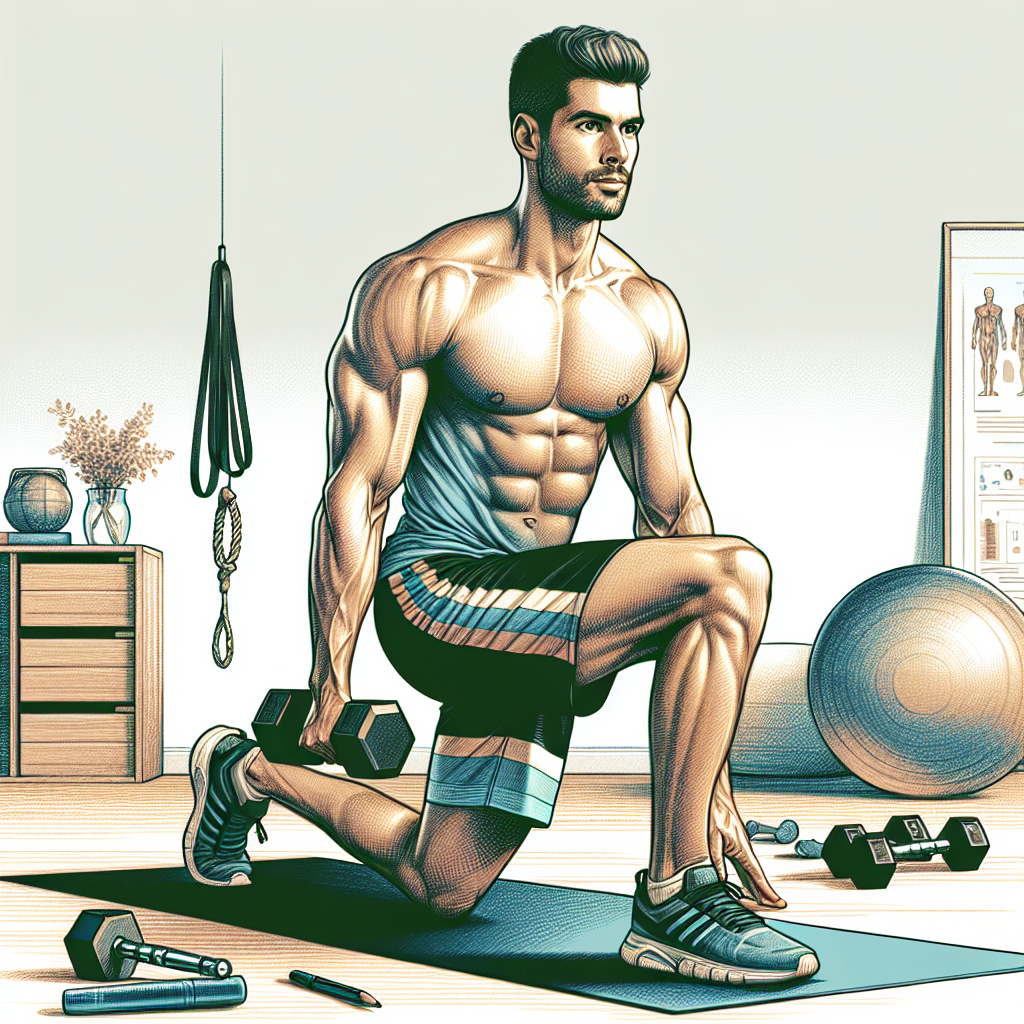
  • Lunges: Engages the legs and core. Step forward with one leg, lowering your hips until both knees are bent at about a 90-degree angle, then push back to the starting position.
  • Plank: Strengthens the core. Position yourself face down, balancing on your forearms and toes, keeping your body straight.
  • Burpees: A full-body exercise that increases endurance. Start standing, drop into a squat, kick your feet back to a plank, perform a push-up, return to squat, and jump upwards.

Creating a Workout Routine

Establishing a consistent workout routine is crucial for achieving results. Here are some steps to develop your plan:

  1. Set Your Goals: Define what you want to achieve, whether it’s weight loss, muscle gain, or overall fitness.
  2. Choose Your Exercises: Incorporate a variety of exercises that target different muscle groups.
  3. Schedule Workouts: Allocate specific days and times for your sessions to ensure consistency.
  4. Monitor Progress: Track your workouts and adjust your routine as needed to continue challenging yourself.
  5. 30-Day Program: For a guided experience, consider registering for a 30-day exercise program that requires only 6 minutes of exercise daily, designed to deliver results comparable to traditional gym workouts.

When to Seek Professional Advice

While home exercises can benefit most individuals, certain situations warrant consulting a healthcare or fitness professional:

  • If you experience persistent pain or discomfort during or after exercise.
  • Before starting any new workout routine, especially if you have pre-existing health conditions.
  • If you are unsure about the proper form or technique for bodyweight exercises.
  • If you have specific fitness goals that require personalized guidance.

Common Myths About Home Workouts

Many misconceptions surround the efficacy of home workouts. Here are a few myths debunked:

  • Myth 1 – You Need Equipment: Bodyweight exercises can be as effective as those using equipment, often modifying exercises offers similar benefits.
  • Myth 2 – No Pain, No Gain: Discomfort is common, but pain can indicate injury. Listen to your body.
  • Myth 3 – Home Workouts Aren’t Effective: Consistency and proper technique are key; many people achieve remarkable results at home.
  • Myth 4 – You Can’t Lose Weight Without Cardio Machines: Bodyweight exercises can effectively burn calories and promote weight loss.
  • Myth 5 – One Exercise Is Enough: A balanced routine involving various exercises is essential for overall fitness.

Frequently Asked Questions

Can I build muscle with bodyweight exercises?

Yes, bodyweight exercises can increase muscle strength, especially when performed with sufficient intensity and volume.

How often should I work out at home?

Aim for at least three to five days a week, depending on your fitness level and goals.

Is it safe for beginners to start exercising at home?

Yes, beginners can safely start home workouts by focusing on proper form and gradually increasing exercise intensity.

What if I only have a small space at home?

Many bodyweight exercises require minimal space; selecting those that can be done in small areas is key.

Do I need to warm up before a home workout?

Yes, warming up prepares your body for exercise and reduces the risk of injury. Simple movements or stretches are effective.

How can I stay motivated to exercise at home?

Setting realistic goals, tracking progress, and varying your routine can help maintain motivation.

Conclusion

  • Bodyweight exercises provide a convenient way to enhance fitness without equipment.
  • Establishing a routine and setting realistic goals are key to success.
  • Consult professionals for personalized guidance as needed.
  • Avoid common misconceptions to maximize the effectiveness of your home workouts.
  • Consider joining a structured program for more guidance and motivation.

Embrace the opportunity to exercise from the comfort of your home. Start with bodyweight workouts today and take the first step towards achieving your fitness goals!

Author: John Angel

Related articles

Categories
Fitness

Effective At-Home Workout Plans Using Bodyweight Exercises

At Home Workout Plan Without Equipment

In today’s fast-paced world, maintaining a regular exercise routine can be a challenge. Fortunately, you can achieve significant fitness results without the need for specialized equipment or a gym membership. This article outlines an effective at-home workout plan, focusing on bodyweight exercises that you can easily integrate into your daily life. With just a few minutes each day, you can enhance your strength, flexibility, and overall well-being.

  • Introduction
  • Benefits of Home Workouts
  • Essential Warm-Up Techniques
  • Structured Workout Plan
  • Tips for Maximizing Effectiveness
  • When to Seek Professional Guidance
  • Common Myths and Mistakes
  • FAQ
  • Conclusion

Benefits of Home Workouts

Exercising at home offers numerous advantages, including:

  • Convenience: You can work out anywhere and at any time, eliminating travel time and scheduling conflicts.
  • Cost-Effectiveness: Home workouts require no financial investment in gym memberships or equipment.
  • Flexibility: You can easily adjust your workouts based on your schedule and energy levels.
  • Privacy: Exercising at home allows you to focus on your movements without feeling self-conscious.

Essential Warm-Up Techniques

A proper warm-up is crucial for preparing your body for physical activity. It helps to prevent injury and enhance performance. Here are some effective warm-up techniques:

  • Dynamic Stretching: Engage in movements that promote blood flow and flexibility, such as arm circles, leg swings, and torso twists.
  • Light Cardio: Incorporate moderate activities like jogging in place or jumping jacks for 3-5 minutes to elevate your heart rate.
  • Joint Mobilization: Focus on rotating your joints gently to improve their range of motion, such as ankle rolls and hip circles.

Structured Workout Plan

This at-home workout plan consists of bodyweight exercises designed to be completed in just six minutes a day. It’s a simple yet effective routine that targets multiple muscle groups.

  1. Bodyweight Squats: 1 minute. Stand with feet shoulder-width apart, lower your body until your thighs are parallel to the ground, and return to the starting position.
  2. Push-Ups: 1 minute. Keep your body straight while lowering down until your chest almost touches the floor, then push back up.
  3. Plank: 1 minute. Hold a straight line from your head to your heels, resting on your forearms and toes.
  4. Lunges: 1 minute. Step forward with one leg, lowering your hips until both knees are bent at about a 90-degree angle.
  5. Mountain Climbers: 1 minute. Start in a push-up position and rapidly alternate bringing your knees to your chest.
  6. Burpees: 1 minute. From standing, drop into a squat position, kick your feet back into a plank, return to squat, then jump up.

For a comprehensive 30-day program where you only need six minutes daily but still achieve results akin to going to the gym, consider registering for this free [30-day exercise program](https://app.revolucnicviceni.cz/en/registration).

Tips for Maximizing Effectiveness

To derive the most benefit from your home workouts, consider the following tips:

  • Maintain Consistency: Set a specific time each day for your workouts to establish a routine.
  • Track Your Progress: Keep a journal or use an app to log your exercises and improvements.
  • Stay Hydrated: Ensure you drink enough water before, during, and after your workouts.
  • Focus on Form: Prioritize proper technique over speed or repetitions to prevent injuries.

When to Seek Professional Guidance

While at-home workouts are beneficial for many, certain situations may warrant professional advice:

  • If you experience persistent pain or discomfort during or after workouts.
  • If you have any pre-existing health conditions that could be affected by exercise.
  • If you are unsure about the appropriateness of specific exercises for your fitness level.
  • If you seek a tailored workout plan to meet specific fitness goals.

Common Myths and Mistakes

Understanding common misconceptions can enhance your workout experience:

  • Myth: Home workouts are ineffective compared to gym sessions. Fact: Consistent bodyweight exercises can yield significant results.
  • Myth: You need extensive equipment to build muscle. Fact: Bodyweight exercises effectively build strength and endurance.
  • Mistake: Skipping warm-ups or cool-downs. Always include these to reduce injury risks.
  • Mistake: Not listening to your body. If something feels off, adjust your routine accordingly.

FAQ

Can I lose weight with at-home workouts?

Yes, consistent at-home workouts combined with a balanced diet can help you lose weight.

How often should I exercise at home?

Aim for at least 150 minutes of moderate-intensity exercise each week, which can easily be broken into daily sessions.

What should I do if I find it hard to complete the exercises?

Modify the exercises by reducing repetitions, altering positions, or taking breaks as needed.

Is it ok to do the same workout every day?

While repetition can be beneficial, varying your routine helps prevent plateaus and maintains motivation.

Do I need to cool down after my workout?

Yes, always include a cool-down with static stretching to aid recovery and flexibility.

How can I stay motivated to exercise at home?

Set specific goals, track progress, involve friends, or join online classes to enhance motivation.

Conclusion

  • Home workouts offer flexibility, convenience, and effectiveness.
  • Incorporating a structured bodyweight routine can lead to significant fitness improvements.
  • Maintaining proper technique and focusing on consistency is essential for long-term success.
  • Listening to your body and seeking professional advice when necessary is crucial.
  • Register for a unique 30-day program to elevate your workout experience with just six minutes of daily exercise.

Embrace the accessibility of at-home workouts and take the first step towards a healthier lifestyle today. Your journey can begin right at home!

Author: John Angel

Related articles

Categories
Fitness

Effective Beginner Home Workouts Without Equipment

Beginner Workout at Home Without Equipment

Embarking on a fitness journey does not necessitate a gym membership or a plethora of specialized equipment. Beginners can achieve substantial results through effective home workouts that utilize body weight alone. This article will outline a straightforward approach to home workouts designed for novices, enabling you to cultivate a sustainable fitness routine. By focusing on fundamental movements and consistency, you can improve your strength, flexibility, and overall well-being in just a few minutes each day.

  • Why Home Workouts?
  • Essential Exercises for Beginners
  • Creating Your Workout Routine
  • Common Misconceptions
  • When to Seek Professional Guidance
  • FAQs
  • Conclusion

Why Home Workouts?

Home workouts present numerous advantages, especially for beginners. Firstly, they eliminate the intimidation that can come with a gym environment. Secondly, you have the flexibility to schedule your workouts around your personal commitments. Lastly, they can be just as effective as gym workouts when executed correctly. You can gradually build your fitness level at your own pace.

Essential Exercises for Beginners

To help you get started, here are some fundamental exercises that require no equipment:

  • Push-Ups: Strengthen your chest, shoulders, and triceps.
  • Bodyweight Squats: Work on your leg muscles and core stability.
  • Planks: Engage your core and improve your body stability.
  • Glute Bridges: Strengthen your glutes and lower back.
  • Jumping Jacks: Excellent for cardiovascular health.

Creating Your Workout Routine

For beginners, a manageable routine can pave the way for gradual improvement. Here’s a simple 6-minute daily workout:

  1. Begin with a 1-minute warm-up (jog in place or perform jumping jacks).
  2. Perform 30 seconds of push-ups.
  3. Follow with 30 seconds of bodyweight squats.
  4. Transition to 30 seconds of planks.
  5. Execute 30 seconds of glute bridges.
  6. End with a 1-minute cool-down stretch.

You can register for a 30-day exercise program that requires only 6 minutes of your time each day yet yields results comparable to a gym routine. For more details, please visit: 30-Day Exercise Program.

Common Misconceptions

When starting a workout regimen, several myths may hinder your progress:

  • You Need Equipment: Many believe that without weights, effective workouts are impossible, which is untrue.
  • Longer Workouts Are Better: Short, consistent sessions can lead to remarkable improvements.
  • All Pain Is Good: While some discomfort is normal, sharp pain is a sign to stop.

When to Seek Professional Guidance

While home workouts can be beneficial, specific situations may require professional advice. Consider consulting a qualified trainer or healthcare provider if you experience:

  • Unexplained pain during or after exercise.
  • Persistent fatigue that interferes with daily activities.
  • Difficulty performing basic movements, even with modified exercises.
  • Pre-existing medical conditions that may impact your ability to exercise.

FAQs

1. How often should I exercise as a beginner?

Aim for at least 3-4 times per week, gradually increasing frequency as you become more comfortable.

2. Can I see results from just 6 minutes of exercise daily?

Yes, short, intense workouts can produce substantial results if performed consistently, especially for beginners.

3. Do I need to warm up before starting my workout?

Yes, warming up is essential to prevent injury and prepare your muscles for exercise.

4. How can I stay motivated to exercise at home?

Setting achievable goals, tracking progress, and varying your workout can help maintain motivation.

5. Is it necessary to stretch after workouts?

Yes, stretching helps improve flexibility and reduces muscle tension after exercising.

6. What should I do if I feel pain during a workout?

Stop immediately, assess the pain, and if it persists, consult a healthcare professional.

Conclusion

  • Home workouts are accessible and effective for beginners.
  • Fundamental exercises can build a robust foundation for fitness.
  • Consistency and short durations can yield significant results.
  • Be cautious of common misconceptions related to exercise and health.
  • Seek professional advice if you encounter any red flags.

Embarking on a fitness journey at home is an invaluable commitment to your well-being. Start implementing these strategies today, and for a guided program that requires minimal time, visit: 30-Day Exercise Program. Your path toward a healthier you begins at home.

Author: John Angel

Related articles

Categories
Fitness

Effective Home Workouts Without Equipment for Muscle Building

In an era where busy schedules often impede regular gym attendance, home workouts without equipment provide a convenient and effective alternative for building muscle. Engaging in bodyweight exercises can result in significant muscle growth and overall fitness improvements, provided they are performed with consistency and proper technique. This guide will explore practical methods to sculpt your physique without the need for any gym equipment.

  • Understanding Bodyweight Exercises
  • Foundational Muscle-Building Exercises
  • Creating a Structured Workout Plan
  • Common Mistakes to Avoid
  • When to Seek Professional Guidance
  • Frequently Asked Questions
  • Conclusion and Call to Action

Understanding Bodyweight Exercises

Bodyweight exercises utilize the weight of your own body for resistance, making them an accessible option for individuals at any fitness level. These exercises are versatile and can be tailored to best fit one’s personal capabilities and goals. Furthermore, they often engage multiple muscle groups simultaneously, enhancing overall functional fitness.

Foundational Muscle-Building Exercises

To effectively build muscle at home, incorporating a variety of exercises targeting different muscle groups is essential. Here are some foundational exercises:

  • Push-ups: Target the chest, shoulders, and triceps.
  • Squats: Focus on the quadriceps, hamstrings, and glutes.
  • Lunges: Develop strength in the legs and stabilize the core.
  • Planks: Enhance core stability and strength.
  • Burpees: Combine strength training with cardiovascular fitness.

Creating a Structured Workout Plan

Establishing a structured workout plan can optimize the effectiveness of home workouts. Consider the following steps:

  1. Set Clear Goals: Define your fitness goals, whether they be muscle gain, weight loss, or improved endurance.
  2. Schedule Your Workouts: Aim for consistency by setting aside specific days and times for your workouts.
  3. Incorporate Variety: Include different exercises to target multiple muscle groups and maintain engagement.
  4. Progressive Overload: Gradually increase the intensity by adding more repetitions, reducing rest time, or trying advanced variations.
  5. Monitor Your Progress: Keep a log of your workouts to track improvements and modify your routine as necessary.

For those seeking a guided approach, consider joining a 30-day exercise program where you can achieve results by exercising for just 6 minutes each day.

Common Mistakes to Avoid

Even though bodyweight exercises are straightforward, individuals often make common errors that can impede progress or lead to injury. Be mindful of the following:

  • Improper Form: Always prioritize correct technique over the number of repetitions.
  • Neglecting Warm-Up and Cool Down: Failing to prepare your body can increase the risk of injury.
  • Inconsistency: Regular workouts are key; sporadic efforts will yield limited results.
  • Set Unrealistic Expectations: Understand that building muscle takes time, patience, and persistence.

When to Seek Professional Guidance

While many individuals can benefit from at-home workouts, there are instances where professional guidance may be warranted. Consider consulting a fitness expert if you experience:

  • Persistent pain or discomfort during exercises.
  • A lack of progress despite consistent effort.
  • Difficulty executing exercises correctly, risking injury.
  • A desire to explore specialized training or weight loss programs.

Frequently Asked Questions

Can I build muscle without weights?

Yes, you can effectively build muscle using bodyweight exercises, which provide adequate resistance for strength development.

How often should I perform bodyweight workouts?

For optimal muscle growth, aim for 3-5 sessions per week, allowing rest days for recovery.

Is it possible to lose fat while building muscle at home?

Indeed, a balanced exercise regimen combined with proper nutrition can facilitate both fat loss and muscle gain.

What if I get bored with bodyweight exercises?

Incorporate different workouts, such as high-intensity interval training (HIIT), to keep your routine exciting and challenging.

How long will it take to see results?

Results may vary based on factors like consistency, diet, and individual fitness levels; noticeable changes often appear within a few weeks.

Can I do these exercises if I am a beginner?

Absolutely. Bodyweight exercises are suitable for all fitness levels; modifications can be made to accommodate beginners.

Conclusion and Call to Action

  • Home workouts without equipment are both feasible and effective for muscle building.
  • Variety in exercises and a structured plan enhances outcomes.
  • Monitor technique to prevent common mistakes and injuries.
  • Consider professional guidance if you encounter challenges.
  • Stay committed and patient for lasting results.

Begin your journey to build muscle at home by incorporating bodyweight exercises into your routine. For those interested in a structured approach with minimal time commitment, consider exploring the 30-day exercise program that allows for significant results in just 6 minutes of daily activity. Your path to fitness starts now!

Author: John Angel

Related articles

Categories
Fitness

Easy Home Workouts for Beginners Without Equipment

In today’s fast-paced world, finding time and resources for physical fitness can pose a challenge, especially for beginners. However, incorporating effective workouts into your daily routine is both accessible and achievable, even from the comfort of your home and without any special equipment. This article will explore easy workouts that are well-suited for novices, providing practical guidance to help one get started on a fitness journey. Alongside, we will also introduce a remarkable 30-day exercise program where you can achieve significant results with only six minutes of daily exercise. You can register for this free program here.

  • Understanding the Basics of Home Workouts
  • Simple Warm-Up Techniques
  • Beginner-Friendly Workouts
  • Establishing a Routine
  • Common Pitfalls to Avoid
  • When to Consult a Professional
  • Frequently Asked Questions

Understanding the Basics of Home Workouts

Home workouts offer flexibility and convenience, allowing beginners to engage in physical activity without the intimidation often felt in gym settings. The primary focus for beginners should include three components: cardiovascular fitness, strength training, and flexibility. By balancing these elements, individuals can develop a comprehensive fitness foundation.

Benefits of Home Workouts

Home workouts can foster a consistent exercise habit, minimize costs associated with gym memberships, and accommodate varying schedules. Additionally, the comfort of your home creates a relaxed atmosphere, where you can focus on progress without distractions.

Simple Warm-Up Techniques

A proper warm-up is critical before engaging in any form of exercise. It prepares the body for physical activity, reduces the risk of injury, and enhances performance. Here are a few warm-up exercises suitable for beginners:

  • Arm Circles: Extend your arms and make small circles, gradually increasing the size.
  • Jogging in Place: Stand in place and jog lightly for approximately one minute.
  • Leg Swings: Stand on one leg, swinging the opposite leg forward and backward.
  • Torso Twists: Stand with feet hip-width apart and gently twist your torso from side to side.

Beginner-Friendly Workouts

For beginners, a balanced workout routine can be established using bodyweight exercises that build strength and endurance. Here are some effective exercises to include:

  • Bodyweight Squats: Stand with your feet shoulder-width apart, lower your body as if sitting in a chair, and return to starting position.
  • Push-Ups: Start in a plank position, lower your body while keeping your elbows close to your body, and push back up.
  • Lunges: Step forward with one leg, lowering your hips until both knees are bent at about a 90-degree angle, and return to start.
  • Plank: Lie face down and lift your body on your forearms and toes, keeping a straight line from head to heels.
  • Burpees: From a standing position, move into a plank, perform a push-up, jump back to standing, and leap up.

Establishing a Routine

Consistency is key to achieving fitness goals. Here are steps to establish a workout routine:

  1. Set a specific time for your workouts and stick to it.
  2. Start with short sessions, gradually increasing intensity and duration.
  3. Incorporate variety to keep workouts engaging and prevent boredom.
  4. Track your progress to stay motivated.
  5. Consider joining a free program, such as a 30-day exercise challenge that requires only six minutes of activity a day, which you can find here.

Common Pitfalls to Avoid

Many individuals encounter challenges on their fitness journeys. Understanding these common mistakes can significantly enhance one’s experience:

  • Neglecting form: Proper technique is crucial to prevent injuries.
  • Overexertion: Beginners should avoid pushing their limits too soon, leading to burnout or injury.
  • Lack of balance: Ensure a well-rounded routine that includes strength, cardio, and flexibility exercises.
  • Skipping rest days: Rest is essential for recovery and progress.

When to Consult a Professional

While embarking on a fitness journey, certain signs may indicate the need for professional advice. Consider consulting a healthcare provider or a certified trainer if you:

  • Experience persistent pain or discomfort during or after exercise.
  • Have a pre-existing condition that may affect your ability to exercise.
  • Are unsure about proper form or technique for specific exercises.

Myths and Misconceptions About Home Workouts

Many myths circulate about home workouts, particularly among beginners. Here are a few common misconceptions:

  • Myth: You need expensive equipment for an effective workout.
  • Fact: Bodyweight exercises can provide significant benefits and can be done anywhere.
  • Myth: Longer workouts yield better results.
  • Fact: Short, high-intensity workouts can be equally effective.
  • Myth: Cardio is the only important aspect of fitness.
  • Fact: Strength training is crucial for overall fitness and metabolism.

Frequently Asked Questions

Can I really get fit without any equipment?

Yes, bodyweight exercises can be very effective for building strength and endurance.

How often should I exercise each week as a beginner?

Start with 2-3 times a week, gradually increasing frequency as you become more comfortable.

What is a good time frame to see results?

Consistent workouts over several weeks often lead to noticeable changes in fitness levels.

Is it necessary to warm up before exercising?

Yes, warming up helps prepare your body and reduces the risk of injuries.

Can I lose weight doing home workouts?

Yes, home workouts combined with a balanced diet can be effective for weight loss.

How can I stay motivated to work out at home?

Track your progress, set achievable goals, and vary your workouts to keep things interesting.

Conclusion

  • Home workouts are a practical and flexible option for beginners.
  • A proper warm-up is essential to reduce injury risk.
  • Bodyweight exercises can significantly improve strength and endurance.
  • Establishing a consistent routine is key to success.
  • Consult a professional if you experience pain or have any concerns.

Taking the first step towards fitness at home can be both simple and rewarding. Begin your journey with easy workouts, and consider joining a structured program to maximize your results. Together, these steps can pave the way for a healthier, more active lifestyle.

Author: John Angel

Related articles

Categories
Fitness

Maximize Fitness with Six-Minute Workouts for Weight Loss

In today’s fast-paced world, many individuals find it challenging to carve out time for exercise. However, the emergence of six-minute short workouts offers a transformative approach to fitness that is both practical and effective. These quick sessions can be seamlessly integrated into daily routines, making weight loss journeys more achievable than ever. This article explores the benefits of these brief workouts, how to incorporate them into your life, and why engaging in this form of exercise might be a game-changer for your health.

  • Understanding the Concept of Six-Minute Workouts
  • The Benefits of Short Workouts
  • How to Incorporate Six-Minute Sessions into Your Day
  • Myths and Misconceptions
  • When to Consult a Professional
  • Frequently Asked Questions

Understanding the Concept of Six-Minute Workouts

Six-minute workouts are quick, intense bouts of exercise designed to maximize results in minimal time. Unlike traditional longer workouts that might last 30 minutes to an hour, these short sessions require only a fraction of that time, making them ideal for busy individuals. The focus is on high-intensity interval training (HIIT) or targeted exercises that elevate heart rates and promote engagement of multiple muscle groups.

The Benefits of Short Workouts

Opting for six-minute workouts can yield numerous benefits, particularly for those on a weight loss journey:

  • Time Efficiency: Just six minutes can fit into the busiest of schedules, minimizing excuses for skipping workouts.
  • Increased Metabolic Rate: Short bursts of intensive exercise can raise your resting metabolic rate, leading to enhanced calorie burning throughout the day.
  • Consistency: The simplicity and time commitment of short workouts may encourage more frequent engagement, fostering a sustainable exercise habit.
  • Variety: These quick workouts can easily be varied, preventing boredom and keeping motivation high.
  • Impactful Results: Research indicates that HIIT can yield significant health benefits, contributing to improved cardiovascular fitness and potential weight loss.

How to Incorporate Six-Minute Sessions into Your Day

Integrating six-minute workouts into your daily routine might seem daunting initially, but it can be accomplished with a few strategic steps:

  1. Select Optimal Times: Identify pockets of time in your day—perhaps during lunch breaks, waiting for dinner to cook, or in the morning before your typical activities begin.
  2. Choose Your Exercises: Focus on a few quick, effective moves. Examples include burpees, squats, or high knees, which can elevate your heart rate swiftly.
  3. Create a Schedule: Plan your short workout sessions throughout the week. Consistency breeds habit, making it easier to stick with your routine.
  4. Track Your Progress: Use a journal or app to log your workouts. Noticing improvements can be highly motivating.
  5. Stay Accountable: Share your goals with a friend or join a community. Mutual support can enhance commitment.
  6. Explore Guided Programs: For a structured approach, consider a comprehensive program like the SixPack workout program, available for a free 30-day trial.

Myths and Misconceptions

Despite the effectiveness of short workouts, some misconceptions may deter potential participants:

  • Myth: Short workouts aren’t effective compared to longer sessions.
  • Truth: Research shows that HIIT can be just as effective, if not more so, than longer, moderate-intensity workouts.
  • Myth: You can’t build strength with short workouts.
  • Truth: Targeted exercises done in quick succession can build both endurance and strength effectively.
  • Myth: Six minutes won’t make a difference.
  • Truth: Even short bursts of activity can positively impact your health when done consistently.

When to Consult a Professional

While short workouts can be beneficial for most individuals, there are instances when consulting a health professional may be necessary:

  • If you have existing health conditions or concerns.
  • If you’re unsure about the appropriate exercises for your fitness level.
  • If you experience pain or discomfort during workouts.
  • For personalized guidance on a weight loss journey.

Frequently Asked Questions

1. How effective are six-minute workouts for weight loss?

Six-minute workouts can be effective for weight loss when combined with a balanced diet and consistency.

2. Can I do six-minute workouts every day?

Yes, they can be performed daily, but it’s crucial to listen to your body and allow for rest days as needed.

3. What types of exercises are best for six-minute workouts?

High-intensity exercises like jumping jacks, push-ups, and burpees work well to raise your heart rate.

4. Do I need any equipment for short workouts?

Many six-minute workouts can be done with no equipment, though light weights can enhance resistance training.

5. Are six-minute workouts suitable for beginners?

Absolutely! Beginners can start slow and gradually increase the intensity as they build endurance.

6. How do I stay motivated to continue six-minute workouts?

Setting clear goals, tracking progress, and mixing up exercises can help maintain motivation.

Conclusion

  • Six-minute workouts are time-efficient and accessible for most individuals.
  • They can significantly enhance metabolism and contribute to weight loss.
  • Consistency and variety are crucial for sustaining interest and results.
  • Individuals should remain aware of their body’s signals and consult professionals when necessary.
  • Exploring structured programs like the SixPack workout program can provide guidance and support on your journey.

Take the first step towards a healthier lifestyle today. Start incorporating six-minute workouts into your routine and witness the transformation unfold.

Author: John Angel

Related articles

Categories
Fitness

Effective Meal Plans for Women’s Weight Loss Success

Embarking on a weight loss journey can be both exciting and daunting, particularly for women facing unique physiological and lifestyle challenges. An effective meal plan tailored to support your goals can be transformative, enabling you to make healthier choices without sacrificing flavor or satisfaction. In this article, we delve into meal plans specifically designed for women looking to achieve their weight loss objectives while reinforcing the importance of incorporating manageable workout routines into their daily lives.

  • Understanding the Essentials of a Healthy Meal Plan
  • Effective Meal Plan Strategies
  • Creating Balanced Meals
  • Simple Snack Ideas to Aid Weight Loss
  • The Integration of Short Workouts
  • When to Consult a Professional
  • Common Misconceptions about Dieting
  • FAQ

Understanding the Essentials of a Healthy Meal Plan

A successful weight loss plan for women should be grounded in nutritional balance. This means incorporating a variety of food groups — proteins, carbohydrates, fats, vitamins, and minerals. Prioritizing whole foods such as fruits, vegetables, lean proteins, and whole grains will not only support weight loss but also improve overall health.

Effective Meal Plan Strategies

When creating a meal plan, consider the following strategies to amplify your weight loss journey:

  • Caloric Deficit: Aim for a sensible caloric deficit based on your activity level and metabolic health. Tracking your intake can provide insights into your eating habits.
  • Meal Prepping: Dedicate a day each week to prepare meals in advance. This reduces the likelihood of impulsive eating.
  • Mindful Eating: Cultivate the habit of eating slowly. This can help you tune in to your body’s hunger signals and prevent overeating.

Creating Balanced Meals

To construct a balanced meal, consider the following components:

  • Proteins: Include sources such as chicken, fish, legumes, or tofu.
  • Complex Carbohydrates: Focus on whole grains like quinoa, brown rice, or whole wheat pasta.
  • Healthy Fats: Incorporate avocados, nuts, or olive oil to promote satiety.
  • Vegetables: Fill half of your plate with a variety of colorful vegetables for added nutrients and fiber.

Simple Snack Ideas to Aid Weight Loss

Healthy snacking can aid your weight loss efforts by preventing hunger and stabilizing blood sugar levels. Here are some nutritious snack options:

  • Sliced apple with almond butter
  • Carrot sticks and hummus
  • Greek yogurt with berries
  • A handful of nuts mixed with dried fruit

The Integration of Short Workouts

In conjunction with a well-structured meal plan, short workouts can yield significant benefits. The magic of six-minute workouts at home lies in their convenience and explosiveness. Research indicates that quick, high-intensity workouts can improve cardiovascular fitness, boost metabolic rate, and enhance mood, all of which are essential for sustaining motivation throughout your weight loss journey.

By incorporating these compact workout sessions into your daily schedule, you can effortlessly carve out time for fitness — whether during a lunch break, while waiting for dinner to cook, or even first thing in the morning. Ultimately, the beauty of these six-minute routines is their adaptability. They can seamlessly integrate into any lifestyle, making fitness accessible and enjoyable.

For those interested in maximizing their fitness journey, consider registering for a free 30-day trial of the SixPack workout program, featuring quick and effective routines designed to complement your weight loss endeavors.

When to Consult a Professional

It is crucial to seek professional guidance if you experience persistent weight-related challenges or detect any adverse changes in your health. Signs that warrant consultation with a healthcare provider or a registered dietitian include:

  • Significant weight fluctuations
  • Unusual cravings or binge eating
  • Persistent fatigue or lack of energy
  • Emotional distress regarding food and body image
  • Underlying health conditions

Common Misconceptions about Dieting

Several myths surrounding weight loss can lead to ineffective strategies. Addressing these misconceptions is essential for creating a realistic plan:

  • Myth: Carbohydrates are the enemy. Fact: Whole grains and fruits are vital for energy and should be included in moderation.
  • Myth: Skipping meals leads to weight loss. Fact: This can slow metabolism and lead to overeating later.
  • Myth: Supplements are necessary for weight loss. Fact: A balanced diet typically provides all necessary nutrients.

FAQ

What is a realistic timeframe for weight loss?

A safe and sustainable rate for weight loss is typically 1 to 2 pounds per week.

How do I maintain motivation throughout my weight loss journey?

Set small, achievable goals and celebrate your progress. Engage in activities you enjoy and consider seeking support.

Is it necessary to count calories?

Calorie counting can be beneficial for some, but focusing on portion sizes and food quality is also effective.

Can I lose weight without exercising?

While diet plays a crucial role, incorporating physical activity accelerates weight loss and enhances health.

What should I do if I hit a weight loss plateau?

Reassess your meal plan and workout routine. Consider varying your calorie intake or trying new activities.

Are cheat meals acceptable during a weight loss journey?

In moderation, cheat meals can be incorporated to prevent feelings of deprivation, but ensure they don’t turn into binge eating.

Conclusion

  • Adopting a balanced meal plan is essential for effective weight loss.
  • Incorporating short, high-intensity workouts can enhance your results.
  • Mindful eating and planning can help prevent overeating.
  • Consulting with a professional can provide personalized guidance and support.
  • Avoid common dieting myths to develop a healthier relationship with food.

Ready to kickstart your weight loss journey? Embrace the power of effective meal planning and invigorating workouts! Consider signing up for the SixPack workout program for free to enhance your approach with short, impactful routines.

Author: John Angel

Related articles

Categories
Fitness

Effective Exercise Tracking for Weight Loss Success

Tracking your exercise is not just a task; it is a transformative process that can significantly enhance your weight loss journey. By understanding how to effectively monitor your physical activity, you can foster discipline, motivate consistent engagement, and ultimately achieve your fitness goals. This article delves into the intricate relationship between exercise tracking and weight loss, while introducing you to the benefits of short, six-minute workouts at home.

  • Introduction to Exercise Tracking
  • Benefits of Tracking Your Exercise
  • Understanding Short Workouts
  • Steps to Effectively Track Your Exercise
  • When to Seek Professional Guidance
  • Common Myths About Exercise Tracking
  • FAQ
  • Conclusion

Introduction to Exercise Tracking

In our busy lives, establishing a consistent exercise routine can be daunting. Yet, tracking your exercise can make the process more manageable and enjoyable. Monitoring your activities allows you to visualize your progress, adjust your routine, and stay accountable. The journey to effective weight loss becomes clearer when you can see your milestones, small victories, and areas that require improvement.

Benefits of Tracking Your Exercise

Tracking your exercise offers myriad benefits that extend beyond mere accountability. Here are some key advantages:

  • Progress Visualization: When you record your workouts, you can visually assess improvements over time.
  • Personalized Adjustments: Insight into your routine helps you identify what works best for you, allowing for customizations.
  • Mental Motivation: Seeing your hard work in numbers can serve as a powerful motivator.
  • Goal Achievement: Set measurable goals and monitor your progress towards achieving them.
  • Enhanced Form and Technique: Regular tracking encourages you to pay attention to your form, reducing the risk of injuries.

Understanding Short Workouts

The magic of six-minute short workouts lies in their accessibility and effectiveness. Designed to fit within your busy schedule, these workouts can be highly impactful. You don’t need hours at the gym; instead, six focused minutes can lead to significant results when executed consistently. Daily short-duration workouts help in:

  • Maintaining energy levels throughout the day
  • Improving cardiovascular health
  • Boosting metabolism, thus supporting your weight loss journey
  • Molding a habit of regular physical activity
  • Reducing overwhelm often associated with longer sessions

Steps to Effectively Track Your Exercise

Implementing an effective tracking system can simplify the process of monitoring your exercise. Here are concrete steps you can follow:

  1. Choose a Tracking Method: Whether it’s through a mobile app, a wearable device, or a traditional notebook, find what works best for you.
  2. Set Clear Goals: Define what you want to achieve—be it a certain number of workouts per week or specific distance targets.
  3. Record Daily Activities: Log every workout, including duration and type of exercise. This ensures you capture every effort.
  4. Review Regularly: Set aside time weekly to assess your progress and fine-tune your goals.
  5. Stay Flexible: Life can throw curveballs; be prepared to modify your plans and routinely adjust your tracking methods as necessary.

When to Seek Professional Guidance

While self-monitoring and tracking are largely beneficial, there are instances where consulting a professional is advisable:

  • If you experience persistent pain or discomfort during exercise.
  • When facing challenges in achieving your fitness goals despite consistent effort.
  • If you have pre-existing health conditions that might be exacerbated by exercise.
  • When you feel overwhelmed by setting or tracking your exercise goals.

Common Myths About Exercise Tracking

Several misconceptions surround exercise tracking that can lead individuals astray:

  • Myth 1: Tracking is only for serious athletes. Truth: Anyone can benefit from tracking their physical activity regardless of their fitness level.
  • Myth 2: You must exercise for hours to see results. Truth: Short but effective workouts can be just as beneficial.
  • Myth 3: Tracking is too time-consuming. Truth: Quick and easy methods can seamlessly fit into your routine.

FAQ

What is the best method for tracking exercise?

The best method varies per individual; it can include mobile apps, fitness trackers, or a simple notebook.

How often should I review my exercise tracking?

It is recommended to review your tracking weekly to assess progress and make necessary adjustments.

Can I lose weight with only short workouts?

Yes, short workouts can effectively aid in weight loss when done consistently and combined with a nutritious diet.

Is professional guidance necessary for tracking my exercise?

While not always necessary, it can be beneficial if you have specific health concerns or face significant challenges.

What should I include in my exercise log?

Record the type of exercise, duration, intensity, and how you felt during and after the workout.

How can I stay motivated to track my workouts?

Set realistic goals, celebrate small victories, and understand that tracking is a valuable part of your fitness journey.

Conclusion

  • Tracking your exercise is essential for achieving your weight loss goals.
  • Short workouts can be both effective and manageable within a busy lifestyle.
  • Regular evaluations of your progress help keep you motivated.
  • Consulting a fitness professional can provide additional support when needed.
  • Understanding and dispelling common myths aids in developing a healthy mindset towards exercise.

If you want to get started with a structured program, consider registering for the SixPack workout program for 30 days free. This program can guide you through short yet effective workouts, enhancing your fitness experience.

Author: John Angel

Related articles

Categories
Weight Loss

Effective Weight Loss with 30-Minute Daily Workouts

In the quest for significant weight loss, the notion of dedicating just 30 minutes a day to exercise often evokes skepticism. However, when approached correctly, this manageable commitment can foster substantial changes, invigorating one’s weight loss journey. A regimen of daily physical activity not only aids in burning calories but also cultivates a more robust metabolism, enhances mood, and increases overall well-being. This article explores the transformative potential of 30 minutes of exercise, the magic of short workouts, and practical tips for integrating them into daily life.

  • Understanding Weight Loss and Exercise
  • The Benefits of 30-Minute Workouts
  • Practical Steps for Daily Exercise
  • Consulting a Professional: When to Seek Help
  • Addressing Common Misconceptions
  • FAQs About Weight Loss and Exercise
  • Conclusion

Understanding Weight Loss and Exercise

Weight loss is fundamentally a matter of energy balance: consuming fewer calories than the body expends. Regular exercise plays a critical role in this dynamic by increasing daily caloric expenditure, improving muscle composition, and enhancing metabolic rate. Thus, 30 minutes of purposeful movement each day can effectively contribute to one’s weight loss journey.

The Benefits of 30-Minute Workouts

Engaging in a sustained 30-minute workout can bring about numerous psychological and physiological benefits:

  • Improved Mood: Exercise releases endorphins, often called the “feel-good hormones,” which can alleviate stress and anxiety.
  • Increased Energy: Regular physical activity can combat fatigue and elevate overall energy levels throughout the day.
  • Enhanced Sleep Quality: Engaging in moderate exercise can improve your sleep, aiding recovery and overall health.
  • Convenience: A 30-minute window can easily fit into a busy schedule, making it more likely to be adhered to consistently.
  • Adaptable to Various Fitness Levels: Workouts can be tailored to fit individual abilities, making it accessible for everyone.

Practical Steps for Daily Exercise

To incorporate 30 minutes of exercise into your daily routine, consider the following strategies:

  1. Choose Activities You Enjoy: Whether it’s walking, cycling, or dance, enjoying the activity can make it easier to stick with it.
  2. Set Clear Goals: Define achievable short-term and long-term goals to maintain motivation.
  3. Use Short Workouts: Consider using high-intensity interval training (HIIT) for efficient workouts that can be done at home.
  4. Establish a Routine: Designate a specific time during the day for your workouts to build consistency over time.
  5. Incorporate Activities Into Daily Life: Choose walking instead of driving for short distances, or take the stairs rather than the elevator.
  6. Track Your Progress: Keep a record of your workouts to see how far you have come, thereby fostering motivation.
  7. Try the SixPack Workout Program: Consider registering for the SixPack workout program to start a 30-day free trial and access focused six-minute workouts suitable for home.

Consulting a Professional: When to Seek Help

While exercise offers numerous benefits, it’s crucial to consult a healthcare professional under certain circumstances:

  • If you experience joint pain or persistent discomfort during activity.
  • Before starting a new exercise program, especially if you have pre-existing health conditions.
  • If you’re unsure of your capability to engage in physical activity safely.
  • When you notice unusual symptoms such as dizziness or shortness of breath during exercise.

Addressing Common Misconceptions

There are prevalent myths surrounding weight loss and exercise that can deter individuals from pursuing their goals. Here are a few clarifications:

  • Myth: More Exercise Equals Better Results. Fact: Quality often trumps quantity; short, high-intensity workouts can be more effective than prolonged sessions.
  • Myth: You Must Join a Gym to Lose Weight. Fact: Home workouts can be just as effective, with various online resources available.
  • Myth: Weight Loss is Only About Exercise. Fact: Nutrition plays a vital role, and a balanced diet is essential for successful weight loss.
  • Myth: Exercise Alone Will Lead to Weight Loss. Fact: A holistic approach combining diet and exercise is the most effective strategy.

FAQs About Weight Loss and Exercise

How much weight can I realistically expect to lose with 30 minutes of exercise daily?

The amount of weight lost varies by individual factors such as diet and metabolism but a sustainable rate is typically 1-2 pounds per week.

Is it better to exercise in the morning or evening?

It depends on personal preference; the best time to exercise is when you can maintain consistency.

Can I lose weight by just doing short workouts at home?

Yes, short, high-intensity workouts can be effective for weight loss when combined with a healthy diet.

What types of exercise are best for weight loss?

Cardiovascular exercises, strength training, and HIIT are all effective options for weight loss.

Should I do cardio or strength training to lose weight?

A combination of both is ideal, as strength training builds muscle, which burns more calories at rest.

How essential is nutrition in a weight loss journey?

Nutrition is crucial; a balanced diet can enhance your weight loss efforts and overall health.

Conclusion

  • Thirty minutes of exercise daily can significantly impact your weight loss journey.
  • Regular physical activity improves mental and physical well-being.
  • Short workouts are convenient and can be tailored to your preferences.
  • Consulting a professional is advisable when facing challenges in your exercise routine.
  • Address myths and misconceptions to better navigate your path towards weight loss.

Ultimately, embracing a commitment to 30 minutes of exercise each day can unlock a newer, healthier lifestyle. As you explore this journey, consider leveraging resources such as the SixPack workout program for guided support.

Author: John Angel

Related articles

Categories
Fitness

Effective 30-Minute Weight Workout for Rapid Results

Embarking on a weight loss journey can often feel overwhelming, especially when time is limited. However, a focused 30-minute weight workout can significantly accelerate your results, making it both efficient and effective. By incorporating short workouts into your daily routine, you harness the power of strength training, which not only aids in weight loss but also enhances overall fitness levels. In this article, we will explore how a half-hour weight workout can be integrated seamlessly into your lifestyle, offering practical guidance to make the most of your efforts.

  • Understanding the Benefits of Weight Workouts
  • Structuring a 30-Minute Workout
  • The Science Behind Short Workouts
  • When to Consult a Professional
  • Common Misconceptions about Weight Training
  • FAQs on 30-Minute Workouts
  • Conclusion: Key Takeaways and Next Steps

Understanding the Benefits of Weight Workouts

Weight workouts are fundamental to any effective fitness regimen. The advantages extend beyond mere calorie burning; they include increased muscle mass, enhanced metabolism, and improved functional strength. These benefits contribute significantly to your weight loss journey:

  • Muscle Gain: Engaging in weight training stimulates muscle growth, which in turn boosts your resting metabolic rate.
  • Fat Loss: Increased muscle mass leads to higher energy expenditure, even at rest.
  • Bone Density: Resistance training enhances bone strength and helps prevent osteoporosis.
  • Mood Enhancement: Exercise releases endorphins, improving mood and reducing stress levels.

Structuring a 30-Minute Workout

A well-designed 30-minute workout can be both intense and rewarding. Here’s a simple structure you can follow:

  1. Warm-Up (5 minutes): Engage in dynamic stretches and light cardio to prepare your muscles.
  2. Strength Training (20 minutes): Focus on compound movements that engage multiple muscle groups:
    • Squats
    • Deadlifts
    • Bench Presses
    • Pull-Ups
  3. Cool Down (5 minutes): Incorporate static stretches to promote flexibility and recovery.

The Science Behind Short Workouts

Recent research supports the efficacy of short, high-intensity workouts. Six-minute bursts of activity, when done multiple times throughout the day, can lead to improved cardiovascular health and greater fat loss. The magic of these workouts lies in their ability to integrate seamlessly into daily life, allowing you to maximize productivity while achieving your fitness goals.

When to Consult a Professional

While many individuals can safely engage in weight workouts, there are times when professional guidance is essential:

  • Experiencing persistent pain during exercises.
  • Having underlying health conditions that affect exercise capabilities.
  • Seeking personalized workout plans or nutritional advice.
  • Injury recovery where certain movements need modification.

Common Misconceptions about Weight Training

Despite its benefits, several myths about weight training persist. Understanding these can help you avoid pitfalls in your fitness journey:

  • Myth 1: Lifting weights makes you bulky.
  • Myth 2: Cardio is always better for weight loss.
  • Myth 3: You need to spend hours in the gym to see results.
  • Myth 4: Women should avoid weight training to prevent looking masculine.

FAQs on 30-Minute Workouts

How often should I do a 30-minute weight workout?

For optimal results, aim for at least three to four sessions per week.

Can beginners do 30-minute weight workouts?

Absolutely! Beginners can start with lighter weights and focus on proper form and technique.

Is it possible to lose weight with short workouts?

Yes, especially when combined with a balanced diet, short workouts can lead to significant weight loss.

Do I need special equipment for these workouts?

Basic equipment like dumbbells or resistance bands can be sufficient for effective strength training.

Can I do 30-minute workouts at home?

Yes, many exercises can be performed at home with minimal or no equipment.

What should I do if I feel pain during my workout?

Stop the workout immediately and consult with a professional if pain persists.

Conclusion: Key Takeaways and Next Steps

  • Weight workouts are crucial for effective weight loss and overall fitness.
  • Short, structured 30-minute sessions can yield excellent results.
  • Integrating workouts into daily routines can enhance consistency.
  • Address pain and discomfort with professional help when necessary.
  • Myths about weight training should not deter you from incorporating it into your routine.

Ready to kickstart your fitness journey? Embrace the magic of six-minute short workouts at home and discover significant benefits in your daily life. To find out how you can maximize your efforts, consider registering for the SixPack workout program, available for 30 days free!

Author: John Angel

Related articles

Website analytics information

We use Google Analytics 4 for visitor statistics. Analytics cookies require your consent, which you can change using the button above. The data controller is ZDRAVÍ S ÚSMĚVEM s.r.o., company ID 29283329, contact podpora@revolucnicviceni.cz. Google processes browser, device and page visit information. We do not send form field values to Analytics. How Google uses information · Google Privacy Policy.