Categories
Fitness

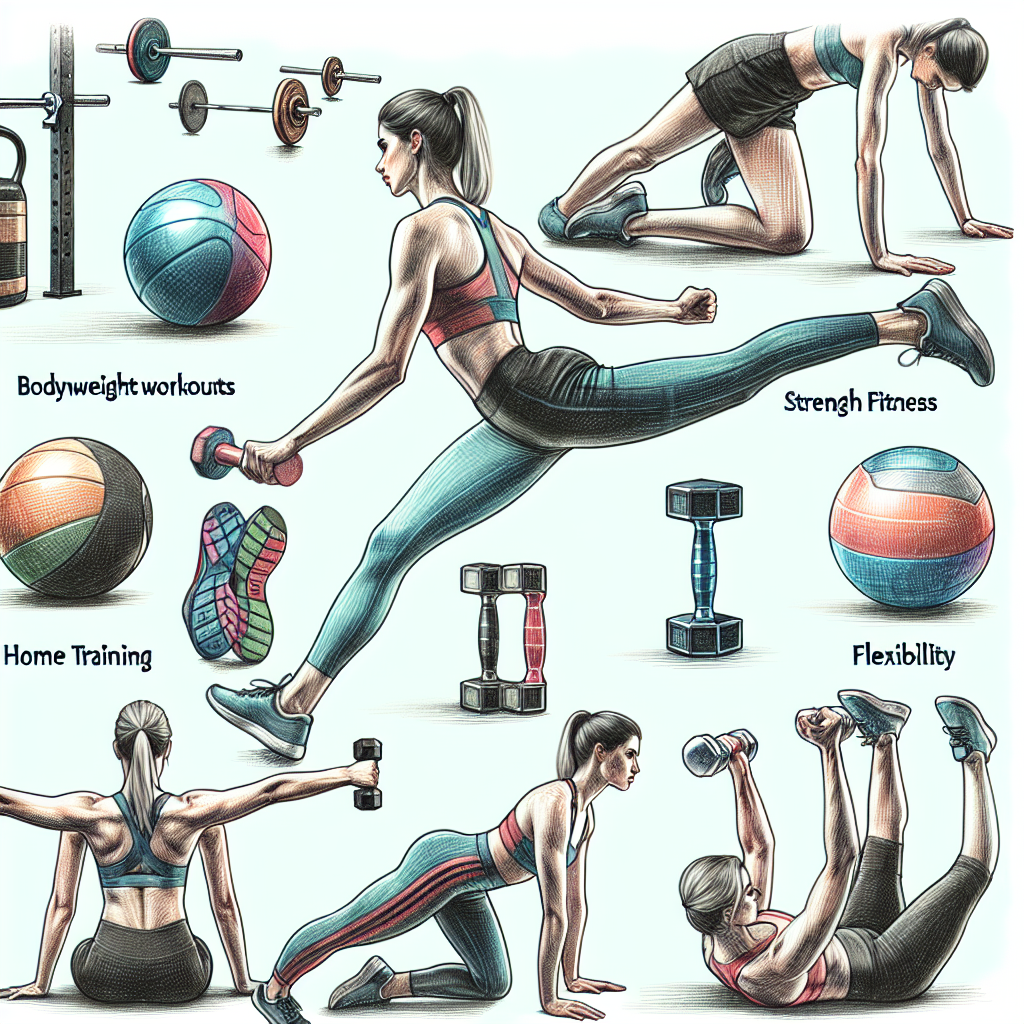
Effective Bodyweight Workouts: No Equipment Needed

In a world where convenience often takes precedence, the ability to maintain a rigorous workout regimen without the need for elaborate equipment is increasingly appealing. Workouts without equipment not only save time but also provide flexibility, enabling individuals to train effectively almost anywhere. This article aims to elucidate the various benefits of bodyweight exercises, present effective strategies for incorporating them into your routine, and guide you towards achieving significant fitness goals.

  • Understanding Bodyweight Workouts
  • Benefits of Exercising Without Equipment
  • Effective Bodyweight Exercises
  • Creating Your Home Workout Routine
  • When to Seek Professional Guidance
  • Common Misconceptions
  • FAQs
  • Conclusion

Understanding Bodyweight Workouts

Bodyweight workouts leverage your own body weight as resistance, eliminating the necessity for external weights or machines. This form of exercise includes movements such as push-ups, squats, and lunges. It provides an effective way to build strength, improve cardiovascular fitness, and increase flexibility. Furthermore, bodyweight exercises can be performed anywhere, making them an excellent choice for individuals with busy lifestyles.

Benefits of Exercising Without Equipment

Engaging in workouts without equipment yields multiple advantages:

  • Convenience: No need to visit a gym or purchase expensive equipment.
  • Cost-Efficiency: Eliminates the expense of gym memberships and workout gear.
  • Versatility: Offers a wide range of exercises that can be adapted to individual fitness levels.
  • Improved Functional Strength: Enhances everyday movement patterns by building core and muscle strength.
  • Time-Saving: Workouts can often be completed in a short duration, such as the innovative 30-day exercise program where you only exercise for six minutes daily, achieving results comparable to conventional gym training.

Effective Bodyweight Exercises

Incorporating a variety of exercises into your routine can provide a comprehensive workout. Here are some fundamental bodyweight exercises:

  • Push-Ups: Strengthens the chest, shoulders, and triceps.
  • Squats: Targets the glutes, quadriceps, and hamstrings.
  • Lunges: Enhances lower body strength and stability.
  • Planks: Strengthens the core, shoulders, and back.
  • Burpees: Provides a full-body workout while increasing cardiovascular endurance.

Creating Your Home Workout Routine

A practical approach to formulating a workout routine at home can be outlined as follows:

  1. Set Goals: Identify what you want to achieve, such as weight loss, muscle gain, or improved endurance.
  2. Select Exercises: Choose a mix of strength and cardiovascular exercises. Aim for a balanced routine.
  3. Determine Workout Frequency: Aim for at least 3-5 sessions per week, with options for both high-intensity and low-impact days.
  4. Time Management: Allocate a specific time frame for your workouts, ensuring consistency.
  5. Track Progress: Keep a log of your workouts to monitor improvements and stay motivated.

When to Seek Professional Guidance

While bodyweight exercises are inherently safe, certain scenarios warrant professional consultation. Consider seeking advice from a qualified fitness expert or healthcare professional if you experience:

  • Persistent pain during workouts.
  • Dizziness or shortness of breath that persists post-exercise.
  • Significant fatigue that hampers your daily activities.
  • Difficulty in maintaining proper form during exercises.

Common Misconceptions About Bodyweight Workouts

Several myths surround bodyweight workouts. Addressing these misconceptions can increase your confidence in embarking on this journey:

  • Myth 1: Bodyweight workouts are not effective for muscle building.
  • Fact: When performed correctly, bodyweight exercises can be highly effective for increasing strength and muscle mass.

  • Myth 2: These exercises are only suitable for beginners.
  • Fact: Bodyweight workouts can be adapted for all fitness levels, making them accessible to everyone.

  • Myth 3: Bodyweight workouts lack variety.
  • Fact: There is an extensive range of potential exercises and variations to keep routines innovative and engaging.

FAQs

What are the best bodyweight exercises for beginners?

Beginners may start with basic movements such as squats, push-ups, and planks, slowly progressing to more complex variations as strength improves.

How long should a bodyweight workout last?

Effective bodyweight workouts can be as short as 20-30 minutes, depending on the intensity and number of exercises included.

Can I lose weight with bodyweight exercises?

Yes, combining bodyweight workouts with a balanced diet can lead to significant weight loss results over time.

Is it possible to build muscle with bodyweight training?

Absolutely; bodyweight training can effectively build muscle strength, particularly when incorporating progressive overload strategies.

Do I need to warm up before a bodyweight workout?

Yes, warming up is crucial to prepare your muscles and joints, reducing the risk of injury.

How often should I perform bodyweight exercises?

For optimal results, aim for at least 3-5 days a week, ensuring to alternate muscle groups and include rest days.

Conclusion

  • Bodyweight workouts offer convenience and flexibility.
  • They are beneficial for individuals of all fitness levels.
  • Creating a structured routine is key to achieving results.
  • Professional guidance is advisable in certain situations.
  • Myths about bodyweight training should not deter you from pursuing this effective method.

For anyone seeking to harness the power of bodyweight workouts, consider integrating them into your daily routine. If you’re looking for a structured approach, don’t forget to check out the 30-day exercise program, which requires just six minutes a day to yield remarkable results. Start your journey towards a healthier you today!

Author: John Angel
Related articles

Categories
Fitness

Effective Exercises Without Equipment for All Fitness Levels

Exercises Without Equipment: A Path to Fitness

In today’s fast-paced world, finding time to stay fit often presents a challenge. However, engaging in exercises that require no equipment offers a practical solution. These exercises cultivate strength, enhance flexibility, and improve cardiovascular health—all within the comfort of your home or outdoor space. This article will explore the benefits of equipment-free workouts, provide a variety of exercise routines, and guide you on how to incorporate them into your daily life.

  • Introduction
  • Benefits of Equipment-Free Exercises
  • Key Types of Exercises
  • Sample Workout Plans
  • Myths and Misconceptions
  • When to Consult a Professional
  • Frequently Asked Questions
  • Conclusion

Benefits of Equipment-Free Exercises

Engaging in workouts without equipment offers numerous advantages. Firstly, the accessibility of bodyweight exercises allows anyone to start their fitness journey, regardless of location. Moreover, these exercises often integrate multiple muscle groups, enhancing overall strength and functional fitness. The following outlines some key benefits:

  • Cost-Effective: No need for gym memberships or expensive equipment.
  • Versatile: Can be performed anywhere, whether at home, in a park, or while traveling.
  • Time-Efficient: Short duration, effective workouts that can fit into any schedule.
  • Customizable: Easily adjusted for different fitness levels and goals.
  • Improves Overall Health: Supports cardiovascular health, flexibility, and muscle tone.

Key Types of Exercises

Bodyweight exercises can be categorized into several key types that focus on different aspects of fitness:

  • Strength Exercises: Push-ups, squats, lunges, and planks.
  • Cardiovascular Exercises: High knees, burpees, and jumping jacks.
  • Flexibility Exercises: Yoga poses and dynamic stretches.
  • Core Stability Exercises: Bicycle crunches, leg raises, and mountain climbers.

Sample Workout Plans

Incorporating a structured workout schedule can enhance your fitness journey. Below are two sample plans that can be adapted depending on your time availability and fitness level.

  1. 6-Minute Full-Body Workout:
    • 1 minute: Jumping jacks
    • 1 minute: Push-ups
    • 1 minute: Squats
    • 1 minute: Plank holds
    • 1 minute: High knees
    • 1 minute: Lunges
  2. 15-Minute Circuit:
    • 5 minutes: Warm-up (dynamic stretches)
    • 1 minute: Burpees
    • 1 minute: Push-ups
    • 1 minute: Plank
    • 1 minute: Mountain climbers
    • 1 minute: Jump squats
    • 1 minute: Crunches
    • 5 minutes: Cool down (static stretches)

To discover a structured program that requires only 6 minutes of your day yet delivers results akin to going to the gym, consider registering for a 30-day exercise program here.

Myths and Misconceptions

When it comes to bodyweight exercises, several common misconceptions prevail:

  • Myth 1: Equipment is always necessary for effective workouts.
  • Myth 2: Bodyweight exercises are less effective than weighted training.
  • Myth 3: You can’t build significant muscle with just your body weight.
  • Myth 4: It’s impossible to get a full body workout without special equipment.

When to Consult a Professional

While exercises without equipment can be beneficial, certain scenarios warrant professional advice. If you experience any of the following, consider consulting a qualified healthcare provider:

  • Persistent pain during or after workouts.
  • Limited mobility or significant physical constraints.
  • Health conditions such as cardiovascular issues or unexplained fatigue.
  • Need for tailored exercise regimens due to specific goals or injuries.

Frequently Asked Questions

1. Can I really build muscle with bodyweight exercises?

Yes, bodyweight exercises can effectively build muscle by utilizing the body’s weight as resistance. Progressing to advanced variations increases intensity.

2. How often should I perform bodyweight exercises?

Aiming for 3-5 times per week is generally effective for most individuals, allowing for adequate recovery.

3. Are bodyweight exercises suitable for beginners?

Absolutely! Bodyweight exercises can be easily modified to accommodate different fitness levels.

4. Do I need a warm-up before starting?

Yes, warming up is crucial to prepare your body and prevent injuries.

5. How can I ensure I’m performing exercises correctly?

Consider consulting instructional videos or guides, or seeking feedback from a fitness professional.

6. Is it necessary to cool down after workouts?

Cooling down aids recovery and flexibility, making it an important part of your exercise routine.

Conclusion

  • Exercises without equipment offer practical, cost-effective solutions for fitness.
  • Bodyweight workouts enhance strength, flexibility, and cardiovascular health.
  • Easy routines can be customized according to individual fitness levels.
  • Consult professionals when experiencing pain, limitations, or specific health concerns.
  • Dispelling myths ensures a better understanding of bodyweight training effectiveness.

To optimize your exercise journey and explore a guided 30-day program requiring only 6 minutes daily, feel free to register here. Begin your path to fitness without the need for equipment, and take the first step today!

Author: John Angel

Related articles

Categories
Fitness

Effective Exercise Strategies for Weight and Fat Loss

The Art of Weight Loss and Fat Loss through Exercise

Embarking on a weight loss journey is often perceived as daunting, yet it can evolve into a rewarding pursuit when approached with the right strategies. One of the most transformative methods involves integrating efficient exercise routines into daily life, particularly those that can be feasibly executed at home. This article delves into effective exercise regimens aimed at weight loss and fat loss, emphasizing the profound impact of short, structured workouts.

  • Understanding Weight Loss vs. Fat Loss
  • The Magic of Six-Minute Workouts
  • Structure of a Successful Exercise Routine
  • Common Misconceptions about Exercise
  • When to Seek Professional Guidance
  • Frequently Asked Questions

Understanding Weight Loss vs. Fat Loss

Weight loss and fat loss, although frequently used interchangeably, are distinct concepts. Weight loss encompasses the decrease in overall body weight, which includes muscle, water, and fat. Conversely, fat loss specifically refers to the reduction of fat mass, which is pivotal for enhancing health, improving physical performance, and fostering long-term vitality.

The Magic of Six-Minute Workouts

Short workouts, such as the SixPack program, possess a unique charm… These six-minute routines not only fit conveniently into hectic schedules but also deliver impressive results in a fraction of the time required by traditional longer workouts. The simplicity of committing to just six minutes helps eliminate mental barriers often associated with exercising, making it easier to integrate fitness into daily routines.

Moreover, short bursts of intense physical activity stimulate metabolism and elevate heart rates, encouraging fat burning long after the workout concludes. This aspect enhances overall caloric expenditure, making short workouts highly effective for individuals on a weight loss journey. Explore the benefits of these revolutionary six-minute workouts at home by registering for the SixPack workout program for 30 days for free.

Structure of a Successful Exercise Routine

To maximize the benefits of any weight loss program, a structured exercise routine is essential. Here are some guiding principles:

  • Incorporate Variety: Include a mix of cardio, strength training, and flexibility exercises to engage different muscle groups and prevent boredom.
  • Prioritize Consistency: Aim for at least 3-5 sessions per week, ensuring that exercise becomes a regular part of your lifestyle.
  • Stay Hydrated: Hydration plays a critical role in overall performance and recovery.
  • Track Progress: Keep a record of workouts and body measurements to stay motivated and adjust routines as necessary.
  • Set Realistic Goals: Establish achievable short-term and long-term goals to maintain motivation and provide a sense of accomplishment.
  • Listen to Your Body: Pay attention to how your body responds to workouts, adjusting intensity and rest periods as needed.

Common Misconceptions about Exercise

Despite the plethora of information available, several myths persist regarding weight loss and exercise:

  • Myth 1: More is always better. Quality of exercise often supersedes quantity.
  • Myth 2: You must hit the gym to lose weight. Home workout routines can be equally effective.
  • Myth 3: All calories are created equal. The source of calories impacts weight loss and overall health.
  • Myth 4: You can target fat loss in specific areas. Fat loss occurs universally throughout the body.

When to Seek Professional Guidance

While regular exercise is beneficial, there are circumstances where professional consultation is warranted:

  • Experiencing persistent pain or discomfort during or after exercising.
  • Struggling to meet weight loss or fitness goals despite following a structured program.
  • Having underlying health conditions or being unsure about the safety of certain workouts.
  • Experiencing significant emotional distress related to diet and exercise, indicating the need for mental health support.

Frequently Asked Questions

What is the difference between weight loss and fat loss?

Weight loss refers to a reduction in total body weight, while fat loss specifically targets the reduction of fat mass.

Can I lose weight with just six-minute workouts?

Yes, six-minute workouts can be highly effective when performed consistently and at high intensity.

How often should I exercise for weight loss?

Aim for at least 3-5 times a week, incorporating various types of exercises.

Is it necessary to go to the gym to see results?

No, effective workouts can be done at home with minimal equipment.

Can I target specific areas for fat loss?

Targeted fat loss is a myth; fat loss occurs throughout the body through overall exercise and diet.

What should I do if I experience pain during workouts?

If experiencing pain, it is vital to stop and consult a healthcare professional to assess any potential issues.

Conclusion

  • Weight loss and fat loss share different objectives yet can be achieved through purposeful exercise.
  • Short, structured six-minute workouts offer a convenient and effective alternative to traditional exercise.
  • A well-rounded fitness routine should include variety, consistency, and progress tracking.
  • Recognizing and debunking common exercise myths can further enhance your weight loss journey.
  • Consulting a professional when in doubt can ensure safety and an optimal path to your fitness goals.

For those eager to propel their weight loss journey forward, consider registering for the SixPack workout program for 30 days of free access. Experience the transformation that strategic exercise can bring into your daily life.

Author: John Angel

Related articles

Categories
Fitness

Harnessing Six-Minute Workouts for Weight Loss Success

Embarking on a weight loss journey often feels daunting, yet integrating short, efficient workouts into your daily routine can facilitate significant progress. Six-minute home workouts have garnered attention for their unique capacity to fit seamlessly into busy schedules while offering tangible results. This article will explore the benefits of these workouts, how they contribute to your weight loss journey, and practical guidance on implementing them into your life. Take a step towards transformation by exploring a free trial of the SixPack workout program for 30 days here.

  • Understanding the Magic of Six-Minute Workouts
  • Creating an Efficient Workout Schedule
  • Benefits of Short Workouts in Daily Life
  • Practical Steps: Implementing Six-Minute Workouts
  • When to Consult a Professional
  • Common Misconceptions About Short Workouts
  • Frequently Asked Questions
  • Conclusion

Understanding the Magic of Six-Minute Workouts

The allure of six-minute workouts lies in their brevity and effectiveness. These exercises cater to individuals with tight schedules and serve as an excellent tool for maintaining physical activity without becoming overwhelming. Scientific research suggests that short bursts of high-intensity workouts can enhance endurance, improve cardiovascular health, and support overall weight management. Importantly, incorporating these brief routines can address the common barrier of time constraints, making exercise accessible and realistic.

Creating an Efficient Workout Schedule

To maximize the benefits of short workouts, developing a routine is imperative. Organizing your week around these six-minute sessions ensures consistency and promotes long-term commitment. Consider the following tips to devise an efficient schedule:

  • Identify preferred times: Morning, lunch breaks, or evenings can be great options.
  • Set specific days: Choose 3–5 days a week to establish a routine.
  • Incorporate variety: Mix different exercises to keep workouts engaging.

Benefits of Short Workouts in Daily Life

Integrating six-minute workouts into your daily life offers numerous advantages:

  • Convenience: Easily slot them into your day without requiring extensive time commitment.
  • Enhanced motivation: Short routines prevent burnout and keep exercise enjoyable.
  • Increased energy levels: Physical activity boosts endorphins, leading to improved mood and focus.
  • Flexibility: Can be performed anywhere—at home, at work, or while traveling.
  • Adaptable intensity: Tailor workouts to suit your fitness level and goals.

Practical Steps: Implementing Six-Minute Workouts

To get started on your weight loss journey with six-minute workouts, consider embracing the following structured approach:

  1. Select Exercises: Choose a mix of cardio, strength training, and flexibility exercises.
  2. Focus on Form: Ensure proper technique to prevent injuries and maximize efficacy.
  3. Set Your Timer: Use a timer or fitness app to keep track of your six-minute sessions.
  4. Consistency is Key: Aim to make these short workouts a regular part of your day.
  5. Track Your Progress: Monitor changes in mood, energy, and weight to recognize achievements.

When to Consult a Professional

If you experience any significant health issues, pain, or persistent discomfort while exercising, it is essential to consult a qualified professional. This includes:

  • Severe fatigue or dizziness during workouts.
  • Joint pain or discomfort that persists after exercising.
  • Pre-existing health conditions that may be affected by physical activity.
  • Any concern regarding weight loss strategies or overall health.

Common Misconceptions About Short Workouts

Despite their growing popularity, several myths persist surrounding short workouts:

  • They Are Ineffective: Short workouts can be just as effective as longer sessions when performed at high intensity.
  • More Time Equals More Results: Quality often outweighs quantity; focused effort in a shorter timeframe can yield superior outcomes.
  • Only for Beginners: All fitness levels can benefit from short duration workouts by adjusting intensity and exercises.

Frequently Asked Questions

Can I lose weight with just six-minute workouts?

Yes, when combined with a balanced diet and consistency, six-minute workouts can support weight loss effectively.

How many times a week should I do six-minute workouts?

Aim for 3–5 times per week for optimal benefits.

What types of exercises should I include?

Include a mix of cardio, strength training, and flexibility exercises to ensure a comprehensive approach.

Are six-minute workouts suitable for everyone?

Generally, they can be adapted for various fitness levels, but those with specific health concerns should consult a professional.

Can I see results from six-minute workouts?

Yes, with consistency and the right intensity, many individuals see results in endurance, strength, and weight management.

How do I stay motivated to do short workouts?

Set goals, track your progress, and vary your routines to keep workouts engaging and motivating.

Conclusion

  • Six-minute workouts are an excellent way to fit exercise into your daily routine.
  • Consistency and variety are key to enhancing engagement and effectiveness.
  • Short workouts provide numerous benefits, including increased energy and improved mood.
  • It is vital to consult a professional if you experience any issues while exercising.
  • Common misconceptions regarding short workouts can be dispelled through education and understanding.

Embark on your weight loss journey today by exploring the transformative power of six-minute workouts. Consider trying the SixPack workout program for free for 30 days here and start paving the way to a healthier you.

Author: John Angel

Related articles

Categories
Fitness

Effective Body Weight Regimen for Weight Loss Transformation

Body Weight Regimen: Transforming Your Weight Loss Journey

A well-structured body weight regimen can be a transformative aspect of your weight loss journey. By leveraging your own body weight for resistance training, it becomes a highly efficient, accessible, and versatile method to improve fitness levels. This article delves into the remarkable benefits of incorporating short six-minute workouts into your daily routine. Not only do they fit seamlessly into busy schedules, but they also foster a sustainable path towards wellness.

  • Understanding Body Weight Regimens
  • Benefits of Short Workouts
  • Creating an Effective Body Weight Routine
  • Common Myths and Misconceptions
  • When to Consult a Professional
  • Frequently Asked Questions
  • Conclusion: Key Takeaways

Understanding Body Weight Regimens

Body weight regimens focus on using your body as resistance, negating the need for weights or bulky gym equipment. This form of exercise emphasizes fundamental movements such as squats, push-ups, and planks, making it accessible to individuals of all fitness levels. Such regimens can be performed anywhere, from your living room to a local park, making them an ideal choice for those who seek flexibility in their fitness routines.

Benefits of Short Workouts

Incorporating six-minute workouts into your daily routine brings a plethora of benefits:

  • Time Efficiency: These brief sessions can easily be squeezed into a busy day.
  • Increased Metabolism: Short bursts of intense activity help to rev up your metabolism.
  • Consistency: Completing shorter workouts can lead to higher adherence to an exercise program.
  • Flexibility: You can perform them anywhere, requiring no special equipment.
  • Mental Clarity: Even brief physical activity can boost mood and cognitive function.

Creating an Effective Body Weight Routine

Establishing a body weight regimen can be straightforward. Follow these steps to create an efficient workout routine:

  1. Begin with a warm-up: Spend 1-2 minutes engaging in light activity, such as jumping jacks or dynamic stretching.
  2. Choose exercises: Pick 3-5 bodyweight exercises, such as squats, push-ups, or lunges.
  3. Work in intervals: Perform each exercise for 30 seconds, resting for 30 seconds between exercises.
  4. Repeat the circuit: Aim to repeat the circuit one to three times, depending on your fitness level.
  5. Cool down: Spend a few minutes stretching major muscle groups to enhance recovery.

When to Consult a Professional

If you experience any of the following issues, it may be wise to consult a healthcare professional:

  • Persistent pain during or after exercising.
  • Signs of injury, such as swelling or bruising.
  • Medical conditions that could be aggravated by physical activity.
  • Uncertainty about safe exercise techniques or routines.

Common Myths and Misconceptions

Despite the popularity of body weight training, several myths persist:

  • Myth 1: Body weight exercises are only for beginners.
  • Myth 2: You cannot build significant muscle without weights.
  • Myth 3: Short workouts are ineffective.
  • Myth 4: Body weight training does not provide a cardiovascular benefit.
  • Myth 5: You don’t need rest days for body weight training.

Frequently Asked Questions

What is the primary benefit of body weight workouts?

Body weight workouts provide a versatile, effective means to build strength and endurance at any fitness level.

How often should I practice a body weight regimen?

Aim for at least three sessions per week to see meaningful progress in your fitness journey.

Are six-minute workouts effective?

Yes, short workouts can be highly effective when done at a high intensity and integrated into your overall fitness plan.

Can beginners perform body weight workouts?

Absolutely! Body weight workouts are adaptable to accommodate beginners, allowing gradual progression.

What can I do to stay motivated?

Set achievable goals, track your progress, and consider joining programs like the SixPack workout program for additional support.

How can I maximize the effectiveness of a six-minute workout?

Focus on high-intensity intervals, maintain proper form, and combine exercises targeting different muscle groups.

Conclusion: Key Takeaways

  • Body weight regimens are flexible and accessible to all fitness levels.
  • Short six-minute workouts promote efficiency and encourage consistency.
  • Creating a structured routine is crucial for maximizing results.
  • Consult a professional when experiencing pain or injury-related concerns.
  • Challenge myths surrounding body weight training to enhance efficiency and engagement.

Begin your transformative fitness journey today by registering for a free 30-day access to the SixPack workout program. Dive into a new routine that fits seamlessly into your lifestyle!

Author: John Angel

Related articles

Categories
Fitness

Effective Six-Minute Workouts for Sustainable Weight Loss

Embarking on a weight loss journey can often feel daunting, filled with various challenges and confusions over effective methods. However, achieving sustainable weight loss is not merely about arduous workouts or restrictive diets; it can also be simplified through short, high-intensity workouts integrated into our daily routines. This article will delve into the effectiveness of brief home workouts, specifically the advantages of the SixPack workout program that offers a transformative approach to fitness in just six minutes a day. By understanding how to effectively reduce weight loss hurdles, you can accelerate your progress toward your goals.

  • Understanding Short Workouts
  • The Science Behind Six-Minute Workouts
  • Creating a Sustainable Workout Habit
  • Practical Steps to Start Your Six-Minute Routine
  • When to Seek Professional Help
  • Common Misconceptions about Weight Loss
  • Frequently Asked Questions
  • Conclusion and Key Takeaways

Understanding Short Workouts

In a fast-paced world, finding time for extended workout sessions can be challenging. Short workouts, particularly the SixPack program, are designed to deliver maximum results in minimal time. These workouts focus on high-intensity exercises that elevate heart rates quickly, maximizing caloric burn and muscle engagement without the need for lengthy commitments.

The Science Behind Six-Minute Workouts

Research indicates that high-intensity interval training (HIIT) can significantly improve fitness levels while promoting fat loss. The SixPack workout employs this concept effectively, allowing individuals to experience significant benefits within just six minutes. This can lead to enhanced aerobic capacity, improved metabolism, and increased calorie burning even after the workout has been completed, thanks to the afterburn effect.

Creating a Sustainable Workout Habit

Establishing a sustainable workout routine involves more than just knowing what to do; it requires commitment and understanding of personal motivation. Here are some strategies to enhance adherence to your weight loss journey:

  • Set Achievable Goals: Define clear and reachable benchmarks to maintain motivation.
  • Schedule Consistent Workouts: Integrate your six-minute workouts into your daily calendar, treating them as important appointments.
  • Keep It Varied: Change your workouts periodically to prevent boredom and maintain engagement.
  • Track Progress: Logging your workouts can provide a sense of accomplishment and highlight improvements over time.

Practical Steps to Start Your Six-Minute Routine

Getting started with the SixPack program is straightforward. Here are actionable steps to incorporate six-minute workouts into your lifestyle:

  1. Register for the SixPack Workout Program: Begin your journey by signing up for a free 30-day trial at SixPack Workout Program.
  2. Choose Your Environment: Select a space at home where you can exercise comfortably.
  3. Gather Necessary Equipment: Minimal equipment is required, but having a mat or some weights can enhance your workout.
  4. Set a Timer: Prepare to dedicate a focused six minutes each day.
  5. Engage Your Body: Follow the guided workouts diligently to ensure maximum effectiveness.
  6. Reflect on Your Experience: Take note of how you feel post-workout to foster positive reinforcement.

When to Seek Professional Help

While embarking on a weight loss journey, it is crucial to observe how your body responds. Consider consulting a healthcare professional or a certified trainer if:

  • You experience any persistent pain or discomfort during exercises.
  • You are unsure about exercise forms and techniques.
  • You have underlying health issues that could affect your fitness regimen.

Common Misconceptions about Weight Loss

Even with an understanding of effective workouts, misconceptions can hinder progress. Here are some prevalent myths:

  • Weight Loss Requires Long Workouts: Short, intensive sessions can be equally effective as longer routines.
  • Diet is the Only Factor: Exercise plays a crucial role in weight management alongside a balanced diet.
  • All Calories are Created Equal: Quality of food consumed impacts overall health and weight loss, not just caloric intake.

Frequently Asked Questions

What is the SixPack workout program?

The SixPack workout program consists of high-intensity, six-minute workouts designed to fit into a busy lifestyle while promoting weight loss.

How can I start the SixPack program?

You can register for your free 30-day trial of the SixPack workout program on their official website.

How often should I do these workouts?

It’s recommended to engage in these short workouts daily, adjusting as your fitness level allows.

Will I see results with just six minutes a day?

Yes, when combined with proper nutrition, consistent six-minute workouts can lead to significant improvements in fitness and weight loss.

Are six-minute workouts suitable for everyone?

While generally accessible, consult a healthcare provider if you have any pre-existing conditions that may affect your ability to exercise.

Do I need any equipment for the SixPack workouts?

Most workouts can be done with minimal or no equipment, but dumbbells or resistance bands can enhance effectiveness.

Conclusion and Key Takeaways

  • Short workouts, like the SixPack program, provide a practical solution for busy lifestyles.
  • High-intensity workouts are effective for promoting weight loss and improving fitness.
  • Establishing a routine involves setting achievable goals and tracking progress.
  • Consult professionals when experiencing discomfort during workouts or if you have health concerns.
  • Dispel common misconceptions to enhance your understanding of effective weight loss strategies.

Begin your journey toward a healthier you by exploring the benefits of short workouts. Sign up today for a free month with the SixPack workout program at this link and take the first step towards achieving your weight loss goals without the stress of lengthy workout sessions.

Author: John Angel

Related articles

Categories
Fitness

Effective Strategies for Weight Loss Success

Lose Weight: A Journey Towards Better Health

Embarking on a weight loss journey is often seen as a daunting task. However, with the right mindset and tools, it can become an enriching experience that not only transforms your body but also enhances your overall quality of life. This article delves into the essential aspects of weight loss, particularly emphasizing the benefits of incorporating short, efficient workouts into your daily routine.

  • Understanding the Weight Loss Journey
  • Benefits of Short Workouts
  • Creating a Practical Exercise Plan
  • When to Consult a Professional
  • Common Myths and Mistakes
  • Frequently Asked Questions

Understanding the Weight Loss Journey

Weight loss is not merely a physical transformation; it is a holistic journey that encompasses mental and emotional aspects. The first step often involves redefining your relationship with food and exercise. Recognizing that every small change contributes to long-term results is crucial. Setting realistic goals can help maintain motivation throughout the process.

Benefits of Short Workouts

Many people assume that weight loss requires long hours at the gym. However, research and anecdotal evidence support the effectiveness of short, high-intensity workouts. The magic of six-minute workouts performed at home lies in their accessibility and efficiency. Here are some key benefits:

  • Time Efficiency: Short workouts can easily fit into a busy schedule, making it easier to maintain consistency.
  • Increased Metabolic Rate: Short bursts of high-intensity activity can elevate your metabolism, promoting ongoing calorie burn even after the workout.
  • Enhanced Mood: Exercise releases endorphins, which can help improve your overall mood and reduce stress levels, further supporting your weight loss journey.
  • Flexibility: The ability to exercise at home allows for a more comfortable environment, free from the pressures of a public gym.
  • Comprehensive Workouts: These brief sessions can incorporate strength, cardio, and flexibility training, delivering a well-rounded exercise regimen.

Creating a Practical Exercise Plan

To effectively incorporate six-minute workouts into your daily routine, consider the following steps:

  1. Set a Routine: Dedicate specific times during the week for your workouts, ensuring they become a habitual part of your schedule.
  2. Choose the Right Program: Engage in a structured program, such as the SixPack workout program for 30 days for free, which can guide you with variety and expert-designed workouts.
  3. Focus on Form: Ensure you maintain proper form during exercises to prevent injury.
  4. Listen to Your Body: Adjust your routine based on how you feel. It’s important to balance intensity with recovery.
  5. Track Your Progress: Keep a journal or use a mobile app to document your workouts, nutrition, and feelings to stay motivated.

When to Consult a Professional

While many can embark on their weight loss journey independently, there are times when professional guidance is advisable. Seek help if you experience:

  • Persistent fatigue or pain during exercise.
  • Significant weight fluctuations that are difficult to manage.
  • Unhealthy relationship with food or exercise.
  • Medical conditions that could affect your ability to lose weight.

Consulting a healthcare professional or a registered dietitian can provide personalized advice and support in a manner that is safe and effective.

Common Myths and Mistakes

Upon embarking on your weight loss journey, it’s vital to navigate through the common myths and mistakes that can impede progress:

  • Myth: More Exercise Equals Better Results: Quality often trumps quantity. Short, intense workouts can be more effective than long, moderate sessions.
  • Myth: Carbs Are the Enemy: Carbohydrates are essential for energy. The key is to choose the right types and quantities.
  • Mistake: Skipping Meals: This can lead to overeating later. Regular, balanced meals help maintain metabolic health.
  • Mistake: Relying on Supplements: No supplement can replace the importance of whole foods and a solid exercise plan.

Frequently Asked Questions

What is the best way to start my weight loss journey?

Begin by setting realistic goals and gradually incorporating more physical activities into your daily routine while monitoring your nutrition.

Can six-minute workouts be effective for weight loss?

Yes, short bursts of high-intensity workouts can enhance your metabolic rate and contribute to weight loss when combined with a balanced diet.

How often should I work out to lose weight?

A minimum of 150 minutes of moderate exercise or 75 minutes of vigorous exercise each week is recommended, divided into sessions that fit your schedule.

Are home workouts less effective than gym workouts?

Not necessarily. Home workouts can be equally effective, especially if they incorporate strength and cardiovascular activities tailored to your goals.

What role does nutrition play in weight loss?

Nutrition is essential; pairing a healthy diet with exercise maximizes your results. Focus on whole foods, proper portion sizes, and staying hydrated.

How can I stay motivated during my weight loss journey?

Set small, achievable goals, track your progress, find a workout buddy, and remember to celebrate your successes, no matter how small.

Conclusion

  • Weight loss is a holistic journey involving physical, emotional, and mental transformations.
  • Short, intense workouts can be highly effective and fit into even the busiest schedules.
  • Establishing a practical workout routine is crucial for consistency and motivation.
  • Seek professional guidance when experiencing challenges that impede your progress.
  • Dispelling myths and avoiding common mistakes can streamline your weight loss efforts.

As you begin or continue your weight loss journey, consider incorporating structured programs to optimize your outcomes. Take the first step by signing up for the SixPack workout program for 30 days for free. Embrace your journey towards better health.

Author: John Angel

Related articles

Categories
Fitness

Efficient Six-Minute Workouts for Effective Weight Loss

In today’s fast-paced world, finding the time to invest in our physical well-being can seem daunting. However, short yet effective workouts at home can fit seamlessly into our daily routines. This article will explore the transformative power of six-minute workouts, emphasizing their role in facilitating weight loss journeys and the valuable benefits they can yield.

  • Understanding the Six-Minute Workout
  • The Science Behind Short Workouts
  • Benefits of Six-Minute Workouts in Daily Life
  • How to Incorporate Six-Minute Workouts
  • Common Myths About Short Workouts
  • When to Consult a Professional
  • Frequently Asked Questions

Understanding the Six-Minute Workout

Six-minute workouts are high-intensity interval training (HIIT) sessions designed to maximize efficiency within a brief time frame. The core idea is that you can achieve significant fitness results, including weight loss and improved endurance, without dedicating hours to exercise. Whether you are a beginner or an experienced athlete, these workouts can be tailored to meet your individual abilities and goals.

The Science Behind Short Workouts

Research supports the notion that short bursts of high-intensity exercise can be as effective, if not more so, than longer sessions of moderate activity. Engaging in physical activity for just six minutes can elevate your heart rate, increase caloric expenditure, and boost metabolism, thereby supporting your weight loss journey.

Benefits of Six-Minute Workouts in Daily Life

Integrating six-minute workouts into your routine comes with numerous advantages:

  • Time Efficiency: These workouts can easily fit into a busy day, making it easier to stay consistent.
  • Improved Mood: Physical activity triggers the release of endorphins, elevating your mood and reducing stress.
  • Increased Metabolism: Short, intense workouts can provide an afterburn effect, helping you burn calories even after your session ends.
  • Flexibility: You can perform these workouts anywhere, whether at home or while traveling, with little to no equipment required.
  • Encouragement to Get Started: The simplicity of committing to just six minutes can motivate even the most reluctant individuals to exercise.

How to Incorporate Six-Minute Workouts

Making these brief sessions a part of your daily routine is straightforward. Follow these steps:

  1. Choose a specific time each day dedicated to your six-minute workout.
  2. Select exercises that target various muscle groups, such as burpees, jumping jacks, and squats.
  3. Perform each exercise in quick succession with minimal rest in between.
  4. Gradually increase the intensity or number of repetitions as you build endurance.
  5. Consistency is key—aim to incorporate these workouts at least 3-4 times a week.

For a guided approach, consider registering for the SixPack workout program for 30 days free that offers structured six-minute workouts designed to enhance your fitness journey.

Common Myths About Short Workouts

Despite their effectiveness, several myths surround short workouts:

  • Myth 1: Short workouts are not effective.
  • Myth 2: You need a gym to perform a good workout.
  • Myth 3: Short workouts are only suitable for beginners.
  • Myth 4: All exercises must last for at least 30 minutes to yield results.

In reality, six-minute workouts can effectively replace longer sessions while still producing comparable results.

When to Consult a Professional

While six-minute workouts can be suitable for most, certain situations warrant professional consultation:

  • If you experience chronic pain or existing health conditions.
  • Before starting any new exercise program, especially if you have been inactive.
  • If you are unsure about how to perform certain exercises safely.

Consulting a qualified fitness professional can provide guidance tailored to your individual needs and circumstances, ensuring a safe and effective workout experience.

Frequently Asked Questions

How many times a week should I do six-minute workouts?

It is recommended to aim for 3-4 times a week to see optimal results.

Do I need any equipment for these workouts?

No, most six-minute workouts can be performed using just your body weight.

Can I lose weight with just six-minute workouts?

Yes, when coupled with a balanced diet, six-minute workouts can contribute significantly to weight loss.

What happens if I miss a workout?

Don’t be discouraged. Just resume your schedule as soon as possible to stay on track.

Is it suitable for individuals of all fitness levels?

Yes, six-minute workouts can be modified to accommodate various fitness levels.

What if I have specific health issues?

Always consult a healthcare professional to assess your individual circumstances before starting any workout program.

Conclusion

  • Six-minute workouts are an efficient way to incorporate exercise into a busy life.
  • They provide numerous benefits, including improved mood and increased metabolism.
  • Common misconceptions about short workouts can deter individuals from trying them.
  • Consult professionals when needed to ensure safety and effectiveness.
  • Register for the SixPack workout program for 30 days free to kickstart your fitness journey.

Author: John Angel

Related articles

Categories
Health and Nutrition

Effective Weight Loss Meal Plans and Short Workouts Guide

Embarking on a weight loss journey can often feel overwhelming, but with a structured meal plan, you can simplify the process and achieve your goals effectively. Meal planning not only helps you control your calorie intake but also encourages healthier eating habits. Additionally, incorporating short, efficient workouts into your routine—like the SixPack program—can enhance your weight loss efforts while fitting seamlessly into your busy schedule.

  • Understanding the Fundamentals of Meal Planning
  • Creating an Effective Weight Loss Meal Plan
  • The Role of Short Workouts in Weight Management
  • Common Mistakes in Meal Planning
  • When to Consult a Professional
  • Frequently Asked Questions

Understanding the Fundamentals of Meal Planning

Meal planning is a crucial strategy in any weight loss journey. It involves preparing your meals in advance, ensuring that you maintain balanced nutrition while controlling portion sizes. To begin, identify your caloric needs and macronutrient distribution based on your health goals. This foundation will guide your food choices.

Essential Components of a Balanced Meal Plan

A balanced meal plan should consist of:

  • Fruits and Vegetables: Aim for a variety of colors and types to ensure a broad spectrum of nutrients.
  • Lean Proteins: Options like chicken, turkey, fish, or plant-based proteins help build muscle and keep you satiated.
  • Whole Grains: Choose complex carbohydrates such as quinoa, brown rice, and whole grain breads for sustained energy.
  • Healthy Fats: Incorporate sources like nuts, seeds, avocado, and olive oil for optimal health.

Creating an Effective Weight Loss Meal Plan

Developing your meal plan requires both creativity and discipline. Consider the following steps:

  1. Set Clear Goals: Define your weight loss targets, aiming for a realistic and sustainable rate of loss.
  2. Plan Your Menu: Design weekly menus that incorporate all food groups while aligning with your caloric needs.
  3. Grocery List: Create a comprehensive shopping list based on your menu to minimize impulsive and unhealthy purchases.
  4. Prep in Advance: Dedicate one day a week for meal prep, cooking large batches and storing them for easy access.
  5. Stay Flexible: Allow room for adjustments in case of unexpected changes, but remain committed to your overall diet plan.

The Role of Short Workouts in Weight Management

Incorporating short workouts into your daily routine can be a game-changer in your weight loss journey. Programs like SixPack offer six-minute workouts that can easily be performed at home, making it simple to stay committed to fitness regardless of a busy schedule.

Benefits of Short Workouts

  • Time Efficiency: With only a few minutes required, even the busiest individuals can fit in exercise.
  • Increased Consistency: Short workouts can lead to higher levels of adherence, ensuring you maintain an active lifestyle.
  • Boosted Metabolism: High-intensity intervals can elevate metabolism, aiding in faster weight loss.
  • Mental Clarity: Quick bursts of activity can also enhance mood, focus, and overall mental well-being.

To start your fitness journey today, consider registering for the SixPack workout program for 30 days free here.

Common Mistakes in Meal Planning

As beneficial as meal planning can be, several common mistakes can undermine your efforts:

  • Overcomplicating Recipes: Simple meals are often more sustainable and enjoyable.
  • Neglecting Snacks: Healthy, portion-controlled snacks can prevent overeating at meal times.
  • Ignoring Hydration: Adequate water intake is critical for overall health and can aid in weight loss.
  • Being Too Restrictive: Avoid severe restrictions; allow for occasional indulgences to maintain balance.

When to Consult a Professional

It’s essential to recognize when you may need assistance from a health professional, particularly if you experience:

  • Rapid weight loss without intent
  • Consistent fatigue or lack of energy
  • Difficulty sticking to your meal plan
  • Unusual cravings or hunger that disrupts your progress
  • Underlying health conditions that may affect your diet

Consulting a nutritionist or dietitian can provide tailored advice suited to your specific health needs.

Frequently Asked Questions

How can I stay motivated during my weight loss journey?

Setting realistic goals, tracking your progress, and celebrating small victories can help maintain motivation.

Are meal replacements effective for weight loss?

Meal replacements can be effective but should be used sparingly and as part of a balanced diet.

Is it necessary to count calories?

While counting calories can help, focusing on nutrient quality and portion sizes is often more sustainable over time.

What role does exercise play in weight loss?

Exercise helps create a calorie deficit, builds muscle, and enhances overall health, making it a vital component of weight management.

How often should I eat when trying to lose weight?

Eating every 3-4 hours helps regulate hunger and maintain energy levels, but it varies based on individual preferences.

What is the importance of hydration in weight loss?

Staying hydrated supports metabolism and helps control appetite, making it a critical aspect of any weight loss plan.

Conclusion

  • Meal planning is essential for weight loss success.
  • Incorporating short workouts can enhance dedication and efficiency.
  • Avoid common mistakes by keeping your meal prep simple and flexible.
  • Consult a professional if you experience concerning health symptoms.
  • Stay informed and motivated throughout your weight loss journey.

Begin transforming your life today with a solid meal plan and invigorating workouts. Start your fitness journey by registering for the SixPack workout program for 30 days free here.

Author: John Angel

Related articles

Categories
Fitness

Daily Fitness: Transform Your Weight Loss with Short Workouts

Day to Day Fitness: Your Weight Loss Journey Begins Here

In today’s fast-paced world, maintaining fitness can be a daunting task. However, incorporating short, effective workouts into your daily routine is not only manageable but can also lead to significant benefits for your weight loss journey. This article explores how six-minute workouts can transform your life, providing you with the tools to enhance your fitness without overwhelming your schedule.

  • Understanding the Importance of Daily Fitness
  • The Power of Short Workouts
  • How to Incorporate Six-Minute Workouts
  • When to Seek Professional Assistance
  • Common Myths About Short Workouts
  • Frequently Asked Questions
  • Conclusion

Understanding the Importance of Daily Fitness

Fitness is not merely about aesthetics; it encompasses physical, mental, and emotional well-being. Engaging in daily physical activity supports essential bodily functions, enhances mood, and boosts energy levels. Even a modest commitment to fitness can have profound impacts, particularly when embarking on a weight loss journey. Daily exercise can help balance calorie intake and expenditure, ultimately contributing to your goals.

The Power of Short Workouts

The magic of six-minute workouts lies in their ability to fit into any busy schedule, making them accessible for everyone. Research indicates that even brief exercises can yield health benefits, such as improved cardiovascular health, enhanced flexibility, and better weight management. The versatility of short workouts allows you to engage in them anywhere, from your living room to the office.

Benefits of Short Workouts

  • Time Efficiency: Fit in a workout during your lunch break or while waiting for dinner to cook.
  • Flexibility: Customize your routine based on your energy levels and time constraints.
  • Less Intimidating: Short bursts of exercise make starting a fitness routine less daunting.
  • Improved Consistency: The more manageable the workout, the more likely you are to stick with it.

How to Incorporate Six-Minute Workouts

Incorporating short workouts into your daily routine is a simple process. Here are some practical steps:

  1. Set a Schedule: Designate specific times during the day for your six-minute workout.
  2. Choose Your Exercises: Focus on high-intensity interval training (HIIT) moves such as squats, jumping jacks, or push-ups.
  3. Utilize Online Resources: Many platforms offer guided six-minute workouts. Consider joining the SixPack workout program for 30 days for free for structured guidance.
  4. Track Your Progress: Keep a record of your workouts and gradually increase the intensity as you build stamina.
  5. Stay Hydrated: Ensure you drink ample water before and after your workouts to support your performance.

When to Seek Professional Assistance

While short workouts are generally safe for most individuals, certain circumstances warrant professional guidance. Consult a qualified professional if:

  • You have underlying health conditions such as heart disease or diabetes.
  • You experience persistent joint pain or discomfort during exercise.
  • You are recovering from an injury and are unsure about resuming physical activity.
  • You are uncertain of how to begin a safe exercise regimen.

Common Myths About Short Workouts

Despite their rising popularity, misconceptions about short workouts persist. Here are some common myths debunked:

  • Myth 1: Short workouts are ineffective. Fact: Numerous studies reveal that brief, high-intensity workouts can result in significant fitness gains.
  • Myth 2: You must work out for at least 30 minutes to lose weight. Fact: Consistency is key. Short but regular workouts can create a calorie deficit.
  • Myth 3: Only cardio matters. Fact: Strength training, even in short increments, is vital for overall health and weight loss.

Frequently Asked Questions

What are the best exercises for a six-minute workout?

High-intensity moves like burpees, push-ups, squats, and mountain climbers are effective for short sessions.

How often should I do six-minute workouts?

Ideally, aim for at least five days a week for optimal results.

Can these workouts contribute to significant weight loss?

Yes, when combined with balanced nutrition, they can help create a sustainable calorie deficit.

Is it safe for everyone to try six-minute workouts?

Short workouts are generally safe; however, individuals with specific health concerns should consult a professional first.

Do I need any equipment for these workouts?

No, many effective six-minute workouts require no equipment at all and can be performed using body weight.

What if I want to extend my workout time?

You can easily combine multiple six-minute sessions or add additional exercises to create a longer routine.

Conclusion

  • Daily fitness is essential for overall well-being.
  • Six-minute workouts are time-efficient and accessible for anyone.
  • Incorporating short workouts into your routine can lead to significant benefits in your weight loss journey.
  • Seek professional guidance if you have health concerns.
  • Short workouts can combat common misconceptions about exercise time requirements.

As you begin your fitness journey, remember that even small steps accumulate over time. Embrace the convenience of short workouts, and consider exploring the structured approach of the SixPack workout program for 30 days for free. Your healthier future awaits!

Author: John Angel

Related articles

Website analytics information

We use Google Analytics 4 for visitor statistics. Analytics cookies require your consent, which you can change using the button above. The data controller is ZDRAVÍ S ÚSMĚVEM s.r.o., company ID 29283329, contact podpora@revolucnicviceni.cz. Google processes browser, device and page visit information. We do not send form field values to Analytics. How Google uses information · Google Privacy Policy.