Categories
Fitness

Effective No-Machine Back Exercises for Strength and Flexibility

Maintaining a strong and flexible back is essential for overall health and well-being. Back exercises that require no machines can be a practical solution for those who wish to strengthen this critical area without the need for gym equipment. In this article, we’ll explore various exercises you can do at home, their benefits, and tips for safe and effective practice. Additionally, for those seeking a structured program, you can register for a 30-day exercise plan, where you only need to dedicate six minutes daily to achieve results comparable to traditional gym workouts.

  • Introduction to Back Exercises
  • Benefits of No-Machine Back Exercises
  • Effective At-Home Back Exercises
  • Steps to Implement a Back Exercise Routine
  • When to Consult a Healthcare Professional
  • Myths and Misconceptions About Back Exercises
  • Frequently Asked Questions
  • Conclusion

Introduction to Back Exercises

Engaging in back exercises without the assistance of machines can significantly enhance your muscle tone, improve posture, and prevent injuries. Such exercises can be integrated seamlessly into your daily routine, making them accessible for individuals with varying fitness levels. Understanding and employing effective techniques can lead to improved functionality and quality of life.

Benefits of No-Machine Back Exercises

No-machine exercises provide numerous advantages:

  • Convenience: You can perform these exercises at home or anywhere, eliminating travel time to a gym.
  • Cost-Effective: No need to invest in gym memberships or expensive equipment.
  • Enhanced Body Awareness: Engaging in bodyweight exercises improves proprioception, allowing for better movement control.
  • Versatility: These exercises can be easily modified to suit individual skill levels.
  • Effective Weight Management: A consistent routine can contribute to caloric expenditure, assisting in weight control.

Effective At-Home Back Exercises

Below are several effective exercises designed to strengthen various muscles in the back.

1. Plank

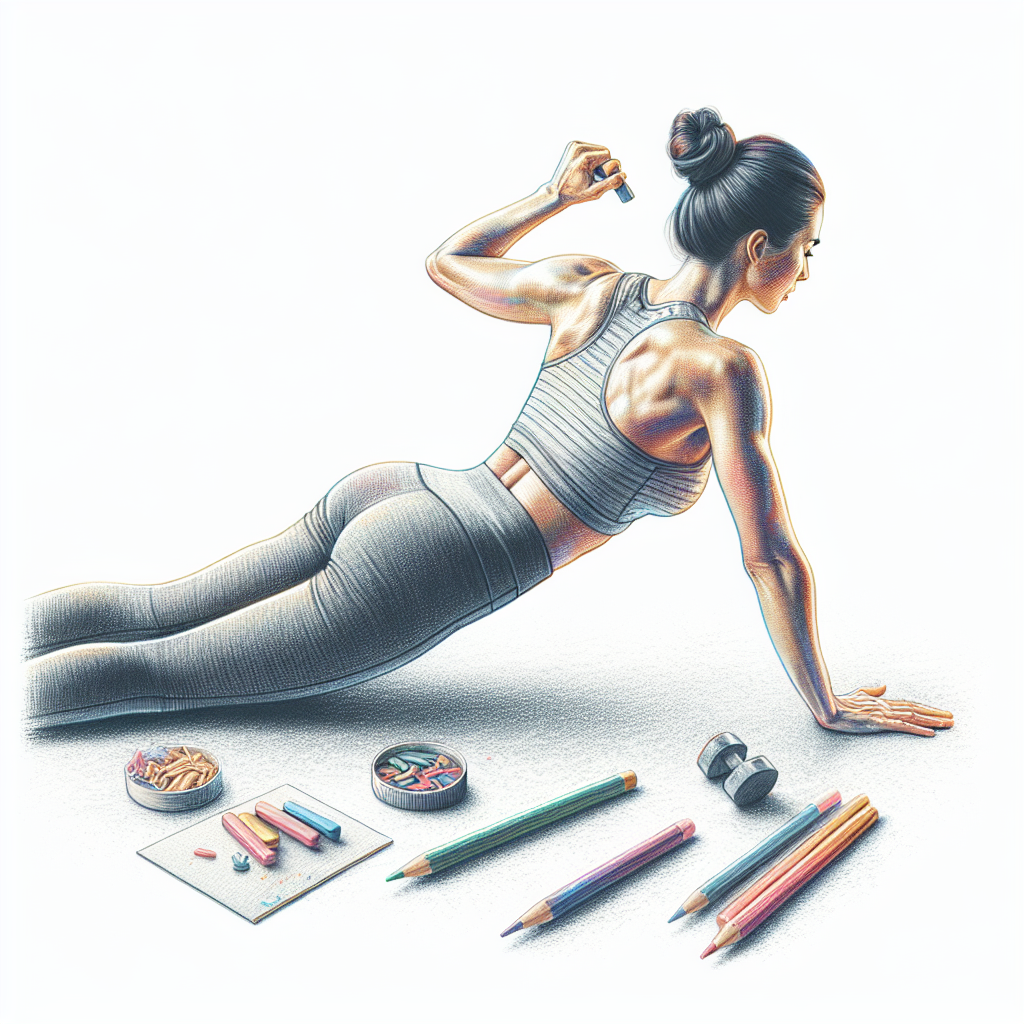
The plank is a core-stabilizing exercise that also activates back muscles.

  • Start in a push-up position, supporting your weight on your forearms and toes.
  • Keep your body in a straight line from head to heels.
  • Hold the position for 30 seconds, gradually increasing the duration as you progress.

2. Bird Dog

This exercise enhances balance and engages the lower back.

  • Begin on all fours, hands beneath shoulders and knees beneath hips.
  • Simultaneously extend your right arm and left leg, keeping your hips level.
  • Hold briefly, then return to the starting position and switch sides.

3. Supermans

Supermans focus on the entire back and help improve spinal stability.

  • Lie face down on a mat with arms extended in front of you.
  • Simultaneously raise your arms, chest, and legs off the ground as high as you can.
  • Hold for two seconds before lowering back down.

4. Bridges

This exercise targets the lower back and glutes.

  • Lie on your back with knees bent and feet flat on the floor.
  • Press your feet into the ground and lift your hips towards the ceiling.
  • Hold for a moment at the top, then lower back down.

5. Cat-Cow Stretch

This dynamic movement promotes flexibility and relieves tension in the spine.

  • Begin on all fours and alternate between arching your back (cat) and lowering it (cow).
  • Repeat for 10-15 cycles, coordinating with your breath.

Steps to Implement a Back Exercise Routine

To create a successful back exercise regimen, consider the following steps:

  1. Assess Your Fitness Level: Identify your starting point to tailor the intensity and complexity of the exercises.
  2. Set Clear Goals: Define what you want to achieve (e.g., improved strength, better posture).
  3. Establish Consistency: Aim to exercise at least 3-4 times a week to see progress.
  4. Monitor Your Progress: Keep a journal or use an app to track your workouts and improvements.
  5. Incorporate Variety: Mix different exercises to keep your routine enjoyable and effective.

When to Consult a Healthcare Professional

Although engaging in back exercises can be beneficial, certain circumstances may warrant professional consultation:

  • If you experience chronic pain or discomfort during exercises.
  • After recent injury or surgery related to the back.
  • If your range of motion has significantly decreased.
  • When symptoms persist despite regular exercise and stretching.

Myths and Misconceptions About Back Exercises

Several common myths regarding back exercises can lead to misunderstandings:

  • Myth: You need gym machines for effective back workouts.
  • Fact: Bodyweight exercises can be just as effective.
  • Myth: All back pain must be avoided at all costs.
  • Fact: Controlled exercises can strengthen the back and alleviate discomfort.

Frequently Asked Questions

What are the best exercises for lower back pain?

Strengthening exercises such as bridges, planks, and the bird dog can be effective for lower back pain relief.

How often should I perform back exercises?

Aiming for at least three times a week is ideal for maintaining strength and flexibility.

Can these exercises help with posture?

Yes, strengthening back muscles can enhance posture and reduce slouching.

Do I need to warm up before these exercises?

Yes, performing a brief warm-up helps prevent injury and prepare your muscles.

Are no-machine exercises suitable for beginners?

Yes, many exercises can be adjusted to fit a beginner’s abilities.

How long will it take to see results?

Consistent practice over a few weeks, typically 4-6 weeks, will yield noticeable improvements.

Conclusion

  • Back exercises without machines can strengthen your back effectively.
  • Consistency and proper technique are essential for maximizing benefits.
  • A variety of exercises keeps your routine engaging and promotes comprehensive strength.
  • Listening to your body and consulting professionals when necessary will enhance safety.
  • Consider joining a structured program for further guidance and convenience.

Take the first step today! Consider registering for a 30-day exercise program designed for quick yet effective workouts.

Author: John Angel
Related articles

Categories
Fitness

Effective Back Exercises You Can Do Without Equipment

Back Exercises with No Equipment

Incorporating back exercises into your fitness routine is essential for maintaining a healthy posture, reducing back pain, and improving overall strength. Not everyone has the luxury of access to gym equipment or fitness classes, but good news—effective back exercises can be performed at home without any equipment. This article will guide you through a variety of bodyweight exercises designed to strengthen your back, improve flexibility, and enhance posture, all from the comfort of your home.

  • Introduction
  • Benefits of Back Exercises
  • Essential Back Exercises
  • Step-by-Step Guidance
  • Professional Consultation
  • Common Misconceptions
  • FAQ
  • Conclusion

Benefits of Back Exercises

Performing back exercises offers several health benefits, including:

  • Improved Posture: Strengthening back muscles supports the spine and promotes proper alignment.
  • Pain Relief: Regular exercise can alleviate discomfort by relieving tension and increasing flexibility.
  • Enhanced Strength: Targets core muscles that contribute to overall strength and stability.
  • Injury Prevention: Strong back muscles can prevent injuries during physical activities.

Essential Back Exercises

The following exercises can be performed anywhere and do not require any equipment:

  • Superman: Strengthens the lower back and glutes.
  • Child’s Pose: Promotes flexibility in the spine and alleviates tension.
  • Bird-Dog: Improves balance and engages the core.
  • Side Plank: Enhances oblique strength and stability.
  • Cat-Cow Stretch: Increases spinal flexibility and relieves tension.

Step-by-Step Guidance

Here’s a practical guide to performing the exercises listed above:

  1. Superman:
    • Lie face down on the floor with your arms extended in front of you.
    • Raise your arms, legs, and chest off the ground simultaneously.
    • Hold for a few seconds, then lower.
  2. Child’s Pose:
    • Kneel on the floor and sink back onto your heels.
    • Extend your arms forward and lower your forehead to the ground.
    • Hold for several breaths.
  3. Bird-Dog:
    • Start on all fours with hands under your shoulders and knees under your hips.
    • Extend your right arm forward and your left leg back simultaneously.
    • Hold for a moment, then switch sides.
  4. Side Plank:
    • Lie on your side, propping your body on one elbow.
    • Lift your hips until your body forms a straight line.
    • Hold this position before switching sides.
  5. Cat-Cow Stretch:
    • Begin on all fours.
    • Inhale and arch your back (Cow), exhale and round your back (Cat).
    • Repeat for several breaths.

When to Consult a Professional

While exercising can provide numerous benefits, it is important to consult a healthcare professional if you experience:

  • Severe or persistent back pain
  • Numbness or tingling in the legs
  • Difficulty standing or walking
  • Sudden weight loss alongside back pain

These symptoms may indicate underlying conditions requiring professional intervention.

Common Misconceptions

There are several myths surrounding back exercises that can lead to misinformation:

  • Myth: Back exercises only involve lifting weights. Truth: Bodyweight exercises can be just as effective.
  • Myth: You should never exercise if you have back pain. Truth: Gentle exercises can often alleviate pain.
  • Myth: Stretching is enough to strengthen your back. Truth: A combination of stretching and strength training is necessary.

FAQ

Why is it important to strengthen my back?

A strong back supports posture, reduces pain, and enhances overall strength, contributing to better physical health.

Can these exercises be done daily?

Yes, these exercises are safe to include in your daily routine, improving strength and flexibility over time.

How long should I hold each position?

Start with holding each position for 15-30 seconds and gradually increase as you build stability and strength.

What if I feel pain while exercising?

If you experience pain during these exercises, stop immediately and consult a healthcare professional.

Can I do these exercises if I have a previous injury?

Consult with a healthcare provider before starting any exercise routine if you have a history of back injuries.

Where can I find additional guided routines?

You can sign up for a free registration for a 30-day exercise program where you will only exercise for 6 minutes every day, achieving results comparable to gym workouts: 30-day exercise program.

Conclusion

  • Incorporating back exercises improves posture and reduces pain.
  • Bodyweight exercises can effectively strengthen your back.
  • Consult a professional if you experience severe symptoms.
  • Common myths can lead to misunderstandings about back health.
  • Consistency in practice yields the best results.

Start incorporating these exercises into your daily routine today for a healthier back, and consider registering for our streamlined 30-day program to maximize your results. Your back will thank you!

Author: John Angel

Related articles

Categories
Fitness

Effective No-Weight Exercises for a Stronger Back

Back Exercises with No Weights

Back health is often overlooked in fitness regimens, yet it is crucial for overall well-being. Engaging in exercises that strengthen your back without the use of weights can provide numerous benefits, such as improved posture, increased flexibility, and reduced risk of injury. This article presents a comprehensive guide to effective back exercises that require no weights, along with professional advice on when to seek assistance for back issues.

  • Introduction to Weight-Free Back Exercises
  • Understanding the Importance of Back Strength
  • Key Exercises for Strengthening Your Back
  • Practical Steps to Incorporate These Exercises
  • When to Consult a Professional
  • Common Myths About Back Exercises
  • Frequently Asked Questions
  • Conclusion: Summary and Next Steps

Understanding the Importance of Back Strength

A strong back is essential for maintaining good posture, balancing your body, and supporting your spine. Weak back muscles can lead to various issues, such as chronic pain, poor posture, and even mobility problems. Engaging in regular back exercises can significantly enhance your quality of life and physical capabilities.

Key Exercises for Strengthening Your Back

The following exercises can be easily performed at home, without any weights, and can effectively target both the upper and lower back muscles:

1. Supermans

This exercise engages your lower back muscles while also improving core strength.

  • Lie face down on the floor.
  • Extend your arms in front of you and legs straight behind.
  • Simultaneously lift your arms, chest, and legs off the ground, holding for a few seconds.
  • Lower back down and repeat 10-15 times.

2. Cat-Cow Stretch

This dynamic movement helps to stretch and strengthen the back muscles.

  • Start on all fours with your hands under your shoulders and knees under your hips.
  • Inhale, arch your back and look up (Cow Pose).
  • Exhale, round your back and tuck your chin (Cat Pose).
  • Repeat 10-15 times, flowing between the two positions.

3. Plank

The plank is an excellent exercise that targets not only the core but also the back muscles.

  • Assume a push-up position with your arms straight or on your elbows.
  • Keep your body in a straight line from head to heels.
  • Hold for as long as you can, aiming for 30 seconds to 1 minute.

4. Bird Dog

This exercise enhances stability while strengthening both the back and core.

  • Begin on all fours, then extend your right arm and left leg simultaneously.
  • Hold for a moment before returning to the starting position.
  • Alternate sides 10-15 times.

5. Wall Angels

This exercise helps improve posture and flexibility in the upper back.

  • Stand with your back against a wall, feet slightly away from it.
  • Raise your arms in a “W” position, then slide them up to form a “Y.”
  • Keep your arms touching the wall and repeat 10-15 times.

6. Hip Hinge

This exercise is crucial for strengthening the lower back without stressing it.

  • Stand with your feet hip-width apart and knees slightly bent.
  • Push your hips back as if reaching for an object behind you.
  • Keep your back straight and return to standing. Repeat 10-15 times.

Practical Steps to Incorporate These Exercises

To achieve the best results, consider the following guidelines:

  • Set aside time daily for your back exercises; even six minutes can be effective. Consider following a structured program like this 30-day exercise program.
  • Warm up beforehand to prepare your muscles. Simple stretching or walking can suffice.
  • Maintain proper form during each exercise to avoid injury; focus on controlled movements.
  • Gradually increase the number of repetitions as you become stronger.
  • Incorporate breathing techniques to enhance performance and relaxation.

When to Consult a Professional

While strengthening your back is beneficial, certain conditions warrant a consultation with a healthcare professional. You should seek advice if:

  • You experience chronic or severe pain that persists despite rest.
  • You notice numbness or tingling in your legs or feet.
  • You have experienced significant injury or trauma to your back.
  • Your symptoms interfere with daily activities.
  • You are uncertain about the right exercises for your condition.

Common Myths About Back Exercises

There are several misconceptions about exercising the back that can hinder your progress. Here are a few clarifications:

  • Myth 1: You need weights to strengthen your back.
  • Myth 2: Back exercises are only for people with existing pain.
  • Myth 3: Stretching alone is sufficient for a healthy back.
  • Myth 4: All back exercises are unsafe.
  • Myth 5: You should work your back every day for maximum strength.

Frequently Asked Questions

What are the signs of a weak back?

Common signs include chronic pain, poor posture, and difficulty in performing daily activities.

Can back exercises help improve posture?

Yes, strengthening the back muscles can significantly enhance posture.

How often should I perform back exercises?

Aim to perform these exercises 3-4 times a week for optimal results.

Are there any risks associated with back exercises?

If performed incorrectly or without proper guidance, there can be risks of injury; ensuring proper form is crucial.

Do I need to warm up before doing back exercises?

Yes, warming up helps prepare your body and reduces the risk of injury.

How can I make my back exercises more effective?

Incorporate variety in your routines and focus on controlled, precise movements.

Conclusion: Summary and Next Steps

  • Engaging in no-weight back exercises is crucial for overall health.
  • Consistent practice enhances posture, strength, and flexibility.
  • Seek professional advice if experiencing persistent or severe back issues.
  • Be aware of the common myths surrounding back exercises.
  • Consider following a structured program for effective results, such as this 30-day exercise program.

To embark on your journey toward a stronger back, begin incorporating these exercises into your daily routine. Your body will thank you!

Author: John Angel

Related articles

Categories
Fitness

Effective Back Exercises Without Equipment for Strength and Flexibility

Back Exercises Without Equipment

Maintaining a strong and flexible back is essential for overall health and well-being. Engaging in back exercises without equipment can significantly enhance muscular strength, improve posture, and alleviate discomfort associated with sedentary lifestyles. This article provides comprehensive guidance on effective exercises, common misconceptions, and when to consider professional assistance.

  • Understanding the Importance of Back Exercises
  • Key Exercises for Strengthening Your Back
  • Common Mistakes to Avoid
  • When to Seek Professional Help
  • Frequently Asked Questions

Understanding the Importance of Back Exercises

The back comprises various muscles, including the latissimus dorsi, trapezius, and erector spinae, each playing an integral role in daily activities. Strong back muscles support the spine, enhance stability, and promote effective movements. Regular exercise can reduce the risk of back injuries and aid in rehabilitation for existing issues. For those seeking a structured approach to exercise, consider joining a free 30-day program where you can achieve significant results in just six minutes a day: Sign up here.

Key Exercises for Strengthening Your Back

Here are several effective exercises that can be performed at home without any equipment:

1. Bird-Dog

This exercise enhances coordination and strengthens the lower back.

  • Start on your hands and knees in a tabletop position.
  • Extend your right arm forward and your left leg backward simultaneously.
  • Hold for a few seconds then switch sides.
  • Repeat for 10-15 repetitions on each side.

2. Superman

The Superman exercise targets the lower back and glutes.

  • Lie face down on a mat with your arms extended in front of you.
  • Simultaneously lift your arms, chest, and legs off the ground.
  • Hold for a few seconds and return to the starting position.
  • Perform 10-15 repetitions.

3. Cat-Cow Stretch

This dynamic stretch improves flexibility while engaging the core.

  • Begin on all fours in a tabletop position.
  • Inhale as you arch your back (Cat). Exhale as you round your back (Cow).
  • Repeat for 10 cycles, coordinating your breath with movement.

4. Plank

The plank strengthens the entire core, including the back muscles.

  • Lie face down and lift your body on your forearms and toes.
  • Keep your body in a straight line from head to heels.
  • Hold for 20-60 seconds, gradually increasing the time.

5. Bridge

This exercise focuses on the glutes and lower back.

  • Lie on your back with your knees bent and feet flat on the floor.
  • Lift your hips towards the ceiling, squeezing your glutes.
  • Hold for a few seconds before lowering back down.
  • Repeat for 10-15 repetitions.

Common Mistakes to Avoid

While performing back exercises, several misconceptions can lead to ineffective workouts or even injuries:

  • Neglecting Core Engagement: Always engage your core during exercises to protect your spine.
  • Overexertion: Begin with manageable repetitions, gradually increasing as your strength improves.
  • Incorrect Form: Focus on maintaining proper posture. Incorrect form can lead to injuries.
  • Ignoring Pain: If you experience pain during an exercise, stop immediately and assess your technique or seek advice.

When to Seek Professional Help

Although regular exercise is beneficial, there are instances when consulting a qualified professional is advisable:

  • Persistent back pain that lasts more than a few days.
  • Sudden onset of severe back pain or discomfort.
  • Pain accompanied by other symptoms such as numbness, tingling, or weakness in the legs.
  • Inability to perform daily activities due to back discomfort.
  • Conditions such as osteoporosis or previous back injuries should also prompt professional consultation.

Frequently Asked Questions

1. How often should I perform back exercises?

It is generally beneficial to incorporate back exercises into your routine 2-3 times a week for optimal strength and flexibility.

2. Can I get results without equipment?

Yes, bodyweight exercises are highly effective for building strength and endurance without any additional equipment.

3. Is stretching important before back exercises?

Absolutely, warming up with dynamic stretches prepares your muscles and helps reduce the risk of injury.

4. How long should each exercise session last?

Each session can be as short as 6 minutes, with targeted exercises providing significant benefits.

5. Can I perform these exercises if I have a pre-existing injury?

Consult your healthcare provider before starting any exercise program if you have a pre-existing condition or injury.

6. Are there age restrictions for these exercises?

These exercises can generally be adapted for various age groups, but individuals should consider personal physical limitations.

Conclusion

  • Engaging in back exercises without equipment can significantly enhance strength and flexibility.
  • Exercises such as Bird-Dog, Superman, and Plank can be easily incorporated into daily routines.
  • Avoid common mistakes related to form and overexertion to maximize benefits.
  • Consult a professional if experiencing persistent or severe pain.
  • Utilize resources like structured programs for optimal results without extensive time commitments.

Consider starting your journey toward a healthier back by incorporating these exercises into your daily routine, whether at home or elsewhere. For a guided approach that requires just six minutes a day, sign up for a free 30-day exercise program at this link and take the first step towards improved well-being.

Author: John Angel

Related articles

Categories
Fitness

Effective Back Muscle Exercises at Home Without Equipment

Back Muscle Exercises at Home Without Equipment

In today’s fast-paced world, maintaining a healthy back is essential for overall well-being. Effective back muscle exercises can be performed in the comfort of your home without the need for expensive gym equipment. This article will guide you through several simple yet effective exercises designed to strengthen your back muscles, improve posture, and enhance flexibility. With just a few minutes of dedicated practice each day, you can achieve significant results and feel more energetic and less prone to discomfort.

  • Introduction
  • Importance of Back Strength
  • Exercises to Strengthen Your Back
  • How to Perform Each Exercise
  • Common Mistakes and Myths
  • When to Seek Professional Help
  • FAQs
  • Conclusion

Importance of Back Strength

The muscles in your back play a crucial role in providing stability and support for everyday activities. Strengthening these muscles can prevent injury, enhance athletic performance, and promote better posture. Additionally, a strong back is essential for maintaining an active lifestyle, as it facilitates movements like lifting, bending, and twisting.

Exercises to Strengthen Your Back

Below are several effective back muscle exercises that require no equipment. These exercises can be performed at home and are suitable for all fitness levels.

1. Supermans

This exercise targets the lower back and helps improve overall strength.

2. Plank

The plank strengthens the core, indirectly benefiting your back muscles.

3. Bird-Dog

This exercise enhances stability and coordination while working both the back and core muscles.

4. Bridge

The bridge focuses on the lower back, glutes, and hamstrings, promoting strength and flexibility.

5. Cat-Cow Stretch

This dynamic stretch helps improve flexibility and relieve tension in the back.

How to Perform Each Exercise

Follow these instructions to ensure proper form and maximize benefits from each exercise.

  1. Supermans: Lie face down on the floor with arms extended. Lift your arms and legs off the ground simultaneously, holding for a few seconds before lowering.
  2. Plank: Start in a push-up position, keeping your body straight from head to heels. Hold this position for 20-30 seconds, focusing on engaging your core.
  3. Bird-Dog: Begin on all fours. Extend your right arm forward and left leg backward simultaneously, then alternate sides.
  4. Bridge: Lie on your back with knees bent. Lift your hips off the ground, squeezing your glutes at the top, and then lower back down.
  5. Cat-Cow Stretch: In a tabletop position, alternate between arching your back (Cat) and lowering your belly (Cow) while breathing deeply.

Common Mistakes and Myths

Understanding common misconceptions can lead to more effective workouts and better results.

  • Myth 1: You need weights to build back strength. Truth: Bodyweight exercises can be highly effective.
  • Myth 2: Stretching is unnecessary. Truth: Flexibility exercises are crucial for preventing injury.
  • Mistake 1: Poor form can lead to injury. Tip: Always prioritize proper technique over quantity.
  • Mistake 2: Inconsistent practice yields poor results. Tip: Aim for consistent daily exercise, even if it’s brief.

When to Seek Professional Help

While exercising at home can be beneficial, certain situations warrant professional consultation. Consider seeking help if:

  • You experience persistent pain that does not improve.
  • You have a history of back injuries or chronic conditions.
  • Exercise exacerbates previous injuries or causes new pain.
  • You are unsure about the proper form or technique for exercises.

Frequently Asked Questions (FAQs)

What are the benefits of strengthening my back muscles?

Strengthening your back muscles can lead to improved posture, reduced pain, enhanced athletic performance, and increased stability during daily activities.

How often should I do back exercises?

It is generally beneficial to perform back exercises at least 2-3 times per week for optimal results.

Can I do these exercises if I have a pre-existing back condition?

If you have a pre-existing condition, it is advisable to consult a healthcare professional before starting any new exercise regimen.

How long will it take to see results?

Results may vary, but with consistent practice, you can typically expect to notice improvements in strength and flexibility within a few weeks.

Is a warm-up necessary before starting these exercises?

Yes, warming up is crucial to prepare your muscles, increase blood flow, and reduce the risk of injury.

Can I get guidance for a structured program?

Absolutely! You can register for a 30-day exercise program that only requires six minutes of daily commitment to see results comparable to those from regular gym sessions. Click here to register for free.

Conclusion

  • Regular back exercises can improve strength, flexibility, and posture.
  • Bodyweight exercises are effective for building back muscle without equipment.
  • Pay attention to form to maximize benefits and minimize injury risk.
  • Consult a professional if you experience continuing pain or discomfort.
  • Consistency is key to achieving results; aim to exercise regularly.

Taking charge of your back health can lead to significant improvements in your overall well-being. Start integrating these exercises into your daily routine, and consider exploring structured online programs to enhance your results. Commit to caring for your back today!

Author: John Angel

Related articles

Categories
Fitness

Effective Back Muscle Exercises Without Equipment

Back Muscle Exercises Without Equipment: Strengthening Your Core

Back muscle health is vital for overall strength, posture, and functionality. Engaging in targeted exercises can yield significant benefits without the need for any expensive equipment or gym memberships. This article will guide you through various effective back muscle exercises that can be performed anywhere, allowing you to build strength, improve posture, and alleviate discomfort. Additionally, for those looking for a structured program, you can register for a 30-day exercise program that focuses on daily six-minute routines for enhanced results.

  • Understanding Back Anatomy
  • Benefits of Back Muscle Exercises
  • Simple Exercises to Strengthen the Back
  • Common Mistakes in Back Exercises
  • When to Consult a Professional
  • Frequently Asked Questions

Understanding Back Anatomy

The back comprises a complex structure of muscles, bones, and connective tissues, essential for movement and stability. Major muscle groups include:

  • Latissimus Dorsi: The large muscles on either side of the back, contributing to shoulder mobility.
  • Trapezius: Located at the upper back, responsible for moving and stabilizing the shoulder blades.
  • Erector Spinae: A set of muscles running along the spine, crucial for maintaining proper posture.
  • Rhomboids: Positioned between the shoulder blades, helping retract the shoulder blades towards the spine.

Benefits of Back Muscle Exercises

Engaging in regular back exercises offers a multitude of benefits:

  • Improved Posture: Strengthening back muscles can lead to enhanced spinal alignment.
  • Reduced Back Pain: Targeted exercises can alleviate discomfort and prevent future injuries.
  • Enhanced Athletic Performance: A strong back contributes to better performance in various sports and physical activities.
  • Increased Flexibility: Regular practice fosters greater flexibility in both the back and surrounding areas.

Simple Exercises to Strengthen the Back

Here is a list of effective back muscle exercises that require no equipment:

  1. Superman Exercise:

    Lie face down on a mat with arms and legs extended. Lift both arms and legs off the ground simultaneously, holding for a brief moment before lowering.

  2. Bird-Dog:

    On all fours, extend your right arm and left leg simultaneously. Hold for a few seconds before returning to the starting position and switching sides.

  3. Plank:

    Lie face down and lift your body on your forearms and toes, keeping it straight. Hold this position for 20-30 seconds, focusing on your back muscles.

  4. Bridge:

    Lie on your back with knees bent. Lift your hips toward the ceiling, squeezing your glutes and back muscles, then lower back down.

  5. Reverse Snow Angel:

    Lie face down with arms at your sides. Lift your arms and legs slightly off the ground and sweep your arms in a circular motion overhead, then return them back to the sides.

  6. Wall Angels:

    Stand against a wall, with your lower back, shoulders, and head touching it. Move your arms up and down against the wall, maintaining contact.

Common Mistakes in Back Exercises

While performing back exercises, it’s essential to avoid certain errors to maximize effectiveness and minimize injury risk:

  • Lack of Proper Form: Failing to maintain good posture during exercises can lead to strain and discomfort.
  • Overexertion: Performing too many repetitions or holding positions too long may result in muscle fatigue or injury.
  • Skipping Warm-Up: Neglecting to properly warm up can result in muscle strain.
  • Ignoring Pain Signals: Pain is an important cue; ignoring it can exacerbate injuries.

When to Consult a Professional

Consulting with a healthcare professional is recommended if you experience:

  • Persistent back pain that does not improve with rest or exercise.
  • Sharp or acute pain that interferes with daily activities.
  • Numbness, tingling, or weakness in the legs.
  • Changes in bladder or bowel control.

Addressing these symptoms promptly can prevent further complications and aid in effective management strategies.

Frequently Asked Questions

Can I build muscle without weights?

Yes, bodyweight exercises can be highly effective for building muscle strength and toning, particularly in the back.

How often should I perform back exercises?

Aim to dedicate time to back exercises at least 2-3 times a week for optimal results.

Are these exercises suitable for beginners?

Absolutely! These exercises can be modified to suit various fitness levels, making them ideal for beginners.

How long should each exercise session last?

Each session can be as brief as 6 minutes, focusing on proper form and range of motion for each exercise.

Can I do these exercises if I have a pre-existing back condition?

Always consult with a healthcare professional before starting any new exercise program if you have a pre-existing condition.

Is warming up necessary before these exercises?

Yes, a proper warm-up is essential to prepare your muscles and reduce the risk of injury.

Conclusion

  • Understanding back anatomy is vital for effective training.
  • Bodyweight exercises can significantly enhance back strength and posture.
  • Avoiding common mistakes can maximize the benefits of your workouts.
  • Consulting a professional is crucial when experiencing persistent pain.
  • Regular practice of these exercises can lead to long-term health benefits.

By incorporating these simple exercises into your routine, you can significantly improve your back strength and overall well-being. For a structured approach, consider joining the 30-day exercise program that allows you to make substantial progress in just 6 minutes a day. Start your journey towards a stronger back today!

Author: John Angel

Related articles

Categories
Fitness

Effective At-Home Back Exercises Without Equipment

At Home Back Exercises: No Equipment Needed

In today’s fast-paced world, maintaining physical fitness can be challenging, particularly when access to a gym is limited. Fortunately, effective strength training, especially for the back, can be accomplished within the comfort of your home without any specialized equipment. This article offers a comprehensive guide on at-home back exercises, focusing on their benefits, practical steps, and when it’s prudent to consult a professional.

  • Importance of Back Strength
  • Essential Back Exercises
  • How to Perform Exercises Correctly
  • When to Seek Professional Help
  • Common Myths and Mistakes
  • Frequently Asked Questions
  • Conclusion

Importance of Back Strength

Strengthening the back is critical for overall body health. A strong back supports proper posture, reduces the likelihood of injuries, and enhances overall mobility. Back exercises play a vital role in counteracting the negative effects of prolonged sitting, lifting, and daily activities. Moreover, they can alleviate tension and discomfort commonly associated with a sedentary lifestyle.

Essential Back Exercises

The following exercises can be performed at home without any equipment, making them accessible to a wide range of individuals:

1. Cat-Cow Stretch

This exercise promotes flexibility and can help alleviate tension in the back.

  • Start on your hands and knees, with your wrists aligned under your shoulders and your knees under your hips.
  • Inhale while arching your back, lifting your head and tailbone towards the ceiling (Cow position).
  • Exhale, rounding your spine and tucking your chin and tailbone (Cat position).
  • Repeat for 10-15 repetitions.

2. Bird-Dog

This exercise enhances balance and engages multiple back muscles.

  • Begin on all fours, ensuring your back is flat.
  • Simultaneously extend your right arm forward and left leg backward, keeping your body stable.
  • Hold this position for 5 seconds, then switch sides.
  • Complete 10 repetitions on each side.

3. Superman

The Superman exercise strengthens the lower back and glutes.

  • Lie face down, arms extended in front of you.
  • Simultaneously lift your arms, chest, and legs off the ground.
  • Hold for a few seconds before lowering back down.
  • Repeat for 10-15 repetitions.

4. Plank

The plank is an excellent way to engage the entire core, including the back.

  • Start in a face-down position, resting on your forearms and toes, with your body in a straight line.
  • Hold this position for 20-60 seconds, focusing on keeping your core engaged.
  • Repeat for 3-5 sets.

5. Wall Angels

This exercise helps improve posture and mobility in the shoulders and upper back.

  • Stand with your back against a wall, feet slightly away from the wall.
  • Press your lower back, shoulders, and head against the wall while raising your arms in a “W” position.
  • Slowly extend your arms upwards while keeping in contact with the wall.
  • Return to the “W” position and repeat for 10-15 repetitions.

For those looking for a structured routine, consider registering for a 30-day exercise program that requires only 6 minutes of daily exercise while providing gym-like results: Join the 30-Day Exercise Challenge.

How to Perform Exercises Correctly

Correct form is essential to avoid injuries and maximize the effectiveness of these exercises. Here are some general tips:

  • Warm up before starting your routine to prepare your muscles and joints.
  • Maintain a neutral spine throughout exercises; avoid excessive arching or rounding.
  • Engage your core to provide stability and support during movements.
  • Focus on controlled movements, rather than rushing through repetitions.
  • Cool down with gentle stretches to relieve tension after your workout.

When to Seek Professional Help

While these exercises are generally safe for most individuals, there are circumstances where professional guidance may be necessary:

  • If you experience persistent pain during or after exercise.
  • If you have a pre-existing medical condition affecting your back.
  • If you are unsure about performing any exercises correctly.
  • Consult a healthcare professional for proper assessment and tailored advice.

Common Myths and Mistakes

Understanding common misconceptions surrounding back exercises is crucial for effective training:

  • Myth 1: You only need to strengthen your lower back. Fact: A well-rounded routine should target all parts of the back, including the upper back and core.
  • Myth 2: No pain, no gain. Fact: Pain is not a measure of effectiveness; it can indicate improper form or injury.
  • Mistake 1: Skipping warm-ups. Fact: Warming up is essential to prevent injury and prepare your body for exercise.
  • Mistake 2: Rushing through exercises. Fact: Control and focus are vital for building strength effectively.

Frequently Asked Questions

Can I do these exercises if I have a history of back pain?

It’s advisable to consult a healthcare professional for personalized guidance if you have a history of back pain before attempting new exercises.

How often should I do these exercises?

For optimal benefits, performing these exercises 2-3 times a week is recommended, allowing for rest days in between sessions.

Do I need any warm-up before starting these exercises?

Yes, a brief warm-up can help prepare your muscles and joints, reducing the risk of injury.

How long will it take to see results?

Results may vary by individual, but consistency over a few weeks typically leads to noticeable improvements in strength and posture.

Is it safe to combine these exercises with other forms of training?

Yes, these back exercises can complement other forms of training, such as cardiovascular or flexibility exercises, when done safely and with proper form.

Can I do these exercises while pregnant?

If you are pregnant, consult with a healthcare professional before starting any exercise program.

Conclusion

  • At-home back exercises can improve strength and mobility without the need for equipment.
  • Maintaining proper form is essential to prevent injuries and enhance effectiveness.
  • Consult a healthcare professional if you observe any persistent pain or discomfort.
  • Be aware of common myths and mistakes to maximize your exercise outcomes.
  • Commit to your routine and stay consistent for optimal results.

To take your fitness journey to the next level, consider registering for a safe and efficient 30-day exercise program, where you only need to invest 6 minutes daily: Join Now!

Author: John Angel

Related articles

Categories
Fitness

Effective Back Workouts Without Weights for Strength and Tone

Back Workouts Without Weights

For individuals seeking to enhance their back strength and tone without the use of weights, bodyweight exercises offer remarkable benefits. Engaging in back workouts without weights can improve posture, alleviate discomfort, and foster overall fitness. With consistent practice, individuals can experience substantial gains similar to those achieved in a traditional gym setting.

  • Introduction
  • The Importance of a Strong Back
  • Effective Bodyweight Exercises for the Back
  • Sample Back Workout Routine
  • Common Misconceptions About Bodyweight Training
  • When to Consult a Professional
  • Frequently Asked Questions
  • Conclusion

The Importance of a Strong Back

A strong back is fundamental to overall health and well-being. It supports proper posture, enhances athletic performance, and reduces the risk of injury. Moreover, many daily activities, such as lifting, reaching, and sitting for prolonged periods, rely heavily on back strength. Consequently, developing a robust back is not only beneficial for athletes but for everyone seeking a balanced fitness routine.

Effective Bodyweight Exercises for the Back

Bodyweight exercises can effectively target various back muscles without requiring equipment. Here are some popular options:

  • Supermans: Lying on your stomach, extend your arms and legs, then lift them off the ground simultaneously.
  • Plank Rows: In a plank position, alternate lifting one arm off the ground while stabilizing the rest of your body.
  • Bird-Dogs: Start on all fours and extend one arm forward while extending the opposite leg straight back.
  • Reverse Snow Angels: Lying on your stomach with arms at your sides, lift your arms in a wide arc above your head, keeping them above the ground.
  • Wall Angels: Stand against a wall and slide your arms up and down while maintaining contact with the wall.

Sample Back Workout Routine

This beginner-friendly routine can be completed in just six minutes. Perform each exercise for 30 seconds, resting for 10 seconds between each.

  1. Supermans
  2. Plank Rows
  3. Bird-Dogs (15 seconds each side)
  4. Reverse Snow Angels
  5. Wall Angels
  6. Glute Bridges (to activate the lower back)

To further assist with your fitness journey, consider registering for a 30-day exercise program where you can engage in exercises for just six minutes each day, experiencing results comparable to gym workouts. Register for the free program here.

Common Misconceptions About Bodyweight Training

Despite the effectiveness of bodyweight exercises, several myths persist:

  • You Cannot Build Muscle Without Weights: While weights can augment muscle growth, bodyweight exercises can also significantly strengthen and tone muscles if performed correctly.
  • Bodyweight Exercises Are Only for Beginners: Advanced variations can challenge even the most seasoned athletes.
  • Bodyweight Workouts Are Less Effective: When performed with the right intensity, bodyweight training can yield impressive results.

When to Consult a Professional

If you experience persistent pain, discomfort, or a noticeable decline in your fitness performance, seeking advice from a qualified medical professional is essential. An assessment could indicate underlying issues such as poor posture, muscle imbalances, or injuries that may necessitate tailored therapeutic interventions.

Frequently Asked Questions

Can I build a strong back without weights?

Yes, bodyweight exercises can effectively target and strengthen back muscles without the need for weights.

How often should I perform back workouts?

For optimal results, aim to perform back workouts at least 2-3 times a week.

Are bodyweight workouts suitable for all fitness levels?

Yes, bodyweight workouts can be modified to suit all fitness levels, from beginners to advanced exercisers.

Can I combine back workouts with other exercises?

Yes, back workouts can easily be integrated into a comprehensive fitness regimen that includes exercises for other muscle groups.

What are the benefits of training my back?

Training your back can improve posture, enhance athletic performance, support daily activities, and reduce injury risk.

How long does it take to see results from bodyweight workouts?

Results may vary, but many individuals notice improvements in strength and muscle tone within a few weeks of consistent training.

Conclusion

  • Bodyweight exercises are highly effective for strengthening the back.
  • Consistent practice can yield results comparable to traditional weight training.
  • A strong back supports general health and well-being.
  • The sample routine provided can be completed in just six minutes.
  • Consult a professional for any persistent pain or discomfort.

By integrating back workouts into your fitness regimen, you can enhance strength, improve posture, and support daily activities. Begin your journey to a stronger back today, and explore the free 30-day exercise program for additional support here.

Author: John Angel

Related articles

Categories
Fitness

Effective Back Exercises at Home Without Equipment

Back Exercises at Home Without Equipment

Strengthening your back muscles is essential not only for physical aesthetics but also for overall health and functional mobility. Engaging in targeted back exercises at home, without the need for equipment, allows you to build strength, improve posture, and reduce the risk of back pain. In this article, we will guide you through effective back exercises that can be performed in the comfort of your home, illustrating how even a few minutes a day can yield remarkable results.

  • Importance of Back Strength
  • Effective Exercises to Consider
  • Step-by-Step Guide to Performing Exercises
  • When to Consult a Professional
  • Common Myths and Misconceptions
  • Frequently Asked Questions
  • Conclusion

Importance of Back Strength

The back comprises various muscle groups, including the latissimus dorsi, trapezius, and rhomboids. These muscles play a crucial role in maintaining good posture, stability, and functional movement. Lack of strength in these areas can lead to discomfort, chronic pain, and even injuries. Regularly engaging in back-strengthening exercises can enhance your physical performance in daily activities and protect you against potential ailments. Additionally, consistent effort, such as a simple six-minute daily routine, can be transformative. For a structured approach, consider registering for a 30-day exercise program that focuses on brief yet effective workouts.

Effective Exercises to Consider

Several effective exercises target different areas of your back, promoting both strength and flexibility. Here are some highly recommended movements you can incorporate:

  • Cat-Cow Stretch: Enhances spinal flexibility.
  • Superman: Strengthens the lower back.
  • Bird Dog: Improves balance and coordination.
  • Plank: Engages core stability while strengthening the back.
  • Bridge Pose: Strengthens the lower back and glutes.

Step-by-Step Guide to Performing Exercises

Here’s a detailed breakdown of how to perform the selected back exercises:

  1. Cat-Cow Stretch
    • Begin on your hands and knees, with your wrists beneath your shoulders and knees beneath your hips.
    • Inhale, arch your back, and raise your head and tailbone (Cow Pose).
    • Exhale, round your spine, tuck your chin towards your chest (Cat Pose).
    • Repeat for 10-15 cycles.
  2. Superman
    • Lie face down on the floor with arms extended in front of you.
    • Simultaneously lift your arms, chest, and legs off the ground while keeping your neck neutral.
    • Hold for 3-5 seconds before lowering back down. Repeat for 10-15 reps.
  3. Bird Dog
    • Assume a tabletop position on your hands and knees.
    • Extend your right arm forward and your left leg back, keeping your hips square.
    • Hold for a few seconds before returning to the start position. Switch sides.
    • Perform 10-12 reps per side.
  4. Plank
    • Begin in a push-up position, resting on your forearms and toes.
    • Keep your body straight from head to heels.
    • Hold for 20-30 seconds, gradually increasing the duration as you become stronger.
  5. Bridge Pose
    • Lie on your back with knees bent and feet flat on the floor, hip-width apart.
    • Press through your feet to lift your hips towards the ceiling.
    • Hold for a few seconds before lowering back down. Repeat for 10-15 reps.

When to Consult a Professional

While home exercises can be highly beneficial, certain signs indicate it may be time to consult a health professional. If you experience any of the following, consider seeking expert advice:

  • Persistent or severe back pain that doesn’t improve.
  • Injury resulting in significant discomfort or functional limitation.
  • Signs of nerve issues, such as numbness or tingling in the extremities.
  • Difficulty in performing daily activities due to back pain.

Common Myths and Misconceptions

Understanding false perceptions about back exercises can help you approach your routine more effectively. Here are some common myths:

  • Myth: You need equipment to build back strength.
  • Myth: Back exercises are only for bodybuilders or athletes.
  • Myth: All back pain is caused by a weak back.
  • Myth: Stretching alone is enough to strengthen your back.

Frequently Asked Questions

1. How often should I perform these exercises?

Aiming for at least three times a week can help you build strength and flexibility over time.

2. Can I perform these exercises if I already have back pain?

If you have existing back pain, consult with a healthcare professional before starting any new exercise program.

3. Do I need a warm-up before these exercises?

Yes, a short warm-up can prevent injury and enhance your performance. Consider gentle movements to prepare your muscles.

4. How long will it take to see results?

With consistent effort, some individuals may notice improvements in strength and mobility within a few weeks.

5. Can I do these exercises if I am pregnant?

While many exercises can be adapted for pregnant individuals, it is vital to consult with a healthcare provider for personalized guidance.

6. What should I do if I feel pain while exercising?

Stop the exercise immediately. If pain persists, consult a healthcare professional for an assessment.

Conclusion

  • Strengthening your back is essential for overall health.
  • Simple, equipment-free exercises can be very effective.
  • Consistency is key; aim for regular workout sessions.
  • Always listen to your body and consult a professional if needed.
  • Explore structured programs for additional guidance and structure.

Embarking on a journey to a stronger back has never been easier. Take the first step by integrating these exercises into your daily routine, and consider joining a 30-day exercise program where you only need to invest just six minutes a day. Start today, and discover the benefits of a stronger back!

Author: John Angel

Related articles

Categories
Fitness

Effective Back Exercises Without Equipment for Stronger Health

Maintaining a strong back is essential for overall health, posture, and mobility. Regular back exercises can enhance your strength and flexibility without the need for any equipment. This article presents a comprehensive guide to effective back exercises you can perform anywhere. With minimal time commitment and no financial investments in gym memberships or equipment, you can improve your back health and overall physical fitness.

  • Introduction
  • Importance of Back Exercises
  • Effective Back Exercises Without Equipment
  • Addressing Common Misconceptions
  • When to Seek Professional Guidance
  • FAQs
  • Conclusion

Importance of Back Exercises

The back comprises various muscles that support nearly every movement of the body. Strengthening these muscles not only boosts athletic performance but also reduces the risk of injury and alleviates pain. Having a strong back enhances your posture, contributes to spinal health, and improves your overall quality of life. Moreover, dedicating just a few minutes each day to back exercises can yield remarkable results.

Effective Back Exercises Without Equipment

Here are several effective back exercises that require no equipment. These can be easily incorporated into your daily routine.

1. Superman Exercise

This exercise is excellent for strengthening the entire back, including the lower back.

  1. Lie face down on a flat surface with arms extended in front.
  2. Simultaneously raise your arms, chest, and legs off the ground.
  3. Hold this position for a few seconds, then lower back down.
  4. Repeat for 10-15 reps.

2. Plank

The plank is a full-body exercise that emphasizes the core and back muscles.

  1. Get into a push-up position, resting on your forearms and toes.
  2. Keep your body straight from head to heels.
  3. Hold this position for 20-60 seconds.
  4. Rest and repeat for three sets.

3. Bird-Dog

This exercise helps improve balance and core stability.

  1. Start on your hands and knees in a tabletop position.
  2. Extend your right arm forward and your left leg back.
  3. Hold for a few seconds before returning to the starting position and switching sides.
  4. Perform 10-12 reps on each side.

4. Cat-Cow Stretch

This dynamic stretch promotes flexibility and relieves tension in the back.

  1. Begin in a tabletop position.
  2. Inhale while arching your back (cow) and exhale while rounding it (cat).
  3. Repeat for 5-10 cycles.

5. Glute Bridge

This exercise strengthens both the back and the glutes.

  1. Lie on your back with your knees bent and feet flat on the ground.
  2. Raise your hips to create a straight line from your knees to your shoulders.
  3. Hold for a few seconds before lowering.
  4. Complete 10-15 repetitions.

Daily Commitment: 6-Minute Routine

Considering a busy schedule, a 6-minute daily routine focusing on the back can yield significant results. You can follow a simple regimen involving the exercises mentioned above, allowing for variations to maintain engagement and effectiveness. Additionally, you can join a free 30-day exercise program that offers you the structured support needed to stay consistent:

Register for the free 30-day exercise program here.

Addressing Common Misconceptions

Despite their benefits, several myths about back exercises persist. Here are a few misconceptions clarified:

1. You need heavy weights to strengthen your back.

This is false; bodyweight exercises can effectively improve back strength and stability.

2. Back exercises are only for athletes.

In truth, everyone can benefit from a stronger back, regardless of fitness level.

3. Overtraining is necessary for results.

Quality often outweighs quantity; consistency matters more than intensity.

When to Seek Professional Guidance

While back exercises can be beneficial, certain situations necessitate consulting a healthcare professional. Consider seeking advice if:

  • You experience chronic back pain or discomfort that doesn’t improve with rest.
  • Any pain radiates to the arms or legs.
  • You have a history of back injuries or surgeries.
  • Specific movements cause sharp pain or discomfort.
  • You experience numbness or tingling in your extremities.

FAQs

What are the benefits of back exercises?

Back exercises improve strength, flexibility, posture, and overall mobility while reducing the risk of injury.

How often should I perform back exercises?

For optimal results, aim for at least three times a week, incorporating rest days for recovery.

Can I do these exercises at home?

Yes, all the exercises mentioned can be performed at home without any equipment.

How long will it take to see results?

With consistency, you may notice improvements in strength and flexibility within a few weeks.

Is there a quick routine for busy schedules?

Yes, you can complete a focused back exercise routine in just 6 minutes daily.

Are these exercises suitable for beginners?

Absolutely; these exercises can be adjusted to suit different fitness levels.

Conclusion

  • Back exercises are vital for health, posture, and mobility.
  • No equipment is necessary for effective routines.
  • Consistency is key; dedicating a few minutes daily can yield great results.
  • Understanding misconceptions helps in effective training.
  • Consult a professional if persistent pain or unusual symptoms occur.

Engage in routine back exercises to promote your well-being. Start today by incorporating these movements into your daily regimen, and consider joining the free 30-day exercise program to keep you motivated. You are on the path to a healthier you!

Author: John Angel

Related articles

Website analytics information

We use Google Analytics 4 for visitor statistics. Analytics cookies require your consent, which you can change using the button above. The data controller is ZDRAVÍ S ÚSMĚVEM s.r.o., company ID 29283329, contact podpora@revolucnicviceni.cz. Google processes browser, device and page visit information. We do not send form field values to Analytics. How Google uses information · Google Privacy Policy.