Categories
Fitness

Effective 6-Minute Workouts for Beginners

In a world where time is often a luxury, the magic of a six-minute workout emerges as a transformative tool for beginners embarking on their weight loss journey. These short but effective sessions can seamlessly fit into even the busiest of schedules, providing substantial health benefits without demanding hours of your time. Understanding how to leverage these brief workouts can empower you to establish a consistent fitness routine that promotes both physical health and mental wellbeing.

  • Understanding the Value of Six-Minute Workouts
  • Essential Equipment for Beginners
  • Sample Six-Minute Workout Routine
  • Benefits of Quick Workouts in Daily Life
  • Recognizing When to Consult a Professional
  • Common Myths About Short Workouts
  • Frequently Asked Questions

Understanding the Value of Six-Minute Workouts

Six-minute workouts offer a practical solution for those new to fitness or those revisiting their exercise regimen. They prioritize intensity over duration, enabling beginners to experience genuine health benefits without feeling discouraged by lengthy routines. These efficient sessions can enhance cardiovascular health, boost metabolism, and contribute to weight loss, all while fostering a sense of accomplishment.

Essential Equipment for Beginners

While a six-minute workout can be performed with minimal equipment, having a few key items can enhance your experience:

  • Fitness Mat: Provides comfort during floor exercises.
  • Dumbbells: A pair of light weights can amplify strength exercises.
  • Resistance Bands: Versatile tools for strength training and flexibility.
  • Water Bottle: Staying hydrated is crucial during any workout.

Sample Six-Minute Workout Routine

This simple yet effective workout can be done anywhere, requiring no special facilities or extensive equipment:

  1. Warm-up (1 minute): Perform light jogging in place or arm circles to prepare your body.
  2. Jumping Jacks (1 minute): Enhance cardiovascular performance while engaging multiple muscle groups.
  3. Bodyweight Squats (1 minute): Strengthen legs and core while improving flexibility.
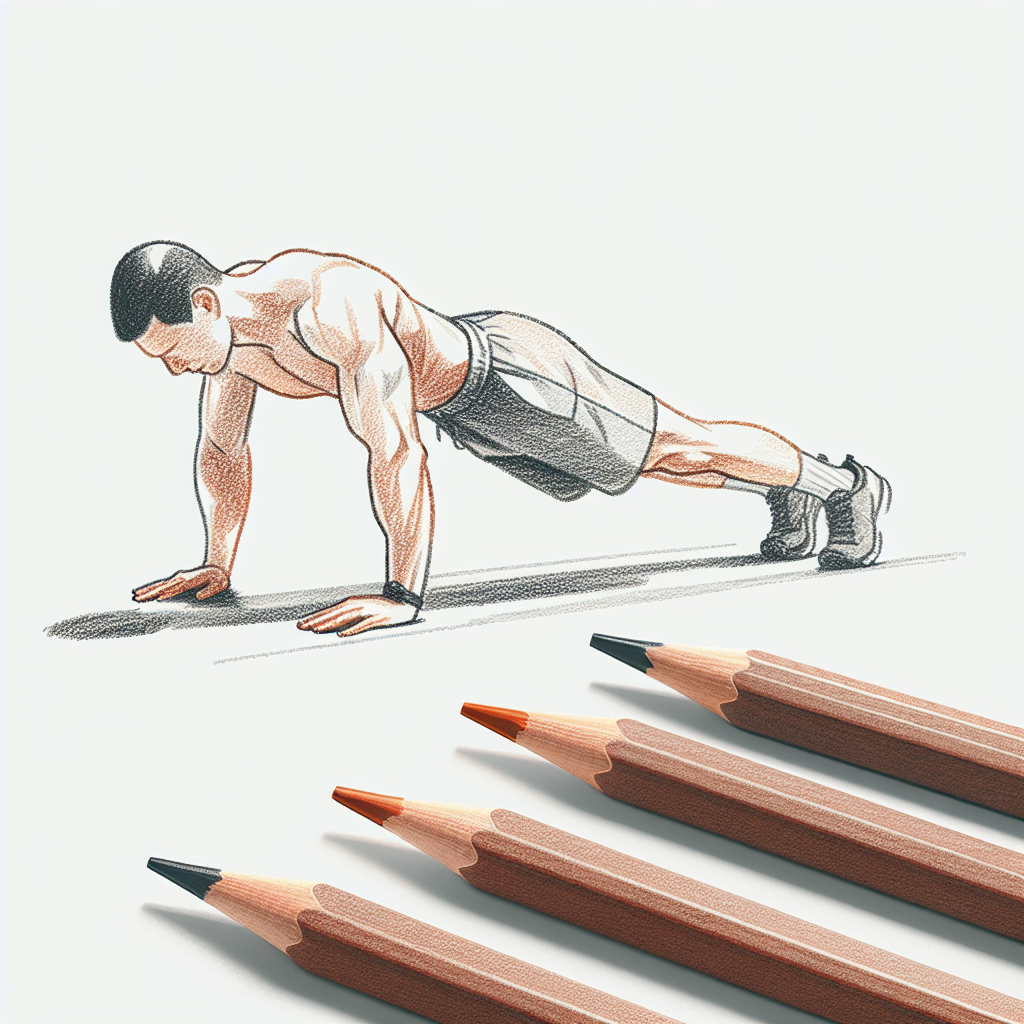
  4. Push-ups (1 minute): Develop upper body strength; modify by performing on knees if necessary.
  5. Mountain Climbers (1 minute): Elevate heart rate and work on coordination and core muscles.
  6. Cool Down (1 minute): Perform gentle stretching to relax your muscles and aid recovery.

To discover more engaging routines, consider registering for the SixPack workout program for 30 days free.

Benefits of Quick Workouts in Daily Life

Incorporating six-minute workouts into your daily routine offers numerous advantages:

  • Time Efficiency: Ideal for busy individuals seeking to maintain an active lifestyle.
  • Enhanced Metabolism: Short bursts of activity can elevate metabolic rates, facilitating weight loss.
  • Improved Mood: Exercise releases endorphins, promoting a positive mindset.
  • Accessibility: Can be performed anywhere; no gym membership is required.
  • Builds Consistency: Easy to integrate into daily life fosters long-term adherence to a fitness regimen.

Recognizing When to Consult a Professional

While short workouts are beneficial, there are certain scenarios in which consulting a healthcare professional is advisable:

  • If you have pre-existing medical conditions or injuries.
  • If you experience persistent pain or discomfort during exercise.
  • If you are uncertain about your exercise capabilities.
  • If your weight loss journey is not progressing as expected despite consistent effort.

Common Myths About Short Workouts

Many misconceptions surround the efficacy of brief exercise sessions. Here are some prevalent myths:

  • Myth 1: “Six minutes is too short to matter.” Fact: Short, intense workouts can indeed yield significant results, especially when done consistently.
  • Myth 2: “You can’t lose weight without long workouts.” Fact: Diet, combined with high-intensity short exercises, can effectively aid in weight loss.
  • Myth 3: “All workouts need equipment.” Fact: Bodyweight exercises can be just as effective and require no equipment.

Frequently Asked Questions

1. How often should I do a six-minute workout?

Start with three to five times a week, gradually increasing frequency as you adapt.

2. Can I do these workouts without any prior experience?

Yes, these workouts are designed for beginners and can be modified to suit your fitness level.

3. Are six-minute workouts effective for weight loss?

Absolutely; intensity is key, and short bursts can significantly aid in weight loss when combined with a balanced diet.

4. What if I can’t complete all exercises?

It’s normal; listen to your body, and modify the exercises to match your ability level.

5. Should I warm up before starting?

Yes, warming up prepares your muscles and reduces the risk of injury.

6. Can I do these workouts indoors?

Yes, they can be easily adapted for any indoor space without requiring much room.

Conclusion

  • Six-minute workouts provide a quick and effective way to embark on a fitness journey.
  • Adopting a routine can lead to measurable health benefits, enhancing both physical and mental wellbeing.
  • Short workouts are accessible and can easily fit into a busy lifestyle.
  • Beginners can gradually increase the intensity as they gain confidence.
  • Consider leveraging structured programs, like the SixPack workout program for 30 days free, to maximize results.

Embrace the magic of six-minute workouts and take a step toward a healthier, more active life!

Author: John Angel
Related articles

Categories
Fitness

The Complete Guide to Starting Running for Health and Fitness

Running exercise is one of the most accessible forms of physical activity that can significantly enhance one’s overall health and wellness. Not only does it promote cardiovascular fitness, but it also aids in weight management, bringing individuals closer to their weight loss journey goals. This article explores the various benefits of running, practical tips for beginners, and how to seamlessly incorporate it into a busy lifestyle.

  • Understanding the Benefits of Running
  • Getting Started with Running
  • Incorporating Short Workouts
  • Common Misconceptions about Running
  • When to Seek Professional Guidance
  • FAQs about Running Exercises

Understanding the Benefits of Running

Running offers a myriad of physical and mental benefits. From improving cardiovascular health to increasing stamina, the advantages can be life-changing. Here are some key benefits:

  • Weight Management: Regular running aids in calorie burning, making it an efficient activity for those on a weight loss journey.
  • Improved Mood: The endorphins released during running can elevate mood, decrease anxiety, and combat depression.
  • Enhanced Cardiovascular Health: Running strengthens the heart, improves circulation, and reduces the risk of heart disease.
  • Stronger Bones and Muscles: Regular running increases bone density and strengthens leg muscles.
  • Social Connections: Running can foster community through local clubs and events, enhancing social well-being.

Getting Started with Running

For beginners, starting a running regimen can be daunting. Here are some steps to ease into the activity:

  1. Choose the Right Footwear: Invest in a quality pair of running shoes to prevent injuries.
  2. Start Slow: Begin with walking and gradually incorporate running intervals into your routine.
  3. Schedule Your Runs: Set a regular running schedule that fits into your day. Consistency is key.
  4. Track Your Progress: Use apps or journals to log your runs, helping to maintain motivation.
  5. Consider Short Workouts: Explore six-minute workouts that target different muscle groups and elevate your heart rate.

To experience the magic of six-minute workouts at home, consider starting the 30-day SixPack workout program for free. These short, efficient sessions can significantly improve your fitness without consuming too much time.

Incorporating Short Workouts

Short workouts, including six-minute sessions, allow individuals to maximize their time while still reaping the health benefits. Here’s why they are effective:

  • Time-Efficient: Perfect for busy schedules, allowing you to workout anywhere, anytime.
  • Engaging and Varied: Keeps fitness routines exciting by engaging different muscle groups.
  • Accessible for All Fitness Levels: Can be modified for beginners and advanced individuals alike.
  • Boosts Metabolism: Short bursts of high-intensity workouts can increase your metabolism throughout the day.

Common Misconceptions about Running

Despite its benefits, running is often surrounded by myths that may deter individuals from initiating their fitness journey. Here are some common misconceptions:

  • Running is Only for the Fit: Individuals of all fitness levels can participate with proper modifications.
  • You Need to Run Long Distances: Short runs can be equally beneficial for health and weight loss.
  • It’s Bad for Your Joints: While running can be high-impact, proper technique and footwear can mitigate risks.
  • Everyone Has to Run the Same Way: There are various running styles; choose one that feels comfortable for you.

When to Seek Professional Guidance

Understanding your body and when to consult a professional is crucial in any exercise regimen. Consider seeking professional guidance in the following situations:

  • If you experience persistent pain during or after running.
  • If you are unsure about proper running techniques or have a history of injuries.
  • If you are considering a significant lifestyle change, especially if you have pre-existing medical conditions.
  • For tailored workouts or rehabilitation plans from a certified trainer or physical therapist.

FAQs about Running Exercises

1. How often should I run as a beginner?

Start with 2–3 times a week, gradually increasing frequency based on comfort level.

2. What should I wear when running?

Invest in moisture-wicking clothing and supportive, well-fitting running shoes.

3. Can I run outdoors and indoors?

Yes, you can run outside on tracks or trails, or indoors on a treadmill, depending on preference and weather.

4. How can I avoid injury while running?

Warm-up before running, maintain good form, and listen to your body to prevent excessive strain.

5. How can I stay motivated to run regularly?

Joining a running group, setting specific goals, or tracking your progress can help maintain motivation.

6. Can running alone help with weight loss?

While running contributes to weight loss, combining it with a balanced diet enhances results.

Conclusion

  • Running is an effective exercise for improving overall health.
  • Even short workouts can be beneficial and time-efficient.
  • Common misconceptions about running can deter beginners; knowledge is key.
  • Listening to your body is vital; don’t hesitate to consult a professional if needed.
  • Consider integrating short, effective workouts into your routine with the free 30-day SixPack program.

Running can transform not only your physique but also your mindset. Embrace the journey toward better health, and take the first step today!

Author: John Angel

Related articles

Categories
Weight Loss

Beginner’s Guide to Effective Weight Loss Programs

Embarking on a weight loss journey can seem daunting, especially for beginners. However, the right program can simplify this process and motivate you to achieve your goals. Among the myriad of options available, short, effective workouts like the SixPack program present a unique opportunity for beginners to incorporate fitness into their daily lives efficiently. Imagine reclaiming your vitality in just six minutes a day, anywhere from your living room to your office break room. This article will outline a beginner-friendly weight loss program, focusing on achievable strategies, the joys of short workouts, and when it’s prudent to seek professional advice.

  • Understanding the Basics of Weight Loss
  • Benefits of Short Workouts
  • Practical Steps to Start Your Journey
  • When to Seek Professional Guidance
  • Common Myths About Weight Loss
  • FAQ
  • Conclusion

Understanding the Basics of Weight Loss

Weight loss fundamentally revolves around the concept of energy balance—consuming fewer calories than your body expends. This balance can be achieved through a combination of dietary changes and physical activity. For beginners, it is essential to set realistic goals, understand portions, and avoid extreme dieting practices that may lead to burnout.

Benefits of Short Workouts

Short workouts, especially those lasting six minutes, offer a multitude of advantages:

  • Time Efficiency: In our busy schedules, the idea of dedicating hours to the gym may feel overwhelming. Six-minute workouts fit seamlessly into any routine.
  • Increased Accessibility: These can be performed at home, in the office, or even on the go, eliminating the barrier of needing specialized equipment or gym access.
  • Enhanced Motivation: The brief duration lowers the psychological resistance often associated with exercise, encouraging consistency.
  • High-Intensity Training Benefits: Compact workouts can be designed to incorporate high-intensity interval training (HIIT), which has been shown to maximize calorie burn and improve cardiovascular health.

By integrating these brief sessions into your weight loss journey, you’ll begin to notice positive changes without the overwhelming commitment typical of more traditional exercise routines. Explore the SixPack workout program now for free for 30 days and discover how six minutes can transform your daily routine.

Practical Steps to Start Your Journey

Starting your weight loss journey can be simplified with these concrete steps:

  1. Set Clear Goals: Define what you wish to achieve, whether it’s weight loss, improved fitness levels, or enhanced overall health.
  2. Create a Balanced Meal Plan: Focus on whole foods—fruits, vegetables, whole grains, and lean proteins. Avoid processed sugars and excess fats.
  3. Incorporate Six-Minute Workouts: Integrate brief, high-intensity workouts into your daily routine. Aim for at least three times a week.
  4. Track Your Progress: Maintain a journal or app to document your workouts and dietary habits. Celebrate small victories to keep you motivated.
  5. Stay Hydrated: Drink plenty of water, as proper hydration supports your metabolism and overall health.

These steps will provide a strong foundation for your weight loss journey and help you cultivate lasting habits.

When to Seek Professional Guidance

While self-guided weight loss programs can be effective, certain situations may warrant professional assistance:

  • Experiencing significant health concerns related to weight.
  • Having underlying medical conditions that affect weight loss, such as thyroid disorders.
  • Struggling with emotional eating or other psychological challenges associated with weight.
  • Failing to see progress despite consistent efforts.
  • Desiring personalized advice or a tailored fitness plan.

In these cases, consulting a healthcare provider or a registered dietitian can offer essential insights and guidance tailored to your specific needs.

Common Myths About Weight Loss

A multitude of misconceptions surrounds weight loss; it is crucial to refute these myths for a successful journey:

  • Myth 1: “You need to spend hours at the gym to lose weight.”
  • Myth 2: “Skipping meals is an effective way to lose weight.”
  • Myth 3: “All calories are equal.”
  • Myth 4: “Carbohydrates are the enemy.”
  • Myth 5: “Fat-free products are always healthy.”

Understanding these myths helps set realistic expectations and enables you to make informed choices along your weight loss journey.

FAQ

What is the best diet for beginners?

A balanced diet with whole foods including fruits, vegetables, lean proteins, and whole grains is often recommended for beginners.

Can I lose weight with just exercise?

While exercise is essential, combining it with a proper diet is more effective for weight loss.

How quickly can I expect to see results?

Results can vary, but many begin to see changes in a few weeks with consistency in diet and exercise.

Is it safe to lose weight quickly?

Rapid weight loss can be unhealthy; a gradual approach (1-2 pounds per week) is generally considered safer.

How important is hydration in a weight loss program?

Hydration aids in metabolic processes and can help control hunger, making it essential in a weight loss program.

Are short workouts effective for weight loss?

Yes, short workouts, especially those incorporating high-intensity training, can be very effective.

Conclusion

  • Establish realistic goals for your weight loss journey.
  • Short workouts can be highly effective and retain motivation.
  • Implementing practical steps makes the journey manageable.
  • Professional guidance may be beneficial in specific situations.
  • Understanding common myths can prevent misinformation from hindering your progress.

Embarking on a weight loss journey does not require drastic measures or overwhelming time commitments. Embrace the magic of six-minute short workouts and discover how they can fit into your daily life. If you are ready to start transforming your routine, register now for the free 30-day SixPack workout program and witness firsthand the impact of consistent, focused exercise.

Author: John Angel

Related articles

Categories
Fitness

Beginner’s Bodyweight Workout Program: Get Fit at Home

Embarking on a bodyweight workout program can be transformative, especially for beginners seeking to kick-start their fitness journey. A consistent workout routine utilizing one’s body weight can lead to significant improvements in strength, endurance, and flexibility, all while facilitating a sustainable path towards weight loss. This article delves into the fundamentals of bodyweight training and offers valuable insights on how to incorporate it into your daily life.

  • Introduction to Bodyweight Workouts
  • The Benefits of Bodyweight Training
  • Getting Started: Essential Exercises
  • Designing Your Weekly Workout Plan
  • Maintaining Motivation
  • When to Seek Professional Guidance
  • Common Misconceptions about Bodyweight Workouts
  • FAQs about Bodyweight Training
  • Conclusion

Introduction to Bodyweight Workouts

Bodyweight workouts, as the name suggests, rely on the weight of your own body to provide resistance during exercise. This method is particularly advantageous for beginners due to its accessibility and minimal requirement for equipment. Whether you are aiming to lose weight or enhance your overall fitness, bodyweight exercises can be seamlessly integrated into your daily routine. With just six minutes a day, one can experience the “magic” of these efficient workouts, making exercise a manageable and enjoyable part of life.

The Benefits of Bodyweight Training

Engaging in bodyweight exercises offers a multitude of benefits that extend beyond mere weight loss. Some of the key advantages include:

  • Convenience: No equipment needed, workouts can be performed anywhere.
  • Cost-effective: Eliminates the need for gym memberships or expensive equipment.
  • Functional Strength: Improves everyday movements and physical activities.
  • Core Engagement: Many exercises simultaneously activate core muscles, promoting stability.
  • Variability: Exercises can be modified to suit various fitness levels and progressions.

Getting Started: Essential Exercises

When beginning a bodyweight workout program, it is important to incorporate fundamental exercises that target various muscle groups. Here are some essential exercises to include:

  • Push-ups: Build upper body strength, targeting the chest, shoulders, and triceps.
  • Squats: Strengthen the lower body, focusing on the quadriceps, hamstrings, and glutes.
  • Lunges: Enhance stability and balance while working the legs and glutes.
  • Planks: Strengthen the core and improve overall body stability.
  • Burpees: Combine strength and cardio, ideal for building endurance.

Designing Your Weekly Workout Plan

Creating a structured weekly plan is essential for consistency and effectiveness. Below is a basic template for a beginner’s bodyweight workout program:

  1. Monday: Full-body workout (3 rounds of push-ups, squats, and planks)
  2. Tuesday: Cardio-focused day (20 minutes of jumping jacks or jogging in place)
  3. Wednesday: Lower body day (lunges and glute bridges)
  4. Thursday: Rest or light stretching
  5. Friday: Full-body workout (burpees, squat jumps, and push-ups)
  6. Saturday: Active recovery (walking, yoga, or light biking)
  7. Sunday: Rest

Maintaining Motivation

Staying motivated can be challenging, especially in the early stages of your fitness journey. Here are some strategies to keep your enthusiasm alive:

  • Set realistic, achievable goals.
  • Track your progress to visualize improvements.
  • Find a workout buddy for accountability.
  • Incorporate variety to keep your routine interesting.
  • Reward yourself for reaching milestones in your journey.

When to Seek Professional Guidance

While bodyweight workouts are generally safe, there are instances where consulting a professional is advisable:

  • If you experience pain or discomfort during exercise.
  • If you have pre-existing health conditions that may be affected by physical activity.
  • If you are unsure about proper form and technique, to prevent injury.
  • If you feel overwhelmed and need personalized guidance to structure your program.

Common Misconceptions about Bodyweight Workouts

Several myths persist regarding bodyweight training. Addressing these misconceptions can help facilitate a smoother journey for beginners:

  • Myth 1: Bodyweight exercises are not effective for muscle building. Reality: With proper progression, bodyweight training can lead to significant strength gains.
  • Myth 2: You need a gym to get fit. Reality: Bodyweight workouts are versatile and can be performed virtually anywhere.
  • Myth 3: Cardio is more important than strength training. Reality: A balanced approach including both is crucial for overall fitness.

FAQs about Bodyweight Training

What are bodyweight workouts?

Bodyweight workouts use your own body weight as resistance to build strength, flexibility, and endurance.

Are bodyweight exercises effective for weight loss?

Yes, bodyweight workouts can promote weight loss by burning calories and increasing muscle mass.

How often should I do bodyweight workouts?

Beginners should start with 2-3 times a week and gradually increase as strength and endurance improve.

Can I do bodyweight workouts at home?

Absolutely! Bodyweight workouts are ideal for home use, requiring no specialized equipment.

How long should a bodyweight workout last?

Even short workouts of 6-15 minutes can be effective, especially if performed consistently.

Will I get toned from bodyweight workouts?

Yes, with consistent training and proper nutrition, bodyweight exercises can lead to improved muscle definition.

Conclusion

  • Bodyweight workouts are accessible and cost-effective for beginners.
  • They offer a multitude of physical and mental health benefits.
  • Creating a structured weekly plan can enhance consistency and results.
  • Proper motivation techniques can keep you engaged in your fitness journey.
  • Consult a professional if you experience any health concerns or need personalized guidance.

Explore the magic of six-minute workouts at home and embark on your weight loss journey with the SixPack workout program for 30 days for free. Begin your transformation today!

Author: John Angel

Related articles

Categories
Fitness

Beginner’s Guide to Effective Bodyweight Workout Routines

Embarking on a bodyweight workout routine can be an empowering step in your weight loss journey. These routines require no equipment and can be performed anywhere, making them a convenient choice for beginners. In just six minutes, you can ignite your metabolism, enhance your mood, and lay the foundation for a healthier lifestyle. This article aims to provide you with practical guidance on creating an effective beginner-friendly bodyweight workout routine.

  • Understanding Bodyweight Workouts
  • Essential Beginner Exercises
  • Sample Six-Minute Routine
  • Common Myths and Mistakes
  • When to Consult a Professional
  • FAQ
  • Conclusion

Understanding Bodyweight Workouts

Bodyweight workouts utilize the weight of your body as resistance to create an effective training regimen. They are particularly beneficial for beginners, as they allow for proper form and technique to be developed without the fear of injury often associated with heavy weights. These workouts not only enhance physical fitness but also improve flexibility, balance, and endurance.

Essential Beginner Exercises

Before diving into a routine, familiarizing yourself with essential bodyweight exercises is crucial. Here are a few movements that are foundational for any beginner:

  • Push-Ups: Strengthens the chest, shoulders, and triceps.
  • Squats: Targets the legs and glutes.
  • Planks: Engages core muscles while improving stability.
  • Lunges: Works on leg strength and balance.
  • Burpees: A full-body exercise that raises heart rate and builds endurance.

Sample Six-Minute Routine

Here’s an effective six-minute workout that you can perform at home—no equipment necessary:

  1. Push-Ups: 1 minute
  2. Squats: 1 minute
  3. Planks: 1 minute
  4. Lunges: 1 minute
  5. Burpees: 1 minute
  6. Cool Down (gentle stretching): 1 minute

This routine can easily be integrated into any day, as it takes only six minutes. By dedicating a short period of time to exercise, you can increase your overall well-being and contribute positively to your weight loss journey. For more structured guidance, consider the SixPack workout program, which offers a free 30-day trial.

Common Myths and Mistakes

Several misconceptions surround bodyweight workouts that may deter beginners from fully engaging in them:

  • Myth: Bodyweight workouts aren’t challenging enough. Many advanced moves can significantly increase difficulty.
  • Myth: You can’t build muscle with bodyweight exercises. With proper variations, you can promote muscle growth effectively.
  • Mistake: Poor form leads to injury. Always prioritize technique over the number of repetitions.

When to Consult a Professional

While bodyweight workouts are suitable for most beginners, there are circumstances where seeking professional guidance is advisable. Consider consulting a healthcare provider or fitness professional if:

  • You have a pre-existing medical condition or injury.
  • You experience pain or discomfort while exercising.
  • You are unsure about your exercise techniques.
  • You wish to develop a personalized workout plan.

FAQ

What are the benefits of bodyweight workouts?

Bodyweight workouts improve strength, flexibility, balance, and can aid in weight loss while requiring no equipment.

Can I lose weight with just bodyweight exercises?

Yes, when combined with a balanced diet, bodyweight exercises can effectively contribute to weight loss.

How often should I perform bodyweight workouts?

Beginners should aim for at least 2–3 times a week, gradually increasing frequency as they adapt.

Are bodyweight workouts suitable for all fitness levels?

Yes, bodyweight workouts can be adapted for various fitness levels, making them accessible for beginners.

What if I can’t complete all repetitions in the routine?

It’s perfectly fine to modify exercises and gradually increase repetitions as you build strength.

Can I combine bodyweight workouts with other forms of exercise?

Absolutely! Combining is effective in creating a comprehensive fitness regime that enhances overall health.

Conclusion

  • Bodyweight workouts empower beginners with accessible exercise options.
  • A six-minute routine can significantly enhance physical and mental well-being.
  • Common myths should not deter you from reaping the benefits of bodyweight exercises.
  • Seek professional guidance if you have health concerns or need personalized advice.
  • Integrating bodyweight workouts into your daily routine can propel your weight loss journey forward.

Start your journey towards a healthier lifestyle today by exploring the SixPack workout program, which offers a free 30-day trial designed to help you succeed.

Author: John Angel

Related articles

Categories
Fitness

Effective Short Workouts for Weight Loss Success

Embarking on a weight loss journey can often feel overwhelming, yet small, consistent efforts can lead to significant results. Short workouts, particularly those lasting as little as six minutes, have emerged as a magic solution for individuals seeking to integrate fitness into their daily lives without feeling burdened. This article will explore the benefits of these concise workouts, how they can seamlessly fit into your day, and strategies to optimize your weight loss journey.

  • Understanding the Efficacy of Short Workouts
  • Benefits of Short Workouts in Daily Life
  • Practical Steps to Implement Short Workouts
  • When to Seek Professional Guidance
  • Common Misconceptions About Short Workouts
  • FAQs About Weight Loss Journeys

Understanding the Efficacy of Short Workouts

Research and anecdotal evidence suggest that short, intense workouts can be remarkably effective for weight loss. These exercises stimulate metabolic processes, promote fat loss, and improve cardiovascular health, all while saving time. The accessibility of six-minute workouts makes them an appealing option for busy individuals or those starting their fitness journey.

Benefits of Short Workouts in Daily Life

Integrating short workouts into a daily routine can yield numerous advantages:

  • Time Efficiency: With only six minutes required, fitting in a workout becomes less daunting.
  • Flexibility: These workouts can be performed anywhere—at home, in the office, or even outdoors—eliminating barriers to exercise.
  • Enhanced Energy: Engaging in physical activity, even briefly, can invigorate your day and improve mood.
  • Reduces Sedentary Behavior: Short bouts of activity can help break up long periods of sitting, which is crucial for overall health.
  • Accessibility: Perfect for beginners, short workouts can be easily tailored to individual fitness levels.

Practical Steps to Implement Short Workouts

To effectively incorporate six-minute short workouts into your weight loss journey, consider the following steps:

  1. Choose a Workout: Identify routines that align with your interests. There are various options, from high-intensity interval training (HIIT) to strength training.
  2. Set a Schedule: Pinpoint specific times during your day when you can commit to these workouts. Consistency is key.
  3. Stay Accountable: Engage friends or family in your journey or join a community, such as the SixPack workout program, to enhance motivation.
  4. Track Progress: Use a journal or app to monitor your workouts and progress over time. This can help in maintaining motivation.
  5. Celebrate Small Wins: Acknowledge your achievements, no matter how minor. Celebrations can boost morale and encourage further commitment.

When to Seek Professional Guidance

While short workouts are beneficial, it is crucial to recognize when to reach out to a healthcare professional or certified trainer. Consider consulting a professional if:

  • You experience persistent pain or discomfort during workouts.
  • You have underlying health conditions or concerns that could be affected by exercise.
  • You are unsure about proper form or technique.
  • You have specific fitness goals that require tailored advice.

Common Misconceptions About Short Workouts

Despite their growing popularity, several myths persist regarding the effectiveness of short workouts:

  • Myth: Short Workouts Aren’t Effective: Many believe that longer workouts are necessary for weight loss. In reality, intensity can yield results regardless of duration.
  • Myth: Six-Minute Workouts Are Just a Fad: Numerous studies support short, intense workouts’ effectiveness in improving fitness and promoting weight loss.
  • Myth: Short Workouts Don’t Build Strength: Short, structured workouts can still stimulate muscle growth and strength when focused on specific exercises.

FAQs About Weight Loss Journeys

What types of exercises are included in a six-minute workout?

Six-minute workouts can include various exercises such as jumping jacks, strength training, sprinting, or core exercises, often varying in style and intensity.

How often should I engage in short workouts?

For optimal results, aim to incorporate these workouts into your routine at least three to five times per week.

Are six-minute workouts suitable for beginners?

Yes, beginners can benefit greatly from six-minute workouts as they can be easily adapted to accommodate different fitness levels.

Can short workouts contribute to long-term weight loss?

Yes, consistent short workouts can promote fat loss and enhance overall physical fitness, forming part of a balanced weight loss strategy.

Do I need special equipment for short workouts?

While some programs may utilize equipment like dumbbells or resistance bands, many short workouts can be executed using body weight alone.

Should I warm up before a six-minute workout?

It is advisable to perform a brief warm-up to prepare the body for exercise and reduce the risk of injury.

Conclusion

  • Short workouts of six minutes can effectively promote weight loss.
  • These workouts can be tailored to fit your schedule and fitness level.
  • Incorporating exercise into your daily routine can enhance overall health and energy levels.
  • Seeking guidance from professionals can provide personalized support in your weight loss journey.
  • Combating misconceptions is essential to embracing shorter workouts as a legitimate path to fitness.

To begin your transformation and experience the magic of short workouts, consider registering for the SixPack workout program—a fantastic opportunity to kickstart your fitness journey.

Author: John Angel

Related articles

Categories
Weight Loss

Beginner’s Weight Loss Meal Plan and Quick Workouts

Embarking on a weight loss journey can often seem daunting, particularly for those just starting. A structured meal plan, coupled with effective workouts, can pave the way for transformative results. In this article, we will explore a beginner-friendly meal plan aimed at promoting weight loss and provide insights on how short, yet impactful, six-minute workouts can seamlessly fit into your daily routine.

  • Understanding the Basics of a Meal Plan
  • Key Components of a Weight Loss Meal Plan
  • Sample Meal Plan for Beginners
  • Six-Minute Workouts: Maximizing Your Efforts
  • Consulting with a Professional
  • Myths and Mistakes in Weight Loss
  • Frequently Asked Questions

Understanding the Basics of a Meal Plan

A meal plan is essentially a guide that helps you structure your intake of food to meet your specific health and weight loss goals. For beginners, the focus should be on balanced nutrition—ensuring that the body receives adequate macronutrients (carbohydrates, proteins, and fats) and micronutrients (vitamins and minerals).

Key Components of a Weight Loss Meal Plan

When designing a meal plan for weight loss, consider the following components:

  • Caloric Deficit: Consume fewer calories than you expend to lose weight.
  • Whole Foods: Focus on unprocessed, nutrient-dense foods like vegetables, fruits, lean proteins, and whole grains.
  • Meal Timing: Regular, balanced meals can help maintain metabolism and curb cravings.
  • Hydration: Drinking sufficient water is crucial for overall health and weight loss.
  • Mindful Eating: Pay attention to hunger cues and avoid distractions during meals.

Sample Meal Plan for Beginners

An effective weight loss meal plan can be simple yet satisfying. Below is a one-week sample meal plan designed for beginners:

Day 1

  • Breakfast: Greek yogurt with mixed berries
  • Lunch: Grilled chicken salad with vinaigrette
  • Dinner: Baked salmon with steamed broccoli
  • Snack: A handful of almonds

Day 2

  • Breakfast: Oatmeal with sliced banana
  • Lunch: Quinoa and black bean bowl
  • Dinner: Stir-fried vegetables with tofu
  • Snack: Carrot sticks with hummus

Six-Minute Workouts: Maximizing Your Efforts

In conjunction with your meal plan, incorporating short workouts can significantly enhance your weight loss journey. The magic of six-minute workouts lies in their efficiency and accessibility. Whether you are at home, in the office, or while traveling, these brief yet intense sessions can elevate your heart rate, boost metabolism, and foster a sense of achievement. Utilizing bodyweight exercises or quick circuit training can yield remarkable results without the need for extensive time commitments.

Are you curious to experience the impact of these workouts? You can register for the SixPack workout program for 30 days for free and integrate these short sessions into your routine.

Consulting with a Professional

While a well-structured meal plan and short workouts can yield results, certain circumstances necessitate professional guidance. It is advisable to consult with a healthcare provider if:

  • You have underlying health conditions.
  • You are on medication that affects your metabolism.
  • You are pregnant or nursing.
  • You experience significant weight fluctuations.
  • You have concerns about your mental health, such as disordered eating patterns.

Myths and Mistakes in Weight Loss

Misconceptions about weight loss can often derail efforts. Being aware of common myths is crucial:

  • All calories are created equal: The source of calories matters; nutrient-dense foods nourish your body more effectively.
  • Carbs are bad: Healthy carbohydrates are essential for energy; focus on whole grains rather than refined sugars.
  • Snacking will ruin my diet: Healthy snacks can manage hunger and support weight loss if chosen wisely.
  • Extreme caloric restriction is effective: Drastic reductions can slow metabolism and lead to binge eating.
  • High-intensity workouts are the only option: Moderate activities are beneficial and sustainable.

Frequently Asked Questions

1. How many calories should I eat for weight loss?

Your caloric needs vary; generally, a deficit of 500-1000 calories per day leads to a healthy weight loss of 1-2 pounds per week.

2. Can I lose weight without exercising?

Weight loss is primarily achieved through diet, but incorporating exercise enhances results and promotes overall health.

3. How do I avoid cravings?

Stay hydrated, eat balanced meals, and incorporate protein and fiber to help control cravings.

4. Is weight loss faster with a low-carb diet?

While some find success with low-carb diets, balanced nutrition is generally more sustainable and healthier.

5. What snacks are best for weight loss?

Opt for fruits, raw vegetables, Greek yogurt, or nuts in moderation for nutritious snacking.

6. How do I stay motivated on my weight loss journey?

Set achievable goals, track your progress, and consider support groups or programs to maintain motivation.

Conclusion

  • Establish a balanced meal plan that focuses on whole foods.
  • Incorporate six-minute workouts to enhance your routine.
  • Stay hydrated and practice mindful eating.
  • Consult a professional when necessary to ensure a safe and effective approach.
  • Be aware of common myths to avoid setbacks.

Embarking on your weight loss journey can be rewarding and fulfilling. Take the first step by creating your personalized meal plan and incorporating short workouts into your day. Remember, you can register for the SixPack workout program for 30 days for free and transform your approach to fitness and health.

Author: John Angel

Related articles

Categories
Fitness

Effective Bodyweight Workouts for Beginner Fitness

Embarking on a weight loss journey can often feel daunting, especially for beginners seeking effective yet practical workout solutions. A bodyweight workout is an excellent approach, emphasizing convenience and accessibility without the need for equipment. In just six minutes a day, you can integrate these workouts into your daily routine, helping to kickstart your fitness journey while yielding significant benefits. This article will explore the magic of short home workouts and provide you with the tools to begin your exercise regimen.

  • Understanding Bodyweight Workouts
  • The Benefits of Short Workouts
  • Beginner-Friendly Bodyweight Exercises
  • Creating Your 6-Minute Workout Routine
  • When to Consult a Professional
  • Common Misconceptions About Bodyweight Training
  • Frequently Asked Questions

Understanding Bodyweight Workouts

Bodyweight workouts utilize the weight of your body as resistance. This form of exercise is particularly valuable for beginners, as it reduces the risk of injury and allows individuals to gradually build strength and endurance. It includes a variety of movements, such as squats, push-ups, and lunges, all performed without equipment. This makes bodyweight workouts a flexible option, easily integrated into any lifestyle, whether at home, in the park, or while traveling.

The Benefits of Short Workouts

Short workouts, particularly the six-minute variety, can be remarkably effective. Here are several key benefits:

  • Time Efficiency: With just six minutes, anyone can fit in a workout, regardless of their busy schedule.
  • Improved Consistency: Shorter sessions are less intimidating, making it easier to commit to regular exercise.
  • Enhanced Mental Focus: The intensity of short workouts often leads to increased engagement and focus.
  • Versatile Integration: These workouts can be inserted into breaks at work or family routines, encouraging consistent activity.
  • Fat Burning Potential: Short, high-intensity intervals can stimulate metabolism, contributing to weight loss.

Beginner-Friendly Bodyweight Exercises

When starting a bodyweight workout regime, it’s essential to focus on fundamental movements. Here are some beginner-friendly exercises you can incorporate:

  • Bodyweight Squats: Stand with feet shoulder-width apart and lower into a squat, maintaining a straight back.
  • Push-Ups: Engage your core and lower your body to the ground, either on your toes or knees.
  • Lunges: Step one foot forward and lower your hips until both knees are bent at about a 90-degree angle.
  • Plank: Hold a push-up position while engaging your core for 20–30 seconds.
  • Burpees: A combination of a squat, push-up, and jump, this high-intensity movement enhances cardiovascular fitness.

Creating Your 6-Minute Workout Routine

Developing an effective six-minute workout routine is straightforward. Follow these steps:

  1. Select 3-4 exercises from the previous section.
  2. Choose a duration for each exercise, typically 30-60 seconds.
  3. Include a brief rest period between exercises or perform them as circuit-style with no rest.
  4. Repeat the entire circuit once or twice to maximize your training session.
  5. Warm up initially for a minute to prevent injuries.
  6. Choose a specific time each day to establish a routine, enhancing adherence.

For those interested in a more structured approach, consider enrolling in the SixPack workout program, which offers a free 30-day trial.

When to Consult a Professional

It is essential to be aware of when professional guidance is necessary. If you experience any of the following, it may be wise to consult a qualified health or fitness professional:

  • Persistent pain during or after exercise
  • Severe fatigue that affects daily activities
  • Difficulty breathing or chest discomfort during workouts
  • Previous injuries that inhibit movement or worsen over time
  • Unclear on how to initiate a fitness program based on personal health

Common Misconceptions About Bodyweight Training

Bodyweight training is often misunderstood. Here are some common myths:

  • Myth 1: It’s only for beginners. Bodyweight training can be advanced. Progressions and modifications allow all levels to exercise.
  • Myth 2: It’s not effective for building muscle. When performed with intensity, bodyweight workouts can build significant strength.
  • Myth 3: You need equipment for a good workout. Bodyweight exercises can be incredibly effective without any equipment.
  • Myth 4: Only cardio is beneficial for weight loss. Resistance activities, including bodyweight exercises, are also crucial for fat loss.

Frequently Asked Questions

How often should beginners exercise?

Beginners should aim for at least 3-4 sessions per week to establish a solid routine.

Can I lose weight with bodyweight workouts?

Yes, bodyweight workouts can be highly effective for weight loss when combined with proper nutrition.

Do I need to warm up before bodyweight exercises?

Always warm up for at least 5 minutes to prevent injury and prepare your muscles for exercise.

Is six minutes enough to see results?

While six minutes may seem short, consistent effort can lead to significant improvements over time.

What if I can’t complete all the exercises?

Start with fewer reps or modified versions of exercises, gradually increasing as strength and endurance improve.

Can bodyweight workouts be done anywhere?

Yes, bodyweight workouts can be performed in various settings, including at home or outdoors, with little to no space required.

Conclusion

  • Bodyweight workouts provide an effective means to begin your fitness journey.
  • Short, six-minute workouts facilitate time-efficient, sustainable exercise habits.
  • Fundamental bodyweight exercises can be tailored for any fitness level.
  • Consult a professional if faced with pain or concerns about starting a regimen.
  • Understanding and dispelling myths surrounding bodyweight training can enhance your workout experience.

Embarking on a weight loss journey should be an empowering experience. Begin your transformation today with a simple six-minute bodyweight workout from the comfort of your home. For a guided approach, consider the SixPack workout program available for a free 30-day trial.

Author: John Angel

Related articles

Categories
Fitness

The Benefits and Basics of Lifting Weights for Beginners

Lifting weights is not merely a fitness endeavor; it is a transformative journey that can provide profound benefits to one’s overall well-being. Whether you are on your weight loss journey or seeking improved physical strength, incorporating weight lifting into your routine can lead to significant and lasting changes. This article will explore the advantages of weight lifting, practical steps for beginners, common misconceptions, and when to consult with a professional. We will also highlight the unique benefits of six-minute short workouts at home, demonstrating how they can enhance everyday life.

  • Understanding the Basics of Weight Lifting
  • The Impact of Weight Lifting on Weight Loss
  • Benefits of Short Workouts at Home
  • Practical Steps for Beginners
  • Common Misconceptions about Weight Lifting
  • When to Seek Professional Advice
  • Frequently Asked Questions

Understanding the Basics of Weight Lifting

Weight lifting involves using resistance, whether through free weights, machines, or body weight, to stimulate muscle growth and strength. This form of exercise targets various muscle groups, allowing individuals to enhance their physical capabilities. It can range from simple exercises like squats and push-ups to comprehensive workout programs that focus on endurance and hypertrophy.

The Impact of Weight Lifting on Weight Loss

A common misconception is that weight lifting is counterproductive for weight loss; however, it is an essential component of a successful weight loss journey. When you lift weights, your body burns calories during and after the workout, a phenomenon known as the afterburn effect. Additionally, building lean muscle mass elevates your metabolic rate, enabling you to burn more calories at rest.

Benefits of Short Workouts at Home

The concept of short, intense workouts has gained recognition for its effectiveness, especially for those with busy lifestyles. In just six minutes a day, you can significantly improve your fitness level and well-being. These brief workouts require minimal equipment and can easily be integrated into a typical day.

Short workouts are also beneficial for maintaining consistency. Even the busiest individuals can find six minutes to devote to their health, making it more likely that they will stick to their fitness routine. Plus, these sessions can boost your mood, relieve stress, and enhance productivity throughout the day.

Practical Steps for Beginners

If you’re new to weight lifting, consider the following steps to ease into your routine:

  • Set Clear Goals: Define what you want to achieve, whether it’s weight loss, muscle growth, or overall fitness.
  • Start with Bodyweight Exercises: Begin with exercises like push-ups, squats, and lunges to build a foundation.
  • Focus on Form: Proper form is essential to prevent injuries and maximize effectiveness. Take your time learning techniques.
  • Gradually Increase Intensity: As you become comfortable, slowly introduce weights to your routine.
  • Incorporate Short Workouts: Discover the magic of six-minute workouts by registering for the SixPack workout program for 30 days for free.
  • Stay Consistent: Aim for regular workouts, whether through longer sessions or short bursts of activity.

Common Misconceptions about Weight Lifting

Certain myths can deter individuals from embracing weight lifting, such as:

  • Weight Lifting Makes You Bulky: Many fear that lifting weights will lead to excessive muscle bulk. However, strength training can enhance lean muscle without significant mass gain, particularly in women.
  • Cardio is More Effective for Weight Loss: While cardiovascular exercise is effective, it does not build muscle, which is crucial for a sustainable weight loss journey.
  • You Must Lift Heavy Weights to See Results: Effective weight lifting can occur with lighter weights, focusing instead on form and repetitions.
  • Weight Lifting is Only for Young People: Individuals of all ages can benefit from lifting weights, as it promotes joint health, bone density, and overall longevity.

When to Seek Professional Advice

While many can engage in weight lifting safely, certain signs indicate the need for professional guidance:

  • If you have existing medical conditions, such as joint issues or heart problems.
  • If you experience pain during exercises or have difficulty performing movements correctly.
  • If you aim to engage in advanced techniques or have specific fitness goals requiring tailored programming.
  • If you are unsure about proper form, which could lead to injury.

Frequently Asked Questions

Is weight lifting suitable for all age groups?

Yes, weight lifting can be beneficial for individuals of all ages, although it is essential for older adults to consult a professional to tailor their programs accordingly.

How often should I lift weights?

Aiming for 2-3 times per week is generally effective for beginners, with enough rest days in between sessions for recovery.

Can I get results with short workouts?

Absolutely! Short workouts, especially those focused on intensity, can yield great results over time.

What should I eat before weight lifting?

A balanced meal with carbohydrates and protein about 1-2 hours before your workout can provide sufficient energy.

Do I need a gym membership to lift weights?

No, many effective bodyweight exercises and free weight routines can be performed at home with minimal or no equipment.

What if I feel pain while lifting weights?

Stop the exercise immediately and assess the situation. If the pain persists, consult a healthcare professional for advice.

Conclusion

  • Weight lifting is crucial for a successful weight loss journey.
  • Short workouts can effectively fit into a busy lifestyle.
  • A beginner-friendly approach focuses on form and gradual intensity.
  • Myths surrounding weight lifting can deter participation but are often unfounded.
  • Consulting with a professional is wise when uncertain or experiencing discomfort.

Incorporate weight lifting into your daily routine to unlock the multitude of benefits it offers. We invite you to explore the transformative potential of short workouts by registering for the SixPack workout program for 30 days for free. Take charge of your fitness journey today!

Author: John Angel

Related articles

Categories
Fitness

Weight Training for Effective Weight Loss: A Comprehensive Guide

Weight training has emerged as a vital component of effective weight loss journeys for individuals of all ages and fitness levels. Contrary to some misconceptions, engaging in weight training not only aids in fat loss but also enhances muscle definition, boosts metabolism, and improves overall health. By integrating weight training into your routine, you create a sustainable path towards your weight loss goals, making it possible to maintain a healthier lifestyle.

  • Understanding Weight Training’s Role in Weight Loss
  • Benefits of Short Workouts at Home
  • Getting Started: Mix It Up
  • Common Myths about Weight Training and Weight Loss
  • When to Consult a Professional
  • Frequently Asked Questions

Understanding Weight Training’s Role in Weight Loss

Weight training, often seen as the domain of bodybuilders, is incredibly beneficial for anyone looking to lose weight. Muscle is metabolically active tissue, which means it burns calories even at rest. Incorporating strength training into your fitness regimen helps to increase muscle mass, thereby elevating your resting metabolic rate. This can lead to greater weight loss over time as your body becomes more efficient at burning calories.

Benefits of Short Workouts at Home

The idea of lengthy gym sessions can be daunting. However, the magic of six-minute short workouts at home enables anyone to integrate fitness seamlessly into their day. This time-efficient approach offers multiple benefits including:

  • Consistency: Short bursts of exercise are easier to fit into a busy schedule, promoting regular physical activity.
  • Accessibility: Home workouts eliminate travel time, making fitness more approachable.
  • Variety: Small sessions allow for diverse exercises, targeting various muscle groups and preventing boredom.

For those interested in initiating this transformative experience, the SixPack workout program offers a free 30-day trial designed to maximize results in just a few minutes a day.

Getting Started: Mix It Up

To embark on your weight loss journey through weight training, consider the following practical steps:

  1. Choose Your Gear: You don’t need fancy equipment; dumbbells or resistance bands suffice for beginners.
  2. Set a Schedule: Allocate specific days and times for your workouts to cultivate a routine.
  3. Incorporate Compound Movements: Focus on exercises that work multiple muscle groups, such as squats, deadlifts, and bench presses.
  4. Stay Hydrated: Proper hydration is essential for muscle function and overall performance.
  5. Listen to Your Body: Pay attention to how your body feels during and after workouts to prevent injuries.
  6. Track Your Progress: Documenting workouts can help keep motivation high and improve accountability.

When to Consult a Professional

While many individuals can safely engage in weight training independently, certain signs indicate that it may be best to consult a fitness professional. These include:

  • Experiencing pain that intensifies during workouts.
  • Struggling to perform basic movements with proper form.
  • Having a pre-existing medical condition that may affect exercise.
  • Feeling unsure about how to design an effective workout plan.

Consulting a qualified fitness trainer can provide personalized guidance and help prevent injuries, ensuring that your weight loss journey is both effective and safe.

Common Myths about Weight Training and Weight Loss

Misconceptions surrounding weight training can lead to hesitation in starting a program. Here are a few common myths:

  • Myth 1: Weight training makes you bulky.
    Truth: Weight training can help sculpt your body and increase lean muscle without excessive bulk.
  • Myth 2: Cardio is better for weight loss than lifting weights.
    Truth: A combination of both is often the most effective approach.
  • Myth 3: Lifting weights is only for men.
    Truth: Women can benefit greatly from strength training, experiencing improved metabolism and overall health.

Frequently Asked Questions

Can weight training help me lose fat faster than cardio?

Weight training and cardio each have unique benefits. While cardio burns calories during the workout, weight training boosts your metabolism, leading to increased calorie burn even at rest.

How often should I include weight training in my routine?

Incorporating weight training 2-3 times per week can be effective. Ensure there is adequate rest between sessions targeting the same muscle groups.

Is it safe to start weight training if I’m new to exercise?

Yes! Starting with lighter weights and focusing on form is vital. Consider consulting a professional for tailored advice.

What types of weight training are best for beginners?

Beginners may benefit from bodyweight exercises, resistance bands, or light dumbbells incorporating compound movements.

Will I see results quickly with weight training?

Results vary but consistency is key. Many individuals notice improvements in strength and muscle tone within a few weeks.

Should I combine weight training with my current cardio routine?

A combined approach offers maximum benefits. Weight training complements cardio by improving muscle composition and metabolism.

Conclusion

  • Weight training plays a significant role in weight loss by enhancing muscle mass and metabolism.
  • Six-minute home workouts can ease the integration of fitness into a busy lifestyle.
  • It’s essential to mix up routines for long-term adherence and benefit.
  • Consulting a professional can help tailor a program to individual needs.
  • Dispelling myths about weight training can empower individuals to embrace fitness.

Embarking on a weight loss journey through weight training can transform not just your body, but also your mental and emotional health. Remember, you don’t have to navigate this path alone. Consider starting your journey with the free 30-day SixPack workout program — it’s a simple, effective way to integrate fitness into your life!

Author: John Angel

Related articles

Website analytics information

We use Google Analytics 4 for visitor statistics. Analytics cookies require your consent, which you can change using the button above. The data controller is ZDRAVÍ S ÚSMĚVEM s.r.o., company ID 29283329, contact podpora@revolucnicviceni.cz. Google processes browser, device and page visit information. We do not send form field values to Analytics. How Google uses information · Google Privacy Policy.