Categories
Fitness

Effective Bodyweight Fitness Routine Without Equipment

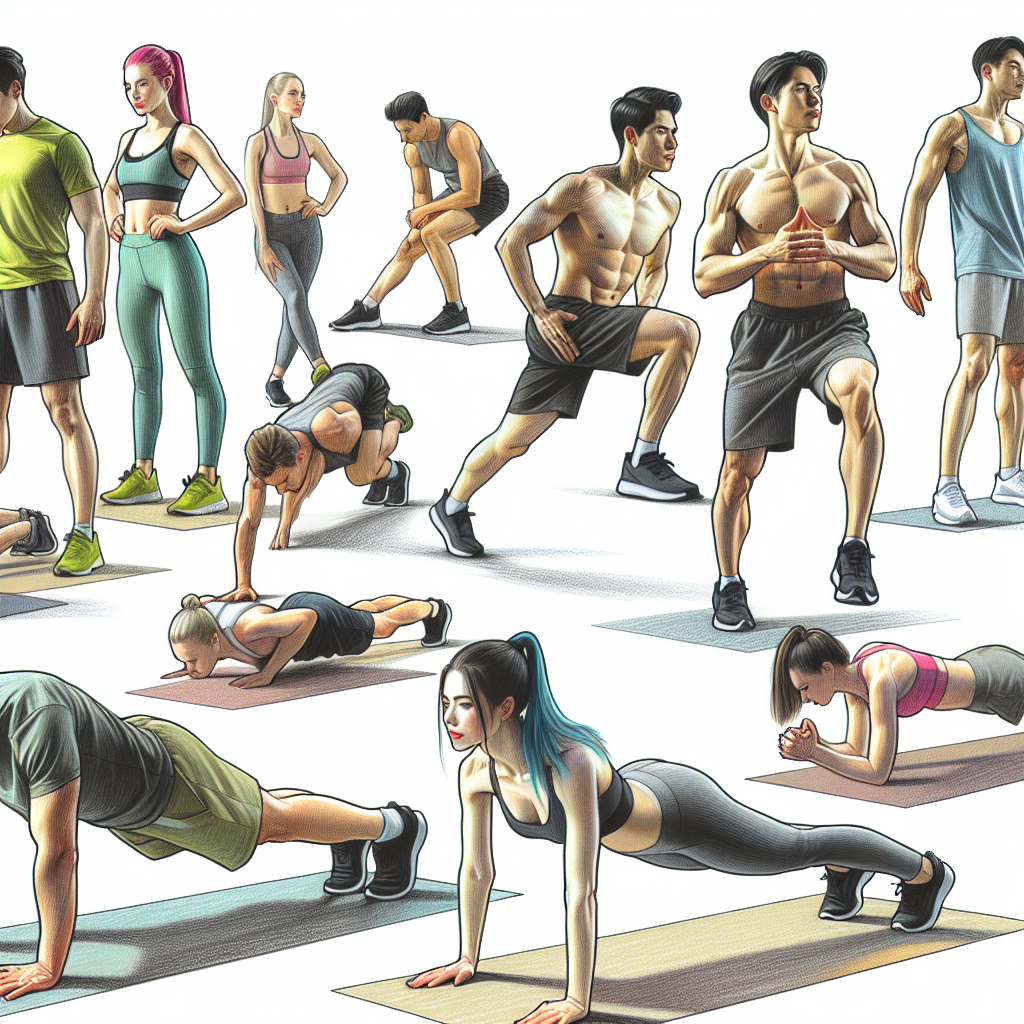
In a world where time is a premium commodity, bodyweight fitness routines that require no equipment offer an efficient and effective way to maintain physical health. This approach not only encourages regular exercise without the constraints of gym schedules or equipment costs, but it can also lead to impressive results when practiced consistently. In this article, we will explore a no-equipment bodyweight fitness routine that you can easily incorporate into your daily life.

  • Understanding Bodyweight Fitness
  • The Benefits of No-Equipment Routines
  • Essential Bodyweight Exercises
  • Creating Your Fitness Routine
  • When to Seek Professional Guidance
  • Common Misconceptions about Bodyweight Fitness
  • FAQ
  • Conclusion

Understanding Bodyweight Fitness

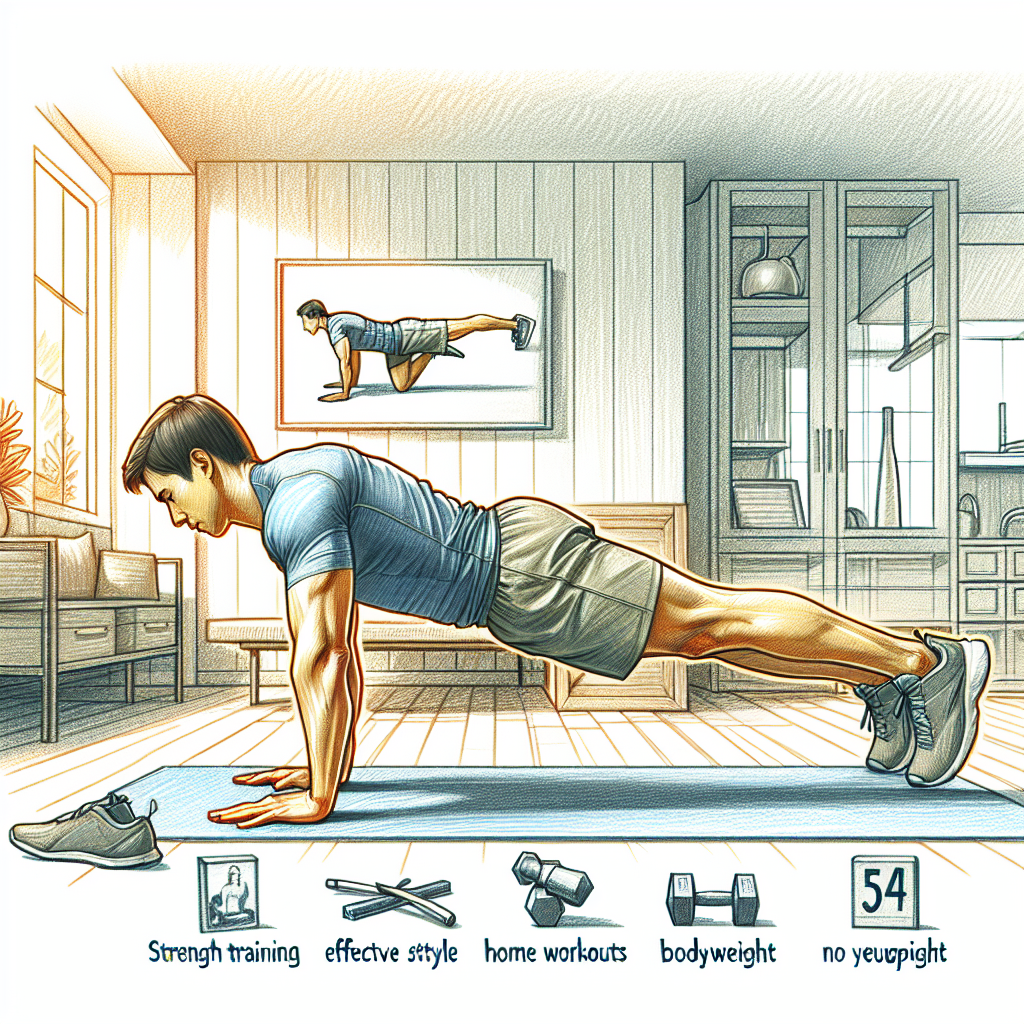
Bodyweight fitness is a training style that utilizes your own weight as resistance, allowing for a range of movements that can improve strength, flexibility, and endurance. This method appeals to many due to its accessibility—requiring neither a gym membership nor specialized equipment. By mastering basic bodyweight techniques, individuals can develop a versatile fitness regimen that can be adapted to various skill levels.

The Benefits of No-Equipment Routines

No-equipment routines provide several key advantages:

  • Cost-effective: No need for gym fees or equipment purchases.
  • Flexibility: Exercise anytime and anywhere.
  • Improved Functional Strength: Enhances natural movement patterns.
  • Efficient Workouts: Short, intense sessions can yield significant results.

Essential Bodyweight Exercises

To create an effective bodyweight fitness routine, consider incorporating the following foundational exercises:

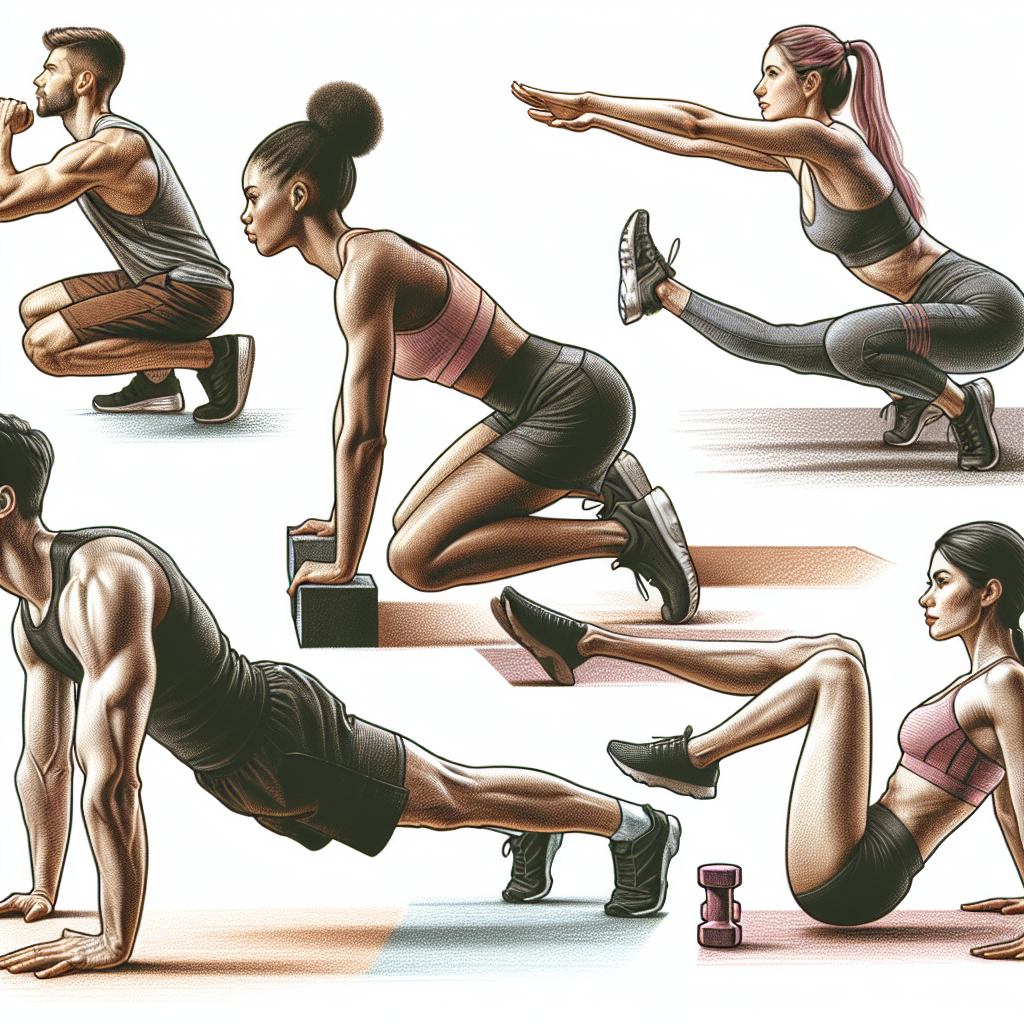
  • Push-ups: Strengthens the chest, shoulders, and triceps.
  • Squats: Targets the legs and glutes.
  • Plank: Builds core stability and strength.
  • Lunges: Improves lower body strength and balance.
  • Burpees: A full-body exercise that boosts cardiovascular fitness.

Creating Your Fitness Routine

To develop your bodyweight fitness routine, adhere to these steps:

  1. Determine Your Fitness Goals: Define what you want to achieve—whether it’s weight loss, muscle gain, or general fitness.
  2. Choose Your Exercises: Select a mix of exercises targeting various muscle groups.
  3. Plan Your Schedule: Allocate a specific time for your workouts, aiming for at least 6 minutes a day.
  4. Focus on Form: Quality over quantity; ensure proper technique to maximize effectiveness and minimize injury risk.
  5. Track Your Progress: Keep a journal or app to monitor improvements and stay motivated.

For a comprehensive program that offers results in just 6 minutes of exercise a day, consider this 30-day program designed to fit busy schedules.

When to Seek Professional Guidance

While bodyweight exercises are generally safe for most individuals, there are specific indicators that one should consult a qualified professional. These may include:

  • Persistent pain or discomfort during exercise.
  • Difficulty maintaining proper form during basic movements.
  • Previous injuries or chronic conditions that affect movement.
  • Desire for personalized guidance or tailored workout programs.

Common Misconceptions about Bodyweight Fitness

Understanding the following myths can help enhance your bodyweight training experience:

  • Myth 1: Bodyweight workouts aren’t effective for building muscle. Truth: With progressive exercise variations, they can be highly effective for muscle growth.
  • Myth 2: You need a gym to achieve fitness goals. Truth: Bodyweight exercises can produce substantial results without any equipment.
  • Myth 3: Bodyweight fitness is only for beginners. Truth: Many advanced variations exist that can challenge even seasoned athletes.

FAQ

What is bodyweight fitness?

Bodyweight fitness utilizes your own body weight as resistance to perform exercises that improve strength, endurance, and flexibility.

Can I lose weight with bodyweight exercises?

Yes, consistent bodyweight training combined with a balanced diet can lead to weight loss.

How long should I work out each day?

A minimum of 6 minutes a day can yield results, but you can gradually increase your workout duration as your fitness improves.

Do I need to warm up before a bodyweight workout?

Yes, warming up prepares your muscles and joints for exercise, helping to reduce the risk of injury.

Can beginners perform bodyweight routines?

Absolutely! Bodyweight exercises can be adjusted for all fitness levels, making it suitable for beginners.

What if I’m not seeing results?

Evaluate your routine and ensure you’re challenging yourself, maintaining proper form, and considering diet adjustments if necessary.

Conclusion

  • Bodyweight fitness is accessible and effective for improving health and fitness.
  • No-equipment routines can be performed anywhere, fitting seamlessly into busy lifestyles.
  • Combining targeted exercises allows for strength building and overall fitness enhancement.
  • Consulting a professional is advisable if you experience pain or lack guidance.
  • Common myths about bodyweight training should be dispelled for a better understanding of its benefits.

Incorporate a bodyweight fitness routine into your daily life and enjoy the flexibility and results it offers. Begin your journey today!

Author: John Angel
Related articles

Categories
Fitness

Effective No-Equipment Bodyweight Workout Guide

In a world where time and accessibility often dictate our exercise routines, bodyweight workouts have emerged as an efficient and effective alternative to gym fitness. Utilizing only your own body for resistance, these routines can be performed anywhere and at any time, requiring no equipment. This article will provide a comprehensive guide on how to implement a no-equipment bodyweight routine that caters to a wide range of fitness levels, promising notable results without the complications and constraints of traditional gym workouts. By investing merely six minutes a day, you can see results that rival more extensive gym sessions.

  • Understanding Bodyweight Training
  • Benefits of No-Equipment Workouts
  • Essential Bodyweight Exercises
  • Sample Routine for Beginners
  • How to Progress Your Workouts
  • When to Consult a Professional
  • Common Misconceptions
  • FAQs

Understanding Bodyweight Training

Bodyweight training utilizes your body’s weight as resistance to build strength, flexibility, and endurance. This method of training mimics how our bodies are designed to move in functional patterns. Exercises such as push-ups, squats, and lunges target multiple muscle groups, enhancing physical coordination along with strength.

Benefits of No-Equipment Workouts

Choosing a no-equipment bodyweight routine offers several advantages:

  • Convenience: No gym membership or travel time is needed.
  • Cost-Effective: There are no expenses for equipment or special gear.
  • Flexibility: Easily incorporate workouts into any schedule, whether at home, in a park, or during a trip.
  • Increased Mobility: Bodyweight exercises improve joint mobility and body awareness.
  • Inclusive for All Levels: These routines can be easily modified for beginners and advanced individuals alike.

Essential Bodyweight Exercises

Here’s a selection of foundational bodyweight exercises that you can incorporate into your routine:

  • Push-Ups: Great for building upper body strength.
  • Squats: Effective for leg and glute development.
  • Lunges: Enhance leg strength and stability.
  • Planks: Excellent for core strength and stability.
  • Burpees: A full-body workout that increases cardiovascular fitness and strength.

Sample Routine for Beginners

A practical no-equipment bodyweight routine can be completed in just six minutes a day. Here’s a simple outline:

  1. Jumping Jacks – 1 minute
  2. Push-Ups – 30 seconds
  3. Bodyweight Squats – 1 minute
  4. Plank – 30 seconds
  5. Lunges (15 seconds each leg) – 30 seconds
  6. Burpees – 1 minute

This sample routine focuses on high-intensity intervals to maximize effectiveness within a short time frame. For a structured program, consider registering for a 30-day exercise program where you can engage in 6-minute daily workouts designed to yield gym-like results.

How to Progress Your Workouts

To continue seeing improvements in strength, endurance, and overall fitness, you can alter your routines in the following ways:

  • Increase Intensity: Add more repetitions or reduce rest time.
  • Modify Movements: Try advanced variations, such as one-legged squats or clap push-ups.
  • Incorporate New Exercises: Introduce new movements to target different muscle groups.
  • Frequency: Increase the number of workout days per week.

When to Consult a Professional

While bodyweight training can be beneficial for most individuals, specific circumstances may warrant professional consultation:

  • If you experience persistent pain during or after exercise.
  • If you are recovering from injury and need a tailored exercise program.
  • If you have pre-existing health conditions that could be impacted by physical activity.
  • When unsure about proper techniques or forms, which can lead to injury.

Common Misconceptions

It is essential to address some prevailing myths surrounding bodyweight training:

  • Myth 1: Bodyweight training is less effective than weight training.
  • Myth 2: You can’t build muscle without weights.
  • Myth 3: Bodyweight routines are only for beginners.
  • Myth 4: You will not achieve significant results without a gym environment.

FAQs

Can bodyweight exercises really build muscle?

Yes, bodyweight exercises can effectively build muscle through progressive overload and variations.

How often should I do bodyweight workouts?

Most individuals should aim for at least three to four times per week for optimal results.

Do I need to warm up before bodyweight workouts?

A brief warm-up is advised to prepare your body and reduce the risk of injury.

Can I lose weight with bodyweight workouts?

Yes, when combined with a balanced diet, bodyweight training can help you lose weight and improve body composition.

Are there any risks associated with bodyweight training?

As with any exercise regimen, risks include injury from improper form or overexertion; proper technique is crucial.

How long will it take to see results from bodyweight exercises?

Results can vary, but with consistency, many individuals notice changes in strength and endurance within a few weeks.

Conclusion

  • Bodyweight training offers a convenient, cost-effective, and flexible approach to fitness.
  • A variety of exercises can be performed without any equipment, catering to all fitness levels.
  • Progress is achievable through incremental adjustments to routines.
  • Consulting with a professional is essential when dealing with health issues or injuries.
  • Discard common misconceptions to fully embrace the benefits of bodyweight workouts.

Embrace the power of bodyweight training to enhance your fitness journey today, and don’t forget to register for a 30-day exercise program to maximize your results!

Author: John Angel

Related articles

Categories
Fitness

Effective No Weight Exercises for All Fitness Levels

Best No Weight Exercises

The pursuit of fitness does not necessitate the use of weights or cumbersome equipment. No weight exercises provide an accessible pathway to enhance strength, flexibility, and cardiovascular fitness. These exercises can be performed anytime and anywhere, accommodating various fitness levels while minimizing the risk of injury. In this article, we will explore the most effective no weight exercises, their benefits, and practical advice for incorporating them into your daily routine.

  • Understanding No Weight Exercises
  • Key Benefits of No Weight Workouts
  • Essential No Weight Exercises
  • Creating Your No Weight Workout Routine
  • When to Consult a Professional
  • Common Myths about No Weight Exercises
  • FAQ
  • Conclusion

Understanding No Weight Exercises

No weight exercises are physical activities that leverage the body’s own mass as resistance to build strength, improve endurance, and enhance flexibility. These exercises are particularly appealing for beginners or anyone who may not have access to gym facilities or equipment. They can be easily adapted to suit your fitness level, and many can be performed with minimal time commitment.

Key Benefits of No Weight Workouts

  • Accessibility: No need for specialized equipment.
  • Flexibility: Exercises can be performed anywhere.
  • Reduced Injury Risk: Lower impact on joints compared to weighted exercises.
  • Enhancement of Core Strength: Many no weight exercises engage core muscles effectively.
  • Time Efficiency: Short, intense workouts can yield significant results.

Essential No Weight Exercises

  • Push-Ups: Targets the chest, shoulders, and triceps. Variations include knee push-ups and incline push-ups.
  • Squats: Strengthens the legs and glutes. Variations include jump squats and sumo squats.
  • Lunges: Works the legs and improves balance. Variations include walking lunges and reverse lunges.
  • Planks: Excellent for core stability. Variations include side planks and forearm planks.
  • Burpees: A full-body exercise that boosts cardiovascular endurance.
  • Mountain Climbers: Engages multiple muscle groups while enhancing aerobic capacity.

Creating Your No Weight Workout Routine

To effectively incorporate no weight exercises into your fitness regimen, consider the following steps:

  1. Assess Your Fitness Level: Determine your starting point to select appropriate exercises.
  2. Choose a Variety of Exercises: Include a mix of strength, flexibility, and endurance activities.
  3. Set Realistic Goals: Define what you wish to achieve, such as improved strength or increased energy.
  4. Establish a Schedule: Aim for consistency; consider a daily routine or specific workout days.
  5. Stay Motivated: Set milestones and celebrate small victories to maintain enthusiasm.
  6. Try a Quick Routine: Consider a 30-day exercise program where you only need to exercise for 6 minutes daily. Register for free at this link.

When to Consult a Professional

While many can benefit from no weight exercises, certain situations may warrant professional guidance:

  • If you have pre-existing medical conditions or injuries.
  • Experience persistent pain during or after exercising.
  • Are unsure how to perform exercises correctly.
  • Seek guidance on creating personalized workout plans.
  • Wish to enhance athletic performance or prepare for competitions.

Common Myths about No Weight Exercises

Several misconceptions exist regarding no weight exercises that can deter individuals from including them in their fitness routine. Here are a few:

  • Myth 1: No weight exercises are less effective than weighted exercises.
  • Myth 2: You need weights to build significant muscle mass.
  • Myth 3: No weight workouts are only for beginners.
  • Myth 4: You cannot get a good workout without gym equipment.
  • Myth 5: All bodyweight exercises are easy and lack challenge.

FAQ

Can no weight exercises help in muscle building?

Yes, consistent bodyweight exercises can contribute to muscle growth, especially for beginners.

How often should I perform no weight exercises?

It’s generally recommended to engage in no weight exercises at least three to five times a week for optimal benefits.

Are no weight exercises suitable for all ages?

Yes, many no weight exercises can be adapted for different age groups and fitness levels.

Can I lose weight with no weight exercises?

Effective no weight exercises can aid weight loss when combined with a balanced diet and an active lifestyle.

How long should I work out each day?

Even 6 minutes of focused no weight exercises can yield significant results when done consistently.

Do I need to warm up before no weight exercises?

Yes, a brief warm-up is recommended to prepare your muscles and reduce injury risk.

Conclusion

  • No weight exercises are a versatile and effective way to strengthen the body.
  • They offer a range of benefits, including accessibility and reduced injury risk.
  • A diverse routine can enhance motivation and stimulate progress.
  • Professional guidance may be necessary for individuals with specific concerns.
  • Be wary of common myths that may misrepresent the effectiveness of no weight training.

As you embark on your fitness journey, consider integrating no weight exercises into your routine. Explore the possibilities that come with bodyweight workouts and take a proactive step toward your health. For a quick, impactful fitness regimen, sign up for our free 30-day exercise program where you only need 6 minutes a day to see results at this link.

Author: John Angel

Related articles

Categories
Fitness

Top Bodyweight Exercises for Effective Strength Training

Best Strength Training Exercises Without Equipment

Strength training is a fundamental component of physical fitness that can be effectively accomplished without any specialized equipment. Engaging in bodyweight exercises not only builds muscle and enhances endurance but also boosts overall health and well-being. This article explores some of the best strength training exercises that require no equipment, providing you with a practical guide to incorporate into your daily routine.

  • Introduction
  • Key Benefits of Bodyweight Exercises
  • Effective Bodyweight Exercises
  • Creating a Structured Workout Plan
  • When to Seek Professional Advice
  • Common Misconceptions about Bodyweight Training
  • FAQ
  • Conclusion

Key Benefits of Bodyweight Exercises

Bodyweight exercises offer numerous benefits that make them an excellent choice for individuals seeking to improve their fitness levels:

  • Accessibility: No require of special equipment or gym membership.
  • Cost-effective: Free to practice anytime and anywhere.
  • Versatility: Various exercises can target different muscle groups.
  • Functional Strength: Promotes strength applicable to daily activities.
  • Improved Flexibility: Many bodyweight exercises enhance mobility.

Effective Bodyweight Exercises

Here are several highly effective bodyweight exercises that you can incorporate into your routine:

1. Push-Ups

Push-ups are iconic for building upper body strength. They primarily target the chest, shoulders, and triceps.

  • Start in a plank position with your hands slightly wider than shoulder-width apart.
  • Lower your body until your chest is just above the ground.
  • Push back up to the starting position.

2. Squats

Squats are vital for strengthening the lower body, particularly the quadriceps, hamstrings, and glutes.

  • Stand with your feet shoulder-width apart.
  • Lower your body as if sitting back into a chair.
  • Keep your back straight and return to the starting position.

3. Lunges

Lunges are excellent for building balance and coordination while targeting multiple leg muscles.

  • Stand upright and step forward with one leg.
  • Lower your body until both knees are bent at about 90 degrees.
  • Push back to the starting position and alternate legs.

4. Planks

Planks are a core-strengthening exercise that engages the entire body.

  • Lie face down and lift your body onto your forearms and toes.
  • Keep your body straight and hold the position for as long as possible.

5. Burpees

Burpees combine strength training and cardiovascular benefits, making them a highly effective full-body exercise.

  • Start in a standing position, drop into a squat, and place your hands on the ground.
  • Kick your feet back into a plank position, do a push-up, and jump back into the squat.
  • Finally, explode up into a jump.

Creating a Structured Workout Plan

To achieve maximum results from bodyweight exercises, it is advisable to create a structured workout plan. Here are some steps to guide you:

  1. Identify the days of the week you will commit to exercising.
  2. Select 4-5 exercises from the list provided above.
  3. Allocate a specific number of repetitions or time for each exercise.
  4. Incorporate rest days to allow for muscle recovery.
  5. Track your progress and adjust the intensity as you improve.

For those looking for a comprehensive program that requires only 6 minutes per day, consider exploring this free registration for a 30-day exercise program, promising results akin to traditional gym workouts.

When to Seek Professional Advice

While bodyweight exercises can be undertaken by most individuals, specific situations warrant the consultation of a qualified professional. If you experience any of the following, seek guidance:

  • Sustained pain or discomfort during exercise.
  • Difficulty performing basic movements due to injury or health conditions.
  • Specific fitness goals that require tailored programs.
  • Uncertainty regarding proper form or technique.

Common Misconceptions about Bodyweight Training

Despite its advantages, several myths persist surrounding bodyweight exercises:

  • Myth: Bodyweight exercises are not effective for building muscle.
  • Fact: They can introduce progressive overload through variations and increased repetitions.
  • Myth: Only gym workouts are beneficial.
  • Fact: Bodyweight exercises can be just as effective with the right approach.
  • Myth: Bodyweight exercises are only for beginners.
  • Fact: They can be modified for all skill levels.

Frequently Asked Questions

1. Can I build muscle using bodyweight exercises?

Yes, with proper progression and variations, bodyweight exercises can effectively build muscle.

2. How often should I perform bodyweight exercises?

Aim for at least 3 times a week, allowing rest days for recovery.

3. What should I do if I experience pain during an exercise?

Stop immediately and consult a qualified professional if pain persists.

4. Are bodyweight exercises suitable for beginners?

Absolutely; they can be adjusted to suit any fitness level.

5. Do I need to warm up before bodyweight training?

Yes, warming up helps prevent injuries and prepares your body for exercise.

6. What if I want to increase the intensity of my workout?

You can increase repetitions, decrease rest times, or introduce advanced variations of exercises.

Conclusion

  • Bodyweight exercises are accessible and effective for strength training.
  • They provide a wide range of benefits, from muscle building to improved flexibility.
  • A structured plan enhances the effectiveness of your workouts.
  • Consult a professional if pain occurs or if you have specific concerns.
  • Dispelling common myths helps recognize the value of bodyweight training.

Start your journey toward fitness today by engaging in bodyweight exercises or exploring the 30-day exercise program. Your body will thank you.

Author: John Angel

Related articles

Categories
Fitness

Effective Bodyweight Strength Training for All Fitness Levels

The Best Strength Training Without Weights

Strength training has long been associated with weightlifting and gym equipment, yet it is entirely possible to achieve impressive strength gains without the use of any weights. Bodyweight exercises can offer a comprehensive workout routine that improves muscle strength, endurance, and flexibility. This article will delve into the most effective bodyweight exercises, their benefits, and how to incorporate them into a regular fitness regimen.

  • Understanding Bodyweight Training
  • Benefits of Strength Training Without Weights
  • Key Bodyweight Exercises for Strength
  • How to Structure a Bodyweight Workout
  • Debunking Common Myths about Bodyweight Training
  • When to Consult a Fitness Professional
  • Frequently Asked Questions

Understanding Bodyweight Training

Bodyweight training utilizes the individual’s own weight as resistance. This method has been employed for centuries in various cultures, often focusing on functional movements that engage multiple muscle groups simultaneously. Exercises such as push-ups, squats, and planks exemplify this approach, making it accessible to individuals at all fitness levels.

Benefits of Strength Training Without Weights

Engaging in strength training without weights presents several advantages:

  • Accessibility: No gym membership or equipment is required.
  • Cost-effective: It reduces expenses associated with buying gym equipment or paying for fitness classes.
  • Flexibility: You can perform exercises anywhere, making it easy to fit into a busy lifestyle.
  • Functional Strength: Many bodyweight exercises enhance overall functional strength and coordination.
  • Reduced Risk of Injury: Bodyweight training generally poses a lower injury risk, especially for beginners.

Key Bodyweight Exercises for Strength

Incorporating a variety of exercises can target different muscle groups effectively. Below are some essential bodyweight exercises:

  • Push-Ups: Strengthens chest, shoulders, and triceps.
  • Squats: Targets the lower body, including the quadriceps, hamstrings, and glutes.
  • Lunges: Engages legs and core while improving balance.
  • Planks: Builds core strength and stability.
  • Burpees: A full-body exercise that also improves cardiovascular endurance.
  • Mountain Climbers: Enhances cardio while working the core and legs.

How to Structure a Bodyweight Workout

Creating a structured workout routine can optimize results. Here’s a simple approach to designing a workout:

  1. Warm-Up: Start with 5-10 minutes of dynamic stretching or light cardio.
  2. Choose 5-6 exercises from the list above.
  3. Perform each exercise for 30-60 seconds, followed by a 15-second rest.
  4. Complete 3-4 rounds of the circuit.
  5. Cool Down: Finish with stretching to promote flexibility and recovery.

If you’re looking for a more streamlined program, consider registering for a 30-day exercise program that requires only 6 minutes of daily commitment yet promises gym-like results.

Debunking Common Myths about Bodyweight Training

Despite the numerous benefits of bodyweight training, misapprehensions persist:

  • Myth 1: Bodyweight training is only for beginners. Fact: It can be tailored for all levels, with advanced variations for experienced individuals.
  • Myth 2: You cannot build muscle without weights. Fact: Progressive overload can still be achieved with body weight through increased repetitions and exercise variations.
  • Myth 3: It is less effective than gym workouts. Fact: Many bodyweight exercises engage multiple muscle groups, often producing equivalent or better results.

When to Consult a Fitness Professional

While bodyweight training is accessible, there are instances where consultation with a fitness professional may be beneficial:

  • If you experience persistent pain or discomfort during exercises.
  • When recovering from an injury, it is essential to ensure a safe return to exercise.
  • If you are unsure of proper exercise form or technique.
  • When seeking personalized workout and nutrition plans tailored to your specific goals.
  • If you have chronic health conditions that may affect your ability to perform certain exercises.

Frequently Asked Questions

Can bodyweight exercises build muscle?

Yes, bodyweight exercises can effectively build muscle by increasing resistance through variations and increased repetitions.

How often should I do bodyweight training?

It is advisable to engage in bodyweight training 3-4 times a week, allowing for rest days in between.

Are bodyweight exercises suitable for seniors?

Yes, many bodyweight exercises can be adjusted to meet the needs of seniors, promoting strength and balance.

What if I can’t do a standard push-up?

You can modify a push-up by doing it on your knees or against a wall to build strength progressively.

How do I track my progress in bodyweight training?

Track your progress by recording the number of repetitions, variations attempted, or by timing your workouts for improvement.

Do I need a special diet for bodyweight training?

A balanced diet rich in proteins, healthy fats, and carbohydrates will support muscle recovery and performance, but a specialized diet is not necessarily required.

Conclusion

  • Bodyweight training is an effective method for building strength without weights.
  • It is accessible, cost-effective, and adaptable to various fitness levels.
  • Incorporating a variety of exercises can target multiple muscle groups.
  • Consult a professional if you experience pain, are recovering from an injury, or desire personalized guidance.
  • Consistent workouts, even short ones, can yield impressive results over time.

To maximize your fitness journey, consider trying the 30-day exercise program that effectively condenses effort into a manageable 6 minutes per day. Get started today and explore the world of strength training without weights!

Author: John Angel

Related articles

Categories
Fitness

Ultimate Guide to No-Equipment Workout Plans

In today’s fast-paced world, finding a practical workout plan that requires no equipment can seem daunting. However, effective bodyweight exercises offer remarkable benefits, including improved strength, endurance, and flexibility. This article will guide you through the best no-equipment workout plan, designed for various fitness levels, enabling you to achieve significant results in a short period. Moreover, a unique 30-day program requires just six minutes of your daily time, promising results akin to traditional gym workouts. You can register for this innovative program here.

  • Understanding Bodyweight Exercises
  • The Comprehensive No-Equipment Workout Plan
  • Steps to Maximize Your Workouts
  • When to Consult a Health Professional
  • Myths and Misconceptions About No-Equipment Workouts
  • Frequently Asked Questions
  • Conclusion

Understanding Bodyweight Exercises

Bodyweight exercises utilize an individual’s weight to provide resistance against gravity. They can be performed anywhere and at any time, making them convenient for those unable to access a gym. Moreover, these exercises promote functional fitness by improving the strength and coordination of various muscle groups simultaneously. Common bodyweight exercises include push-ups, squats, and lunges, which target multiple areas of the body, enhancing overall fitness without the need for any equipment.

The Comprehensive No-Equipment Workout Plan

This workout plan is divided into three primary sections—strength, cardio, and flexibility. Each workout variant can be adjusted according to your fitness level, whether you are a beginner, intermediate, or advanced. Below is a detailed breakdown of the plan:

Strength Training

  • Push-ups: 3 sets of 10-15 reps
  • Squats: 3 sets of 15-20 reps
  • Lunges: 3 sets of 10-15 reps per leg
  • Plank: Hold for 30-60 seconds
  • Glute Bridges: 3 sets of 15-20 reps

Cardiovascular Training

  • Jumping Jacks: 2 minutes
  • Burpees: 3 sets of 10 reps
  • High Knees: 2 minutes
  • Mountain Climbers: 3 sets of 30 seconds
  • Skaters: 3 sets of 15 reps per side

Flexibility Training

  • Forward Bend Stretch: Hold for 20-30 seconds
  • Quad Stretch: 20-30 seconds per leg
  • Cobra Stretch: Hold for 20-30 seconds
  • Child’s Pose: Hold for 30 seconds
  • Seated Hamstring Stretch: Hold for 20-30 seconds per leg

Steps to Maximize Your Workouts

To ensure optimal performance and results from your no-equipment workout plan, consider the following strategies:

  • Set Specific Goals: Define what you want to achieve—strength gain, weight loss, or increased endurance.
  • Create a Routine: Dedicate specific times for workouts, making them a non-negotiable part of your day.
  • Combine Different Exercises: Mix strength, cardio, and flexibility exercises to keep your routine varied and engaging.
  • Focus on Form: Prioritize proper technique over the number of repetitions to prevent injuries and maximize effectiveness.
  • Track Progress: Keep a journal or app to monitor your workouts, ensuring continuous motivation and adjustment.

When to Consult a Health Professional

Consulting a qualified professional may be necessary under certain circumstances, such as:

  • Experiencing persistent pain during exercise.
  • Having pre-existing health conditions that may affect physical activity.
  • Feeling unwell or dizzy during workouts.
  • Noticing significant changes in your body that cause concern.
  • Seeking tailored exercise recommendations based on specific goals or limitations.

Myths and Misconceptions About No-Equipment Workouts

Despite the effectiveness of no-equipment workouts, several myths persist. Here are some common misconceptions:

  • Myth 1: No equipment means no results. Bodyweight exercises can be just as effective.
  • Myth 2: You need to spend hours working out. Short, focused sessions can yield excellent results.
  • Myth 3: Only advanced users can perform these exercises. There are variations for all fitness levels.
  • Myth 4: Equipment is necessary for muscle gain. Muscle can be built effectively with bodyweight resistance.
  • Myth 5: Bodyweight workouts are less intense. Intensity can be adjusted by manipulating speed and reps.

Frequently Asked Questions

Can I build muscle with no-equipment workouts?

Yes, bodyweight exercises can lead to muscle development by providing adequate resistance and utilizing progressive overload.

How often should I do no-equipment workouts?

For optimal results, aim for at least 3-5 times per week, incorporating a mix of strength, cardio, and flexibility exercises.

Can beginners perform these workouts?

Absolutely. There are modifications for each exercise, allowing beginners to gradually build strength and confidence.

Is it possible to lose weight with just bodyweight workouts?

Yes, weight loss can be achieved by combining bodyweight workouts with a balanced diet and consistent calorie deficit.

How long will it take to see results?

Results typically begin to appear within 4 to 8 weeks, depending on consistency, nutrition, and intensity of workouts.

Can I do these workouts anywhere?

Yes, one of the main advantages of bodyweight exercises is their versatility; they can be performed in any space, indoors or outdoors.

Conclusion

  • Bodyweight exercises offer a flexible and effective means to improve overall fitness without requiring equipment.
  • Creating a balanced workout plan that includes strength, cardio, and flexibility exercises is key to success.
  • It is essential to prioritize proper form and consistency in your workouts.
  • When experiencing pain or discomfort, seek professional advice to ensure safety.
  • Myths surrounding no-equipment workouts do not diminish their effectiveness; they can yield results comparable to gym workouts.

As you embark on your fitness journey, remember that consistency and determination are crucial. Consider exploring the unique 30-day program that allows you to exercise for just six minutes each day. You can register for this program here.

Author: John Angel

Related articles

Categories
Fitness

Effective No-Equipment Workout Plan for All Fitness Levels

Best Workout Plan Without Equipment

In today’s fast-paced world, finding time for a comprehensive workout can be a challenge, especially for those who prefer the convenience of exercising at home. This article explores an effective workout plan that requires no equipment, providing you with the ability to strengthen your body and improve your fitness level in a time-efficient manner. By incorporating bodyweight exercises and high-intensity interval training (HIIT), you can achieve remarkable results without stepping foot in a gym.

  • Understanding Bodyweight Exercises
  • Designing Your No-Equipment Workout
  • The Role of HIIT
  • Sample 6-Minute Workout Routine
  • When to Consult a Professional
  • Common Myths about No-Equipment Workouts
  • FAQ
  • Conclusion

Understanding Bodyweight Exercises

Bodyweight exercises utilize your own body weight as resistance to develop strength, flexibility, and endurance. Common examples include push-ups, squats, lunges, and planks. These exercises engage multiple muscle groups, making them efficient for building functional strength. They can also be adapted to suit various fitness levels, from beginners to advanced practitioners.

Designing Your No-Equipment Workout

Creating a structured workout plan is essential to ensure balanced muscle development and improve cardiovascular fitness. Here are some key components to consider:

  • Warm-Up: Start with dynamic movements such as arm circles, leg swings, and jumping jacks to increase blood flow.
  • Core Exercises: Incorporate exercises such as planks, mountain climbers, and Russian twists for core stability.
  • Strength Training: Focus on major muscle groups with push-ups, squats, and burpees.
  • Cardiovascular Conditioning: Add high-intensity moves like high knees or jumping jacks to elevate heart rate.
  • Cool Down: End with stretching to enhance flexibility and promote recovery.

The Role of HIIT

High-intensity interval training (HIIT) is a fitness regimen that alternates short bursts of intense exercise with periods of rest or lower-intensity exercise. This method has gained popularity due to its time efficiency and ability to burn a significant number of calories in a short time. For example, you can alternate between 30 seconds of maximum effort and 30 seconds of rest, creating an effective workout that can fit into a busy schedule.

Sample 6-Minute Workout Routine

This 6-minute workout can serve as an introduction to your no-equipment regime. You can register for a comprehensive 30-day exercise program designed to be completed in just 6 minutes daily, yielding impressive results akin to traditional gym workouts at this link.

  • Minute 1: Jumping Jacks
  • Minute 2: Push-Ups
  • Minute 3: Squats
  • Minute 4: Plank
  • Minute 5: Burpees
  • Minute 6: High Knees

When to Consult a Professional

While bodyweight workouts are generally safe for most individuals, there are occasions when consulting a healthcare professional is advisable. If you experience persistent pain, dizziness, or any unusual symptoms during exercise, it is crucial to seek medical advice. Additionally, individuals with pre-existing conditions or those new to exercise should consider an initial consultation with a fitness expert to ensure proper technique and avoid injury.

Common Myths about No-Equipment Workouts

There are several misconceptions surrounding bodyweight exercises that may discourage individuals from embarking on a no-equipment workout journey:

  • Myth 1: Bodyweight exercises are not challenging.
  • Myth 2: You can’t build muscle without weights.
  • Myth 3: All workouts need to be long to be effective.
  • Myth 4: Cardio is the only means to lose weight.

In reality, bodyweight exercises can be highly effective for building strength, endurance, and flexibility, regardless of duration or location.

FAQ

Can I lose weight with bodyweight exercises?

Yes, bodyweight exercises can contribute to weight loss when combined with a balanced diet and an appropriate caloric deficit.

How often should I perform no-equipment workouts?

It is generally recommended to aim for at least three to five sessions per week, depending on your fitness level and goals.

Are bodyweight exercises suitable for beginners?

Absolutely! Bodyweight exercises can be easily modified to accommodate different fitness levels, making them ideal for beginners.

Do I need to warm up before my workout?

Yes, warming up is essential to prepare your body for exercise and reduce the risk of injury.

How long will it take to see results?

Results vary by individual but can typically be seen within 4 to 6 weeks with consistent effort and a balanced diet.

Can I perform bodyweight exercises if I have joint issues?

Consultation with a healthcare or fitness professional is recommended if you have joint issues, as they can suggest modified exercises to accommodate your condition.

Conclusion

  • Bodyweight exercises are an effective means of improving fitness without equipment.
  • HIIT offers a time-efficient approach to workout sessions, maximizing results.
  • A balanced workout plan should include warm-up, strength, core, and cardiovascular exercises.
  • Consult a professional when experiencing pain or major health concerns.
  • Dispelling myths around bodyweight workouts can encourage more individuals to participate.

As you embark on your fitness journey, remember that consistency is key. Start with the sample 6-minute workout, and consider signing up for a 30-day exercise program that fits into your daily routine at this link. Commit to your health and wellness, and the results will follow!

Author: John Angel

Related articles

Categories
Fitness

Effective Bodyweight Workout Routine for Strength and Fitness

Best Workout Routine Without Weights

In today’s fast-paced world, finding time to work out can be a challenge. However, an effective workout routine doesn’t necessarily require access to a gym or weights. Engaging in bodyweight exercises can offer profound benefits, including increased strength, flexibility, and overall cardiovascular fitness without the need for any equipment. This article will provide you with a comprehensive guide to creating a well-rounded workout routine using just your body weight.

  • Understanding Bodyweight Training
  • Benefits of No-Weight Workouts
  • Effective Bodyweight Exercises
  • Sample Workout Routine
  • When to Consult a Professional
  • Common Myths and Mistakes
  • Frequently Asked Questions

Understanding Bodyweight Training

Bodyweight training involves exercises that utilize the individual’s weight for resistance. This can include movements such as push-ups, squats, and lunges, which engage multiple muscle groups while promoting balance and coordination. Beyond mere strength building, bodyweight training develops endurance and enhances flexibility, making it an excellent choice for individuals of all fitness levels.

Benefits of No-Weight Workouts

  • Accessibility: Bodyweight exercises can be performed anywhere, anytime.
  • Convenience: No special equipment or gym membership is required.
  • Cost-Effectiveness: Free workouts save you money on gym fees and equipment.
  • Functional Fitness: Improves strength and stamina for daily activities.
  • Lower Risk of Injury: Less stress on joints compared to heavy weights.

Effective Bodyweight Exercises

To build a well-rounded bodyweight routine, consider incorporating the following exercises:

  • Push-Ups: Strengthens the chest, shoulders, and triceps.
  • Squats: Targets the legs and glutes.
  • Lunges: Enhances leg strength and balance.
  • Planks: Engages the core stability.
  • Burpees: A full-body exercise that combines strength and cardiovascular benefits.
  • Mountain Climbers: Promotes agility and cardiovascular endurance.

Sample Workout Routine

Here’s a simple 20-minute workout routine that can be completed at home without weights:

  1. Warm-Up (5 Minutes): Jumping jacks or high knees to elevate your heart rate.
  2. Push-Ups (3 sets of 10-15 reps)
  3. Bodyweight Squats (3 sets of 15-20 reps)
  4. Lunges (3 sets of 10 reps per leg)
  5. Plank (hold for 30-60 seconds)
  6. Burpees (3 sets of 5-10 reps)
  7. Mountain Climbers (30 seconds)
  8. Cool Down (5 Minutes): Stretching to relax the muscles and enhance flexibility.

If you are looking to achieve results as if you were going to the gym but in just 6 minutes a day, consider registering for a 30-day exercise program that focuses on efficient workouts. You can register for free at this link.

When to Consult a Professional

While bodyweight exercises are generally safe for most individuals, it is essential to consult a healthcare professional or fitness expert if you experience the following:

  • Persistent pain or discomfort during exercises.
  • Previous injuries that may be aggravated by physical activity.
  • Underlying health conditions that could complicate exercise.
  • Lack of progress despite consistent effort.

Common Myths and Mistakes

There are several misconceptions associated with bodyweight training that can hinder progress:

  • Myth 1: Bodyweight training is only for beginners.
  • Myth 2: You cannot build muscle without weights.
  • Myth 3: Bodyweight exercises are not effective for weight loss.
  • Mistake 1: Neglecting to warm up before starting a workout.
  • Mistake 2: Focusing solely on one type of exercise.

Frequently Asked Questions

What are the advantages of bodyweight training over traditional weight training?

Bodyweight training is more accessible, requires no equipment, and reduces the risk of injury while promoting functional strength.

How often should I do bodyweight exercises?

It is recommended to engage in bodyweight training 3-5 times a week, allowing rest days for recovery.

Can I build muscle using only bodyweight exercises?

Yes, bodyweight exercises can effectively build muscle, especially when performed at high intensity and with proper progression.

What is a good starting point for beginners?

Start with basic movements such as push-ups, squats, and lunges, aiming for 2-3 sets of 8-12 reps each.

Are bodyweight workouts suitable for all fitness levels?

Yes, bodyweight exercises can be modified to suit various fitness levels, making them inclusive for everyone.

How can I prevent boredom in my workouts?

Vary your routine by incorporating different exercises and changing the order or intensity to keep your workouts engaging.

Conclusion

  • Bodyweight exercises provide a highly effective workout alternative without the need for weights.
  • Regular no-weight workouts can enhance strength, flexibility, and cardiovascular health.
  • A structured routine is vital for balanced fitness results.
  • It is crucial to consult with a professional when experiencing pain or underlying health issues.
  • Dispelling myths and avoiding common mistakes can enhance your training efficacy.

If you are ready to take your fitness journey to the next level, consider registering for the free 30-day exercise program linked above. Explore the benefits of efficient, short workouts designed for results.

Author: John Angel

Related articles

Categories
Fitness

Effective Bodyweight Bodybuilding Exercises at Home

Bodybuilding at home without any equipment is not only feasible but also highly effective. By utilizing your body weight, you can sculpt and strengthen your physique without the need for a gym. This approach not only saves time and money but also allows for great flexibility in your workout schedule. This article will guide you through a series of exercises and routines that can help you achieve your fitness goals right from your living room.

  • Introduction
  • Benefits of Bodyweight Exercises
  • Essential Bodyweight Exercises
  • Structuring Your Workout Routine
  • Common Myths and Mistakes
  • When to Consult a Professional
  • FAQ
  • Conclusion

Benefits of Bodyweight Exercises

Engaging in bodyweight training has numerous advantages:

  • Accessibility: You can perform these exercises anywhere and at any time.
  • Cost-effective: There is no need for expensive gym memberships or equipment.
  • Improved Balance and Coordination: Bodyweight exercises enhance your stability and functional fitness.
  • Core Strength: Many bodyweight exercises inherently engage your core, leading to better posture and overall strength.

Essential Bodyweight Exercises

Below are foundational exercises that engage multiple muscle groups:

Push-Ups

Push-ups are an excellent upper-body exercise that works your chest, shoulders, and triceps.

  1. Start in a plank position with your palms on the ground, shoulder-width apart.
  2. Lower your body until your chest almost touches the ground.
  3. Push back up to the starting position.

Squats

Squats strengthen your legs and glutes, promoting overall lower body strength.

  1. Stand with feet shoulder-width apart.
  2. Lower your hips back and down as if sitting in a chair.
  3. Return to standing position.

Planks

Planks help build core endurance and stability.

  1. Lie face down, then lift your body on your forearms and toes.
  2. Keep your body in a straight line from head to heels.
  3. Hold for as long as possible, aiming for 30 seconds to 1 minute.

Burpees

This full-body exercise increases heart rate and builds strength.

  1. Start standing, then drop into a squat and kick your feet back into a plank.
  2. Immediately return to the squat and leap up with your arms raised.

Structuring Your Workout Routine

A structured approach ensures effective training:

  • Warm-up: Always start with 5-10 minutes of light cardio, like jogging in place or jumping jacks.
  • Workout: Incorporate 3-4 sets of each exercise, aiming for 10-15 repetitions.
  • Cool-down: End with stretching exercises to promote recovery.

For a streamlined program that requires only six minutes of dedicated daily effort, consider registering for a 30-day exercise program that can yield gym-like results: free 30-day exercise program.

Common Myths and Mistakes

Awareness of common misconceptions can enhance your training efficacy:

  • Myth: Bodyweight exercises are not challenging enough.
  • Mistake: Poor form can lead to injury; prioritize correct posture over quantity.
  • Myth: You need weights to build muscle.
  • Mistake: Neglecting recovery. Allow your muscles time to heal for optimal growth.

When to Consult a Professional

It is advisable to seek professional guidance under the following circumstances:

  • You experience persistent pain or injuries during or after workouts.
  • You are unsure about the proper form for exercises.
  • Your fitness goals are not being met despite consistent effort.
  • You have pre-existing health conditions that could affect your exercise routine.

FAQ

Can I build muscle without weights?

Yes, bodyweight exercises can effectively build muscle by utilizing resistance from your own body weight.

How often should I exercise at home?

Aim for a minimum of 3-5 days per week, depending on your fitness goals and schedule.

Do I need to warm up before bodyweight exercises?

Yes, warming up prepares your muscles and reduces the risk of injury.

Can beginners do bodyweight workouts?

Absolutely, bodyweight exercises can be modified to suit all fitness levels.

How long does it take to see results?

Typically, noticeable changes can occur within 4-6 weeks with consistent effort.

Is it necessary to have rest days?

Yes, rest days are essential for muscle recovery and overall progress.

Conclusion

  • Bodyweight exercises are effective for building muscle and improving fitness without equipment.
  • A structured routine promotes consistency and effectiveness.
  • Understanding common myths can enhance your workout success.
  • Consult a professional if you experience pain or have specific concerns.
  • Regular effort can lead to significant results over time.

Start your fitness journey today and explore the possibilities of bodyweight training at home. For a convenient 30-day regimen that fits into your busy schedule, consider signing up for a program requiring just six minutes a day: free 30-day exercise program.

Author: John Angel

Related articles

Categories
Fitness

Effective Body Workouts at Home Without Equipment

Staying fit and healthy is essential in today’s fast-paced world, yet not everyone has access to a gym or outdoor space. A body workout at home without equipment can provide a convenient, effective solution for those seeking to enhance their physical well-being. With just a few minutes a day, you can engage in meaningful exercise that improves strength, flexibility, and overall fitness.

  • Introduction to Body Workouts at Home
  • Understanding Body Weight Exercises
  • Effective Body Workout Routines
  • The Importance of Warm-Up and Cool Down
  • When to Consult a Professional
  • Common Myths and Mistakes
  • FAQs
  • Conclusion and Call to Action

Understanding Body Weight Exercises

Body weight exercises utilize your own body as resistance to strengthen muscles and improve endurance. These exercises are versatile, requiring no special equipment and can be performed in virtually any environment. They engage multiple muscle groups simultaneously, which can lead to improved functional strength and cardiovascular fitness.

Effective Body Workout Routines

Here are a few sample workouts that can be integrated into your daily routine:

  1. Full-Body Routine:
    • Push-ups – 2 sets of 10-15 reps
    • Bodyweight Squats – 2 sets of 15-20 reps
    • Plank – Hold for 30 seconds
    • Burpees – 2 sets of 8-10 reps
  2. Core-Focused Routine:
    • Crunches – 2 sets of 15-20 reps
    • Leg Raises – 2 sets of 10-15 reps
    • Russian Twists – 2 sets of 10-15 reps per side
  3. Cardio Circuit:
    • Jumping Jacks – 1 minute
    • High Knees – 1 minute
    • Mountain Climbers – 1 minute

For those seeking a more structured approach, you might want to consider a guided program. You can register for a free 30-day exercise program that takes only 6 minutes per day but provides results comparable to longer gym sessions.

The Importance of Warm-Up and Cool Down

Before engaging in physical activity, a proper warm-up is crucial to prepare your body and reduce the risk of injury. Dynamic stretches, such as arm circles and leg swings, can be effective. Similarly, cooling down with static stretching helps improve flexibility and aids in recovery after your workout.

When to Consult a Professional

While home workouts are accessible and beneficial, there are instances when seeking professional guidance is advisable. If you experience pain or discomfort during exercise, or if you have pre-existing health conditions such as heart disease, diabetes, or joint issues, consulting with a healthcare professional or a certified trainer may be necessary. They can provide tailored advice and modifications suited to your individual needs.

Common Myths and Mistakes

There are various misconceptions about body weight workouts. Here are some of the most prevalent:

  • Myth 1: You need equipment to get a good workout.
  • Myth 2: Bodyweight workouts are only for beginners.
  • Myth 3: You cannot build muscle without weights.
  • Myth 4: Doing more reps is always better.

Common mistakes include neglecting form, skipping warm-up and cool down, and overtraining. Prioritize proper technique to ensure both effectiveness and safety in your routine.

FAQs

What are body weight exercises?

Body weight exercises use your own weight as resistance, allowing for strength training without equipment.

How long should I work out at home?

Even short sessions—6 minutes daily—can be effective when you perform high-intensity exercises with proper form.

Can beginners do body weight exercises?

Yes, body weight exercises are suitable for all fitness levels. Beginners can start with basic moves and gradually increase intensity.

Do I need to warm up before my workout?

Absolutely. Warming up prepares your muscles for exercise and reduces the risk of injury.

What should I do if I feel pain during exercise?

If you experience pain, stop the exercise immediately and consult a professional if the discomfort persists.

How can I stay motivated to work out at home?

Set clear goals, track your progress, and consider joining a free structured program like the one offered at Revolucni Cviceni.

Conclusion and Call to Action

  • Body weight exercises can be effectively performed at home.
  • Short, high-intensity workouts can provide significant results.
  • A proper warm-up and cool-down are essential for safety.
  • Seek professional advice if experiencing pain or discomfort.
  • Understanding common myths can help optimize your approach to fitness.

For those looking to enhance their physical fitness journey, utilizing body workouts at home is not just convenient but also highly effective. To experience a structured program designed for success, consider registering for a free 30-day exercise program that requires just 6 minutes a day. Start your journey toward better health today!

Author: John Angel

Related articles

Website analytics information

We use Google Analytics 4 for visitor statistics. Analytics cookies require your consent, which you can change using the button above. The data controller is ZDRAVÍ S ÚSMĚVEM s.r.o., company ID 29283329, contact podpora@revolucnicviceni.cz. Google processes browser, device and page visit information. We do not send form field values to Analytics. How Google uses information · Google Privacy Policy.