Categories
Fitness

Effective No-Equipment Workout Routines for Home Fitness

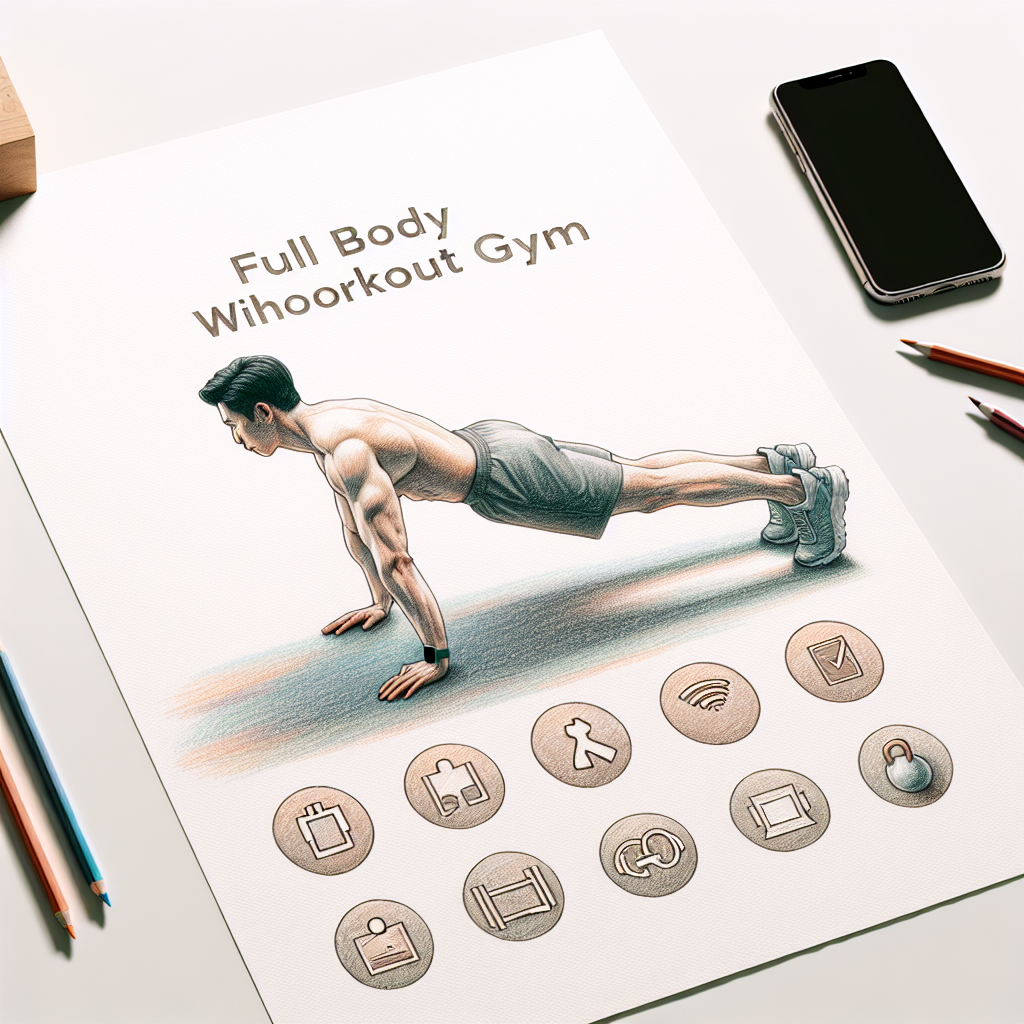
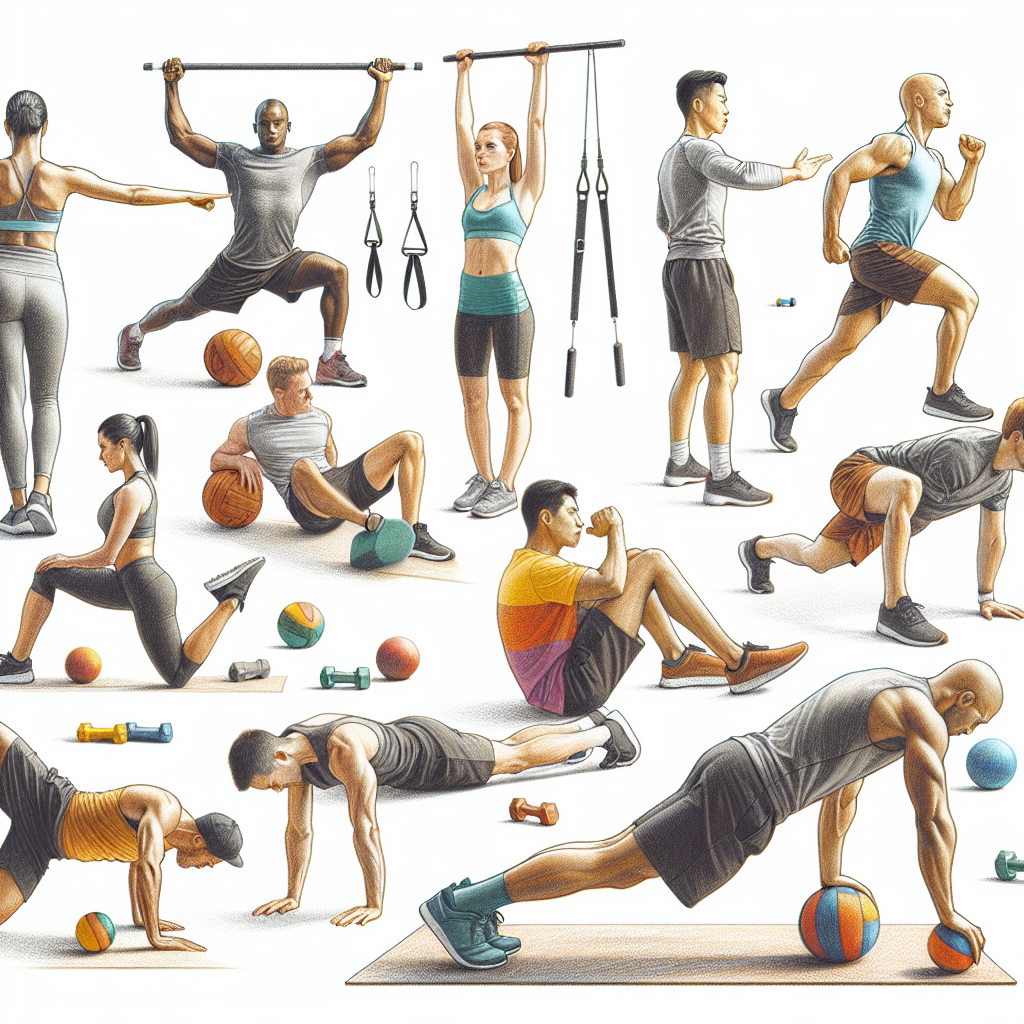
In an increasingly busy world, finding time to exercise can be a challenge. Fortunately, effective workout routines that require no equipment allow you to integrate fitness into your daily life with minimal disruption. These routines can enhance cardiovascular health, increase strength, and improve flexibility—all from the comfort of your home. Here, we will explore several no-equipment workout routines that yield measurable results, as well as a special 30-day exercise program that is designed to maximize your efficiency with just six minutes of daily activity.

  • Benefits of No-Equipment Workouts
  • Essential Warm-Up Exercises
  • High-Intensity Interval Training (HIIT) Without Equipment
  • Strength Training Using Body Weight
  • Flexibility and Core Stability Routines
  • When to Consult a Professional
  • Common Myths and Mistakes
  • Frequently Asked Questions

Benefits of No-Equipment Workouts

No-equipment workouts offer multiple advantages. They eliminate the barriers of gym memberships and travel time, making fitness accessible to anyone, anywhere. Additionally, these routines often require little to no financial investment and can be tailored to accommodate various fitness levels.

Key benefits include:

  • Flexibility: You can choose your workout duration and intensity based on your schedule and energy levels.
  • Simplicity: Exercises can be performed with just your body weight, making them easy to follow.
  • Scalability: No-equipment workouts can be easily modified to increase or decrease difficulty.

Essential Warm-Up Exercises

Before engaging in any workout, it’s crucial to prepare your body through warm-up exercises. A proper warm-up increases blood flow to the muscles, enhancing performance and reducing the risk of injury. Consider this simple routine:

  1. Arm Circles: 30 seconds
  2. Leg Swings: 30 seconds per leg
  3. High Knees: 1 minute
  4. Dynamic Stretches: Side lunges and torso twists for 1 minute

High-Intensity Interval Training (HIIT) Without Equipment

HIIT workouts are among the most effective methods for burning calories quickly. By alternating between high-intensity exercise and rest, you can achieve cardiovascular benefits without extensive equipment. Here’s a concise routine:

  1. Jumping Jacks: 30 seconds
  2. Rest: 15 seconds
  3. Burpees: 30 seconds
  4. Rest: 15 seconds
  5. Mountain Climbers: 30 seconds
  6. Rest: 15 seconds
  7. Repeat the circuit 3-4 times.

Strength Training Using Body Weight

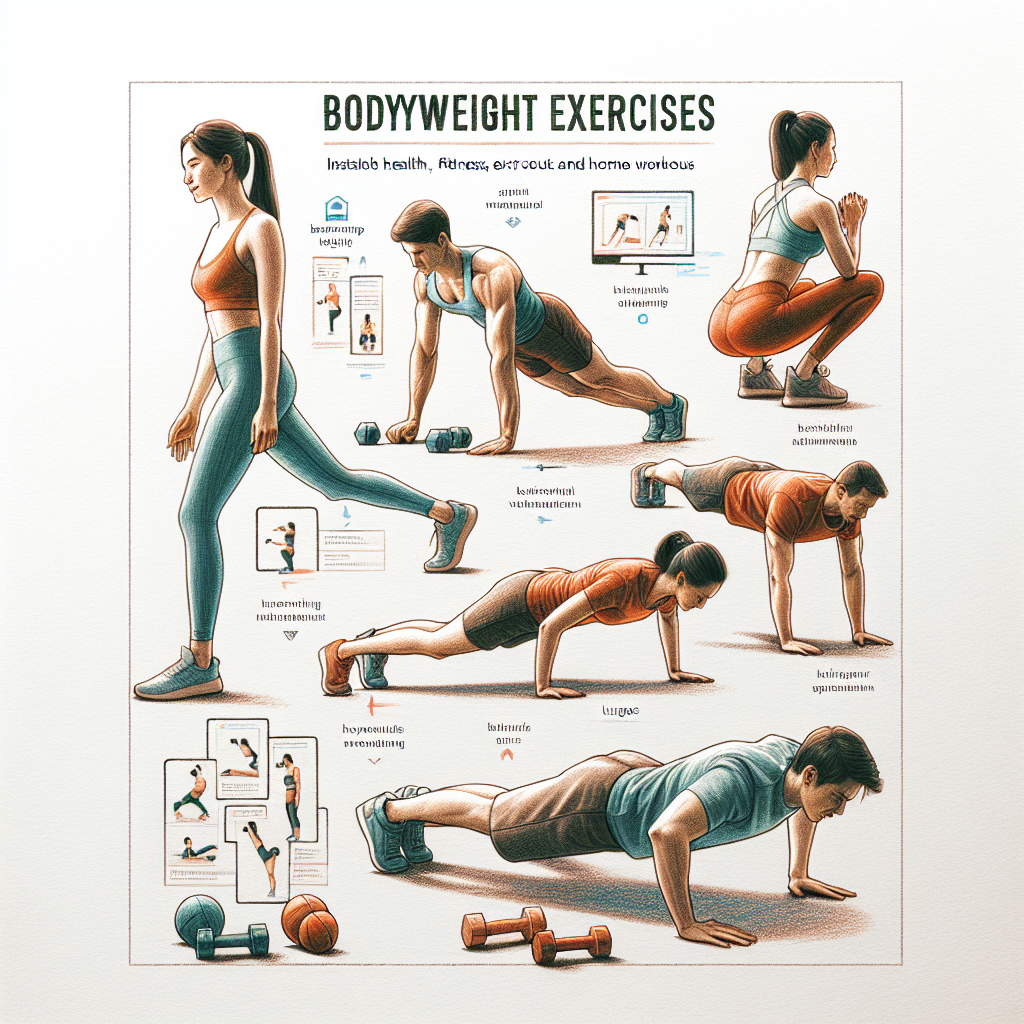
Incorporating body-weight exercises into your routine promotes muscle strength and endurance. These exercises can easily be performed anywhere:

  • Push-Ups: Strengthens the chest, shoulders, and arms.
  • Squats: Targets the lower body, particularly the glutes, hamstrings, and quadriceps.
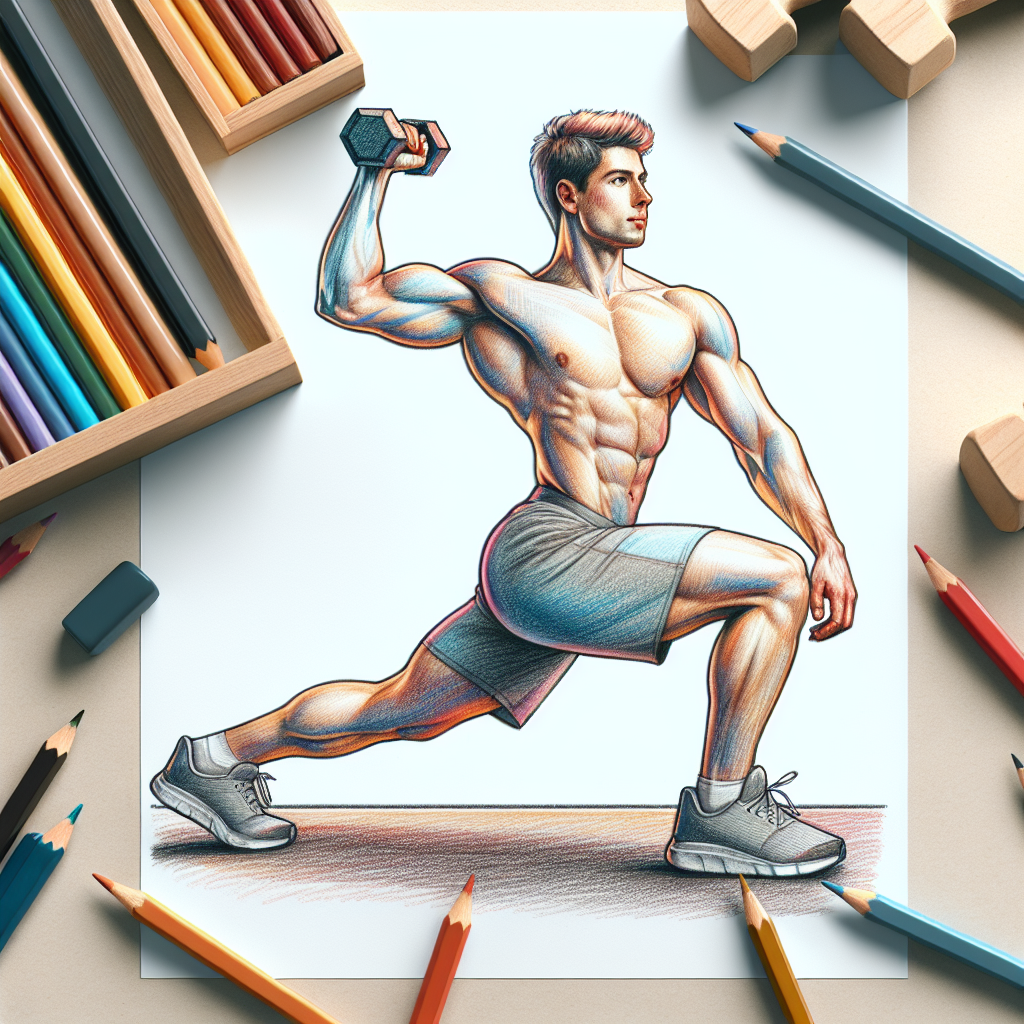
  • Lunges: Enhances balance and coordination while working the legs.
  • Plank: Strengthens the core and improves posture.

Flexibility and Core Stability Routines

Maintaining flexibility and core stability is vital for overall fitness and injury prevention. Incorporate the following exercises to enhance these areas:

  • Yoga Sun Salutations: Excellent for stretching and enhancing core strength.
  • Bird Dogs: Improves balance while strengthening the core.
  • Side Planks: Targets the obliques for a stronger core.

Explore a 30-day exercise program!

For those looking for a structured approach, consider signing up for a 30-day exercise program where you can achieve results with just six minutes of daily effort.

When to Consult a Professional

While many individuals can successfully undertake no-equipment workouts, there are instances when consulting a qualified fitness professional is advisable:

  • If you experience persistent pain or discomfort during exercise.
  • If you have pre-existing medical conditions or injuries.
  • If you are unsure about correct exercise techniques.

Common Myths and Mistakes

Several misconceptions can hinder progress among beginners or those new to no-equipment workouts:

  • Myth: Body-weight exercises are not effective.

    Truth: Many body-weight exercises can build strength and endurance effectively.

  • Myth: Longer workouts are always better.

    Truth: Short, high-intensity sessions can be more effective than prolonged, low-intensity exercises.

  • Myth: You need a gym to lose weight.

    Truth: Consistent workouts at home can yield significant weight loss results.

Frequently Asked Questions

Can I really build muscle without equipment?

Yes, body-weight exercises like push-ups and squats can effectively build and tone muscles.

How often should I perform no-equipment workouts?

For optimal benefits, aim to complete no-equipment workouts at least 3–5 times a week.

What if I don’t have six minutes for the program?

Even shorter workouts, as little as two minutes, can provide benefits. Every small effort counts!

Are no-equipment workouts suitable for beginners?

Absolutely! Many no-equipment exercises can be modified to suit various skill levels.

What should I do if I miss a workout day?

Simply resume your routine the next day; consistency over time is what matters most.

Is joining a gym better for fitness?

While gyms offer various equipment, no-equipment workouts are effective and convenient, making them a valid choice.

Conclusion

  • No-equipment workouts provide flexibility and accessibility for all.
  • Proper warm-ups and cool-downs are crucial for injury prevention.
  • Body-weight exercises can effectively build strength and endurance.
  • Consult a professional if you experience persistent pain or health concerns.
  • Stay consistent and adjust routines to match your goals and progress.

In closing, integrating no-equipment workouts into your routine can open the door to a healthier lifestyle. For a comprehensive and efficient approach, consider joining our 30-day exercise program, which requires just six minutes a day. Start your journey towards better health today!

Author: John Angel

Related articles

Categories
Fitness

Effective Full Body Workout at Home in Just Six Minutes

Full Body Workout at Home Without Equipment: Achieve Results in Just Six Minutes

For many individuals, finding the time or resources for a gym membership can be a challenge. Fortunately, full-body workouts at home without equipment can be both effective and convenient. This article will provide you with actionable insights on how to execute efficient workouts in just six minutes a day using a free 30-day exercise program that guarantees results similar to traditional gym workouts. Register for the program here.

  • Understanding Full Body Workouts
  • Benefits of Home Workouts
  • Your Six-Minute Daily Routine
  • When to Consult a Professional
  • Common Myths and Mistakes
  • FAQs

Understanding Full Body Workouts

A full-body workout targets all major muscle groups in a single session, promoting balanced strength and development. It typically includes exercises that engage the upper body, lower body, and core. An effective full-body workout maximizes calorie burn and boosts metabolism, making it ideal for individuals with limited time.

Benefits of Home Workouts

Home workouts have various advantages, including:

  • Convenience: Exercise whenever it fits your schedule.
  • Cost-effectiveness: No gym fees or travel costs.
  • Privacy: Work out in the comfort of your home.
  • Flexibility: Choose the duration and intensity that suits your needs.
  • Time-efficient: Achieve effective results in a brief time frame.

Your Six-Minute Daily Routine

The following routine consists of exercises that require no equipment and effectively target multiple muscle groups:

  1. Jumping Jacks: 1 minute. A full-body warm-up exercise boosting heart rate.
  2. Bodyweight Squats: 1 minute. Engages your legs and glutes.
  3. Push-ups: 1 minute. Targets the chest, shoulders, and triceps. Modify on knees if necessary.
  4. Plank: 1 minute. Strengthens the core muscles.
  5. Mountain Climbers: 1 minute. A dynamic exercise that engages the entire body.
  6. Burpees: 1 minute. Combines strength and cardiovascular training.

This routine effectively covers all major muscle groups while providing cardiovascular benefits. Ensure proper form to avoid injury.

When to Consult a Professional

While working out at home is often safe, certain signs indicate it may be time to consult a healthcare professional:

  • If you experience persistent pain or discomfort during exercises.
  • When you notice unexplained weight loss or gain.
  • If you struggle with breathing or have a history of cardiovascular issues.
  • Should you feel dizziness or severe fatigue during or after workouts.
  • If you are planning a significant change in your exercise routine.

Common Myths and Mistakes

Addressing misconceptions can lead to more effective workouts:

  • Myth 1: You need a gym membership to be fit. Many effective exercises can be done at home.
  • Mistake 1: Skipping warm-ups. Proper warm-ups prepare your body for the stress of a workout.
  • Myth 2: More time spent working out equals better results. Focused and efficient workouts can yield excellent results.
  • Mistake 2: Neglecting nutrition. Diet plays a crucial role in fitness, complementing your workout routine.
  • Myth 3: Spot reduction is possible. Fat loss occurs throughout the body rather than in targeted regions.

FAQs

Can I really achieve visible results in six minutes a day?

Yes, with consistent effort and the right exercises, significant improvement in strength and endurance can be achieved.

What if I’m a complete beginner?

Start with easier modifications of exercises and gradually increase intensity as you become more comfortable.

How many days a week should I workout?

Aim for at least three to five times a week for the best results.

Do I need any equipment to do these workouts?

No, this routine requires no equipment, making it accessible for everyone.

Is it safe to do these workouts every day?

Generally, yes, but listen to your body and include rest days if you feel fatigued or sore.

How important is diet in a home workout routine?

Diet is crucial; a balanced diet can significantly enhance your workout results and support recovery.

Conclusion

  • Full-body workouts at home can be effective with dedication.
  • Physical activity can be integrated effortlessly into your daily routine.
  • Utilizing a structured six-minute program can yield comparable results to a gym visit.
  • Watching for warning signs will help maintain your health.
  • Understanding myths and mistakes can further maximize your efforts.

Embarking on a fitness journey from home is not only convenient but also incredibly beneficial. Start today by registering for the free 30-day program where you will engage in just six minutes of effective exercises each day, leading to results akin to a rigorous gym regimen. You can sign up here.

Author: John Angel

Related articles

Categories
Fitness

Effective Full Body Workout Without a Gym

Full Body Workout Without Gym: Achieve Fitness Anywhere

In today’s busy lifestyle, finding time for gym sessions can be challenging yet maintaining fitness is essential. A full body workout without the need for a gym allows anyone to engage in effective exercise routines that can fit into their daily lives. This approach not only saves time and reduces costs but also encourages flexibility in choosing when and where to exercise. In this article, we will explore various exercises that target multiple muscle groups and discuss how you can achieve results comparable to traditional gym workouts. Additionally, we invite you to discover a unique program that demonstrates how just six minutes of daily exercise can yield significant results: register for your free 30-day exercise program here.

  • Understanding Full Body Workouts
  • Benefits of Working Out Without a Gym
  • Key Exercises to Incorporate
  • Creating Your Own Workout Routine
  • When to Consult a Professional
  • Common Myths and Misconceptions
  • Frequently Asked Questions
  • Conclusion

Understanding Full Body Workouts

A full body workout engages multiple muscle groups in a single session, promoting balanced strength and endurance building. Unlike isolated workouts that focus on specific areas—such as arms or legs—full body sessions give the entire body a comprehensive challenge. This is particularly beneficial for those with limited time who wish to maximize their results.

Benefits of Working Out Without a Gym

Engaging in workouts without a gym offers numerous advantages, including:

  • Cost-Effective: No membership fees or travel costs.
  • Flexibility: Exercise whenever and wherever you choose.
  • Accessibility: No need for specialized equipment; bodyweight exercises are sufficient.
  • Variety: You can easily adapt workouts to keep them interesting.
  • Confidence: Working out in privacy can reduce self-consciousness.

Key Exercises to Incorporate

To develop a balanced full body workout, consider the following exercises:

  • Push-ups: Strengthens chest, shoulders, and triceps.
  • Squats: Targets thighs, glutes, and hamstrings.
  • Burpees: A full-body movement that combines strength and cardio.
  • Plank: Improves core stability and strengthens the back.
  • Lunges: Effective for lower body strength and balance.
  • Mountain Climbers: Engages the core and improves cardiovascular fitness.

Creating Your Own Workout Routine

Designing a personalized workout routine is straightforward. Consider the following steps:

  1. Choose five to six exercises targeting different muscle groups.
  2. Decide on the number of sets (2-4) and repetitions (8-15) based on your fitness level.
  3. Incorporate a warm-up (5-10 minutes) to prepare your body for exercise.
  4. Plan your workout schedule (3-5 times a week) for consistency.
  5. Include a cooldown period to aid in recovery.

When to Consult a Professional

While self-directed workouts can be highly effective, some situations warrant consulting a fitness professional:

  • If you are unsure about proper form and technique to avoid injury.
  • If you have pre-existing health conditions that may affect your ability to exercise.
  • When you experience pain or discomfort during workouts that does not subside.
  • If you seek tailored advice to meet specific fitness goals.
  • When considering starting a new exercise program, particularly if you have been inactive for a prolonged period.

Common Myths and Misconceptions

Several misconceptions surround home workouts. Here, we debunk some of the most common myths:

  • Myth 1: Home workouts are less effective than gym workouts.
  • Myth 2: You need expensive equipment to see results.
  • Myth 3: Exercises only need to focus on weight loss, not overall fitness.
  • Myth 4: You can target fat loss in specific areas of your body.
  • Myth 5: Short workouts cannot be effective.

Frequently Asked Questions

What is a full body workout?

A full body workout incorporates exercises that engage multiple muscle groups, providing a balanced approach to strength and fitness.

Can I get fit without a gym?

Absolutely. You can achieve significant fitness improvements through bodyweight exercises and outdoor activities.

How long should a full body workout last?

While many sessions are 30-60 minutes, effective workouts can be completed in as little as 6 minutes if focused and intense.

Do I need special equipment for a home workout?

No, bodyweight exercises are effective on their own. Resistance bands or a pair of dumbbells can enhance your routine but are not necessary.

How often should I do a full body workout?

3-5 times a week is ideal, allowing for rest and recovery to optimize performance.

What should I do if I experience pain during an exercise?

Stop the exercise immediately and consult a healthcare professional to identify any potential issues.

Conclusion

  • Full body workouts can be effectively performed without a gym.
  • Flexibility and accessibility are key advantages of home workouts.
  • Incorporating a variety of exercises yields balanced fitness gains.
  • Consulting professionals is advisable when experiencing pain or when starting a new regimen.
  • Common myths should be debunked to encourage effective workout practices.

Consider starting your journey towards an efficient workout routine today without the constraints of a gym. To see how just six minutes can transform your fitness journey, check out the 30-day program by registering for free: sign up here.

Author: John Angel

Related articles

Categories
Fitness

Effective Bodyweight Workout Routines for All Fitness Levels

Good Workout Routines Without Equipment

Staying fit and active does not always require access to a gym or an array of equipment. Good workout routines without equipment can be both effective and versatile, promoting strength, endurance, and flexibility. Whether you are at home, traveling, or simply prefer bodyweight exercises, there are numerous routines you can follow to achieve substantial fitness results. In this article, we will explore various workout routines that require no equipment, outline their benefits, and provide guidance on how to implement them effectively.

  • Understanding Bodyweight Training
  • Essential Principles for Effective Workouts
  • A Variety of Bodyweight Exercises
  • Sample Routines for Different Fitness Levels
  • When to Seek Professional Guidance
  • Common Myths About Bodyweight Training
  • FAQs about No-Equipment Workouts

Understanding Bodyweight Training

Bodyweight training is a form of strength training that utilizes the weight of your own body as resistance. This method not only builds strength but also improves cardiovascular fitness, flexibility, and balance. Effective bodyweight routines are adaptable for individuals at various fitness levels, making them accessible to nearly everyone.

Essential Principles for Effective Workouts

To maximize the benefits of your bodyweight workouts, consider the following principles:

  • Consistency: Regularity is key. Aim for at least three to four sessions per week.
  • Progression: Gradually increase the intensity or duration of your workouts to continue improving.
  • Form over Quantity: Prioritize correct form to prevent injuries and ensure effectiveness.
  • Warm-Up and Cool Down: Preparing your body for exercise and aiding recovery afterward are essential steps.

A Variety of Bodyweight Exercises

Below are some effective bodyweight exercises that target different muscle groups:

  • Push-Ups: Targets the chest, shoulders, and triceps.
  • Squats: Works the quadriceps, hamstrings, and glutes.
  • Lunges: Engages the legs and stabilizes core muscles.
  • Plank: Strengthens the core stabilizers.
  • Burpees: Full-body exercise that enhances cardiovascular fitness.
  • Mountain Climbers: Boosts cardio while engaging multiple muscle groups.

Sample Routines for Different Fitness Levels

Incorporating bodyweight exercises into a straightforward routine can yield significant results. Below are sample routines tailored for different fitness levels:

Beginner Routine

  1. 5 Push-Ups
  2. 10 Squats
  3. 20-second Plank
  4. 15 Lunges (alternating legs)
  5. 5 Burpees

Perform the beginner routine three times, resting for 1-2 minutes between rounds.

Intermediate Routine

  1. 10 Push-Ups
  2. 15 Squats
  3. 30-second Plank
  4. 10 Lunges (each leg)
  5. 10 Burpees

The intermediate routine should be performed three times with a 1-minute rest in between.

Advanced Routine

  1. 15 Push-Ups
  2. 25 Squats
  3. 1-minute Plank
  4. 15 Alternating Lunges
  5. 15 Burpees

For advanced users, aim for three rounds with minimal rest to challenge your endurance.

If you are seeking a structured program that delivers results while only requiring six minutes of exercise each day, consider signing up for a free 30-day exercise program here: 30-Day Exercise Program.

When to Seek Professional Guidance

While bodyweight training is generally safe for most individuals, there are situations where consulting with a fitness professional is advisable:

  • If you experience persistent pain or discomfort during exercises.
  • When unfamiliar with proper form and technique, which increases injury risk.
  • If you have pre-existing health conditions or injuries that could be aggravated by physical activity.
  • When seeking personalized workout plans or guidance for specific fitness goals.

Common Myths About Bodyweight Training

Many people harbor misconceptions about bodyweight training. Below are a few common myths, along with clarifications:

  • Myth 1: Bodyweight exercises are not as effective as weight training.
  • Myth 2: Only high-intensity workouts yield results.
  • Myth 3: Bodyweight training is only for beginners.
  • Myth 4: You cannot build muscle without weights.
  • Myth 5: Bodyweight exercises are less challenging compared to gym workouts.

FAQs about No-Equipment Workouts

Can I build muscle without weights?

Yes, bodyweight exercises can effectively stimulate muscle growth by providing resistance through your own body weight.

How often should I perform bodyweight workouts?

It is recommended to engage in bodyweight workouts at least three to four times a week for optimal benefits.

Is bodyweight training suitable for weight loss?

Absolutely, when combined with a balanced diet, bodyweight training can help create a calorie deficit essential for weight loss.

How long should my workout sessions be?

Sessions can range from 20 to 60 minutes, depending on your fitness level and goals.

Can bodyweight workouts improve cardiovascular fitness?

Yes, incorporating high-intensity intervals and circuit training can enhance cardiovascular endurance.

Are there any age restrictions for bodyweight training?

No, bodyweight exercises can be adapted for any age group, making them accessible for most individuals.

Conclusion

  • Bodyweight training provides an effective workout without the need for equipment.
  • Regular, varied routines can improve strength, flexibility, and cardiovascular fitness.
  • It is essential to prioritize correct form and gradually progress in difficulty.
  • Consult a professional if you experience pain or have pre-existing conditions.
  • Embrace the benefits of bodyweight workouts to enhance your overall well-being.

If you’re ready to take the next step towards your fitness journey, consider exploring a structured program that delivers results. Start your 30-day exercise program here: Join Now.

Author: John Angel

Related articles

Categories
Fitness

Beginner Full Body Workout: No Equipment Needed

Embarking on a fitness journey can sometimes feel intimidating, especially for beginners. However, it is entirely possible to achieve significant results with a full-body workout that requires no equipment. Not only does a no-equipment workout offer convenience, but it also allows you to focus on mastering your body weight and building functional strength. This article will guide you through effective and simple exercises, ensuring you can engage your entire body without ever setting foot in a gym.

  • Understanding Full Body Workouts
  • Benefits of No-Equipment Workouts
  • Beginner-Friendly Full Body Workout Routine
  • Common Mistakes and Misconceptions
  • When to Consult a Professional
  • Frequently Asked Questions

Understanding Full Body Workouts

A full-body workout is designed to engage all major muscle groups in one session. It can include a combination of strength training and cardiovascular exercises, providing a solid foundation for overall fitness. By activating various muscle groups, you can improve strength, endurance, and coordination—essential components of physical health.

Benefits of No-Equipment Workouts

No-equipment workouts are accessible to everyone, regardless of fitness level. Some key advantages include:

  • Cost-Effective: No gym membership or expensive equipment required.
  • Flexibility: You can workout anywhere—at home, in a park, or even while traveling.
  • Functional Strength: Focuses on natural movements that improve everyday activities.
  • Time-Efficient: Short sessions can yield impressive results with consistency.

Beginner-Friendly Full Body Workout Routine

This no-equipment workout requires a commitment of only six minutes a day. Below is a structured routine to engage your entire body:

  1. Warm-Up (1 minute): March in place or jog lightly.
  2. Bodyweight Squats (1 minute): Stand with feet shoulder-width apart, lower your body as if sitting back into a chair, then rise again.
  3. Push-Ups (1 minute): Start in a plank position with hands beneath shoulders. Lower your body, keeping your elbows close, then push back up.
  4. Lunges (1 minute): Step forward with one leg, lower your hips until both knees are bent at about a 90-degree angle, return, and switch legs.
  5. Plank (1 minute): Lie face down, then lift your body onto your forearms and toes, keeping it straight from head to heels.
  6. Cooldown (1 minute): Stretch major muscle groups, focusing on the legs, arms, and back.

This structured routine can be followed daily. For a more guided approach, consider a short program that offers effective exercise in just six minutes a day, achieving results comparable to a gym visit. You can register for a free 30-day exercise program at this link.

Common Mistakes and Misconceptions

As with any fitness regime, there are prevalent myths that may deter beginners. Understanding these can help you approach your workout with the right mindset:

  • Myth 1: You need a gym to get fit. Many effective workouts can be accomplished at home.
  • Myth 2: All workouts must be intense. Beginners should start with manageable sessions as discussed.
  • Myth 3: You need expensive equipment to see results. Your body weight is an incredibly effective tool.

When to Consult a Professional

While home workouts are beneficial, certain circumstances may warrant a consultation with a qualified professional, such as:

  • If you have pre-existing medical conditions or injuries.
  • If you experience pain while performing exercises.
  • If you’re unsure about the correct form for specific exercises.
  • If you wish to create a more targeted or structured fitness plan.

Always prioritize safety and seek guidance when needed.

Frequently Asked Questions

Can I build muscle with no-equipment workouts?

Yes, bodyweight exercises can effectively build muscle by utilizing your own body weight for resistance.

How often should I do these workouts?

For beginners, aim for at least 3 to 5 times per week, ensuring adequate recovery.

Is it safe to do these exercises every day?

While daily workouts can be beneficial, ensure that you listen to your body and allow time for recovery, especially for sore muscles.

Can these workouts help with weight loss?

Yes, incorporating these workouts as part of a balanced diet and active lifestyle can support weight loss goals.

What if I can’t perform a push-up?

If push-ups are challenging, consider doing knee push-ups or wall push-ups as modifications.

How long will it take to see results?

Results can vary depending on consistency, but most individuals notice improvements in strength and endurance within a few weeks.

Conclusion

  • Full-body workouts are effective for strength and endurance.
  • No-equipment routines are accessible and adaptable for all fitness levels.
  • Consistency is key; you can start seeing results with just six minutes of daily exercise.
  • Understand common myths and approach your workouts with the right mindset.
  • Don’t hesitate to seek professional advice if needed.

Embrace this exciting fitness journey by starting your no-equipment full-body workout today. For a structured six-minute routine that promises results akin to gym workouts, consider registering for the free 30-day program available here.

Author: John Angel

Related articles

Categories
Fitness

Effective Full Body Workout Without Weights at Home

Full Body Workout Without Weights at Home

In today’s fast-paced world, maintaining physical fitness can often feel like a challenge, especially for those with limited access to gym facilities or equipment. However, achieving a comprehensive full-body workout without weights is entirely possible and can be both efficient and effective. Engaging in bodyweight exercises not only enhances strength and flexibility but also promotes cardiovascular health and mental well-being. This article offers a detailed exploration of various bodyweight workouts that can be done at home, as well as a unique opportunity to engage in a quick yet potent exercise routine.

  • Understanding Bodyweight Workouts
  • Benefits of Full Body Workouts Without Weights
  • Key Exercises for a Full Body Workout
  • Sample Workout Routine
  • When to Seek Professional Guidance
  • Common Misconceptions
  • Frequently Asked Questions
  • Conclusion

Understanding Bodyweight Workouts

Bodyweight workouts utilize the weight of an individual’s own body to provide resistance. This form of exercise does not require any special equipment and can be performed anywhere, making it an ideal choice for home fitness enthusiasts. Examples of bodyweight exercises include push-ups, squats, lunges, and planks. These movements not only build strength but also improve balance, coordination, and overall athleticism.

Benefits of Full Body Workouts Without Weights

Choosing to engage in full-body workouts without weights presents several advantages:

  • Accessibility: No special equipment or gym membership is required.
  • Cost-Effective: You can achieve significant fitness gains without financial investment.
  • Flexibility: The routine can be adjusted to fit various fitness levels and goals.
  • Improved Functional Strength: Bodyweight workouts enhance movements relevant to daily activities.
  • Time Efficiency: Short workouts can yield impressive results, perfect for busy schedules. For quick, effective performance, consider joining the 30-day exercise program that requires just 6 minutes a day.

Key Exercises for a Full Body Workout

Incorporating a variety of exercises will ensure all major muscle groups are engaged. Here are some fundamental bodyweight exercises that target the entire body:

  • Push-Ups: Strengthen the chest, shoulders, and triceps.
  • Squats: Target the quadriceps, hamstrings, and glutes.
  • Lunges: Work on leg strength and stability.
  • Plank: Engaging the core while promoting shoulder stability.
  • Burpees: A compound movement that incorporates strength and cardio.
  • Mountain Climbers: Increase heart rate while engaging the core and legs.

Sample Workout Routine

To create an effective full-body workout routine, consider the following structure. You can perform this circuit 2-3 times, with 30 seconds of each exercise followed by a 10-15 second rest:

  1. Push-Ups
  2. Squats
  3. Lunges (alternating legs)
  4. Plank (hold for 30 seconds)
  5. Burpees
  6. Mountain Climbers

When to Seek Professional Guidance

While bodyweight workouts are generally safe for most individuals, there are specific situations when consulting a qualified professional is advisable:

  • If you have existing health conditions (e.g., heart disease, joint issues, etc.)
  • When experiencing pain or discomfort that persists during exercise
  • If you are unsure about the proper form and technique
  • For individuals recovering from an injury seeking tailored guidance

Common Misconceptions About Bodyweight Workouts

Despite the obvious benefits, several myths surround bodyweight workouts. Addressing these misconceptions can help individuals better understand their efficacy:

  • Myth 1: Bodyweight exercises are less effective than weight training. Truth: Bodyweight exercises can produce substantial strength gains and muscle form.
  • Myth 2: You cannot build muscle without weights. Truth: Progressive overload can still be achieved with bodyweight exercises through increasing repetitions or modifying movements.
  • Myth 3: Bodyweight workouts are only for beginners. Truth: These workouts can be highly customizable, challenging advanced fitness levels as well.
  • Myth 4: You need to spend hours exercising to see results. Truth: Consistent, shorter workouts can lead to significant improvements over time.

Frequently Asked Questions

Can a full body workout without weights be effective for weight loss?

Yes, bodyweight workouts can be effective for weight loss, especially when paired with a balanced diet and consistent exercise routine.

How often should I perform bodyweight workouts?

Aim for 3-5 times a week to see optimal results. Allow for rest days to facilitate recovery.

Are there any specific warm-up routines recommended before bodyweight workouts?

A dynamic warm-up incorporating light cardio and stretching is advisable to prepare the body and prevent injury.

Can beginners start with bodyweight workouts?

Absolutely! Bodyweight workouts are ideal for beginners due to their manageable intensity and ease of modification.

Do I need to cool down after a workout?

Yes, cooling down with stretching post-workout is essential to facilitate recovery and prevent muscle stiffness.

How can I stay motivated to maintain a bodyweight workout routine?

Setting specific and measurable goals, tracking progress, and varying your workouts can enhance motivation and engagement.

Conclusion

  • Bodyweight workouts are versatile and accessible for all fitness levels.
  • A comprehensive workout can be performed without weights and still yield impressive results.
  • Consistency and proper form are key to maximizing benefits.
  • Consult a professional if health concerns arise or to receive personalized advice.
  • Join the 30-day exercise program for a guided, efficient approach to home workouts.

Incorporating bodyweight exercises into your routine can transform your fitness journey. Begin today, commit to consistency, and watch your strength and endurance flourish.

Author: John Angel

Related articles

Categories
Fitness

Effective Home Workouts: No Equipment Needed

Gym Exercise at Home Without Equipment

In today’s fast-paced world, finding time to visit the gym while balancing work, family, and other commitments can be challenging. Fortunately, effective workouts can be achieved right in the comfort of your home, requiring no specialized equipment. With just six minutes a day, you can engage in a transformative exercise routine that delivers results comparable to traditional gym workouts. Register for a free 30-day program that demonstrates how consistent, brief sessions can reshape your fitness journey.

  • Introduction
  • The Benefits of Home Workouts
  • Effective Bodyweight Exercises
  • Create Your Routine
  • Common Myths and Mistakes
  • When to Consult a Professional
  • FAQs
  • Conclusion

The Benefits of Home Workouts

Home workouts present several advantages, such as flexibility, accessibility, and cost-effectiveness. For individuals with busy schedules, the ability to exercise at home eliminates travel time and the need for gym memberships. Moreover, exercising in a familiar environment can enhance comfort and motivation. This approach also fosters consistency, as you can easily integrate short exercise sessions into your daily routine.

Effective Bodyweight Exercises

Bodyweight exercises utilize your own weight for resistance, making them ideal for home workouts. Below are some effective exercises that can be performed without any equipment:

  • Push-Ups: Excellent for building upper body strength.
  • Squats: Essential for developing lower body and core strength.
  • Planks: Great for enhancing core stability.
  • Burpees: Provides a full-body workout while improving cardiovascular fitness.
  • Lunges: Effective for leg strength and balance.
  • Mountain Climbers: A dynamic movement that boosts heart rate while strengthening the core.

Create Your Routine

To maximize the benefits of your home workouts, it is essential to create a structured routine. Here is a straightforward approach:

  1. Choose 4-5 bodyweight exercises from the previous section.
  2. Start with a warm-up of light jogging in place or dynamic stretches for 1-2 minutes.
  3. Perform each exercise for 30 seconds with a 15-second rest in between.
  4. Repeat the circuit 2-3 times, adjusting based on your fitness level.
  5. Cool down with gentle stretching to aid recovery.

Common Myths and Mistakes

Despite the effectiveness of home workouts, several myths persist:

  • Myth: You Need Equipment to Get Fit. Bodyweight exercises are highly effective for building strength and endurance.
  • Myth: Short Workouts Aren’t Beneficial. Research indicates that even brief sessions can be highly effective if performed consistently.
  • Myth: Home Workouts Cannot Provide Variety. With numerous bodyweight exercises available, routines can be easily varied and customized.
  • Common Mistake: Skipping Warm-ups. Failing to warm up can lead to injury. Always include dynamic stretches at the beginning.

When to Consult a Professional

While home workouts are beneficial for most individuals, certain situations may warrant professional guidance:

  • If you experience persistent pain during exercises.
  • If you have underlying health conditions affecting your ability to exercise safely.
  • If you are recovering from an injury and unsure about suitable exercises.
  • If you wish to achieve specific fitness goals requiring expert knowledge.

FAQs

Can I achieve substantial results without gym equipment?

Yes, bodyweight exercises can effectively build strength, endurance, and overall fitness without any equipment.

How often should I work out at home?

Aiming for at least three to five times a week is ideal for maintaining consistency and achieving results.

Are short workouts effective?

Short, high-intensity workouts can be as effective as longer sessions, particularly if performed consistently.

What is the best time of day to exercise at home?

The best time is whenever you feel most motivated; consistency is the key.

Can beginners start with bodyweight exercises?

Yes, bodyweight exercises are suitable for all fitness levels, including beginners.

Is it necessary to follow a workout program?

While not mandatory, a structured program can help optimize your workouts and keep you accountable.

Conclusion

  • Home workouts eliminate barriers such as time and cost.
  • Bodyweight exercises are effective for building strength and endurance.
  • Creating a structured routine enhances consistency and results.
  • Understanding myths and avoiding mistakes can improve your exercise experience.
  • Consult a professional if experiencing pain or health concerns.

Make the commitment to transform your fitness journey today by incorporating these tips into your routine. For those seeking a structured approach with minimal time investment, consider registering for our free 30-day exercise program, where just six minutes a day can help you achieve your fitness goals.

Author: John Angel

Related articles

Categories
Fitness

Beginner’s Full Body Workout: No Equipment Required

Full Body Workout for Beginners: No Equipment Needed

Embarking on a fitness journey can be daunting, especially for those who prefer to exercise at home without the burden of costly equipment. A full body workout is an excellent way to engage all major muscle groups, promote overall strength, and improve cardiovascular health. This guide offers step-by-step instructions for effective exercises that require no equipment, alongside practical tips to maximize your results. By committing to just a few minutes each day, you can start seeing significant changes in your physical fitness.

  • Understanding the Importance of Full Body Workouts
  • Beginner-Friendly Exercises Explained
  • Step-by-Step Beginner Workout Routine
  • Addressing Common Mistakes and Misconceptions
  • When to Consult a Professional
  • Frequently Asked Questions
  • Conclusion and Final Thoughts

Understanding the Importance of Full Body Workouts

Full body workouts are particularly beneficial for beginners, as they provide an excellent foundation for overall fitness. By incorporating exercises that target all muscle groups, individuals can enhance strength, boost metabolism, and improve coordination without the complexity of specialized routines. This comprehensive approach allows for efficient training sessions, making it easier to fit workouts into a busy schedule.

Beginner-Friendly Exercises Explained

Here are some fundamental exercises that will form the backbone of your full body workout. Each movement works multiple muscle groups, improving both strength and endurance:

  • Bodyweight Squats: Engages the quadriceps, glutes, and hamstrings.
  • Push-ups: Targets the chest, shoulders, and triceps.
  • Plank: Strengthens the core, back, and shoulders.
  • Lunges: Works the legs and glutes effectively.
  • Burpees: A dynamic exercise that combines strength and cardio benefits.
  • Mountain Climbers: Enhances cardiovascular fitness while targeting the core.

Step-by-Step Beginner Workout Routine

This simple routine can be performed at home and requires only your body weight. Aim for 6 minutes a day, following the exercises below:

  1. Warm-up: (1 minute)
    • March in place to raise your heart rate.
    • Perform dynamic stretches like arm circles and leg swings.
  2. Bodyweight Squats: 30 seconds
  3. Push-ups: 30 seconds
  4. Plank: 30 seconds
  5. Lunges: 30 seconds (15 seconds per leg)
  6. Burpees: 30 seconds
  7. Mountain Climbers: 30 seconds
  8. Cool down: (1 minute)
    • Stretch all major muscle groups.

For more guided workouts tailored to beginners, consider registering for a free 30-day exercise program where you work out just 6 minutes daily, yet achieve results comparable to going to the gym. You can get started by visiting this link.

Addressing Common Mistakes and Misconceptions

As a beginner, it’s essential to be aware of some common missteps that might hinder your progress:

  • Neglecting Form: Proper technique is crucial to avoid injury and maximize effectiveness.
  • Skipping Warm-ups or Cool Downs: These are vital to prepare your body for exercise and aid in recovery.
  • Unrealistic Expectations: Results take time; consistency is key to long-term success.
  • Inadequate Hydration: Staying hydrated supports overall performance and recovery.

When to Consult a Professional

While exercising at home has many advantages, it’s essential to recognize when additional guidance is necessary. Consider consulting a professional in the following situations:

  • You experience pain or discomfort that persists.
  • Your motivations wane, and you struggle to maintain a routine.
  • You have underlying health conditions that may affect your ability to exercise.
  • You wish to develop a tailored fitness plan suited to your specific goals.

Frequently Asked Questions

What equipment do I need for a full body workout?

No equipment is necessary for a beginner’s full body workout; your body weight is sufficient.

How often should I perform a full body workout?

For beginners, it is recommended to start with 2–3 sessions per week, gradually increasing the frequency as you become comfortable.

Can I do this workout if I have a health condition?

It is best to consult a healthcare professional before starting any exercise regimen, especially if you have a pre-existing health condition.

How long before I see results?

Results vary by individual, but with consistent effort, you may start seeing improvements within a few weeks.

Is it necessary to warm-up before exercising?

Yes, warming up helps prepare your muscles for exercise, reducing the risk of injury.

What should I do after my workout?

Cool down with stretching. Hydrate and refuel your body with nutritious food to support recovery.

Conclusion and Final Thoughts

  • Full body workouts are ideal for beginners seeking to enhance overall fitness.
  • Consistency is more important than intensity; start slow and gradually increase your effort.
  • Proper form and technique should always be prioritized to prevent injuries.
  • Stay hydrated and maintain a balanced diet to support your fitness journey.
  • Consider consulting a professional if you have any concerns or specific fitness goals.

Now that you have a comprehensive understanding of how to embark on your fitness journey without equipment, we encourage you to take action. Remember, every minute spent exercising is a step toward better health. Sign up for the free 30-day exercise program and get started today at this link.

Author: John Angel

Related articles

Categories
Home Workouts

Effective Full Body Workouts at Home Without Equipment

Full Body Workouts at Home with No Equipment

In an era where gym memberships can be costly and time-consuming, full body workouts at home offer a practical and efficient solution. Not only do they require no equipment, but they can also be tailored to fit any fitness level and schedule. This article will guide you through the benefits, effective routines, and expert tips to help you achieve fitness success right in the comfort of your own home.

  • Benefits of Home Workouts
  • Effective Full Body Exercises
  • Sample Workout Routines
  • Myths and Misconceptions
  • When to Consult a Professional
  • Frequently Asked Questions
  • Conclusion

Benefits of Home Workouts

Engaging in full body workouts at home presents numerous advantages, including:

  • Accessibility: You can exercise whenever it suits you, eliminating time constraints associated with gym travel.
  • Cost-effectiveness: By avoiding gym fees and equipment purchases, you can save money.
  • Privacy: Work out without the self-consciousness some feel in a gym setting.
  • Customization: Tailor your workouts to your pace and preferences, ensuring a more enjoyable experience.
  • Consistency: Easier access often results in improved adherence to a fitness regimen.

Effective Full Body Exercises

Full body workouts can incorporate a variety of bodyweight exercises that target multiple muscle groups. Here are some effective exercises you can perform without any equipment:

  • Push-ups: Engage your chest, shoulders, and triceps.
  • Bodyweight Squats: Target your legs and glutes.
  • Lunges: Strengthen your lower body and improve balance.
  • Planks: Strengthen your core, shoulders, and back.
  • Burpees: A full-body exercise that improves cardiovascular fitness.
  • Mountain Climbers: Engage your core while providing a cardio boost.

Sample Workout Routines

Here’s a simple yet effective routine for you to try, requiring only six minutes of your day:

  1. Warm-up (1 minute): Jumping jacks.
  2. Push-ups (30 seconds): Rest for 15 seconds.
  3. Bodyweight Squats (30 seconds): Rest for 15 seconds.
  4. Lunges (30 seconds): Rest for 15 seconds.
  5. Planks (30 seconds): Rest for 15 seconds.
  6. Burpees (30 seconds):

This routine achieves similar results to going to the gym, while only requiring a mere six minutes each day. For further routines and guidance, consider enrolling in this 30-day exercise program.

Myths and Misconceptions About Home Workouts

Despite the numerous benefits of home workouts, a few misconceptions persist:

  • Myth 1: You cannot build muscle without weights. Truth: Bodyweight exercises can effectively build strength and muscle mass.
  • Myth 2: Cardio is only achievable on machines. Truth: Movements like burpees and mountain climbers provide effective cardiovascular benefits.
  • Myth 3: At-home workouts are not intense enough. Truth: The intensity can be adjusted by increasing repetitions or reducing rest time.

When to Consult a Professional

While home workouts are generally safe, certain situations warrant consulting a qualified professional:

  • If you experience persistent pain or discomfort during exercises.
  • If you have a pre-existing condition that may be aggravated by physical activity.
  • If you are uncertain about the proper form for specific exercises.

Professionals can provide personalized guidance, ensuring your workouts are both safe and effective.

Frequently Asked Questions

Can I really build muscle with bodyweight exercises?

Yes, bodyweight exercises can significantly build and strengthen muscle, especially when you progressively increase intensity and repetitions.

How often should I perform home workouts?

For optimal results, aim for at least three to five sessions per week, depending on your fitness level and goals.

What should I do if I don’t have enough space at home?

Many bodyweight exercises can be done in small spaces, such as push-ups and planks. Alternatively, consider outdoor spaces or local parks.

How can I keep motivated while working out at home?

Set specific goals, track your progress, and consider inviting friends to join for virtual workouts to boost motivation.

Is a warm-up necessary for home workouts?

Yes, warming up helps prevent injury and prepares your body for more intense exercise and physical activity.

Can home workouts be as effective as gym workouts?

Absolutely! With the right techniques and consistency, home workouts can yield comparable results to more traditional gym workouts.

Conclusion

  • Home workouts offer flexibility, affordability, and convenience.
  • Bodyweight exercises are highly effective for building strength and fitness.
  • Consistent effort and proper planning yield significant results.
  • Many myths surrounding home workouts can be dispelled with knowledge.
  • Consulting a professional is crucial when concerning health and safety.

Incorporating full body workouts at home without equipment can dramatically enhance your fitness journey. Start by exploring the myriad of exercises available, consider establishing a routine that fits your schedule, and don’t hesitate to seek additional guidance if necessary. For a structured approach, consider registering for a 30-day exercise program that makes achieving your fitness goals even more accessible.

Author: John Angel

Related articles

Categories
Fitness

Comprehensive Guide to Bodyweight Exercises for All Levels

Gym Exercise Without Equipment: A Comprehensive Guide

Embracing a fitness routine without the need for gym equipment is not only feasible but highly effective. In this article, we explore how engaging in bodyweight exercises can enhance your strength, flexibility, and overall well-being. This approach to fitness eliminates barriers related to access and cost, enabling anyone to start their fitness journey with just a few minutes a day, providing robust results.

  • Introduction
  • The Benefits of Bodyweight Exercises
  • Effective Bodyweight Exercises
  • Creating a Structured Workout Plan
  • Common Myths About Exercising Without Equipment
  • When to Consult a Professional
  • Frequently Asked Questions
  • Conclusion

The Benefits of Bodyweight Exercises

Bodyweight exercises offer a range of benefits that make them an attractive option for individuals of all fitness levels. Here are some notable advantages:

  • Accessibility: No equipment is necessary, enabling workouts virtually anywhere.
  • Cost-effective: Free to practice, making fitness accessible to everyone.
  • Versatility: Hundreds of variations are available to target different muscle groups.
  • Functional strength: Enhances overall body strength and coordination, leading to improved daily activities.
  • Time-efficient: Short, effective workouts can yield significant results.

Effective Bodyweight Exercises

Here are some highly effective bodyweight exercises that can be combined into a workout routine:

  • Push-ups: Strengthens the chest, arms, and core.
  • Squats: Targets the legs, glutes, and lower back.
  • Planks: Enhances core stability and overall strength.
  • Lunges: Works the legs and improves balance.
  • Burpees: A full-body exercise that boosts cardiovascular fitness.
  • Mountain Climbers: Increases heart rate while engaging multiple muscle groups.

Creating a Structured Workout Plan

To achieve optimal results with bodyweight exercises, it is essential to establish a structured workout plan. Here is a simple guide:

  1. Choose Your Exercises: Select 4-6 bodyweight exercises and alternate between them.
  2. Set a Duration: Aim for 15 to 30 minutes per session, focusing on quality over quantity.
  3. Schedule Your Workouts: Designate specific days for exercise to build consistency.
  4. Integrate Rest Days: Allow for recovery between sessions to prevent injury.
  5. Track Your Progress: Use a journal or app to note improvements in repetitions and techniques.

Alternatively, consider registering for a specialized 30-day exercise program that requires only 6 minutes daily but promises substantial results. For more information, visit this link.

Common Myths About Exercising Without Equipment

Many misconceptions surround the idea of working out without equipment. Here are a few common myths debunked:

  • Myth 1: You need weights to build muscle. Truth: Bodyweight exercises are equally effective for muscle strength and hypertrophy.
  • Myth 2: You cannot achieve a challenging workout without equipment. Truth: High-intensity bodyweight workouts can be exceptionally demanding.
  • Myth 3: Bodyweight training is only for beginners. Truth: Advanced variations exist that can challenge even seasoned athletes.
  • Myth 4: You won’t burn calories without weights. Truth: Caloric burn can be substantial, especially during high-intensity sessions.

When to Consult a Professional

While bodyweight exercises are generally safe for most individuals, there are instances where professional guidance may be advisable:

  • If you are new to exercise or have not been active for an extended period.
  • In the presence of chronic medical conditions such as heart disease or joint issues.
  • If you experience pain or discomfort that persists during or after exercise.
  • For personalized advice or specialized training beyond general bodyweight exercises.
    • Frequently Asked Questions

      Can beginners do bodyweight exercises?

      Yes, beginners can effectively engage in bodyweight exercises, starting with simpler movements and gradually progressing to more complex variations.

      How often should I perform bodyweight workouts?

      It is generally recommended to perform bodyweight workouts 3 to 5 times per week, allowing for adequate rest.

      Will I lose weight with bodyweight training?

      Yes, bodyweight training, when combined with a balanced diet, can help promote weight loss by increasing caloric expenditure.

      Which bodyweight exercises target the core?

      Exercises such as planks, mountain climbers, and leg raises effectively engage and strengthen the core muscles.

      Can I build muscle without weights?

      Absolutely, bodyweight exercises can lead to muscle growth and strength improvements depending on the intensity and volume of your workouts.

      Is bodyweight training safe for everyone?

      While generally safe, individuals with specific health concerns should consult a healthcare professional before starting any new exercise regimen.

      Conclusion

      • Bodyweight exercises are accessible and provide numerous benefits.
      • A structured workout can yield effective results in a minimal time commitment.
      • Many misconceptions about exercising without equipment are unfounded.
      • Professional consultation is warranted for specific health concerns.
      • With commitment and consistency, bodyweight training can be both enjoyable and effective.

      For those ready to start their journey with minimal time investment, consider exploring the convenient 30-day exercise program mentioned earlier. Your path to improved fitness is just a click away!


      Author: John Angel

Related articles

Website analytics information

We use Google Analytics 4 for visitor statistics. Analytics cookies require your consent, which you can change using the button above. The data controller is ZDRAVÍ S ÚSMĚVEM s.r.o., company ID 29283329, contact podpora@revolucnicviceni.cz. Google processes browser, device and page visit information. We do not send form field values to Analytics. How Google uses information · Google Privacy Policy.