Categories
Weight Loss

Effective Menu Plans for Weight Loss and Quick Workouts

Menu Plans for Weight Loss: A Comprehensive Guide

Embarking on a weight loss journey involves numerous aspects, one of which is creating effective menu plans tailored to your individual needs. The right dietary choices can significantly enhance your efforts in achieving and maintaining a healthy weight. This article delves into various meal planning strategies, the significance of short workouts, and practical advice to support your weight loss goals.

  • Understanding Menu Planning
  • Benefits of a Structured Menu Plan
  • Six-Minute Workouts: The Magic of Quick Exercise
  • Practical Steps for Creating Your Menu
  • When to Consult a Professional
  • Myths and Mistakes in Weight Loss
  • FAQs on Menu Planning and Weight Loss

Understanding Menu Planning

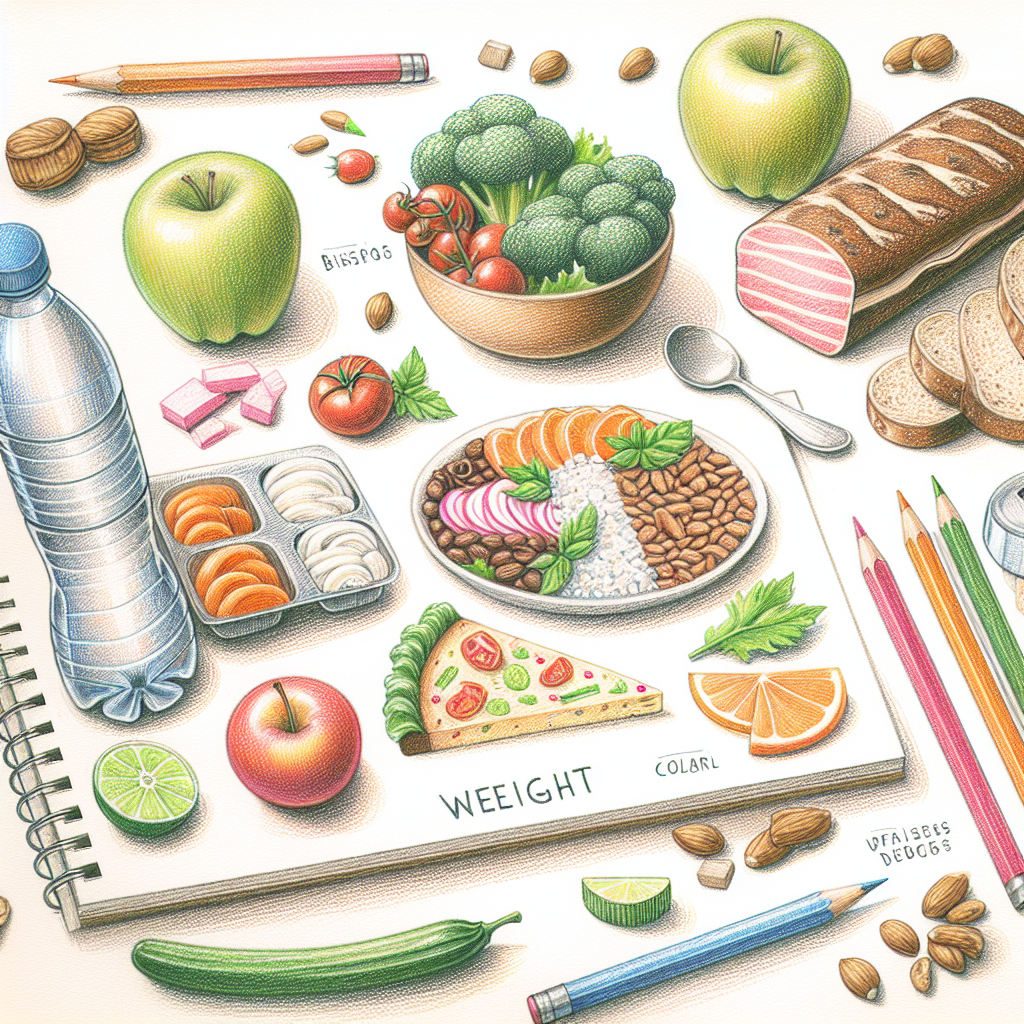
Menu planning provides a roadmap for your meals, ensuring balance and variety while aligning with your weight loss goals. This approach helps avoid hasty food choices that may lead to excessive calorie intake and poor nutritional quality. By preparing in advance, you can take control of your diet and make informed decisions reflecting your health objectives.

Components of Effective Menu Plans

An effective menu plan should include:

  • Whole Foods: Prioritize fruits, vegetables, whole grains, lean proteins, and healthy fats.
  • Portion Control: Be mindful of portion sizes to help manage calorie intake.
  • Variety: Incorporate a mix of flavors and textures to keep meals enjoyable and satisfying.
  • Meal Timing: Consider regular meal schedules to regulate blood sugar and hunger levels.

Benefits of a Structured Menu Plan

Having a well-organized menu plan offers numerous benefits:

  • Enhanced Nutrition: Ensures a balanced diet rich in essential nutrients.
  • Time Efficiency: Saves time in meal preparation and reduces stress.
  • Cost-Effective: Helps avoid spontaneous purchases and food waste.
  • Mindful Eating: Promotes awareness of food choices and encourages healthier eating habits.

Six-Minute Workouts: The Magic of Quick Exercise

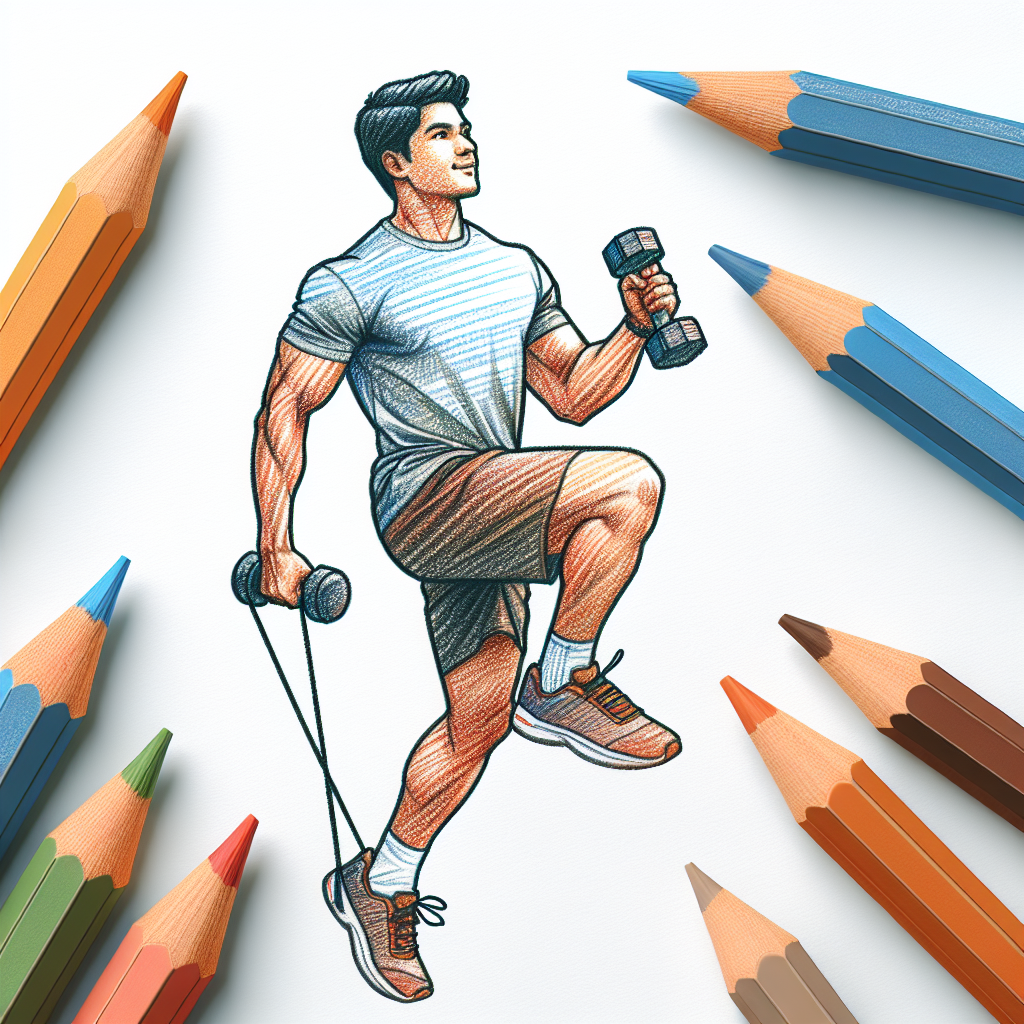
Imagine transforming your day with just six minutes of physical activity. Short workouts can be remarkably effective, fitting seamlessly into even the busiest schedules. These quick bursts of movement not only enhance physical fitness but also elevate your mood and boost productivity throughout the day.

Engaging in six-minute workouts offers several benefits:

  • Convenience: Easily fits into your daily routine without requiring extensive time commitment.
  • Improved Energy Levels: Short exercise sessions can invigorate you, enhancing focus and motivation.
  • Accessibility: No need for gym memberships; these workouts can be performed at home.

If you’re ready to experience the benefits of quick workouts, consider registering for the SixPack workout program for 30 days for free. This program offers guided six-minute workouts designed to optimize your fitness journey.

Practical Steps for Creating Your Menu

To craft a menu that supports your weight loss journey, follow these practical steps:

  1. Set Your Goals: Define your weight loss objectives and consider dietary restrictions.
  2. Choose a Framework: Select a meal planning method, such as weekly, bi-weekly, or monthly.
  3. Prepare a Shopping List: Based on your menu, create a list of necessary ingredients to minimize food waste.
  4. Batch Cooking: Prepare larger portions of meals to save time and ensure availability of healthy options.
  5. Stay Flexible: Allow for substitutions and spontaneous choices to maintain enjoyment and satisfaction.

When to Consult a Professional

While effective menu planning can significantly aid in weight loss, there are instances when professional guidance may be warranted. Consider consulting a qualified nutritionist or dietitian if:

  • You have specific medical conditions affecting your diet.
  • You are unsure about portion sizes and nutritional content.
  • You experience anxiety or emotional distress related to food.
  • Your weight loss efforts yield no results after a consistent timeframe.

Myths and Mistakes in Weight Loss

In the realm of weight loss, numerous misconceptions can hinder progress. Here are some common myths and mistakes to avoid:

  • Myth: Skipping meals aids weight loss. Truth: This leads to overeating later and nutrient deficiencies.
  • Myth: All fats are harmful. Truth: Healthy fats are essential for overall health.
  • Mistake: Relying on fad diets. Truth: These often lack sustainability and nutritional balance.
  • Myth: Exercise alone guarantees weight loss. Truth: A combination of proper diet and exercise is key.

FAQs on Menu Planning and Weight Loss

What is the best way to start a menu plan for weight loss?

Begin by defining your goals, understanding your nutritional needs, and selecting a meal planning method that works for you.

How often should I update my menu plan?

It is advisable to review and adjust your menu plan every week or bi-weekly to account for changes in your schedule, preferences, and seasonal ingredients.

Can I eat snacks while trying to lose weight?

Yes, healthy snacks can help manage hunger and provide sustained energy. Opt for nutritious options such as fruits, nuts, or yogurt.

How can I handle cravings while on a meal plan?

Identifying triggers for cravings and addressing them with mindful eating strategies or healthier alternatives can help manage urges effectively.

What role do short workouts play in weight management?

Short workouts enhance calorie expenditure, improve physical fitness, and contribute to regular movement, making them a vital part of an overall weight loss strategy.

Is it necessary to count calories in a menu plan?

While counting calories can help some individuals, focusing on balanced meals that satisfy your hunger may be more effective and sustainable.

Conclusion

  • Effective menu planning is essential for a successful weight loss journey.
  • Incorporating six-minute workouts can significantly improve your daily energy levels.
  • Practical steps can simplify the menu creation process, making it less daunting.
  • Consulting a professional can provide tailored guidance when needed.
  • Being aware of common myths can help avoid strategic mistakes in your weight loss efforts.

As you pursue your weight loss journey, remember that commitment to balanced eating and regular exercise is paramount. For an enriched experience, explore the SixPack workout program for 30 days for free and unlock the potential of your fitness path.

Author: John Angel

Related articles

Categories
Fitness

Free Short Workouts to Effectively Lose Weight at Home

In today’s fast-paced world, balancing work, family, and personal health can be challenging. One common goal many people pursue is weight loss. A free workout routine can substantially aid this journey, especially when it can be done from the comfort of your home. By incorporating short, six-minute workouts into your daily routine, you can not only burn calories but also foster a sense of accomplishment and well-being. This article provides you a comprehensive guide to crafting an effective weight loss regimen with practical advice that connects the physical and emotional aspects of your journey.

  • Understanding the Importance of Short Workouts
  • Crafting Your Free Workout Routine
  • Benefits of Short Workouts in Daily Life
  • When to Seek Professional Guidance
  • Common Misconceptions About Weight Loss
  • FAQs About Weight Loss Workouts

Understanding the Importance of Short Workouts

Short workouts have gained popularity for their practicality and effectiveness. These six-minute routines are designed to fit seamlessly into a busy lifestyle, allowing individuals to accomplish a meaningful workout without requiring hours at the gym. The concept is grounded in high-intensity interval training (HIIT), which maximizes calorie burn in minimal time. This approach can significantly enhance your weight loss journey by making exercise more accessible and less daunting.

Crafting Your Free Workout Routine

Creating a customized workout routine does not have to be complicated. Follow these steps for an effective six-minute home workout:

  1. Choose Your Location: Find a comfortable and spacious area in your home where you can move freely.
  2. Select Your Exercises: Incorporate a mix of cardio and strength training. Examples include jumping jacks, push-ups, squats, and planks.
  3. Warm-Up: Spend one minute doing dynamic stretches to prepare your body for the workout.
  4. Set a Timer: Use a timer to keep track of each exercise; aim for 30 seconds of high-intensity work followed by 30 seconds of rest.
  5. Cool Down: After completing your six minutes, take a couple of minutes to cool down and stretch.
  6. Progress and Adapt: As your fitness level increases, gradually adjust the intensity or duration of your workouts.

Benefits of Short Workouts in Daily Life

The benefits of these six-minute workouts extend beyond weight loss. Here’s how they can enhance your daily routine:

  • Time Efficiency: Short workouts can easily fit into hectic schedules, enabling consistency.
  • Improved Mood: Exercise releases endorphins, fostering a positive mindset and reducing stress.
  • Increased Energy Levels: By incorporating movement into your day, you combat fatigue and enhance productivity.
  • Enhanced Metabolism: Short, intense workouts boost your metabolism, leading to higher calorie burn even after exercising.

For those looking to take their journey a step further, consider registering for the SixPack workout program for 30 days for free.

When to Seek Professional Guidance

While a home workout routine is highly beneficial, there are times when professional guidance may be necessary. Consider consulting a healthcare or fitness professional if you experience:

  • Ongoing pain or discomfort during exercises
  • The inability to maintain a consistent workout routine
  • Health concerns that affect physical activity, such as obesity or chronic conditions
  • Unrealistic expectations leading to frustration or emotional distress
  • Loss of motivation after initial progress

Common Misconceptions About Weight Loss

Numerous myths about weight loss can hinder progress. Here are common misconceptions:

  • Myth 1: You need to spend hours at the gym to lose weight.
  • Myth 2: All calories are the same regardless of food source.
  • Myth 3: You can out-exercise a poor diet.
  • Myth 4: Weight loss is a linear process—progress will happen in consistent steps.

FAQs About Weight Loss Workouts

What are the best exercises for weight loss?

High-intensity interval training (HIIT) exercises, cardio like running or cycling, and strength-building movements are effective.

How often should I work out for weight loss?

Aim for at least 150 minutes of moderate aerobic activity or 75 minutes of vigorous activity weekly, spread throughout the week.

Is it essential to have a balanced diet while exercising?

Yes, a balanced diet complements your workout routine, providing essential nutrients for effective weight loss.

Can I lose weight without exercise?

While it is possible to lose weight through dietary changes alone, combining exercise with a healthy diet is more effective for sustainable results.

How can I stay motivated during my weight loss journey?

Set realistic goals, track your progress, and find a workout buddy or community for support and accountability.

How long will it take to see results?

Results vary but typically, with consistent effort, you may start seeing changes within a few weeks.

Conclusion

  • Short workouts can effectively support your weight loss journey.
  • The blend of cardio and strength training maximizes efficiency in a limited time.
  • Daily exercise contributes not just to physical health but also mental well-being.
  • Seeking professional help is vital if you face persistent challenges.
  • Understanding and dispelling myths can enhance your progress and motivation.

To embark on your transformative journey today, consider incorporating these short workouts into your daily routine and explore the SixPack workout program for 30 days for free. Remember, every step counts in your weight loss journey.

Author: John Angel

Related articles

Categories
Weight Loss

Join the Free Weight Loss Challenge with 6-Minute Workouts

Embarking on a weight loss journey can often feel like a daunting task, particularly when one considers the significant time and effort traditionally associated with fitness and nutrition. However, the advent of short and efficient workout programs has revolutionized this perspective. A free weight loss challenge, incorporating six-minute workouts at home, offers a pragmatic solution that fits seamlessly into even the busiest of lifestyles.

  • Understanding the Six-Minute Workout Concept
  • Benefits of Short Workouts
  • How to Start Your Free Weight Loss Challenge
  • Common Myths about Short Workouts
  • When to Seek Professional Guidance
  • FAQ
  • Conclusion

Understanding the Six-Minute Workout Concept

Short workouts, particularly those designed around six-minute intervals, leverage high-intensity interval training (HIIT) principles. This format emphasizes short bursts of intense activity followed by brief rest periods, maximizing calorie burn and muscle engagement in a minimal timeframe. It can be performed anywhere, making it particularly beneficial for individuals unable to commit to longer sessions in a gym.

Benefits of Short Workouts

The benefits of six-minute workouts extend beyond mere efficiency. They are scientifically shown to:

  • Increase Metabolism: Short bursts of exercise can elevate your metabolic rate even after the workout concludes.
  • Enhance Mood: Quick workouts trigger the release of endorphins, which can enhance emotional well-being.
  • Promote Consistency: With just six minutes required, individuals are less likely to skip workouts, fostering a routine.
  • Adapt to Busy Schedules: Six-minute sessions can be easily integrated into daily routines, whether at home, during lunch breaks, or while traveling.
  • Supports Weight Loss: For those on a weight loss journey, consistent short workouts can contribute significantly to calorie deficit and body composition changes.

How to Start Your Free Weight Loss Challenge

Initiating a weight loss challenge using six-minute workouts requires minimal equipment and can be done in your own home.

  1. Set Clear Goals: Determine specific, measurable objectives for your weight loss journey.
  2. Choose Your Workouts: Identify six-minute workout routines that engage various muscle groups.
  3. Create a Schedule: Plan your workouts by aligning them with your daily routine for consistency.
  4. Track Your Progress: Use a journal or app to log workouts, monitor food intake, and assess physical changes.
  5. Join a Community: Engage with a community or start a group challenge to enhance motivation.
  6. Consider Professional Guidance: Consulting a fitness expert can further tailor your approach for efficacy.

To kickstart your journey, consider registering for the SixPack workout program for 30 days for free. This opportunity allows you to experience structured, six-minute workouts designed for maximum efficiency.

Common Myths about Short Workouts

Despite their efficacy, several misconceptions around short workouts persist. Addressing these myths can alleviate concerns and encourage participation in short workout programs:

  • Myth: Short workouts are less effective. Research supports that high-intensity short workouts can yield results comparable to longer sessions.
  • Myth: You need special equipment. Many six-minute workouts can be done with just bodyweight exercises, requiring minimal equipment.
  • Myth: You can’t make progress without longer workouts. Consistency and intensity can often outweigh duration.

When to Seek Professional Guidance

While engaging in a free weight loss challenge and participating in short workout programs can be beneficial, certain situations warrant professional guidance:

  • If you have existing health conditions, such as cardiovascular issues or diabetes.
  • Experiencing persistent pain or injuries that interfere with physical activity.
  • If you’re unsure about correct exercise techniques or nutritional guidance.
  • When facing significant weight management challenges and considering individualized programs for support.

FAQ

What can I expect from a six-minute workout?

A six-minute workout typically combines high-intensity exercises that target multiple muscle groups, designed to maximize effort within a short timeframe.

How often should I perform these workouts?

It is generally recommended to perform six-minute workouts at least three to five times a week for optimal results.

Do I need equipment for short workouts?

No, many six-minute workouts utilize bodyweight exercises; however, light weights or resistance bands can provide additional challenge.

How do I stay motivated during my weight loss journey?

Tracking progress, setting realistic goals, and joining a community or group can significantly enhance motivation.

Are there any dietary considerations during the challenge?

Yes, a well-balanced diet rich in whole foods can complement your weight loss efforts, augmenting the results of your workouts.

How do I know if I’m making progress?

Progress can be measured through various indicators, including weight changes, improved endurance, clothing fit, and overall well-being.

Conclusion

  • Six-minute workouts offer an efficient approach to integrate fitness into hectic schedules.
  • Engaging in a free weight loss challenge can yield positive results with consistent effort.
  • Addressing common misconceptions can help increase participation and success in short workout programs.
  • Monitoring personal progress and enjoying a sense of community can enhance commitment.
  • Always consider consulting a professional if you face significant health concerns or challenges.

Now is the time to take action and embark on your weight loss journey with a free weight loss challenge. Start by registering for the SixPack workout program for 30 days for free and witness the transformation of your health and wellness.

Author: John Angel

Related articles

Categories
Fitness

Effective 30-Minute Workouts for Weight Loss Success

30 Minute Workout to Lose Weight: A Comprehensive Guide

Embarking on a weight loss journey often calls for dedication and perseverance, but it does not need to consume your entire day. A well-structured 30-minute workout can effectively support your fitness goals, making it a practical option for those with busy schedules. This article explores the compelling benefits of short workouts, outlines an effective routine to implement, and addresses when to consult a professional on your fitness path.

  • Understanding the Importance of Short Workouts
  • Designing Your 30-Minute Routine
  • Key Benefits of Home Workouts
  • When to Consult a Professional
  • Common Misconceptions About Weight Loss
  • Frequently Asked Questions
  • Conclusion and Next Steps

Understanding the Importance of Short Workouts

The magic of 30-minute workouts lies in their ability to fit seamlessly into all lifestyles. These compact sessions not only save time but also deliver an efficient calorie burn. Engaging in rigorous exercise within a predetermined timeframe helps maximize effort, discipline, and motivation, which are crucial elements on your weight loss journey. Furthermore, the short duration tends to be less intimidating, allowing individuals to maintain consistency and gradually build up their fitness levels.

Designing Your 30-Minute Routine

The following is a balanced 30-minute workout routine designed to facilitate weight loss. This should incorporate cardiovascular exercises, strength training, and flexibility work.

  1. Warm-up (5 minutes): Begin with dynamic stretches, such as arm circles, leg swings, and gentle torso twists to prepare your body.
  2. Cardio (10 minutes): Engage in high-intensity activities like jumping jacks, burpees, or a brisk run in place. Aim to maintain a steady, elevated heart rate.
  3. Strength Training (10 minutes): Focus on body-weight exercises such as push-ups, squats, and lunges. Three sets of 10-15 repetitions work effectively.
  4. Core Work (5 minutes): Integrate core-strengthening exercises like planks and Russian twists to fortify this crucial area.

To enhance your results, consider participating in the SixPack workout program for 30 days free, where you can access tailored guidance and track your progress effectively.

Key Benefits of Home Workouts

Short workouts at home present multiple advantages:

  • Convenience: Eliminate the need for gym commutes and time constraints, allowing you to exercise whenever fits your schedule best.
  • Cost-effective: Save money on gym memberships while still achieving significant results from your home.
  • Flexibility: Adapt workout types and schedules according to your specific preferences and daily commitments.
  • Focus on Form: Practice at your pace, which allows for enhanced form and technique during your routine.

When to Consult a Professional

While many individuals can enjoy working out at home, certain circumstances may warrant consulting a qualified professional. Seek guidance when:

  • You experience pain during workouts that limits your ability to perform exercises.
  • Health conditions may affect your exercise capacity, such as heart disease or diabetes.
  • You feel uncertain about your workout technique, leading to potential injury.
  • You are unable to lose weight despite consistent effort.

Common Misconceptions About Weight Loss

Myths about exercise and weight loss can mislead individuals on their fitness journeys:

  • Myth 1: More exercise always equates to more weight loss. In reality, overtraining can lead to fatigue and injuries.
  • Myth 2: You must spend hours at the gym to see results. Consistent, shorter workouts can be just as effective.
  • Myth 3: Weight loss should be fast. Sustainable progress is best achieved through gradual changes.
  • Myth 4: Cardio is the only way to lose weight. Incorporating strength training is equally important.

Frequently Asked Questions

What is the best time of day to work out?

The optimal time varies by individual; find a time that fits your schedule and allows for commitment.

Can a 30-minute workout really help with weight loss?

Yes, when structured effectively, a 30-minute workout can significantly aid in weight loss.

How many days a week should I work out?

Aim for at least 3-5 days of exercise per week, balancing cardio and strength training.

Do I need specific equipment for home workouts?

No, many effective exercises utilize body weight, making them accessible without equipment.

Can I lose weight without changing my diet?

While exercise is beneficial, weight loss is more effective when combined with dietary changes.

What if I miss a workout?

Don’t be discouraged; simply resume your routine as soon as possible and stay consistent.

Conclusion

  • 30-minute workouts can effectively support weight loss efforts.
  • Short routines fit easily into busy schedules, promoting consistency.
  • Balance your routine with cardio, strength training, and flexibility exercises.
  • Seek professional guidance should health concerns arise.
  • Dispelling myths can keep you motivated and focused on genuine progress.

Incorporate a 30-minute workout into your daily life and witness the positive changes they can foster. For a structured workout approach, consider joining our SixPack workout program for 30 days free and take a significant step towards fulfilling your weight loss journey.

Author: John Angel

Related articles

Categories
Fitness

Unlocking Weight Loss with a Free 30-Minute Workout

In today’s fast-paced world, finding time for exercise can often feel impossible. However, a free 30-minute workout can be a transformative tool in your weight loss journey. With just a half-hour of focused effort, you can incorporate effective, high-impact exercises into your daily routine, achieving significant health benefits without the need for extensive time commitment or gym access. This article will explore the magic of these short workouts, providing practical steps to integrate this approach into your life and help you feel energized and invigorated.

  • The Power of Short Workouts
  • Benefits of a 30-Minute Workout
  • The Six-Minute Secret
  • How to Maximize Your Results
  • When to Consult a Professional
  • Common Myths about Short Workouts
  • FAQs

The Power of Short Workouts

Short workouts have gained enormous popularity for good reason: they are effective and manageable. Recent studies have shown that breaking up exercise into short, intense bursts can be just as effective, if not more so, than traditional long-duration workouts. These short segments can elevate heart rates, build muscles, and burn calories efficiently.

Advantages of Short Workouts

  • Time Efficiency: Short bursts of exercise fit easily into busy schedules.
  • Enhanced Focus: A designated half-hour encourages concentrated effort, improving engagement.
  • Flexibility: Short workouts can be performed at home, in the park, or virtually anywhere.
  • Higher Adherence: People are more likely to commit to brief workouts than lengthy gym sessions.

Benefits of a 30-Minute Workout

A dedicated 30-minute workout can serve as an essential pillar in your weight loss journey. The benefits extend beyond mere physical appearance and encompass overall wellness.

Physical Benefits

  • Increased Metabolism: Short, high-intensity workouts can boost your metabolic rate.
  • Cardiovascular Health: Regular small bursts of exercise strengthen your heart.
  • Muscle Toning: Engaging multiple muscle groups enhances tone and shape.
  • Enhanced Flexibility: Incorporating stretching can improve range of motion over time.

Mental Benefits

  • Stress Relief: Physical activity releases endorphins, boosting mood.
  • Improved Focus: Brief workouts can clear mental fog and enhance productivity.
  • Better Sleep: Engaging in physical activity can improve sleep patterns.

The Six-Minute Secret

The concept of breaking your 30-minute workout into 5 or 6 six-minute segments is incredibly powerful. This approach not only makes the workout feel less daunting but also keeps you engaged and motivated. You can cycle through various exercises that target different muscle groups, diminishing the boredom that sometimes comes with longer workouts.

How to Maximize Your Results

To derive maximum benefit from a 30-minute workout, consider the following steps:

  1. Warm-Up: Begin with a 5-minute warm-up to prepare your muscles.
  2. High-Intensity Intervals: Choose 5–6 exercises (such as jumping jacks, push-ups, and squats) to do for 6 minutes each.
  3. Hydration: Keep water on hand to ensure you stay hydrated throughout the workout.
  4. Cool Down: Finish with a 5-minute cooldown routine to help your body recover.

Consider signing up for the SixPack workout program for 30 days for free to explore structured routines and discover the perfect set of exercises tailored to your goals.

When to Consult a Professional

While short workouts are suitable for most individuals, certain conditions warrant professional consultation. If you experience any of the following, seek guidance from a healthcare provider:

  • Persistent pain or discomfort during exercise.
  • History of heart conditions or breathing issues.
  • Obesity or other chronic health conditions that may limit activity.
  • Unclear about safe exercise practices for your age and fitness level.

Common Myths about Short Workouts

There are several misconceptions that can deter individuals from embracing short workouts. Unearthing these myths can empower you on your fitness journey:

Myth #1: Short workouts are not effective.

Short workouts can be intensely effective, often yielding results comparable to long sessions when performed correctly.

Myth #2: You must be in great shape to do short workouts.

Short workouts can be modified for different fitness levels, making them accessible to everyone.

Myth #3: More time spent exercising means better results.

Quality often outweighs quantity; a focused, intense workout can be more beneficial than prolonged, low-effort sessions.

Myth #4: Short workouts are only for weight loss.

These workouts improve overall health, including mental well-being, flexibility, and cardiovascular fitness.

Myth #5: Equipment is necessary.

Many effective short workouts utilize body weight, making them possible anywhere without equipment.

Myth #6: You cannot gain muscle with brief workouts.

High-intensity short workouts can effectively stimulate muscle growth with appropriate resistance exercises.

FAQs

Can I lose weight with only 30-minute workouts?

Yes, when combined with a balanced diet, you can achieve weight loss with effective 30-minute workouts.

How often should I perform these workouts?

Aiming for at least 3-5 times per week is optimal for notable results.

What if I’m a beginner?

Start with basic exercises and focus on form; gradually increase intensity as you gain confidence.

Will I need specialized equipment?

No, many exercises can be performed with just your body weight, making them very accessible.

How soon will I see results?

Results depend on various factors, including your current fitness level, consistency, and diet, but many people notice improvements within a few weeks.

Can I mix different workout types in 30-minutes?

Absolutely! Combining cardio, strength, and flexibility exercises will enhance your overall fitness experience.

Conclusion

  • Free 30-minute workouts can be powerful tools for weight loss.
  • Incorporating six-minute segments encourages motivation and effectiveness.
  • Short workouts can fit seamlessly into busy schedules.
  • Physical and mental benefits extend beyond mere aesthetics.
  • Consult a professional for guidance if experiencing pain or other health concerns.

Embracing the concept of short, intense workouts offers countless benefits and provides a realistic pathway to achieving your weight loss goals. Begin your journey today, and consider [registering for the SixPack workout program for 30 days for free](https://app.revolucnicviceni.cz/en/registration) to guide you through tailored workouts that can amplify your results.

Author: John Angel

Related articles

Categories
Fitness

Join the Free Workout Challenge for Effective Weight Loss

Embarking on a weight loss journey can often feel overwhelming. However, participating in a free workout challenge, especially one that incorporates brief, high-intensity exercises, can make the transition to a healthier lifestyle not only manageable but also enjoyable. This article will explore the benefits of six-minute workouts, highlight how they fit into a busy day, and guide you to free resources that can further your fitness goals.

  • Introduction to Free Workout Challenges
  • The Power of Short Workouts
  • Benefits of Six-Minute Workouts
  • How to Successfully Integrate Workouts Into Your Day
  • Seeking Professional Guidance
  • Common Misconceptions
  • FAQs
  • Conclusion

Introduction to Free Workout Challenges

Free workout challenges have gained immense popularity, particularly for those embarking on a weight loss journey. They provide structured programs that motivate individuals to push their physical limits without the constraints of a gym membership. Such challenges often emphasize consistency and accessibility, allowing participants to exercise from the comfort of their homes.

The Power of Short Workouts

The magic of six-minute workouts lies in their efficiency. Research suggests that short bouts of intense exercise can yield substantial health benefits and maximize calorie burn. These brief sessions are not only more manageable for those with hectic schedules but also encourage adherence to a fitness regimen due to their simplicity.

Benefits of Six-Minute Workouts

Incorporating six-minute workouts into your daily routine offers a plethora of advantages:

  • Time Efficiency: With just six minutes, you can engage multiple muscle groups, making the most of your limited time.
  • Increased Metabolism: Short bursts of high-intensity exercise can elevate your metabolism for hours post-workout.
  • Convenience: You can perform these workouts almost anywhere, eliminating the need for a gym environment.
  • Variety: Six-minute workouts can be easily customized to focus on different fitness goals, whether it’s strength, endurance, or flexibility.
  • Stress Reliever: Physical activity releases endorphins, providing a natural mood boost and reducing daily stress levels.
  • Community Engagement: Many challenges provide access to supportive communities, offering encouragement and motivation.

How to Successfully Integrate Workouts Into Your Day

To capitalize on the benefits of short workouts, consider the following strategies:

  1. Schedule Your Workouts: Incorporate your six-minute sessions into your daily calendar, treating them as appointments.
  2. Set Clear Goals: Define what you want to achieve through your workouts, whether it’s weight loss, muscle tone, or overall fitness.
  3. Create a Dedicated Space: Establish a designated area at home where you can perform your workouts without distractions.
  4. Use Available Resources: Engage in free workout programs that allow you to challenge yourself and stay motivated. You can register for the SixPack workout program for 30 days for free.
  5. Stay Flexible: Adapt your workouts to your energy levels and daily activities; consistency is more important than perfection.

When to Seek Professional Guidance

While many can successfully navigate a workout program independently, there are instances when professional guidance becomes essential:

  • If you have pre-existing health conditions, consider consulting a healthcare provider before starting any new exercise regime.
  • Seek advice from fitness professionals if you feel discomfort or pain during workouts.
  • If you have specific fitness goals requiring tailored programs, a personal trainer can provide the expertise needed for your weight loss journey.

Common Misconceptions About Short Workouts

Several myths surround the efficacy of short workout sessions:

  • Myth 1: Short workouts are not effective. In reality, brief, intense sessions can produce significant health benefits.
  • Myth 2: You need to spend hours at the gym to see results. Consistency and intensity are often more crucial than duration.
  • Myth 3: Short workouts can’t build muscle. With the right approach and exercises, muscle gain during short sessions is achievable.
  • Myth 4: High-intensity workouts are suitable for everyone. While many can benefit, those new to exercise should start gradually.

FAQs

What is a six-minute workout?

A six-minute workout is a high-intensity exercise session designed to target multiple muscle groups in a short period, maximizing benefits and efficiency.

Can I lose weight with short workouts?

Yes, short, intense workouts can boost metabolism and aid weight loss when combined with a balanced diet.

How often should I do six-minute workouts?

For optimal results, aim for three to five sessions per week, complementing with rest and recovery.

Are there specific exercises I should focus on?

Incorporate a mix of strength, cardio, and flexibility exercises, such as squats, push-ups, and jumping jacks.

Can beginners participate in six-minute workouts?

Absolutely! Beginners can focus on mastering basic movements and gradually increasing intensity.

Where can I find free workout challenges?

There are numerous online platforms; consider starting with the SixPack workout program for 30 days for free.

Conclusion

  • Participating in a free workout challenge can invigorate your weight loss journey.
  • Six-minute workouts are time-efficient and effective for busy individuals.
  • Understanding the need for guidance and dispelling myths can enhance your experience.
  • Implementing structured strategies will help you integrate workouts into your daily routine.
  • Stay motivated, and consider accessing programs that fit your needs, such as the SixPack workout program for 30 days for free.

Author: John Angel

Related articles

Categories
Fitness

Free Exercise Plans for Effective Weight Loss and Wellness

Free Exercise Plans: Optimize Your Weight Loss Journey

Embarking on a weight loss journey can seem overwhelming, and the array of exercise programs available often adds confusion rather than clarity. However, adopting a balanced routine with accessible resources can facilitate a smoother path towards your goals. This article delves into the value of free exercise plans, particularly highlighting the unique benefits of six-minute workouts that can easily fit into your daily routine, encouraging both physical activity and weight loss.

  • Understanding the Value of Free Exercise Plans
  • Magic of Six-Minute Workouts at Home
  • Creating Your Own Exercise Schedule
  • When to Consult a Professional
  • Myths and Mistakes About Quick Workouts
  • Frequently Asked Questions
  • Conclusion: Your Next Steps

Understanding the Value of Free Exercise Plans

Free exercise plans offer the unique advantage of accessibility. They provide individuals with the tools necessary to engage in physical activity without the financial burden typically associated with gym memberships or personal trainers. Today, many apps and online platforms offer structured programs that cater to various fitness levels and time constraints. These resources often feature detailed workout plans, nutritional guidance, and community support, facilitating a holistic approach to wellness.

Magic of Six-Minute Workouts at Home

The appeal of six-minute workouts lies in their brevity and effectiveness. The magic is not merely in the duration but in the design. These compact routines instill discipline, reduce the mental barrier of committing to a long session, and enhance productivity throughout the day. Completing a quick session generates a surge of endorphins, elevating your mood and providing a sense of accomplishment that motivates further action.

Incorporating these short workouts into your schedule can also improve cardiovascular health, increase metabolism, and contribute to weight management. Their appeal particularly resonates in our fast-paced lives, permitting even the busiest individuals to integrate exercise seamlessly into their day.

Consider experiencing the benefits of structured six-minute workouts by enrolling in the SixPack workout program for 30 days for free. This program is designed to maximize effectiveness in minimal time, perfectly aligning with modern schedules.

Creating Your Own Exercise Schedule

To capitalize on the benefits of free exercise plans, having a structured schedule is essential. Here’s a practical approach to developing a sustainable routine:

  1. Set Clear Goals: Define what you aim to achieve—whether it’s losing weight, building muscle, or improving overall fitness.
  2. Choose Your Workouts: Select free exercise plans that resonate with your interests and abilities. Include a mix of cardio, strength training, and flexibility exercises.
  3. Consistency Over Intensity: Aim for regularity rather than prolonged sessions. Even six minutes can be beneficial if performed consistently.
  4. Track Your Progress: Keep a journal or digital tracker to monitor your workouts and celebrate milestones.
  5. Stay Flexible: Life can disrupt any plan. Allow yourself to modify the schedule based on your circumstances without guilt.

When to Consult a Professional

While many individuals can initiate their fitness journey independently, certain situations warrant professional consultation. Seek help if you encounter:

  • Persistent pain or discomfort that does not improve with rest.
  • Signs of an eating disorder or unhealthy body image behaviors.
  • Specific health conditions such as chronic diseases that may require tailored exercise guidance.
  • Significant lifestyle changes that may lead to exercise-related injuries.

Myths and Mistakes About Quick Workouts

Despite the growing popularity of short workouts, various misconceptions persist. Addressing these ensures a more informed approach to fitness:

  • Myth 1: “Short workouts aren’t effective.” Many studies indicate that high-intensity short workouts can yield results comparable to longer sessions.
  • Myth 2: “You need a gym to get fit.” Home workouts can be equally effective, especially when using bodyweight exercises or minimal equipment.
  • Myth 3: “Longer workouts burn more calories.” The intensity and type of workout can be more significant than duration alone.
  • Mistake 1: Ignoring recovery time; even quick routines require adequate recovery to enhance performance and prevent injury.

Frequently Asked Questions

What type of exercises are included in free plans?

Free exercise plans often include a variety of workouts such as cardio, strength training, flexibility routines, and high-intensity interval training (HIIT).

How often should I exercise?

Aim for at least 150 minutes of moderate aerobic activity or 75 minutes of vigorous activity weekly, incorporating strength training on two or more days per week.

Can six-minute workouts really help with weight loss?

Yes, when performed regularly and combined with healthy nutrition, six-minute workouts can significantly aid in weight loss and improve fitness levels.

What equipment do I need for home workouts?

While many effective exercises require no equipment, items such as dumbbells, resistance bands, or a yoga mat can enhance your workouts.

Are quick workouts suitable for beginners?

Absolutely! Six-minute workouts can be tailored to suit beginner fitness levels, allowing participants to gradually build intensity and complexity.

How can I stay motivated during my fitness journey?

Setting achievable goals, celebrating small victories, engaging with a community, and varying your routine can all help to maintain motivation.

Conclusion: Your Next Steps

  • Explore free exercise plans to discover a routine that resonates with you.
  • Incorporate six-minute workouts into your daily schedule to facilitate consistent physical activity.
  • Set realistic goals to track your weight loss journey effectively.
  • Be aware of when it may be appropriate to seek professional guidance.
  • Stay informed about the myths and realities of fitness to optimize your approach.

Begin your transformative journey today and unlock the potential of your health with these accessible exercise plans. Join the SixPack workout program for free and embark on a path to wellness that fits seamlessly into your life.

Author: John Angel

Related articles

Categories
Fitness

30-Day Weight Loss Challenge: Transform Your Health

30 Weight Loss Challenge: Transform Your Life in Just a Month

Embarking on a weight loss journey can often feel overwhelming; however, engaging in a structured 30-day challenge can simplify this process, making it both accessible and rewarding. This article delves into the numerous benefits of a dedicated weight loss program, focusing on the innovative concept of six-minute short workouts. With consistent commitment, you can not only shed unwanted pounds but also discover a more energetic, invigorated version of yourself.

  • Understanding the 30-Day Challenge
  • The Magic of Six-Minute Workouts
  • Practical Steps to Begin Your Journey
  • Consultation: When Is It Necessary?
  • Common Myths and Mistakes
  • FAQs
  • Conclusion and Next Steps

Understanding the 30-Day Challenge

The 30 weight loss challenge is designed to promote sustained progress over a manageable timeframe. By focusing on incremental changes, participants can create habits that become second nature. The goal is not just immediate weight loss, but fostering a healthier lifestyle that continues beyond the 30 days. In this context, each week should introduce new challenges or intensities to keep the journey engaging.

The Magic of Six-Minute Workouts

Among the most appealing aspects of a 30-day weight loss challenge is the introduction of six-minute short workouts, which can seamlessly fit into even the busiest schedules. These succinct sessions are based on high-intensity interval training (HIIT), targeting significant muscle groups and maximizing calorie burn in a short amount of time.

Here’s why short workouts can be powerful:

  • Efficiency: Six minutes of focused exercise can yield significant results, making it easier to commit daily.
  • Accessibility: No require extensive gym equipment; these workouts can be done anywhere, even at home.
  • Sustainability: The brevity of these workouts reduces the likelihood of burnout and maintains motivation over longer periods.
  • Enhanced Energy: Participants often report increased energy levels throughout the day, enhancing productivity in other aspects of life.

For those interested in kickstarting their fitness journey, consider registering for the SixPack workout program for 30 days at no cost.

Practical Steps to Begin Your Journey

Initiating your weight loss challenge is straightforward if you follow these actionable steps:

  1. Set Clear Goals: Define specific, measurable, and realistic goals. Consider why you want to lose weight and what you hope to achieve in 30 days.
  2. Create a Schedule: Dedicate time for six-minute workouts and dietary planning. Consistency is key.
  3. Monitor Your Progress: Keep a journal or use an app to track your workouts and food intake. This will help you see trends and patterns.
  4. Incorporate Healthy Eating: Focus on a balanced diet rich in vegetables, lean proteins, whole grains, and healthy fats.
  5. Stay Hydrated: Drink ample water each day to support your metabolism and overall health.
  6. Seek Support: Involve friends or family in your journey, or find an online community to share experiences and stay motivated.

Consultation: When Is It Necessary?

While embarking on a weight loss journey is often beneficial, it is vital to consult with a healthcare professional when:

  • You have pre-existing health conditions (such as heart disease or diabetes).
  • You experience significant difficulties in weight management despite effort.
  • You find yourself relying on extreme diets or excessive exercise routines.
  • Changes in your physical or mental well-being occur during your journey.

Common Myths and Mistakes

Understanding common misconceptions can help you navigate your weight loss journey more effectively:

  • Myth: You Must Workout for Hours to See Results. Fact: Short, intense workouts can be equally effective.
  • Myth: All Carbs Are Bad. Fact: Entire food groups should not be eliminated; moderation is key.
  • Myth: Weight Loss Equals Happiness. Fact: Your mental and emotional well-being is just as important.
  • Mistake: Relying on Fads and Shortcuts. Fact: Sustainable changes yield lasting results.

FAQs

What is a weight loss challenge?

A weight loss challenge is a structured program designed to help individuals lose weight through defined goals, workouts, and dietary guidelines over a set period, typically 30 days.

How can short workouts be effective?

Short workouts can be highly effective by incorporating high-intensity exercises that maximize calorie burn, increase metabolism, and improve overall fitness in a short duration.

What should I eat during a weight loss journey?

Focus on whole, unprocessed foods rich in nutrients. Emphasize vegetables, lean proteins, whole grains, and healthy fats while moderating sugars and refined carbs.

How do I stay motivated for 30 days?

Setting specific goals, tracking progress, and finding support from others can significantly enhance motivation. Additionally, variety in workouts can keep things interesting.

Is it safe to do short workouts every day?

Generally, short workouts are safe for most individuals when performed with proper form. Listening to your body and incorporating rest days as needed is advisable.

When should I consult a healthcare professional?

If you have specific health concerns, experience unusual symptoms during your journey, or find it challenging to manage your weight despite efforts, consulting a healthcare professional is recommended.

Conclusion and Next Steps

  • Initiate Your Journey: Commit to a 30-day challenge with clear goals.
  • Embrace Short Workouts: Discover the transformative power of six-minute workouts.
  • Stay Informed: Educate yourself on nutrition and fitness to avoid common pitfalls.
  • Monitor Progress: Track your journey to maintain motivation and accountability.
  • Seek Support When Needed: Don’t hesitate to consult professionals if you face challenges or health concerns.

As you embark on this transformative journey, consider taking the first step by signing up for the SixPack workout program for free and discover the magic of short workouts tailored to your lifestyle!

Author: John Angel

Related articles

Categories
Health and Nutrition

Best Healthy Meal Plans for Effective Weight Loss

Embarking on a weight loss journey is often a challenging yet rewarding experience. To ensure success, a carefully structured meal plan is essential, as it not only promotes healthy eating habits but also facilitates effective weight loss. This article delves into the best healthy meal plans for weight loss, providing practical guidance and insights designed for all individuals determined to achieve their health goals.

  • Understanding the Basics of Healthy Meal Plans
  • Best Healthy Meal Plans for Weight Loss
  • Practical Steps to Design Your Meal Plan
  • When to Consult a Professional
  • Common Myths About Meal Plans
  • FAQs
  • Conclusion

Understanding the Basics of Healthy Meal Plans

A healthy meal plan for weight loss focuses on balanced nutrition, portion control, and mindful eating. It emphasizes whole foods, minimizes processed items, and ensures adequate macronutrient intake—carbohydrates, proteins, and fats. Such a plan not only assists in shedding those extra pounds but also fosters enduring lifestyle changes.

Best Healthy Meal Plans for Weight Loss

Here are a few meal plans that have proven effective in promoting weight loss:

1. Mediterranean Diet

This diet emphasizes fruits, vegetables, whole grains, lean proteins, and healthy fats such as olive oil and nuts. It has been associated with numerous health benefits, including weight management.

2. Plant-Based Diet

A focus on plant foods—vegetables, fruits, legumes, and whole grains—can decrease calorie intake while providing the necessary nutrients. Research shows that plant-based diets can support significant weight loss.

3. High-Protein Diet

Incorporating high-protein foods such as eggs, lean meats, and legumes can increase satiety, helping to control appetite and reduce calorie intake overall.

4. Low-Carb Diet

Limiting carbohydrates and opting for proteins and fats can lead to rapid initial weight loss while stabilizing blood sugar levels.

5. Intermittent Fasting

This approach alternates between eating and fasting periods, which can help reduce calorie intake without requiring drastic diet changes.

Practical Steps to Design Your Meal Plan

Creating a personalized meal plan involves several key actions:

  • Identify Your Caloric Needs: Use online tools to determine your daily caloric intake for weight loss.
  • Choose Your Food Groups: Decide which meal plan (Mediterranean, plant-based, etc.) fits your lifestyle and preferences.
  • Create a Weekly Menu: Plan your meals for the week, ensuring a balance of proteins, fats, and carbohydrates.
  • Grocery Shopping: Compile a shopping list based on your meal plan to avoid impulse purchases.
  • Prep and Cook: Dedicate time to prepare meals in advance, facilitating adherence to your plan.
  • Track Your Progress: Monitor your weight loss and adjust the plan as needed to meet your goals.

When to Consult a Professional

When embarking on a weight loss journey, consulting a healthcare professional is advisable under the following circumstances:

  • You have underlying medical conditions that could be affected by dietary changes.
  • You experience drastic weight fluctuations without clear reasons.
  • You find it challenging to initiate or maintain a meal plan.
  • You have disordered eating behaviors that require professional intervention.

Common Myths About Meal Plans

There are various misconceptions regarding meal plans:

Myth 1: Meal Plans are Too Restrictive

Contrary to beliefs, healthy meal plans focus on moderation and variety, not deprivation.

Myth 2: All Carbs are Bad

Not all carbohydrates are harmful; whole grains and fruits provide essential nutrients.

Myth 3: You Must Eliminate Foods Completely

Success lies in moderation rather than complete elimination of favorite foods.

Myth 4: Meal Plans Don’t Allow for Flexibility

Effective meal plans can be adapted based on personal preferences and lifestyle changes.

Myth 5: Following a Meal Plan is Enough for Weight Loss

While essential, meal plans should be complemented with physical activity for optimal results.

Frequently Asked Questions (FAQs)

What should I include in a healthy meal plan?

A healthy meal plan should include whole foods like fruits, vegetables, lean proteins, whole grains, and healthy fats.

How do I know how many calories I need to lose weight?

Calculating your Basal Metabolic Rate (BMR) and factoring in your activity level can help estimate your caloric needs for weight loss.

Can I lose weight without a meal plan?

While a meal plan can aid in weight loss, maintaining portion control and making healthier food choices are crucial.

How often should I change my meal plan?

It’s advisable to reassess and adjust your meal plan every few weeks based on your progress and nutritional needs.

Is meal prepping necessary for success?

Meal prepping can facilitate adherence to a meal plan by saving time and reducing impulsive eating choices.

What are the best snacks for weight loss?

Healthy snacks include vegetables and hummus, fruits, nuts, and yogurt.

Conclusion

  • Effective weight loss requires a carefully structured meal plan.
  • Variety in food choices and moderation are key to long-term success.
  • Incorporating physical activity enhances the effectiveness of your weight loss journey.
  • Consulting a healthcare professional can provide personalized insights and support.
  • Staying informed and adaptable ensures sustained motivation and progress.

If you’re keen on enhancing your fitness journey, consider exploring the SixPack workout program for 30 days for free. Experience the magic of six-minute short workouts at home, which can effortlessly fit into a busy lifestyle while offering remarkable benefits for both physical health and mental well-being. Embrace the challenge today!

Author: John Angel

Related articles

Categories
Fitness

Effective Workout Tracking for Fitness Success

Tracking your workouts is not just a method for monitoring progress; it’s a powerful tool that can fundamentally transform your fitness journey. By keeping a close eye on your activities, you foster accountability, reveal patterns in your performance, and make data-driven adjustments. This is particularly vital when embarking on a weight loss journey, where understanding your efforts can directly influence your success.

  • Understanding the Importance of Tracking
  • Tools for Effective Workout Tracking
  • Benefits of Short, Intense Workouts
  • Practical Steps to Begin Tracking
  • When to Consult a Professional
  • Common Misconceptions About Workout Tracking
  • FAQs on Workout Tracking
  • Conclusion and Next Steps

Understanding the Importance of Tracking

In the contemporary world, the value of tracking workouts has reached unparalleled heights. When you actively monitor your activities, you gain insights that guide you toward your goals. This practice fosters motivation and supports the establishment of a routine. Furthermore, it allows you to pinpoint what works and what doesn’t, making it easier to refine your regimen.

Tools for Effective Workout Tracking

Utilize various digital and analog tools to facilitate your workout tracking. Some popular options include:

  • Apps: Mobile applications like MyFitnessPal or Fitbit offer user-friendly interfaces for logging workouts.
  • Wearable Devices: Fitness trackers monitor your heart rate, calories burned, and daily step count.
  • Journals: A simple notebook can serve as a powerful means of documenting your physical activity.

Benefits of Short, Intense Workouts

The magic of six-minute short workouts at home lies in their efficiency and effectiveness. These snippets of exercise provide multiple benefits:

  • Time-efficient: Finding time in a busy schedule can be challenging, and six-minute workouts allow you to incorporate fitness seamlessly into your day.
  • Boosts Metabolism: Short bursts of high-intensity exercise can elevate your metabolism, facilitating greater calorie burn even after your session ends.
  • Accessible: You can execute these workouts anywhere, making them a convenient option for both beginners and seasoned athletes alike.
  • Varied Regimen: The variety of exercises allows you to switch things up and keep boredom at bay, which is crucial for long-term commitment.
  • Mental Clarity: Engaging in physical activity boosts endorphins, leading to enhanced mood and focus, vital for productivity throughout your day.

For an excellent introduction to short but impactful workouts, consider registering for the SixPack workout program for 30 days for free. Transform the way you perceive workout routines.

Practical Steps to Begin Tracking

Starting a workout tracking routine can be straightforward. Follow these steps:

  1. Set Clear Goals: Define what you want to achieve, whether it’s weight loss, muscle gain, or improved stamina.
  2. Choose Your Tracking Method: Select a tool that you find easy to use, whether it’s an app or a journal.
  3. Document Every Workout: Make a habit of logging every session, noting duration, intensity, and any qualitative feelings.
  4. Review and Reflect: Regularly assess your progress to identify patterns and make adjustments.
  5. Stay Flexible: Adapt your workout plan as necessary based on the insights you gain from your tracking.

When to Consult a Professional

While tracking workouts can often be managed independently, several circumstances warrant professional guidance:

  • Experiencing persistent injuries or pain during workouts.
  • Uncertainty about form or technique that could lead to injury.
  • Lack of progress over an extended period despite consistent effort.
  • Seeking specialized training for sport-specific goals.
  • Desire for personalized nutrition plans that complement your training.

Common Misconceptions About Workout Tracking

Many misunderstand what workout tracking entails and its benefits. Here are common myths:

  • Tracking is Complicated: Many tools are designed to be user-friendly, allowing for effortless logging.
  • Only Advanced Athletes Track Workouts: Beginner trackers gain immense benefits from documenting their progress.
  • Results Come Quickly: Tracking is an ongoing process; patience is essential.
  • One Size Fits All: Different strategies work for different individuals; tailor your tracking methods to your personal preferences.
  • Tracking Alone is Enough: Combining tracking with action is crucial for progressing toward your fitness goals.

FAQs on Workout Tracking

What is the primary purpose of tracking workouts?

The main goal is to monitor progress, motivate yourself, and fine-tune your fitness regimen based on data.

How often should I track my workouts?

Ideally, you should record every workout session to build a comprehensive overview of your activities.

Can I track workouts without technology?

Absolutely! A simple journal can be just as effective for recording your workouts.

What should I include in my workout log?

Document elements such as the type of exercise, duration, intensity, and your feelings during and after the workout.

Is it necessary to track every single exercise?

While it’s beneficial to log most workouts, focus on key sessions that contribute toward your primary goals.

Will tracking hinder my workout experience?

On the contrary, tracking can enhance your workout experience by increasing awareness and motivation.

Conclusion and Next Steps

  • Workout tracking is critical for accountability and motivation.
  • Utilize various tools, from apps to journals, to find what suits you best.
  • Short workouts can be an effective strategy for fitting exercise into a busy schedule.
  • Be aware of signs that prompt a consultation with professionals.
  • Dispel common myths to embrace tracking as part of your fitness journey.

Embrace the power of tracking your workouts and see tangible improvements in your fitness journey. To kickstart your journey, consider registering for the free 30-day SixPack workout program today.

Author: John Angel

Related articles

Website analytics information

We use Google Analytics 4 for visitor statistics. Analytics cookies require your consent, which you can change using the button above. The data controller is ZDRAVÍ S ÚSMĚVEM s.r.o., company ID 29283329, contact podpora@revolucnicviceni.cz. Google processes browser, device and page visit information. We do not send form field values to Analytics. How Google uses information · Google Privacy Policy.