
Categories
Home Workouts

Effective Back Training at Home Without Equipment

Back training at home without equipment is not only feasible but can be highly effective if done correctly. Strengthening your back muscles at home can enhance posture, reduce discomfort, and improve overall physical fitness. This article will delve into various methods to train your back effectively, all within the comfort of your home and without requiring any special equipment.

  • Understanding the Importance of Back Strength
  • Exercises for Back Training
  • Proper Techniques for Home Workouts
  • Common Misconceptions about Back Training
  • When to Seek Professional Guidance
  • FAQ

Understanding the Importance of Back Strength

The back comprises several muscle groups, each playing a crucial role in support and stability. Strengthening these muscles not only aids in injury prevention but also enhances overall physical performance. A well-conditioned back facilitates better posture and balance, reduces the risks associated with back pain, and allows for greater mobility in daily activities.

Exercises for Back Training

Below are some effective bodyweight exercises you can perform at home to target various back muscles:

  • Superman: Lie flat on your stomach with your arms extended. Raise your arms, legs, and chest off the ground simultaneously and hold for a few seconds.
  • Reverse Plank: Sit on the floor with your legs extended in front. Place your hands behind you and lift your hips upwards, aligning your body in a straight line.
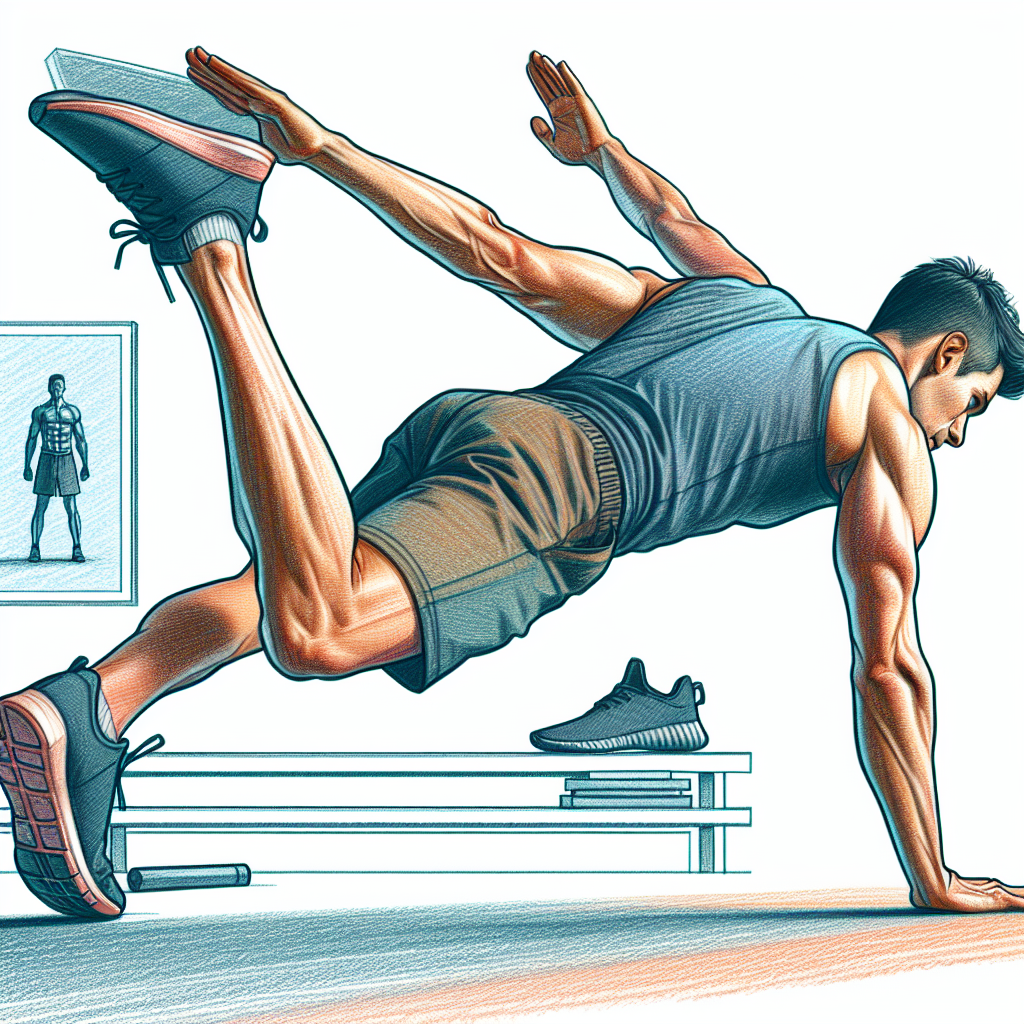
  • Bird-Dog: Begin on all fours. Extend one arm and the opposite leg while keeping your back flat. Alternate sides.
  • Wall Angels: Stand with your back against a wall and arms raised. Slide your arms down and then back up the wall while keeping contact throughout.
  • Cat-Cow Stretch: On all fours, alternate between arching your back upwards and then dipping it down, synchronizing with your breath.

Proper Techniques for Home Workouts

To achieve optimal results from your home workouts, adhere to the following guidelines:

  • **Warm Up:** Always begin with a light warm-up to prepare your muscles.
  • **Maintain Form:** Focus on precise movements and proper alignment to avoid injuries.
  • **Breath Control:** Incorporate controlled breathing, exhaling during exertion to maximize muscle performance.
  • **Progress Gradually:** Increase the number of repetitions or sets as your strength improves.
  • **Cool Down:** Following your workout, perform stretching exercises to promote recovery.

Common Misconceptions about Back Training

Several myths can deter individuals from engaging in back training at home:

  • Myth 1: Weightlifting is the only way to strengthen the back.
  • Bodyweight exercises can be just as effective for building strength.

  • Myth 2: Back pain is a sign to avoid exercise.
  • Gentle and targeted exercises can often alleviate discomfort.

  • Myth 3: Only young individuals need back strength.
  • Back strength is essential at all ages for maintaining mobility and preventing injuries.

When to Seek Professional Guidance

Consulting a healthcare professional is advisable under the following conditions:

  • If you experience persistent pain during or after exercises.
  • If you are recovering from an injury that affects your back.
  • If you have underlying health conditions that may complicate your training.
  • When starting a new exercise regimen, especially if it’s significantly different from your previous activities.
  • If you have concerns about your form or exercise selection.

FAQ

Can I effectively train my back without weights?

Yes, many bodyweight exercises target back muscles effectively and can be performed at home.

How often should I train my back at home?

It is advisable to train your back 2-3 times a week, allowing adequate rest and recovery between sessions.

Are there risks associated with back training?

Improper technique can lead to injuries, so maintaining correct form is crucial.

Is warming up necessary?

Yes, warming up increases blood flow to muscles and reduces the risk of injury.

Can I achieve significant results from short daily workouts?

Absolutely! Short, consistent workouts can yield impressive results over time.

Where can I find a structured back training program?

You can register for a free 30-day exercise program that only requires six minutes of daily effort and will help you achieve effective results. [Free Registration Here](https://app.revolucnicviceni.cz/en/registration).

Conclusion

  • Strengthening your back at home is both practical and effective.
  • Bodyweight exercises can yield substantial results without the need for equipment.
  • Proper technique and consistency are essential for effective training.
  • Be aware of common misconceptions regarding back strength.
  • Consult a healthcare professional if you experience pain or complications.

Take advantage of the opportunity to improve your back strength conveniently at home. Consider joining a structured program that fits into your busy schedule, and start your journey to enhanced physical fitness today!

Author: John Angel

Related articles

Categories
Fitness

Effective Back Training Without Equipment: A Comprehensive Guide

Back Training Without Equipment

Engaging in effective back training is crucial for overall strength and posture, yet many individuals assume that it requires extensive gym equipment. However, there are numerous exercises that can be performed in the comfort of your own home, utilizing just body weight. This article aims to provide guidance on how to build and maintain back strength without any equipment, offering practical tips that anyone can apply. Additionally, we’ll explore the importance of understanding when to consult a professional regarding back health.

  • Understanding the Importance of Back Training
  • Effective Bodyweight Exercises
  • Common Misconceptions About Bodyweight Training
  • Signs You Should Consult a Professional
  • Steps to Build a Routine
  • FAQs About Back Training
  • Conclusion and Final Thoughts

Understanding the Importance of Back Training

The back comprises several muscle groups, including the latissimus dorsi, trapezius, and rhomboids. Strengthening these muscles is essential for maintaining good posture, preventing injury, and improving overall physical performance. A strong back supports daily activities, from lifting objects to maintaining correct alignment during prolonged sitting. Moreover, given the prevalence of sedentary lifestyles, dedicating time to back workouts can enhance overall wellbeing.

Effective Bodyweight Exercises

Incorporating bodyweight exercises into your routine can effectively strengthen your back muscles without requiring any equipment. Below are some key exercises that can help you achieve significant results:

  • Superman: Lie on your stomach with arms extended. Lift your arms and legs off the ground simultaneously, hold for a few seconds, then lower.
  • Bird-Dog: Start on all fours, extend one arm forward while straightening the opposite leg. Hold, then switch sides.
  • Plank to Downward Dog: Start in a plank position, then push back into Downward Dog. This movement engages both the back and core.
  • Reverse Snow Angel: Lying on your stomach, sweep your arms along the ground from your sides to above your head while lifting your chest slightly.
  • Inchworm: Stand tall, then bend forward and walk your hands out to a plank position. Walk your feet to your hands and stand up again.
  • Wall Slides: Stand by a wall, place your back against it, and slide your arms up and down, keeping your elbows and wrists in contact with the wall.

Common Misconceptions About Bodyweight Training

Many individuals believe that the only effective way to train is through the use of weights and machines. However, this notion is laden with misconceptions:

  • Myth 1: Bodyweight training is only effective for beginners. In reality, advanced variations can provide ample resistance and challenge.
  • Myth 2: Bodyweight exercises target only small muscle groups. On the contrary, they can engage multiple muscle groups, promoting overall strength.
  • Myth 3: You need to spend hours training to see results. Short, focused workouts can produce similar results to longer sessions with weights.

Signs You Should Consult a Professional

While engaging in back training, it is important to be aware of signs that may indicate the need for professional help. If you experience any of the following symptoms, please consult a healthcare professional:

  • Persistent pain in the back that does not improve with rest.
  • Unexplained weight loss in conjunction with back pain.
  • Numbness or tingling in the legs or arms.
  • Difficulty with normal daily activities due to pain.
  • Changes in bowel or bladder habits associated with back issues.

Steps to Build a Routine

Establishing a consistent training routine is key to achieving the desired results. Here are some steps to create an effective back training regimen without equipment:

  1. Set a Schedule: Choose specific days and times each week dedicated to your back workouts.
  2. Mix Exercises: Include a variety of movements to target different areas of the back. Aim for at least three different exercises each session.
  3. Focus on Form: Quality is more important than quantity. Ensure you perform each exercise with correct form to prevent injury.
  4. Listen to Your Body: Pay attention to how your muscles feel during and after workouts. Adjust the intensity and duration as needed.
  5. Track Your Progress: Keep a record of your workouts, noting improvements in reps or duration over time.
  6. Try a New Program: For further guidance, consider joining a structured program like the one offered at Revolucni Cvici, where you exercise for just 6 minutes daily yet achieve results akin to a gym workout.

FAQs About Back Training

1. How often should I train my back?

It is generally advisable to train your back at least 2-3 times a week for optimal results.

2. Can I build muscle without weights?

Yes, bodyweight exercises can effectively build muscle by providing sufficient resistance and engaging multiple muscle groups.

3. Is it safe to perform back exercises without guidance?

If you are aware of proper techniques and listen to your body, it is safe. However, seek professional guidance if you are unsure.

4. How can I avoid injury during back training?

Focus on maintaining proper form during exercises and don’t push through pain; rest if something feels amiss.

5. Are there specific stretches for the back?

Yes, common stretches include the cat-cow stretch, seated forward bend, and child’s pose, which can help improve flexibility.

6. Can I train my back every day?

It is not recommended to train the same muscle group every day. Allow at least 48 hours between back-focused workouts to prevent overtraining.

Conclusion and Final Thoughts

  • Back training is essential for maintaining good posture and overall physical health.
  • Effective bodyweight exercises can be performed at home without any equipment.
  • Common myths surrounding bodyweight training often undermine its effectiveness.
  • Awareness of the signs requiring professional consultation can prevent serious issues.
  • Establishing a routine with varied exercises will promote consistent improvement.

Incorporating these principles into your back training routine can yield significant benefits without the need for traditional fitness equipment. For those eager to explore structured fitness programs designed for efficiency, consider participating in the free 30-day exercise program at Revolucni Cvici. Your journey to a stronger back may begin today.

Author: John Angel

Related articles

Website analytics information

We use Google Analytics 4 for visitor statistics. Analytics cookies require your consent, which you can change using the button above. The data controller is ZDRAVÍ S ÚSMĚVEM s.r.o., company ID 29283329, contact podpora@revolucnicviceni.cz. Google processes browser, device and page visit information. We do not send form field values to Analytics. How Google uses information · Google Privacy Policy.