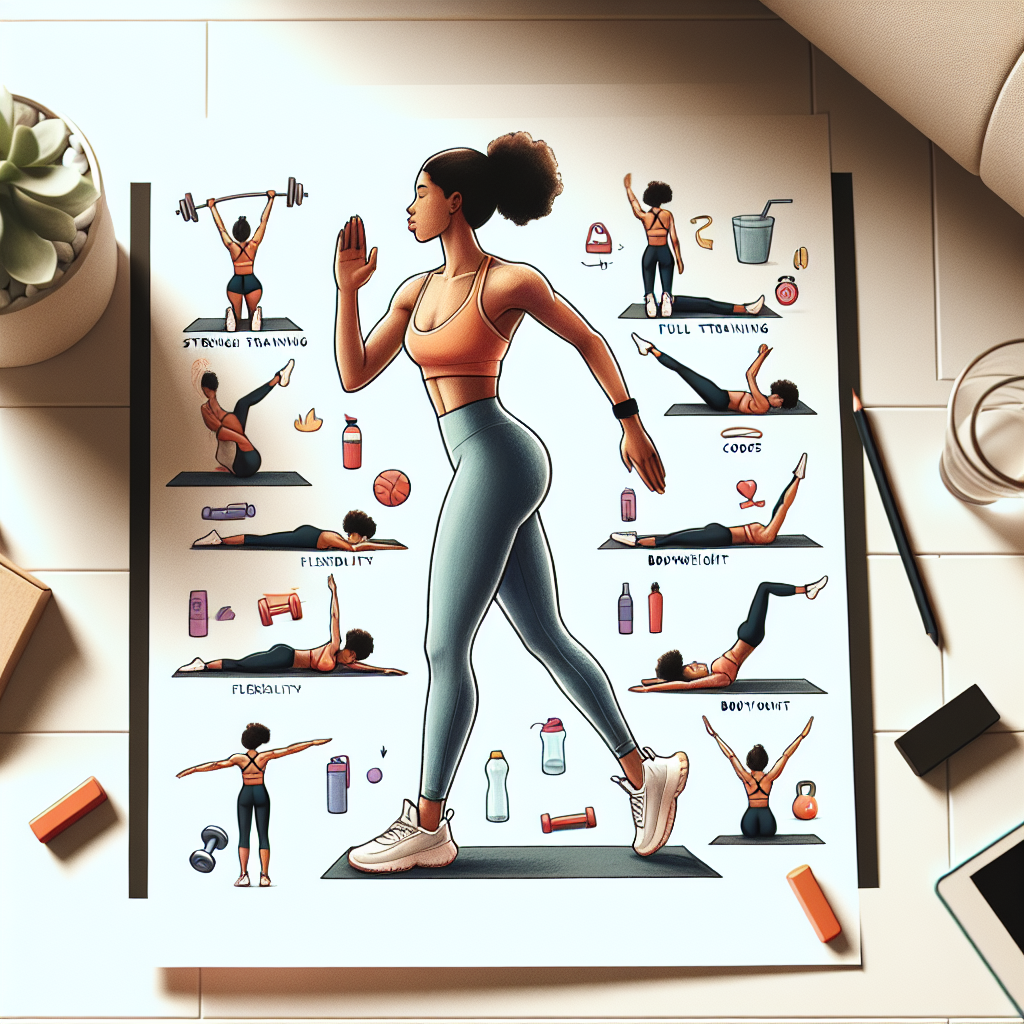
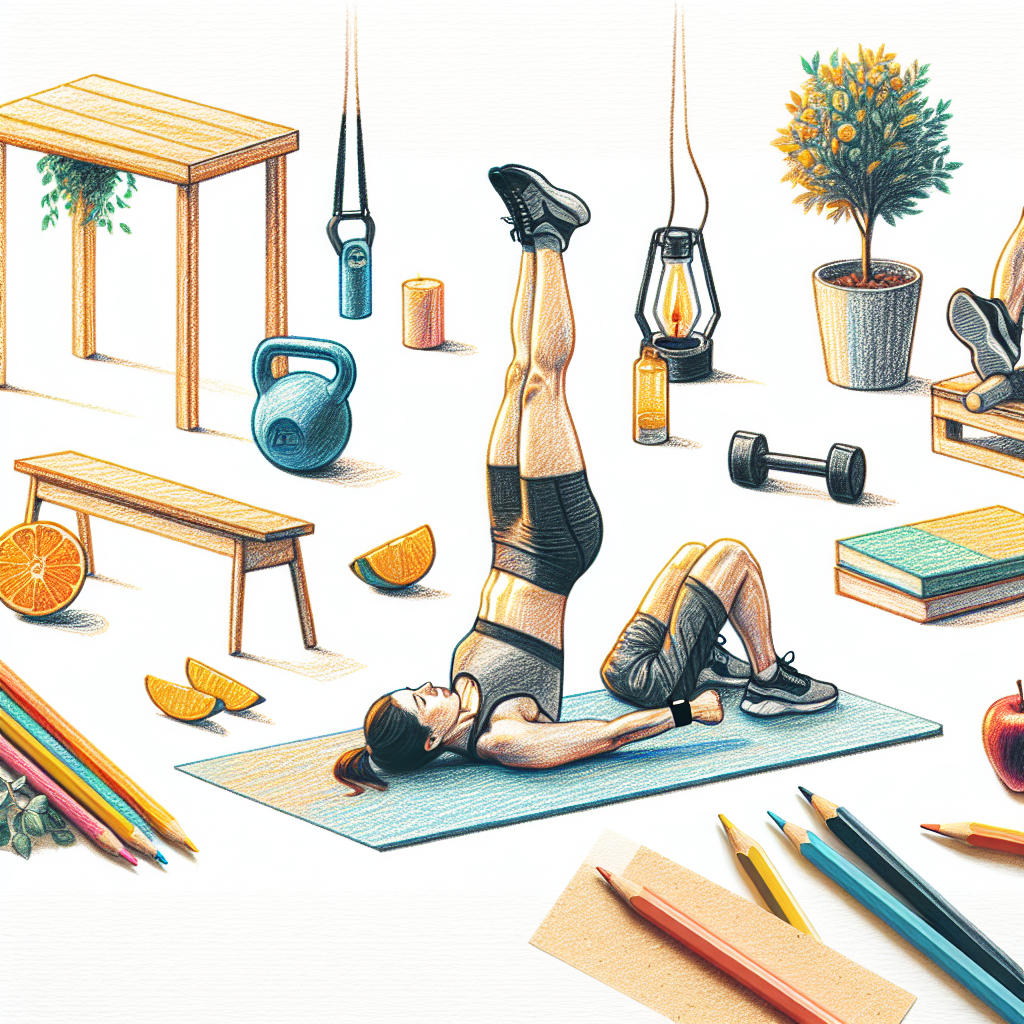
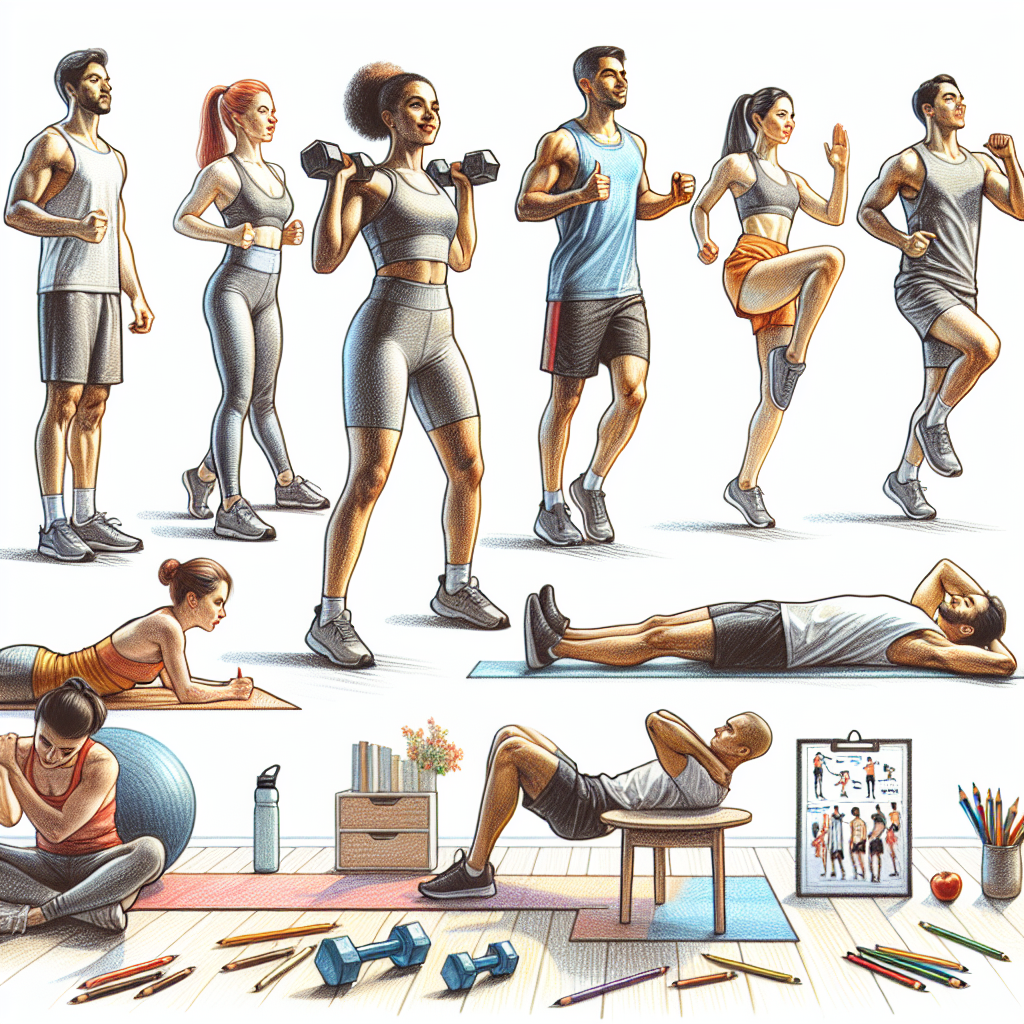
Engaging in a full-body workout without equipment is an efficient and accessible method for beginners to enhance their fitness levels. These workouts not only improve strength and endurance but also offer an economical solution for those who may find gym memberships or equipment costs prohibitive. In this article, we will explore various exercises that target all major muscle groups while providing practical guidance to help you achieve your fitness goals.
- Introduction to Full-Body Workouts
- Benefits of a No-Equipment Workout
- Basic Exercises to Get Started
- Creating Your Workout Routine
- Understanding When to Seek Professional Help
- Common Misconceptions About Bodyweight Workouts
- FAQs
- Conclusion
Introduction to Full-Body Workouts
Full-body workouts are designed to engage multiple muscle groups in a single session. For beginners, these types of workouts can lead to significant improvements in overall fitness without the need for equipment. By committing to just six minutes of exercise each day, you can achieve results comparable to those obtained through traditional gym workouts. Register for a free 30-day exercise program that requires minimal time and maximizes results at this link.
Benefits of a No-Equipment Workout
- Cost-Effective: Eliminates the need for gym memberships or equipment purchases.
- Flexibility: Allows you to workout anywhere and at any time.
- Improved Functional Strength: Engages core stability and balance.
- Time-Efficiency: Quick workouts fit easily into a busy schedule.
- Increased Body Awareness: Enhances proprioception and body control.
Basic Exercises to Get Started
Here are some foundational exercises that form an effective full-body workout:
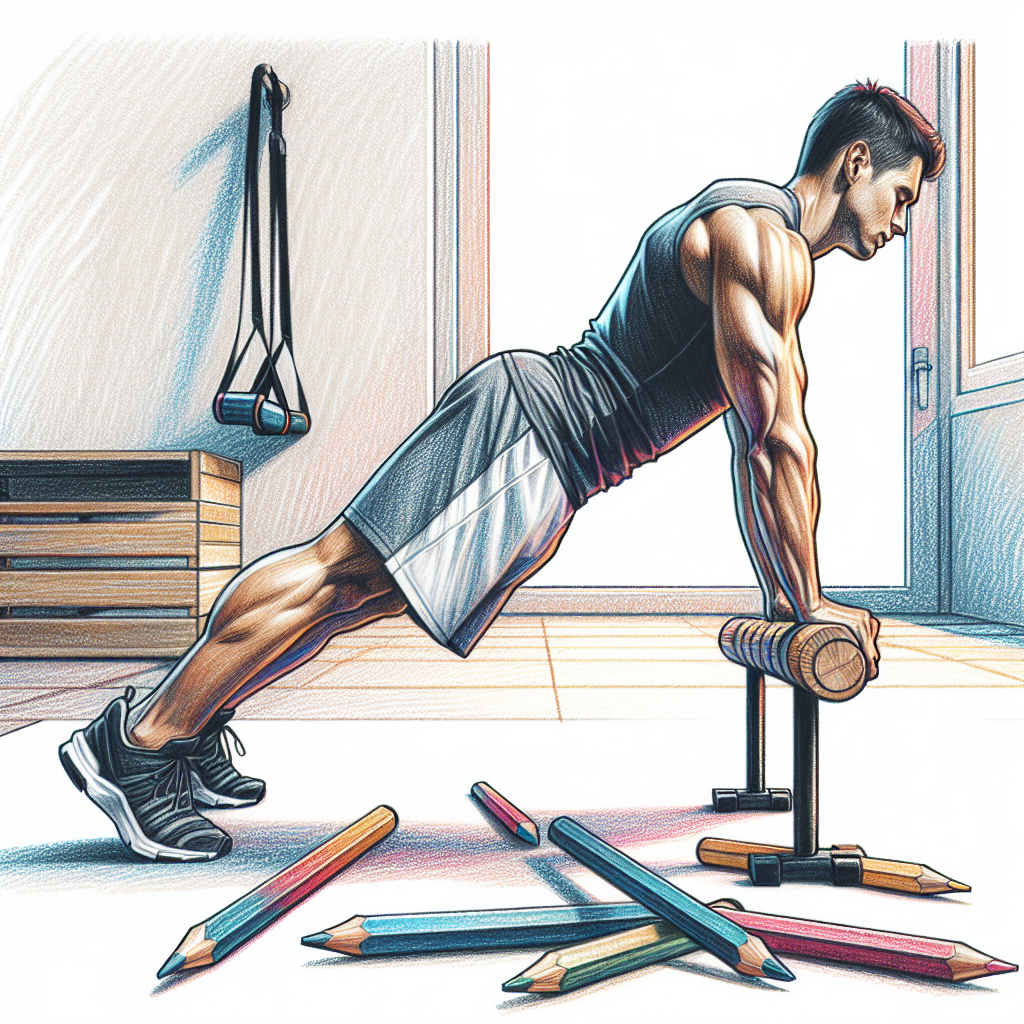
- Push-Ups: Engages the chest, shoulders, and triceps.
- Bodyweight Squats: Strengthens the legs and glutes.
- Plank: Builds core strength and stability.
- Lunges: Targets the legs and improves balance.
- Burpees: A high-intensity exercise that works various muscle groups.
- Mountain Climbers: Boosts cardiovascular fitness while working the core and legs.
Creating Your Workout Routine
Structure your full-body workout by combining the exercises mentioned above. Here’s a simple recommendation:
- Warm-Up (1 minute): Arm circles and leg swings.
- Push-Ups (1 minute): Perform as many high-quality reps as possible.
- Bodyweight Squats (1 minute): Focus on depth and control.
- Plank (1 minute): Hold a stable position, ensuring your body is aligned.
- Lunges (1 minute): Alternate legs and ensure proper form.
- Cool Down (1 minute): Stretch major muscle groups.
Feel free to adjust this template based on your comfort and fitness level, gradually increasing repetitions or durations as you progress.
Understanding When to Seek Professional Help
While bodyweight workouts are generally safe for beginners, certain signs may indicate the need for professional consultation. If you experience:
- Persistent pain during exercises
- Difficulty in performing basic movements
- Injury or discomfort in specific areas
- Unusual fatigue that does not improve with rest
- Medical conditions that may affect your ability to exercise
Consulting with a qualified professional, such as a personal trainer or physical therapist, can provide tailored advice and modifications to your routine.
Common Misconceptions About Bodyweight Workouts
There are several myths surrounding no-equipment workouts that may cause hesitation among beginners:
- Myth 1: Bodyweight workouts are not effective for muscle building.
- Myth 2: Only gym equipment can provide a good workout.
- Myth 3: You cannot lose weight without a gym.
- Myth 4: Full-body workouts are only for advanced trainers.
- Myth 5: You need to spend hours exercising for benefits.
Debunking these misconceptions can help boost confidence in pursuing a bodyweight workout regimen.
FAQs
Can beginners really see results from bodyweight exercises?
Yes, when performed consistently, beginners can experience significant strength and endurance improvements through bodyweight exercises.
How often should I do full-body workouts?
Aiming for 3-4 sessions a week is beneficial for allowing recovery while gaining strength.
Is it necessary to warm up before a workout?
Yes, warming up increases blood flow to muscles and reduces the risk of injury.
What are signs of overtraining?
Signs include fatigue, decreased performance, and persistent muscle soreness.
Can I do these workouts at home?
Absolutely! Bodyweight exercises require minimal space and can easily be performed at home.
What is a quick way to progress in my workouts?
Gradually increasing the duration, intensity, or sets of your exercises can lead to improved results.
Conclusion
- Full-body workouts are effective and accessible for beginners.
- These workouts can be tailored to fit any schedule and space.
- Understanding the importance of proper form and technique is crucial.
- Consult a professional for guidance if experiencing pain or discomfort.
- Regular practice can lead to impressive fitness gains.
Embarking on your fitness journey with a full-body workout requires commitment and consistency, but the rewards are well worth the effort. For those looking for a structured approach without the need for equipment, consider registering for a free 30-day exercise program at this link and maximize your gains with just six minutes of effort per day.
Author: John Angel