Categories
Fitness

Effective Body Weight Workouts for Weight Loss at Home

When embarking on a weight loss journey, incorporating overall body weight workouts can be a transformative step toward achieving your fitness goals. These workouts not only promote fat loss but also build strength and endurance—all from the comfort of your home. The magic of short, six-minute workouts lies in their ability to fit seamlessly into your busy schedule while delivering impactful results. This article outlines the versatility and efficiency of body weight exercises, how to get started, and when to seek professional advice.

  • Understanding Overall Body Weight Workouts
  • Benefits of Short Workouts
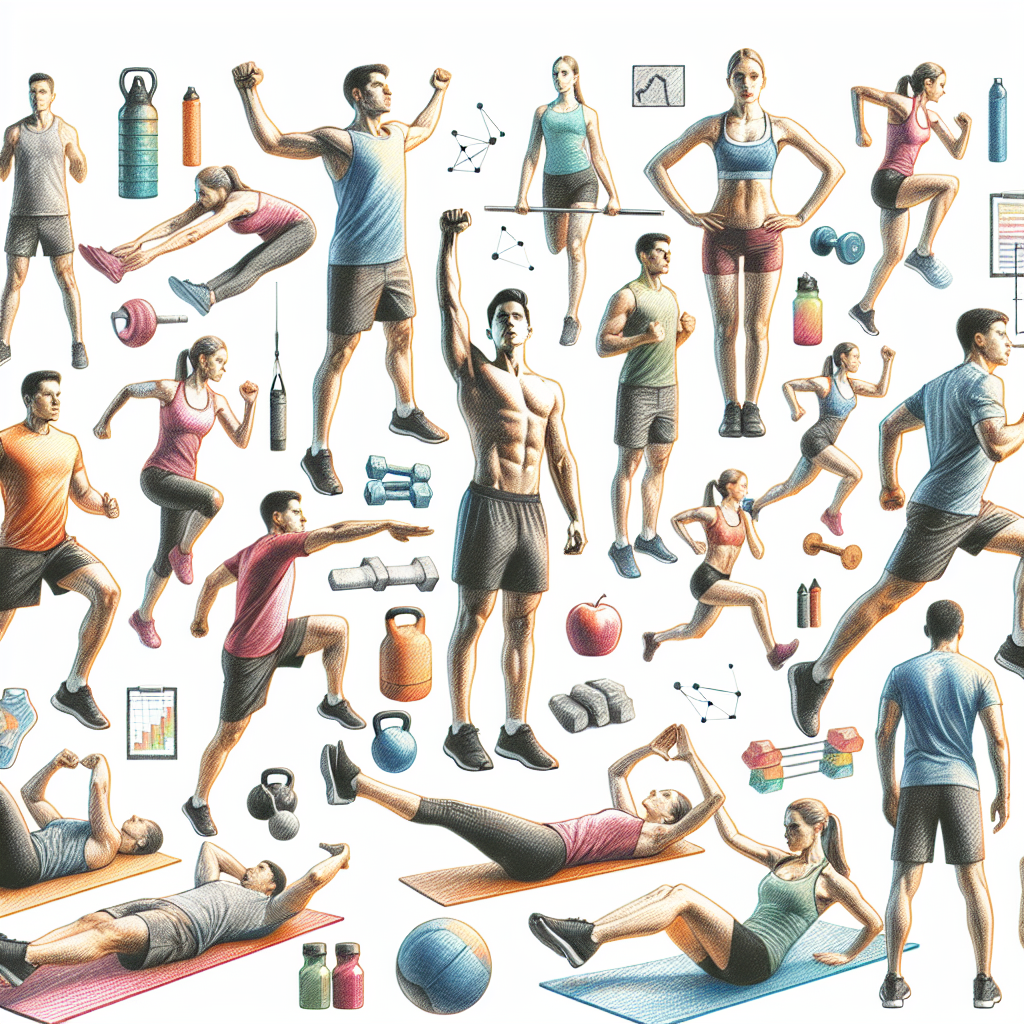
  • Types of Body Weight Exercises
  • How to Structure a Body Weight Workout
  • Common Myths and Mistakes
  • When to Consult a Professional
  • FAQ

Understanding Overall Body Weight Workouts

Body weight workouts utilize your own weight as resistance, making them accessible to nearly everyone, regardless of fitness level. These exercises typically require little to no equipment and can be performed anywhere, allowing for a high degree of flexibility in your workout routine. The principle behind body weight training is simple: you engage multiple muscle groups to improve strength, balance, and coordination.

Benefits of Short Workouts

In our fast-paced lives, finding time for exercise can be challenging. This is where short workouts shine:

  • Time Efficiency: A six-minute workout can yield substantial benefits without requiring a major time commitment.
  • Increased Consistency: Shorter workouts are often easier to stick to, enhancing your commitment to your weight loss journey.
  • Enhanced Metabolism: High-intensity short workouts can increase metabolic rate, helping you burn more calories even after your workout.
  • Flexibility: You can integrate these workouts into your day, whether at home, during a lunch break, or while traveling.

Types of Body Weight Exercises

There are numerous body weight exercises you can incorporate into your routine. Here are a few effective options:

  • Push-Ups: Great for building upper body strength.
  • Squats: Excellent for strengthening the lower body.
  • Planks: Effective for core strengthening and stability.
  • Lunges: Target multiple leg muscles while enhancing balance.
  • Burpees: A full-body exercise that combines strength and cardio.

How to Structure a Body Weight Workout

Creating a structured workout can enhance its effectiveness. Here are practical steps to follow:

  1. Warm-Up: Start with a 1-2 minute warm-up, such as jumping jacks or dynamic stretches.
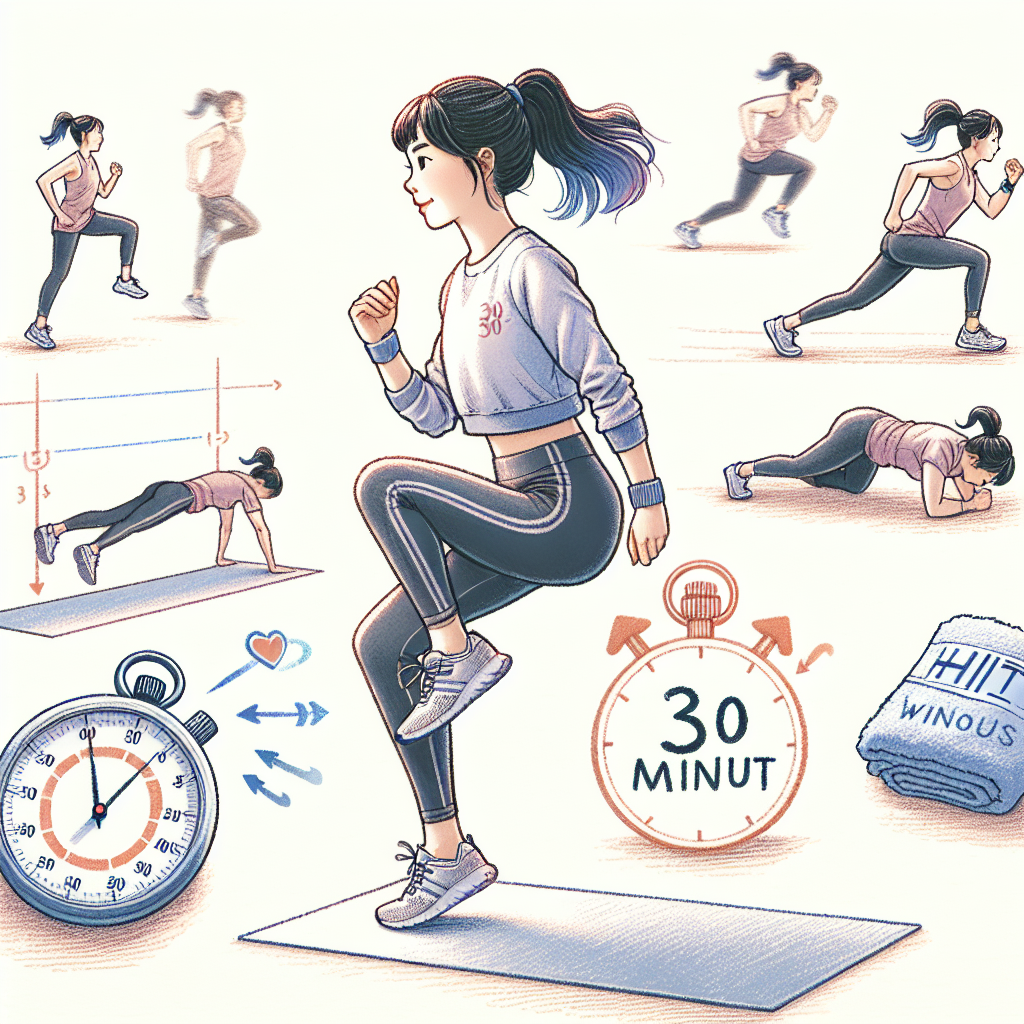
  2. Exercise Circuit: Choose 3-5 exercises. Perform each for 30 seconds, followed by a 15-second rest.
  3. Repeat the Circuit: Aim for 2-3 sets of the circuit, depending on your fitness level.
  4. Cool Down: Finish with light stretching to aid recovery.

Common Myths and Mistakes

As with any fitness regimen, misconceptions about body weight workouts abound. Here are a few of the most common:

  • Myth 1: Body weight exercises are only for beginners. This is false; they can be scaled for all fitness levels.
  • Myth 2: You cannot build muscle with body weight training. In reality, it can be quite effective for strength building when done progressively.
  • Mistake 1: Not focusing on form. Proper technique is crucial to avoid injury and ensure effectiveness.
  • Mistake 2: Neglecting warm-ups and cool-downs, which can lead to muscle strain.

When to Consult a Professional

While body weight workouts are generally safe, certain situations may warrant professional guidance:

  • If you have pre-existing health conditions or injuries, it’s crucial to consult a healthcare provider before beginning any new exercise program.
  • If you experience persistent pain or discomfort during exercises, seeking a qualified trainer or physical therapist may help ensure proper technique.
  • For personalized workout plans tailored to your needs, consider working with a fitness expert.

FAQ

1. Can I lose weight with body weight exercises?

Yes, body weight exercises can be an effective part of a weight loss journey when combined with a balanced diet.

2. How often should I perform body weight workouts?

Aim for at least 3-4 times a week to see optimal results.

3. Do I need any equipment for body weight workouts?

No, body weight workouts can be done without any equipment, making them very accessible.

4. Are short workouts effective?

Yes, short, high-intensity workouts can effectively boost metabolism and promote fat loss.

5. How can I stay motivated to continue my workouts?

Setting small, achievable goals and tracking your progress can significantly enhance motivation.

6. Can I do these workouts at home?

Absolutely! Body weight workouts are perfect for home fitness, requiring minimal space.

Conclusion

  • Overall body weight workouts are versatile, effective, and accessible to everyone.
  • Short, six-minute workouts can fit into busy lifestyles, enhancing consistency.
  • Body weight exercises help improve strength, balance, and coordination.
  • Understanding common myths and mistakes ensures safer workouts.
  • When in doubt, consulting a professional can optimize your fitness journey.

Embarking on a weight loss journey with body weight workouts can be incredibly rewarding, not just for physical health but also for mental well-being. Ready to experience the magic of six-minute short workouts at home? Register for the SixPack workout program for 30 days for free!

Author: John Angel

Related articles

Categories
Fitness

Transform Your Fitness with Effective One-Hour Workouts

Unlocking the Power of One-Hour Workouts: Your Weight Loss Journey Awaits

Embarking on a weight loss journey often feels overwhelming, but integrating one-hour workouts into your routine can simplify and enhance the process. These sessions not only promote calorie burn but also instill discipline and routine into your daily life. Whether you are at home or the gym, dedicating a mere hour to focused exercise can be transformative, both physically and mentally.

  • Understanding the Dynamics of One-Hour Workouts
  • The Comprehensive Benefits of Regular Workouts
  • Structuring Your One-Hour Sessions
  • Addressing When to Consult a Professional
  • Common Misconceptions About Weight Loss Workouts
  • Frequently Asked Questions
  • Conclusion

Understanding the Dynamics of One-Hour Workouts

One-hour workouts encapsulate various training styles, from strength training to high-intensity interval training (HIIT) and cardiovascular endurance. Each style offers distinct advantages that contribute to weight loss and overall fitness improvement. The key lies in maintaining intensity and variety, ensuring muscles remain engaged while creating a sustainable routine. Whether you’re a beginner or seasoned gym enthusiast, there’s a format that can work for you.

The Comprehensive Benefits of Regular Workouts

One-hour workouts provide a multitude of benefits that extend beyond physical appearance. Here are some key advantages:

  • Caloric Burn: An intense workout can effectively burn calories, paving the way for weight loss.
  • Muscle Strengthening: Incorporating strength-building exercises fosters metabolic activity, which aids in long-term weight management.
  • Mental Well-being: Regular physical activity releases endorphins, reducing stress and enhancing mood.
  • Improved Sleep: Consistent workouts can lead to better sleep quality, which is crucial for recovery and overall health.
  • Social Interaction: Group classes or workout partnerships can foster a sense of community, motivating you to stay on track.

Structuring Your One-Hour Sessions

Crafting a productive one-hour workout can seem daunting, but a structured approach can streamline your efforts. Here’s a step-by-step framework to help you plan:

  1. Warm-Up (10 min): Start with dynamic stretches or light cardio to prepare your muscles.
  2. Strength Training (20 min): Focus on major muscle groups with exercises like squats, deadlifts, and bench presses.
  3. Cardio (20 min): Engage in moderate to high-intensity cardio such as running, cycling, or HIIT.
  4. Cool Down (10 min): Conclude with light stretching to promote flexibility and recovery.

This balanced format ensures you engage both strength and endurance components, promoting comprehensive fitness advancement.

When to Consult a Professional

Consulting a healthcare or fitness professional may be necessary in specific instances:

  • Experience persistent pain despite proper form during workouts.
  • Experience rapid weight loss or weight gain without lifestyle changes.
  • Possess pre-existing health conditions that may be affected by exercise.
  • A desire to optimize your fitness regimen with tailored advice.

Seek professional guidance if you notice any of the above signs to ensure your safety and success.

Common Misconceptions About Weight Loss Workouts

There are several widely held beliefs about weight loss workouts that warrant clarification:

  • Myth: Longer Workouts Are Always Better. Quality often trumps quantity; high-intensity workouts can be more effective than lengthy sessions.
  • Myth: You Have to Work Out Daily to Lose Weight. Recovery is crucial; working out three to five times a week can yield significant results.
  • Myth: You Need Fancy Equipment. Many effective workouts can be done with body weight, making them accessible for home routines.
  • Myth: Cardio Alone Is Sufficient for Weight Loss. Strength training plays a pivotal role in preserving muscle mass and enhancing metabolism.

Frequently Asked Questions

How many calories can I burn in a one-hour workout?

The number of calories burned varies based on exercise type, intensity, weight, and metabolism but typically ranges from 400 to 800 calories.

Can I lose weight with just one hour of workouts a week?

While one-hour workouts can aid weight loss, consistency is key; aim for three to five sessions weekly for optimal results.

Should I prioritize cardio or strength training for weight loss?

A balanced combination of both is crucial; strength training helps maintain muscle mass while cardio assists in caloric burn.

Is it okay to exercise on an empty stomach?

Exercising on an empty stomach can work for some people but may lead to decreased performance; listen to your body.

How quickly can I expect results from my workout routine?

Results can vary significantly, but most individuals start noticing differences within a few weeks of consistent effort.

What should I eat before working out?

Opt for easily digestible foods rich in carbohydrates, like a banana or oatmeal, to fuel your workout effectively.

Conclusion

  • One-hour workouts can efficiently enhance your fitness level and contribute to weight loss.
  • Regular engagement yields numerous physical and mental benefits.
  • Structured sessions help maximize your workout effectiveness.
  • Consult professionals when necessary to ensure safe and effective practices.
  • Debunking myths surrounding workouts promotes healthier fitness understanding.

As you embark on your weight loss journey, consider exploring the magic of efficient, structured workouts. For those looking to jumpstart their regimen, register for the SixPack workout program for 30 days free. Embrace the challenge and witness the transformation unfold!

Author: John Angel

Related articles

Categories
Fitness

Maximize Fitness with Six-Minute Home Workouts

In today’s fast-paced world, finding time to exercise can feel like an insurmountable challenge. However, the magic of six-minute short workouts at home has emerged as a compelling solution, especially for those on a weight loss journey. These brief, focused workouts not only enhance physical fitness but also integrate seamlessly into the busiest of schedules, making it easier than ever to stay committed to your goals. This article delves into the benefits of these short sessions, practical tips for implementation, and how they can create a profound impact on your daily routine.

  • Understanding the Power of Six-Minute Workouts
  • Daily Benefits of Short Workouts
  • How to Incorporate Six-Minute Workouts into Your Routine
  • Seeking Professional Guidance
  • Common Myths and Misconceptions
  • Frequently Asked Questions
  • Conclusion

Understanding the Power of Six-Minute Workouts

The six-minute workout concept is grounded in the premise that effective exercise can be both short and impactful. These workouts harness the principles of high-intensity interval training (HIIT), allowing participants to elevate their heart rate and maximize calorie burn in a fraction of the time compared to traditional workouts. This approach not only saves time but also keeps the body engaged, making workouts feel less tedious while still delivering tangible results.

Daily Benefits of Short Workouts

Incorporating six-minute workouts into your daily routine presents numerous advantages:

  • Enhanced Accessibility: These brief sessions can be easily fit into your day, whether during a lunch break or after waking up.
  • Improved Mood: Regular physical activity is known to release endorphins, promoting a sense of well-being and reducing stress.
  • Boosted Metabolism: Short, intense workouts can lead to increased metabolic rates post-exercise, contributing to ongoing calorie burn.
  • Greater Consistency: With less time commitment required, individuals find it easier to adhere to exercise routines over extended periods.
  • Variety in Training: The brevity of these workouts encourages experimentation with different exercises, keeping workouts fresh and exciting.

How to Incorporate Six-Minute Workouts into Your Routine

To reap the benefits of these short workouts, consider the following practical steps:

  1. Set a Schedule: Allocate specific times throughout your week dedicated solely to your six-minute workouts.
  2. Choose Your Exercises: Opt for a mix of cardiovascular, strength, and flexibility exercises—these could include jumping jacks, push-ups, squats, or yoga poses.
  3. Prepare Your Space: Create a designated area in your home for workouts, ensuring it is clutter-free and motivating.
  4. Track Your Progress: Utilize a journal or fitness app to record workouts, monitor improvements, and stay accountable.
  5. Find a Workout Buddy: Engaging a friend can enhance motivation and make workouts more enjoyable.
  6. Register for a Program: Consider accessing structured workouts, such as the SixPack workout program for 30 days for free, to guide you further along your weight loss journey.

When to Seek Professional Guidance

While short workouts can be incredibly effective, certain conditions warrant a consultation with a healthcare professional:

  • If you have pre-existing health conditions or injuries that might be aggravated by physical activity.
  • If you experience persistent pain during exercise, indicating the need for medical evaluation.
  • If you are unsure how to safely implement a new workout routine or how to modify exercises for your level of fitness.
  • If you seek customized advice tailored to your health goals, particularly in relation to weight loss.

Common Myths and Misconceptions

Despite their growing popularity, six-minute workouts are often surrounded by misconceptions. Here, we debunk a few:

  • Myth 1: Short workouts are ineffective. Fact: Research supports that even a brief, intense workout can yield significant health benefits.
  • Myth 2: You can’t build strength with short workouts. Fact: Short sessions can still incorporate strength training and lead to muscle gains.
  • Myth 3: It’s not worth exercising unless you do it for an hour. Fact: Consistent shorter workouts can be just as beneficial as longer sessions.
  • Myth 4: You can only do short workouts if you’re already in shape. Fact: Six-minute workouts can be adapted to any fitness level.

Frequently Asked Questions

Can I lose weight with six-minute workouts?

Yes, when combined with a healthy diet, six-minute workouts can effectively contribute to weight loss.

How often should I do six-minute workouts?

Aim for at least three to five times a week for optimal results and to maintain consistency.

What if I don’t have six minutes available?

Even one minute of intense activity can be beneficial—consider doing multiple short bursts throughout your day.

Are there specific exercises I should focus on?

Incorporate a blend of cardiovascular, strength, and flexibility exercises to achieve comprehensive fitness.

Do I need equipment for these workouts?

No equipment is necessary; bodyweight exercises can be highly effective.

Can I do these workouts if I’m a beginner?

Absolutely! Six-minute workouts can be modified to suit any fitness level, making them accessible to all.

Conclusion

  • Six-minute workouts are an effective solution to integrate fitness into a busy lifestyle.
  • They provide multiple benefits, including improved mood and increased metabolism.
  • Establishing a routine around these workouts can enhance consistency.
  • Professional guidance is crucial if you encounter any health concerns.
  • Debunking common myths about short workouts can empower individuals to embrace this fitness trend.

As you embark on or continue your weight loss journey, consider trying the SixPack workout program for free. These short, engaging sessions may be just what you need to ignite your fitness passion and achieve your goals!

Author: John Angel

Related articles

Categories
Weight Loss

Effective Weight Loss with 30-Minute Daily Workouts

In the quest for significant weight loss, the notion of dedicating just 30 minutes a day to exercise often evokes skepticism. However, when approached correctly, this manageable commitment can foster substantial changes, invigorating one’s weight loss journey. A regimen of daily physical activity not only aids in burning calories but also cultivates a more robust metabolism, enhances mood, and increases overall well-being. This article explores the transformative potential of 30 minutes of exercise, the magic of short workouts, and practical tips for integrating them into daily life.

  • Understanding Weight Loss and Exercise
  • The Benefits of 30-Minute Workouts
  • Practical Steps for Daily Exercise
  • Consulting a Professional: When to Seek Help
  • Addressing Common Misconceptions
  • FAQs About Weight Loss and Exercise
  • Conclusion

Understanding Weight Loss and Exercise

Weight loss is fundamentally a matter of energy balance: consuming fewer calories than the body expends. Regular exercise plays a critical role in this dynamic by increasing daily caloric expenditure, improving muscle composition, and enhancing metabolic rate. Thus, 30 minutes of purposeful movement each day can effectively contribute to one’s weight loss journey.

The Benefits of 30-Minute Workouts

Engaging in a sustained 30-minute workout can bring about numerous psychological and physiological benefits:

  • Improved Mood: Exercise releases endorphins, often called the “feel-good hormones,” which can alleviate stress and anxiety.
  • Increased Energy: Regular physical activity can combat fatigue and elevate overall energy levels throughout the day.
  • Enhanced Sleep Quality: Engaging in moderate exercise can improve your sleep, aiding recovery and overall health.
  • Convenience: A 30-minute window can easily fit into a busy schedule, making it more likely to be adhered to consistently.
  • Adaptable to Various Fitness Levels: Workouts can be tailored to fit individual abilities, making it accessible for everyone.

Practical Steps for Daily Exercise

To incorporate 30 minutes of exercise into your daily routine, consider the following strategies:

  1. Choose Activities You Enjoy: Whether it’s walking, cycling, or dance, enjoying the activity can make it easier to stick with it.
  2. Set Clear Goals: Define achievable short-term and long-term goals to maintain motivation.
  3. Use Short Workouts: Consider using high-intensity interval training (HIIT) for efficient workouts that can be done at home.
  4. Establish a Routine: Designate a specific time during the day for your workouts to build consistency over time.
  5. Incorporate Activities Into Daily Life: Choose walking instead of driving for short distances, or take the stairs rather than the elevator.
  6. Track Your Progress: Keep a record of your workouts to see how far you have come, thereby fostering motivation.
  7. Try the SixPack Workout Program: Consider registering for the SixPack workout program to start a 30-day free trial and access focused six-minute workouts suitable for home.

Consulting a Professional: When to Seek Help

While exercise offers numerous benefits, it’s crucial to consult a healthcare professional under certain circumstances:

  • If you experience joint pain or persistent discomfort during activity.
  • Before starting a new exercise program, especially if you have pre-existing health conditions.
  • If you’re unsure of your capability to engage in physical activity safely.
  • When you notice unusual symptoms such as dizziness or shortness of breath during exercise.

Addressing Common Misconceptions

There are prevalent myths surrounding weight loss and exercise that can deter individuals from pursuing their goals. Here are a few clarifications:

  • Myth: More Exercise Equals Better Results. Fact: Quality often trumps quantity; short, high-intensity workouts can be more effective than prolonged sessions.
  • Myth: You Must Join a Gym to Lose Weight. Fact: Home workouts can be just as effective, with various online resources available.
  • Myth: Weight Loss is Only About Exercise. Fact: Nutrition plays a vital role, and a balanced diet is essential for successful weight loss.
  • Myth: Exercise Alone Will Lead to Weight Loss. Fact: A holistic approach combining diet and exercise is the most effective strategy.

FAQs About Weight Loss and Exercise

How much weight can I realistically expect to lose with 30 minutes of exercise daily?

The amount of weight lost varies by individual factors such as diet and metabolism but a sustainable rate is typically 1-2 pounds per week.

Is it better to exercise in the morning or evening?

It depends on personal preference; the best time to exercise is when you can maintain consistency.

Can I lose weight by just doing short workouts at home?

Yes, short, high-intensity workouts can be effective for weight loss when combined with a healthy diet.

What types of exercise are best for weight loss?

Cardiovascular exercises, strength training, and HIIT are all effective options for weight loss.

Should I do cardio or strength training to lose weight?

A combination of both is ideal, as strength training builds muscle, which burns more calories at rest.

How essential is nutrition in a weight loss journey?

Nutrition is crucial; a balanced diet can enhance your weight loss efforts and overall health.

Conclusion

  • Thirty minutes of exercise daily can significantly impact your weight loss journey.
  • Regular physical activity improves mental and physical well-being.
  • Short workouts are convenient and can be tailored to your preferences.
  • Consulting a professional is advisable when facing challenges in your exercise routine.
  • Address myths and misconceptions to better navigate your path towards weight loss.

Ultimately, embracing a commitment to 30 minutes of exercise each day can unlock a newer, healthier lifestyle. As you explore this journey, consider leveraging resources such as the SixPack workout program for guided support.

Author: John Angel

Related articles

Categories
Fitness

Effective Bodyweight Workout Guide for Weight Loss

In today’s fast-paced world, finding time to maintain a fitness routine can be daunting. Bodyweight workouts offer a flexible, efficient solution, particularly for those embarking on a weight loss journey. These workouts require no equipment and can be performed anywhere, making them accessible to everyone. In just six minutes a day, you can transform not only your body but also your daily productivity and mental clarity. This article will explore the wonders of bodyweight workouts, particularly the magic of the SixPack workout program. You can explore this efficient program by registering for 30 days of free access to the SixPack workout program.

  • Understanding Bodyweight Workouts
  • The Benefit of Short Workouts
  • Practical Steps for a Bodyweight Workout
  • When to Consult a Professional
  • Myths and Misconceptions
  • FAQs on Bodyweight Workouts

Understanding Bodyweight Workouts

Bodyweight workouts utilize your own weight to provide resistance, eliminating the necessity for any additional equipment. These exercises can range from squats and push-ups to lunges and planks. As a result, individuals of varying fitness levels can adapt these workouts to suit their needs. This versatility is crucial for sustaining motivation and ensuring continuous improvement throughout any weight loss journey.

The Benefit of Short Workouts

Short workouts, especially those lasting merely six minutes, may seem insufficient at first glance, but they are deceptively effective. Research shows that high-intensity bursts of exercise can dramatically enhance cardiovascular health and facilitate fat loss without requiring extended time commitments. Such short sessions can seamlessly fit into any daily schedule, making it easier for you to maintain a consistent workout regimen.

Practical Steps for a Bodyweight Workout

Implementing a successful bodyweight workout starts with understanding a few key principles. Here is a practical guide to help you begin:

  1. Choose Your Exercises: Select a variety of exercises that target different muscle groups. Consider squats, push-ups, and burpees.
  2. Timing: Aim for six-minute bursts, making each second count. For example, alternate between 30 seconds of intense effort followed by 30 seconds of rest.
  3. Create a Routine: Structure your workouts into a weekly routine. Consistency is essential for achieving significant results.
  4. Warm-Up and Cool Down: Always allocate time for warming up before and cooling down after your workout to prevent injuries.
  5. Track Progress: Keep a journal or use an app to document your workouts and monitor changes in fitness levels.

When to Consult a Professional

While bodyweight workouts are generally safe, there are circumstances where professional guidance is advisable. Consult a qualified health professional if you:

  • Experience persistent joint pain or discomfort.
  • Have pre-existing health conditions affecting your ability to exercise.
  • Are unsure about the correct form during exercises.
  • Wish to establish a comprehensive fitness or health plan.

Myths and Misconceptions

Several myths surround bodyweight training, often leading to misunderstandings about its effectiveness. Here are some common misconceptions:

  • Myth: Bodyweight workouts are only for beginners. Truth: These workouts can be highly effective at any fitness level, and can be easily modified for advanced training.
  • Myth: You cannot build muscle without weights. Truth: Bodyweight exercises can generate sufficient resistance to promote muscle growth and strength.
  • Myth: Short workouts are ineffective. Truth: Short, high-intensity workouts can yield remarkable results, particularly regarding metabolic adaptation and fat loss.

FAQ on Bodyweight Workouts

What are bodyweight workouts?

Bodyweight workouts are exercises that utilize your own body weight as resistance, including push-ups, squats, and planks.

Can I lose weight with bodyweight exercises?

Yes, bodyweight exercises can help promote weight loss when combined with a balanced diet and an active lifestyle.

How often should I do bodyweight workouts?

It’s advisable to engage in bodyweight workouts at least 3-4 times a week to see meaningful results.

Are bodyweight workouts suitable for everyone?

Bodyweight workouts can be modified to suit various fitness levels, but it’s recommended to consult a professional if you have any health concerns.

How long should a bodyweight workout last?

Even six minutes of focused bodyweight exercise can be beneficial, particularly when done at a high intensity.

Can I combine bodyweight workouts with other exercises?

Absolutely. Bodyweight workouts can complement various fitness regimens, including cardio and strength training.

Conclusion

  • Bodyweight workouts provide flexibility and accessibility for anyone looking to enhance their fitness.
  • Short, high-intensity sessions are not only effective but can fit seamlessly into a busy schedule.
  • Consistency and proper technique are key to maximizing results.
  • Professional guidance can be crucial if you face health concerns or need personalized advice.
  • Dispelling common myths can enhance your understanding and commitment to bodyweight training.

As you embark on your weight loss journey, consider integrating bodyweight exercises into your routine. For a structured approach, explore the free 30-day SixPack workout program and discover the transformative power of six-minute workouts in your daily life.

Author: John Angel

Related articles

Categories
Fitness

The Importance of Exercise After Weight Loss for Longevity

Embarking on a weight loss journey is a commendable feat, often requiring resilience, determination, and changes in lifestyle. However, many individuals overlook a critical component of this journey: exercise after weight loss. Engaging in a structured exercise regimen post-weight loss is not only vital for maintaining the results achieved but can also ensure long-term health benefits. In this article, we will delve into the importance of exercise after weight loss, practical steps to navigate this transition, and how you can maximize your efforts with engaging workouts.

  • The Importance of Exercise Post-Weight Loss
  • Understanding Your New Body
  • Benefits of Short Workouts at Home
  • Creating a Sustainable Routine
  • Myths and Misconceptions
  • When to Seek Professional Guidance
  • Frequently Asked Questions

The Importance of Exercise Post-Weight Loss

After shedding excess weight, the journey does not end; in fact, it marks the beginning of a new phase that necessitates the integration of regular exercise. Physical activity post-weight loss plays a crucial role in maintaining metabolic rates, which can decline after weight loss. Regular workouts can help build muscle mass, enhancing the body’s ability to burn calories even at rest. Moreover, exercise contributes to emotional well-being, reducing the risk of regaining lost weight.

Understanding Your New Body

Transitioning to a physically fit lifestyle entails recognizing the changes your body has undergone. Adjusting to your new weight can require a reconsideration of exercise approaches. The body may respond differently due to hormonal changes and shifts in body composition. Listening to your body’s signals is paramount as you determine appropriate types and intensities of exercise.

Benefits of Short Workouts at Home

The allure of six-minute short workouts at home lies in their accessibility and efficiency. These brief yet effective sessions can seamlessly fit into even the busiest of schedules. The magic of these workouts is that they often incorporate high-intensity interval training (HIIT), providing maximum benefit in a minimum time frame. The endorphin boost following such sessions contributes not only to physical fitness but also to mental clarity and positivity throughout the day. To explore such a program, consider registering for a 30-day free trial of the SixPack workout program.

Creating a Sustainable Routine

Establishing a sustainable exercise regimen post-weight loss requires realistic planning. Here are practical steps to develop a routine:

  1. Set Clear Goals: Aim for achievable outcomes to keep motivation high.
  2. Incorporate Variety: Mix cardio, strength training, and flexibility workouts to avoid monotony.
  3. Schedule Workouts: Treat your workouts like important appointments to ensure consistency.
  4. Track Progress: Use a journal or apps to monitor improvements, which can enhance your commitment.
  5. Prioritize Enjoyment: Choose activities you find enjoyable to foster a long-lasting habit.

Myths and Misconceptions

Several myths may cloud understanding regarding exercise after weight loss. Addressing these can empower individuals on their journey:

  • Myth 1: More exercise always leads to better results. >Quality over quantity is key.
  • Myth 2: Strength training will cause weight gain. >Increased muscle mass can actually enhance fat loss.
  • Myth 3: You must exercise intensely to see benefits. >Even moderate exercise can yield significant health advantages.

When to Seek Professional Guidance

While embarking on a new fitness routine, there are times when professional guidance is warranted. If you experience persistent pain, unusual fatigue, or significant weight fluctuations despite regular exercise, consider consulting a qualified professional. Additionally, those with pre-existing health conditions or those who have recently undergone significant physical changes may benefit from tailored advice by a healthcare provider or a certified fitness trainer.

Frequently Asked Questions

What type of exercise should I start with after weight loss?

Begin with a balanced mix of cardiovascular training, strength training, and flexibility exercises. Gradually increase intensity as your body adapts.

How often should I exercise after losing weight?

Aim for at least 150 minutes of moderate aerobic activity a week, complemented by strength training on two or more days weekly.

Is it normal to feel hungry after starting to exercise?

Yes, increased physical activity can stimulate appetite. Focus on nurturing your body with healthy, nutritious foods.

Can short workouts be effective for long-term weight maintenance?

Absolutely. Short, high-intensity workouts can effectively support weight maintenance while fitting conveniently into busy schedules.

Will I regain weight if I stop exercising?

While a sedentary lifestyle may contribute to weight regain, maintaining healthy eating habits and incorporating even sporadic physical activity can help mitigate this risk.

How long will it take to see results from my new exercise routine?

Results may vary based on individual factors, but many people can begin to notice improvements in strength and endurance within a few weeks.

Conclusion

  • Exercise after weight loss is essential for maintenance and overall health.
  • Short workouts at home can provide efficient, enjoyable ways to stay active.
  • Establishing a routine should involve setting clear goals and monitoring progress.
  • Debunking common myths can lead to a more informed approach to fitness.
  • Consulting a professional is valuable in certain circumstances for tailored guidance.

As you navigate your weight loss journey, remember that incorporating exercise is a vital piece of the puzzle. Engaging in short, effective workouts can invigorate your day and help you maintain the hard-won results of your weight loss effort. To kickstart your journey, consider taking advantage of a free 30-day trial of the SixPack workout program.

Author: John Angel

Related articles

Categories
Fitness

Effective 30-Minute Workouts for Weight Loss

Introduction

Embarking on a weight loss journey can be both exhilarating and daunting. The prospect of losing weight in just 30 minutes of daily exercise may seem too good to be true. However, short, focused workouts can yield significant results when done consistently. This article will explore the effectiveness of 30-minute workouts, along with strategies to maximize your efforts. If you’re ready to transform your fitness routine, discover how you can start a free 30-day SixPack workout program today.

  • Understanding the Science Behind Short Workouts
  • The Benefits of 30-Minute Workouts
  • Creating Your 30-Minute Routine
  • When to Consult a Professional
  • Common Misconceptions about Short Workouts
  • FAQs
  • Conclusion

Understanding the Science Behind Short Workouts

Short workouts capitalize on high-intensity training and the body’s natural metabolic processes to encourage weight loss. Research indicates that shorter bursts of intense exercise can elevate the heart rate, leading to greater calorie burn both during and after the workout. This phenomenon, known as excess post-exercise oxygen consumption (EPOC), aids in sustained calorie expenditure, making an efficient 30-minute workout an attractive option for those pressed for time.

The Benefits of 30-Minute Workouts

Incorporating 30-minute workouts into your daily routine offers several advantages:

  • Time Efficiency: With a busy lifestyle, many find it challenging to allocate an hour for exercise each day. A 30-minute workout can easily slot into most schedules.
  • Increased Motivation: Shorter workouts often feel less daunting, encouraging consistency and making it easier to stay committed to your weight loss journey.
  • Versatility: These workouts can be tailored to accommodate various exercises—strength training, cardio, or flexibility routines can all be performed within this time frame.
  • Enhanced Fat Loss: The intensity of short workouts can more effectively target fat reserves, contributing to weight loss more than lower-intensity extended workouts might.
  • Accessibility: Short workouts can be performed at home with minimal equipment, making it feasible for almost anyone to start their fitness journey.

Creating Your 30-Minute Routine

To develop an effective 30-minute workout plan, consider the following steps:

  1. Set Clear Goals: Identify what you aim to achieve—whether it’s weight loss, improved strength, or enhanced endurance.
  2. Choose Your Exercises: Incorporate a mix of cardiovascular and strength-training exercises. Examples include burpees, squats, push-ups, and jumping jacks.
  3. Warm-Up: Begin with a 5-minute warm-up to increase your heart rate and prepare your muscles for exercise.
  4. High-Intensity Intervals: Alternate between high-intensity exercises and moderate rest periods to maximize your workout’s impact.
  5. Cool Down: Conclude with a 5-minute cool-down to help your body transition back to a resting state.

When to Consult a Professional

While engaging in 30-minute workouts can be beneficial, there are circumstances where professional advice is advisable. If you experience any of the following, consider consulting a healthcare or fitness professional:

  • Persistent pain or injury that worsens during workouts.
  • Chronic health conditions that could affect your exercise routine.
  • A significant change in weight, energy levels, or physical capability.
  • If you are unsure about how to begin or what exercises are appropriate for your fitness level.

Common Misconceptions about Short Workouts

There are prevalent myths surrounding short workout sessions. Addressing these can provide clarity:

  • Myth 1: “Short workouts are ineffective.”
    Truth: When done correctly and consistently, short workouts can lead to significant weight loss and improved fitness levels.
  • Myth 2: “You can’t build muscle in a short time.”
    Truth: Short, high-intensity strength training can effectively promote muscle growth.
  • Myth 3: “You need a gym to work out.”
    Truth: Many exercises can be performed at home with little to no equipment.
  • Myth 4: “More exercise always equals better results.”
    Truth: Quality is more vital than quantity; an efficient 30 minutes can outpace hours of ineffective training.

FAQs

Can I lose weight with just 30 minutes of exercise per day?

Yes, consistent 30-minute workouts can lead to weight loss when combined with a balanced diet.

How often should I do these workouts?

Most experts recommend engaging in at least five days of exercise per week for optimal results.

What types of exercises are best for a 30-minute workout?

A combination of cardio and strength exercises, such as high-intensity interval training (HIIT), can be particularly effective.

Can I do this workout at home?

Absolutely! Many effective workouts require minimal or no equipment and can be easily done at home.

What if I’m a beginner?

Start slowly with lower-intensity exercises and gradually increase the difficulty as your fitness improves.

Should I consult a doctor before starting this workout plan?

Consulting with a healthcare professional is wise if you have pre-existing health conditions or concerns about beginning a new exercise routine.

Conclusion

  • Engaging in 30 minutes of exercise daily can be a pivotal step in your weight loss journey.
  • Short workouts are time-efficient, versatile, and accessible for all fitness levels.
  • Consistency and proper planning are crucial to see results from these shorter workouts.
  • Seeking professional advice is advisable under certain health conditions or concerns.
  • With the right approach, short workouts can effectively support your weight loss goals.

Ready to start your transformation? Sign up for the SixPack workout program for free for 30 days here and take the first step towards achieving your fitness goals!

Author: John Angel

Related articles

Categories
Fitness

Effective Six-Minute Workouts for Weight Loss at Home

Embarking on a weight loss journey can be both exciting and overwhelming. Among the many components essential for success, exercise stands out as a primary pillar. Engaging in short, focused workouts can lead to significant reductions in body weight while offering numerous additional health benefits. In this article, we will explore effective exercises for weight loss, specifically highlighting the magic of six-minute short workouts you can perform at home.

  • Understanding the Science of Weight Loss
  • Benefits of Short Workouts
  • Effective Exercises for Quick Results
  • A Day in the Life of Short Workouts
  • When to Consult a Professional
  • Common Myths About Weight Loss
  • FAQs
  • Conclusion

Understanding the Science of Weight Loss

To effectively navigate your weight loss journey, it is crucial to understand the basic principles of weight management. Weight loss occurs when you burn more calories than you consume. This caloric deficit stimulates your body to utilize stored fat for energy, leading to weight reduction. Regular exercise amplifies this effect by increasing your metabolism and enhancing fat oxidation.

Benefits of Short Workouts

Short workouts can be surprisingly effective. The convenience and time efficiency of workouts lasting just six minutes make them accessible for nearly everyone. These brief sessions can easily fit into a busy day, enabling consistent engagement in physical activity without feeling overwhelmed. The following highlights illuminate the benefits:

  • Time-Efficient: Short workouts require minimal time commitment, making it easier to integrate exercise into your routine.
  • Flexibility: You can perform exercises virtually anywhere—at home, during a break at work, or while traveling.
  • Enhanced Focus: Short bursts of exercise can help maintain your enthusiasm and commitment to your weight loss journey.
  • Improved Mood: Physical activity releases endorphins, which can boost your overall mental well-being.
  • Consistent Engagement: Easier to remain committed when workouts are brief and can be repeated multiple times a day.

Effective Exercises for Quick Results

Incorporating a variety of exercises into your routine can optimize weight loss. Below are high-impact exercises suitable for six-minute sessions:

  1. Jumping Jacks: A classic cardio move that elevates your heart rate.
  2. High Knees: This exercise targets your legs and activates your core.
  3. Burpees: A full-body workout combining strength and cardio.
  4. Mountain Climbers: Great for stimulating multiple muscle groups and burning calories.
  5. Bodyweight Squats: Strengthen your legs and core while maintaining a steady pace.

For a structured guide, consider the 30-day SixPack workout program to enhance your results and keep your motivation high.

A Day in the Life of Short Workouts

Incorporating six-minute short workouts into your daily routine can bring transformative benefits:

  • Upon waking, engage in a short workout to kickstart your metabolism.
  • Utilize breaks during work to perform quick sessions, maintaining your energy levels.
  • End your day with a brief workout to unwind and relieve stress.

This rhythm facilitates better calorie management throughout the day and enables a smooth weight loss journey.

When to Consult a Professional

While exercise is essential, it is crucial to recognize when to seek professional guidance. Consider consultation with a qualified health professional if you experience any of the following:

  • Unexplained weight fluctuations.
  • Chronic fatigue or excessive strain during workouts.
  • Pre-existing health conditions that impact your ability to exercise.
  • Concerns about meeting your nutritional needs.

Common Myths About Weight Loss

Numerous misconceptions surround the topic of weight loss. Addressing these is vital for clarity:

  • Myth: Longer workouts yield better results.
  • Myth: Weight loss is solely about exercising.
  • Myth: Lifting weights makes you bulky.
  • Myth: You have to cut out entire food groups to lose weight.

Recognizing these myths allows you to approach your weight loss journey more informed and confidently.

FAQ

What type of exercise is best for weight loss?

A combination of cardiovascular and strength training exercises offers the best results for weight loss.

How often should I work out for effective weight loss?

Engaging in moderate-intensity exercise most days of the week is ideal, with at least 150 minutes per week being a good benchmark.

Can short workouts be effective for weight loss?

Yes, short, intense workouts can be highly effective, especially when performed consistently.

Will strength training help me lose belly fat?

Strength training builds muscle, which can increase your metabolic rate, aiding in overall fat loss, including belly fat.

Do I need equipment for a home workout?

No, many effective exercises can be done with just your body weight.

How can I stay motivated on my weight loss journey?

Setting realistic goals, tracking progress, and joining a supportive community can enhance motivation.

Conclusion

  • Understanding the fundamentals of weight loss is essential for success.
  • Short workouts offer time-efficient, effective options for weight loss.
  • Incorporating a variety of exercises keeps your routine fresh and engaging.
  • Recognizing the need for professional guidance ensures a safer journey.
  • Combatting common myths allows for a more informed approach to weight loss.

As you embark on your weight loss journey, remember that consistency and determination are key. Consider participating in the 30-day SixPack workout program to help you stay committed and achieve your goals effectively.

Author: John Angel

Related articles

Categories
Weight Loss

Achieve 10 kg Weight Loss in 30 Days with Short Workouts

30 Days to 10 kg Weight Loss: A Transformative Journey

Embarking on a weight loss journey can seem daunting, yet with the right approach, achieving a loss of 10 kg in 30 days is within reach. This article will guide you through effective strategies, focusing particularly on the magic of six-minute short workouts at home. These quick sessions not only maximize efficiency but also seamlessly fit into daily routines, making them an ideal solution for busy individuals. Let’s delve into this journey toward a healthier you.

  • Introduction
  • The Concept of Short Workouts
  • Setting Realistic Expectations
  • Creating an Effective Diet Plan
  • Staying Motivated
  • Common Misconceptions
  • Consulting a Professional
  • FAQs
  • Conclusion

The Concept of Short Workouts

Short workouts, particularly those lasting just six minutes, have gained popularity for their accessibility and effectiveness. These workouts can be performed at home, requiring minimal equipment. The appeal lies not just in their brevity but in their ability to elevate heart rate and boost metabolism within a short time frame.

The magic of these workouts lies in their ability to fit into the busiest of schedules. Whether you have a hectic day filled with responsibilities or prefer exercising at home, these quick workouts can be transformative.

For those interested, you can register for the SixPack workout program for 30 days for free and experience the benefits firsthand.

Setting Realistic Expectations

Weight loss is a journey that should be approached with realistic expectations, especially when aiming for a specific goal such as losing 10 kg in a month. It is essential to recognize that every individual’s body responds differently to diet and exercise.

While some may see quicker results, others may progress at a slower pace. Focus on creating sustainable habits rather than solely on the scale. A balanced approach will yield lasting results.

Key Considerations

  • Your starting weight and body composition.
  • Current lifestyle and activity level.
  • Dietary habits and nutrition knowledge.
  • Physical and mental health status.

Creating an Effective Diet Plan

A critical component of weight loss is diet. Here are essential elements to consider in your meal planning:

  • Focus on Whole Foods: Incorporate plenty of fruits, vegetables, lean proteins, and whole grains into your meals. These foods are not only nutritious but also help maintain satiety.
  • Portion Control: Be mindful of serving sizes. Overeating healthy food can hinder weight loss progress.
  • Hydration: Drink ample amounts of water throughout the day. Hydration is vital for metabolism and can aid in reducing hunger.
  • Plan Meals: Preparing meals ahead of time can help you avoid unhealthy choices when you’re hungry.

Staying Motivated

Staying motivated throughout your weight loss journey is crucial. Setting achievable goals, tracking your progress, and allowing yourself small rewards can help maintain enthusiasm. Celebrate your milestones, no matter how small, to reinforce positive behavior. Engaging with supportive communities, either online or in-person, can also provide encouragement and accountability.

Common Misconceptions About Weight Loss

Myth 1: Quick Fixes are Effective

Many people believe that drastic diets or extreme exercise regimens will yield sustainable weight loss. In reality, lasting change arises from balanced, moderate approaches.

Myth 2: Carbohydrates are Bad

While reducing refined carbohydrates can be beneficial, whole-grain carbohydrates provide essential energy and nutrients. Moderation is key.

Myth 3: Weight Loss Requires Hours at the Gym

Effective weight loss can be achieved through short, intense workouts at home. Quality often supersedes quantity when it comes to exercise.

When to Consult a Professional

There are times in your weight loss journey when seeking professional assistance is advisable. Consider consulting a qualified professional if you encounter:

  • Unexpected weight gain or loss without clear reasons.
  • Health issues arising from dietary restrictions or increased exercise.
  • Emotional or psychological challenges related to body image or eating habits.
  • Difficulty in achieving weight loss despite rigorous efforts.

FAQs

How can I successfully lose 10 kg in 30 days?

Focus on a combination of a balanced diet, consistent six-minute workouts, and positive mindset shifts.

Are short workouts really effective?

Yes, short workouts can elevate heart rate and boost metabolism significantly, making them effective for fat loss.

What should I eat while on this diet?

Prioritize whole foods, lean proteins, and plenty of vegetables, while limiting processed foods and sugars.

How much water should I drink daily?

Aim for at least 2 liters daily, adjusting based on activity levels and climate.

Will I gain weight back after this program?

Maintaining weight loss requires sustained healthy habits and mindfulness toward food choices.

Can six-minute workouts replace longer sessions?

Yes, if performed consistently and at a high intensity, they can effectively contribute to weight loss and fitness.

Conclusion

  • Weight loss of 10 kg in 30 days is achievable with dedication.
  • Short workouts can seamlessly fit into your daily routine, multiplying their effectiveness.
  • A balanced diet is paramount for sustaining weight loss.
  • Stay motivated through supportive communities and personal milestones.
  • Consult professionals when necessary for guidance and support.

As you embark on this challenging yet rewarding weight loss journey, remember that every small step brings you closer to your goal. Embrace short workouts, focus on nourishing your body, and find joy in the process. For those ready to take action, consider registering for the SixPack workout program for 30 days for free and discover an innovative way to enhance your fitness efforts.

Author: John Angel

Related articles

Categories
Fitness

Effective Strategies for Successful Weight Loss

Embarking on a weight loss journey often feels like an uphill battle. The pursuit of shedding those stubborn pounds may seem daunting, but understanding effective strategies can significantly ease the process. Integrating short, six-minute workouts into your daily routine can yield surprising benefits, transforming your approach to fitness and weight management. This article will explore practical tips for effective weight loss and highlight how these brief yet potent workouts can fit seamlessly into your life.

  • Introduction to Weight Loss Strategies
  • The Power of Six-Minute Workouts
  • Essential Steps for a Successful Weight Loss Journey
  • Consulting Professionals When Necessary
  • Common Myths About Weight Loss
  • Frequently Asked Questions
  • Conclusion and Next Steps

The Power of Six-Minute Workouts

In the hustle and bustle of modern life, finding time to exercise can be a challenge. However, six-minute workouts offer a revolutionary solution. These short bursts of intense activity can elevate your heart rate, boost metabolism, and improve overall fitness without requiring a major time commitment. The magic lies in their simplicity and adaptability; you can perform them anywhere — at home, in the office, or even outdoors — thus fitting seamlessly into various daily routines.

Benefits of Six-Minute Workouts

  • Time Efficient: Ideal for busy schedules.
  • Improved Metabolism: Helps maintain a higher metabolism long after the workout.
  • Accessibility: No equipment is necessary; great for home workouts.
  • Increased Energy: Quick bursts can revitalize your day.
  • Boosted Mood: Endorphin release contributes to mental well-being.

Essential Steps for a Successful Weight Loss Journey

Embarking on your weight loss journey can be approached through strategic planning and realistic goal-setting. Below are essential steps to consider:

  1. Set Clear Goals: Define specific, measurable, and attainable objectives.
  2. Create a Balanced Diet Plan: Focus on whole foods, including fruits, vegetables, lean proteins, and whole grains.
  3. Incorporate Regular Exercise: Include six-minute workouts into your routine and gradually increase duration and intensity.
  4. Monitor Progress: Keep track of your achievements and challenges to stay motivated.
  5. Stay Hydrated: Drink plenty of water to support metabolism and overall health.
  6. Stay Connected: Consider joining supportive communities or programs that encourage healthy habits.

For those looking to kickstart their fitness journey, be sure to explore our free 30-day SixPack workout program, offering well-structured six-minute workouts designed for effective results.

Consulting Professionals When Necessary

While many individuals can achieve significant results through self-guided efforts, there are certain scenarios where consulting a professional becomes essential:

  • Persistent Weight Issues: If you experience difficulty losing weight despite following a plan.
  • Health Conditions: Any underlying medical conditions should warrant professional input.
  • Unrealistic Goals: If you consistently set and fail to meet ambitious goals, guidance may be beneficial.
  • Emotional Factors: Seeking support for emotional eating or disordered eating patterns is crucial.

Common Myths About Weight Loss

Understanding common misconceptions can significantly impact your approach to weight loss. Here are some prevailing myths that need debunking:

  • Myth 1: All calories are equal. In reality, the source and quality of calories matter.
  • Myth 2: Skipping meals aids weight loss. This often leads to overeating later.
  • Myth 3: Carbs are the enemy. Carbohydrates are essential for energy; balance is key.
  • Myth 4: Exercise is a cure-all. Weight loss is primarily driven by nutrition.

Frequently Asked Questions

What is the best way to start a weight loss journey?

Begin by setting realistic goals, developing a healthy eating plan, and incorporating regular physical activity into your routine.

How often should I do six-minute workouts?

Aim to do them 5-6 times a week, gradually increasing the numbers to include longer sessions as you progress.

Can I lose weight by just doing short workouts?

Yes, short workouts can be effective for weight loss, especially when paired with a balanced diet.

Are six-minute workouts suitable for beginners?

Absolutely! Six-minute workouts are great for individuals of all fitness levels as they can be modified to suit your needs.

How important is a balanced diet in a weight loss journey?

A balanced diet is crucial, as it fuels your body, supports metabolism, and contributes to overall health.

What should I do if I hit a weight loss plateau?

Evaluate your diet and exercise patterns, consider varying your routine, and seek guidance from a professional if needed.

Conclusion and Next Steps

  • Establish clear and achievable weight loss goals.
  • Incorporate six-minute workouts for time-efficient exercise.
  • Maintain a balanced and nutritious diet.
  • Consult professionals when necessary for support and guidance.
  • Stay informed and challenge common misconceptions about weight loss.

As you navigate your weight loss journey, remember that every small change counts. Embrace the power of six-minute workouts to enhance your routine, boost your energy, and support your weight loss goals. For a structured approach, explore our free 30-day SixPack workout program — a step towards a healthier, fitter you!

Author: John Angel

Related articles

Website analytics information

We use Google Analytics 4 for visitor statistics. Analytics cookies require your consent, which you can change using the button above. The data controller is ZDRAVÍ S ÚSMĚVEM s.r.o., company ID 29283329, contact podpora@revolucnicviceni.cz. Google processes browser, device and page visit information. We do not send form field values to Analytics. How Google uses information · Google Privacy Policy.