Calisthenics for Beginners: A No-Equipment Approach
Calisthenics offers a powerful and accessible method to build strength and flexibility using your own body weight. For beginners, this form of exercise is particularly appealing as it requires no special equipment or gym membership. Whether you’re seeking to improve your fitness level, lose weight, or simply maintain a healthy lifestyle, calisthenics can provide significant benefits. This article will guide you through the fundamentals of calisthenics, practical beginner routines, and tips for sustaining your new exercise regimen.
- Understanding Calisthenics
- Beginner-Friendly Calisthenics Exercises
- Creating Your Workout Plan
- Common Myths and Misconceptions
- When to Seek Professional Guidance
- FAQs
Understanding Calisthenics
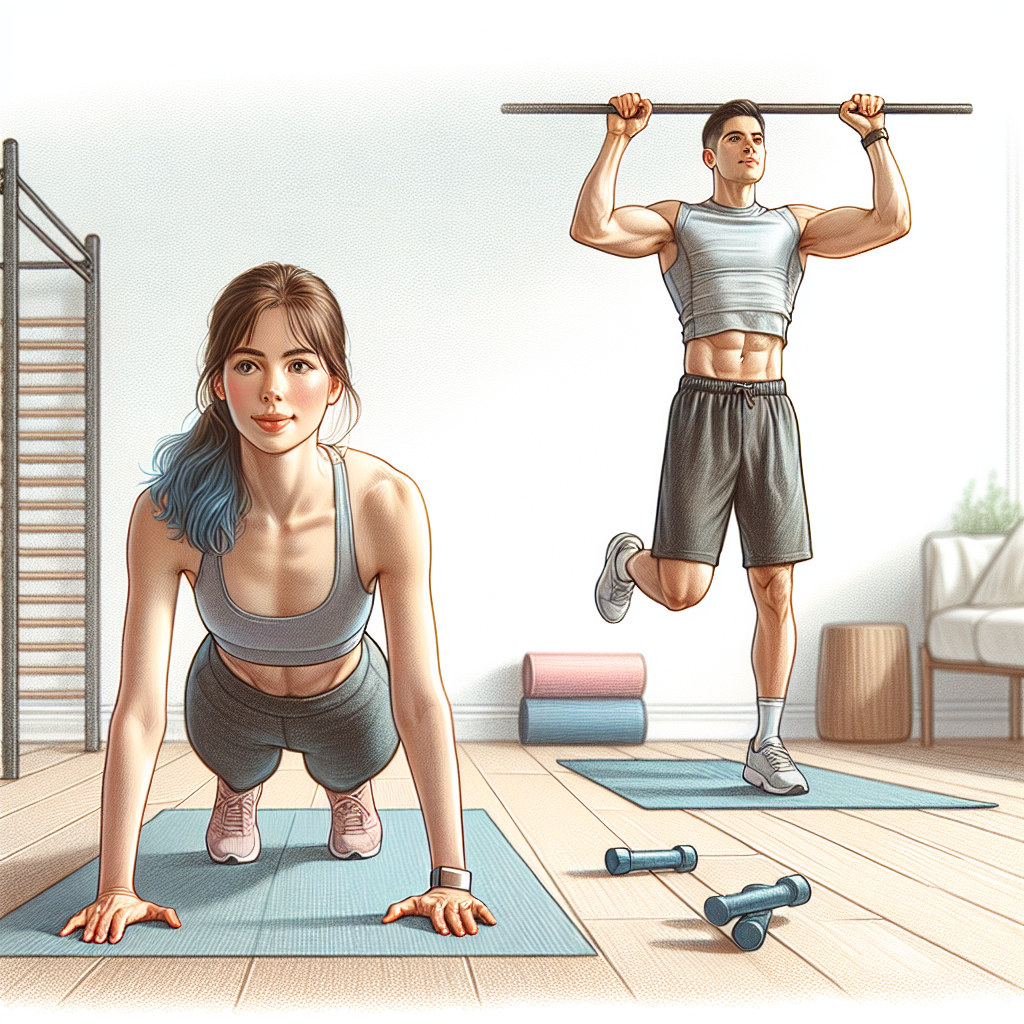
Calisthenics refers to a variety of exercises that utilize one’s body weight for resistance. This approach enables individuals to enhance muscle strength, endurance, flexibility, and coordination. Some of the most basic forms of calisthenics include push-ups, squats, and planks. One of the advantages of this exercise method is that it can be performed almost anywhere, making it an ideal choice for beginners who may feel intimidated by traditional gym environments.
Beginner-Friendly Calisthenics Exercises
As a beginner, it is crucial to start with fundamental exercises that focus on maintaining proper form. Here are a few that you can incorporate into your routine:
- Push-ups: Targets the chest, shoulders, and triceps. Begin with knee push-ups if you’re new to the exercise.
- Bodyweight Squats: Focuses on the quadriceps, hamstrings, and glutes. Ensure your knees do not extend past your toes.
- Planks: Strengthens the core. Aim to maintain a straight line from head to heels.
- Burpees: Combination of a squat, push-up, and jump. This full-body exercise increases cardiovascular fitness.
- Lunges: Works on balance and coordination while targeting the legs. Make sure to alternate legs for a balanced workout.
These exercises can be performed in sets of 10-15 repetitions to create a well-rounded workout. To stimulate results akin to a gym routine, consider incorporating a structured 30-day exercise program where you engage in just six minutes of effective exercises daily. You can register for this free program here: 30-Day Exercise Program.
Creating Your Workout Plan
A well-structured workout plan is essential for beginners to ensure a balanced approach to fitness and prevent injury. Consider the following steps:
- Define Your Goals: Determine whether you want to build strength, improve flexibility, or lose weight.
- Schedule Workouts: Aim for at least three days of calisthenics weekly, allowing a day of rest between sessions.
- Mix It Up: Incorporate different exercises each session to target various muscle groups and maintain engagement.
- Track Your Progress: Keep a journal or use apps to monitor your repetitions and improvements.
- Listen to Your Body: Rest as needed and do not push through pain.
When to Seek Professional Guidance
While calisthenics can be safely practiced at home, certain circumstances may warrant consultation with a fitness professional:
- If you experience persistent pain or discomfort during exercises.
- If you have existing health conditions that may affect your ability to exercise.
- If you feel uncertain about proper techniques for specific exercises.
- If you fail to see any progress despite consistent effort.
Common Myths and Misconceptions
There are several misconceptions surrounding calisthenics that can deter beginners:
- Myth: Calisthenics is only for the very fit. Fact: It can be adapted for all fitness levels, from complete novices to advanced athletes.
- Myth: You need a gym to build muscle. Fact: Bodyweight exercises are highly effective for muscle growth and toning.
- Myth: Doing the same exercises daily is beneficial. Fact: Muscles need variety and recovery to grow effectively.
- Myth: Calisthenics cannot provide cardiovascular benefits. Fact: Many bodyweight exercises, such as burpees and mountain climbers, provide excellent cardiovascular workouts.
FAQs
What is calisthenics?
Calisthenics is a form of exercise that uses body weight to build strength and endurance without the need for equipment.
How often should beginners practice calisthenics?
Beginners should aim for 3 to 4 sessions per week, with rest days in between for recovery.
Can I do calisthenics at home?
Yes, calisthenics is ideal for home workouts since they require no specialized equipment.
Will calisthenics help in weight loss?
Yes, when combined with a proper diet, calisthenics can aid in weight loss through calorie burning and muscle building.
Is calisthenics suitable for older adults?
Yes, calisthenics can be modified to suit older adults, focusing on low-impact exercises that build strength and balance.
How long will it take to see results?
Results can vary, but with consistent effort, many beginners may start seeing changes within a few weeks.
Conclusion
- Calisthenics is an effective form of exercise suitable for beginners.
- Bodyweight exercises can be performed anywhere, requiring no special equipment.
- A structured workout plan ensures balanced muscle development and injury prevention.
- Misinformation surrounding calisthenics can deter individuals from engaging in this beneficial practice.
- Professional guidance should be sought when facing persistent pain or uncertainty in exercise methods.
Engaging in calisthenics can be a fulfilling step toward improved health and fitness. Whether you’re just starting or seeking to enhance your current routine, consider integrating these techniques into your lifestyle while also exploring the 30-day exercise program for further motivation and guidance.
Author: John Angel