Categories
Fitness

Weightless Home Workouts: Effective Routines for Men

Men’s Home Workout Routine Without Weights

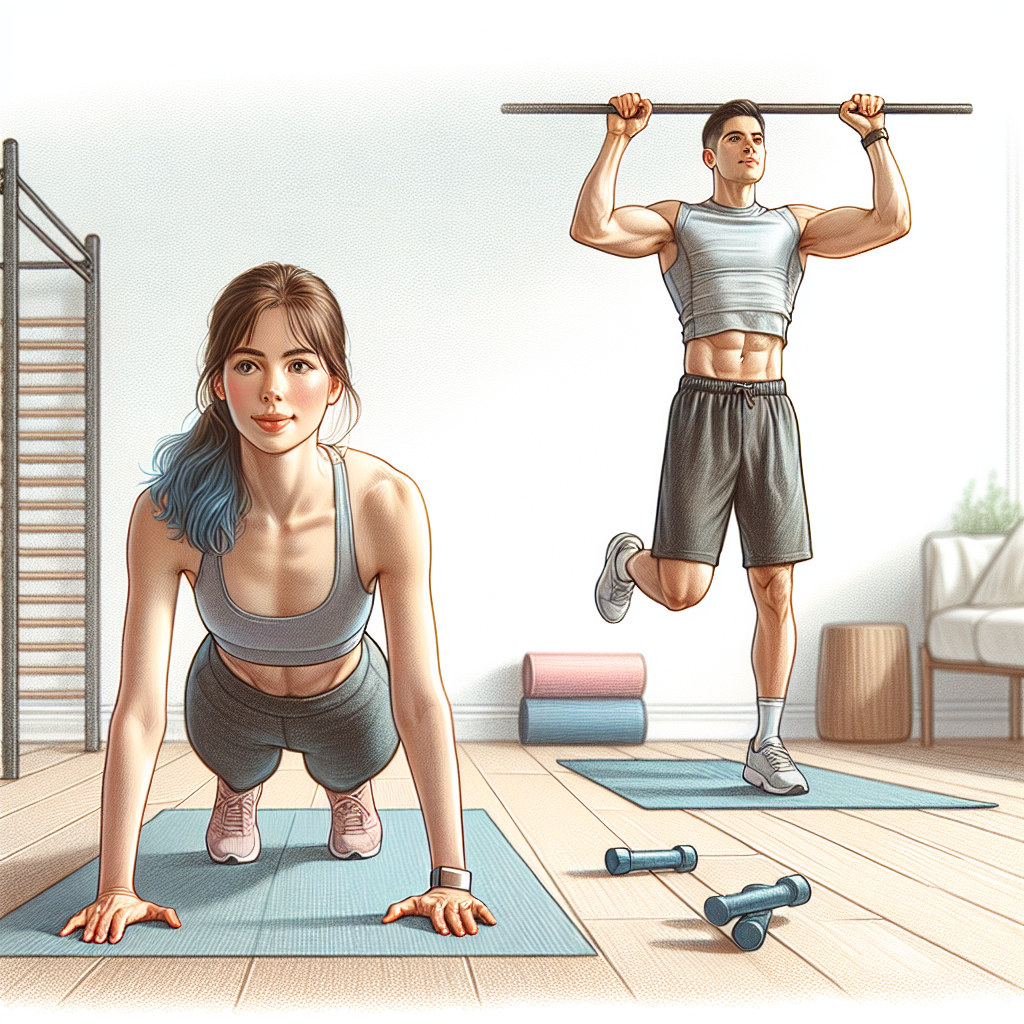
In modern times, maintaining physical fitness has become increasingly essential, yet not everyone has access to a gym or prefers to work out in one. This article provides an in-depth look at effective men’s home workout routines that require no weights, making it simple to achieve fitness goals. Through bodyweight exercises, individuals can enhance strength, improve endurance, and foster a sense of overall well-being—all within the comfort of their own home.

  • Introduction
  • Understanding Bodyweight Exercises
  • Sample Workout Routine
  • Benefits of Working Out at Home
  • When to Consult a Professional
  • Common Myths and Mistakes
  • Frequently Asked Questions
  • Conclusion

Understanding Bodyweight Exercises

Bodyweight exercises utilize one’s own weight as resistance, making them a highly effective means of building strength and improving fitness levels without the need for equipment. These exercises can target various muscle groups, from the core to the legs, and can easily be modified to suit different fitness levels.

Key Principles of Bodyweight Training

  • Progressive Overload: To continue seeing improvements, it is crucial to increase the challenges in your workouts periodically.
  • Form Over Quantity: Focus on performing each exercise with proper form to avoid injury and maximize effectiveness.
  • Consistency: Regular workouts, even if brief, lead to significant gains in overall fitness.

Sample Workout Routine

A comprehensive workout can be crafted from a variety of bodyweight exercises. Below is a sample routine that can be completed in a short amount of time, ideal for those with a busy schedule.

  1. Warm-Up (5 minutes): Engage in dynamic movements such as arm circles, leg swings, and torso twists to prepare the body for activity.
  2. Workout (20 minutes): Perform the following circuit 3 times:
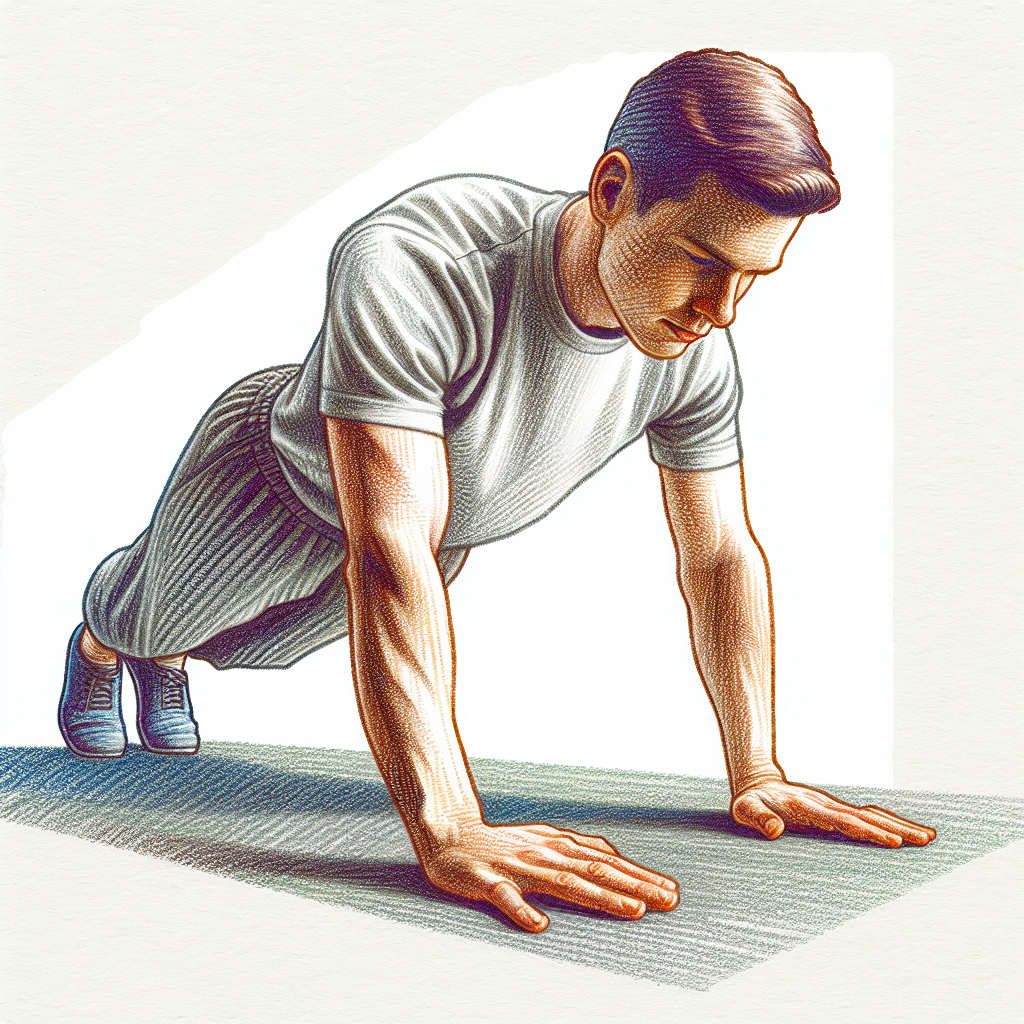
  • Push-Ups: 10-15 repetitions
  • Squats: 15-20 repetitions
  • Plank: Hold for 30 seconds
  • Lunges: 10-15 repetitions per leg
  • Burpees: 8-10 repetitions
  • Mountain Climbers: 30 seconds
  • Cool Down (5 minutes): Stretch major muscle groups and focus on breathing to promote recovery.
  • For those seeking an ultra-efficient workout, consider registering for a 30-day exercise program that requires only six minutes of your day but offers results comparable to traditional gym workouts.

    Benefits of Working Out at Home

    • Cost-Effective: No gym membership fees or travel costs are involved.
    • Flexible Schedule: Workout at your convenience without being limited by gym hours.
    • Comfortable Environment: Home workouts can be performed in a private setting, ideal for those who may feel self-conscious in gyms.
    • Variety: Numerous exercises can be done with just your body weight, keeping workouts fresh and engaging.

    When to Consult a Professional

    While home workouts can be incredibly beneficial, there are situations in which consulting a professional is advisable:

    • Persistent pain during or after exercise.
    • Uncertainty regarding proper exercise technique.
    • Any pre-existing health conditions that may interfere with physical activity.
    • Desiring a tailored workout plan based on specific fitness goals.

    Common Myths and Mistakes

    Misconceptions About Bodyweight Training

    Understanding the realities of bodyweight training can help maximize its effectiveness and encourage consistent participation.

    • Myth 1: Bodyweight exercises are only for beginners. Reality: They can be advanced and tailored to challenge experienced athletes.
    • Myth 2: You can’t build muscle without weights. Reality: Bodyweight exercises can lead to muscle hypertrophy when performed correctly and progressively.
    • Myth 3: More repetitions always lead to better results. Reality: Quality of movement is more crucial than quantity; proper form enhances results and reduces injury risk.
    • Myth 4: You need to spend hours working out to see results. Reality: Short, high-intensity workouts can be highly effective, especially when done consistently.

    Frequently Asked Questions

    1. Can I build muscle with only bodyweight exercises?

    Yes, bodyweight exercises can effectively promote muscle growth when performed with proper form and intensity.

    2. How often should I work out at home?

    Aim for at least three to four times a week to see optimal results.

    3. What are the best bodyweight exercises for beginners?

    Start with fundamental movements like push-ups, squats, and planks to build a solid foundation.

    4. How can I make bodyweight exercises more challenging?

    Incorporate variations, increase repetitions, or reduce rest times to enhance intensity.

    5. Is a warm-up necessary before a bodyweight workout?

    Yes, warming up prepares your muscles and joints, reducing the risk of injury.

    6. Can I lose weight with a bodyweight workout routine?

    Yes, when combined with a balanced diet, bodyweight exercises can contribute to weight loss.

    Conclusion

    • Bodyweight exercises are effective for building strength and improving fitness.
    • Home workouts offer flexibility and convenience for busy lifestyles.
    • Progressive overload and proper form are essential for optimal results.
    • Consult a professional if experiencing pain or uncertainty with exercises.
    • There are many misconceptions about bodyweight training that can be clarified for more effective routines.

    Explore the possibilities of at-home fitness, recognizing that you can achieve substantial results without weights. Consider registering for our 30-day exercise program, requiring only six minutes of exercise daily, for an efficient pathway to your fitness goals.

    Author: John Angel
    Related articles

    Categories
    Fitness

    Effective Full Body Workout Without Equipment

    In today’s fast-paced world, finding time to exercise can be daunting. However, a full-body workout can be achieved without the need for gym equipment, allowing you to fit fitness seamlessly into your daily routine. Such workouts not only improve strength and flexibility but also enhance mental well-being. This article outlines practical exercises and strategies to help you get started with a full-body workout using nothing but your own body weight.

    • Introduction to Full Body Workouts
    • The Benefits of Bodyweight Exercises
    • Effective Bodyweight Exercises
    • Creating Your Own Routine
    • When to Consult a Professional
    • Common Misconceptions
    • FAQ
    • Conclusion

    Introduction to Full Body Workouts

    Full-body workouts target multiple muscle groups simultaneously, making them efficient for those with limited time. Utilizing bodyweight exercises, these routines can be done nearly anywhere, require no financial investment, and can be tailored to fit individual fitness levels. Additionally, bodyweight training promotes core stability and enhances overall body coordination.

    The Benefits of Bodyweight Exercises

    Engaging in bodyweight exercises provides a range of benefits, including:

    • Accessibility: No special equipment is needed.
    • Versatility: Many exercises can be modified for various fitness levels.
    • Improved Balance and Coordination: These movements enhance functional fitness.
    • Increased Muscle Tone: Regular practice leads to enhanced muscle definition over time.
    • Mental Well-Being: Physical activity releases endorphins, improving mood and reducing anxiety.

    Effective Bodyweight Exercises

    Here are several effective bodyweight exercises that can be combined for a comprehensive workout:

    • Push-ups: Targets the chest, shoulders, and triceps. Can be modified with knee push-ups for beginners.
    • Squats: Strengthens the lower body, particularly the quadriceps, hamstrings, and glutes.
    • Burpees: A full-body exercise that combines a squat, push-up, and jump, improving cardiovascular health.
    • Planks: Enhances core strength and stability while engaging multiple upper and lower body muscles.
    • Lunges: Targets the legs and glutes while also improving balance.
    • Mountain Climbers: A dynamic exercise that provides a cardiovascular benefit while activating several muscle groups.

    Creating Your Own Routine

    To create a tailored workout routine, consider the following steps:

    1. Warm-Up: Begin with 5-10 minutes of dynamic stretching or light cardio, such as jumping jacks.
    2. Select Exercises: Choose 4-6 bodyweight exercises from the previous section.
    3. Structure Your Workout: Aim for 2-3 sets of 10-15 repetitions for each exercise, with brief rest periods.
    4. Cool Down: Conclude with static stretching to enhance flexibility and aid recovery.
    5. Consistency is Key: Aim to perform your routine 3-4 times a week, gradually increasing intensity and complexity.

    For those looking for a structured approach, consider registering for a 30-day exercise program that requires only 6 minutes of daily exercise, providing an efficient route to noticeable results.

    When to Consult a Professional

    While bodyweight workouts are generally safe for most individuals, certain situations warrant professional advice:

    • If you experience persistent pain or discomfort during exercises.
    • If you have pre-existing medical conditions or injuries affecting your ability to exercise.
    • If you are unsure about the proper form and technique for exercises.
    • If you encounter significant changes in your physical capabilities.
    • If you wish to develop a specialized program tailored to your unique goals.

    Common Misconceptions

    Several myths around bodyweight training may deter individuals from exploring its benefits:

    • It’s Only for Beginners: Bodyweight exercises can be highly challenging and are suitable for all fitness levels.
    • You Can’t Build Muscle: While weights are effective, bodyweight exercises can also promote muscle growth when performed correctly.
    • You Need a Gym Membership: Full-body workouts can be performed effectively in the comfort of your home.
    • More is Always Better: Quality of movement and proper form are more important than quantity; fewer, well-executed repetitions yield better results.

    FAQ

    Can I really get fit without equipment?

    Yes, bodyweight exercises can provide an effective workout that enhances strength, endurance, and flexibility.

    How often should I do bodyweight workouts?

    Aiming for 3-4 sessions per week is typically recommended for optimal results.

    What if I can’t do a full push-up?

    Start with knee push-ups or incline push-ups and gradually progress to full push-ups as you gain strength.

    Are bodyweight exercises safe for everyone?

    While most people can safely engage in bodyweight training, it’s essential to consult a professional if you have specific medical concerns.

    How long should a bodyweight workout session last?

    Typically, a bodyweight workout can be effective within 20-30 minutes, including warm-up and cool down.

    Can I combine bodyweight exercises with other forms of workouts?

    Absolutely! Bodyweight exercises can complement cardio or weight training to enhance overall fitness.

    Conclusion

    • Full-body workouts can be effectively performed without equipment.
    • Bodyweight exercises improve strength, flexibility, and mental well-being.
    • Creating a structured routine ensures consistency and effectiveness.
    • Consult a professional if you experience pain or have specific health concerns.
    • Bodyweight training is suitable for all fitness levels and can lead to impressive results.

    Ready to start your fitness journey? Explore the benefits of a structured program, like our free 30-day exercise program, and transform your routine today!

    Author: John Angel

    Related articles

    Categories
    Fitness

    Effective Leg Workouts at Home Without Weights

    Leg Workouts at Home Without Weights

    Embracing a fitness routine that focuses on leg workouts at home without weights can significantly enhance your lower body strength, improve balance, and boost overall physical performance. Such exercises are not only effective but also accessible to individuals of any fitness level. Additionally, dedicating just a few minutes each day can yield impressive results, akin to attending a gym. To help you embark on this journey, consider registering for a 30-day exercise program where you’ll only exercise for 6 minutes daily.

    • Importance of Leg Workouts
    • Effective Bodyweight Exercises
    • Creating a Routine
    • Addressing Common Myths
    • When to Consult a Professional
    • Frequently Asked Questions
    • Conclusion

    Importance of Leg Workouts

    The legs house some of the largest muscle groups in the body, including the quadriceps, hamstrings, and calves. Regularly engaging these muscles not only enhances strength but also contributes to overall stability and endurance. Strong legs facilitate better performance in various physical activities, from walking to running, and even in daily tasks. Moreover, robust leg muscles promote a healthy metabolism and can aid in weight management.

    Effective Bodyweight Exercises for the Legs

    There are numerous bodyweight exercises that can effectively target the leg muscles. Below are some highly effective exercises to incorporate into your routine:

    • Squats: Stand with feet shoulder-width apart, lower your hips back and down as if sitting in a chair, then return to standing.
    • Lunges: Step forward with one leg, bending both knees to about 90 degrees before pushing back to the starting position. Alternate legs.
    • Step-Ups: Using a sturdy surface, step up with one foot, bringing the other foot to meet it, and step back down. Alternate feet.
    • Wall Sits: Lean against a wall with your back, slide down until your thighs are parallel to the ground, and hold the position.
    • Calf Raises: Stand with feet shoulder-width apart and raise your heels off the ground, then lower back down.

    Creating a Routine

    To achieve optimal results from your leg workouts, consistency is key. Here’s how to structure an effective weekly routine:

    1. Start with a warm-up (5 minutes of light cardio or dynamic stretching).
    2. Incorporate 20-30 minutes of bodyweight leg exercises, alternating between different movements.
    3. Focus on form to ensure that you’re maximizing effectiveness while minimizing the risk of injury.
    4. End with a cool-down (5 minutes of static stretches focusing on the legs).
    5. Aim to work out at least three times a week, gradually increasing the intensity and duration as you become stronger.

    Addressing Common Myths

    Myths surrounding bodyweight training and leg workouts can sometimes undermine their effectiveness. Here are some common misconceptions:

    • Myth 1: Bodyweight exercises are only for beginners.
    • Myth 2: You need weights to see results.
    • Myth 3: Leg workouts should only focus on the quadriceps.
    • Myth 4: You cannot build muscle without a gym.

    In reality, bodyweight exercises are effective for practitioners of all levels and can build both strength and endurance without the need for equipment.

    When to Consult a Professional

    It is important to recognize when you may need professional guidance in your fitness journey. You should consider consulting a qualified fitness trainer or healthcare professional if you experience:

    • Persistent pain during or after exercising.
    • Injuries that do not improve with rest and care.
    • Significant discomfort while performing standard exercises.
    • Medical conditions that could affect your ability to exercise safely.

    Seeking guidance ensures you adopt the best practices for safe and effective training.

    Frequently Asked Questions

    How often should I perform leg workouts at home without weights?

    Aim for at least three times a week to maximize muscle engagement and recovery.

    Can bodyweight exercises help in building muscle mass?

    Yes, bodyweight exercises can effectively build muscle, especially when performed at high intensity and with proper progression.

    How do I stay motivated to complete my workouts?

    Set realistic goals, track your progress, and consider joining a fitness community for support and encouragement.

    Is it necessary to warm up before workouts?

    Yes, warming up prepares your body for exercise, reducing the risk of injury and improving performance.

    What should I do if I experience pain during an exercise?

    Stop the exercise immediately to assess the cause of the pain, and consult a professional if the discomfort persists.

    Are leg workouts sufficient for overall fitness?

    While leg workouts are essential, a balanced fitness routine should also include exercises targeting the upper body, core, and cardiovascular health.

    Conclusion

    • Understanding the importance of leg workouts for overall physical health.
    • Implementing effective bodyweight exercises into your routine.
    • Creating a structured workout schedule promotes consistency.
    • Separating fact from fiction concerning bodyweight training myths.
    • Recognizing when to seek professional help for injuries or pain.

    Incorporating leg workouts at home without weights can be both effective and rewarding. Start today with just a few minutes of focused exercise. Consider registering for the free 30-day exercise program to enhance your routine further. Every journey begins with a single step—take your first step towards better fitness today!

    Author: John Angel

    Related articles

    Categories
    Fitness

    Effective Home Bodyweight Workout Routine for All Levels

    In an era where busy schedules often hinder our commitment to fitness, a home bodyweight workout routine provides an excellent solution for maintaining physical health without the need for gym equipment or extensive time investment. These workouts utilize your body weight as resistance, allowing for a versatile and effective exercise regimen that can be performed in the comfort of your home. This article outlines a comprehensive bodyweight workout plan that accommodates various fitness levels, offers practical guidance, and encourages you to make exercise a consistent part of your daily routine.

    • Understanding Bodyweight Workouts
    • Benefits of Home Bodyweight Routines
    • Essential Principles for Effective Workouts
    • A Sample 6-Minute Bodyweight Workout
    • When to Seek Professional Guidance
    • Common Misconceptions about Bodyweight Training
    • Frequently Asked Questions
    • Conclusion

    Understanding Bodyweight Workouts

    Bodyweight workouts are exercises that utilize your own weight to improve strength, flexibility, and endurance. These routines leverage movements such as push-ups, squats, lunges, and planks, effectively engaging multiple muscle groups simultaneously. Because no equipment is necessary, bodyweight exercises are highly accessible and can be easily adapted to suit varied fitness levels, from beginners to advanced practitioners.

    Benefits of Home Bodyweight Routines

    Choosing to engage in a bodyweight workout at home offers several compelling advantages:

    • Convenience: You can exercise anytime without needing to travel to a gym.
    • Cost-Effective: No gym membership or equipment purchase is required.
    • Flexibility: Easily adjust the intensity and duration to fit your individual needs.
    • Total Body Engagement: These workouts allow engagement of multiple muscle groups simultaneously.
    • Improved Mobility: Many bodyweight exercises enhance balance and stability, crucial for day-to-day activities.

    Essential Principles for Effective Workouts

    To maximize the benefits of your home bodyweight workouts, consider the following principles:

    • Consistency: Aim to exercise regularly, ideally most days of the week.
    • Progression: Gradually increase the difficulty by altering the number of repetitions or sets, or by modifying the exercise itself.
    • Form: Proper technique is vital to prevent injuries and ensure maximum effectiveness.
    • Recovery: Allow adequate time for recovery between workouts to support muscle repair and growth.

    A Sample 6-Minute Bodyweight Workout

    This simple yet effective workout can be completed in just six minutes per day. You can register to access a comprehensive 30-day exercise program that delivers effective results with only six minutes of daily activity: 30-Day Free Program Registration.

    Here’s a suggested routine to follow:

    1. Jumping Jacks – 1 minute
    2. Push-Ups – 1 minute
    3. Bodyweight Squats – 1 minute
    4. Plank – 1 minute
    5. Mountain Climbers – 1 minute
    6. Burpees – 1 minute

    Feel free to modify any exercise to accommodate your fitness level. For instance, you can perform knee push-ups instead of full push-ups if needed.

    When to Seek Professional Guidance

    While home workouts can be highly beneficial, there are scenarios where professional guidance is advisable:

    • If you experience pain that persists beyond normal soreness.
    • To receive a tailored workout plan suited to your specific goals and physical condition.
    • For advice on proper form to prevent injuries.
    • If you are recovering from an injury and need assistance resuming exercise.

    Common Misconceptions about Bodyweight Training

    Despite the growing popularity of bodyweight exercises, several myths persist:

    • Myth 1: You cannot build significant muscle without weights. Truth: Bodyweight exercises can enhance muscle tone and strength effectively.
    • Myth 2: Bodyweight training is only for beginners. Truth: Many advanced variations of bodyweight exercises exist, suitable for all fitness levels.
    • Myth 3: Home workouts aren’t intense enough. Truth: With careful planning, bodyweight workouts can be just as challenging as those performed in a gym.

    Frequently Asked Questions

    How often should I perform bodyweight workouts?

    Aim for at least 3-5 times a week to experience significant benefits.

    Can bodyweight workouts help with weight loss?

    Yes, when combined with a balanced diet, bodyweight workouts can aid in weight loss by burning calories and building muscle.

    Do I need any equipment for bodyweight workouts?

    No, bodyweight workouts utilize your own body as resistance, eliminating the need for equipment.

    Are bodyweight workouts safe for everyone?

    Generally, yes, but individuals with specific medical conditions should consult a professional before starting any new exercise program.

    Can I do bodyweight exercises if I’m a beginner?

    Absolutely! Bodyweight exercises can be easily tailored for beginners by reducing the number of repetitions or opting for modified movements.

    How can I increase the intensity of bodyweight workouts?

    Increased repetitions, reduced rest time, or incorporating advanced variations can help elevate workout intensity.

    Conclusion

    • Bodyweight workouts are convenient and accessible for all fitness levels.
    • These workouts provide numerous health benefits, including improved strength, balance, and endurance.
    • By maintaining consistent practice, significant results are achievable even with short daily routines.
    • It’s vital to focus on proper form and listen to your body to prevent injuries.
    • For personalized guidance or specific conditions, consult with qualified professionals.

    To embark on a transformative fitness journey with just six minutes of exercise each day, consider registering for the 30-day exercise program here. Your commitment to health begins today!

    Author: John Angel

    Related articles

    Categories
    Fitness

    Effective Workouts You Can Do Without Equipment

    Finding the time and resources to stay fit can often be a challenge, especially in today’s fast-paced world. However, effective workouts do not have to rely on expensive equipment or a visit to the gym. This article explores various workouts that can be done without any equipment, allowing for flexibility, accessibility, and convenience. These exercises can provide substantial physical benefits while fitting seamlessly into a busy lifestyle.

    • Introduction
    • Benefits of No-Equipment Workouts
    • Key Exercises to Include
    • Creating a Workout Routine
    • Consulting a Professional
    • Common Misconceptions
    • FAQs
    • Conclusion

    Benefits of No-Equipment Workouts

    Exercising without equipment offers several advantages:

    • Accessibility: No need for a gym membership or specialized equipment makes it easier to work out anywhere.
    • Time Efficiency: Short, effective workouts can be easily incorporated into a daily routine.
    • Cost-Effectiveness: Save money by eliminating gym fees or the cost of purchasing equipment.
    • Body Awareness: Encourage better understanding of body mechanics and strength.
    • Adaptability: Exercises can be modified to suit individual fitness levels and goals.

    Key Exercises to Include

    When considering a no-equipment workout, incorporating a variety of exercises can enhance strength, endurance, flexibility, and overall fitness. Here are some key movements to incorporate:

    Bodyweight Squats

    Targeting the lower body, squats strengthen the quadriceps, hamstrings, and glutes. Aim for three sets of 10-15 repetitions.

    Push-Ups

    A classic upper-body exercise that also engages the core. Start with a set of 8-12 repetitions, modifying as necessary.

    Planks

    Excellent for core stability, holding a plank for 20-60 seconds can significantly strengthen abdominal muscles.

    Burpees

    This full-body exercise combines squats, push-ups, and jumps, making it a fantastic cardiovascular and strength workout.

    Lunges

    A great way to enhance balance and strength in the legs, lunges can be performed in sets of 10-12 repetitions on each leg.

    Mountain Climbers

    This dynamic exercise boosts heart rate while working the core. Aim for 30 seconds at a fast pace.

    Creating a Workout Routine

    Designing a routine that fits your lifestyle and fitness level is essential. Here’s a simple guideline to help you structure your workouts:

    1. Choose 4-5 key exercises from the list provided.
    2. Warm up with light stretching or jogging in place for 5 minutes.
    3. Perform each exercise for the recommended repetitions or time.
    4. Rest for 30-60 seconds between exercises.
    5. Cool down with stretching to enhance flexibility and recovery.

    For those seeking a structured program, consider signing up for a free 30-day exercise program that focuses on just six minutes of exercise per day. This innovative approach delivers results akin to conventional gym workouts: 30-Day Exercise Program Registration.

    When to Seek Professional Help

    While many can safely engage in no-equipment workouts, certain situations warrant consulting with a qualified professional:

    • If you have pre-existing medical conditions or concerns about physical activity.
    • If you experience pain or discomfort during exercise that does not subside with rest.
    • When considering starting a new exercise program after a prolonged period of inactivity.
    • If you are uncertain about proper body mechanics or exercise techniques.

    Common Misconceptions About No-Equipment Workouts

    Despite their numerous benefits, there are common myths associated with workouts that do not require equipment:

    • Myth 1: No-equipment workouts are not effective. Truth: Bodyweight exercises can promote significant strength gains.
    • Myth 2: Only gym workouts can build muscle. Truth: Consistent bodyweight training can lead to muscle development.
    • Myth 3: These workouts are too easy. Truth: They can be adapted to be quite challenging depending on the intensity.
    • Myth 4: You need to workout for hours to see results. Truth: Short, focused sessions can yield substantial benefits.
    • Myth 5: No equipment means limited variety. Truth: There are countless exercises and variations to keep things interesting.

    FAQs

    1. Can I build muscle without weights?

    Yes, bodyweight exercises can effectively build muscle by providing resistance through your own body weight.

    2. How often should I do no-equipment workouts?

    It is generally recommended to engage in workouts 3-4 times per week for optimal results.

    3. Are no-equipment workouts suitable for beginners?

    Absolutely! Many bodyweight exercises can be modified to suit all fitness levels.

    4. What if I get bored with my routine?

    Incorporate different exercises, change the order, or increase intensity to keep your workouts fresh and engaging.

    5. Can I do these workouts outdoors?

    Yes, no-equipment workouts are very versatile and can be performed indoors or outdoors.

    6. Do I need to warm up before these workouts?

    Yes, warming up is essential to prepare your body and prevent injuries during workouts.

    Conclusion

    • No-equipment workouts provide flexibility and convenience.
    • Incorporating a variety of bodyweight exercises enhances overall fitness.
    • Designing a structured routine can maximize the benefits.
    • Consult a professional when experiencing pain or uncertainty about exercise.
    • Dispelling myths can empower individuals to embrace no-equipment training.

    Consider taking the first step towards an active lifestyle without relying on equipment or a gym. Explore the free 30-day program that allows you to work out for just six minutes a day, achieving impressive results: 30-Day Exercise Program Registration.

    Author: John Angel

    Related articles

    Categories
    Fitness

    Beginner No-Equipment Workout Routine for Home Fitness

    Introduction

    For many beginners, engaging in a workout routine can feel daunting, especially when it involves equipment or gym memberships. However, a no-equipment workout program allows individuals to exercise effectively in the comfort of their own homes without the barriers of costly equipment. This article explores a structured no-equipment workout routine specifically designed for beginners, emphasizing its accessibility and effectiveness while also highlighting a convenient 30-day exercise program you can join. This program promises results comparable to those achieved in a gym, all in just six minutes daily.

    • Understanding No-Equipment Workouts
    • Creating a Beginner-Friendly Routine
    • Essential No-Equipment Exercises
    • Practical Steps for Starting a Routine
    • When to Consult a Professional
    • Common Misconceptions About Exercise
    • FAQs
    • Conclusion

    Understanding No-Equipment Workouts

    No-equipment workouts leverage the body’s weight as resistance, enabling muscle engagement and cardiovascular conditioning without specialized gear. These exercises often utilize movements like push-ups, squats, and lunges that can be performed anywhere, making them highly versatile. The primary advantage is simple: individuals can initiate and maintain their fitness journey without the intimidation of gym environments or the financial commitment of fitness equipment.

    Creating a Beginner-Friendly Routine

    A well-structured workout routine is vital for beginners to achieve and sustain progress. Emphasizing gradual improvement over high intensity prevents burnout and reduces the risk of injury. Here’s a template that can be adapted over time:

    • Frequency: Aim for 3-5 days per week
    • Duration: Keep sessions around 15-30 minutes in the beginning
    • Warm-up: Start with 5 minutes of light stretching or dynamic movements
    • Main Workout: Incorporate various no-equipment exercises
    • Cool Down: Finish with stretching to improve flexibility

    Essential No-Equipment Exercises

    To create an effective no-equipment workout routine, incorporating a blend of strength, endurance, and flexibility exercises is essential. Here is a list of fundamental exercises:

    • Push-ups: Targets the chest, shoulders, and triceps.
    • Squats: Engages the quads, hamstrings, and glutes.
    • Lunges: Works various leg muscles while improving stability.
    • Plank: Strengthens the core, back, and shoulders.
    • Burpees: Enhances cardiovascular fitness and full-body strength.
    • Mountain Climbers: Provides a cardio workout while engaging the core.

    Practical Steps for Starting a Routine

    Implementing a no-equipment workout routine requires consistency and motivation. Here’s how to get started:

    1. Set Clear Goals: Define what you aim to achieve (e.g., weight loss, improved strength).
    2. Create a Schedule: Allocate specific times during the week dedicated to workouts.
    3. Start Gradually: Begin with a manageable number of repetitions and sets, gradually increasing as your fitness improves.
    4. Stay Hydrated: Drinking water before, during, and after workouts is essential for performance.
    5. Track Your Progress: Use a journal or app to monitor improvements in strength and endurance.
    6. Join a Program: Consider a structured program like this free 30-day exercise program that requires only six minutes of commitment each day, offering efficiency and results akin to gym workouts.

    When to Consult a Professional

    While many individuals can benefit from no-equipment workouts, certain circumstances may warrant professional guidance.

    • If experiencing persistent pain or discomfort during exercise
    • If there are pre-existing health conditions that could be affected by physical activity
    • If there is uncertainty about proper exercise form or technique
    • When seeking tailored advice for specific fitness goals or injuries

    Common Misconceptions About Exercise

    Several myths can discourage individuals from committing to a workout routine. Addressing these misconceptions fosters a more informed approach to fitness.

    • Myth 1: No pain, no gain. Many assume intense pain signifies effective workouts, but discomfort should not be confused with pain.
    • Myth 2: You need a gym to see results. No-equipment workouts can be equally effective in achieving fitness goals.
    • Myth 3: Cardio is the only way to lose weight. Strength training plays a crucial role in building muscle and increasing metabolism.
    • Myth 4: You should work out every day. Rest and recovery are essential for optimal performance and injury prevention.
    • Myth 5: Exercise is only beneficial for physical health. Regular activity also promotes mental and emotional well-being.

    FAQs

    What are no-equipment workouts?

    No-equipment workouts utilize bodyweight exercises to improve strength and cardiovascular fitness without requiring gym equipment.

    How long should I exercise as a beginner?

    Beginners can start with 15-30 minutes of exercise, 3-5 times a week, gradually increasing as fitness improves.

    Can I see results without a gym?

    Yes, consistent no-equipment workouts can yield significant fitness improvements.

    How do I prevent injury during workouts?

    Ensuring proper technique, warming up, and allowing adequate recovery time are key to preventing injury.

    Should I consult a professional before starting an exercise routine?

    If you have pre-existing health issues or are unsure about exercise regimens, consulting a fitness professional is advisable.

    Is it really possible to get fit in just six minutes a day?

    Absolutely! Programs like the 30-day exercise program can deliver effective workouts in a short duration.

    Conclusion

    • No-equipment workouts offer an effective solution for beginners to initiate their fitness journey.
    • Consistency is key; establish a routine that aligns with your lifestyle.
    • Start slowly, focusing on form and gradually increasing intensity.
    • Consult a professional when needed to ensure safety and effectiveness.
    • Explore structured programs to maximize results and maintain motivation.

    In summary, embarking on a fitness journey need not be complicated or equipment-intensive. Take the first step today by exploring a no-equipment workout routine, or check out the 30-day exercise program that requires just six minutes of your day and promises substantial results.

    Author: John Angel

    Related articles

    Categories
    Fitness

    Effective Daily Bodyweight Workouts: No Equipment Needed

    In today’s fast-paced world, maintaining a consistent workout routine can be challenging, especially when access to equipment or a gym facility is limited. However, effective daily workouts without equipment can yield impressive results in a short amount of time. Engaging in strength training, cardiovascular exercises, and flexibility work using your body weight not only enhances physical health but also improves mental well-being. This article highlights efficient strategies for achieving a comprehensive daily workout without the need for equipment and introduces a unique 30-day program focused on just six minutes of daily exercise.

    • Understanding Bodyweight Exercises
    • Designing Your Daily Routine
    • Specific Workouts to Consider
    • The Science Behind Short Workouts
    • When to Seek Professional Advice
    • Common Myths and Misconceptions
    • Frequently Asked Questions
    • Conclusion: Embracing a New Workout Ethos

    Understanding Bodyweight Exercises

    Bodyweight exercises utilize your own weight to provide resistance, targeting various muscle groups and enhancing functional strength. They have the following advantages:

    • Accessibility: No equipment or gym membership is required.
    • Versatility: Exercises can be performed anywhere—home, park, or during travel.
    • Adaptability: Suitable for all fitness levels and easily modified for progression.

    Designing Your Daily Routine

    An effective daily workout requires a balance of different exercise modalities, including strength training, cardiovascular conditioning, and flexibility. Here’s a basic structure to follow:

    1. Warm-up: Begin with 2-3 minutes of light cardio (e.g., jumping jacks or jogging in place).
    2. Strength Training: Incorporate 2-3 bodyweight exercises focusing on major muscle groups.
    3. Cardiovascular Burst: Follow with 1-2 minutes of high-intensity exercise (e.g., burpees or mountain climbers).
    4. Cool Down: Conclude with stretching for flexibility and recovery.

    Specific Workouts to Consider

    Here are some recommended exercises for your daily routine:

    Strength Exercises

    • Push-Ups: Targets the chest, shoulders, and triceps.
    • Squats: Works the legs and glutes.
    • Planks: Engages the core for stability and strength.

    Cardiovascular Exercises

    • Burpees: Full-body exercise that elevates heart rate.
    • Jumping Jacks: Classic cardio move to keep you agile.
    • High Knees: Effective for aerobic and anaerobic conditioning.

    The Science Behind Short Workouts

    Short, high-intensity workouts can stimulate muscle growth and fat loss, primarily through enhanced metabolic responses. As demonstrated in research, engaging in intense exercise for brief periods can yield similar, if not better, results than longer sessions. A unique approach worth considering is a 30-day program that requires only six minutes of exercise each day, designed to substitute a traditional gym routine effectively. You can register for this program here.

    When to Seek Professional Advice

    While bodyweight exercises can be safe and effective for most individuals, consulting a healthcare or fitness professional is advisable under certain conditions:

    • If you have pre-existing health conditions or injuries.
    • If you experience pain or discomfort during exercises.
    • If you are unsure about starting an exercise regime.

    Common Myths and Misconceptions

    Despite the benefits of bodyweight workouts, several misconceptions persist:

    • Myth 1: You cannot build muscle without weights. This is untrue; bodyweight exercises can be highly effective for muscle growth.
    • Myth 2: Short workouts are ineffective. High-intensity, short workouts can produce significant results within limited timeframes.
    • Myth 3: Bodyweight training is only for beginners. Advanced variations of exercises exist, catering to different fitness levels.

    Frequently Asked Questions

    What are the benefits of bodyweight training?

    Bodyweight training is accessible, versatile, and can be tailored to various fitness levels while improving strength, endurance, and flexibility.

    How can I ensure my form is correct while exercising?

    Utilize resources like tutorial videos or fitness apps that demonstrate proper techniques, and consider working with a professional if possible.

    How often should I do bodyweight workouts?

    Aim for at least 3-5 times a week for optimal results, allowing your body to rest and recover as needed.

    Can I lose weight with bodyweight exercises?

    Yes, when combined with a balanced diet, bodyweight exercises can be effective for weight loss due to their ability to elevate your metabolic rate.

    Are bodyweight workouts suitable for all age groups?

    Yes, bodyweight workouts can be adjusted to accommodate individuals of various ages and fitness levels, making them widely applicable.

    How do I stay motivated to maintain a daily workout routine?

    Set realistic goals, track your progress, and keep your workouts varied and enjoyable to maintain motivation.

    Conclusion: Embracing a New Workout Ethos

    • Bodyweight workouts provide effective training without needing equipment.
    • Short daily routines can fit into even the busiest schedules.
    • A variety of exercises targets different muscle groups and improves overall fitness.
    • Consult professionals if uncertain about your exercise approach.
    • Stay informed about myths and misconceptions to enhance your understanding.

    Now is the time to embrace the benefits of bodyweight exercises and incorporate them into your daily routine. Whether it’s a brief six-minute workout or an expanded session, taking the first step is essential. For those interested in a structured program, consider registering for a 30-day plan that requires only six minutes of daily effort—you can register here.

    Author: John Angel

    Related articles

    Categories
    Fitness

    No Equipment Beginner Workout Plan for Home Fitness

    Beginner Workout Plan: No Equipment Required

    Embarking on a fitness journey can seem daunting, particularly for beginners. However, a structured workout plan that requires no equipment might be the perfect solution. This article will provide you with an effective beginner workout plan that can be done at home, requiring only your body weight. This approach not only saves time and money but also allows you to build a foundation for a healthy lifestyle. Additionally, check out this free 30-day exercise program, where just 6 minutes of daily exercise can yield impressive results.

    • Understanding the Basics of Bodyweight Training
    • The Importance of a Consistent Routine
    • Beginner Workout Plan Overview
    • Concrete Steps for Implementation
    • When to Consult a Professional
    • Common Misconceptions about Working Out
    • Frequently Asked Questions
    • Conclusion: Key Takeaways

    Understanding the Basics of Bodyweight Training

    Bodyweight training is a form of strength training that uses the weight of your own body to provide resistance. This method is particularly beneficial for beginners as it helps in developing strength, balance, and flexibility without the need for complex equipment. Exercises can include push-ups, squats, lunges, and planks, which target multiple muscle groups and can be performed anywhere.

    The Importance of a Consistent Routine

    Establishing a consistent workout routine is paramount in achieving any fitness goal. For beginners, the focus should be on creating a schedule that fits into your lifestyle. One effective way to ensure consistency is to set aside a specific time each day for exercise. This habit formation paves the way for long-term success and makes it easier to progress in your fitness journey.

    Beginner Workout Plan Overview

    This beginner workout plan consists of a variety of bodyweight exercises that you can perform without any equipment. The plan is structured to target all major muscle groups and can be completed in roughly 20-30 minutes per session, three times a week. Below is an overview of the workout plan:

    • Warm-Up (5 minutes)
    • Main Workout (15-20 minutes)
      • Push-Ups
      • Bodyweight Squats
      • Lunges
      • Planks
      • Burpees
    • Cool Down (5 minutes)

    Concrete Steps for Implementation

    To effectively put this workout plan into action, follow these detailed steps:

    1. Warm-Up: Spend 5 minutes doing light cardio such as jumping jacks or high knees to elevate your heart rate.
    2. Main Workout: Perform 2-3 sets of each exercise listed below. Start with 8-12 repetitions for strength exercises and hold each plank for 20-30 seconds. Rest for 30-60 seconds between sets.
    • Push-Ups: Targets the chest, shoulders, and triceps.
    • Bodyweight Squats: Engages the quadriceps, hamstrings, and glutes.
    • Lunges: Works on balance and strength in the legs.
    • Planks: Core stabilization exercise.
    • Burpees: A full-body exercise that also provides cardiovascular benefits.
  • Cool Down: Spend 5 minutes stretching to improve flexibility and help muscles recover.
  • When to Consult a Professional

    If you experience any unusual pain or discomfort during exercise, or if you have existing health conditions or concerns, it is advisable to consult a qualified healthcare professional before commencing any workout routine. Signs such as persistent joint pain, excessive fatigue, or shortness of breath should be taken seriously, and professional advice should be sought.

    Common Misconceptions about Working Out

    Many beginners fall prey to common myths that may hinder their fitness journey. Here are a few misconceptions to be aware of:

    • Myth 1: You need to spend hours in the gym to see results.
      Reality: Short, effective workouts can yield significant results, especially when performed consistently.
    • Myth 2: Bodyweight exercises are only for beginners.
      Reality: Bodyweight exercises can be modified for varying fitness levels, making them effective for all.
    • Myth 3: You cannot build muscle without weights.
      Reality: Resistance from your body weight can stimulate muscle gains if practiced consistently.

    Frequently Asked Questions

    What if I can’t complete all the repetitions at first?

    It’s perfectly normal. Start with fewer repetitions and gradually increase as your fitness level improves.

    How often should I perform these workouts?

    For beginners, aim for three sessions per week, allowing at least one rest day in between.

    Is warming up really necessary?

    Yes, warming up is crucial to prepare your muscles and reduce the risk of injury.

    Can I substitute any exercises for ones I find difficult?

    Absolutely. There are many variations of each exercise; find those that match your current fitness level.

    What should I do if I feel tired during the workout?

    Listen to your body. Take a break, and don’t hesitate to reduce the intensity if necessary.

    Can I combine this plan with other forms of exercise?

    Yes, feel free to incorporate other activities you enjoy, such as walking, cycling, or yoga, to enhance your overall fitness.

    Conclusion: Key Takeaways

    • Bodyweight training is an effective and accessible way to get fit.
    • Consistency is essential for long-term success in any fitness journey.
    • The provided beginner workout plan can be adjusted to suit your individual needs.
    • Consult a professional if you experience pain or have health concerns.
    • Debunking common workout myths enhances your understanding and motivation.

    As you embark on this fitness journey, remember that every step counts. Progress may be gradual, but with commitment, you can achieve your goals. To make exercise a permanent part of your life, consider joining a structured program like the 30-day free exercise program that promises results in just 6 minutes a day.

    Author: John Angel

    Related articles

    Categories
    Fitness

    Effective Full Body Workout Without Equipment

    In today’s fast-paced world, finding time to exercise can be a challenge. However, engaging in a full body workout without any equipment allows individuals to achieve optimal fitness efficiently and effectively. Such workouts offer the convenience of being performed anywhere, making them accessible for everyone, regardless of fitness level. This article will guide you through a comprehensive routine that can be executed in a matter of minutes and deliver significant results.

    • Understanding Full Body Workouts
    • Benefits of No-Equipment Workouts
    • Creating Your Own Full Body Routine
    • Practical Steps to Get Started
    • When to Consult a Professional
    • Common Myths About Equipment-Free Workouts
    • FAQ
    • Conclusion

    Understanding Full Body Workouts

    A full body workout targets all major muscle groups in a single session, ensuring a balanced approach to physical fitness. These workouts often include exercises that engage multiple joints and muscles simultaneously, increasing efficiency. For those with limited time, full body routines are ideal since they maximize workout benefits in a condensed timeframe.

    Benefits of No-Equipment Workouts

    Engaging in workouts without equipment provides numerous advantages:

    • Accessibility: No gym membership or equipment purchase is necessary, making it easier to begin exercising.
    • Flexibility: Workouts can be done at home, outdoors, or in any space available, fitting into your schedule seamlessly.
    • Cost-effective: Eliminating the need for equipment reduces financial barriers to fitness.
    • Improved Functional Strength: Many bodyweight exercises enhance real-world movements, improving overall functionality.
    • Engagement of Stabilizing Muscles: Bodyweight exercises require the engagement of stabilizing muscles, boosting core strength.

    Creating Your Own Full Body Routine

    To formulate a workout that suits your needs, consider the following components:

    • Warm-up: Start with 5-10 minutes of light cardio, such as jogging in place or jumping jacks.
    • Core Exercises: Incorporate planks and crunches to strengthen the core.
    • Upper Body Strength: Perform push-ups, tricep dips, and shoulder taps.
    • Lower Body Strength: Include squats, lunges, and glute bridges.
    • Cool Down: End with a 5-10 minutes stretch to enhance flexibility and recovery.

    Practical Steps to Get Started

    To ensure you get the most out of your at-home workouts, follow these practical steps:

    1. Choose a time of day that works best for you and stick to a routine.
    2. Plan out a week’s worth of workouts in advance, ensuring you vary exercises to avoid monotony.
    3. Use a mat or towel for comfort during exercises performed on the ground.
    4. Incorporate high-intensity intervals for added challenge and effectiveness.
    5. Consider joining a 30-day exercise program for structured guidance. Register here for a free program that requires only 6 minutes of daily exercise.

    When to Consult a Professional

    While bodyweight workouts are largely safe, certain conditions may warrant professional advice:

    • If you have pre-existing health conditions, such as heart disease or diabetes.
    • When experiencing pain that persists beyond normal muscle soreness.
    • If you’ve undergone recent surgery or have joint issues.
    • If you are new to exercise or uncertain about proper form and techniques.

    Common Myths About Equipment-Free Workouts

    Several misconceptions regarding no-equipment workouts persist, which can deter individuals from trying them:

    • Myth 1: Bodyweight exercises are not challenging enough.
    • Myth 2: Without weights, you cannot build muscle. (In fact, proper technique and progression can yield significant muscle gains.)
    • Myth 3: You can’t achieve a full workout without equipment.
    • Myth 4: Bodyweight workouts are not effective for weight loss.

    FAQ

    What is a full body workout without equipment?

    A full body workout without equipment engages all major muscle groups using only body weight, typically including exercises like squats, push-ups, and lunges.

    How often should I do a full body workout?

    It is generally recommended to perform full body workouts 2-3 times per week, allowing for rest days in between.

    Can bodyweight exercises help with weight loss?

    Yes, when combined with a balanced diet, bodyweight exercises can effectively contribute to weight loss by boosting your metabolism and burning calories.

    What are the best exercises for beginners?

    Great beginner exercises include squats, push-ups (modified as needed), lunges, and planks. Start with a focus on form and technique.

    How long should a bodyweight workout last?

    A bodyweight workout can be effective in as little as 20-30 minutes, depending on the intensity and structure of the sessions.

    Are no-equipment workouts effective?

    Yes, no-equipment workouts can be incredibly effective for building strength, endurance, and flexibility, especially when performed consistently.

    Conclusion

    • Full body workouts without equipment provide a convenient, accessible way to achieve fitness goals.
    • Effective bodyweight exercises target all major muscle groups efficiently.
    • Creating a personalized routine can enhance motivation and success.
    • Understanding when to seek professional advice is crucial for safety and effectiveness.
    • Dispelling common myths encourages more people to embrace bodyweight training.

    Consider starting your journey with structured guidance by registering for the 30-day exercise program, requiring only 6 minutes of your day. Take the first step toward achieving your fitness goals today!

    Author: John Angel

    Related articles

    Categories
    Fitness

    Effective At-Home No-Weight Workout Guide

    In today’s fast-paced world, finding time to exercise can be a challenge, particularly for those who prefer the convenience of staying at home. Fortunately, effective workouts can be conducted without the need for weights or extensive equipment. This article aims to guide you through an efficient and easy-to-follow at-home no-weight workout regimen that promises to yield substantial results in a short amount of time. With only six minutes of daily exercise, you can achieve results comparable to those from traditional gym sessions. Plus, you can join a free 30-day exercise program that requires minimal time commitment by registering here.

    • Understanding No-Weight Workouts
    • Benefits of No-Weight Training
    • Examples of Effective No-Weight Exercises
    • Crafting a Six-Minute Routine
    • When to Consult a Professional
    • Common Myths and Misconceptions
    • FAQs
    • Conclusion

    Understanding No-Weight Workouts

    No-weight workouts focus on using your body weight for resistance training. They are often seen as an accessible and flexible way to enhance physical fitness—requiring no gym membership, specialized knowledge, or extensive equipment. Bodyweight exercises such as push-ups, squats, and planks utilize different muscle groups, delivering full-body workouts that improve strength and endurance.

    Benefits of No-Weight Training

    Engaging in no-weight workouts presents numerous advantages:

    • Convenience: You can perform these exercises anywhere, anytime.
    • Cost-Effective: There is no need to invest in expensive equipment or gym memberships.
    • Flexible Scheduling: Short duration allows for quick workouts that fit into busy lifestyles.
    • Improved Functional Strength: Enhances strength for everyday activities through compound movements.
    • Adaptability: Exercises can easily be modified to match your fitness level.

    Examples of Effective No-Weight Exercises

    Incorporating various bodyweight exercises can engage multiple muscle groups for comprehensive strength development. Here’s a selection of effective moves:

    • Push-Ups: Target the chest, shoulders, and triceps.
    • Squats: Engage the quadriceps, hamstrings, and glutes.
    • Planks: Strengthen the core and improve stability.
    • Lunges: Work the legs and improve balance.
    • Burpees: Combine strength and cardiovascular fitness.

    Crafting a Six-Minute Routine

    Creating a quick yet effective six-minute workout requires careful planning. Here’s a recommended routine that can be performed without any equipment:

    1. Warm-Up (1 minute): Start with light jogging in place or jumping jacks.
    2. Push-Ups (1 minute): Perform as many as you can while maintaining good form.
    3. Squats (1 minute): Focus on depth and proper execution.
    4. Planks (1 minute): Hold a steady plank position for maximum endurance.
    5. Burpees (1 minute): Aim for controlled speed and overall body engagement.
    6. Cool Down (1 minute): Stretch and relax your muscles with gentle movements.

    When to Consult a Professional

    While engaging in no-weight workouts is generally safe, there are instances where consulting a healthcare professional is advisable. Seek professional guidance if you experience any of the following:

    • Persistent pain during or after exercising.
    • Signs of injury such as swelling or excessive fatigue.
    • Health concerns that may affect your ability to exercise safely.
    • Uncertainty about your workout techniques or form.
    • Existing medical conditions that require tailored advice.

    Common Myths and Misconceptions

    Despite the effectiveness of no-weight workouts, various myths persist. Understanding these misconceptions can enhance your fitness journey:

    • Myth: No-weight workouts are not as effective as weight training.
    • Myth: Bodyweight exercises only build endurance, not strength.
    • Myth: You cannot progress with bodyweight training.
    • Myth: Only high repetitions lead to results.
    • Myth: No-weight workouts are unsuitable for building muscle.

    FAQs

    Can I lose weight with no-weight workouts?

    Yes, incorporating bodyweight exercises into your routine can support weight loss, especially when combined with a balanced diet.

    How often should I perform no-weight workouts?

    Three to five times a week is recommended for optimal benefits, depending on your fitness level and goals.

    Are no-weight workouts suitable for beginners?

    Absolutely! No-weight workouts can be easily modified to suit all fitness levels.

    What kind of results can I expect?

    With consistency, you can expect improvements in strength, endurance, flexibility, and overall fitness.

    Can I incorporate equipment later on?

    Yes, as you progress, you can easily modify your workouts by adding resistance bands or light weights if desired.

    How important is form during no-weight exercises?

    Maintaining proper form is critical to prevent injuries and maximize the effectiveness of each exercise.

    Conclusion

    In summary, an at-home no-weight workout regimen offers multiple benefits, including accessibility, cost-effectiveness, and convenience. To ensure success in your fitness journey:

    • Utilize a variety of exercises for balanced training.
    • Commit to a consistent schedule for optimal results.
    • Listen to your body and adjust workouts as necessary.
    • Consult a professional when in doubt about your health or technique.
    • Embrace the adaptability of bodyweight training for continual progress.

    Ready to start your journey? Join a free 30-day exercise program that only requires six minutes of your day by registering here.

    Author: John Angel

    Related articles

    Website analytics information

    We use Google Analytics 4 for visitor statistics. Analytics cookies require your consent, which you can change using the button above. The data controller is ZDRAVÍ S ÚSMĚVEM s.r.o., company ID 29283329, contact podpora@revolucnicviceni.cz. Google processes browser, device and page visit information. We do not send form field values to Analytics. How Google uses information · Google Privacy Policy.