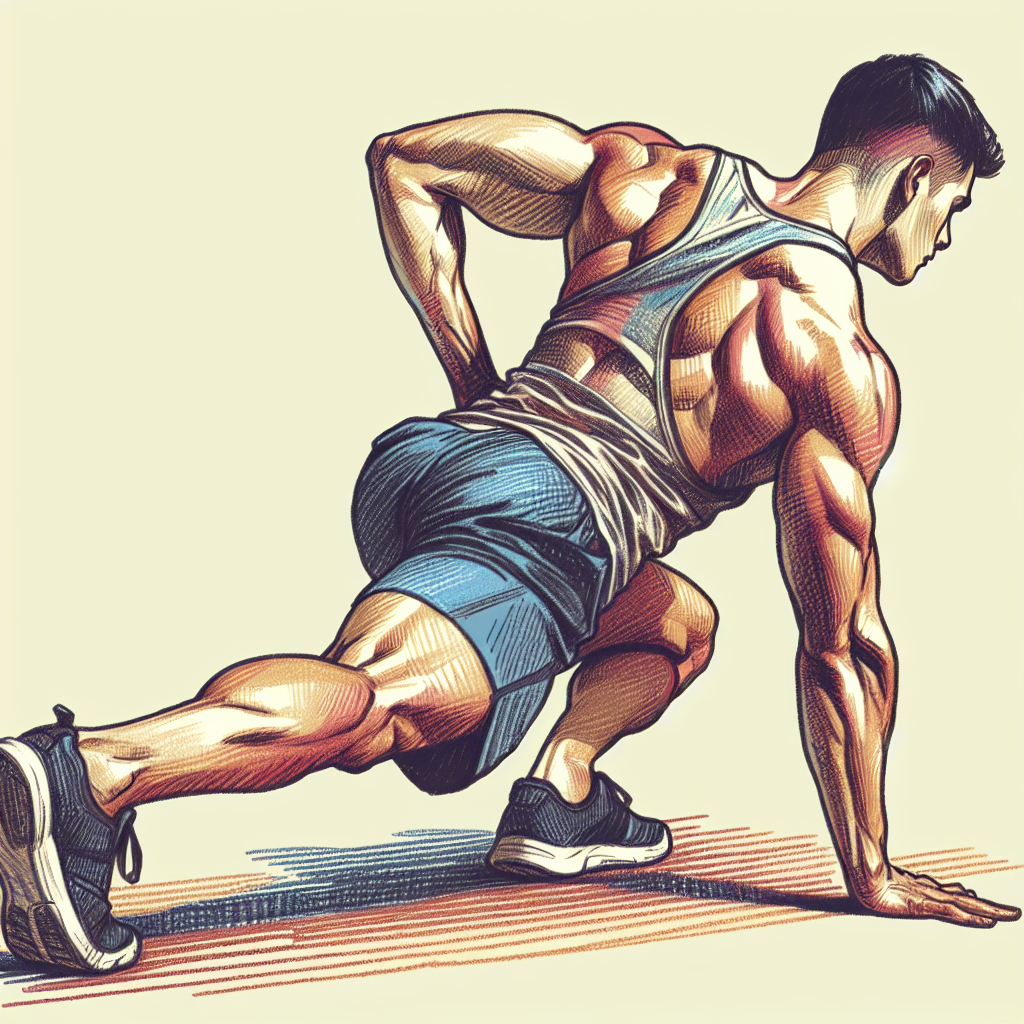
In an age where maintaining physical fitness is both essential and convenient, embarking on a beginner home workout journey without equipment can be highly beneficial. Exercising at home eliminates the need for costly gym memberships and bulky equipment, while also offering flexibility in scheduling. This article outlines effective bodyweight exercises tailored for beginners, providing not only a framework for a successful workout but also encouraging commitment through a free 30-day program requiring just six minutes of exercise daily. To sign up, visit this link.
- Understanding Bodyweight Exercises
- The Essentials of a Beginner Workout
- A Simple Home Workout Routine
- When to Seek Professional Help
- Common Myths and Mistakes
- Frequently Asked Questions
Understanding Bodyweight Exercises
Bodyweight exercises utilize the individual’s own weight as resistance. Common examples include push-ups, squats, and planks. These exercises are not only effective for building strength but also enhance flexibility, endurance, and overall cardiovascular fitness. Bodyweight training is particularly advantageous for beginners, as it allows individuals to develop a foundational strength level without the intimidation of heavy weights or gym settings.
The Essentials of a Beginner Workout
Before starting any exercise regimen, it is essential to consider some fundamental principles:
- Set Clear Goals: Determine what you wish to achieve—be it weight loss, muscle tone, or overall fitness.
- Warm-Up: A proper warm-up is vital to prepare the muscles and prevent injury.
- Listen to Your Body: Pay attention to how your body feels during exercises and adjust accordingly.
- Consistency is Key: Aim for regular workouts to see significant benefits over time.
- Hydration: Stay hydrated before, during, and after your workouts.
A Simple Home Workout Routine
The following routine is designed for beginners and can be performed anywhere in your home without any equipment. Each exercise can be performed for 30 seconds, followed by 30 seconds of rest. Aim to complete 3 sets for a full workout.
- Squats: Stand with feet shoulder-width apart, lower your body as if sitting in a chair, and return to standing.
- Push-Ups: Begin in a plank position, lower your body to the ground, and push back up. For modification, do these on your knees.
- Plank: Hold a straight line from head to heels, keeping your core engaged. Aim for 30 seconds.
- Lunges: Step forward with one leg, lowering your hips until both knees are bent at about a 90-degree angle, then return to starting position.
- Mountain Climbers: In a plank position, alternate bringing your knees towards your chest at a quick pace.
- Jumping Jacks: A full-body conditioning exercise that raises the heart rate—jump while spreading your feet and arms wide, then return to start.
When to Seek Professional Help
Consulting a healthcare professional or a qualified personal trainer is advisable under the following circumstances:
- Experiencing persistent pain or discomfort during exercise.
- Having pre-existing health conditions, especially related to cardiovascular health.
- Encountering difficulty in performing basic movements.
- Seeking personalized training or specific fitness goals.
Common Myths and Mistakes
Engaging in home workouts can lead to several misconceptions, including:
- Home Workouts are Less Effective: Bodyweight exercises can be just as effective as gym workouts when performed correctly and consistently.
- More is Always Better: Quality over quantity is crucial. Short, focused workouts can yield significant results.
- You Must Feel Exhausted to Get Results: Moderate intensity can also lead to effective outcomes, especially for beginners.
- Stretching is Only for Before Workouts: Incorporating flexibility training post-workout aids recovery and reduces soreness.
Frequently Asked Questions
Can I achieve significant results from just bodyweight exercises?
Yes, bodyweight exercises can effectively build strength, endurance, and flexibility when practiced consistently.
How often should I work out each week?
Aim for at least three workouts a week to see improvements, ensuring adequate rest days in between.
Is it necessary to warm up before starting my workout?
Yes, warming up increases blood flow to the muscles and reduces the risk of injury.
What if I can’t perform certain exercises?
Modify exercises to suit your abilities or seek guidance to adapt them appropriately.
How do I track my progress with home workouts?
Keep a workout journal, noting reps, time intervals, and personal feelings after each session.
Can I combine this routine with other fitness activities?
Absolutely! You can integrate other activities such as walking, yoga, or cycling to diversify your workout regimen.
Conclusion
- Bodyweight exercises can be highly effective for beginners.
- Establish clear goals and maintain consistency in your workouts.
- Always warm up to prevent injuries and ensure proper execution of movements.
- Seek professional help if you experience pain or have specific needs.
- Dispelling common fitness myths can enhance your workout experience.
Start your fitness journey today and consider taking the first step by registering for a free 30-day program where you only need to dedicate six minutes daily to see results. Visit this link to begin!
Author: John Angel