Categories
Fitness

Effective Bodyweight Back Workout for Strength and Posture

When it comes to fitness, strengthening the back muscles is often underemphasized, yet it plays a crucial role in overall health and posture. Engaging in a bodyweight back workout can be both effective and convenient, allowing individuals to improve their strength and stability without requiring any equipment. In this article, we will explore a variety of bodyweight exercises specifically targeting the back, outline comprehensive workout routines, and provide helpful tips for maximizing your efforts. Additionally, you’ll find a resource for a free 30-day exercise program that requires just six minutes of effort each day, offering significant results similar to those of traditional gym workouts. You can access it here: 30-day exercise program.

  • Introduction to Bodyweight Back Workouts
  • Benefits of Strengthening the Back
  • Essential Bodyweight Exercises
  • Sample Back Workout Routine
  • When to Consult a Professional
  • Common Myths and Mistakes
  • FAQ
  • Conclusion

Introduction to Bodyweight Back Workouts

Back workouts utilizing bodyweight exercises boast versatility and accessibility. Whether you are a beginner or an experienced athlete, these exercises can be adapted to suit your fitness level. Bodyweight training promotes core stability and enhances functional strength, enabling individuals to maintain an upright posture and improve their performance in daily activities.

Benefits of Strengthening the Back

A strong back is essential for numerous reasons:

  • Improved Posture: Strong back muscles help align the spine properly, preventing slouching and back pain.
  • Injury Prevention: A well-conditioned back can cushion the spine against injuries during physical activities.
  • Enhanced Performance: Stronger back muscles contribute to better performance in various sports and activities.
  • Core Stability: A robust back supports overall core strength, essential in many athletic movements.
  • Impact on Mobility: Flexible and strong back muscles facilitate a greater range of mobility.

Essential Bodyweight Exercises

Incorporating a range of bodyweight exercises ensures comprehensive development of the back muscles. Here are a few essential movements:

1. Supermans

This exercise targets the lower back and helps enhance strength:

  1. Lie face down on a mat with arms extended in front of you.
  2. Simultaneously raise your arms and legs off the ground, holding for a few seconds.
  3. Lower back to the starting position and repeat.

2. Plank Rows (Renegade Rows)

A fantastic workout for the upper back and shoulders:

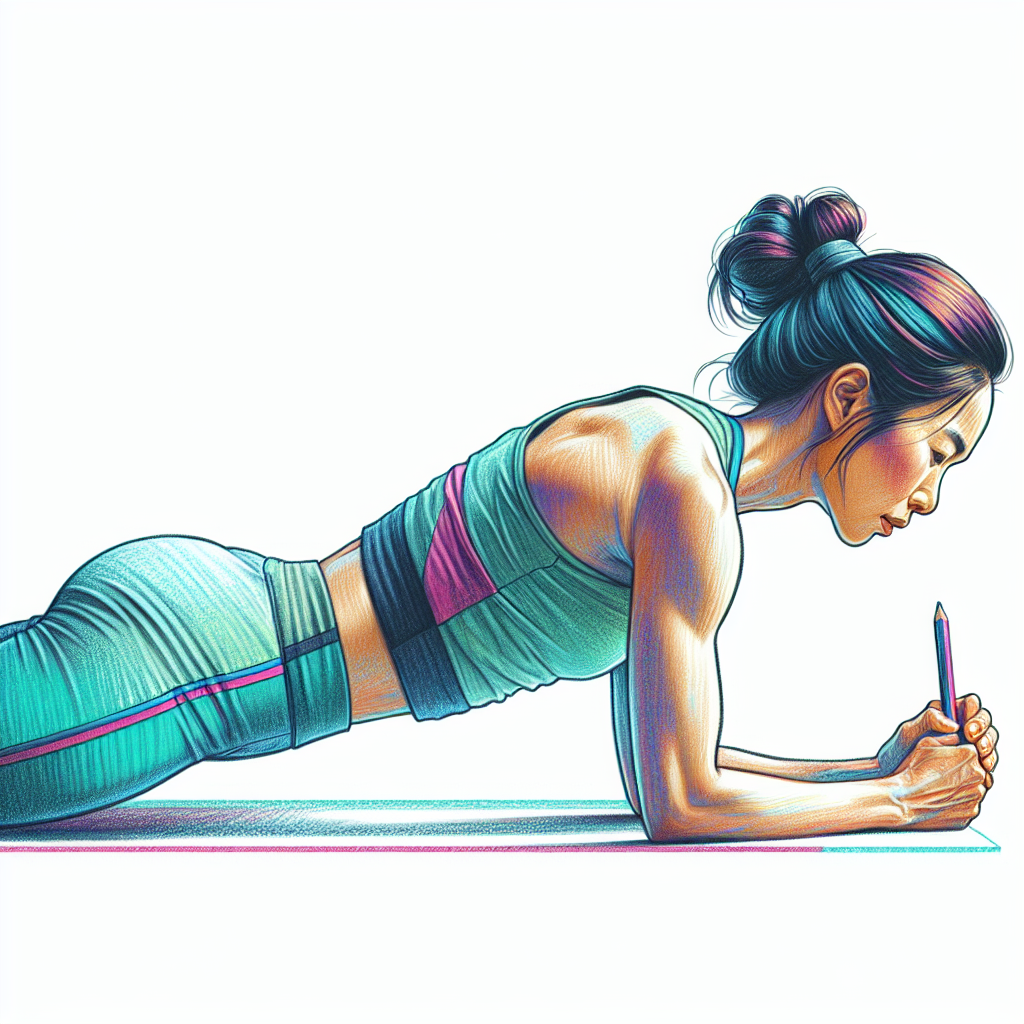
  1. Assume a plank position with your hands beneath your shoulders.
  2. While stabilizing your core, lift one arm to your side as if performing a rowing motion.
  3. Lower it back down and alternate sides.

3. Reverse Snow Angels

This exercise strengthens the upper back while promoting shoulder mobility:

  1. Lie face down with your arms at your sides.
  2. Sweep your arms out to the sides and overhead in a “snow angel” motion.
  3. Return to starting position and repeat.

4. Bridges

Bridges build strength in the lower back and glutes:

  1. Lie on your back with knees bent and feet flat on the floor.
  2. Push through your heels and lift your hips, squeezing your glutes.
  3. Lower back down and repeat.

5. Bird Dogs

This exercise enhances stability and balance:

  1. Begin in a tabletop position with hands under shoulders and knees under hips.
  2. Extend one arm forward and the opposite leg back.
  3. Hold for a few seconds, return to starting position, and switch sides.

Sample Back Workout Routine

To effectively incorporate the aforementioned exercises, consider the following routine:

  1. Supermans: 3 sets of 12–15 reps
  2. Plank Rows: 3 sets of 10–12 reps per side
  3. Reverse Snow Angels: 3 sets of 10–15 reps
  4. Bridges: 3 sets of 15–20 reps
  5. Bird Dogs: 3 sets of 10 reps per side

Perform this routine 2–3 times a week for optimal results.

When to Consult a Professional

Engaging in any physical training requires awareness of personal limitations. Consider seeking professional guidance if:

  • You experience persistent pain or discomfort during workouts.
  • You have a history of back injuries or conditions.
  • You are unsure of proper form or technique.
  • You are preparing for a specific athletic event.
  • You are looking to expand your training regimen beyond bodyweight exercises.

Common Myths and Mistakes

Understanding misconceptions surrounding back workouts can enhance your effectiveness:

Myth 1: Bodyweight Exercises Are Not Challenging

Bodyweight exercises can be very challenging when performed correctly and with proper progressions.

Myth 2: Back Exercises Only Target the Lower Back

A comprehensive back workout targets the upper, middle, and lower back muscles for balanced strength.

Mistake 1: Neglecting Core Engagement

Failing to engage your core during back exercises diminishes their effectiveness and increases injury risk.

Mistake 2: Skipping Warm-Up and Cool Down

Proper warm-up and cool-down routines are essential for preventing injuries and enhancing recovery.

FAQ

1. How often should I perform back workouts?

It’s advisable to engage in back workouts 2-3 times per week for optimal results.

2. Can bodyweight exercises really build muscle?

Yes, bodyweight exercises can effectively build muscle if performed with sufficient intensity and volume.

3. What are signs of an overworked back?

Symptoms include persistent pain, tightness, and reduced mobility in the back muscles.

4. Should I stretch before or after working out?

Dynamic stretching is best before workouts, while static stretching is ideal for after workouts.

5. Can beginners perform these exercises?

Yes, beginners can start with modified versions of these exercises and progress as strength improves.

6. Is professional supervision necessary for all workouts?

While not always necessary, supervision can be helpful for beginners or those with specific concerns.

Conclusion

  • Strengthening the back is essential for overall health and posture.
  • Bodyweight exercises provide an effective and accessible means to achieve this.
  • A well-rounded back workout includes a variety of movements targeting different muscle groups.
  • Consulting a professional can enhance safety and effectiveness, particularly for beginners.
  • Dispelling common myths and understanding proper technique can prevent injuries and improve results.

Enhancing your back strength through a structured bodyweight workout can yield remarkable benefits. Explore the recommended exercises and consider participating in the free 30-day exercise program linked above. Your path to a stronger back starts today!

Author: John Angel

Related articles

Categories
Fitness

Beginner’s Guide to Home Workouts Without Equipment

In today’s fast-paced world, finding time to maintain a regular fitness routine can be challenging. Many individuals seek effective ways to stay fit without the need for sophisticated gym equipment or a hectic schedule. A beginner’s at-home workout focusing on bodyweight exercises can serve as a practical solution, allowing you to enhance your fitness levels conveniently. In this article, we’ll explore how you can initiate your home workout journey without any equipment and still achieve impressive results.

  • Understanding Bodyweight Exercises
  • Setting Realistic Goals
  • A Starter Workout Routine
  • Maintaining Consistency
  • When to Seek Professional Guidance
  • Common Misconceptions
  • FAQ
  • Conclusion

Understanding Bodyweight Exercises

Bodyweight exercises are movements that use your own weight as resistance, negating the necessity for additional equipment. They are simple to perform, effective for building strength, flexibility, and endurance, and can be adapted to individual fitness levels. Examples include push-ups, lunges, and planks, making them accessible to beginners.

Benefits of Bodyweight Training

Some advantages of bodyweight training include:

  • Accessibility: No need for a gym or specialized equipment.
  • Versatility: Exercises can be modified to suit any fitness level.
  • Functional Strength: These workouts mimic everyday movements, enhancing overall physical capabilities.

Setting Realistic Goals

Before you embark on your workout journey, it is crucial to set achievable goals. Whether you aim to improve strength, enhance flexibility, or lose weight, having clear objectives can help you stay motivated and track your progress effectively.

SMART Goals Framework

Utilizing the SMART framework can enhance goal-setting processes:

  • Specific: Define precise objectives.
  • Measurable: Establish criteria to measure progress.
  • Achievable: Set realistic goals considering your current fitness level.
  • Relevant: Ensure your goals align with your personal aspirations.
  • Time-bound: Set a timeframe for achieving your goals.

A Starter Workout Routine

Getting started with bodyweight exercises can be both straightforward and enjoyable. Below is a simple routine that can be performed in just a few minutes each day.

6-Minute Daily Workout Plan

  1. Warm-up: 1 minute of jumping jacks or high knees.
  2. Push-ups: 30 seconds – modify by performing on your knees if necessary.
  3. Squats: 30 seconds – keep your feet shoulder-width apart.
  4. Plank: 30 seconds – maintain a straight line from head to heels.
  5. Glute Bridges: 30 seconds – focus on squeezing your glutes at the top.
  6. Cool down: 1 minute of gentle stretching.

For those looking for a structured approach, consider a free registration for a 30-day exercise program where you only exercise for six minutes every day and achieve results comparable to a traditional gym workout. You can sign up here.

Maintaining Consistency

Consistency is key in any fitness program. To build a sustainable routine, consider the following strategies:

  • Schedule workouts as you would important appointments.
  • Utilize reminders or fitness apps to keep track of your progress.
  • Incorporate workouts into your daily routine to build a habit.
  • Stay positive and celebrate small milestones to maintain motivation.

When to Seek Professional Guidance

While many individuals can successfully begin their fitness journeys independently, certain circumstances might warrant professional intervention. Consider consulting a qualified fitness professional if you experience:

  • Severe injuries or chronic pain that limits movement.
  • Difficulty maintaining motivation over time.
  • Specific fitness goals, such as competitive sports training.
  • Medical conditions that affect your ability to exercise safely.

Common Myths and Misconceptions

With the rise in popularity of home workouts, several myths have emerged. It is essential to debunk these misconceptions to ensure a safe and effective workout experience.

  • Myth 1: Bodyweight workouts are less effective than weights. In reality, bodyweight exercises can build significant strength and improve functional fitness.
  • Myth 2: You need hours for a great workout. Short, focused workouts can be highly effective, especially when done consistently.
  • Myth 3: You must be fit to start exercising. Starting at any fitness level is valid; the key is progress over time.

FAQ

Can I lose weight with bodyweight exercises?

Yes, combining bodyweight exercises with a balanced diet can aid in weight loss.

How often should I perform at-home workouts?

Aim for at least three to five times per week to see optimal results.

What if I can’t perform certain exercises?

Modify the exercises to match your fitness level, or consult professional guidance.

Do I need to warm up before a workout?

Yes, warming up prepares your body for the activity and reduces the risk of injury.

Can I enhance my routine after gaining strength?

Absolutely! As you progress, consider increasing reps, duration, or complexity of exercises.

Is it normal to feel sore after a workout?

Some soreness is common, especially for beginners. However, severe pain should be checked by a professional.

Conclusion

  • Bodyweight exercises are effective and accessible for beginners.
  • Setting realistic, SMART goals can enhance your fitness journey.
  • A simple 6-minute routine can yield significant results when performed consistently.
  • Professional guidance may be necessary in certain situations to ensure safety and efficacy.
  • Dispelling common myths can provide clarity and encourage individuals to embrace at-home workouts.

By integrating a bodyweight workout routine into your daily activities, you embark on a journey towards improved physical fitness and well-being. Consider signing up for a free 30-day exercise program that requires just six minutes of your time each day here. Take the first step towards a healthier you today!

Author: John Angel

Related articles

Categories
Fitness

Effective Beginner Calisthenics Routine: No Equipment Required

Beginner Calisthenics Routine: No Equipment Needed

Calisthenics offers an accessible gateway into fitness, providing a formidable workout without the need for specialized equipment. For beginners, this form of exercise not only builds strength but also enhances flexibility, balance, and coordination. Engaging in calisthenics can lead to improved overall health and wellbeing, all from the comfort of your home. This article outlines an effective beginner routine that anyone can follow.

  • Understanding Calisthenics
  • Key Benefits of No Equipment Workouts
  • Essential Beginner Exercises
  • Outlined Routine for Beginners
  • Consulting a Professional: When It’s Necessary
  • Common Myths and Mistakes
  • Frequently Asked Questions
  • Conclusion

Understanding Calisthenics

Calisthenics refers to a form of exercise where you use your body weight to perform various movements. These exercises range from simple to complex and can be tailored to any fitness level. Because they rely on minimal or no equipment, calisthenics is particularly appealing to beginners who may not have access to a gym.

Key Benefits of No Equipment Workouts

There are several advantages to opting for a no-equipment workout routine:

  • Accessibility: Anyone, regardless of their environment, can engage in calisthenics.
  • Cost-Effective: No need for gym memberships or equipment purchases.
  • Improved Functional Fitness: Movements closely mimic daily activities, enhancing strength needed for everyday tasks.
  • Versatile Routine: Exercises can be adjusted in complexity to suit different levels.
  • Community Support: Many online resources and communities exist for motivation and engagement.

Essential Beginner Exercises

Beginning with the right exercises is crucial for building a solid foundation. Here are some effective bodyweight exercises that form the core of a beginner calisthenics routine:

  • Push-ups: Great for upper body strength.
  • Bodyweight Squats: Ideal for building leg strength.
  • Planks: Excellent for core stability and strength.
  • Burpees: A full-body exercise enhancing cardiovascular fitness.
  • Lunges: Improve leg strength and balance.

Outlined Routine for Beginners

To create an effective beginner calisthenics routine, follow this structured plan. Aim to perform each exercise for 30 seconds, with a 30-second rest between them. This routine can be completed in approximately 6 minutes:

  1. Warm-Up (1 minute): Perform jumping jacks to get your heart rate up.
  2. Push-ups (30 seconds): Start with your knees on the ground if regular push-ups are too challenging.
  3. Bodyweight Squats (30 seconds): Ensure your knees do not go past your toes.
  4. Planks (30 seconds): Maintain a straight line from head to heels.
  5. Burpees (30 seconds): Modify by stepping back instead of jumping if needed.
  6. Lunges (30 seconds): Alternate legs for the duration.
  7. Cooldown (1 minute): Stretch muscles gently to promote recovery.

For a more structured approach, consider registering for a free 30-day exercise program that requires only six minutes of daily commitment to achieve gym-quality results: Sign up here.

Consulting a Professional: When It’s Necessary

While starting any new exercise routine is generally safe, there are certain circumstances where consulting a healthcare professional is advisable. If you experience any of the following, consider seeking guidance:

  • Ongoing pain or discomfort during movement.
  • Previous injuries that may affect your ability to exercise.
  • Chronic health conditions (like heart disease or diabetes).
  • Uncertainty about how to perform exercises correctly to avoid injury.

Common Myths and Mistakes

As with any fitness routine, there are common misconceptions associated with calisthenics:

  • Myth: Bodyweight exercises are only for beginners.
  • Myth: You need equipment to achieve progress.
  • Myth: All bodyweight exercises are easy and ineffective.
  • Mistake: Neglecting warm-up and cooldown phases.
  • Mistake: Performing exercises with incorrect form.

Frequently Asked Questions

What is calisthenics?

Calisthenics involves using your body weight for exercise to build strength, flexibility, and endurance.

Can beginners really see results without equipment?

Yes, consistent practice of bodyweight exercises can yield significant strength and fitness improvements.

How often should I do calisthenics?

Start with 2-3 sessions a week, gradually increasing frequency as you build endurance and strength.

Are calisthenics workouts effective for weight loss?

Calisthenics can contribute to weight loss, especially when coupled with a balanced diet.

What should I do if I can’t perform a specific exercise?

Modify the exercise or choose an alternative that targets the same muscle group but fits your current ability.

How long will it take to see results from calisthenics?

Results vary based on frequency, intensity, and personal biology, but many notice improvements within a few weeks.

Conclusion

  • Calisthenics offers an effective and accessible way to improve fitness.
  • A structured routine can fit into a busy lifestyle with minimal time investment.
  • Correct form and gradual progression are key to avoiding injuries.
  • Consult professionals when in doubt about exercise safety or modifications.
  • Consistent practice and community support enhance motivation and results.

Embarking on your calisthenics journey can lead to remarkable improvements in your physical health. Start today with the outlined routine and consider researching more about structured programs that fit your lifestyle.

Author: John Angel

Related articles

Categories
Fitness

Beginner Home Strength Training Without Equipment

In today’s fast-paced world, finding time for the gym can be challenging. However, strength training at home without equipment is a viable alternative that can yield impressive results. Not only does it save time, but it also allows for a more personalized workout routine. This article aims to guide beginners through effective strength training routines that require no equipment while emphasizing the importance of consistency and form.

  • Introduction to Beginner Strength Training at Home
  • Benefits of Strength Training Without Equipment
  • Effective Bodyweight Exercises to Get Started
  • Creating Your Own Strength Training Routine
  • Myths and Misconceptions About Home Workouts
  • When to Seek Professional Guidance
  • Frequently Asked Questions
  • Conclusion

Benefits of Strength Training Without Equipment

Strength training with bodyweight exercises offers several compelling benefits:

  • Flexibility: You can incorporate workouts into your schedule at any time.
  • Cost-Effective: No need for gym memberships or equipment purchases.
  • Accessibility: Suitable for people of all fitness levels, easily adaptable to individual needs.
  • Improved Strength and Tone: Effective for building muscle even without weights.

Effective Bodyweight Exercises to Get Started

Here are some fundamental bodyweight exercises that beginners can easily incorporate:

  • Push-Ups: Targets the chest, shoulders, and triceps. Start on your knees for modified versions.
  • Squats: Engages the quadriceps, hamstrings, and glutes. Ensure proper form by keeping your knees behind your toes.
  • Lunges: Strengthens the legs while improving balance. Alternate legs for a complete workout.
  • Plank: A core-strengthening exercise that can also enhance overall stability.
  • Glute Bridges: Focuses on the glutes and lower back. Great for posterior chain strength.

Sample Beginner Workout Routine

Here’s a simple 6-minute workout you can do daily:

  1. 30 seconds of Push-Ups
  2. 30 seconds of Bodyweight Squats
  3. 30 seconds of Lunges (15 seconds per leg)
  4. 30 seconds of Plank
  5. 30 seconds of Glute Bridges
  6. 30 seconds of Rest

For a structured program, consider signing up for this 30-day exercise program that offers personalized guidance in as little as 6 minutes each day.

Myths and Misconceptions About Home Workouts

There are a few prevalent myths about strength training at home that need to be addressed:

  • Myth 1: Bodyweight workouts are not as effective as lifting weights. Truth: Many studies indicate that bodyweight training can build strength and endurance.
  • Myth 2: You need a lot of time to see results. Truth: Consistent, shorter workouts can be just as effective.
  • Myth 3: Home workouts lack variety. Truth: There are countless exercises and variations for a well-rounded routine.

When to Seek Professional Guidance

While many can effectively perform bodyweight exercises independently, certain situations warrant professional advice:

  • If you experience chronic pain during or after exercise.
  • When attempting new exercises that could increase your risk of injury.
  • If you have underlying health conditions that may influence your exercise regimen.

Consulting with a qualified fitness professional can provide personalized recommendations and ensure safe practices.

Frequently Asked Questions

Can I build muscle just using bodyweight exercises?

Yes, bodyweight exercises can effectively build muscle by providing sufficient resistance through your own body weight.

How often should I perform strength training at home?

For optimal results, aim for at least three to four sessions per week, focusing on different muscle groups.

Are bodyweight exercises suitable for beginners?

Absolutely. Bodyweight exercises are highly scalable and can be adapted to suit various fitness levels.

Do I need to warm up before starting my workout?

Yes, warming up is essential to prepare your muscles and reduce the risk of injury.

How long does it take to see results from home workouts?

Typically, with consistency, you may begin to notice improvements in strength and tone in as little as four to six weeks.

Can I lose weight with bodyweight training?

Yes, bodyweight training can support weight loss when combined with a balanced diet and cardio exercises.

Conclusion

  • Strength training at home requires no equipment and can yield great results.
  • Bodyweight exercises effectively build strength and endurance.
  • Consistency is crucial for achieving fitness goals.
  • Understanding and debunking common myths can enhance your approach to home workouts.
  • Seek professional guidance if you experience pain or have underlying health concerns.

Take the first step towards a healthier you by incorporating strength training into your daily routine. Consider joining our 30-day exercise program to kick-start your journey!

Author: John Angel

Related articles

Categories
Fitness

Effective Back Workouts Without Weights for Strength and Tone

Back Workouts Without Weights

For individuals seeking to enhance their back strength and tone without the use of weights, bodyweight exercises offer remarkable benefits. Engaging in back workouts without weights can improve posture, alleviate discomfort, and foster overall fitness. With consistent practice, individuals can experience substantial gains similar to those achieved in a traditional gym setting.

  • Introduction
  • The Importance of a Strong Back
  • Effective Bodyweight Exercises for the Back
  • Sample Back Workout Routine
  • Common Misconceptions About Bodyweight Training
  • When to Consult a Professional
  • Frequently Asked Questions
  • Conclusion

The Importance of a Strong Back

A strong back is fundamental to overall health and well-being. It supports proper posture, enhances athletic performance, and reduces the risk of injury. Moreover, many daily activities, such as lifting, reaching, and sitting for prolonged periods, rely heavily on back strength. Consequently, developing a robust back is not only beneficial for athletes but for everyone seeking a balanced fitness routine.

Effective Bodyweight Exercises for the Back

Bodyweight exercises can effectively target various back muscles without requiring equipment. Here are some popular options:

  • Supermans: Lying on your stomach, extend your arms and legs, then lift them off the ground simultaneously.
  • Plank Rows: In a plank position, alternate lifting one arm off the ground while stabilizing the rest of your body.
  • Bird-Dogs: Start on all fours and extend one arm forward while extending the opposite leg straight back.
  • Reverse Snow Angels: Lying on your stomach with arms at your sides, lift your arms in a wide arc above your head, keeping them above the ground.
  • Wall Angels: Stand against a wall and slide your arms up and down while maintaining contact with the wall.

Sample Back Workout Routine

This beginner-friendly routine can be completed in just six minutes. Perform each exercise for 30 seconds, resting for 10 seconds between each.

  1. Supermans
  2. Plank Rows
  3. Bird-Dogs (15 seconds each side)
  4. Reverse Snow Angels
  5. Wall Angels
  6. Glute Bridges (to activate the lower back)

To further assist with your fitness journey, consider registering for a 30-day exercise program where you can engage in exercises for just six minutes each day, experiencing results comparable to gym workouts. Register for the free program here.

Common Misconceptions About Bodyweight Training

Despite the effectiveness of bodyweight exercises, several myths persist:

  • You Cannot Build Muscle Without Weights: While weights can augment muscle growth, bodyweight exercises can also significantly strengthen and tone muscles if performed correctly.
  • Bodyweight Exercises Are Only for Beginners: Advanced variations can challenge even the most seasoned athletes.
  • Bodyweight Workouts Are Less Effective: When performed with the right intensity, bodyweight training can yield impressive results.

When to Consult a Professional

If you experience persistent pain, discomfort, or a noticeable decline in your fitness performance, seeking advice from a qualified medical professional is essential. An assessment could indicate underlying issues such as poor posture, muscle imbalances, or injuries that may necessitate tailored therapeutic interventions.

Frequently Asked Questions

Can I build a strong back without weights?

Yes, bodyweight exercises can effectively target and strengthen back muscles without the need for weights.

How often should I perform back workouts?

For optimal results, aim to perform back workouts at least 2-3 times a week.

Are bodyweight workouts suitable for all fitness levels?

Yes, bodyweight workouts can be modified to suit all fitness levels, from beginners to advanced exercisers.

Can I combine back workouts with other exercises?

Yes, back workouts can easily be integrated into a comprehensive fitness regimen that includes exercises for other muscle groups.

What are the benefits of training my back?

Training your back can improve posture, enhance athletic performance, support daily activities, and reduce injury risk.

How long does it take to see results from bodyweight workouts?

Results may vary, but many individuals notice improvements in strength and muscle tone within a few weeks of consistent training.

Conclusion

  • Bodyweight exercises are highly effective for strengthening the back.
  • Consistent practice can yield results comparable to traditional weight training.
  • A strong back supports general health and well-being.
  • The sample routine provided can be completed in just six minutes.
  • Consult a professional for any persistent pain or discomfort.

By integrating back workouts into your fitness regimen, you can enhance strength, improve posture, and support daily activities. Begin your journey to a stronger back today, and explore the free 30-day exercise program for additional support here.

Author: John Angel

Related articles

Categories
Fitness

Beginner Home Workouts: No Equipment Needed

Easy Beginner Workout at Home Without Equipment

Embarking on a fitness journey can be overwhelming, especially for beginners. However, an effective workout at home does not necessitate expensive equipment or a gym membership. This article outlines a straightforward approach to exercise that can help enhance your physical well-being in just a few minutes each day. The key benefit of this routine lies in its accessibility and efficiency, allowing anyone to become active without stepping outside their home.

  • Understanding the Basics of Home Workouts
  • Benefits of Working Out at Home
  • Beginner-Friendly Exercises
  • Practicing Proper Form
  • Creating a Routine
  • When to Consult a Professional
  • Common Myths and Misconceptions
  • FAQs

Understanding the Basics of Home Workouts

Home workouts allow individuals to incorporate physical activity into their daily routines without the need for sophisticated equipment. This section will introduce fundamental concepts regarding the components of a successful workout.

Core Components of an Effective Workout

  • Warm-up: Essential for preparing your body for exercise, it helps prevent injury.
  • Strength Training: Involves exercises that strengthen muscles using your body weight.
  • Cardiovascular Exercises: These boost your heart rate and enhance endurance.
  • Cool Down: Necessary for gradually lowering your heart rate and aiding recovery.

Benefits of Working Out at Home

Engaging in at-home workouts presents various advantages that extend beyond mere convenience.

  • Cost-Effective: No gym fees or equipment costs are required.
  • Time Efficient: Save travel time and schedule workouts at your convenience.
  • Privacy: Comfortably exercise without the pressure of others watching.
  • Flexibility: Modify your workouts according to your daily schedule and energy levels.

Beginner-Friendly Exercises

The following exercises do not require any equipment and are well-suited for novices. They can be performed in a compact space, making them ideal for at-home workouts.

  1. Bodyweight Squats: Stand with feet shoulder-width apart, bend your knees, and lower your body as if sitting in a chair.
  2. Push-Ups: Start in a plank position, lower your body to the ground, then push back up. Modify by resting on your knees if necessary.
  3. Lunges: Step forward with one leg, bending both knees to lower your body, then return to the starting position. Alternate legs.
  4. Plank: Hold a push-up position, ensuring your body forms a straight line from head to heels.
  5. Mountain Climbers: From a plank position, quickly bring one knee towards your chest, then switch legs in a running motion.
  6. Bridges: Lie on your back with knees bent, lift your hips towards the ceiling, and squeeze your glutes.

For a structured plan that focuses on quick daily workouts, consider this 30-day exercise program where you only need to exercise for six minutes each day. You can register for free here: 30-Day Exercise Program.

Practicing Proper Form

Maintaining proper form during exercises is crucial for preventing injuries and achieving optimal results. Focus on quality over quantity and pay attention to your body’s signals. Here are some tips:

  • Engage Core Muscles: Activate your core during exercises for better control.
  • Keep Movements Controlled: Avoid rushing through exercises to enhance muscle engagement.
  • Listen to Your Body: If something feels uncomfortable or painful, adjust your form or pause.

When to Consult a Professional

Though exercising at home can be beneficial, certain situations may warrant consultation with a healthcare professional or personal trainer:

  • If you have a pre-existing medical condition.
  • If you experience persistent pain or discomfort during exercise.
  • If you are unsure about executing particular movements safely.
  • If you seek tailored fitness advice or a more structured regimen.

Common Myths and Misconceptions

Several myths surrounding at-home workouts can deter individuals from pursuing fitness. Here, we clarify some common misconceptions:

  • Myth 1: You need expensive equipment to get fit.
  • Myth 2: Short workouts are ineffective.
  • Myth 3: You cannot build muscle without weights.
  • Myth 4: Home workouts lack intensity.

FAQs

Is it safe to start working out at home without any prior experience?

Yes, provided you start slow and listen to your body. Always focus on proper form.

How long should I work out each day as a beginner?

As a beginner, even 6-10 minutes of focused exercises can be sufficient. Gradually increase the duration as your fitness improves.

How can I stay motivated to work out at home?

Set realistic goals, track your progress, and incorporate variety in your workouts to maintain your interest.

What if I don’t have enough space at home for exercising?

Most bodyweight exercises can be performed in a small area. Focus on movements that require minimal space.

Do I need to warm up before starting my workout?

Absolutely; warming up is essential to prevent injuries and prepare your body for exercise.

Can I lose weight by exercising at home?

Yes, regular exercise combined with a balanced diet can help with weight loss, regardless of where you work out.

Conclusion

  • At-home workouts are accessible and convenient for beginners.
  • No equipment is necessary, making it easy to begin your fitness journey.
  • Practicing proper form is crucial to prevent injury.
  • Consult a professional if you have health concerns or need personalized advice.
  • Dispelling common myths can change your mindset towards home fitness.

Now is the perfect time to take charge of your health and enjoy the benefits of regular exercise. Start your journey today with manageable routines, and consider exploring the comprehensive 30-day program mentioned earlier for a structured approach. Your commitment to fitness can yield positive results, and the journey is just a few steps away!

Author: John Angel

Related articles

Categories
Fitness

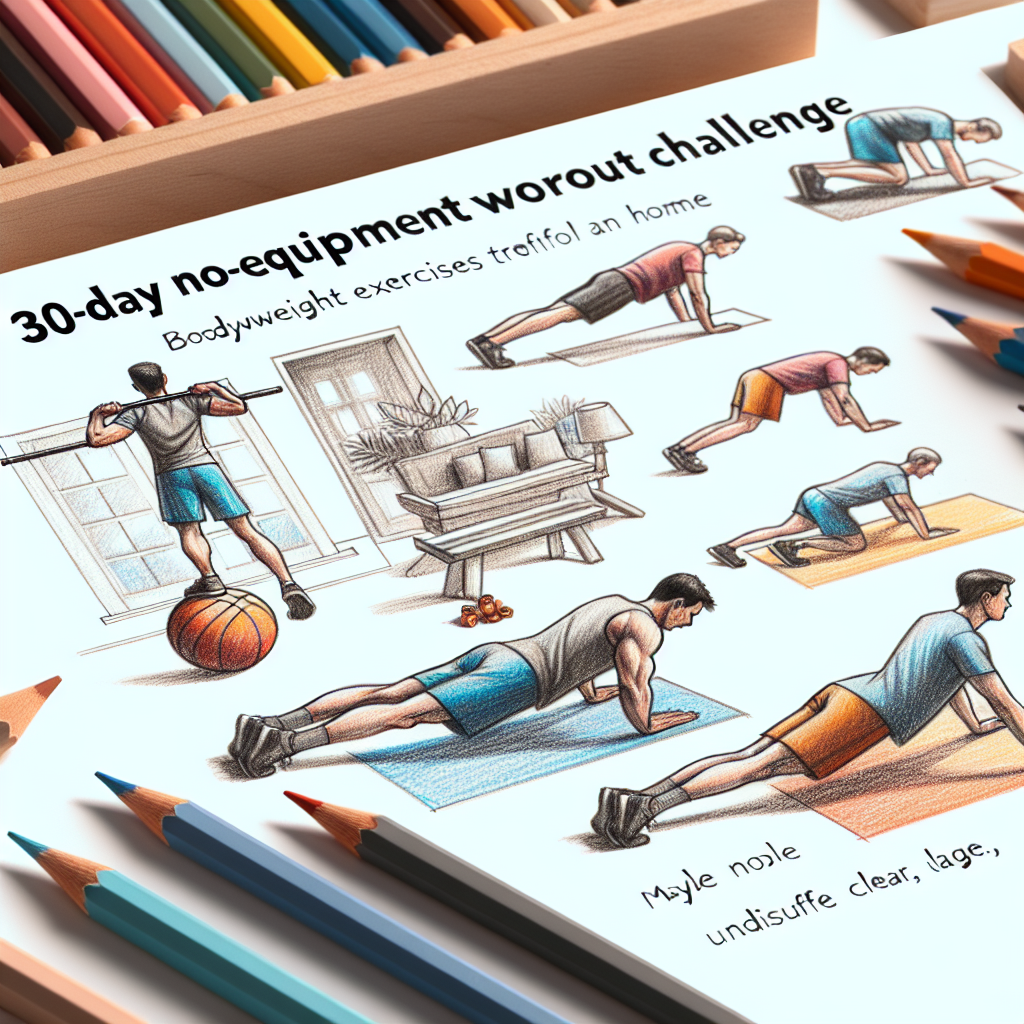
30-Day No Equipment Home Workout Challenge

Embarking on a fitness journey can sometimes feel cumbersome, particularly when access to a gym or specialized equipment is limited. A 30-day home workout challenge that requires no equipment is an effective approach to improve fitness levels while accommodating a busy lifestyle. Not only does this challenge streamline the workout process, but it also fosters consistency, leading to tangible results.

  • Introduction
  • Benefits of Home Workouts
  • The Structure of the 30-Day Challenge
  • Essential Exercises Included
  • Tracking Your Progress
  • When to Consult a Professional
  • Common Misconceptions
  • Frequently Asked Questions
  • Conclusion

Benefits of Home Workouts

Home workouts offer an array of advantages that can significantly enhance your fitness journey:

  • Convenience: Exercising at home eliminates travel time, allowing you to fit workouts into your schedule easily.
  • Cost-effective: No gym membership fees or equipment purchases are necessary.
  • Personalization: You can tailor workouts to suit your own pace and preferences.
  • No intimidation: Working out in the comfort of your home can reduce feelings of embarrassment or self-consciousness.

The Structure of the 30-Day Challenge

The 30-day workout challenge is designed to gradually increase intensity, ensuring that participants can build strength and endurance without overwhelming themselves. By dedicating just six minutes a day, you will be able to achieve results comparable to traditional gym workouts. The program is divided into four weeks, each focusing on different muscle groups and fitness goals. For your convenience, you can register for a free 30-day exercise program here: 30-Day Exercise Program.

Essential Exercises Included

The following exercises serve as the cornerstone of the 30-day challenge:

  • Bodyweight Squats: Great for building lower body strength.
  • Push-ups: An excellent all-around upper body exercise.
  • Plank: Strengthens your core and enhances stability.
  • Lunges: Targets the legs while improving balance.
  • Burpees: A full-body workout that boosts cardiovascular fitness.

Tracking Your Progress

Monitoring your progress throughout the challenge is vital for sustaining motivation and understanding your growth. Consider the following strategies:

  • Journaling: Keep a daily log of your workouts, noting how you felt and any changes in your energy levels.
  • Photographic Evidence: Take before and after photos to visually assess your transformation.
  • Measurements: Record body measurements at the start and end of the challenge to track physical changes.

When to Consult a Professional

It is crucial to recognize when to seek help from a qualified professional. Consider consulting a fitness trainer or healthcare provider if:

  • You experience persistent pain or discomfort during workouts.
  • You have pre-existing health conditions that may affect your ability to exercise.
  • Your fitness goals involve advanced workout regimes that require expert guidance.

Common Misconceptions

Many individuals harbor misconceptions about home workouts. Here are a few common ones:

  • Home workouts are less effective: With the right approach, home workouts can be just as potent as gym sessions.
  • You must exercise for hours to see results: Short, high-intensity sessions can yield substantial outcomes with consistency.
  • Equipment is necessary: Bodyweight exercises can provide excellent resistance training without any equipment.

Frequently Asked Questions

What type of exercises are included in the challenge?

The challenge includes bodyweight exercises such as squats, push-ups, lunges, planks, and burpees.

Can beginners participate in this challenge?

Yes, the 30-day challenge is designed to accommodate all fitness levels, including beginners.

How much time do I need to commit daily?

Each workout is designed to last just six minutes, making it easy to fit into a busy schedule.

What equipment do I need?

No equipment is necessary; the workout is based entirely on bodyweight exercises.

Will I see results in 30 days?

With consistent effort and following the program, many participants notice positive changes in strength and endurance within 30 days.

Can I follow the challenge if I have a medical condition?

Consult with a healthcare professional before starting any exercise program if you have pre-existing health conditions.

Conclusion

  • Home workouts offer convenience and effectiveness.
  • Consistent 30-day challenges can yield noticeable results.
  • Monitor your progress to stay motivated.
  • Consult a professional if you have concerns or pre-existing conditions.
  • Know the common misconceptions to enhance your workout experience.

Embarking on this 30-day no-equipment workout challenge is a step toward enhanced fitness and well-being. Take the plunge, stay consistent, and consider registering for a program to guide your efforts. Your journey starts today!

Author: John Angel
Related articles

Categories
Fitness

30-Day Home Workout Plan: No Equipment Required

30 Day Home Workout Plan: No Equipment Needed

Embarking on a fitness journey can be daunting, especially when time and equipment are limited. This article will guide you through a 30-day home workout plan that requires no specialized equipment, making it accessible for everyone. By committing just a few minutes each day, you can achieve remarkable results without ever stepping foot in a gym. Additionally, we offer a link to a fantastic free registration for a quick 6-minute exercise program that promises gym-like results.

  • Understanding the Benefits of Home Workouts
  • Daily Structure of Your 30-Day Program
  • Types of Exercises to Include
  • Tips for Staying Motivated
  • When to Consult a Professional
  • Common Myths and Mistakes
  • FAQ
  • Conclusion and Next Steps

Understanding the Benefits of Home Workouts

Home workouts offer numerous advantages. First and foremost, they save time by eliminating travel to and from a fitness center. They are also cost-effective, as you do not need to purchase a gym membership or invest in expensive equipment. Furthermore, exercising at home allows for flexibility in scheduling, enabling you to fit workouts into your day more easily. Finally, a home environment may provide a sense of comfort, allowing individuals to focus on their fitness goals without the distractions often found in a gym.

Daily Structure of Your 30-Day Program

Your 30-day journey will consist of a variety of bodyweight exercises targeting different muscle groups. Here’s a suggested weekly structure to maintain balance and motivation:

  • Day 1-7: Focus on full-body workouts to build a solid foundation.
  • Day 8-14: Incorporate strength-building exercises emphasizing core stability and leg strength.
  • Day 15-21: Intensity ramp-up with high-intensity interval training (HIIT) elements.
  • Day 22-30: Tailored workouts focusing on areas that need improvement or enhancement.

Types of Exercises to Include

When planning your home workout routine, it’s essential to incorporate a variety of exercises. Below is a detailed list of exercises suitable for every level:

  1. Push-Ups: Strengthens the chest, shoulders, and triceps.
  2. Squats: Focuses on the legs and glutes, promoting lower body strength.
  3. Planks: Enhances core stability and overall strength.
  4. Lunges: Improves balance while targeting the legs and glutes.
  5. Burpees: Provides a full-body workout and boosts cardiovascular endurance.
  6. Mountain Climbers: Elevates heart rate while strengthening core and legs.

For a structured 30-day plan, consider following a routine from a trusted program. We recommend the following link for a free registration to a 30-day exercise plan that allows you to achieve results in just 6 minutes a day: Start Your 6-Minute Journey Here.

Tips for Staying Motivated

Maintaining motivation throughout any fitness journey is crucial. Here are some strategies to keep you engaged:

  • Set Clear Goals: Define what you want to achieve within the 30 days.
  • Track Your Progress: Documenting your improvements can bolster motivation.
  • Workout with a Partner: Exercising with someone can enhance accountability.
  • Change It Up: Include different exercises or routines to prevent boredom.

When to Consult a Professional

While many can successfully pursue fitness independently, some circumstances warrant the advice of a professional. It is advisable to seek help from a qualified trainer or physical therapist if:

  • You have a pre-existing medical condition or injury.
  • You experience severe pain or discomfort during exercise.
  • You find it challenging to maintain motivation over an extended period.
  • You have specific fitness goals that require expert guidance.

Common Myths and Mistakes

Exercising at home without equipment is often accompanied by misconceptions. Some prevalent myths include:

  • Myth 1: You need a gym to build muscle.
  • Myth 2: Home workouts are less effective than gym workouts.
  • Myth 3: You need to work out for hours to see results.

It is essential to recognize that effective workouts can be accomplished in shorter, focused sessions. Avoiding these misconceptions will help you stay committed and focused on your goals.

FAQ

1. How long should each workout session last?

Each session can range from 6 to 30 minutes, depending on your fitness level and goals.

2. Do I need to follow a specific diet alongside the workout plan?

While nutrition plays a significant role in overall fitness, focusing on consistent exercise can still lead to improvements.

3. What if I miss a day of workouts?

Don’t be discouraged; it is okay to miss a day. Simply resume your workout schedule on the following day.

4. Can I modify exercises if I find them too challenging?

Yes, modifications are always encouraged to ensure safe and effective workouts.

5. How will I know if I am progressing?

Track your performance metrics and listen to your body; improvements in strength, endurance, and overall wellbeing are indicators of progress.

6. Can I involve my children in these workouts?

Absolutely! Many exercises can be modified to be family-friendly and fun for all ages.

Conclusion and Next Steps

  • Home workouts provide flexibility, cost-efficiency, and accessibility.
  • A structured 30-day plan incorporating various bodyweight exercises leads to comprehensive fitness results.
  • Stay motivated by setting clear goals and tracking progress.
  • Consult a professional when facing challenges or injuries.
  • Challenge myths that may hinder your fitness journey.

Now is the time to take action! Commit to this 30-day workout plan and see the transformation in yourself. For an incredible opportunity to achieve gym-like results in just 6 minutes a day, don’t forget to register for the free program provided earlier.

Author: John Angel

Related articles

Categories
Fitness

Effective 30-Minute Bodyweight Workout Guide

30-Minute Workout Without Weights

In today’s fast-paced world, finding time for fitness can be a challenge. However, you don’t need costly gym equipment to achieve effective results. This article aims to provide you with a comprehensive 30-minute workout that utilizes bodyweight exercises. Not only will these techniques save you time and money, but they will also boost your strength, endurance, and overall health. If you’re looking for an efficient way to exercise, this guide will assist you in staying fit and healthy without the need for weights.

  • Introduction
  • Benefits of Bodyweight Training
  • 30-Minute Bodyweight Workout Plan
  • Common Myths About Bodyweight Exercises
  • When to Consult a Professional
  • FAQs
  • Conclusion

Benefits of Bodyweight Training

Bodyweight exercises are an excellent option for those seeking to enhance their physical fitness. The benefits include:

  • Flexibility: You can perform these exercises virtually anywhere.
  • Improved Strength: Engaging multiple muscle groups can lead to enhanced overall strength.
  • Increased Endurance: High-intensity bodyweight workouts improve cardiovascular health.
  • Accessibility: No expensive gym fees or equipment are needed.
  • Customization: You can easily adapt exercises based on your fitness level.

30-Minute Bodyweight Workout Plan

This 30-minute workout consists of a series of exercises designed to target different muscle groups while increasing your heart rate. The workout includes a warm-up, the main routine, and a cool-down.

Warm-up (5 minutes)

  • High Knees: 1 minute
  • Arm Circles: 1 minute
  • Leg Swings: 1 minute
  • Jumping Jacks: 2 minutes

Main Routine (20 minutes)

Perform each exercise for 45 seconds, followed by 15 seconds of rest. Repeat the circuit four times.

  • Push-ups
  • Bodyweight Squats
  • Mountain Climbers
  • Plank to Shoulder Taps
  • Burpees
  • Glute Bridges

Cool Down (5 minutes)

  • Forward Bend Stretch: 1 minute
  • Cobra Stretch: 1 minute
  • Child’s Pose: 1 minute
  • Quad Stretch: 1 minute (30 seconds each leg)
  • Deep Breathing: 1 minute

For those seeking to enhance their fitness in just a few minutes daily, consider signing up for a free registration for a 30-day exercise program where you only need to dedicate 6 minutes each day. Results can be comparable to traditional gym workouts: Register here.

Common Myths About Bodyweight Exercises

Despite their effectiveness, several misconceptions surround bodyweight training. Addressing these can enhance your understanding and motivate you to engage in such workouts.

  • Myth 1: Bodyweight exercises are only for beginners.
  • Myth 2: You can’t build muscle without weights.
  • Myth 3: Bodyweight exercises are less effective for fat loss.
  • Myth 4: All bodyweight exercises are easy.
  • Myth 5: You will outgrow bodyweight workouts.

When to Consult a Professional

While bodyweight exercises are generally safe, certain situations warrant professional advice. Consider seeking help from a qualified fitness coach or medical professional if you experience:

  • Persistent pain or discomfort during exercises
  • Chronic fatigue that worsens with exercise
  • Unexplained weight fluctuations
  • Dizziness or shortness of breath while exercising
  • Existing health conditions that may be exacerbated by physical activity

FAQs

Can I lose weight with bodyweight exercises?

Yes, bodyweight exercises can effectively aid in weight loss when paired with a balanced diet and consistent routine.

How often should I perform this 30-minute workout?

For best results, aim for 3 to 4 times a week, allowing for rest days in between.

Are bodyweight exercises suitable for all fitness levels?

Yes, bodyweight exercises can be modified to suit beginners, intermediates, and advanced fitness levels alike.

What if I have joint issues?

If you have existing joint problems, consult a medical professional before starting any new exercise regimen.

How do I ensure proper form while exercising?

Focus on slow, controlled movements, and consider following video tutorials online to master proper technique.

Is it necessary to warm up before exercising?

A proper warm-up is essential to prepare your muscles and reduce the risk of injury.

Conclusion

  • Bodyweight exercises are flexible and accessible for anyone.
  • To achieve fitness goals, engage in a structured 30-minute routine.
  • Address common misconceptions to enhance your understanding and motivation.
  • Consult professionals when facing potential health issues.
  • Consistency is key for achieving results; adapt your routine as necessary.

Embark on your fitness journey today, and explore the convenience and effectiveness of bodyweight training. For a more streamlined approach to exercise, consider registering for a 30-day program where just 6 minutes a day can yield significant results: Sign up now.

Author: John Angel

Related articles

Categories
Home Workouts

Effective No-Weight Back Workouts for Home Fitness

Maintaining a strong back is essential not only for overall physical fitness but also for preventing injuries and improving posture. For those who prefer to work out at home without weights, there are a variety of effective exercises that can strengthen the back muscles. In this article, we will explore several no-weight back workouts that can be performed conveniently in the comfort of your own home. These exercises will help enhance your strength and endurance, leading to a more robust and healthy physique.

  • Importance of a Strong Back
  • Effective No-Weight Exercises
  • Benefits of Maintaining an At-Home Workout Routine
  • When to Consult a Professional
  • Myths and Misconceptions
  • FAQ Section

Importance of a Strong Back

The back comprises a complex structure of muscles, ligaments, and vertebrae. A strong back enhances athletic performance, supports daily movements, and maintains good posture. Additionally, it plays a crucial role in reducing the risk of lower back pain and injuries. Through targeted exercises, you can build strength in this essential area, which not only underpins physical prowess but also fosters overall well-being.

Effective No-Weight Exercises

Here are several highly effective no-weight exercises you can incorporate into your home workout routine. These moves engage various muscles in your back and promote strength and stability.

  1. Superman Exercise
    Lie face down on the ground, with your arms extended in front of you. Simultaneously raise your arms, legs, and chest off the floor, holding for a few seconds before lowering back down. Repeat for 10–15 repetitions.
  2. Bird-Dog
    Start on all fours with your hands under your shoulders and knees under your hips. Extend your right arm forward and left leg back while keeping your core engaged. Hold for a few seconds, then return to the starting position. Alternate sides for 10–15 repetitions.
  3. Plank
    Lie face down and lift your body on your forearms and toes, keeping your body in a straight line. Hold this position for 20-30 seconds, gradually increasing the duration as you gain strength.
  4. Glute Bridge
    Lie on your back with your knees bent and feet flat on the floor. Lift your hips towards the ceiling, squeezing your glutes at the top. Hold for a few seconds, then lower back down. Aim for 10–15 repetitions.
  5. Cat-Cow Stretch
    Start on all fours. Arch your back upward while tucking in your chin (Cat). Then, lower your back and lift your head and tailbone towards the sky (Cow). Repeat for 10–15 repetitions to improve flexibility and strength.

For a guided approach, consider registering for a free 30-day exercise program where you only invest 6 minutes daily to achieve significant results, akin to a gym routine. To learn more, visit here.

Benefits of Maintaining an At-Home Workout Routine

Conducting workouts at home comes with a variety of advantages:

  • Convenience: You can exercise at any time that fits your schedule, eliminating the need to commute to a gym.
  • Cost-Effectiveness: Working out at home minimizes gym membership fees and travel expenses.
  • Flexibility: You can easily modify your workout based on your fitness level and available time.
  • Comfort: Exercising in your environment allows greater freedom and relaxation, preventing the anxiety that can sometimes accompany gym workouts.

When to Consult a Professional

While at-home workouts are generally safe, there are circumstances when it is wise to seek the advice of a qualified professional:

  • Experiencing persistent back pain that does not improve with rest.
  • Noticing a significant difference in strength or flexibility between both sides of your body.
  • Having a history of back injuries or medical conditions that may affect your ability to exercise.
  • Feeling unsure about performing exercises safely or correctly.

Myths and Misconceptions

There are several common myths regarding back workouts that warrant clarification:

  • Myth: Weight Training is Essential for a Strong Back. Reality: Bodyweight exercises can be equally effective, particularly if performed with the correct form and consistency.
  • Myth: You Should Feel Pain During Exercise. Reality: While mild discomfort is normal, sharp pain may indicate improper form or an injury that needs attention.
  • Myth: Stretching Alone Can Strengthen Your Back. Reality: While important for flexibility, strengthening exercises must be included to build true muscular strength.

FAQ Section

Can I build muscle without weights?

Yes, bodyweight exercises can effectively build muscle, particularly when performed with proper form and increased repetitions.

How often should I do these exercises?

Aiming for at least three to four sessions per week is recommended for optimal results.

Is prior experience necessary for these exercises?

No, many of the outlined exercises are suitable for beginners. Focus on mastering the form first.

What if I experience pain while exercising?

Stop the exercise immediately and consult a healthcare professional if any pain persists.

How long will it take to see results?

Consistency is key; results can typically be observed within a few weeks of regular practice.

Do I need special equipment to perform these exercises?

No, these exercises require only your body weight and no additional equipment.

Conclusion

  • Building a strong back is vital for overall health and fitness.
  • No-weight exercises can be effective for building strength and flexibility.
  • Establishing a routine at home can be both convenient and cost-effective.
  • Consult a professional if you experience pain or have concerns about your exercise regimen.
  • Address misconceptions to fully utilize the benefits of bodyweight workouts.

Incorporate these exercises into your routine and explore the strengths of your back muscle. For those new to exercise, consider registering for a free 30-day program that requires just 6 minutes a day for maximum impact. Begin your journey towards a stronger back today and witness the transformation for yourself!

Author: John Angel

Related articles

Website analytics information

We use Google Analytics 4 for visitor statistics. Analytics cookies require your consent, which you can change using the button above. The data controller is ZDRAVÍ S ÚSMĚVEM s.r.o., company ID 29283329, contact podpora@revolucnicviceni.cz. Google processes browser, device and page visit information. We do not send form field values to Analytics. How Google uses information · Google Privacy Policy.