Categories
Fitness

Effective Weight Loss Strategies with Six-Minute Workouts

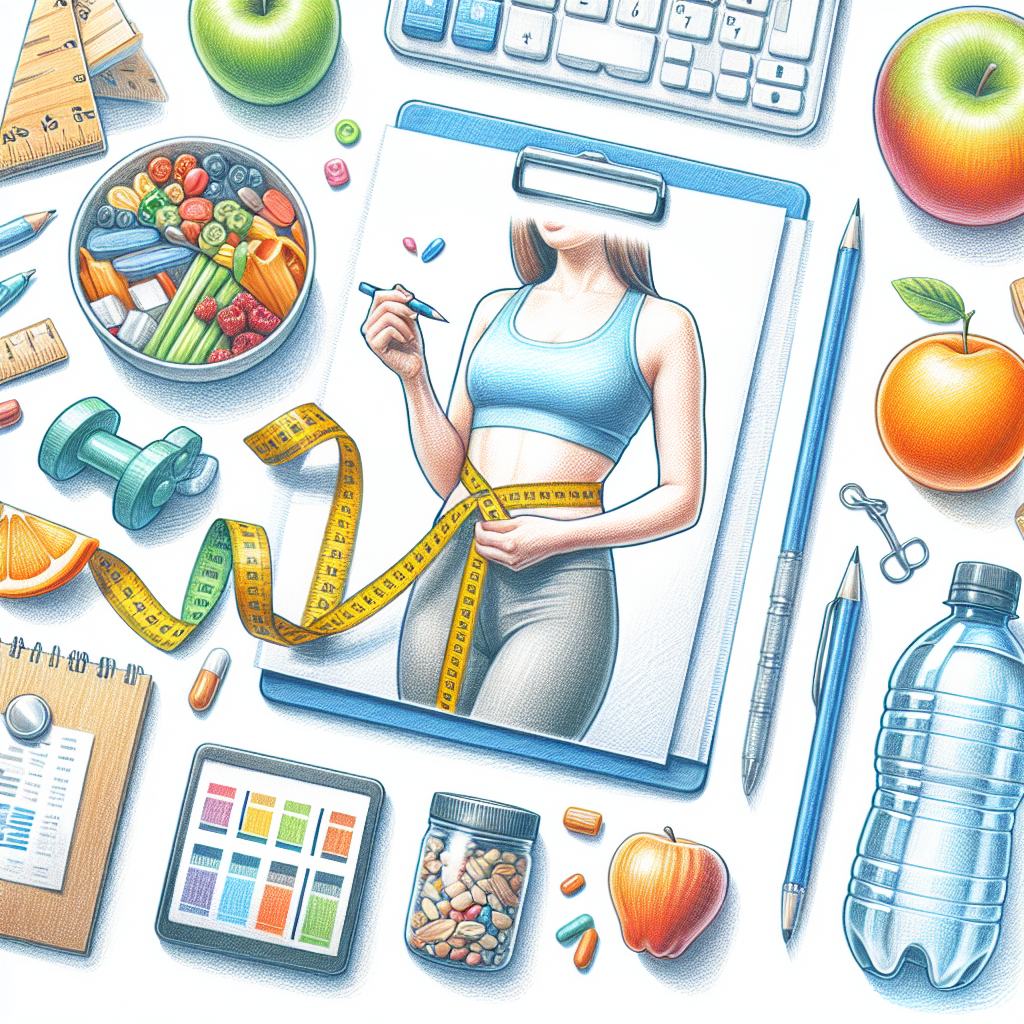
Embarking on a weight loss journey can be both exciting and daunting. With countless methods and strategies available, it’s essential to find an approach that not only yields results but also fits seamlessly into your daily routine. This article aims to demystify the process of weight loss by offering practical guidance, particularly highlighting the transformative power of six-minute workout sessions at home. These short bursts of intense activity are not just time-efficient; they can be a game-changer in your fitness regimen.

  • Understanding the Weight Loss Journey
  • The Power of Six-Minute Workouts
  • Creating a Practical Routine
  • When to Seek Professional Help
  • Debunking Common Myths
  • Frequently Asked Questions
  • Conclusion

Understanding the Weight Loss Journey

The weight loss journey is unique to every individual, characterized by personal motivations, challenges, and successes. Understanding that this endeavor involves not only physical changes but also mental and emotional adjustments is crucial. By setting realistic goals and nurturing a positive mindset, you can create an environment conducive to effective and lasting weight loss.

The Power of Six-Minute Workouts

Short workouts, particularly six-minute sessions, have garnered attention for their convenience and effectiveness. These workouts can be performed at home, making them accessible to everyone regardless of their lifestyle. The magic of six-minute exercises lies in their ability to:

  • Fit into your schedule, enabling consistent practice.
  • Boost metabolism quickly, enhancing calorie burn throughout the day.
  • Increase energy levels, promoting a more active lifestyle.
  • Improve cardiovascular health and muscle strength.

For those considering a structured approach, you can register for a free 30-day trial of the SixPack workout program, experiencing the benefits of these powerful short sessions firsthand.

Creating a Practical Routine

To successfully integrate weight loss into your life, establish a routine that incorporates both nutrition and physical activity. Consider the following steps:

  1. Assess your current lifestyle and identify areas for improvement.
  2. Commit to short workout sessions, starting with six-minute routines a few times a week.
  3. Incorporate balanced meals that support your energy needs and include plenty of whole foods.
  4. Track your progress, celebrating small milestones to maintain motivation.
  5. Stay adaptable, adjusting your routine as necessary to keep it aligned with your personal goals.

When to Seek Professional Help

While a self-directed approach can be effective, there are instances when professional guidance is beneficial. Consider consulting a healthcare professional or a registered dietitian if you experience:

  • Sudden weight loss or gain without intention.
  • Emotional distress related to body image or eating habits.
  • Persistent fatigue or lack of energy despite following a routine.
  • Medical conditions that may affect your ability to exercise or diet safely.

Debunking Common Myths About Weight Loss

Many misconceptions exist regarding weight loss, often leading individuals astray. Here are a few common myths to be aware of:

  • Myth: Skipping meals helps with weight loss.
    Fact: This approach can slow metabolism and lead to overeating later.
  • Myth: All calories are equal.
    Fact: The source of calories matters; nutrient-dense foods promote better health and satiety.
  • Myth: Quick fixes yield long-term results.
    Fact: Sustainable weight loss requires lifestyle changes rather than temporary solutions.

Frequently Asked Questions

What are the best exercises for weight loss?

Cardiovascular exercises such as running, cycling, and swimming, combined with strength training, are effective for weight loss.

How important is nutrition in the weight loss journey?

Nutrition plays a critical role; a balanced diet can complement your exercise efforts, maximizing results.

How often should I exercise for weight loss?

Aiming for at least 150 minutes of moderate aerobic activity weekly, along with strength training twice a week, is recommended.

Can I lose weight without exercising?

While it’s possible to lose weight through dietary changes alone, incorporating exercise will improve overall health and promote sustainable results.

Is it normal to hit weight loss plateaus?

Yes, plateaus are common and can occur as your body adjusts to new routines. Persistence and adjustments can help overcome these periods.

Should I consult a professional for weight loss advice?

If you’re unsure about your diet or exercise plan, consulting a registered dietitian or a healthcare provider can provide personalized guidance and support.

Conclusion

  • The weight loss journey requires a balanced approach, focusing on both physical activity and nutrition.
  • Six-minute workout sessions can fit into any schedule, promoting health without time constraints.
  • Establishing a practical routine can help sustain motivation and foster success.
  • Recognizing when to seek professional advice is key to maintaining a safe and effective weight loss plan.
  • Being informed about common myths and misconceptions can help you make better choices along your weight loss journey.

Embark on your weight loss journey with confidence, knowing that every small step contributes to your overall progress. To experience the incredible benefits of short, impactful workouts at home, I invite you to register for a free 30-day trial of the SixPack workout program today!

Author: John Angel

Related articles

Categories
Weight Loss

Effective Weight Loss Strategies: Short Workouts Guide

To Lose Weight: A Comprehensive Guide

Embarking on a weight loss journey can be both exhilarating and daunting. The good news is that incorporating short, effective workouts into your daily routine can bring remarkable results with minimal time commitment. This article will explore the transformative magic of six-minute workouts, the practical steps to initiate your weight loss journey, and when to seek professional advice.

  • The Importance of a Structured Weight Loss Journey
  • The Magic of Six-Minute Short Workouts
  • Practical Steps for Effective Weight Loss
  • When to Consult a Professional
  • Common Myths and Misconceptions
  • Frequently Asked Questions
  • Conclusion

The Importance of a Structured Weight Loss Journey

A well-structured weight loss journey employs various factors, including diet, exercise, and mental well-being. Understanding your personal motivations and setting achievable goals is crucial for staying committed. Adopting a holistic approach not only aids in weight loss but fosters a healthier lifestyle overall.

The Magic of Six-Minute Short Workouts

Short workouts of just six minutes each may seem trivial, yet they hold extraordinary potential. These interval-based exercises can be seamlessly integrated into a busy lifestyle, allowing you to reap the benefits of physical activity without the time constraints typically associated with gym sessions.

By engaging in high-intensity training, you activate your metabolism quickly and burn calories efficiently. The emotional reward of completing a six-minute workout can also be a motivating factor, instilling a sense of accomplishment that propels your weight loss journey forward. Furthermore, these brief sessions ensure that even on your busiest days, you can squeeze in a crucial workout.

If you’re looking to jump-start your fitness routine, consider joining the free 30-day SixPack workout program today to experience these benefits firsthand.

Practical Steps for Effective Weight Loss

Here are some concrete steps to guide you on your weight loss journey:

  • Set Clear Goals: Define specific, measurable objectives for weight loss.
  • Create a Balanced Diet Plan: Incorporate a variety of nutrients, focusing on whole foods.
  • Include Short Workouts: Dedicate six minutes a day to high-intensity exercises.
  • Stay Hydrated: Drink plenty of water to support metabolism and overall health.
  • Monitor Progress: Keep track of your weight loss journey and adjust your strategies as needed.
  • Practice Mindfulness: Engage in mindfulness techniques to manage stress and maintain motivation.

When to Consult a Professional

While embarking on a weight loss journey, it’s important to recognize when to seek professional advice. Consider consulting a healthcare provider or a certified nutritionist if you experience any of the following:

  • Unexplained weight gain or loss
  • Health issues that may affect your ability to exercise
  • Emotional challenges that hinder your weight loss journey
  • Early signs of eating disorders or unhealthy habits

Common Myths and Misconceptions

When it comes to weight loss, misinformation abounds. Here are some common myths debunked:

  • Myth: You must spend hours at the gym to lose weight. Fact: Short workouts can be highly effective.
  • Myth: Skipping meals aids weight loss. Fact: Regular meals help maintain metabolic balance.
  • Myth: All calories are equal. Fact: Nutrient-dense foods are more beneficial than empty calories.
  • Myth: Weight loss is solely about diet. Fact: Incorporating exercise is essential.

Frequently Asked Questions

What types of exercises are best for weight loss?

High-intensity interval training (HIIT), strength training, and aerobic exercises are particularly effective for weight loss.

How often should I work out for weight loss?

Aim for at least 150 minutes of moderate aerobic activity or 75 minutes of vigorous activity each week, spread over several days.

Can I lose weight without dieting?

While you can lose weight through exercise alone, a balanced diet significantly enhances results.

Is it safe to lose weight quickly?

Rapid weight loss can lead to health complications; a gradual approach is safer and more sustainable.

What role does hydration play in weight loss?

Staying hydrated supports metabolism, helps control appetite, and keeps your body functioning efficiently.

Are short workouts effective for weight loss?

Yes, short, intense workouts can boost your metabolism and contribute significantly to calorie burning.

Conclusion

  • Weight loss is a personalized journey that requires clear goals.
  • Six-minute workouts provide an effective solution for busy individuals.
  • A balanced diet combined with regular physical activity is crucial.
  • Identifying when to seek professional advice can aid in successful weight loss.
  • Debunking myths surrounding weight loss enhances understanding and motivation.

As you embark on this transformative journey, remember that small, consistent changes can lead to significant results. For a well-rounded approach to weight loss, consider taking advantage of the free 30-day SixPack workout program and discover how six-minute workouts can make a difference in your daily life.

Author: John Angel

Related articles

Categories
Weight Loss

Free Weight Loss Training Program with Six-Minute Workouts

Free Weight Loss Training Program: Your Path to a Healthier Lifestyle

The journey towards effective weight loss can feel daunting at times, but with the right approach, it becomes entirely achievable. A free weight loss training program offers practical solutions that can seamlessly fit into your daily routine. One particularly effective method involves six-minute short workouts done at home, catering to your busy lifestyle while maximizing results. This article delves into the benefits of such a program and how you can make the most of your weight loss journey.

  • Understanding Six-Minute Workouts
  • Benefits of Short Workouts
  • Creating Your Personalized Program
  • Common Misconceptions
  • When to Consult a Professional
  • FAQs about Weight Loss Training

Understanding Six-Minute Workouts

Six-minute workouts are high-intensity, focused exercises designed to elevate your heart rate and promote fat burning in a short amount of time. These workouts are user-friendly, requiring no advanced equipment or extensive time commitments. By incorporating them into your day, you create opportunities to stay active without overwhelming your schedule. Such brief sessions can also help you combat sedentary lifestyle habits and keep your motivation levels high.

Benefits of Short Workouts

Short workouts provide a multitude of benefits that make them particularly appealing for those on a weight loss journey:

  • Time Efficiency: In just six minutes, you can fit in a workout before work, during your lunch break, or even while waiting for dinner to cook.
  • Increased Motivation: Achieving quick wins helps you stay motivated and committed to your weight loss goals.
  • Accessibility: These workouts can be done from the comfort of your home, requiring minimal space and no special equipment.
  • Variety: You can easily mix and match workouts to keep your routine fresh and engaging, preventing boredom.
  • Boosted Energy: Short bursts of physical activity can help you feel more energized throughout your day.

To dive deeper into these benefits, consider exploring a 30-day free trial of the SixPack workout program, designed to introduce you to these time-saving workouts.

Creating Your Personalized Program

Creating a successful weight loss training program involves tailoring your workouts to fit your personal goals and lifestyle. Here are concrete steps to establish your personalized workout regimen:

  1. Identify Your Goals: Determine if you’re aiming for fat loss, muscle tone, or overall fitness improvement.
  2. Select Your Workouts: Choose from a variety of six-minute workout routines that align with your goals, incorporating both cardio and strength exercises.
  3. Schedule Workouts: Set aside specific times each day to commit to your six-minute routines, factoring in your existing commitments.
  4. Track Your Progress: Keep a journal or use a mobile app to document your workouts and track weight loss or fitness improvements.
  5. Stay Flexible: Adjust your program as needed to maintain effectiveness and enjoyment.

When to Consult a Professional

While embarking on your weight loss journey, there are instances where professional guidance may be necessary:

  • If you experience persistent fatigue or discomfort.
  • Should you struggle with motivation despite trying various methods.
  • In case you have underlying health conditions influencing your weight and fitness level.
  • If there’s a significant amount of weight to lose and you feel uncertain about where to start.
  • When considering radical changes to your diet or exercise routine.

Consulting a healthcare professional or a certified fitness trainer can provide tailored guidance and help you achieve your goals while ensuring safety.

Common Misconceptions About Weight Loss Training

There are many misconceptions surrounding weight loss training; addressing these can aid you in maintaining a sensible and effective approach:

  • Myth 1: Short workouts are ineffective. This is not true; high-intensity exercises in short intervals can lead to significant improvements.
  • Myth 2: You must exercise for hours to lose weight. Consistency and intensity often outweigh the length of workouts.
  • Myth 3: Weight loss can’t be maintained with home workouts. With a structured plan, long-term results can easily be achieved at home.
  • Myth 4: Weight loss is solely diet-based. Physical activity plays a crucial role, and incorporating both diet and exercise increases effectiveness.

FAQs about Weight Loss Training

What is a six-minute workout?

A six-minute workout is a short, high-intensity exercise routine designed to maximize fat burning and improve fitness within a brief period.

How often should I do six-minute workouts?

Ideally, aim for at least five short sessions per week, gradually increasing as you become more comfortable with the routines.

Can beginners do these workouts?

Yes, six-minute workouts can be tailored for beginners by starting with more manageable exercises and gradually increasing intensity.

Do I need special equipment to do six-minute workouts?

No specialized equipment is required; many exercises utilize body weight for resistance, making them highly accessible.

Will I see results with just six minutes of exercise?

Yes, when combined with a balanced diet, consistent six-minute workouts can lead to significant improvements in weight loss and overall fitness.

Can I incorporate these workouts into my everyday life?

Absolutely! The flexibility of brief workouts allows you to integrate them seamlessly into your daily routine, enhancing your overall activity level.

Conclusion

  • Six-minute workouts provide an efficient and effective way to engage in physical activity.
  • These short bursts of exercise can fit seamlessly into busy schedules.
  • Creating a personalized program ensures that your workouts align with your fitness goals.
  • Consulting a professional, when necessary, guarantees a safe and guided approach.
  • Staying informed about common myths enables a more rational and realistic weight loss journey.

By incorporating six-minute workouts into your life, you can enhance your weight loss journey and maintain elevated energy levels throughout your day. Explore a free trial of the SixPack workout program to kickstart your journey toward a healthier lifestyle today.

Author: John Angel

Related articles

Categories
Fitness

30-Day Strength Training Program for Effective Weight Loss

Embarking on a weight loss journey can be daunting yet exhilarating. A key element that contributes to success in such a journey is a structured and effective strength training program. This article introduces a comprehensive 30-day strength training program designed to enhance your physical fitness while integrating seamlessly into your daily routine. Furthermore, discover the magic of brief six-minute workouts that can be done at home, helping you optimize your exercise time and results.

  • Introduction
  • The Importance of Strength Training
  • Overview of the 30-Day Program
  • Benefits of Short Workouts
  • Implementing the Program
  • When to Seek Professional Guidance
  • Common Myths Dispelled
  • Frequently Asked Questions
  • Conclusion

The Importance of Strength Training

Strength training is a fundamental component of a comprehensive fitness routine, particularly for those on a weight loss journey. Engaging in regular strength exercises not only accelerates fat loss but also enhances muscle tone, boosts metabolism, and improves overall physical strength. Additionally, it provides lasting benefits by fortifying bones, reducing injury risks, and boosting mental well-being. As you build muscle, you also cultivate a fitness foundation that supports long-term health objectives.

Overview of the 30-Day Program

This 30-day strength training program has been meticulously structured to progressively challenge your body while ensuring that you do not feel overwhelmed. Each week’s focus varies to include different muscle groups, balancing strength, endurance, and flexibility. Here’s an overview of what to expect:

  • Week 1: Introduction to basic movements
  • Week 2: Building endurance with compound exercises
  • Week 3: Incorporating resistance for increased intensity
  • Week 4: Mastering complex movements and functional fitness

To make this journey even more accessible, sign up for the SixPack workout program for 30 days for free.

Benefits of Short Workouts

The magic of six-minute short workouts at home lies in their ability to fit into even the busiest schedules. These brief yet impactful sessions allow you to focus intensely on particular muscle groups or cardiovascular fitness without requiring a significant time commitment. The benefits include:

  • Efficiency: Six-minute workouts maximize your effort, providing you with a powerful session that can be easily completed during breaks or while multitasking.
  • Enhanced Consistency: Short durations make it easier to commit to a workout, promoting a habit of regular exercise.
  • Accessibility: These workouts can be performed at home without needing extensive gym equipment, making health and fitness more attainable.
  • Quick Recovery: Less strenuous than longer sessions, short workouts reduce the likelihood of fatigue and encourage regular participation.

Implementing the Program

To successfully implement this 30-day strength training program, follow these steps:

  1. Set Clear Goals: Define what you hope to achieve at the end of the 30 days, whether weight loss, increased strength, or improved overall fitness.
  2. Create a Schedule: Dedicate specific days and times for working out to establish a routine.
  3. Gather Equipment: Although many exercises require minimal or no equipment, consider having dumbbells, resistance bands, or yoga mats available.
  4. Track Progress: Document your workouts and fitness milestones; tracking serves as motivation and accountability.
  5. Listen to Your Body: Adjust the intensity based on how you feel. Allow recovery days if needed.

For added convenience and guidance, consider registering for the SixPack workout program for 30 days for free.

When to Seek Professional Guidance

If you experience persistent pain or discomfort during or after your workouts, it is crucial to consult a qualified fitness professional or physician. Other situations that warrant professional consultation include:

  • Pre-existing health conditions that may be aggravated by physical activity.
  • Concerns about injury recovery.
  • Questions regarding the suitability of specific exercises or adaptations for your body type.

Common Myths Dispelled

As with many fitness topics, misconceptions about strength training abound. Here are a few common myths and the truths dispelling them:

  • Myth: Strength training is only for bodybuilders. Truth: Strength training is beneficial for everyone, regardless of body type or fitness goal.
  • Myth: Lifting weights makes you bulky. Truth: Proper strength training leads to lean muscle development rather than bulk.
  • Myth: You should only lift weights for weight loss. Truth: A combination of strength training and cardio will yield the best results.

Frequently Asked Questions

What can I expect from a 30-day strength training program?

You can expect improvements in muscle strength, endurance, and overall fitness levels, along with potential weight loss if combined with a healthy diet.

How often should I perform strength workouts?

Aim for three to four sessions per week to allow muscle recovery and growth.

Do I need special equipment for this program?

No special equipment is necessary, although weights and resistance bands can augment your workouts.

Can I do strength training at home?

Yes, much of the strength training can be done at home using bodyweight exercises or minimal equipment.

What if I’m a beginner?

Starting with basic movements and focusing on proper form is essential. Progress at your own pace and gradually increase intensity as you become more comfortable.

Is it too late to start strength training?

Absolutely not! Strength training can benefit individuals of all ages, and it’s never too late to begin.

Conclusion

  • Strength training is essential for effective weight loss and overall fitness.
  • The 30-day program is designed to be accessible and beneficial for all fitness levels.
  • Short, six-minute workouts make it easy to integrate fitness into a busy lifestyle.
  • Consult a professional if you have health concerns or experience pain.
  • Dispelling myths can encourage more people to embrace strength training as part of their routines.

Are you ready to embark on your strength training journey? Take your first step today by joining the SixPack workout program for 30 days for free and discover the empowering world of fitness!

Author: John Angel

Related articles

Categories
Weight Loss

30-Day Fat Loss Meal Plan with Short Workouts

Embarking on a weight loss journey can often feel overwhelming. A structured meal plan paired with effective, short workout sessions can significantly streamline this process. This article outlines a 30-day fat loss meal plan designed to facilitate safe and sustainable weight loss while emphasizing the power of six-minute workouts at home. By merging nutrition and efficient exercise, you can enhance your daily life and achieve your goals more effectively.

  • Introduction to the Meal Plan
  • Understanding the Science of Fat Loss
  • 30-Day Meal Plan Breakdown
  • The Superiority of Short Workouts
  • Common Mistakes in Weight Loss
  • When to Consult a Professional
  • FAQs
  • Conclusion and Call to Action

Introduction to the Meal Plan

This 30-day fat loss meal plan emphasizes balanced nutrition, making it easier for individuals to achieve their weight loss goals. It offers diverse meal options that include proteins, healthy fats, and carbohydrates in appropriate portions, ensuring satiety and nutritional adequacy. In combination with short, effective workouts, this plan aims to simplify the pursuit of a healthier lifestyle.

Understanding the Science of Fat Loss

Fat loss occurs when the body burns more calories than it consumes. A calorie deficit is the cornerstone of any effective weight loss strategy. This meal plan is designed to create a sustainable calorie deficit while providing essential nutrients. The importance of a mixed diet cannot be overstated, as it aids in maintaining energy levels and overall health during the weight loss journey.

30-Day Meal Plan Breakdown

The following 30-day meal plan is designed to be both simple and diverse. Each week has specific guidelines to ensure variety, thereby preventing diet fatigue.

Week 1

  • Breakfast: Greek yogurt with berries and a sprinkle of nuts.
  • Lunch: Grilled chicken salad with mixed greens, cherry tomatoes, and vinaigrette.
  • Dinner: Baked salmon with steamed broccoli and quinoa.

Week 2

  • Breakfast: Oatmeal with sliced bananas and a drizzle of honey.
  • Lunch: Turkey and avocado wrap with whole-wheat tortilla.
  • Dinner: Stir-fried tofu with mixed vegetables and brown rice.

Week 3

  • Breakfast: Smoothie with spinach, protein powder, banana, and almond milk.
  • Lunch: Quinoa salad with black beans, corn, and cilantro-lime dressing.
  • Dinner: Baked chicken breast with sweet potato and asparagus.

Week 4

  • Breakfast: Chia seed pudding with almond milk and fresh fruit.
  • Lunch: Lentil soup with whole-grain bread.
  • Dinner: Grilled shrimp with zucchini noodles and marinara.

The Superiority of Short Workouts

The magic of six-minute workouts lies in their efficiency and accessibility. These brief, concentrated sessions can be seamlessly integrated into a busy schedule, enabling individuals to stay active without feeling overwhelmed. Short workouts not only boost motivation and energy levels but also fit perfectly into a daily routine, making it easier to stick to your weight loss journey.

Here are some benefits of short workouts:

  • Time-efficient, encouraging regular exercise.
  • Promote cardiovascular health and muscle maintenance.
  • Can be performed in the comfort of your home, requiring minimal or no equipment.
  • Boost mood and energy levels, enhancing overall productivity.
Register for the SixPack workout program for 30 days for free

to experience the benefits of these short workouts firsthand.

Common Mistakes in Weight Loss

Understanding common pitfalls is crucial for anyone on a weight loss journey. Here are key mistakes to avoid:

  • Skipping meals, which can lead to overeating later.
  • Relying solely on exercise for weight loss instead of combining it with a balanced diet.
  • Being too restrictive, which can lead to cravings and binge eating.
  • Failing to track progress, making it hard to stay accountable.

When to Consult a Professional

It’s essential to consult a qualified nutritionist or healthcare provider if you experience any of the following:

  • Persistent fatigue or weakness despite following a meal plan.
  • Significant weight loss without intentional effort.
  • Complications arising from underlying health conditions.
  • Severe cravings or emotional distress related to dieting.

FAQs

How many calories should I consume in a day for weight loss?

This varies by individual. A common target is 1,200 to 1,500 calories daily for women and 1,500 to 2,000 for men, but it’s important to consult a professional for personalized guidance.

Can I lose weight without exercising?

While it’s possible, combining a balanced diet with exercise significantly enhances weight loss outcomes and overall health.

What are healthy snacks for weight loss?

Nutrious options include fruits, nuts, yogurt, and vegetables with hummus, which provide both satisfaction and essential nutrients.

How do I stay motivated during my weight loss journey?

Set achievable goals, track your progress, and celebrate small victories to maintain motivation throughout your journey.

What should I drink while trying to lose weight?

Focus on water, herbal teas, and black coffee while avoiding sugary drinks and excessive alcohol.

How quickly can I expect to see results?

Results vary per individual, but consistent efforts over a few weeks should yield visible changes in body composition and energy levels.

Conclusion and Call to Action

  • Follow a balanced 30-day meal plan to create a calorie deficit.
  • Incorporate six-minute short workouts into your daily routine for maximum efficiency.
  • Avoid common mistakes that may hinder progress in your weight loss journey.
  • Seek professional advice when necessary to address any health concerns.
  • Stay motivated by setting realistic goals and tracking your progress.

Are you ready to take your weight loss journey to the next level? Register for the SixPack workout program for 30 days for free and experience the transformation today!

Author: John Angel

Related articles

Categories
Fitness

Effective 6-Day Workout Program for Weight Loss

6-Day Workout Program: Transform Your Weight Loss Journey

Embarking on a fitness regimen can feel daunting, but a well-structured 6-day workout program provides a practical pathway to achieving your weight loss goals. This program harnesses the potency of short, six-minute workouts that can be easily performed at home. These concise yet effective sessions not only fit seamlessly into daily life but also promote consistency, minimizing barriers to entry. As you read on, discover how this structured routine can aid your weight loss journey.

  • Introduction
  • Understanding the Six-Minute Workout
  • Benefits of a Six-Day Program
  • Weekly Overview of the Workout Structure
  • When to Consult a Professional
  • Myths and Common Misconceptions
  • Frequently Asked Questions
  • Conclusion

Understanding the Six-Minute Workout

The magic of six-minute workouts lies in their ability to deliver maximum results in minimal time. These workouts are strategically designed to elevate your heart rate and stimulate muscle engagement without requiring significant time commitments. Over the course of a day, a six-minute workout can easily be integrated into your schedule—be it during a lunch break, before breakfast, or after a long day. This format not only encourages regular exercise but also fosters a sense of accomplishment.

Benefits of a Six-Day Program

1. Efficiency: Each workout targets various muscle groups, ensuring a balanced approach to strength and endurance. You can accomplish significant results by committing just a fraction of your day.

2. Convenience: Working out at home eliminates the need for a gym membership or travel time, making fitness more accessible.

3. Flexibility: Short, focused workouts can be easily adapted to fit your energy levels and available equipment, whether you have weights or just your body weight.

4. Consistency: The brief duration encourages you to maintain regular exercise habits, pivotal for weight loss success.

5. Fun Factor: Engaging in diverse routines can stave off monotony and keep your motivation high.

Weekly Overview of the Workout Structure

The following section outlines a sample weekly structure that you might follow in this 6-day program:

  1. Day 1: Full Body Strength – Focuses on core strength with exercises like squats and push-ups.
  2. Day 2: Cardio Blast – Engages in high-intensity interval training (HIIT) to boost heart health.
  3. Day 3: Upper Body – Targets arms and shoulders, using resistance for endurance.
  4. Day 4: Lower Body Focus – Targets leg strength with lunges and calf raises.
  5. Day 5: Core Conditioning – Incorporates planks and ab workouts for core stability.
  6. Day 6: Active Recovery – Engages in light stretching or yoga for flexibility. Rest, rejuvenate, and prepare for the next week.

For an extended version of this program, consider registering for the SixPack workout program for 30 days for free.

When to Consult a Professional

While embarking on a new workout program can be exciting, it’s essential to consult with a qualified health professional under certain circumstances:

  • If you have pre-existing health conditions, such as heart disease or diabetes, obtain a doctor’s clearance before starting.
  • Should you experience any pain beyond normal workout discomfort, seek professional advice.
  • If you plan to incorporate significant dietary changes alongside your workout, discussing this with a nutritionist could be beneficial.

Myths and Common Misconceptions

It is essential to address common myths surrounding short workouts:

  • Myth 1: Short workouts are ineffective. Contrary to this belief, high-intensity short workouts can yield excellent results.
  • Myth 2: You need a gym to lose weight. In reality, effective workouts can be performed with minimal or no equipment at home.
  • Myth 3: You must work out for at least 30 minutes to achieve results. Six minutes can be more than sufficient when executed correctly.
  • Myth 4: All workouts lead to weight loss. Effective weight loss also heavily depends on nutrition and overall lifestyle.

Frequently Asked Questions

What equipment do I need for the 6-day workout program?

Minimal equipment is necessary; items such as a mat, resistance bands, or dumbbells can enhance your workout experience.

Is it necessary to follow the schedule precisely?

While the structure provides guidance, feel free to adjust it according to your preferences and availability.

How quickly can I expect to see results?

Results vary by individual, depending on factors like activity level, diet, and metabolism, with some experiencing changes as early as a few weeks.

Can I do these workouts if I am a beginner?

Absolutely! The workouts can be modified to suit varying fitness levels, making them accessible for beginners.

How do I stay motivated throughout the program?

Set specific goals, track your progress, and consider joining a community or a friend to stay accountable.

Are there any contraindications to these workouts?

If you have health concerns or an existing injury, consulting a medical professional is advisable before starting the program.

Conclusion

  • A 6-day workout program can significantly enhance your weight loss journey.
  • Short workout durations effectively fit into daily schedules.
  • Consistency is crucial for achieving long-term results.
  • Adaptable workouts allow for personalization according to one’s fitness level.
  • Consult a professional when facing health concerns or discomfort.

Embarking on a structured 6-day workout program could be your gateway to a healthier lifestyle. For those ready to take the plunge, consider exploring the SixPack workout program for 30 days for free, and watch how a little bit of effort each day yields substantial changes.

Author: John Angel

Related articles

Categories
Weight Loss

Effective Diet Plan for Sustainable Weight Loss

Embarking on a weight loss journey can be both exciting and daunting. With an abundance of information available, it becomes essential to find a diet plan that is not only effective but also sustainable. A well-structured diet plan, combined with manageable physical activity, can lead to meaningful results without the feeling of deprivation. In this article, we explore a comprehensive diet plan aimed at weight reduction, while highlighting the transformative potential of short, impactful workouts.

  • Understanding Weight Loss Fundamentals
  • Creating a Balanced Diet Plan
  • The Role of Short Workouts
  • Practical Steps to Incorporate Changes
  • When to Consult a Professional
  • Myths and Misconceptions
  • Frequently Asked Questions

Understanding Weight Loss Fundamentals

Weight loss fundamentally revolves around creating a caloric deficit, where the calories consumed are fewer than those expended. This principle can be achieved through dietary modifications and an increase in physical activity. The key lies in adopting a holistic approach that ensures both physical well-being and mental satisfaction.

Creating a Balanced Diet Plan

A balanced diet plan is crucial in your weight loss journey. Below are essential components to consider:

  • Macronutrient Balance: Focus on incorporating a healthy mix of carbohydrates, proteins, and fats. Aim for complex carbohydrates such as whole grains, lean meats, fish, legumes, and healthy fats like avocados and nuts.
  • Portion Control: Serve smaller portions to avoid overeating while still enjoying a variety of foods.
  • Hydration: Drink plenty of water throughout the day. Often, we confuse thirst with hunger.
  • Meal Planning: Pre-planning meals can prevent impulsive eating and help maintain a balanced dietary intake.
  • Mindful Eating: Practice awareness during meals; eat slowly and savor each bite.

The Role of Short Workouts

The appeal of short, six-minute workouts at home lies in their accessibility and effectiveness. These workouts can seamlessly integrate into a busy schedule, making them perfect for anyone, regardless of their lifestyle. The magic of these quick sessions is not merely in their duration, but in their ability to elevate heart rates and stimulate muscle activity in a short time.

Benefits of short workouts include:

  • Time Efficiency: Easily fit in a workout session during breaks or between chores.
  • Increased Flexibility: Adapt workouts to various fitness levels and preferences.
  • Mental Boost: Short bursts of exercise can elevate mood and improve focus throughout the day.

To experience the advantages of these brief workouts, consider exploring the free 30-day SixPack workout program.

Practical Steps to Incorporate Changes

Implementing a diet plan and workout regimen requires commitment but can lead to impressive results. Here’s how to begin:

  1. Set Realistic Goals: Start with small, achievable targets to build confidence.
  2. Track Progress: Maintain a journal for food intake and exercise to observe patterns and make necessary adjustments.
  3. Stay Social: Surround yourself with supportive friends or join online communities for motivation.
  4. Culinary Exploration: Try new, healthy recipes to keep meals exciting rather than monotonous.
  5. Regular Assessment: Re-evaluate your plan monthly and adjust based on what works or doesn’t.

When to Consult a Professional

While many can successfully manage their weight loss independently, there are occasions when professional guidance becomes essential. Consult a qualified healthcare provider or nutritionist if you experience:

  • Unexplained weight fluctuations.
  • Emotional distress related to food or exercise.
  • Health conditions that may impact dietary choices, such as diabetes or eating disorders.

Myths and Misconceptions

Understanding weight loss involves distinguishing facts from myths. Here are common misconceptions:

  • Myth 1: All fats are bad. Fact: Healthy fats are crucial for overall health.
  • Myth 2: Carbs should be avoided completely. Fact: Whole grain carbs provide essential energy.
  • Myth 3: You must exercise for hours to lose weight. Fact: Short, intense workouts can be very effective.

Frequently Asked Questions

What is a caloric deficit?

A caloric deficit occurs when you consume fewer calories than your body needs to maintain its current weight.

Can I lose weight without exercising?

Yes, weight loss can be achieved through dietary changes alone, but exercise contributes to overall health and faster results.

How can I stay motivated during my weight loss journey?

Setting smaller goals, tracking your progress, and finding a support network can greatly enhance motivation.

Is it normal to have weight fluctuations?

Yes, minor fluctuations are normal and can be caused by various factors like water retention or daily changes in food intake.

Can I eat snacks while on a weight loss plan?

Yes, healthy snacks can help curb hunger and prevent overeating during main meals.

How often should I adjust my diet plan?

Re-evaluate your diet plan every month to assess your progress and make necessary adjustments.

Conclusion

  • Weight loss is achievable through a balanced diet and short, effective workouts.
  • A well-planned menu ensures you remain nourished while reducing caloric intake.
  • Short workouts can be integrated into daily life, making exercise approachable and enjoyable.
  • Professional guidance may be necessary under certain health conditions or uncertainties.
  • Distinguishing fact from myth helps maintain a sustainable and informed approach to weight management.

As you embark on your weight loss journey, remember that progress takes time and dedication. Explore the free 30-day SixPack workout program to complement your new diet plan and witness the transformation unfold.

Author: John Angel

Related articles

Categories
Fitness

Effective Weight Training Exercises for Weight Loss

Weight Training Exercises for Weight Loss: A Comprehensive Guide

Weight training has long been recognized as a vital component of any effective weight loss journey. Beyond mere calorie burning, it offers the benefit of increasing muscle mass, which in turn enhances metabolism. This article provides insights into the most effective weight training exercises for weight loss, explains the magic of short workouts, and offers practical advice to incorporate these routines into daily life.

  • Understanding Weight Loss Through Weight Training
  • Key Benefits of Weight Training
  • Short Workouts: The Six-Minute Magic
  • Effective Weight Training Exercises
  • Sample Workout Plans
  • When to Consult a Professional
  • Common Myths about Weight Training and Weight Loss
  • FAQ

Understanding Weight Loss Through Weight Training

Weight loss is commonly associated with cardiovascular exercise, such as running or cycling. However, integrating weight training into your fitness routine can significantly accelerate your results. Weight training builds muscle, and muscle burns more calories at rest compared to fat. Thus, increasing your muscle mass can lead to a higher resting metabolic rate, ultimately aiding in weight loss.

Key Benefits of Weight Training

  • Increased Muscle Mass: More muscle leads to higher calorie burn.
  • Improved Strength: Strengthening muscles enhances overall physical performance.
  • Enhanced Metabolism: Increased muscle mass elevates your resting metabolic rate.
  • Bone Health: Weight training promotes stronger bones, reducing injury risk.
  • Mood Improvement: Exercise stimulates endorphin release, enhancing mental health.

Short Workouts: The Six-Minute Magic

The modern pace of life often leaves little room for lengthy workouts. This is where six-minute home workouts shine. These concise yet effective sessions are designed to fit into even the busiest schedules while maximizing results. Just six minutes can boost your heart rate, challenge your muscles, and elevate your mood. They also require minimal equipment and space, making them accessible for everyone.

The convenience and efficiency of short workouts not only save time but can also sustain motivation. Engaging in a quick session is less daunting, promoting consistency in your weight loss journey. You can start experiencing the benefits today—register for the SixPack workout program for 30 days for free and discover how six-minute workouts can seamlessly integrate into your day.

Effective Weight Training Exercises

The following exercises can be effectively integrated into a weight training regimen to support weight loss:

  • Squats: Engage multiple muscle groups, including quadriceps, hamstrings, and glutes.
  • Deadlifts: Target back muscles, glutes, and hamstrings while promoting core stability.
  • Push-Ups: Strengthen the upper body, including arms, chest, and shoulders.
  • Bicep Curls: Isolate and strengthen the biceps, enhancing arm definition.
  • Tricep Dips: Focus on the triceps, which are crucial for balanced arm strength.
  • Lunges: Work the legs and engage core muscles for stability and strength.

Sample Workout Plans

Here is a simple weekly plan to get you started with weight training for weight loss:

  1. Day 1: Full Body Workout – Squats, Push-Ups, Deadlifts (3 sets of 10-12 reps each)
  2. Day 2: Core Focus – Planks, Bicep Curls, Tricep Dips (3 sets of 10-12 reps each)
  3. Day 3: Rest or Light Cardio
  4. Day 4: Lower Body Focus – Lunges, Deadlifts, Glute Bridges (3 sets of 10-12 reps each)
  5. Day 5: Upper Body Focus – Push-Ups, Bicep Curls, Tricep Dips (3 sets of 10-12 reps each)
  6. Day 6: Rest or Engage in a Six-Minute Workout
  7. Day 7: Active Recovery – Light Stretching or Yoga

When to Consult a Professional

While many individuals can safely engage in weight training, certain situations warrant consulting a healthcare professional:

  • Experiencing any pain that feels unusual or persists during workouts.
  • If you have pre-existing medical conditions that affect physical activity.
  • Seeking personalized nutrition or exercise plans tailored to your needs.
  • Feeling unsure about proper technique to avoid injury.

Common Myths about Weight Training and Weight Loss

Despite the well-documented benefits of weight training, several myths persist:

  • Myth 1: Weight lifting makes you bulky. Truth: Proper training promotes muscle tone without excessive bulk if done in moderation.
  • Myth 2: Cardio is the only way to lose weight. Truth: Weight training is equally effective and beneficial for weight loss.
  • Myth 3: You need to lift heavy weights to see results. Truth: Lighter weights with proper form can be just as effective.
  • Myth 4: Weight training is only for younger individuals. Truth: People of all ages can benefit from strength training.

FAQ

Can I lose weight just by doing weight training?

Yes, weight training can effectively lead to weight loss, especially when combined with a balanced diet.

How often should I do weight training for weight loss?

Aim for at least two to three sessions per week for optimal results in combination with cardio exercises.

Will weight training cause me to gain weight?

You may gain muscle, but muscle mass increases metabolism, aiding in fat loss.

What is the best time of day to do weight training?

The best time is when you can consistently fit it into your schedule. Morning, noon, or evening workouts are all effective.

Do I need a gym for weight training?

No, many weight training exercises can be done at home using bodyweight or minimal equipment.

How can I maintain motivation in my weight loss journey?

Set realistic goals, track your progress, and consider short, effective workouts to keep your routine engaging.

Conclusion

  • Weight training is a crucial element of an effective weight loss journey.
  • Short workouts can be highly effective and easily fit into any lifestyle.
  • Incorporating diverse exercises engages multiple muscle groups for balanced development.
  • Consulting a professional can provide tailored advice and enhance your progress.
  • Stay informed about common myths to make educated decisions in your fitness journey.

Are you ready to boost your weight loss journey with effective weight training? Explore the benefits of quick sessions with our 30-day free trial of the SixPack workout program today!

Author: John Angel

Related articles

Categories
Weight Loss

Effective Meal Plan for Sustainable Weight Loss

Embarking on a weight loss journey can be both thrilling and daunting. One crucial aspect of this journey is a well-structured meal plan, designed to foster sustainable weight loss while satisfying your nutritional needs. This article will guide you through an effective weight loss plan meal structure, emphasizing the importance of balancing macronutrients and incorporating physical activity. We will also explore the remarkable benefits of short six-minute workouts at home, which can seamlessly fit into a busy lifestyle.

  • Understanding the Basics of Meal Planning
  • Creating Nutritionally Balanced Meals
  • The Role of Six-Minute Workouts
  • Concrete Steps to Implement Your Meal Plan
  • When to Seek Professional Help
  • Common Weight Loss Myths and Mistakes
  • Frequently Asked Questions

Understanding the Basics of Meal Planning

A weight loss meal plan is designed to reduce caloric intake while ensuring adequate nutrient consumption. It typically includes a variety of foods rich in vitamins, minerals, and other essential nutrients. Understanding portion sizes, food groups, and the timing of meals can drastically influence your success.

The Components of a Balanced Meal

A successful meal plan should consist of the following components:

  • Lean proteins (e.g., chicken, fish, legumes)
  • Whole grains (e.g., quinoa, brown rice)
  • Healthy fats (e.g., avocados, nuts)
  • Fruits and vegetables (e.g., seasonal produce)

Creating Nutritionally Balanced Meals

When constructing your meals, aim for a balance of macronutrients: carbohydrates, proteins, and fats. This equilibrium ensures your body receives the energy it requires while also promoting fat loss.

Sample Meal Ideas

  • Breakfast: Scrambled eggs with spinach and whole-grain toast.
  • Lunch: Quinoa salad with chickpeas, cucumbers, and a lemon-tahini dressing.
  • Dinner: Grilled salmon with roasted broccoli and sweet potato.
  • Snacks: Greek yogurt with berries or a handful of almonds.

The Role of Six-Minute Workouts

The magic of six-minute workouts lies in their ability to rapidly invigorate your body and metabolism. These brief sessions fit into even the busiest schedules and can yield significant results when performed consistently.

Benefits of Short Workouts

Short workouts boost your metabolic rate, enhance cardiovascular fitness, and improve muscle tone without requiring significant time commitment. Incorporating these quick sessions into your daily regimen aids in reinforcing your weight loss plan and cultivating a healthier lifestyle.

To experience the potential of these transformative workouts, consider signing up for the SixPack workout program for 30 days for free — an opportunity perfect for anyone beginning their weight loss journey.

Concrete Steps to Implement Your Meal Plan

Effective meal planning requires structured implementation. Here’s how to ensure you stay on track:

  1. Plan Ahead: Dedicate a day each week to meal prep. Choose recipes that keep well and can be stored without losing flavor.
  2. Grocery Shopping: Shop with a list to avoid impulse purchases. Stick to the perimeter of the store for fresh options.
  3. Portion Control: Use measuring cups to portion foods accurately and avoid overeating.
  4. Stay Hydrated: Drink ample amounts of water throughout the day to promote metabolism and reduce hunger pangs.
  5. Mindful Eating: Pay attention to your food; savor each bite, and avoid distractions while eating.

When to Seek Professional Help

It may be beneficial to consult with a healthcare professional when:

  • Your weight loss journey stalls despite your efforts.
  • You experience unusual hunger or extreme fatigue.
  • Your body image issues or relationships with food cause distress.
  • You have pre-existing health conditions that require managing during weight loss.

Common Weight Loss Myths and Mistakes

In your weight loss journey, it’s crucial to distinguish fact from fiction. Here are some common misconceptions:

  • Myth: Skipping meals is an effective weight-loss strategy.
  • Fact: It often leads to overeating later and can harm your metabolism.
  • Myth: All fats are bad and should be eliminated from the diet.
  • Fact: Healthy fats are essential for hormone balance and overall health.
  • Myth: You can outrun a poor diet with exercise.
  • Fact: Nutrition plays a more significant role in weight loss than exercise alone.

Frequently Asked Questions

How quickly can I expect to lose weight with a meal plan?

Weight loss varies by individual; however, a healthy rate is typically 1-2 pounds per week.

What is the ideal number of meals per day for weight loss?

There is no single ideal — choose a pattern that fits your lifestyle, whether it’s three larger meals or five smaller ones.

Are snacks allowed in a weight loss meal plan?

Yes, healthy snacks can help manage hunger and prevent overeating at meal times. Opt for nutrient-dense options.

Can I consume carbohydrates while trying to lose weight?

Absolutely! Focus on complex carbohydrates, such as whole grains and vegetables, which provide sustained energy.

What should I do if I have cravings?

Identify triggers and opt for healthy alternatives or a small portion of the craving to satisfy without derailment.

Is it necessary to count calories?

While counting calories can be helpful for some, listening to your body’s hunger signals is just as important.

Conclusion

  • Maintaining a structured meal plan aids in effective weight loss.
  • Six-minute workouts can enhance your results by fitting conveniently into your schedule.
  • Seek professional advice if you encounter persistent issues or concerns.
  • Understand common misconceptions to avoid pitfalls during your weight loss journey.
  • Stay committed to your goals through planning and mindful eating practices.

Begin your transformation today! Embrace the power of meal planning alongside efficient workouts. Remember to register for the SixPack workout program for 30 days for free and set forth on your weight loss journey equipped for success!

Author: John Angel

Related articles

Categories
Weight Loss

Free Meal Plan for Effective Fat Loss and Quick Workouts

Embarking on a weight loss journey can often feel overwhelming, but with the right resources, achieving your goals becomes a manageable task. One of the most effective strategies in this endeavor is adhering to a thoughtful meal plan complemented by exercise. In this article, we will present a free meal plan aimed at fat loss, along with insights into how short, six-minute workouts can be seamlessly integrated into your daily life, enhancing your routine and promoting consistency.

  • Understanding Caloric Deficit
  • The Free Meal Plan for Fat Loss
  • Benefits of Six-Minute Workouts at Home
  • How to Implement the Meal Plan and Workouts
  • When to Consult a Professional
  • Common Myths and Misconceptions
  • FAQs

Understanding Caloric Deficit

The cornerstone of any fat loss strategy is the concept of a caloric deficit, which requires consuming fewer calories than the body expends. This can be achieved through dietary adjustments and increased physical activity. Recognizing how your body processes food and energy expenditure will ultimately inform your weight loss journey.

The Free Meal Plan for Fat Loss

Below is a simple, free meal plan designed to facilitate fat loss. The focus is on whole foods rich in nutrients while ensuring portion control.

Sample Meal Plan

  • Breakfast: Greek yogurt with fresh berries and a sprinkling of chia seeds.
  • Mid-Morning Snack: A small apple and a handful of almonds.
  • Lunch: Quinoa salad with mixed vegetables and grilled chicken, drizzled with olive oil.
  • Afternoon Snack: Carrot sticks with hummus.
  • Dinner: Baked salmon with steamed broccoli and sweet potato.
  • Evening Snack: A piece of dark chocolate or a herbal tea.

This meal plan is designed to be flexible. Adjust portion sizes and snack choices based on individual preferences and dietary needs.

Benefits of Six-Minute Workouts at Home

Incorporating six-minute workouts into your daily routine can deliver remarkable benefits without overwhelming your schedule. These short bursts of exercise are perfect for busy individuals, offering the opportunity to fit in physical activity without needing extensive time commitments.

The magic of these six-minute workouts lies not only in their efficiency but also in their capacity to enhance mood, increase energy levels, and support metabolism. They can be performed at home, eliminating the need for a gym membership while still achieving impressive results. By carving out just six minutes a day, you can elevate your fitness level and complement your meal plan for greater success in your weight loss journey. To experience this firsthand, consider registering for the 30-day SixPack workout program for free.

How to Implement the Meal Plan and Workouts

Integrating the meal plan and six-minute workouts into your daily routine requires a strategic approach. Here’s a step-by-step guide:

  1. Plan Ahead: Prepare your meals in advance to avoid impulsive eating.
  2. Set Reminders: Create reminders or use an app to prompt you for workouts and meals.
  3. Stay Hydrated: Drink plenty of water throughout the day to support overall health and manage hunger.
  4. Track Progress: Utilize a journal or app to monitor meals, exercise, and your emotional state.
  5. Adjust as Needed: Be flexible with the meal plan and workouts based on your experiences and feelings.

When to Consult a Professional

While embarking on a weight loss journey, certain signs may indicate the need to consult a healthcare professional:

  • Continuous fatigue or lack of energy.
  • Unrealistic expectations leading to frustration.
  • Worsening mental health symptoms such as anxiety or depression.
  • Physical injuries or persistent pain from workouts.
  • Significant dietary restrictions or health conditions impacting nutrition.

Engaging with a qualified nutritionist or personal trainer can provide personalized guidance, ensuring your approach is both safe and effective.

Common Myths and Misconceptions

As you embark on your weight loss journey, it’s beneficial to distinguish facts from fiction. Here are some common myths:

  • Myth: Carbohydrates are bad for weight loss. Truth: Healthy carbs, like whole grains and fruits, are essential in moderation.
  • Myth: Skipping meals aids in weight loss. Truth: This can lead to overeating later and disrupts metabolism.
  • Myth: All calories are created equal. Truth: Nutrient-rich foods sustain energy better than empty-calorie junk foods.
  • Myth: You must exercise for hours to see results. Truth: Short, intense workouts can be highly effective.

FAQs

What is a caloric deficit?

A caloric deficit occurs when you consume fewer calories than your body uses, leading to weight loss over time.

How often should I follow the meal plan?

The meal plan can be followed daily with adjustments based on your individual needs and preferences.

Can I still lose weight without exercising?

Yes, weight loss can occur through dietary changes alone, but combining it with exercise typically enhances results.

How quickly can I expect to see results?

Results vary based on individual circumstances, but sustainable weight loss is typically around 1-2 pounds per week.

Do I need to count calories strictly?

While tracking calories can be useful, focusing on portion control and nutrient-rich foods is often more beneficial for many individuals.

What if I feel hungry between meals?

Incorporating healthy snacks, such as fruits and nuts, can help manage hunger between meals without derailing your plan.

Conclusion

  • Understanding the importance of a caloric deficit is pivotal to weight loss.
  • A meal plan rich in whole foods supports not only fat loss but overall health.
  • Six-minute workouts provide an efficient way to enhance fitness without time constraints.
  • Consulting professionals ensures you receive tailored advice to meet your unique needs.
  • Dispelling common myths can help maintain motivation and set realistic expectations.

By following the above guidelines and remaining committed to your goals, you can successfully navigate your weight loss journey. For optimal results, take the first step today and register for the free 30-day SixPack workout program.

Author: John Angel

Related articles

Website analytics information

We use Google Analytics 4 for visitor statistics. Analytics cookies require your consent, which you can change using the button above. The data controller is ZDRAVÍ S ÚSMĚVEM s.r.o., company ID 29283329, contact podpora@revolucnicviceni.cz. Google processes browser, device and page visit information. We do not send form field values to Analytics. How Google uses information · Google Privacy Policy.