Muscle Building No Equipment Workout
In a fast-paced world where time often eludes us, the quest for building muscle without extensive equipment becomes increasingly appealing. This article will guide you through effective bodyweight exercises that can be performed anywhere, eliminating the need for a gym. You will learn how to harness your own body weight to develop strength, endurance, and muscle tone, achieving substantial results in minimal time. Furthermore, we will offer insights into a free 30-day exercise program that requires only 6 minutes of your day yet promises significant benefits.
- Benefits of Bodyweight Training
- Essential Exercises for Muscle Building
- Creating Your Own Routine
- When to Consult a Professional
- Common Myths and Mistakes
- FAQs
- Conclusion
Benefits of Bodyweight Training
Bodyweight exercises offer a myriad of benefits, making them an ideal choice for individuals looking to build muscle without any equipment. Here are some key advantages:
- Accessibility: You can perform these exercises anywhere, whether at home, in the park, or while traveling.
- Cost-effective: No need for a gym membership or expensive equipment.
- Functional Strength: These exercises enhance functional movements that mimic everyday activities, improving overall physical capability.
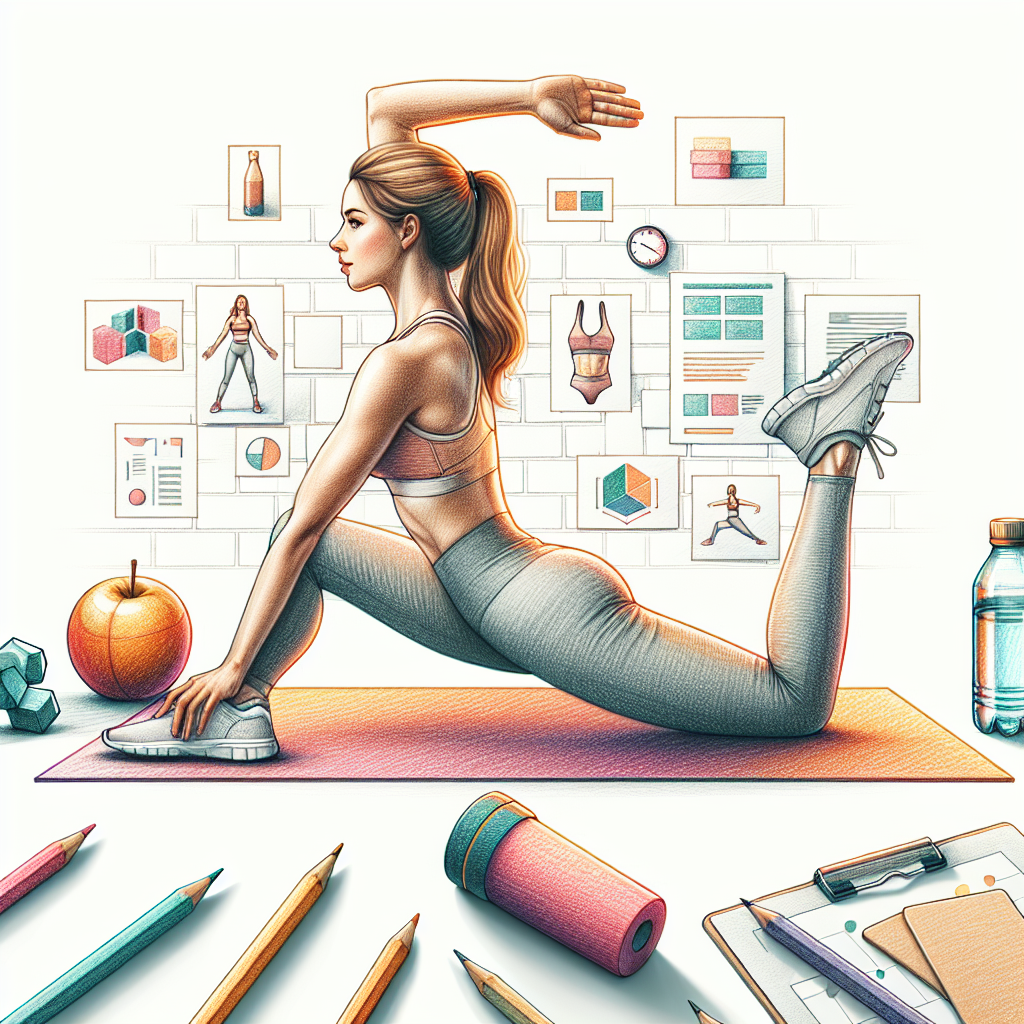
- Increased Flexibility: Many bodyweight exercises promote flexibility alongside strength training.
- Customizable Intensity: Adjust the difficulty to suit your fitness level, making it suitable for beginners and advanced athletes alike.
Essential Exercises for Muscle Building
To create an effective no-equipment workout, focus on the following fundamental exercises that collectively target major muscle groups:
1. Push-Ups
Push-ups target the chest, shoulders, and triceps, offering a robust upper body workout.
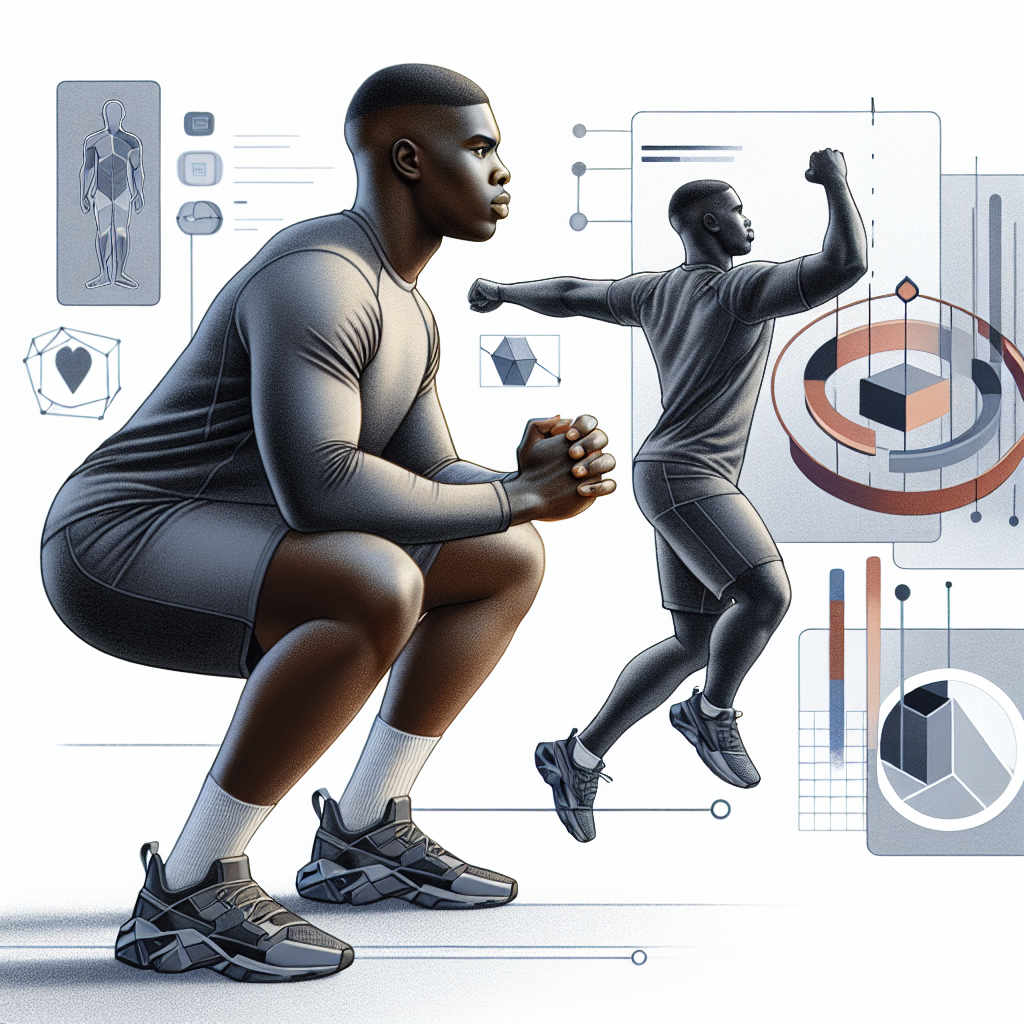
2. Squats
This fundamental exercise strengthens the quadriceps, hamstrings, and glutes, providing a solid foundation for lower body strength.
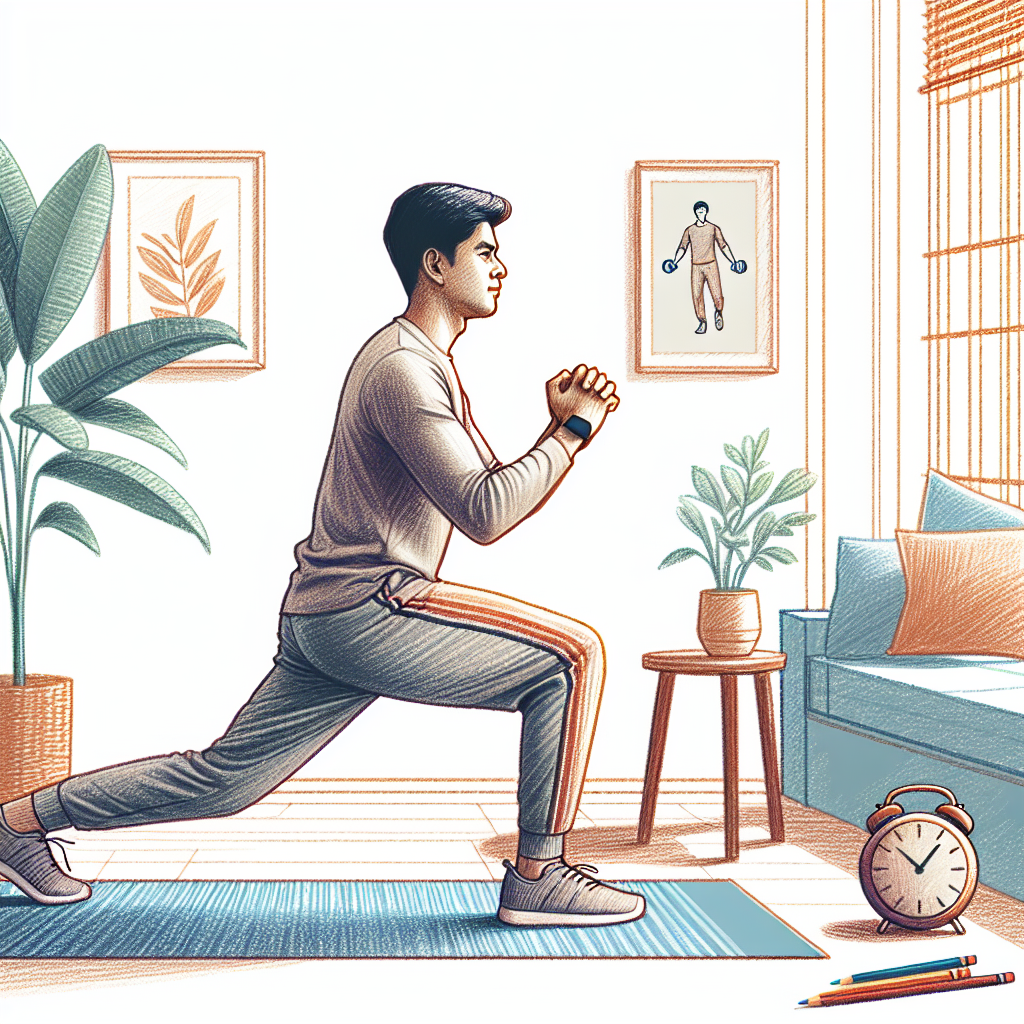
3. Lunges
Lunges enhance leg and core strength while improving balance.
4. Planks
As a core stabilization exercise, planks strengthen the abdominal muscles and lower back.
5. Burpees
Burpees are a full-body movement that offers cardiovascular benefits while building strength.
Creating Your Own Routine
Structuring your workout routine can significantly enhance the results you achieve. Here is a suggested format:
- Warm-Up: Begin with 5 minutes of light cardio, such as jogging in place or dynamic stretches.
- Workout: Perform each of the following exercises for 30 seconds, followed by a 15-second rest:
- Push-Ups
- Squats
- Lunges
- Planks
- Burpees
For those seeking additional guidance, consider signing up for a 30-day exercise program that efficiently utilizes just 6 minutes of your day. This program promises results comparable to conventional gym workouts.
When to Consult a Professional
While bodyweight training is generally safe, certain circumstances may warrant consultation with a healthcare or fitness professional:
- If you have pre-existing medical conditions or injuries.
- Feeling prolonged pain or discomfort during workouts.
- If you experience dizziness or shortness of breath.
- Having difficulty performing exercises correctly.
Professional guidance ensures that your workout routine is tailored to your specific needs and safety requirements.
Common Myths and Mistakes
Understanding prevalent misconceptions can enhance the effectiveness of your training:
Myth 1: Bodyweight Training Is Only for Beginners
This is untrue; advanced variations can challenge even seasoned athletes.
Myth 2: You Can Target Fat Loss in Specific Areas
Spot reduction is a myth; overall body fat loss is key to revealing muscle tone.
Mistake 1: Neglecting Form
Prioritize correct form to prevent injuries and ensure that you are engaging the intended muscle groups.
Mistake 2: Skipping Warm-Ups
Warm-ups are essential for preparing the body for intense activity and reducing injury risk.
FAQs
1. Can I build muscle with bodyweight exercises?
Yes, bodyweight exercises can be equally effective for muscle building, given the right intensity and consistency.
2. How often should I perform these workouts?
Aim for at least three to four sessions per week, allowing for recovery days in between.
3. Do I need to follow a specific diet for muscle building?
A balanced diet rich in protein, healthy fats, and carbohydrates can support muscle growth and recovery.
4. Can beginners perform these exercises?
Absolutely! Bodyweight exercises can be modified to accommodate all fitness levels.
5. How soon can I expect results?
Results will vary, but with consistency, you may begin to notice changes within a few weeks.
6. Are bodyweight exercises safe for older adults?
With proper modifications and under professional guidance, many older adults can safely engage in bodyweight training.
Conclusion
- Bodyweight training is accessible and effective for muscle building.
- A variety of exercises target major muscle groups, ensuring balanced strength development.
- Creating a structured routine enhances workout effectiveness.
- Consult professionals when experiencing pain or if you have pre-existing conditions.
- Myths about bodyweight training can be debunked with proper understanding and technique.
Embarking on your fitness journey does not require a gym membership or extensive equipment. Start today with simple bodyweight exercises, and if you desire a structured plan, consider exploring the 30-day exercise program that fits within your busy lifestyle. Your journey to better health and fitness begins with just a single step!
Author: John Angel