Categories
Fitness

Effective Home Workouts Without Equipment for All Fitness Levels

Workouts for Home: No Equipment Needed

In today’s fast-paced world, finding time to go to the gym can be challenging. Fortunately, effective workouts can be performed right in the comfort of your home without any equipment. This article will guide you through various exercises that utilize your body weight, enabling you to achieve substantial fitness results. By incorporating these workouts into your daily routine, you can enhance your strength, improve flexibility, and elevate your cardiovascular health—all while saving time and money.

  • Understanding Bodyweight Workouts
  • Benefits of Working Out at Home
  • Types of No-Equipment Workouts
  • Sample Workout Plans
  • Consulting Professionals: When to Seek Help
  • Myths and Misconceptions
  • Frequently Asked Questions
  • Conclusion

Understanding Bodyweight Workouts

Bodyweight workouts utilize the weight of your own body as resistance, rendering them an accessible and versatile option for enhancing fitness. They can be modified to suit any fitness level, making them ideal for beginners and advanced exercisers alike. Common bodyweight exercises include push-ups, squats, and planks, each targeting different muscle groups and contributing to overall strength and endurance.

Benefits of Working Out at Home

Working out at home offers several distinct advantages. These include:

  • Convenience: No need to commute to a gym; you can exercise whenever it suits your schedule.
  • Cost-effective: Eliminate gym memberships and equipment purchases.
  • Flexible: Customize workouts to your preferences and abilities.
  • Privacy: Feel comfortable exercising without the judgment of others.
  • Variety: Incorporate different workouts to keep your routine exciting and engaging.

Types of No-Equipment Workouts

There are various types of no-equipment workouts you can perform at home, each serving unique purposes. Some of the most effective types include:

Cardiovascular Workouts

These workouts elevate your heart rate and improve cardiovascular health. Examples include:

  • Jumping jacks
  • High knees
  • Burpees

Strength Training

Bodyweight exercises that promote muscle strength and endurance include:

  • Pushed-ups
  • Squats
  • Lunges

Flexibility Training

Exercises that improve flexibility and reduce the risk of injury encompass:

  • Yoga poses
  • Dynamic stretches
  • Pilates

Sample Workout Plans

For those seeking to maximize their efficiency, structured workout plans can simplify your routine. Below is a simple and effective daily plan to follow:

  1. Warm-up (2 minutes) – Dynamic stretching or light jogging in place
  2. Workout (6 minutes) – Complete 3 rounds of the following:
    • Push-ups (30 seconds)
    • Squats (30 seconds)
    • Plank (30 seconds)
    • Burpees (30 seconds)
    • Rest (30 seconds)
  3. Cool down (2 minutes) – Static stretching focused on major muscle groups

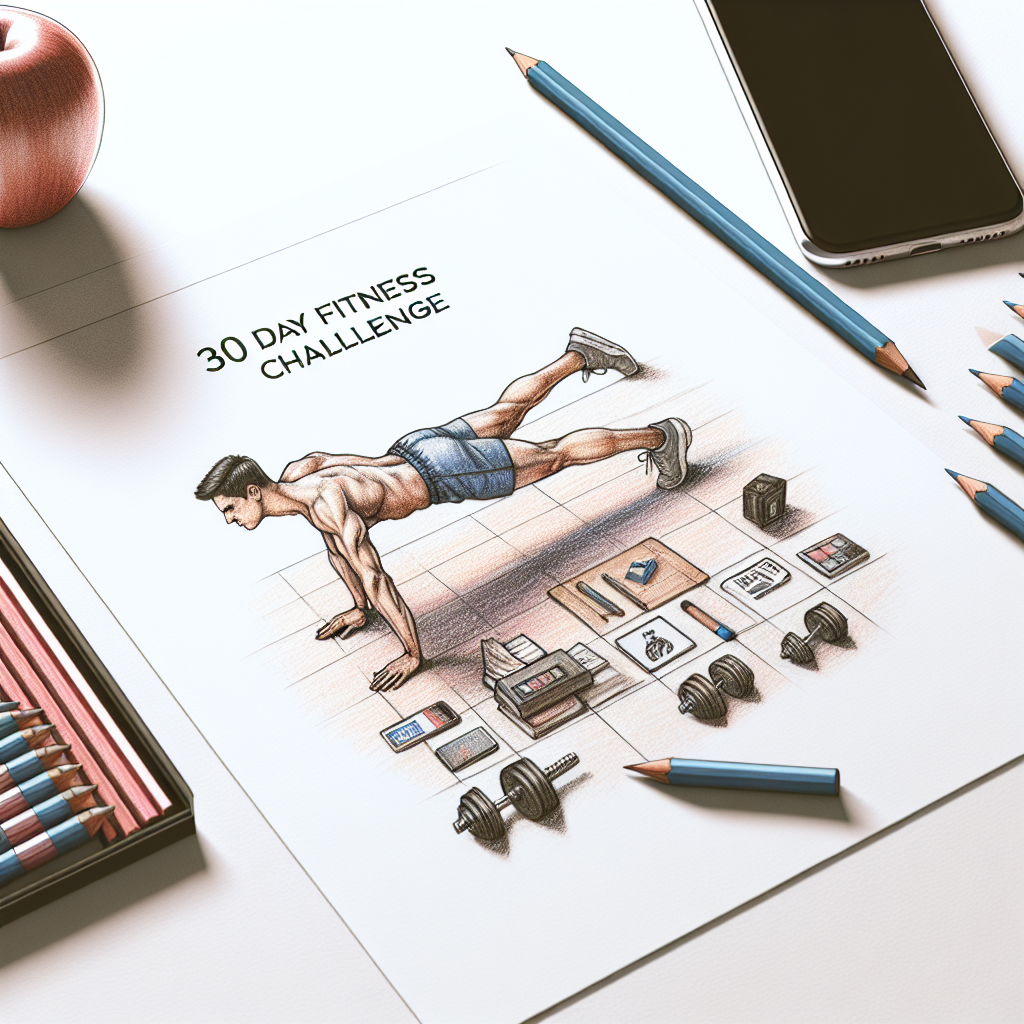
For a highly effective 30-day exercise program comprising just 6 minutes of daily workouts, consider registering for this free program: 30-Day Exercise Program.

Consulting Professionals: When to Seek Help

While home workouts can be beneficial, there may be circumstances when consulting a fitness professional is advisable. Consider seeking help when:

  • You are new to exercise and unsure how to start.
  • You experience persistent discomfort or pain during workouts.
  • Your fitness goals are specific, requiring tailored guidance.
  • You have health concerns or underlying conditions that warrant professional advice.

Myths and Misconceptions

Despite the growing popularity of bodyweight workouts, several myths persist. It is essential to clarify these misconceptions to ensure a productive exercise regimen:

  • Myth 1: Bodyweight workouts are not effective for muscle building.
  • Myth 2: You need equipment for a challenging workout.
  • Myth 3: Cardio is the only way to lose weight.
  • Myth 4: More reps mean better results.

Frequently Asked Questions

Can I build muscle with bodyweight workouts?

Yes, bodyweight workouts can effectively build muscle by using your body weight as resistance, especially when progressively increasing the intensity.

How long should I work out at home?

Even short workouts, such as 6 minutes a day, can be effective, especially if they are high-intensity and target multiple muscle groups.

Do I need a specific space to work out at home?

No, you can perform these exercises in any open space, such as a living room or bedroom.

How often should I do bodyweight workouts?

For optimal results, aim for at least 3-5 times a week, giving your muscles adequate recovery time.

Can beginners perform these exercises?

Absolutely; exercises can be modified to suit all fitness levels by adjusting intensity and repetitions.

Are warm-ups necessary before a workout?

Yes, warm-ups prepare your body for exertion and can help prevent injuries.

Conclusion

  • Bodyweight workouts are accessible and effective for all fitness levels.
  • They can be performed anywhere without the need for special equipment.
  • Utilizing structured plans can enhance your workout efficiency.
  • Consult a professional if you experience discomfort or have specific fitness goals.
  • Dispel common myths surrounding bodyweight workouts to maximize benefits.

Incorporate these insights and exercises into your daily routine to experience improved health and fitness. Start today by exploring the 30-day exercise program linked earlier for a practical and results-oriented approach.

Author: John Angel
Related articles

Categories
Home Workouts

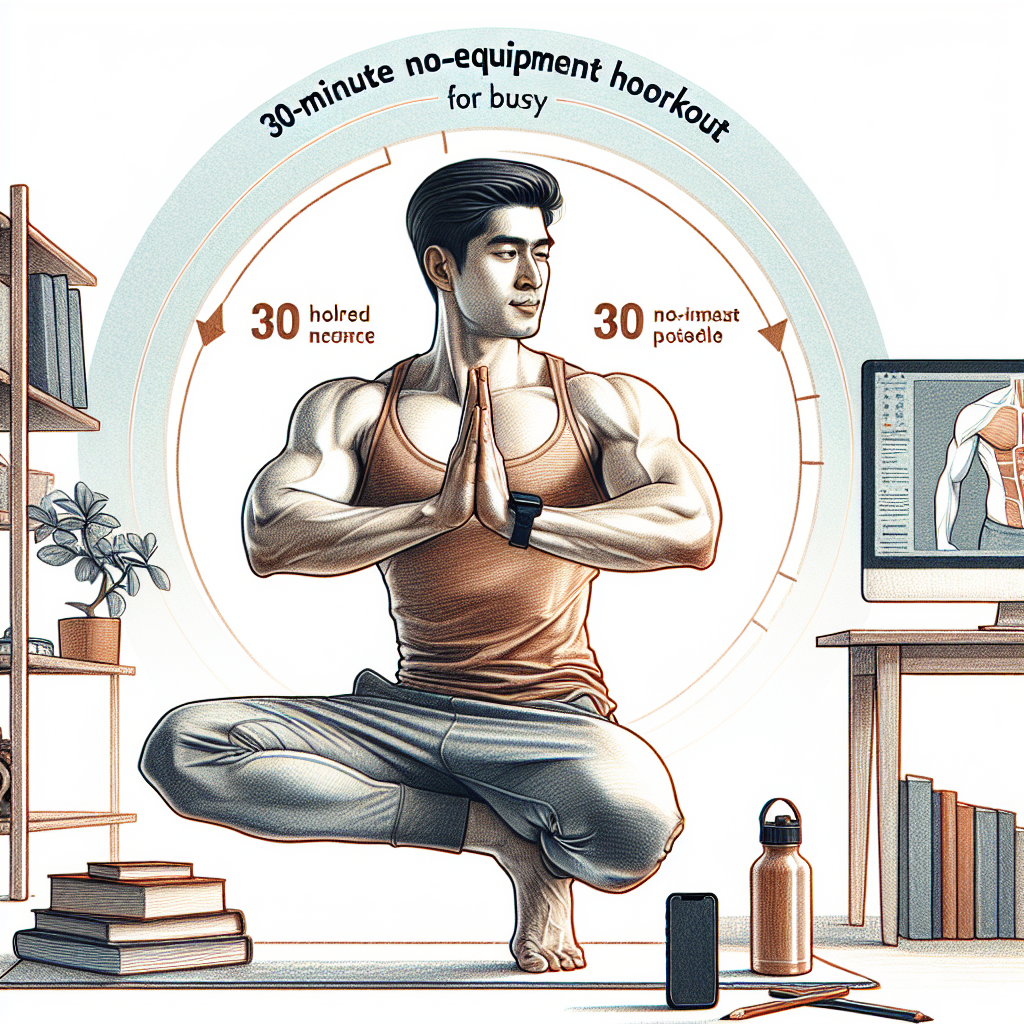
30-Minute No-Equipment Home Workout for Busy Individuals

30 Minute Workout at Home: No Equipment Needed

In today’s fast-paced world, maintaining a regular workout regimen often feels like a daunting task. However, the good news is that you can achieve fitness results in the comfort of your home without any equipment in as little as 30 minutes. This article aims to provide you with an effective and efficient workout routine tailored for busy individuals, ensuring that you can build strength, improve cardiovascular health, and enhance flexibility—all within a manageable timeframe.

  • Introduction
  • Overview of the 30-Minute Home Workout
  • Benefits of Working Out at Home
  • Sample 30-Minute Workout Routine
  • When to Consider Professional Consultation
  • Common Myths and Mistakes in Home Workouts
  • Frequently Asked Questions
  • Conclusion

Overview of the 30-Minute Home Workout

A 30-minute workout at home is designed to maximize benefits while minimizing the time commitment involved. Such a routine typically includes a blend of cardiovascular exercises, strength training, and flexibility work, allowing participants to engage multiple muscle groups effectively. Importantly, this approach removes barriers like travel time to the gym and the need for specialized equipment.

Benefits of Working Out at Home

Engaging in a home workout has numerous advantages:

  • Convenience: Save time and effort by eliminating travel.
  • Cost-Effective: No membership fees or expensive equipment required.
  • Flexibility: Schedule workouts at your convenience.
  • Privacy: Workout in a comfortable and personalized environment.
  • Self-Paced: Progress at your own speed and adjust the intensity as needed.

Sample 30-Minute Workout Routine

Here is a practical and effective workout routine that requires no equipment. It is structured as follows:

Warm-Up (5 minutes)

  • Jumping Jacks – 1 minute
  • Arm Circles – 1 minute
  • Leg Swings – 1 minute (30 seconds each leg)
  • Hip Circles – 1 minute
  • High Knees – 1 minute

Main Workout (20 minutes)

This portion consists of four sets of exercises performed in a circuit format. Aim for 45 seconds of work followed by 15 seconds of rest for each exercise. Repeat the entire circuit twice.

  • Bodyweight Squats
  • Push-Ups (modified if needed)
  • Lunges (alternating legs)
  • Plank (hold the position)
  • Mountain Climbers
  • Burpees
  • Side Plank (30 seconds each side)

Cool Down (5 minutes)

  • Child’s Pose – 1 minute
  • Standing Quadriceps Stretch – 1 minute (30 seconds each leg)
  • Seated Forward Bend – 1 minute
  • Cat-Cow Stretch – 1 minute
  • Deep Breathing – 1 minute

When to Consider Professional Consultation

Even the most dedicated fitness enthusiasts should take care to listen to their bodies. You should consider consulting a qualified professional if you experience:

  • Persistent pain or discomfort during or after workouts.
  • Unexplained fatigue that doesn’t improve with rest.
  • Signs of overtraining, such as mood changes or decreased performance.
  • Medical conditions that could be aggravated by physical activity.

Common Myths and Mistakes in Home Workouts

When exercising at home, it is essential to dispel common myths and avoid frequent mistakes:

  • Myth: You need expensive equipment to be effective.
  • Mistake: Skipping warm-ups and cool-downs.
  • Myth: All home workouts lack intensity.
  • Mistake: Focusing only on one type of exercise, neglecting strength and flexibility.
  • li>Myth: You cannot achieve significant results without going to the gym.

Frequently Asked Questions

Can I really get fit with just a 30-minute workout?

Yes, if performed consistently and with the right intensity, a 30-minute workout can yield significant fitness results.

Do I need to workout every day?

It is advisable to aim for a minimum of three to five sessions per week, allowing rest days for recovery.

How can I stay motivated to exercise at home?

Setting clear goals, tracking progress, and varying workouts can help maintain motivation.

What if I have limited space at home?

Many effective bodyweight exercises require minimal space, making them suitable for compact areas.

Should I focus more on cardio or strength training?

A balanced routine incorporates both cardio and strength training for overall fitness.

Where can I find additional resources for home workouts?

You can register for a free 30-day exercise program that features just 6 minutes of daily exercises, offering results akin to traditional gym workouts. Sign up here: 30-Day Exercise Program.

Conclusion

  • A 30-minute no-equipment workout can be highly effective for maintaining fitness.
  • Prioritize warming up and cooling down to prevent injury.
  • Track your progress to stay motivated and see improvements.
  • Be mindful of when to consult a professional if challenges arise.
  • Dispelling myths can enhance your home workout experience.

Transform your fitness journey today by incorporating this simple yet effective routine into your daily schedule. With consistency and dedication, you can achieve your fitness goals at home. Remember, every small step counts towards a healthier you!

Author: John Angel

Related articles

Categories
Fitness

Beginner No-Equipment Workout Guide for Home Fitness

Embarking on a fitness journey can often be daunting, particularly for beginners. However, engaging in effective workouts that require no equipment is not only feasible but can also lead to significant health benefits. This article offers a comprehensive guide for those looking to get started with home workouts that are both accessible and efficient, ensuring that everyone can take steps toward improved physical well-being.

  • Understanding the Basics of No-Equipment Workouts
  • Benefits of Exercising at Home
  • Essential Beginner Exercises
  • Establishing a Routine
  • When to Seek Professional Guidance
  • Common Misconceptions About Home Workouts
  • Frequently Asked Questions
  • Conclusion and Call to Action

Understanding the Basics of No-Equipment Workouts

No-equipment workouts primarily rely on body weight for resistance, making them an excellent starting point for beginners. These exercises target various muscle groups without the need for weights or machines, allowing individuals to train anywhere at their convenience.

Benefits of Exercising at Home

Exercising at home presents numerous advantages:

  • Convenience: No need to travel to a gym.
  • Cost-effective: Eliminates the expense of gym memberships.
  • Time-efficient: Easily integrate workouts into daily routines.
  • Comfort: Work out in a familiar environment with limited distractions.

Essential Beginner Exercises

Here is a list of effective bodyweight exercises that are perfect for beginners:

  • Squats: Targets the legs and glutes.
  • Push-ups: Strengthens the chest, shoulders, and triceps.
  • Planks: Engages the core muscles.
  • Lunges: Works the legs and improves balance.
  • Mountain Climbers: A full-body exercise that increases heart rate.
  • Burpees: Combines strength and cardio into one powerful movement.

Establishing a Routine

Consistency is key to successful workouts. Here are steps to help you establish a routine:

  1. Set Clear Goals: Define what you wish to achieve, whether it’s losing weight or building strength.
  2. Schedule Your Workouts: Designate specific times in your week to exercise.
  3. Start Small: Aim for a 6-minute workout daily, gradually increasing the intensity.
  4. Track Your Progress: Keep a log of your workouts to monitor improvements over time.
  5. Stay Motivated: Join online communities or sign up for challenges, such as this 30-day exercise program.

When to Seek Professional Guidance

While home workouts can be incredibly beneficial, there are indicators that may warrant professional guidance:

  • If you experience persistent pain during exercises.
  • If you have underlying health conditions that may affect your ability to exercise.
  • If you are unsure about your form or technique.
  • If you wish to achieve specific fitness goals requiring tailored programs.

Common Misconceptions About Home Workouts

It is essential to debunk the myths surrounding no-equipment workouts:

  • Myth 1: No-equipment workouts are ineffective.
  • Myth 2: You cannot build muscle without weights.
  • Myth 3: Results take longer compared to gym workouts.
  • Myth 4: Home workouts are only for beginners.

Frequently Asked Questions

Can I lose weight with no-equipment workouts?

Yes, with a balanced diet and consistent effort, you can lose weight through effective bodyweight exercises.

How often should I work out?

Begin with 3 to 5 days a week, and adjust as your fitness improves.

Are there any disadvantages to working out at home?

While the lack of equipment can limit some advanced exercises, many effective bodyweight movements can yield excellent results.

How can I stay motivated?

Set personal challenges, share progress with friends, and consider joining online fitness communities.

What if I don’t know how to perform the exercises correctly?

There are numerous online resources, including videos and guides, that can help you learn proper form.

Can I combine no-equipment workouts with other forms of exercise?

Absolutely! Integrating activities like running, cycling, or yoga can enhance your fitness journey.

Conclusion and Call to Action

  • No-equipment workouts are accessible and effective for beginners.
  • Establishing a consistent routine is crucial for long-term success.
  • Seek professional advice if you experience pain or have health concerns.
  • Debunking misconceptions can help build a positive mindset towards home workouts.
  • Always stay motivated and track your progress for continued improvement.

Start your fitness journey today with a 30-day exercise program where you’ll only need to exercise for 6 minutes a day to achieve fantastic results. Sign up for free here and take the first step toward a healthier you!

Author: John Angel

Related articles

Categories
Home Workouts

Beginner’s No-Equipment At-Home Workout Guide

At Home Workout: No Equipment for Beginners

Embarking on a fitness journey can often feel daunting, especially for beginners. The misconception that one needs expensive gym equipment or memberships to achieve fitness goals is common; however, effective workouts can be performed within the comfort of your own home using just your body weight. This article provides a detailed guide on how to effectively engage in at-home workouts without any specialized equipment, empowering you to improve your physical fitness and overall health.

  • Introduction
  • Benefits of No-Equipment Workouts
  • Essential Bodyweight Exercises
  • Creating a Simple Workout Routine
  • When to Consult a Professional
  • Common Myths and Misconceptions
  • FAQ
  • Conclusion

Benefits of No-Equipment Workouts

There are numerous benefits to engaging in no-equipment workouts, particularly for beginners:

  • Accessibility: You can work out anywhere without the need for a gym or specialized equipment.
  • Cost-effective: There is no need for expensive memberships or gear, allowing you to focus on results without financial burdens.
  • Flexibility: You can fit short workouts into your schedule, enhancing your overall time management.
  • Scalability: Bodyweight exercises can be adjusted in intensity, accommodating your current fitness level while allowing for progress.
  • Mental Health: Exercise releases endorphins, improving your mood and reducing stress, even in short sessions.

Essential Bodyweight Exercises

Incorporating a variety of bodyweight exercises can lead to a balanced and effective workout. Here are some foundational movements for beginners:

  • Squats: Excellent for strengthening the legs and glutes.
  • Push-ups: Useful for developing upper body strength, particularly the chest, shoulders, and triceps.
  • Planks: Target the core and increase overall stability.
  • Lunges: Enhance leg strength and improve balance.
  • Burpees: A full-body exercise that elevates heart rate.

Creating a Simple Workout Routine

For those new to working out, establishing a straightforward routine can be extremely helpful. Here’s how to structure your workout:

  1. Warm-Up (5 minutes): Engage in light cardio, such as jogging in place or dynamic stretches to prepare your body.
  2. Workout (15-20 minutes): Choose 4-5 bodyweight exercises, performing each for 30-60 seconds, followed by a 30-second rest. Repeat the circuit 2-3 times.
  3. Cooldown (5 minutes): Incorporate static stretching to aid recovery and flexibility.
  4. Daily Commitment: Aim to exercise at least 3-5 times a week to establish a habit and experience results.

For a more structured yet time-efficient approach, consider a 30-day exercise program where you only exercise for six minutes daily, achieving results comparable to longer gym sessions.

When to Consult a Professional

While at-home workouts are beneficial, there are instances when professional guidance is warranted:

  • If you experience persistent pain or discomfort during exercises.
  • For personalized workout plans tailored to specific health conditions or goals.
  • When you’re unsure if your form is correct, which can lead to injuries.
  • If you have a pre-existing medical condition that may be aggravated by physical activity.

Common Myths and Misconceptions

Many misunderstandings exist surrounding bodyweight workouts for beginners, including:

  • Myth: You cannot build muscle without weights.
  • Fact: Bodyweight exercises can be very effective for building muscle and strength.

  • Myth: Only high-intensity workouts yield results.
  • Fact: Consistency and progression matter more than intensity for beginners.

  • Myth: You need a lot of time to see results.
  • Fact: Short, focused workouts can be equally effective.

  • Myth: You must feel sore to have a good workout.
  • Fact: Soreness is not the only indicator of an effective workout.

FAQ

How long should I work out as a beginner?

Start with about 20-30 minutes of exercise, 3-5 times a week, gradually increasing duration and intensity.

Can I lose weight with no-equipment workouts?

Yes, bodyweight exercises can contribute to weight loss when combined with a balanced diet.

Do I need to warm up before my workout?

Yes, warming up is essential to prepare your muscles and reduce the risk of injury.

How do I know if I’m doing an exercise correctly?

Consider following instructional videos or guides, or consult a professional trainer for form checks.

Are there beginner-friendly workout programs available?

Yes, many online resources and programs, such as the 30-day exercise program, can guide beginners.

How can I stay motivated to work out at home?

Set realistic goals, track your progress, and find a workout buddy to keep yourself accountable.

Conclusion

  • Engaging in at-home workouts without equipment is effective and accessible.
  • Essential exercises like squats and push-ups build strength and improve overall fitness.
  • Establishing a consistent workout routine is crucial for long-term success.
  • Consult professionals if you experience discomfort or have specific health concerns.
  • Be cautious of common myths, and focus on creating a sustainable fitness journey.

Take the first step towards a healthier you by committing to these no-equipment workouts. With dedication and consistency, you can achieve significant results right from home. If you’re ready for a structured plan, consider signing up for a 30-day exercise program to begin your journey.

Author: John Angel

Related articles

Categories
Fitness

Beginner Home Workouts: No Equipment Needed

Incorporating a workout routine at home without equipment can be incredibly beneficial for beginners. Not only does it save time and costs associated with gym memberships, but it also provides the flexibility to exercise at one’s own pace. This article delves into various effective home workout techniques suitable for novices, outlining practical steps and providing guidance for consistency. As a beginner, knowing how to engage in physical activity without the need for equipment can empower you to establish a sustainable fitness regimen.

  • Benefits of Working Out at Home
  • Essential Bodyweight Exercises
  • Structuring Your Routine
  • Common Misconceptions
  • When to Seek Professional Guidance
  • Frequently Asked Questions

Benefits of Working Out at Home

Exercising at home offers numerous advantages, especially for beginners. Key benefits include:

  • Cost-Effective: Elimination of gym fees and commuting expenses.
  • Convenience: Flexibility to allocate time that suits your schedule.
  • Comfort: Less intimidation and increased confidence in a familiar environment.
  • Variety: Opportunity to explore various workouts tailored to personal preferences.

Essential Bodyweight Exercises

Bodyweight exercises are foundational for building strength and improving overall fitness without the need for external equipment. Here are some effective exercises for beginners:

  • Squats: Strengthens the legs and glutes.
  • Push-Ups: Engages the upper body, focusing on chest, shoulders, and triceps.
  • Lunges: Aids in leg strength and balance.
  • Planks: Develops core stability, which is vital for overall strength.
  • Glute Bridges: Targets the glutes and lower back.

Sample Routine for Beginners

Here is a simplified routine integrating these exercises, designed for quick execution and effectiveness:

  1. Warm-up for 5 minutes (jogging in place or marching)
  2. Squats: 3 sets of 10 repetitions
  3. Push-Ups: 3 sets of 5-10 repetitions (modify by doing them on your knees if necessary)
  4. Lunges: 3 sets of 10 repetitions (5 for each leg)
  5. Plank: Hold for 20-30 seconds
  6. Glute Bridges: 3 sets of 10 repetitions
  7. Cool down with stretching for 5 minutes

For those looking to establish a consistent routine with minimal time investment, consider signing up for a free 30-day exercise program where you only exercise for 6 minutes daily, achieving results comparable to gym workouts.

Common Misconceptions About Home Workouts

Despite the advantages, several myths about working out at home can hinder motivation:

  • Myth 1: Only gym workouts yield results. In fact, consistent home workouts can achieve similar fitness goals.
  • Myth 2: Bodyweight exercises are ineffective. Properly executed exercises can provide significant strength and endurance benefits.
  • Myth 3: You need a variety of equipment to get fit. Many effective workouts require no equipment at all, relying solely on body weight.

When to Seek Professional Guidance

While working out at home can be advantageous, there are circumstances where consulting a professional is recommended, such as:

  • Experiencing pain during exercise that persists.
  • Having an existing medical condition that may be exacerbated by physical activity.
  • Struggling to achieve progress despite consistent effort and adherence to a routine.
  • Uncertainty about proper form or technique while performing exercises.

Frequently Asked Questions

Can I build muscle without weights?

Yes, bodyweight exercises can effectively build muscle, particularly for beginners.

How long should I work out at home?

Even short sessions can be beneficial; aim for 20-30 minutes a few times a week.

What if I miss a workout?

Don’t be discouraged; simply resume your routine as soon as you can.

Is warming up really necessary?

Yes, warming up prepares your muscles and reduces the risk of injury.

Can I lose weight with home workouts?

Combined with a balanced diet, home workouts can help in weight loss.

How do I stay motivated to work out at home?

Set clear goals, track your progress, and find a workout buddy for accountability.

Conclusion

  • Exercising at home is accessible and cost-effective for beginners.
  • Bodyweight exercises are effective for building strength and endurance.
  • Establishing a structured routine enhances compliance and results.
  • Understanding common misconceptions can pave the way for a healthier mindset.
  • Consulting a professional when needed ensures safe and effective practices.

Embarking on your fitness journey can be a fulfilling and empowering experience. With the right approach and mindset, your efforts can lead to significant improvement in health and well-being. Consider taking that first step today!

Author: John Angel

Related articles

Categories
Fitness

Effective Minimal Equipment Workout Plan for Busy Lifestyles

Minimal Equipment Workout Plan: Achieve Maximum Results with Minimal Gear

In a fast-paced world, finding time for exercise often falls by the wayside. However, it is possible to attain significant fitness results with minimal equipment and just a few minutes each day. This article explores a structured workout plan that utilizes limited gear, allowing for both convenience and effectiveness. Our focus will be on practical steps that can fit into even the busiest of schedules, ultimately promoting a healthier lifestyle.

  • Introduction
  • Benefits of Minimal Equipment Workouts
  • Essential Equipment for Home Workouts
  • Sample Minimal Equipment Workout Plan
  • Error Prevention: Common Myths and Mistakes
  • When to Consult a Professional
  • Frequently Asked Questions
  • Conclusion

Benefits of Minimal Equipment Workouts

Minimal equipment workouts present numerous advantages:

  • Accessibility: They can be performed anywhere, eliminating the need for a gym membership.
  • Time Efficiency: Shorter workouts allow you to integrate fitness into a busy lifestyle easily.
  • Cost-Effective: Reducing the need for extensive equipment saves money.
  • Variety: A range of exercises targeting different muscle groups can keep routines engaging.
  • Adaptability: Workouts can be modified to suit various fitness levels.

Essential Equipment for Home Workouts

Investing in basic workout equipment can enhance your training experience. Here are a few essential items:

  • Dumbbells: Versatile and effective for strength training.
  • Resistance Bands: Perfect for strength training and can easily be stored.
  • Yoga Mat: Provides cushioning during floor exercises and stretches.
  • Stability Ball: Useful for core strengthening and balance exercises.
  • Skipping Rope: Excellent for cardiovascular workouts.

Sample Minimal Equipment Workout Plan

To exemplify a minimal equipment workout plan, the following routine requires only 6 minutes a day. It combines strength, flexibility, and cardiovascular training:

  1. Warm-Up (1 minute): Perform 30 seconds of jumping jacks followed by 30 seconds of arm circles.
  2. Cardio Burst (1 minute): Do 30 seconds of high knees followed by 30 seconds of side-to-side jumps.
  3. Strength Training (3 minutes):
    • 1 minute of bodyweight squats.
    • 1 minute of push-ups (modified as needed).
    • 1 minute of plank (hold for as long as possible).
  4. Cool Down (1 minute): Stretch major muscle groups gently, focusing on deep breathing.

For a more detailed guidance and structured program, consider registering for this 30-day exercise program requiring only 6 minutes of sustained effort each day to achieve impressive results.

Error Prevention: Common Myths and Mistakes

Understanding common misconceptions can help you maximize your workout effectiveness:

  • Myth 1: More equipment equals better workouts. Truth: Creativity with limited tools can be just as effective.
  • Mistake 1: Skipping warm-ups and cool-downs. This increases the risk of injury.
  • Myth 2: You need hours in the gym to see results. Truth: Consistency over time with minimal workouts can yield significant improvements.
  • Mistake 2: Performing exercises with incorrect form. Proper technique is crucial for safety and effectiveness.

When to Consult a Professional

While minimal equipment workouts can be highly beneficial, there are instances when seeking professional guidance is advisable:

  • If you experience persistent pain or discomfort during exercise.
  • If you’re unsure how to safely perform an exercise.
  • If you have underlying health conditions that could be exacerbated by physical activity.
  • If you are planning to commence a new workout regimen after a long period of inactivity.

Frequently Asked Questions

1. How often should I do minimal equipment workouts?

Ideally, aim for a minimum of 3-5 times a week to see optimal results.

2. Can I lose weight with a minimal equipment workout plan?

Yes, when combined with proper nutrition, minimal equipment workouts can contribute to weight loss.

3. Are minimal equipment workouts effective for building muscle?

Absolutely; effective exercise techniques, even with limited equipment, can build muscle strength.

4. What is the best time of day to workout?

The best time varies per individual. Choose a time that fits your schedule and maximizes your energy levels.

5. Do I need a gym membership to follow this workout plan?

No, a gym membership is unnecessary for this plan; you can perform exercises at home with minimal gear.

6. Can beginners follow a minimal equipment workout plan?

Yes, minimal equipment workouts can be easily adjusted to accommodate all fitness levels, including beginners.

Conclusion

  • Minimal equipment workouts provide accessibility and convenience.
  • Essential equipment can enhance the effectiveness of your sessions.
  • A structured workout plan can yield maximal results in minimal time.
  • Understanding common myths can help improve your exercise sessions.
  • Consult professionals when experiencing discomfort or when uncertain about your routine.

Consider integrating a minimal equipment workout plan into your daily routine and watch your fitness level soar. Embrace the simplicity, stay consistent, and witness the transformative effects on your health and well-being. For those seeking structured guidance, don’t forget to explore the 30-day exercise program designed for everyday people!

Author: John Angel

Related articles

Categories
Fitness

Effective No-Equipment Full Body Workout at Home

Best Full Body Workout at Home No Equipment

In today’s fast-paced world, finding time to exercise can be challenging. However, staying fit and maintaining a healthy lifestyle are critical for both physical and mental well-being. This article explores an effective full body workout that requires no equipment, making it accessible for everyone. With just a little space at home and commitment, you can engage every major muscle group, enhance endurance, and improve overall fitness levels.

  • Introduction
  • Key Benefits of Full Body Workouts
  • Effective Exercises for a Full Body Workout
  • Creating Your Workout Routine
  • When to Consult a Professional
  • Common Myths and Mistakes
  • Frequently Asked Questions
  • Conclusion and Call to Action

Key Benefits of Full Body Workouts

Engaging in full body workouts offers several advantages:

  • Efficiency: Targeting multiple muscle groups in one session saves time.
  • Improved Muscle Coordination: Working various muscles together enhances functional movement.
  • Increased Metabolism: Full body exercises can elevate heart rate and improve calorie burn.
  • Versatility: No equipment is needed, allowing for workouts in virtually any space.
  • Accessibility: Suitable for all fitness levels, from beginners to advanced athletes.

Effective Exercises for a Full Body Workout

Here are some of the most effective exercises you can incorporate into your routine:

  • Bodyweight Squats: Great for strengthening legs and glutes. Stand with feet shoulder-width apart and lower your body as if sitting in a chair, then return to standing.
  • Push-Ups: Excellent for building upper body strength and core stability. Start in a plank position, lower yourself, and push back up.
  • Plank Variations: Works the core and enhances stability. Hold a plank position on elbows or hands, or try side planks for variation.
  • Burpees: A full body exercise that combines squats, push-ups, and jumps, providing both strength training and cardiovascular benefits.
  • Lunges: Effective for leg strength and balance. Step forward with one leg, lower your body, and switch legs.
  • Mountain Climbers: An aerobic exercise that targets the core and legs. In a plank position, alternate bringing knees towards your chest quickly.

Creating Your Workout Routine

A typical full body workout can be structured as follows:

  1. Warm-up: 5 minutes of light cardio (e.g., jogging in place).
  2. Perform each exercise for 30 seconds, followed by a 15-second rest:
  • Bodyweight Squats
  • Push-Ups
  • Plank
  • Burpees
  • Lunges
  • Mountain Climbers
  • Repeat the circuit 2-3 times depending on your fitness level.
  • Cool down with stretches for all major muscle groups.
  • For a simplified approach, consider registering for a free 30-day exercise program that involves just 6 minutes of daily exercise to yield remarkable results.

    When to Consult a Professional

    While exercising at home can be rewarding, certain scenarios warrant professional advice:

    • If you experience persistent pain or discomfort during exercise.
    • If you have pre-existing health conditions that could be aggravated by physical activity.
    • If you are unsure about proper form and technique.
    • If you seek personalized fitness plans tailored to your specific goals and needs.

    Common Myths and Mistakes

    Several misunderstandings about home workouts can hinder progress:

    • Myth: Bodyweight workouts are not effective. Reality: They can build strength, endurance, and flexibility comparable to equipment-based training.
    • Myth: You need a gym membership to see results. Reality: Consistent home workouts can lead to significant improvements in fitness.
    • Mistake: Skipping warm-ups and cool-downs. This can increase the risk of injury. Always include preparation and recovery time.
    • Mistake: Poor form due to lack of supervision. Focus on correct techniques to prevent injury; consider online tutorials if needed.

    Frequently Asked Questions

    1. How often should I perform full body workouts at home?

    Aim for 2-3 times per week, allowing rest days in between for muscle recovery.

    2. Can beginners do these exercises?

    Yes, these exercises can be adapted to suit any fitness level. Start slow and increase intensity gradually.

    3. How long should a full body workout last?

    A suggested duration is 20-30 minutes, including warm-up and cool-down.

    4. Is it necessary to do cardio separately?

    You can combine cardio with strength exercises for a full body workout, though dedicated sessions can also be beneficial.

    5. How can I stay motivated to workout at home?

    Set specific goals, create a routine, use workout apps, and consider finding a workout buddy to keep you accountable.

    6. What should I do if I cannot perform an exercise?

    Modify the exercise or select alternative movements that target the same muscle groups. Listen to your body and progress at your own pace.

    Conclusion

    • Full body workouts can be highly effective with no equipment required.
    • These exercises promote strength, endurance, and overall fitness.
    • Regular routines combined with proper warm-up and cool-down are essential for safety.
    • Consult a professional if experiencing pain or uncertainty.
    • Myths about bodyweight training can mislead; stay informed for the best results.

    Start your journey to a fitter you. Explore the potential of at-home workouts, and consider trying the free 30-day program to jumpstart your fitness with just 6 minutes of daily exercise!

    Author: John Angel

    Related articles

    Categories
    Fitness

    Effective 30-Minute Bodyweight Workout for All Levels

    30-Minute Bodyweight Workout: Your Path to Fitness at Home

    In today’s fast-paced world, finding time for fitness may seem daunting. However, a well-structured 30-minute bodyweight workout can serve as a powerful tool to enhance your physical health, improve strength, and boost mental well-being. This accessible exercise format eliminates the need for expensive gym memberships or complicated equipment, offering an effective way to integrate physical activity into your daily routine.

    • Understanding Bodyweight Workouts
    • The Structure of a 30-Minute Workout
    • Key Exercises to Include
    • Benefits of Bodyweight Training
    • When to Consult a Professional
    • Common Myths and Misconceptions
    • Frequently Asked Questions
    • Conclusion

    Understanding Bodyweight Workouts

    Bodyweight workouts utilize the individual’s weight as resistance, engaging multiple muscle groups. They can be done virtually anywhere, making them particularly appealing to busy individuals. The primary advantage lies in their adaptability; workouts can be tailored to suit any fitness level, from beginner to advanced. Incorporating various movements helps develop not only strength but also flexibility and endurance.

    The Structure of a 30-Minute Workout

    A typical 30-minute bodyweight workout is structured as follows:

    1. Warm-Up (5 minutes): Activate major muscle groups to prepare your body.
    2. High-Intensity Workout (20 minutes): Engage in a series of exercises with minimal rest, focusing on different muscle groups.
    3. Cool Down (5 minutes): Gradually lower your heart rate and stretch to improve flexibility.

    Key Exercises to Include

    When planning your 30-minute bodyweight workout, consider the following exercises that target various parts of the body:

    • Squats: Strengthen your legs and core.
    • Push-Ups: Engage the upper body and core.
    • Lunges: Enhance lower body strength and balance.
    • Planks: Build core stability and strength.
    • Burpees: Elevate heart rate and improve full-body conditioning.
    • Mountain Climbers: Boost cardiovascular endurance while working the core.

    For a structured approach, you can follow this sequence:

    1. Warm-Up (dynamic stretches and light cardio)
    2. 3 sets of 10-15 repetitions of each exercise
    3. Rest 30 seconds between each set
    4. Cool Down (static stretches focusing on exercised muscle groups)

    If you are looking for an even more manageable exercise routine, consider registering for a free 30-day program that incorporates just six minutes of exercise daily, yielding significant results as if you were attending a gym. You can sign up here: https://app.revolucnicviceni.cz/en/registration.

    Benefits of Bodyweight Training

    Embracing a bodyweight workout regimen has numerous advantages:

    • Accessibility: No equipment required, allowing you to train anywhere.
    • Cost-Effective: Eliminates gym membership fees.
    • Functional Fitness: Enhances everyday movement patterns, improving quality of life.
    • Injury Prevention: Low impact can reduce the likelihood of injuries associated with heavy lifting.
    • Flexibility and Adaptability: Tailor workouts to fit your skill level and goals.

    When to Consult a Professional

    If you experience any pain that seems unusual during or after workouts, or if you have underlying health conditions, it may be wise to consult a qualified fitness professional or healthcare provider. Additionally, if you are new to exercise, seeking guidance can help ensure proper form and an effective training approach.

    Common Myths and Misconceptions

    Understanding the common myths surrounding bodyweight workouts can enhance your training journey:

    • Myth 1: Bodyweight workouts are only for beginners.
    • Myth 2: You cannot build muscle with bodyweight exercises.
    • Myth 3: Bodyweight exercises are not as effective as gym workouts.
    • Myth 4: You must feel pain to achieve results.
    • Myth 5: Flexibility and mobility should be neglected in strength training.

    Frequently Asked Questions

    How often should I do a bodyweight workout?

    Aim for at least 2-4 times a week for optimal benefits.

    Can beginners perform bodyweight exercises?

    Yes, bodyweight workouts are highly suitable for beginners as they can be modified.

    How long should a bodyweight workout session last?

    Typically, a session can last from 20 to 30 minutes, depending on your fitness level.

    Will bodyweight training help with weight loss?

    Yes, when combined with a healthy diet, bodyweight workouts can aid in weight loss by burning calories.

    Is it okay to do bodyweight exercises daily?

    While it’s possible, it’s beneficial to incorporate rest days or light recovery workouts.

    What should I do if I cannot perform an exercise?

    Modify the exercise or opt for a simpler variation that suits your fitness level.

    Conclusion

    • Bodyweight workouts are accessible and adaptable for all fitness levels.
    • A structured 30-minute workout can enhance overall fitness and well-being.
    • Key exercises can target multiple muscle groups effectively.
    • Consult a professional if you experience unusual pain or have health concerns.
    • Dispelling myths about bodyweight training can empower your fitness journey.

    As you embark on your fitness journey, consider integrating bodyweight workouts into your routine. Taking the first step can lead to significant improvements in your overall health and fitness. Don’t hesitate to explore a structured program that requires only six minutes of your day, yielding results akin to a traditional gym workout. Start your 30-day journey today at https://app.revolucnicviceni.cz/en/registration.

    Author: John Angel

    Related articles

    Categories
    Fitness

    30-Day Fitness Challenge: Get Fit Without Equipment

    30-Day Fitness Challenge: No Equipment Needed

    Embarking on a 30-day fitness challenge can seem daunting, especially when considering the time and resources often required to get fit. However, this challenge offers a promising solution: perform exercises at home without any equipment, dedicating just six minutes a day. The results can be comparable to traditional gym workouts, making this an accessible option for anyone looking to improve their fitness. Dive into this article to uncover the framework of this unique challenge and the profound benefits it can bring.

    • Understanding the Challenge
    • Benefits of No-Equipment Workouts
    • 30-Day Program Overview
    • Practical Steps to Begin
    • When to Consult a Professional
    • Common Myths and Misconceptions
    • FAQ
    • Conclusion

    Understanding the Challenge

    The 30-day no-equipment fitness challenge focuses on functional bodyweight exercises that can be performed in a small space and with minimal time commitment. Not only does this approach eliminate barriers related to gym memberships or equipment costs, but it also fosters a healthy habit through consistency.

    Benefits of No-Equipment Workouts

    No-equipment workouts come with a wealth of advantages:

    • Accessibility: These workouts can be done anywhere, whether at home, in a park, or while traveling.
    • Cost-effective: No need for gym memberships or expensive workout gear.
    • Time-efficient: Short durations mean you can fit workouts into a busy schedule.
    • Improves Overall Fitness: Bodyweight exercises target multiple muscle groups, enhancing strength, flexibility, and endurance.

    30-Day Program Overview

    Each day of the 30-day challenge focuses on a specific set of exercises aimed at different muscle groups. Below is a general outline of the program:

    • Week 1: Core Strength (Planks, Sit-Ups, Bicycle Crunches)
    • Week 2: Lower Body (Squats, Lunges, Glute Bridges)
    • Week 3: Upper Body (Push-Ups, Tricep Dips, Shoulder Taps)
    • Week 4: Full Body (Burpees, Mountain Climbers, High Knees)

    This cyclical format allows your body to adapt and grow stronger each week. For detailed guidance and a specific routine tailored to your needs, consider registering for a streamlined online program that emphasizes just six minutes of daily exercise. You can find this at this link.

    Practical Steps to Begin

    1. Set Clear Goals: Determine what you hope to achieve by the end of the 30 days. Whether it’s improved strength, weight loss, or increased stamina, having a clear target is essential.
    2. Create a Dedicated Space: Identify a specific area in your home where you can consistently perform your workouts without distractions.
    3. Establish a Routine: Choose a time each day that best fits your schedule, making your workout a non-negotiable part of your day.
    4. Track Your Progress: Keep a journal to note your achievements, be it repetitions, duration, or how you feel after each session.
    5. Stay Consistent: Adherence is key. Commit fully to the challenge, even on days when motivation wanes.

    When to Consult a Professional

    While embarking on a fitness journey can yield numerous benefits, it is crucial to be aware of certain signs that warrant professional consultation:

    • Persistent pain or discomfort during exercises.
    • Increased fatigue or difficulty in recovery.
    • Pre-existing conditions that may require tailored guidance.
    • Significant changes in physical or mental health.

    Consulting with a fitness trainer or healthcare professional can help ensure that your approach is both safe and effective.

    Common Myths and Misconceptions

    Despite the growing popularity of no-equipment workouts, several myths persist:

    • Myth 1: Bodyweight exercises are less effective than weight training. Reality: They can be equally effective for building strength and endurance when performed correctly and with progression.
    • Myth 2: Only gym workouts lead to significant weight loss. Reality: Consistency and proper nutrition matter more than the setting in which you exercise.
    • Myth 3: More equipment leads to better results. Reality: Effective workouts can be achieved using just your body weight and dedication.

    FAQ

    What kind of exercises will I do in the 30-day challenge?

    You will primarily engage in bodyweight exercises, targeting various muscle groups each week.

    Can beginners participate in the challenge?

    Absolutely! The exercises can be modified to suit different fitness levels.

    How much time do I need to commit daily?

    The program is designed for just six minutes of exercise per day.

    What if I miss a day?

    If you miss a day, simply continue with the next day’s workout and try to maintain your routine for the remainder of the challenge.

    Do I need a special diet to see results?

    A balanced diet can enhance your results, but it is not mandatory. Focus on consistency with your workouts first.

    Is this program suitable for older adults?

    Yes, with modifications, older adults can safely participate in these exercises. It may be advisable to consult a healthcare professional beforehand.

    Conclusion

    • Embrace a 30-day no-equipment fitness challenge to enhance your physical health efficiently.
    • Short, daily workouts can fit seamlessly into any lifestyle, proving that time is not a barrier to fitness.
    • Track your progress to stay motivated and committed to your goals throughout the challenge.
    • Be mindful of your body’s signals and consult a professional if needed.
    • Explore additional resources, such as a tailored six-minute daily program, to optimize your results.

    Take the first step towards a healthier you today! Consider registering for a program designed to maximize the efficiency of your workouts: sign up here.

    Author: John Angel

    Related articles

    Categories
    Fitness

    Effective Full Body Workout Without Equipment

    In a fast-paced world, dedicating time to physical fitness can often seem daunting, particularly if access to a gym is limited. Fortunately, achieving a full-body workout without any equipment is entirely feasible and effective. This article will explore how you can maximize your fitness potential using bodyweight exercises, ultimately enhancing strength, flexibility, and stamina. Moreover, we will provide a seamless route to consistency by introducing a manageable 6-minute daily exercise program that yields results comparable to those of a traditional gym routine.

    • Introduction
    • Understanding Bodyweight Workouts
    • Benefits of No-Equipment Workouts
    • Full Body Workout Routine
    • When to Consult a Professional
    • Common Myths and Mistakes
    • Frequently Asked Questions
    • Conclusion

    Understanding Bodyweight Workouts

    Bodyweight workouts utilize your own weight as resistance, which can significantly enhance muscular endurance and functional strength. They offer a versatile approach to fitness, allowing you to adjust the difficulty level based on your capabilities. Basic exercises such as push-ups, squats, and planks can effectively target various muscle groups without the need for any additional tools.

    Benefits of No-Equipment Workouts

    The advantages of conducting full-body workouts without equipment are manifold:

    • Accessibility: Individuals can exercise anywhere—be it at home, in a park, or while traveling.
    • Cost-Effective: There is no need for gym memberships or expensive equipment.
    • Time Efficiency: Workouts can be completed in short bursts, making them ideal for busy schedules.
    • Improved Body Awareness: Focus on form enhances your body’s natural ability to move efficiently.
    • Reduced Injury Risk: Engage in exercises that your body is naturally prepared for, lessening the chances of injury.

    Full Body Workout Routine

    Below is a sample full-body workout that incorporates movements targeting all major muscle groups. Aim to perform the following exercises in a circuit format. Start with one set of each exercise and gradually aim for two or three sets as you build strength:

    1. Squats: 15 reps – Engage your core and maintain a straight back, lowering your hips as if sitting in a chair.
    2. Push-Ups: 10–15 reps – Keep your body in a straight line; modify by dropping to your knees if needed.
    3. Lunges: 10 reps per leg – Step forward, bending both knees to lower your body, maintaining balance.
    4. Plank: 30 seconds – Hold a straight-body position on your elbows and feet, engaging your core.
    5. Glute Bridges: 15 reps – Lay on your back and lift your hips towards the ceiling, squeezing your glutes at the top.
    6. Bicycle Crunches: 15 reps per side – Engage your core, bringing opposite elbow and knee together while alternating sides.

    To ensure consistency and effectiveness, consider participating in this 30-day free exercise program, where you will exercise only for 6 minutes daily yet experience substantial results.

    When to Consult a Professional

    While bodyweight workouts are generally safe for most individuals, there are occasions when it is advisable to seek professional guidance:

    • If experiencing persistent pain or discomfort during or after exercise.
    • When recovering from an injury or surgery, requiring tailored exercise plans.
    • If you have pre-existing health conditions that could affect your ability to perform physical activities safely.
    • When unsure about proper exercise form, leading to potential injury risks.

    Common Myths and Mistakes

    Several misconceptions exist surrounding bodyweight workouts that can hinder progress:

    • Myth 1: Bodyweight workouts are only for beginners. In reality, they can be scaled for advanced fitness levels.
    • Myth 2: You cannot build muscle without weights. Bodyweight exercises can effectively promote muscle growth and toning.
    • Mistake 1: Inadequate warm-up. Always prepare your body with warm-up exercises to prevent injury.
    • Mistake 2: Ignoring form for speed. Prioritize proper technique over the number of repetitions for safety and effectiveness.
    • Mistake 3: Skipping recovery days. Allow your muscles to recover to avoid overtraining and injury.

    Frequently Asked Questions

    Can I build muscle with bodyweight exercises?

    Yes, bodyweight exercises can effectively build muscle, especially when performed at higher intensities or with advanced variations.

    How often should I do these workouts?

    It’s recommended to perform bodyweight workouts 3-5 times per week, allowing for rest days in between.

    Are bodyweight workouts suitable for all fitness levels?

    Yes, bodyweight workouts can be modified to suit various fitness levels, from beginners to advanced athletes.

    What if I don’t have enough space to exercise?

    Many bodyweight exercises require minimal space; select exercises like planks or push-ups that have a smaller footprint.

    Can I lose weight using bodyweight exercises?

    Incorporating bodyweight exercises into a balanced routine can contribute to weight loss, particularly when combined with a proper diet.

    Is it necessary to warm up before workouts?

    Yes, warming up is crucial to prepare your muscles and joints, reducing the risk of injury.

    Conclusion

    • Bodyweight workouts are accessible and effective.
    • No equipment necessary, making fitness available anywhere.
    • A consistent schedule can lead to significant improvements.
    • Consult professionals when experiencing pain or uncertainties.
    • Prioritize form and gradual progression to maximize benefits.

    To embark on your fitness journey without inhibitions, consider starting with the recommended 6-minute daily exercise routine. This structured approach will aid in developing your fitness progressively while fitting seamlessly into your lifestyle.

    Author: John Angel

    Related articles

    Website analytics information

    We use Google Analytics 4 for visitor statistics. Analytics cookies require your consent, which you can change using the button above. The data controller is ZDRAVÍ S ÚSMĚVEM s.r.o., company ID 29283329, contact podpora@revolucnicviceni.cz. Google processes browser, device and page visit information. We do not send form field values to Analytics. How Google uses information · Google Privacy Policy.