Categories
Weight Loss

Effective Day Meal Plan for Weight Loss

Embarking on a weight loss journey can be daunting, but with the right strategies in place, it becomes a manageable and rewarding experience. A well-structured meal plan is crucial for anyone seeking to shed pounds effectively. In this article, we will craft a personalized day meal plan for weight loss and explore how to integrate short, invigorating workouts at home to complement your dietary efforts. The magic of six-minute workouts lies in their ability to fit seamlessly into your daily routine, enhancing your wellness without overwhelming you.

  • Understanding a Balanced Meal Plan
  • Crafting Your Day Meal Plan
  • The Magic of Short Workouts
  • When to Consult a Professional
  • Common Myths About Weight Loss
  • FAQs
  • Conclusion

Understanding a Balanced Meal Plan

A balanced meal plan for weight loss includes a variety of food groups to ensure adequate nutrient intake while promoting fat loss. Key components of such a plan include:

  • Proteins: Vital for muscle repair and maintenance, proteins help you feel satisfied.
  • Healthy Fats: Found in avocados, nuts, and olive oil, these fats are essential for hormone regulation.
  • Complex Carbohydrates: Foods like whole grains and legumes provide energy and fiber for digestive health.
  • Fruits and Vegetables: High in vitamins and minerals, these foods are low in calories and help keep you full.

Crafting Your Day Meal Plan

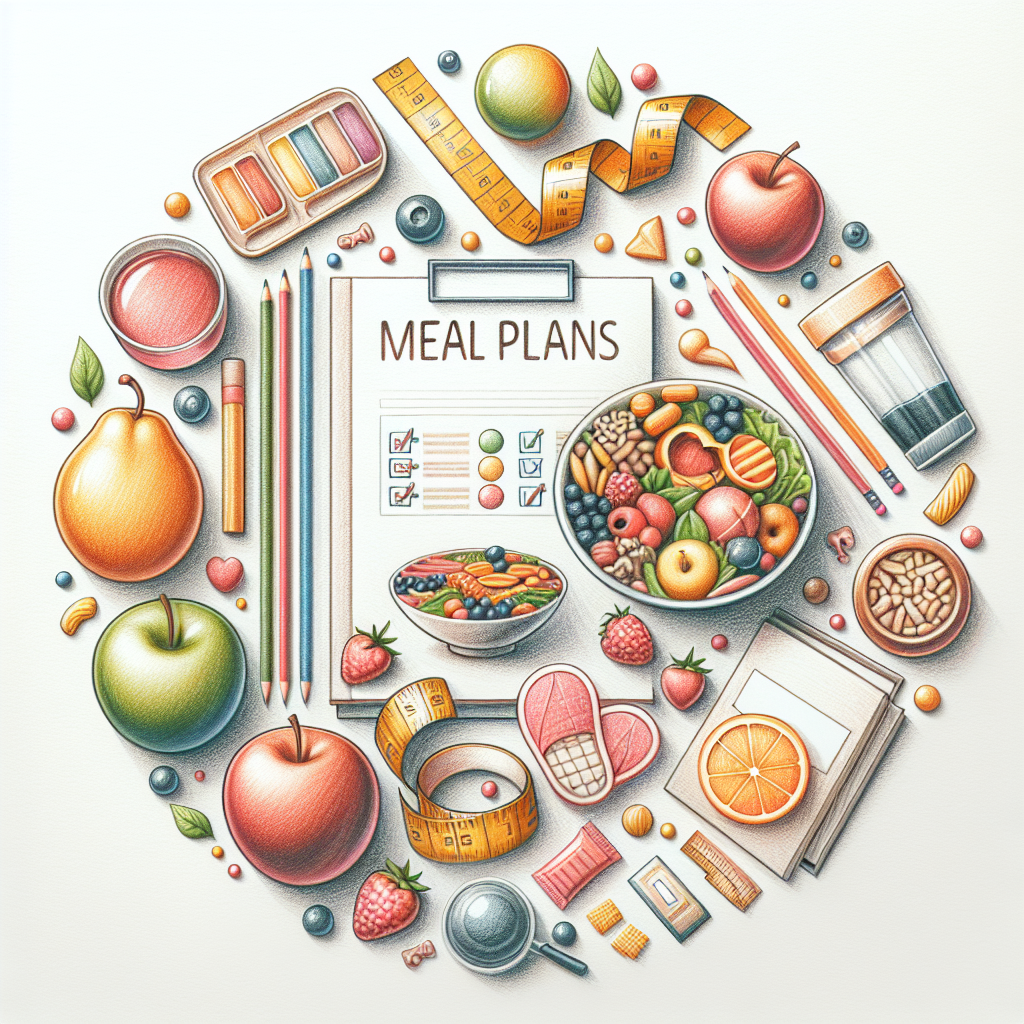
Here is a simple, effective meal plan for one day aimed at aiding your weight loss journey:

  • Breakfast: Overnight oats made with rolled oats, almond milk, chia seeds, topped with berries and a sprinkle of cinnamon.
  • Mid-Morning Snack: A small handful of mixed nuts or a piece of whole fruit.
  • Lunch: Grilled chicken salad featuring mixed greens, cherry tomatoes, cucumber, avocado, and a light vinaigrette dressing.
  • Afternoon Snack: Greek yogurt topped with a spoonful of honey and sliced almonds.
  • Dinner: Baked salmon with quinoa and steamed broccoli, flavored with lemon and herbs.
  • Evening Snack (if needed): Veggie sticks with hummus or a small square of dark chocolate.

The Magic of Short Workouts

Incorporating six-minute workouts into your daily routine can provide significant benefits. These brief bursts of physical activity can:

  • Boost your metabolism, helping to burn calories more efficiently.
  • Enhance mood through the release of endorphins.
  • Make it easier to fit exercise into a busy schedule, reducing the intimidation often associated with longer workouts.
  • Promote consistency, as shorter sessions are less daunting and easier to maintain long-term.

Consider integrating the SixPack workout program into your routine for a series of guided, effective workouts designed to fit into any lifestyle.

When to Consult a Professional

Understanding when to seek professional assistance during your weight loss journey is critical. Consider consulting a healthcare provider or a registered dietitian if you experience:

  • Unexplained weight loss or gain
  • Persistent fatigue or lack of energy
  • Changes in mood or mental health
  • Intense cravings or disordered eating patterns
  • Difficulty adhering to the meal plan
  • Any health conditions that could be affected by weight loss

Common Myths About Weight Loss

Weight loss is often surrounded by misconceptions that can hinder your progress. Here are some myths debunked:

  • Myth 1: Carbohydrates are the enemy. (Reality: Choose complex carbohydrates for sustained energy.)
  • Myth 2: Skipping meals helps you lose weight. (Reality: It can lead to overeating later.)
  • Myth 3: All fats are bad. (Reality: Healthy fats are essential for a balanced diet.)
  • Myth 4: Supplements can replace a healthy diet. (Reality: A balanced diet is irreplaceable.)
  • Myth 5: Quick fixes work. (Reality: Sustainable weight loss requires gradual changes.)

FAQs

What is the best way to start a weight loss journey?

Start by setting realistic goals, adopting a balanced diet, and incorporating regular exercise into your routine.

How important is hydration in weight loss?

Hydration is key, as it helps control hunger and supports overall bodily functions.

Are snacks advisable during a weight loss diet?

Yes, healthy snacks can help manage hunger and prevent overeating at meal times.

Can I lose weight without exercising?

While diet is crucial, combining nutrition with exercise enhances weight loss and improves overall health.

How often should I weigh myself while trying to lose weight?

Weighing yourself weekly is often recommended to track progress without becoming overly obsessed.

Is it normal to have weight fluctuations?

Yes, weight fluctuations are common and can result from various factors, including water retention and hormonal changes.

Conclusion

  • Establish a balanced meal plan focusing on diverse nutrient sources.
  • Incorporate six-minute workouts to enhance metabolism and energy.
  • Be mindful of when professional consultation may be necessary.
  • Avoid common weight loss myths to make informed choices.
  • Stay consistent and patient during your weight loss journey.

As you embark on your weight loss journey, remember that every small change counts. Consider exploring the SixPack workout program for a free 30-day trial that can complement your meal plan. Progress may be gradual, but commitment will yield lasting results.

Author: John Angel

Related articles

Categories
Fitness

The Ultimate Guide to Effective Weight Loss Planning

Embarking on a weight loss journey can often feel overwhelming, but it doesn’t have to be. A structured plan focused on sustainable habits can transform the daunting task of losing weight into an achievable goal. One highly effective approach is through short, intense workouts that can be completed in your home, like the SixPack workout program. In this article, we will explore the benefits of incorporating these six-minute workouts into your daily routine, as well as provide a comprehensive guide to planning your weight loss journey.

  • Understanding the Importance of a Weight Loss Plan
  • The Magic of Six-Minute Workouts
  • Practical Steps for Your Weight Loss Journey
  • When to Seek Professional Guidance
  • Myths and Misconceptions about Weight Loss
  • Frequently Asked Questions
  • Conclusion and Call to Action

Understanding the Importance of a Weight Loss Plan

A systematic approach to weight loss is essential, as it fosters discipline and accountability. A well-structured weight loss plan outlines achievable goals and establishes a timeline, making the process more manageable. Here are some key elements to consider:

  • Setting realistic and measurable goals
  • Tracking progress regularly
  • Incorporating physical activity
  • Balancing nutrition with exercise
  • Finding motivation through community support

The Magic of Six-Minute Workouts

In today’s fast-paced world, finding time for lengthy workout sessions can be challenging. This is where the magic of six-minute workouts comes into play. Short, intensive workouts can yield significant benefits, such as:

  • Boosting metabolic rate for hours after exercise
  • Enhancing cardiovascular health
  • Improving muscle strength and endurance
  • Fitting effortlessly into a daily routine
  • Reducing the risk of burnout, as workouts are brief yet effective

The SixPack workout program offers a 30-day free trial, allowing you to experience the effectiveness of these six-minute sessions at home. Register here to kick-start your weight loss journey!

Practical Steps for Your Weight Loss Journey

Following a structured plan can enhance your weight loss journey. Here are several concrete steps to guide you:

  1. Assessment: Evaluate your current habits and take note of areas needing improvement.
  2. Goal Setting: Set short-term and long-term weight loss goals that are specific and measurable.
  3. Daily Routine: Incorporate six-minute workouts, starting with three sessions a week.
  4. Nutritional Changes: Focus on a balanced diet rich in whole foods while maintaining a caloric deficit.
  5. Accountability: Join a community or find a workout buddy to stay motivated and accountable.
  6. Adjust and Adapt: Regularly assess your progress and make adjustments to your plan as needed.

When to Seek Professional Guidance

While embarking on a weight loss journey, it is crucial to recognize when to seek professional help. Consult with a qualified health professional if you experience any of the following:

  • Unexplained weight loss or gain
  • Persistent fatigue or lack of energy
  • Symptoms of an eating disorder
  • Chronic health issues that affect your physical activity
  • Emotional distress during your journey

Myths and Misconceptions about Weight Loss

Several myths surrounding weight loss can hinder progress. It is essential to dispel these misconceptions:

  • Myth: All calories are equal.
    Truth: Nutrient-dense foods nourish your body better than empty-calorie foods.
  • Myth: You must exercise for hours every day to lose weight.
    Truth: Short, focused workouts can be highly effective.
  • Myth: Skipping meals is a good weight loss strategy.
    Truth: Eating regular meals helps to regulate your metabolism.
  • Myth: Supplements can replace a healthy diet.
    Truth: No supplement can substitute for the benefits of whole foods.

Frequently Asked Questions

What is the best way to start my weight loss journey?

The best way to start is by assessing your habits, setting achievable goals, and gradually incorporating healthier choices into your daily routine.

How often should I do six-minute workouts?

Begin with three sessions per week, and as you get comfortable, increase the frequency based on your goals and schedule.

Can I still enjoy my favorite foods while trying to lose weight?

Yes, portion control and moderation are key. Balance indulgent foods with nutrient-rich meals.

How does stress affect weight loss?

Stress can lead to emotional eating and hormonal changes that may hinder weight loss. Managing stress through mindfulness is essential.

Is it necessary to track my weight daily?

No, tracking weight daily can be discouraging. Instead, aim for weekly or bi-weekly measurements to monitor progress.

What role does hydration play in weight loss?

Staying hydrated supports overall health and can aid weight loss by regulating appetite and metabolism.

Conclusion

  • Setting a structured plan is crucial for a successful weight loss journey.
  • Short, six-minute workouts can effectively boost metabolism and convenience.
  • Regular assessments and adjustments will help keep you on track.
  • Being aware of myths and misconceptions prevents setbacks.
  • Consulting a professional when needed ensures a safe journey towards your goals.

As you embark on your weight loss journey, consider the power of integrating six-minute workouts into your routine. They can bring about positive change without overwhelming your schedule. Register for the SixPack workout program today for a free 30-day trial.

Author: John Angel

Related articles

Categories
Nutrition and Wellness

6-Day Structured Meal Plan for Effective Weight Loss

6-Day Meal Plan for Weight Loss

Embarking on a weight loss journey can seem daunting, yet a structured approach can simplify the process. This article presents a carefully crafted six-day meal plan, designed to promote healthy eating habits without compromising nutrition. Coupled with effective exercise regimens, like the SixPack workout program, you can enhance your weight loss efforts with engaging six-minute short workouts at home.

  • Understanding the Importance of a Balanced Diet
  • Meal Plan Overview
  • Key Nutritional Components
  • Common Myths Surrounding Weight Loss
  • When to Consult a Professional
  • FAQ
  • Conclusion

Understanding the Importance of a Balanced Diet

While exercise is vital for fitness, diet plays a significant role in successful weight management. A balanced diet enriches the body with essential nutrients, ensuring that you feel satiated while successfully shedding unwanted pounds. Incorporating a variety of fruits, vegetables, lean proteins, and whole grains can lead to improved energy levels and overall wellness on your weight loss journey.

Meal Plan Overview

This six-day meal plan comprises three meals and two snacks daily, focusing on nutrient density and caloric control. Each day’s options are designed to keep you satisfied and energized. Here’s a breakdown of the meal plan:

  • Day 1: Grilled chicken salad, quinoa, apple slices
  • Day 2: Baked salmon, steamed broccoli, mixed berries
  • Day 3: Turkey wrap, carrot sticks, hummus
  • Day 4: Stir-fried tofu with mixed vegetables, brown rice
  • Day 5: Lentil soup, side salad, orange segments
  • Day 6: Sautéed shrimp, asparagus, whole grain toast

Key Nutritional Components

For effective weight loss, it is essential to understand the core nutritional components that contribute to a healthy diet:

  • Proteins: Vital for muscle maintenance; sources include lean meats, fish, beans, and legumes.
  • Carbohydrates: The body’s main energy source; opt for whole grains and vegetables to keep blood sugar levels stable.
  • Fats: Necessary for nutrient absorption; use healthy fats such as avocado, nuts, and olive oil.
  • Fibers: Indispensable for digestion; abundant in fruits, vegetables, and whole grains, they promote satiety.

Common Myths Surrounding Weight Loss

Despite the wealth of information available, several misconceptions can hinder your progress:

  • Myth 1: Skipping meals aids weight loss.
  • Myth 2: All fats are bad.
  • Myth 3: Carbohydrates should be completely eliminated.
  • Myth 4: Quick fixes and fad diets are sustainable long-term.

When to Consult a Professional

If you find yourself struggling to lose weight despite rigorous efforts or if you experience fatigue, emotional distress, or other concerning symptoms, consultation with a healthcare provider is imperative. Personalized recommendations from a registered dietitian or nutritionist can help tailor a plan that accommodates your unique needs and health status.

FAQ

What should I drink while on a weight loss plan?

Water is the ideal choice; herbal teas and black coffee can also be included, but limit sugary beverages and alcohol.

How can I stay motivated throughout my weight loss journey?

Setting achievable goals, tracking progress, and joining supportive groups can bolster motivation.

Is it normal to hit a plateau during weight loss?

Yes, plateaus are common; varying your routine and re-evaluating diet can help break through them.

How important is meal timing for weight loss?

While meal timing can impact energy levels, the overall quality and quantity of food intake are more critical for weight loss.

Can I consume snacks while trying to lose weight?

Healthy snacks can help maintain energy and prevent overeating during main meals, so include them wisely.

What role does exercise play in weight loss?

Exercise enhances caloric burn, improves mood, and promotes muscle mass, which can facilitate easier weight management.

Conclusion

  • Adopt a balanced diet rich in proteins, healthy fats, and fibers.
  • Follow the structured six-day meal plan to help create healthy habits.
  • Stay informed about common weight loss myths to avoid confusion.
  • Consult healthcare professionals for personalized dietary and fitness advice.
  • Engage in brief, high-intensity workouts like the SixPack workout program for maximum efficiency.

Transform your weight loss journey by taking proactive steps toward a healthier lifestyle today!

Author: John Angel

Related articles

Categories
Weight Management

Effective Six-Minute Workouts for Weight Maintenance

Maintaining weight after a weight loss journey can often feel like a daunting task. With countless diets, workouts, and lifestyle changes advocated in today’s health culture, it’s essential to find an approach that not only works but is also sustainable. One compelling method gaining traction is the incorporation of short, six-minute workouts into daily routines. This article will explore how these concentrated bursts of exercise can significantly aid in maintaining weight while providing an overview of effective strategies.

  • Understanding the Role of Short Workouts
  • The Benefits of Incorporating Six-Minute Sessions
  • Practical Steps to Integrate Into Daily Life
  • Common Misconceptions About Short Workouts
  • When to Seek Professional Guidance
  • Frequently Asked Questions
  • Conclusion and Next Steps

Understanding the Role of Short Workouts

Short workouts, typically lasting six minutes, are designed to maximize activity within a limited timeframe. They can be performed almost anywhere, making them ideal for those with busy schedules. During these brief sessions, individuals can engage in high-intensity training that effectively boosts metabolism and supports muscle retention, both critical factors in sustaining weight loss.

The Benefits of Incorporating Six-Minute Sessions

The magic of six-minute workouts lies in their efficiency. Here are several primary benefits:

  • Time-Effective: Short workouts fit easily into any daily routine, allowing individuals to exercise without needing significant time commitments.
  • Accessibility: These workouts can be performed at home with minimal or no equipment, making it accessible for anyone.
  • Increased Metabolism: High-intensity exercises elevate your heart rate, enhancing calorie burn even post-workout, a phenomenon known as Excess Post-exercise Oxygen Consumption (EPOC).
  • Psychological Boost: Quick workouts can lead to an immediate sense of achievement, which may motivate ongoing physical activity.
  • Improved Energy Levels: Even short exercise bursts can invigorate your overall energy and productivity throughout the day.

Practical Steps to Integrate Into Daily Life

Incorporating six-minute workouts into your daily regimen is more manageable than it may seem. Here’s a straightforward guide to get started:

  1. Set a Schedule: Choose at least two to three specific times during the week to commit to your workouts—morning, lunch break, or just before dinner are great options.
  2. Choose Your Exercises: Create a workout plan consisting of bodyweight exercises like squats, push-ups, or burpees to maximize effectiveness.
  3. Gather Your Equipment: If desired, use resistance bands or dumbbells to increase the intensity, though they are not mandatory.
  4. Stay Consistent: Aim to workout at the same time each session to promote routine.
  5. Track Your Progress: Use a journal or an app to keep tabs on your workouts, noting improvements in difficulty or repetitions.

For those interested in embarking on a structured program, consider registering for the SixPack workout program for 30 days for free, designed to incorporate shorter workouts effectively.

When to Seek Professional Guidance

While short workouts can be extremely beneficial, there are instances in which consulting a professional is advisable. If you experience any of the following red flags, seek guidance:

  • Persistent pain or discomfort during exercise
  • A sudden loss of strength or endurance
  • The appearance of injuries or a history of them
  • Significant weight fluctuations despite adherence to your routine
  • Serious health conditions that require specialized feedback before engaging in new exercise protocols

Common Misconceptions About Short Workouts

Despite the advantages of six-minute workouts, misconceptions persist that may hinder individuals from embracing this approach. Here are common myths:

  • They’re Ineffective: Many believe that only long workouts yield results, but numerous studies indicate that high-intensity training can be just as effective in a shorter timeframe.
  • Only for Beginners: While beneficial for novices, even experienced individuals can gain significant advantages from quick sessions.
  • Requires Specialized Equipment: There is a common notion that equipment is necessary, which is not true. Many effective exercises require nothing but body weight.
  • It’s Not Challenging: Six minutes can be intense if done correctly. The key is maximizing effort during that short window.

Frequently Asked Questions

Can I really lose weight with only six-minute workouts?

Yes, when performed vigorously, high-intensity six-minute workouts can facilitate weight loss by boosting metabolism and calorie burn.

How many times a week should I do six-minute workouts?

Aim for at least two to three times weekly to start. Adjust based on your personal fitness goals and recovery time.

Do I need to warm up before a six-minute workout?

Yes, a brief warm-up is advisable to prepare your muscles and reduce the risk of injury.

What types of exercises are best for short workouts?

Bodyweight exercises such as squats, push-ups, jumping jacks, and high knees are effective and easily modifiable for intensity.

Can short workouts replace longer exercise sessions?

While short workouts can be effective, they can complement longer sessions rather than completely replace them, depending on individual fitness goals.

Will I see results quickly?

Results vary by individual, but many see improvements in energy and metabolism within a few weeks of consistent effort.

Conclusion and Next Steps

  • Short workouts of six minutes can be an effective strategy for maintaining weight post-diet.
  • They are time-efficient, accessible, and provide numerous physical and psychological benefits.
  • Integrating short sessions into your routine requires minimal effort but can yield significant results.
  • Consulting a healthcare professional is prudent if you experience any concerning symptoms.
  • Don’t let misconceptions hold you back from embracing this effective method of exercise.

For those looking to embark on a structured workout journey, consider exploring the SixPack workout program for 30 days for free. The journey to maintaining your hard-earned weight can be transformed with the right approach.

Author: John Angel

Categories
Weight Loss

Effective Weight Loss Without Muscle Loss Strategies

Embarking on a weight loss journey often brings with it the challenge of retaining muscle mass while shedding unnecessary fat. Many individuals focus primarily on the numbers on the scale, neglecting to recognize the complications that arise when muscle loss occurs alongside weight reduction. In this article, we will delve into the intricacies of achieving sustainable weight loss without compromising your muscle health, while also highlighting the potential of short at-home workouts.

  • Understanding Weight Loss and Muscle Loss
  • The Role of Exercise in Preserving Muscle Mass
  • Importance of Nutrition in the Weight Loss Journey
  • Benefits of Six-Minute Short Workouts at Home
  • When to Consult a Professional
  • Common Myths and Mistakes in Weight Loss
  • Frequently Asked Questions
  • Conclusion: Key Takeaways

Understanding Weight Loss and Muscle Loss

Weight loss is often seen as the ultimate objective for many seeking better health or appearance. However, the accompanying loss of muscle mass can significantly affect metabolic rate, strength, and overall health. Muscle tissue is more metabolically active than fat, meaning that losing it can lead to a slower metabolism, making further weight loss more challenging. Understanding this relationship is crucial for anyone embarking on a weight loss journey.

The Role of Exercise in Preserving Muscle Mass

Incorporating resistance training into your exercise regimen is essential for preserving muscle mass during weight loss. While cardiovascular activities are effective for burning calories, they can lead to muscle degradation when not balanced with strength training. Aim to include weight-lifting exercises or bodyweight movements two to three times per week to maintain muscle mass.

Importance of Nutrition in the Weight Loss Journey

Nutrition plays a pivotal role in achieving weight loss goals while minimizing muscle loss. Consuming adequate protein is vital since it supports muscle repair and growth. Aim to include sources of lean protein, such as chicken, fish, beans, and legumes, in your meals. Additionally, maintaining a balanced diet rich in vitamins and minerals ensures overall wellness and supports your weight loss journey.

Benefits of Six-Minute Short Workouts at Home

One of the intriguing advantages of adopting short workouts is their flexibility and ease of integration into daily life. The magic of six-minute workouts lies not just in their duration but also in their ability to maximize efficiency. These workouts can help raise your heart rate, build strength, and stimulate muscle retention without overwhelming your schedule.

By consistently engaging in six-minute workouts, you can maintain muscle mass, enhance metabolism, and improve mood. Best of all, you can perform these workouts at home, making it easy to establish a routine. For those curious about discovering the benefits of effective six-minute workouts, consider taking advantage of a 30-day free trial of the SixPack workout program.

Practical Steps to Achieve Weight Loss Without Muscle Loss

  1. Set achievable weight-loss goals. Aim for 1-2 pounds per week.
  2. Incorporate strength training exercises at least twice a week.
  3. Prioritize protein intake at every meal.
  4. Focus on whole, nutrient-dense foods and minimize processed options.
  5. Stay hydrated by drinking plenty of water throughout the day.
  6. Consider short, efficient workouts that can easily fit into your daily routine.

When to Consult a Professional

Certain signs indicate that it may be necessary to consult a healthcare professional or a registered dietitian. These include:

  • Experiencing excessive fatigue or weakness.
  • Noticing significant muscle loss despite a proper diet and exercise regime.
  • Struggling with emotional distress related to food or exercise.
  • Having underlying health conditions that could complicate your weight loss.

In any of these cases, professional guidance can ensure that your weight loss journey is safe and effective.

Common Myths and Mistakes in Weight Loss

Many myths surround weight loss that can hinder progress. Some of these include:

  • Myth: All calories are created equal. Fact: Nutrient-dense foods are essential for health.
  • Myth: You must do cardio to lose weight. Fact: Strength training is vital to preserve muscle.
  • Myth: Skipping meals is effective for weight loss. Fact: It can lead to overeating and muscle loss.

Frequently Asked Questions

Can I lose weight without any muscle loss?

Yes, with the right balance of strength training, nutrition, and an adequate intake of protein, it is possible to lose weight without losing muscle.

How important is protein in a weight loss journey?

Protein is crucial as it aids in muscle repair, promotes satiety, and can help prevent muscle loss during calorie restriction.

Are short workouts effective for weight loss?

Short workouts, when done consistently and combined with proper nutrition, can be highly effective for weight loss and muscle preservation.

What should I do if I’m feeling fatigued while losing weight?

If fatigue is persistent, it may be beneficial to consult with a healthcare professional to assess your nutritional intake and overall health.

How often should I strength train during my weight loss journey?

It is recommended to incorporate strength training at least two to three times a week to effectively preserve muscle mass.

Is it possible to regain muscle after weight loss?

Yes, muscle can be regained through consistent strength training and adequate protein intake, even after weight loss.

Conclusion: Key Takeaways

  • Weight loss can lead to muscle loss if not managed properly.
  • Incorporating resistance training is vital for muscle preservation.
  • A balanced diet rich in protein is essential during the weight loss journey.
  • Short, efficient workouts can be effective and easy to integrate into daily life.
  • Seek professional guidance if you experience significant issues during your journey.

Embarking on a weight loss journey doesn’t have to mean sacrificing muscle health. By incorporating the right strategies and understanding the dynamics of weight loss, you can maintain both your physique and well-being. For those ready to start a sustainable workout plan that fits into their life, consider exploring the 30-day free trial of the SixPack workout program.

Author: John Angel

Related articles

Categories
Fitness

Effective Resistance Training Program for Weight Loss Success

Embarking on a weight loss journey can often feel overwhelming, especially when faced with a barrage of contradictory advice. A well-structured resistance training program emerges as a powerful ally in this quest. Combining effective workouts with efficient time management, such programs can facilitate weight loss while building muscle and improving overall fitness. This article delves into the components of a successful resistance training regimen, particularly emphasizing the benefits of short home workouts that fit seamlessly into daily life.

  • Understanding Resistance Training
  • Benefits of Resistance Training for Weight Loss
  • Creating a Resistance Training Program
  • Your Daily Routine: The Magic of Six-Minute Workouts
  • When to Consult a Professional
  • Common Misconceptions About Resistance Training
  • Frequently Asked Questions

Understanding Resistance Training

Resistance training involves exercises designed to improve strength and fitness by using resistance to muscle contraction. This can include free weights, resistance bands, or body-weight exercises. The focus is not solely on lifting heavy weights; rather, it encompasses a range of activities aimed at engaging various muscle groups. By systematically targeting these areas, individuals can foster muscle growth and increase metabolic rate, both essential components in the pursuit of weight loss.

Benefits of Resistance Training for Weight Loss

Incorporating resistance training into a weight loss journey offers numerous advantages:

  • Increased Muscle Mass: Muscle tissue burns more calories at rest compared to fat tissue, enhancing overall energy expenditure.
  • Improved Metabolic Rate: Regular resistance workouts can lead to a sustained increase in the basal metabolic rate (BMR) even after the workout has concluded.
  • Better Body Composition: Resistance training helps shift body composition towards greater muscle-to-fat ratios, improving not just weight metrics but overall appearance and fitness.
  • Enhanced Functional Fitness: Everyday activities become easier as strength improves, promoting an active lifestyle.
  • Mood and Motivation: Exercise triggers endorphin release, naturally enhancing mood and motivation—critical elements for maintaining a weight loss regimen.

Creating a Resistance Training Program

Establishing an effective resistance training regimen need not be a daunting task. Here is a concise guide to setting up your program:

  1. Set Clear Goals: Define what you want to achieve, including specific weight loss targets and fitness improvements.
  2. Select Exercises: Choose a combination of compound movements (such as squats, deadlifts, and bench presses) that engage multiple muscle groups, along with isolation exercises (like bicep curls) to focus on specific areas.
  3. Determine Frequency: Aim for 3 to 4 sessions per week, allowing muscle groups 48 hours of recovery between sessions.
  4. Progress Gradually: Start with manageable weights and gradually increase resistance as your strength builds to prevent injury and enhance results.
  5. Track Your Progress: Keep a workout journal to monitor your exercises, weights, and body measurements regularly.

Your Daily Routine: The Magic of Six-Minute Workouts

In our fast-paced world, the six-minute workout phenomenon offers a solution for those struggling with time constraints. These brief, high-intensity intervals can be surprisingly effective, integrating seamlessly into busy lives. The beauty of such workouts lies in their versatility; they can be performed anywhere, be it at home or in a park. Here’s how six-minute workouts can enhance your weight loss journey:

  • Time Efficiency: With just six minutes needed, you can fit your workout into lunch breaks or even between errands.
  • Consistency: Shorter workouts reduce the mental barrier to exercise, making it easier to stay committed.
  • High Intensity: These workouts can elevate your heart rate quickly, optimizing fat burning.
  • Variety: A range of exercises can be cycled through, keeping workouts engaging and preventing boredom.
  • Adaptability: Ideal for all fitness levels, these workouts can be modified to suit individual capacities.

For those inspired to integrate more structured, effective short workouts into their regime, consider registering for the SixPack workout program for 30 days free. This program emphasizes efficient home workouts that fit even the busiest schedules, helping you advance on your weight loss journey.

When to Consult a Professional

While resistance training is widely beneficial, certain signs may indicate the need for professional guidance:

  • Persistent pain or discomfort during or after workouts
  • Unclear on how to perform specific exercises safely
  • Concerns regarding injury or physical limitations
  • A desire for tailored program optimization
  • Significant lifestyle changes, such as a major weight loss goal or health condition

Seeking advice from a qualified trainer or healthcare provider can ensure safe and effective progression in your resistance training journey.

Common Misconceptions About Resistance Training

Several myths surround resistance training, often preventing individuals from reaping its full benefits:

  • Myth: Resistance Training is Only for Bodybuilders: Reality: It benefits anyone looking to improve strength, endurance, and weight loss.
  • Myth: Lifting Weights Will Make You Bulk Up: Reality: Increased resistance enhances muscle tone but does not automatically lead to bulkiness, especially without excess caloric intake.
  • Myth: Cardio is More Effective for Weight Loss: Reality: Resistance training is equally effective for fat loss, particularly when building muscle is considered.
  • Myth: You Need to Spend Hours in the Gym: Reality: Short, focused workouts can yield significant results with proper structure.
  • Myth: You Can’t Train if You’re Older: Reality: Resistance training is beneficial and safe for all ages, promoting strength and bone health.

Frequently Asked Questions

What is resistance training?

Resistance training involves exercises that improve strength by using resistance, which can come from weights, bands, or body weight.

How can resistance training aid in weight loss?

By increasing muscle mass and metabolic rate, resistance training enhances calorie burning both during and after workouts.

Can I start resistance training at home?

Yes, many effective resistance exercises can be performed at home using minimal equipment or body weight.

How often should I do resistance training for weight loss?

Aim for at least 3 to 4 sessions per week, allowing adequate recovery between workouts targeting the same muscle groups.

Are six-minute workouts effective?

Short, high-intensity workouts can be very effective for weight loss and fitness improvement, particularly when performed consistently.

Is professional help necessary for beginners?

While not mandatory, consulting a professional can ensure safe and effective exercise execution and program design, especially for beginners.

Conclusion

  • Focus on Building Muscle: Resistance training enhances muscle mass, leading to improved metabolic rate.
  • Time-Efficient Workouts: Six-minute sessions can be integrated easily into daily routines.
  • Regularity is Key: Consistency and progressive overload are essential for achieving results.
  • Myths Must be Dispelled: Understanding the realities of resistance training can enhance commitment and effectiveness.
  • Professional Guidance is Beneficial: Knowing when to seek help can ensure safe progression and adaptation.

As you embark on your weight loss journey, consider integrating a targeted resistance training program into your routine for effective and sustainable results. Take the first step towards a successful regimen by registering for the SixPack workout program for 30 days free.

Author: John Angel

Related articles

Categories
Fitness

Understanding Exercise’s Impact on Weight Loss Results

Embarking on a weight loss journey can often become a perplexing experience, especially when the scales refuse to budge despite diligent exercise efforts. Understanding why exercise alone may not result in weight loss can empower individuals and reshape their approach to fitness. This article delves into the multifaceted interactions between physical activity, metabolism, and lifestyle choices, emphasizing the importance of a well-rounded approach.

  • Understanding Exercise’s Role in Weight Loss
  • Caloric Balance: The Fundamental Equation
  • Exploring Short Workouts: The Magic of Six-Minute Sessions
  • Practical Steps for Effective Exercise
  • When to Consult a Professional
  • Common Myths and Misconceptions
  • Frequently Asked Questions

Understanding Exercise’s Role in Weight Loss

The quintessential belief is that exercise is the cornerstone of any weight loss journey. While this is certainly an important aspect, it is not the sole factor. Exercise enhances muscle mass, boosts metabolism, and improves overall health. However, without a simultaneous focus on dietary habits and external lifestyle factors, weight loss can stagnate. Recognizing this balance is pivotal to achieving sustainable results.

Caloric Balance: The Fundamental Equation

Weight loss is fundamentally tied to caloric balance, encapsulated in the equation: calories consumed versus calories burned. While exercise increases caloric expenditure, dietary intake plays an equally critical role. If one consumes more calories than they expend, weight loss will be elusive, regardless of exercise frequency.

Exploring Short Workouts: The Magic of Six-Minute Sessions

In today’s fast-paced world, time constraints often hinder effective workout routines. This is where the concept of six-minute short workouts emerges as a game-changer. These sessions are not only efficient but can also be tailored to fit seamlessly into daily schedules, allowing individuals to engage in physical activity without significant time commitment.

The six-minute workouts focus on high-intensity exercises that maximize effort in a short timeframe, stimulating metabolism and promoting fat burning. As a free 30-day introduction to this innovative approach, consider joining the SixPack workout program, which allows for flexibility while ensuring consistency.

Practical Steps for Effective Exercise

To maximize the efficacy of your exercise routine concerning weight loss, consider the following concrete steps:

  • Set Realistic Goals: Define achievable objectives that motivate and inspire.
  • Mix It Up: Incorporate a variety of exercises—combining strength training with cardiovascular workouts can enhance results.
  • Stay Consistent: Establish a regular workout schedule to develop a routine.
  • Listen to Your Body: Pay attention to physical signals. Adjust workouts as necessary to prevent injury.
  • Nutrition Counts: Pair your exercise routine with a balanced diet to create a caloric deficit.
  • Track Your Progress: Use apps or journals to keep track of workouts and dietary intake. This can help identify patterns.

When to Consult a Professional

While exercise is beneficial, certain indicators suggest it is time to consult a professional. Seek advice if:

  • You experience persistent pain or discomfort during or after exercising.
  • Weight loss has plateaued despite consistent efforts over several months.
  • Dietary choices are confusing or overwhelming, leading to poor nutritional habits.
  • You have pre-existing medical conditions that may be affected by increased physical activity.

Common Myths and Misconceptions

Myths can impede one’s weight loss journey. Here are some prevalent misconceptions:

  • “More Exercise Always Means More Weight Loss”: Quality often outweighs quantity. Focusing on effective workouts is more beneficial than simply extending exercise duration.
  • “Carbs are the Enemy”: Carbohydrates are essential for energy. Balance and moderation are crucial.
  • “Weight Training Makes You Bulk Up”: Instead, it helps in building lean muscle, which can boost metabolic rate.
  • “You Can Out-Exercise a Poor Diet”: Nutrition is foundational; without suitable dietary practices, exercise may not yield the desired results.

Frequently Asked Questions

Why am I exercising but not losing weight?

Weight loss is a complex process involving caloric intake, exercise, metabolism, and more. It’s essential to evaluate your overall lifestyle, including diet and stress levels.

Do short workouts really work for weight loss?

Yes, short and intense workouts can effectively boost metabolism and burn calories, especially when paired with a balanced diet.

How can I make exercise a regular part of my routine?

Set specific days and times for working out, find activities you enjoy, and consider joining workout programs or groups for motivation.

Is it necessary to change my diet while exercising?

Yes, a healthy diet is crucial to achieving weight loss goals, as it complements the energy expended during exercise.

What types of exercises should I prioritize?

A mix of cardiovascular, strength training, and flexibility exercises is typically recommended for a balanced fitness program.

How long does it take to see results from exercising?

Results vary based on individual factors, but most people can typically expect to see changes within a few weeks of consistent effort.

Conclusion

  • Exercise is a vital but not exclusive factor in achieving weight loss.
  • Caloric balance is fundamental to effective weight management.
  • Short workouts, such as six-minute sessions, can be highly effective for busy schedules.
  • Tracking progress and adjusting habits can enhance outcomes.
  • When in doubt, consulting a professional can provide guidance and support.

Embrace your weight loss journey with a focus on holistic health—consider participating in the free 30-day SixPack workout program to kickstart your fitness routine today!

Author: John Angel

Related articles

Categories
Fitness

Effective Weight Loss Strategies: Weight Training Explained

Weight loss through weight training is a transformative journey that not only sculpts the body but also enhances overall well-being. Many individuals overlook the potential of resistance training in their quest for shedding pounds. While cardio workouts are commonly associated with fat loss, integrating weight training can yield impressive results. Moreover, this approach often proves to be more sustainable and beneficial in the long run.

  • Understanding Weight Training’s Role in Weight Loss
  • The Unique Benefits of Short Workouts
  • Practical Steps to Start Weight Training
  • Myths and Misconceptions about Weight Training
  • When to Seek Professional Guidance
  • Frequently Asked Questions
  • Conclusion and Next Steps

Understanding Weight Training’s Role in Weight Loss

Weight training is a powerful component of an effective weight loss journey. Unlike traditional cardio, which primarily burns calories during the activity, weight training boosts the metabolism long after the workout has ended. This phenomenon, known as the afterburn effect or excess post-exercise oxygen consumption (EPOC), leads to increased calorie expenditure.

Additionally, weight training helps build muscle mass, which, in turn, requires more energy to maintain than fat tissue. By increasing muscle mass, you can actually enhance your resting metabolic rate, allowing you to burn more calories naturally throughout the day.

The Unique Benefits of Short Workouts

Many people struggle to find time for long workout sessions, which is where the magic of six-minute short workouts comes in. These brief yet intense workouts can fit seamlessly into even the busiest schedules.

Consider the benefits of such workouts:

  • Efficiency: Six-minute sessions can be tailored to target specific muscle groups or fitness goals, making them an ideal option for those with limited time.
  • Accessibility: You can perform these workouts at home, requiring minimal equipment, which removes barriers to activity.
  • Sustainability: Short, manageable workout times are less overwhelming, encouraging consistency, which is crucial for long-term success.
  • Mental Boost: Each completed six-minute workout can provide a sense of achievement, positively impacting mental health and motivation.

To experience the benefits of these short workouts, consider registering for the SixPack workout program for 30 days for free, which showcases effective, time-efficient routines.

Practical Steps to Start Weight Training

Embarking on your weight training journey can feel daunting, but following these steps can simplify the process:

  1. Set Clear Goals: Define what you want to achieve—whether it’s fat loss, muscle gain, or overall fitness improvement.
  2. Choose the Right Equipment: Begin with basic equipment like dumbbells or resistance bands. Bodyweight exercises can also be highly effective.
  3. Create a Schedule: Plan short workouts throughout the week, sticking to a consistent routine, even if they’re just six minutes long.
  4. Incorporate Variety: Mix up your workouts to avoid boredom and hit different muscle groups effectively.
  5. Track Progress: Keep a record of your workouts to monitor improvements and stay motivated.

When to Seek Professional Guidance

While many can start weight training independently, there are scenarios where professional guidance becomes essential:

  • If you have underlying health conditions, consult with a healthcare provider before starting any workout routine.
  • Seek advice if you are unsure about proper form to avoid injury.
  • Consider working with a personal trainer when attempting to achieve specific fitness goals or if you are unfamiliar with weight training techniques.

Myths and Misconceptions about Weight Training

Many misconceptions can discourage individuals from incorporating weight training into their weight loss journey. Let’s debunk some common myths:

  • Myth: Weight training is only for bodybuilders. In reality, resistance training can benefit everyone by improving strength and boosting metabolism.
  • Myth: Lifting weights will make you bulky. This misconception is particularly prevalent among women. Resistance training can define and tone muscles without significant weight gain.
  • Myth: Cardio is all you need for weight loss. While important, cardio alone is often insufficient for long-term weight loss success without the complementary effect of weight training.

Frequently Asked Questions

Can weight training help with weight loss?

Yes, it can enhance metabolism, build muscle, and lead to greater calorie burn.

How often should I do weight training for weight loss?

Aim for at least two to three sessions per week, incorporating short workouts if time is limited.

Is it necessary to lift heavy weights?

Not necessarily; bodyweight exercises and lighter weights can also be effective, especially for beginners.

Will I need a gym membership for weight training?

No, many effective weight training exercises can be performed at home with minimal equipment.

How can I make short workouts effective?

Focus on compound movements and maximize intensity during the short sessions.

What should I eat to support my weight loss journey?

Consuming a balanced diet rich in protein, healthy fats, and fiber can support your goals.

Conclusion

  • Weight loss through weight training is effective and sustainable.
  • Short workouts can provide an efficient way to integrate fitness into daily life.
  • Setting clear goals and tracking progress are key components of success.
  • Dispelling myths can encourage more individuals to embrace weight training.
  • When in doubt or facing challenges, seeking professional advice can enhance your weight loss journey.

Incorporating weight training into your fitness routine can yield significant results. Explore the benefits of effective and time-efficient workouts by registering for the SixPack workout program for 30 days for free and start your transformative journey today!

Author: John Angel

Related articles

Categories
Fitness

Balancing Weight Loss and Muscle Preservation Strategies

When embarking on a weight loss journey, individuals often prioritize shedding excess fat. However, an overlooked aspect of this process is muscle preservation. Understanding the relationship between weight loss and muscle loss is crucial for achieving long-term health and fitness goals. This article explores how to navigate this delicate balance, particularly through the integration of effective, short workouts.

  • Understanding Weight Loss and Muscle Loss
  • The Benefits of Short Workouts
  • Strategies for Preserving Muscle
  • Common Misconceptions About Weight Loss
  • When to Consult a Professional
  • Frequently Asked Questions

Understanding Weight Loss and Muscle Loss

Weight loss can lead to muscle loss, especially if not approached carefully. When the body is in a caloric deficit, it seeks energy where it can find it, often turning to muscle tissue. This loss is detrimental, not just cosmetically, but also because muscles play a vital role in metabolism and overall health.

The Benefits of Short Workouts

Incorporating brief, six-minute workouts can be a game-changer in any weight loss journey. These workouts are designed to maximize intensity while minimizing time commitment, making them highly accessible for individuals with busy schedules. Beyond just burning calories, short workouts also help to stimulate muscle growth, thereby mitigating the risk of muscle loss during weight reduction.

Imagine fitting in a quick workout at home before breakfast or during a lunch break; this flexibility allows individuals to maintain activity levels without the need for lengthy gym sessions. This way, the workout routines can seamlessly integrate into daily life, leading to sustained engagement and consistency.

Explore our SixPack workout program for a free 30-day trial.

Strategies for Preserving Muscle

To ensure that weight loss does not compromise muscle mass, consider the following strategies:

  • Maintain Protein Intake: Aim for a diet rich in protein to support muscle retention. Foods such as lean meats, fish, eggs, legumes, and dairy can be beneficial.
  • Engaging in Resistance Training: Incorporating strength training into your routine helps stimulate muscle growth. Focus on compound movements that work multiple muscle groups.
  • Avoid Excessive Caloric Deficits: Aim for a moderate caloric deficit that allows weight loss without risking muscle mass. A deficit of 500 to 750 calories daily can be effective.
  • Stay Hydrated: Proper hydration supports muscle function and recovery, further aiding in retention.
  • Consider Nutrient Timing: Consuming protein-rich meals or snacks post-workout can enhance muscle recovery and growth.

Common Misconceptions About Weight Loss

There are several prevailing myths surrounding weight loss that can hinder progress:

  • Myth 1: All weight lost is fat. Not true. Weight loss can include water and muscle mass.
  • Myth 2: More cardio is always better. While beneficial, excessive cardio can lead to muscle loss.
  • Myth 3: Lifting weights will make me bulky. This is a common concern; however, proper strength training actually aids in fat loss.

When to Consult a Professional

It’s essential to seek guidance from health professionals if you experience any of the following situations:

  • Significant Muscle Loss: If you notice unexpected muscle loss or strength depletion.
  • Plateau in Weight Loss: If weight loss stalls despite adherence to diet and exercise guidelines.
  • Nutrition Concerns: If unsure about proper nutrition intake to avoid muscle loss.
  • Underlying Health Issues: If you have any medical conditions affecting your weight loss journey.

Frequently Asked Questions

Is it normal to lose muscle during a weight loss journey?

Yes, it can be common, but with proper strategies, muscle loss can be minimized.

How can I tell if I am losing muscle?

Signs include a decline in strength, endurance, or noticeable changes in body composition.

Are short workouts effective for weight loss?

Absolutely. Short, intense workouts can be highly effective in burning calories and preserving muscle.

What role does protein play in muscle retention?

Protein is crucial for muscle repair and growth, helping to preserve muscle during weight loss.

Should I avoid carbs when trying to lose weight?

No, carbohydrates are essential for energy. Focus on whole grains and complex carbs for best results.

How often should I do resistance training?

It is generally recommended to engage in resistance training 2-3 times per week.

Conclusion

  • Muscle loss during weight loss is a concern that can be addressed through targeted strategies.
  • Short workouts of just six minutes can effectively help preserve muscle while aiding weight loss.
  • Proper nutrition, including adequate protein intake, is essential for muscle retention.
  • Avoid common misconceptions that may derail your progress; knowledge empowers better decisions.
  • Consult professionals if you encounter challenges to ensure a safe and effective weight loss journey.

For a unique approach to your weight loss journey that incorporates short yet effective workouts, sign up for the SixPack workout program and enjoy your 30-day free trial.

Author: John Angel

Related articles

Categories
Weight Loss

It Works Weight Loss Program: A Practical Fitness Approach

Understanding the It Works Weight Loss Program

The It Works Weight Loss Program is gaining attention for its unique approach to fitness and well-being. This program emphasizes short, efficient workouts that can be easily integrated into a busy lifestyle. By harnessing the power of six-minute workouts, it offers participants a practical solution to embark on their weight loss journey without the daunting commitment of lengthy exercise sessions. Enhanced energy levels, increased engagement in daily activities, and a convenient framework for accountability are just a few of the key benefits. This article aims to explore the magic behind this program and how it can support individuals on their weight loss journey.

  • What is the It Works Weight Loss Program?
  • Benefits of Short Workouts
  • Daily Integration of Workouts
  • Practical Steps for Success
  • When to Consult a Professional
  • Common Misconceptions
  • FAQs
  • Conclusion and Next Steps

What is the It Works Weight Loss Program?

The It Works Weight Loss Program integrates straightforward workouts with nutritional guidance and community support. Participants are encouraged to engage in six-minute workout sessions that can be performed at home, making it accessible and feasible for individuals with tight schedules. This model focuses not only on weight loss but also on creating a sustainable lifestyle change that promotes overall health.

Benefits of Short Workouts

Engaging in brief yet effective sessions can lead to substantial benefits, including:

  • Time Efficiency: Six-minute workouts fit seamlessly into even the busiest of days, allowing individuals to prioritize their fitness without extensive time commitment.
  • Boosted Metabolism: Short bursts of high-intensity activities can significantly enhance metabolic rates, leading to increased caloric burn throughout the day.
  • Reduced Cardiovascular Strain: Short workouts exert less pressure on the body compared to extended sessions, making fitness more accessible for individuals of all fitness levels.
  • Increased Motivation: The ability to complete a workout in a short time frame often leads to greater feelings of achievement and encourages continued participation.
  • Flexibility: With these workouts, individuals can exercise in the comfort of their home without the need for expensive gym memberships or equipment.

Daily Integration of Workouts

Incorporating six-minute workouts into your daily routine can transform your approach to fitness. Here are a few practical ideas:

  1. Morning Energizer: Start your day with a six-minute workout to boost your energy levels and set a positive tone for the day.
  2. Lunchtime Routine: Use part of your lunch break for a quick workout, which can enhance focus and productivity for the rest of the afternoon.
  3. Evening Wind-Down: Perform short workouts in the evening to relieve stress and unwind after a long day.
  4. Family Fun: Engage family members in short sessions together, fostering social interaction and physical activity simultaneously.
  5. At Your Desk: Perform discreet exercises near your workspace to break the monotony of continuous sitting.

For an effective start, consider registering for the SixPack workout program for 30 days for free and experience this engaging and practical approach to fitness.

When to Consult a Professional

While the It Works Weight Loss Program can be highly beneficial, there are times when seeking help from a qualified professional is essential:

  • If you experience persistent pain or discomfort during workouts.
  • Consult a nutritionist if you need tailored dietary advice or support with meal planning.
  • If you have pre-existing medical conditions that could be aggravated by changes in exercise habits.
  • When weight loss stagnates or if there are other concerns about physical health.

Common Misconceptions about Weight Loss Programs

Several myths surround weight loss programs that may cause hesitation in individuals:

  • All Workouts Must Be Long: Many believe effective weight loss requires lengthy workouts, but short, consistent sessions can be equally effective.
  • Weight Loss is Linear: Individuals may expect immediate results; however, weight loss can fluctuate and does not occur uniformly.
  • Diets are the Only Path: Nutrition plays a role, but exercise is also critical in achieving sustainable weight loss.
  • One Size Fits All: What works for one person may not work for another; personalization is key for lasting results.

FAQs

What types of workouts are included in the It Works program?

The program includes a variety of high-intensity interval training (HIIT) and strength-building exercises that can be completed in six-minute intervals.

Do I need special equipment for the workouts?

No, you can complete these workouts using just your body weight or minimal equipment, such as resistance bands.

Is the program suitable for beginners?

Yes, the It Works Weight Loss Program is appropriate for individuals at any fitness level, including beginners.

How can I track my progress?

The program encourages participants to maintain a daily log of their workouts and dietary habits to track progress effectively.

Can I do the workouts anywhere?

Yes, the workouts are designed to be performed at home or anywhere you feel comfortable, making them convenient and flexible.

What if I have dietary restrictions?

If you have specific dietary needs, it is advisable to consult a nutritionist to tailor a plan that fits your restrictions while supporting your goals.

Conclusion

  • The It Works Weight Loss Program offers a practical and accessible approach to fitness.
  • Short six-minute workouts are designed to fit into a busy lifestyle, providing numerous health benefits.
  • Daily integration of exercise routines can improve productivity and overall well-being.
  • Consulting professionals can enhance personal fitness journeys and ensure safety.
  • Common misconceptions should be addressed to foster a better understanding of effective weight loss.

As you embark on your weight loss journey, consider joining the SixPack workout program for 30 days for free to experience the power of short, effective workouts tailored to your lifestyle.

Author: John Angel

Related articles

Website analytics information

We use Google Analytics 4 for visitor statistics. Analytics cookies require your consent, which you can change using the button above. The data controller is ZDRAVÍ S ÚSMĚVEM s.r.o., company ID 29283329, contact podpora@revolucnicviceni.cz. Google processes browser, device and page visit information. We do not send form field values to Analytics. How Google uses information · Google Privacy Policy.