Categories
Home Workouts

Effective Home Circuit Training: No Equipment Needed

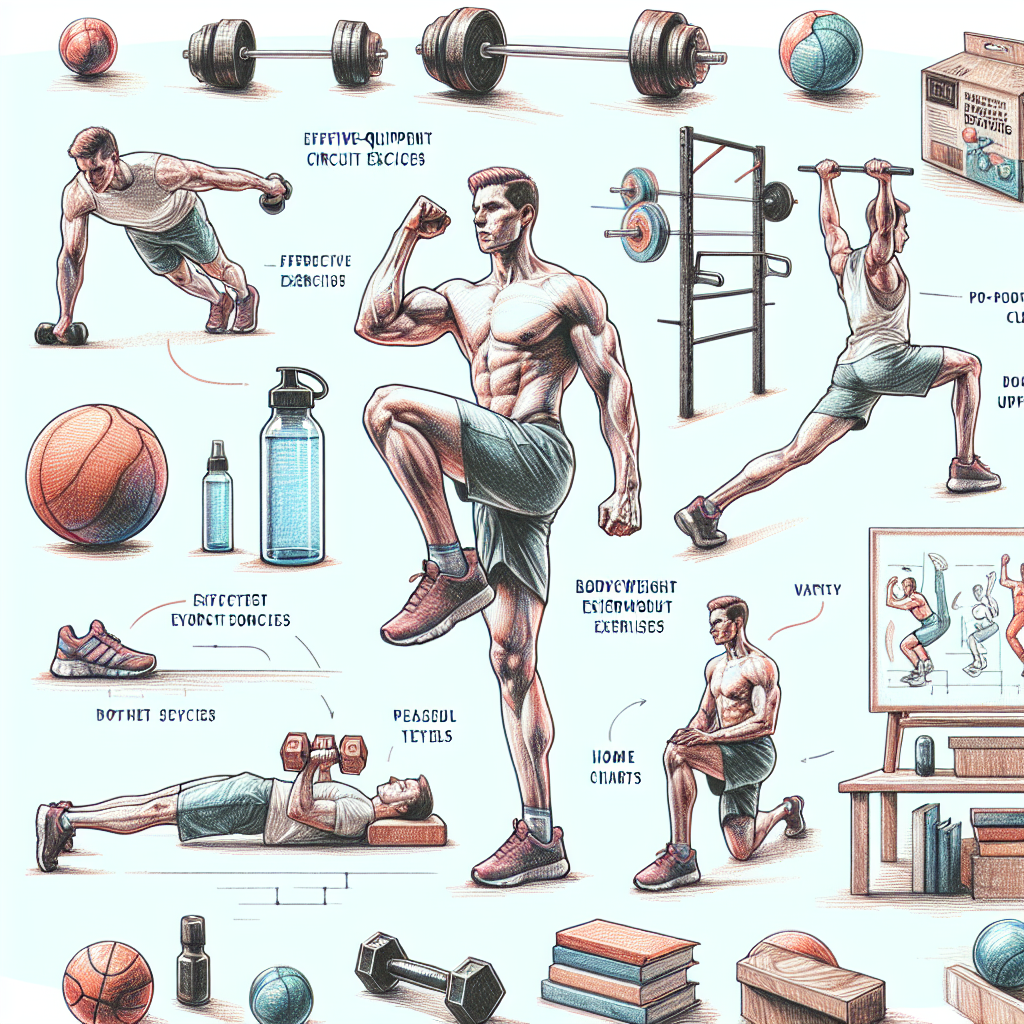
In an age where time is of the essence, circuit training at home without equipment offers a highly efficient way to maintain physical fitness. This workout method combines strength and cardiovascular exercises into a single session, delivering results in a compact timeframe. Whether you are a novice or seasoned fitness enthusiast, circuit training’s adaptability makes it a viable option for enhancing overall health and well-being.

  • Introduction
  • What is Circuit Training?
  • Benefits of Circuit Training at Home
  • Sample Circuit Training Workout
  • Common Myths about Circuit Training
  • When to Consult a Professional
  • Frequently Asked Questions
  • Conclusion

What is Circuit Training?

Circuit training consists of a series of exercises performed in rotation with minimal rest between them. This method typically incorporates strength training, aerobic exercises, and flexibility work, effectively targeting multiple muscle groups and improving cardiovascular endurance. One of its appeals is that it can be easily performed at home without the need for specialized equipment.

Benefits of Circuit Training at Home

Engaging in circuit training at home offers several advantages:

  • Time-Efficiency: With workouts lasting only 20 to 30 minutes, circuit training allows for effective exercise in a short period.
  • Flexibility: You can tailor workouts to fit your schedule and fitness level, making it easy to adapt to various lifestyles.
  • Variety: The multitude of exercises keeps routines fresh, reducing the risk of workout monotony.
  • Cost-Effectiveness: By eliminating the need for gym memberships or equipment purchases, it becomes an accessible fitness solution.
  • Improved Health Outcomes: Regular circuit training can elevate heart rate, enhance metabolism, and support weight management.

Sample Circuit Training Workout

Below is a simple yet effective circuit workout you can perform at home without any equipment:

  1. Warm-Up: 2 minutes of light jogging on the spot or dynamic stretching.
  2. Jumping Jacks: 30 seconds.
  3. Bodyweight Squats: 30 seconds.
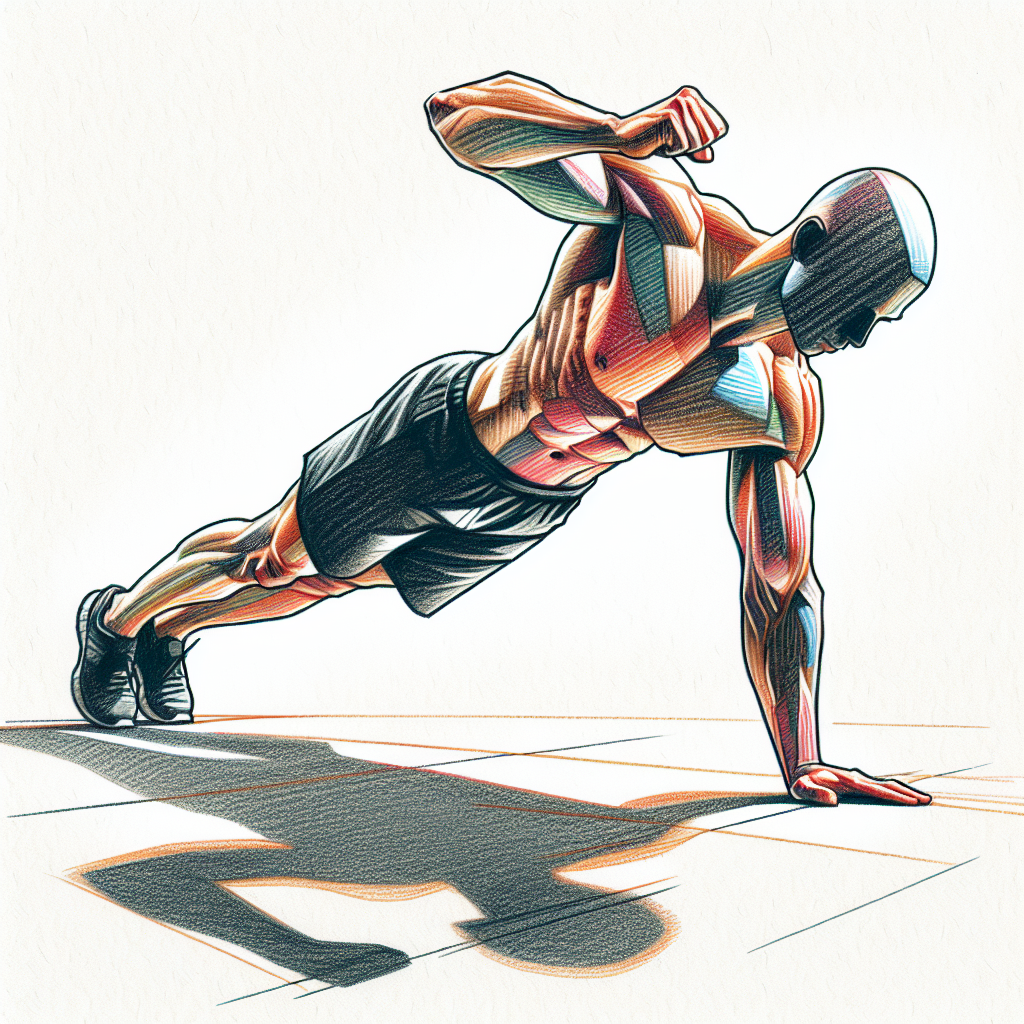
  4. Push-Ups: 30 seconds (modify by doing them on your knees if necessary).
  5. Plank: 30 seconds.
  6. Lunges: 30 seconds (15 seconds per leg).
  7. Mountain Climbers: 30 seconds.
  8. Cool Down: Light stretching for 2 minutes.

Repeat the circuit 2-3 times, resting for 1 minute between rounds. For those looking for a more structured approach, consider enrolling in a free registration for a 30-day exercise program that features only 6 minutes of daily exercise yet can provide gym-like results.

Common Myths about Circuit Training

Several misconceptions surround circuit training. Understanding the realities can enhance your experience:

  • Myth 1: Circuit training is only for advanced athletes.
  • Myth 2: You need equipment to perform effective circuit training.
  • Myth 3: Circuit workouts are less effective than traditional weight training.
  • Myth 4: Circuit training can’t be adapted for specific fitness goals.

In truth, circuit training can be customized for any fitness level and can prove highly effective when designed thoughtfully.

When to Consult a Professional

While circuit training is safe for many, certain circumstances warrant consultation with a qualified professional:

  • If you have underlying health conditions or concerns.
  • When experiencing pain during or after exercise that does not subside.
  • If you are unsure how to perform specific exercises correctly.
  • When seeking personalized guidance to achieve specific fitness goals.

Frequently Asked Questions

Is circuit training suitable for beginners?

Yes, circuit training can be tailored to accommodate beginners. Gradual progression and modifications can ensure safe and effective workouts.

How often should I perform circuit training?

For optimal results, consider engaging in circuit training 2-4 times a week, allowing rest days for recovery.

Can circuit training help with weight loss?

Absolutely! Circuit training can enhance calorie burning and boost metabolism, supporting weight loss efforts when combined with a balanced diet.

What if I don’t have enough space at home?

Circuit training can be adapted to small spaces. Many exercises require minimal room and can be modified for limited areas.

Do I need to warm up before circuit training?

Yes, warming up prepares the body for physical activity and reduces the risk of injury.

Can I include my kids in circuit training at home?

Circuit training can be a fun family activity. Modifying exercises for children can promote fitness and bonding.

Conclusion

  • Circuit training at home is an efficient way to achieve high-intensity workouts.
  • It offers flexibility, variety, and cost-effectiveness, making it accessible to everyone.
  • Incorporating a well-structured workout can yield significant health benefits.
  • Awareness of common myths can enhance your understanding and practice of circuit training.
  • Consulting professionals in specific cases can ensure safe and effective workouts.

As you embark on your fitness journey, consider integrating circuit training into your routine. For those eager to explore structured guidance, don’t hesitate to register for a free 30-day exercise program and discover how just six minutes a day can lead to impressive results.

Author: John Angel
Related articles

Categories
Fitness

Effective Circuit Training at Home Without Equipment

Introduction

Circuit training at home without equipment offers a practical and efficient way to improve strength, endurance, and overall fitness. This approach can deliver results comparable to conventional gym workouts, and it can be accomplished in a limited time frame. For individuals seeking an effective exercise routine that fits into a busy lifestyle, investing just a few minutes daily in circuit training can be remarkably beneficial.

  • Understanding Circuit Training
  • Benefits of No-Equipment Circuit Training
  • Effective Home Circuit Routine
  • Common Mistakes in Circuit Training
  • When to Seek Professional Help
  • Frequently Asked Questions
  • Conclusion

Understanding Circuit Training

Circuit training involves a series of exercises performed in sequence with minimal rest between them. This method not only maximizes calorie burn but also enhances muscle endurance and cardiovascular fitness. When done at home without equipment, participants can incorporate bodyweight exercises that target various muscle groups, making it adaptable and accessible.

Benefits of No-Equipment Circuit Training

There are several advantages to conducting circuit training at home without equipment:

  • Cost-Effective: Eliminating the need for gym memberships and equipment reduces financial burden.
  • Time-Efficient: Short, intense workouts fit well into a busy schedule.
  • Flexibility: Participants can train anywhere, making it convenient for those with varying commitments.
  • Accessibility: No prior fitness level is required, making it suitable for beginners and experienced individuals alike.
  • Variety: Circuit training allows for varied routines to keep workouts engaging and prevent boredom.

Effective Home Circuit Routine

To get started with no-equipment circuit training, consider the following routine, which targets multiple muscle groups and includes both strength and cardio components:

  1. Jumping Jacks: 30 seconds
  2. Bodyweight Squats: 30 seconds
  3. Push-Ups: 30 seconds
  4. High Knees: 30 seconds
  5. Plank: 30 seconds
  6. Rest: 30 seconds

Repeat this circuit 2-3 times, depending on your fitness level. Adjust the duration of each exercise to suit personal fitness goals, and consider registering for a free 30-day exercise program where you only need to commit to 6 minutes of exercise each day while achieving effective results: 30-Day Exercise Program.

Common Mistakes in Circuit Training

Even the most well-intentioned participants can fall victim to common pitfalls:

  • Neglecting Form: Prioritizing speed over proper technique can lead to injuries.
  • Skipping Warm-Up: Failing to prepare the body for exercise increases the risk of strains.
  • Inadequate Rest: Overlooking recovery time between workouts can hinder progress.
  • Lack of Variation: Repeating the same routine can lead to plateaus; diversity in exercises is crucial.
  • Ignoring Hydration: Staying hydrated is essential for optimal performance and recovery.

When to Seek Professional Help

It is vital to recognize situations where consultation with a fitness professional may be necessary:

  • If experiencing persistent pain during or after exercise.
  • When struggling to achieve desired results despite consistent effort.
  • If experiencing sudden changes in health or fitness levels.
  • When requiring guidance on proper form and technique.
  • If there are existing medical conditions or concerns that may affect exercise routines.

Frequently Asked Questions

What is circuit training?

Circuit training involves performing a series of exercises in succession with minimal rest, targeting different muscle groups and improving cardiovascular fitness.

Can I do circuit training at home without equipment?

Yes, many effective bodyweight exercises can be performed at home, making circuit training highly accessible.

How long should a circuit workout last?

A circuit workout can be completed in as little as 10–30 minutes, depending on the number of repetitions and rest periods.

Is circuit training suitable for beginners?

Absolutely, circuit training can be tailored to accommodate all fitness levels, including beginners.

How often should I do circuit training?

It is recommended to perform circuit training 2-3 times a week, allowing for recovery between sessions.

What are some examples of bodyweight exercises?

Some common bodyweight exercises include push-ups, squats, lunges, planks, and burpees.

Conclusion

  • Circuit training at home is a cost-effective and time-efficient method to enhance fitness.
  • No-equipment workouts are accessible for all fitness levels, promoting inclusivity.
  • Short, intense routines can yield significant results in minimal time.
  • Common mistakes can be avoided with awareness and proper technique.
  • Consulting a professional may be necessary in certain situations for safety and effectiveness.

If you’re looking to improve your fitness level in just a few minutes a day, consider starting your journey today.

Author: John Angel

Related articles

Categories
Fitness

Effective Circuit Exercises Without Equipment for Home Workouts

Exercise is a pivotal aspect of maintaining good health, yet not everyone has access to a gym or fitness equipment. The advantage of circuit exercises without equipment is that they can be performed anywhere, taking minimal time while still providing effective workouts. Engaging in such exercises can enhance muscle tone, increase cardiovascular fitness, and even improve mental health, all from the comfort of your home. In this article, we will explore various circuit exercises, their benefits, and how to integrate them into your routine without the need for specialized equipment.

  • What are Circuit Exercises?
  • Benefits of Circuit Training Without Equipment
  • Sample Circuit Workout Routine
  • Incorporating Circuit Exercises into Your Daily Life
  • When to Seek Professional Guidance
  • Common Misconceptions About Circuit Training
  • Frequently Asked Questions

What are Circuit Exercises?

Circuit exercises involve a set of different exercises performed in succession, allowing little to no rest in between. This method of training is designed to target various muscle groups and improve cardiovascular endurance simultaneously. Without equipment, bodyweight exercises form the core of circuit routines, ensuring that versatility is maintained while fostering strength and stamina.

Benefits of Circuit Training Without Equipment

  • Accessibility: These exercises can be performed at home, in parks, or even during short breaks at work.
  • Saves Time: Circuit workouts can typically be completed in short time frames, making them ideal for busy individuals.
  • Cost-Effective: No financial investment in gym memberships or equipment is necessary.
  • Variety: You can easily mix and match exercises to keep your routine fresh and engaging.
  • Scalable Intensity: You can adjust the pace and difficulty according to your fitness level.

Sample Circuit Workout Routine

Here’s a simple circuit routine that can be performed in just 6 minutes a day, ideal for beginners and even seasoned athletes. Complete each exercise for 30 seconds, followed by 15 seconds of rest. Repeat the circuit twice for a total of 6 minutes.

  1. Bodyweight Squats: Stand with feet shoulder-width apart and lower your hips until your thighs are parallel to the floor. Return to standing.
  2. Push-Ups: In a plank position, lower your body until your chest nearly touches the floor, then push back up.
  3. Plank: Hold a push-up position, keeping your body in a straight line from head to heels.
  4. Lunges: Step forward with one foot, lowering the back knee towards the ground. Alternate legs.
  5. Mountain Climbers: From a plank position, bring one knee towards your chest, alternating legs at a rapid pace.
  6. Burpees: From standing, drop into a squat, kick your feet back into a plank, return to squat, and leap upward.

For a structured approach, consider registering for a free 30-day exercise program where you only need to exercise for six minutes daily and achieve results similar to those of a traditional gym routine. You can sign up here.

Incorporating Circuit Exercises into Your Daily Life

To maximize the benefits of circuit training, it’s essential to integrate it seamlessly into your daily routine. Consider the following strategies:

  • Set a Fixed Time: Schedule your workout at the same time each day to create a habit.
  • Use Breaks Wisely: Utilize breaks during work or even household tasks to perform quick circuits.
  • Connect with Others: Engage friends or family members to join you, making it a social event.
  • Track Progress: Keep a log of exercises, durations, and repetitions to monitor your improvement.

When to Seek Professional Guidance

While circuit workouts are generally safe for most individuals, there are situations where seeking the guidance of a qualified professional is advisable:

  • If you have existing health conditions that may complicate physical activity.
  • In case of persistent pain during exercises.
  • For those unsure about the proper form to avoid injuries.
  • Individuals recovering from surgery or injury should consult a healthcare provider before starting any new exercise regimen.

Common Misconceptions About Circuit Training

Despite their popularity, there are several misconceptions surrounding circuit exercises without equipment:

  • Myth 1: You cannot build muscle without weights. Fact: Bodyweight exercises are highly effective for muscle toning.
  • Myth 2: Circuit training is only for advanced athletes. Fact: It can be modified for all fitness levels.
  • Myth 3: More exercises mean better results. Fact: Focus on form and consistency instead of quantity.
  • Myth 4: You can’t achieve fat loss without a gym. Fact: Circuit training is efficient for burning calories and shedding fat.

Frequently Asked Questions

Can I perform circuit exercises every day?

Yes, as long as you vary the exercises and listen to your body to avoid overtraining.

How long should a circuit workout last?

A complete circuit can range from 15 to 30 minutes, but even just 6 minutes daily can be effective.

Are there any prerequisites to starting a circuit workout?

No, but it’s advisable to have a basic fitness level and consult a professional if you’re new to exercise.

Can I lose weight by doing circuit training without equipment?

Yes, when combined with a balanced diet, circuit training can significantly aid in weight loss.

How do I know if I’m doing the exercises correctly?

Consider following instructional videos or consulting a fitness professional for feedback on your form.

Is it suitable for older adults?

Yes, circuit training can be adapted to suit older adults, but it is best done with supervision and modifications.

Conclusion

  • Circuit exercises without equipment offer an effective means of improving fitness.
  • They are accessible, time-efficient, and require no financial investment.
  • A structured routine can lead to substantial results in a short amount of time.
  • Professional guidance is critical in certain situations to ensure safety and effectiveness.
  • Understanding and addressing common misconceptions can enhance the experience of circuit training.

If you’re ready to transform your fitness journey, consider incorporating circuit exercises into your daily routine. Embrace the convenience of home workouts, and don’t hesitate to explore structured programs for guided support.

Author: John Angel

Related articles

Categories
Fitness

Effective No-Equipment Circuit Exercises for All Fitness Levels

Introduction

In an increasingly busy world, the notion of dedicating time to fitness can feel daunting. However, circuit exercises that require no equipment can deliver substantial fitness benefits in minimal time. By integrating high-intensity movements targeting multiple muscle groups, individuals can effectively enhance strength, endurance, and overall physical fitness with just a few minutes each day. Here, we explore the diverse world of no-equipment circuit exercises, presenting practical approaches that cater to all fitness levels.

  • Understanding Circuit Training
  • Benefits of No-Equipment Exercises
  • Effective Circuit Exercises to Try
  • Practicing Safe Exercise
  • When to Seek Professional Guidance
  • Common Misconceptions
  • FAQ
  • Conclusion

Understanding Circuit Training

Circuit training consists of a series of exercises performed in sequence with minimal rest in between. This method not only aids in enhancing cardiovascular fitness but also builds muscular strength and endurance. In a no-equipment scenario, circuit training offers the flexibility to perform a variety of exercises in any space, making it accessible for everyone.

Benefits of No-Equipment Exercises

No-equipment exercises provide numerous advantages, particularly for those with limited time or resources. The key benefits include:

  • Accessibility: No need for a gym membership or specialized equipment.
  • Time Efficiency: Quick workouts can be as short as 6 minutes yet yield significant results.
  • Versatility: Exercises can be tailored to various fitness levels and preferences.
  • Body Weight Utilization: These workouts focus on functional movements that leverage your body weight, enhancing strength and coordination.

Effective Circuit Exercises to Try

Below are several no-equipment exercises that can be formulated into circuits. Consider performing each exercise for 30 seconds, followed by a 15-second rest before moving to the next.

  1. Bodyweight Squats: Stand with feet shoulder-width apart and lower into a squat position, ensuring your knees do not extend beyond your toes.
  2. Push-Ups: Maintain a plank position and lower your body towards the ground before pressing back up. Modify by performing on your knees if needed.
  3. Burpees: Begin standing, drop into a squat with your hands on the ground, kick your feet back to a plank, then return to squat and jump up.
  4. Mountain Climbers: In a plank position, alternate bringing your knees towards your chest quickly.
  5. Plank: Hold a plank position on your forearms and toes, engaging your core for stability.
  6. Lunges: Step forward with one leg and lower your hips until both knees are bent at 90-degree angles.

For a guided routine that lasts just 6 minutes each day but offers results comparable to longer traditional workouts, consider registering for a free 30-day exercise program here.

Practicing Safe Exercise

Safety is paramount in any fitness regimen. To minimize the risk of injury, consider the following tips:

  • Warm up adequately before starting your circuit.
  • Focus on maintaining proper form; quality over quantity is crucial.
  • Listen to your body. If something feels wrong, stop the exercise.
  • Stay hydrated and take breaks as necessary.

When to Seek Professional Guidance

While exercise is beneficial for health, certain circumstances warrant professional advice. Consult a healthcare professional if you experience:

  • Persistent pain during or after exercise.
  • Severe fatigue not related to typical exertion.
  • Any pre-existing conditions that might complicate your ability to exercise (e.g., heart conditions, severe joint issues).
  • Unexplained shortness of breath or dizziness.

Common Misconceptions

There are several prevalent myths surrounding no-equipment workouts:

  • Myth: Bodyweight exercises are ineffective. Truth: Bodyweight training can build significant strength and endurance when performed correctly.
  • Myth: More time equals better results. Truth: Short, intense workouts can be more effective due to the higher intensity and focus on multiple muscle groups.
  • Myth: You need a gym to get fit. Truth: With commitment, bodyweight exercises can yield excellent results without the need for a gym.

FAQ

What is circuit training?

Circuit training involves performing a series of exercises in succession with minimal rest, combining strength and cardiovascular workouts.

Can I build muscle with no-equipment exercises?

Yes, you can build muscle using bodyweight exercises by increasing the number of repetitions and varying your routines.

How often should I do no-equipment workouts?

For optimal results, aim for at least three to four sessions per week, depending on your fitness level.

Do I need to warm up before my workout?

Yes, warming up is essential to prepare your muscles and reduce the risk of injury.

Can beginners perform circuit exercises?

Absolutely. Beginners can modify exercises to suit their level and gradually increase their intensity as they improve.

What should I do if I feel pain during a workout?

If you feel pain, stop the exercise immediately. Consult a healthcare professional if the pain persists.

Conclusion

  • Utilizing no-equipment circuit exercises is an effective way to enhance your fitness regimen.
  • These workouts are time-efficient and can be done virtually anywhere.
  • Proper warm-up and form are crucial to avoid injuries.
  • Understanding when to seek professional advice can ensure your safety and health.
  • Many misconceptions about home workouts can deter individuals from their fitness goals—it’s time to challenge those beliefs.

Explore the world of no-equipment circuit exercises and dedicate a few minutes each day to your health. Embrace the journey and enjoy the benefits that consistent activity can bring.

Author: John Angel

Related articles

Categories
Fitness

Effective Calisthenics Workouts Without Equipment: A Guide

Calisthenics Workout with No Equipment: A Comprehensive Guide

Calisthenics, the art of using one’s own body weight as resistance, presents an excellent opportunity for individuals to enhance their physical fitness without the need for expensive equipment. This workout regime not only builds strength and endurance but also improves flexibility and mobility. Whether you are a beginner or more experienced, calisthenics can fit seamlessly into your lifestyle, enabling you to achieve tangible results with a minimal time commitment.

  • What is Calisthenics?
  • Benefits of No-Equipment Workouts
  • Essential Calisthenics Exercises
  • Sample Calisthenics Workout Plan
  • When to Seek Professional Help
  • Myths and Misconceptions
  • Frequently Asked Questions
  • Conclusion

What is Calisthenics?

Calisthenics refers to a form of exercise that utilizes body weight to develop strength, endurance, and flexibility. This practice has its roots in ancient Greece and has evolved into a modern form that includes a wide range of movements. Calisthenics can be performed anywhere—at home, in a park, or while traveling—making it a highly versatile workout option.

Benefits of No-Equipment Workouts

Engaging in calisthenics without equipment offers multiple advantages:

  • Accessibility: No equipment means no gym membership or purchase is needed, allowing you to start your fitness journey without financial barriers.
  • Flexibility: You can exercise anywhere, whether at home or outdoors, fitting workouts into nearly any schedule.
  • Functional Strength: Calisthenics builds strength that is applicable to everyday movements.
  • Improved Body Awareness: These exercises encourage better control of your body’s movements, promoting balance and coordination.
  • Low Impact: Many calisthenics movements are low-impact, reducing the risk of injury compared to high-impact workouts.

Essential Calisthenics Exercises

To maximize your workout, incorporate a variety of fundamental exercises. Below are some key movements:

  • Push-Ups: Build upper body strength by targeting the chest, shoulders, and triceps.
  • Squats: Enhance lower body strength, focusing on the quadriceps, hamstrings, and glutes.
  • Planks: Engage your core and improve overall stability.
  • Lunges: Develop balance and leg strength while engaging multiple muscle groups.
  • Burpees: Combine strength and cardio in a full-body exercise that boosts stamina.
  • Mountain Climbers: Increase heart rates while fortifying core muscles.

Sample Calisthenics Workout Plan

If you are unsure how to start, here’s a simple routine to follow:

  1. Warm-up (5 minutes): Jog in place or do jumping jacks.
  2. Push-Ups: 3 sets of 10-15 repetitions.
  3. Bodyweight Squats: 3 sets of 15-20 repetitions.
  4. Plank: Maintain for 30-60 seconds, 3 sets.
  5. Lunges: 3 sets of 10-15 repetitions per leg.
  6. Burpees: 3 sets of 5-10 repetitions.
  7. Cool Down: Stretch major muscle groups for 5-10 minutes.

Consider following a structured program like our 30-day exercise program, where you only exercise for 6 minutes each day yet achieve the results equivalent to a traditional gym regimen.

When to Seek Professional Help

While calisthenics can be performed safely by many, certain situations may warrant consultation with a fitness professional:

  • Experiencing persistent pain during workouts.
  • Having pre-existing medical conditions that could affect exercise.
  • Uncertainty regarding proper exercise form or technique.
  • Seeking personalized guidance to meet specific fitness goals.
  • Recovering from an injury and wanting to ensure safe exercise practices.

Myths and Misconceptions

Despite its growing popularity, calisthenics is often misunderstood. Here are some common myths debunked:

  • Myth: Calisthenics is only for beginners. Many advanced athletes utilize calisthenics for its challenge and versatility.
  • Myth: You cannot build muscle without weights. Bodyweight exercises can effectively develop strength and muscle mass.
  • Myth: Calisthenics provides no cardiovascular benefits. Many movements, especially when performed at high intensity, can improve cardiovascular health.
  • Myth: You need a lot of space to practice calisthenics. Most exercises can be conducted in minimal space.

Frequently Asked Questions

Can you build muscle with calisthenics?

Yes, calisthenics can build muscle effectively by utilizing progressive overload techniques, such as increasing repetitions or intensity.

How often should I do calisthenics?

For optimal results, aim for at least three to five sessions per week, allowing adequate recovery between workouts.

Is it necessary to warm up before calisthenics?

Yes, warming up prepares your muscles and reduces the risk of injury, enhancing workout performance.

Can I do calisthenics while traveling?

Absolutely! Calisthenics is highly portable and can be performed anywhere, making it perfect for traveling.

Are there age limitations for calisthenics?

Calisthenics can be adapted for people of various ages and fitness levels; however, older adults should consult a physician prior to starting.

What if I cannot perform a specific exercise?

Modify the exercise to suit your fitness level or substitute it with a less challenging movement until you build the required strength.

Conclusion

  • Calisthenics is an accessible and effective workout option that utilizes body weight for resistance.
  • This form of exercise promotes strength, flexibility, and endurance.
  • Key exercises include push-ups, squats, and burpees, among others.
  • Consult a professional if experiencing pain or if unsure about exercise techniques.
  • Debunking myths about calisthenics is crucial for understanding its true benefits.

Embark on your calisthenics journey today, either through self-guided workouts or by taking part in the structured 30-day exercise program. Embrace the powerful potential of your own body and discover a new path to fitness.

Author: John Angel

Related articles

Categories
Fitness

Beginner Calisthenics Workout Routine: No Equipment Needed

Calisthenics Workout Routine for Beginners: No Equipment Needed

Calisthenics, a form of exercise that utilizes body weight, offers a convenient and effective way for beginners to build strength, flexibility, and endurance without the need for gym equipment. This article outlines a structured calisthenics workout routine that anyone can follow from the comfort of their home. By harnessing the power of simple movements, participants can achieve significant fitness results within a short period. Whether you are looking to tone your muscles or enhance your overall physical fitness, this guide is tailored to help you start your journey.

  • Overview of Calisthenics
  • Benefits of No-Equipment Workouts
  • Beginner’s Workout Routine
  • How to Progress Over Time
  • Common Mistakes to Avoid
  • When to Consult a Professional
  • Frequently Asked Questions

Overview of Calisthenics

Calisthenics encompasses a variety of exercises focused on large muscle groups, utilizing the body’s own weight for resistance. This form of training includes movements such as push-ups, squats, and lunges, which engage multiple muscles simultaneously. Unlike traditional weight training, calisthenics promotes functional strength, enhancing your ability to perform daily activities efficiently.

Benefits of No-Equipment Workouts

Engaging in a calisthenics workout routine that requires no equipment presents numerous advantages:

  • Accessibility: These workouts can be performed anywhere, eliminating the need for a gym membership.
  • Cost-Effective: There is no need to invest in equipment, making this an affordable option for all.
  • Adaptability: Exercises can be modified to match individual fitness levels and goals.
  • Improved Body Awareness: Bodyweight exercises enhance coordination, balance, and overall body control.

Beginner’s Workout Routine

Here is a simple yet effective calisthenics workout routine suitable for beginners, which can be completed in just 6 minutes per day.

  1. Warm-Up (1 minute): Begin with jumping jacks or high knees to elevate the heart rate.
  2. Push-Ups (1 minute): Perform as many push-ups as possible in one minute. Modify by dropping to your knees if needed.
  3. Bodyweight Squats (1 minute): Stand with feet shoulder-width apart, lower your body as if sitting in a chair, and rise back up.
  4. Plank (1 minute): Hold a plank position on your forearms and toes, keeping your body in a straight line.
  5. Mountain Climbers (1 minute): Start in a push-up position, bringing knees alternately toward your chest.
  6. Cool Down (1 minute): Finish with stretches targeting major muscle groups to enhance flexibility.

For those seeking a structured program, consider registering for a 30-day exercise program that includes 6-minute daily sessions designed to provide results akin to those achieved at the gym.

How to Progress Over Time

Once the beginner routine becomes manageable, consider the following strategies for progression:

  • Increase Duration: Gradually extend each exercise or the overall workout time.
  • Add Variations: Introduce more challenging movements, such as decline push-ups or single-leg squats.
  • Reduce Rest Time: Shorten the breaks between exercises to build endurance.
  • Track Your Progress: Keep a journal to record your exercises, repetitions, and any physical changes you observe.

Common Mistakes to Avoid

While embarking on a calisthenics journey, beginners often encounter several pitfalls:

  • Improper Form: Prioritize proper technique over the number of repetitions to prevent injuries.
  • Neglecting Warm-Up and Cool Down: Skipping these essential components can hinder flexibility and recovery.
  • Overtraining: Allow adequate recovery time between workouts to avoid exhaustion or injuries.
  • Lack of Consistency: Aim for regular practice to see tangible results and improvements.

When to Consult a Professional

While calisthenics is generally safe for beginners, certain situations warrant consultation with a qualified professional:

  • If you experience persistent pain or discomfort during or after workouts.
  • When seeking guidance on injury prevention or rehabilitation.
  • If you have pre-existing medical conditions that could affect your ability to exercise safely.
  • When looking for personalized workout plans tailored to specific fitness goals.

Frequently Asked Questions

What equipment do I need for calisthenics?

No equipment is required for basic calisthenics exercises, making it highly accessible.

How often should I perform calisthenics?

For beginners, performing calisthenics 3 to 5 times a week is recommended.

Can beginners see results from calisthenics?

Yes, consistent practice can lead to noticeable improvements in strength and endurance.

Are calisthenics workouts suitable for all fitness levels?

Absolutely; exercises can be modified to accommodate varying fitness levels.

How long does it take to build strength using calisthenics?

Individual results may vary, but noticeable strength gains can typically be observed within a few weeks of consistent training.

What should I do if I cannot complete an exercise?

Modify the exercise to a simpler version or reduce the number of repetitions until you build confidence and strength.

Conclusion

  • Calisthenics offers an effective workout routine for beginners without the need for equipment.
  • Accessibility and flexibility are significant advantages of bodyweight training.
  • Gradual progression will help enhance your fitness journey.
  • Avoid common mistakes by paying attention to form and recovery.
  • Consult a professional if you experience discomfort or have specific health concerns.

Embarking on your fitness journey through calisthenics is a commendable choice, providing convenience and efficacy. Consider starting your routine today for a rewarding health transformation. To further aid your progress, register for a 30-day exercise program that requires just 6 minutes daily.

Author: John Angel

Related articles

Categories
Fitness

Effective Calisthenics Workout Plan: No Equipment Needed

The practice of calisthenics offers an effective means of strengthening the body using one’s own weight as resistance, providing a versatile workout option that requires no equipment. Not only can it enhance strength and flexibility, but it also improves cardiovascular endurance and overall body control. This article presents a comprehensive calisthenics workout plan that can be done anywhere, along with practical advice to maximize results.

  • Introduction to Calisthenics
  • Benefits of Calisthenics Workouts
  • Calisthenics Workout Plan: An Overview
  • Daily Routine Breakdown
  • Consulting a Professional: When to Seek Help
  • Common Myths and Misconceptions
  • Frequently Asked Questions
  • Conclusion and Call to Action

Introduction to Calisthenics

Calisthenics consists of movements that utilize the body’s weight to build strength and flexibility. These workouts are diverse, making them adaptable for individuals at any fitness level. Painstakingly designed calisthenics routines offer remarkable benefits, fostering a fit lifestyle without the need for expensive gym memberships or bulky equipment.

Benefits of Calisthenics Workouts

Calisthenics not only promotes muscle growth but also has various health benefits:

  • Accessibility: Requires no equipment and can be performed anywhere.
  • Increased Flexibility: Enhances range of motion through dynamic movements.
  • Body Awareness: Improves neuromuscular coordination and balance.
  • Cardiovascular Endurance: Many routines elevate heart rate, offering cardiovascular benefits.
  • Scalability: Easily modifiable for different fitness levels.

Calisthenics Workout Plan: An Overview

A well-structured calisthenics workout plan generally includes various exercises that target different muscle groups. This section outlines a sample weekly schedule aimed at engaging all major muscle groups, enhancing endurance, and improving flexibility.

Daily Routine Breakdown

Each session can be completed in approximately 6 minutes. Below is a suggested workout list that you can mix and match throughout the week:

  1. Monday: Full Body
    • Push-Ups – 1 minute
    • Bodyweight Squats – 1 minute
    • Plank – 1 minute
    • Lunges – 1 minute
    • Burpees – 1 minute
    • Rest and Stretch – 1 minute
  2. Wednesday: Upper Body Focus
    • Incline Push-Ups – 1 minute
    • Dips (using a chair) – 1 minute
    • Side Plank (30 seconds each side) – 1 minute
    • Wall Walks – 1 minute
    • Mountain Climbers – 1 minute
    • Rest and Stretch – 1 minute
  3. Friday: Core & Stability
    • Crunches – 1 minute
    • Leg Raises – 1 minute
    • Russian Twists – 1 minute
    • Flutter Kicks – 1 minute
    • Supermans – 1 minute
    • Rest and Stretch – 1 minute

For further guidance, you may also consider enrolling in a 30-day exercise program, designed to achieve gym-like results with just 6 minutes of daily exercise. Register for free here.

Consulting a Professional: When to Seek Help

While calisthenics is generally safe, certain circumstances necessitate professional guidance. If you experience pain or discomfort unrelated to muscle fatigue, consult a healthcare provider. Seek further assistance if you:

  • Have pre-existing medical conditions.
  • Experience persistent joint or muscle pain.
  • Struggle with balance or coordination.
  • Want personalized workout plans.
  • Are unsure of correct exercise techniques.

Common Myths and Misconceptions

Calisthenics is often misunderstood. Addressing some common misconceptions can aid individuals in maximizing the benefits:

  • Myth 1: Calisthenics is only for beginners. Truth: Individuals at all levels can benefit from calisthenics.
  • Myth 2: You cannot build muscle with bodyweight. Truth: Bodyweight exercises can be intensified to promote muscle growth.
  • Myth 3: Calisthenics is less effective than weight training. Truth: Both can be highly effective based on individual goals.
  • Myth 4: Flexibility is not necessary. Truth: Flexibility enhances performance and reduces injury risk.

Frequently Asked Questions

Is calisthenics suitable for all fitness levels?

Yes, calisthenics can be adapted for beginners, intermediates, and advanced individuals alike.

How often should I perform calisthenics?

Performing calisthenics 2-5 times a week is recommended, allowing for adequate recovery.

Can I lose weight with calisthenics?

Absolutely, if paired with a healthy diet, calisthenics can support weight loss goals.

What is the best time of day to do calisthenics?

The best time is when you can consistently commit to your workout, whether in the morning, lunch, or evening.

Do I need to warm up before calisthenics?

Yes, warming up helps to prepare your muscles and reduce injury risk.

How long will it take to see results?

Results can vary, but noticeable improvements typically appear within 4-8 weeks of consistent practice.

Conclusion and Call to Action

  • Calisthenics provides a versatile and accessible workout option.
  • Daily practice enhances strength, flexibility, and endurance.
  • Seek professional guidance when experiencing discomfort.
  • Address common myths to better understand calisthenics.
  • Consistency is key for achieving your fitness goals.

Ready to transform your fitness routine? Explore the world of calisthenics today and consider joining a structured program for optimal results. Access a free registration for a 30-day exercise plan here.

Author: John Angel

Related articles

Categories
Fitness

Beginner Calisthenics Workout: No Equipment Needed

Calisthenics workouts offer an excellent pathway for beginners to embark on a fitness journey without the need for costly gym memberships or equipment. Emphasizing bodyweight exercises, these routines build strength, flexibility, and endurance while enhancing overall physical fitness. This article will guide you through various no-equipment calisthenics workouts suitable for beginners, enabling you to establish a sustainable and effective exercise routine.

  • Understanding Calisthenics
  • Benefits of No-Equipment Workouts
  • Beginner Calisthenics Routine
  • When to Consult a Professional
  • Common Myths and Mistakes
  • FAQ
  • Conclusion

Understanding Calisthenics

Calisthenics refers to a form of exercise that utilizes one’s body weight as resistance. This method can range from basic movements, like push-ups and squats, to more complex moves, such as muscle-ups and handstands. By mastering bodyweight exercises, individuals can develop a keen sense of body control and strength, laying the foundation for more advanced fitness pursuits.

Benefits of No-Equipment Workouts

Engaging in no-equipment workouts offers numerous benefits, including:

  • Accessibility: You can perform these exercises anywhere, eliminating barriers to entry.
  • Cost-Effective: No need for gym memberships or expensive equipment.
  • Functional Strength: Many calisthenics movements mimic real-life activities, boosting functional fitness.
  • Flexibility and Mobility: Inherently improve flexibility through dynamic movements.
  • Progression and Adaptability: Easily adjustable difficulty levels to match one’s fitness journey.

Beginner Calisthenics Routine

To kickstart your calisthenics journey, consider the following 6-minute daily routine, which encompasses fundamental exercises to build strength and endurance:

  1. Warm-up (1 minute): Start with light cardio or dynamic stretching, such as arm circles and leg swings.
  2. Push-ups (1 minute): Complete as many push-ups as possible, resting as necessary. Start with modified push-ups if needed.
  3. Bodyweight Squats (1 minute): Perform squats, ensuring your knees do not extend beyond your toes.
  4. Plank (1 minute): Hold a plank position, ensuring your body forms a straight line from head to heels.
  5. Lunges (1 minute): Alternate between forward lunges with each leg.
  6. Cool Down (1 minute): Gentle stretching of major muscle groups to enhance recovery.

For optimal results, consider supplementing this routine with a guided program. Explore a free registration for a 30-day exercise regime, where you only exercise for 6 minutes daily and achieve significant progress akin to a gym routine, at 30-Day Exercise Program.

When to Consult a Professional

While calisthenics can be initiated independently, certain circumstances warrant consultation with a qualified professional:

  • If you experience persistent pain or discomfort during exercises.
  • For tailored advice and techniques, particularly for beginners.
  • If you have pre-existing medical conditions that may impact your ability to exercise.
  • For nutritional guidance to support your fitness goals.

Common Myths and Mistakes

Getting started with calisthenics can be daunting due to prevalent misconceptions:

  • Myth 1: Calisthenics is only for athletes. This is false; it is suitable for all fitness levels.
  • Myth 2: Bodyweight exercises are ineffective for building muscle. With proper progression, you can achieve significant muscle growth.
  • Myth 3: You need a gym to get fit. No-equipment workouts can be just as effective.
  • Mistake: Poor form can lead to injuries. Always prioritize form over quantity.

FAQ

What is calisthenics?

Calisthenics is a form of strength training that uses bodyweight exercises to build strength, flexibility, and endurance.

Can beginners do calisthenics?

Yes, calisthenics is suitable for beginners and can be easily modified to match individual fitness levels.

How often should I do calisthenics?

Starting with three to four times per week is advisable, allowing for adequate rest and recovery.

What exercises are included in a calisthenics workout?

Common exercises include push-ups, squats, lunges, pull-ups, and planks.

Do I need equipment for calisthenics?

No, calisthenics primarily utilizes body weight for resistance, making it accessible without any equipment.

How long does it take to see results with calisthenics?

Results vary, but consistent practice can yield improvements in strength and endurance within a few weeks.

Conclusion

  • Calisthenics is an accessible and effective workout option for beginners.
  • No-equipment workouts can be performed anywhere at no cost.
  • The suggested 6-minute daily routine introduces essential exercises.
  • Myths surrounding calisthenics can often impede progress; understanding the facts is crucial.
  • Always consider consulting a professional for personalized guidance.

Embrace the journey of fitness with calisthenics, and remember, consistent practice is the key to achieving your goals. For additional assistance, don’t forget to explore the free 30-day exercise program that can significantly support your fitness endeavors.

Author: John Angel

Related articles

Categories
Home Workouts

Beginner’s Guide to Home Calisthenics Workouts Without Equipment

Calisthenics Workout at Home Without Equipment for Beginners

Calisthenics offers an accessible and effective way for beginners to enhance their strength, flexibility, and overall fitness without the need for equipment. By utilizing body weight, you can perform a variety of exercises that target different muscle groups, making it easy to tailor workouts to your individual needs. This guide will explore key calisthenics exercises, provide practical workout routines, and offer insights into when to consult a professional for further guidance.

  • Understanding Calisthenics
  • Benefits of Home Workouts
  • Basic Exercises for Beginners
  • Sample Workout Routine
  • When to Seek Professional Help
  • Common Myths and Misconceptions
  • Frequently Asked Questions

Understanding Calisthenics

Calisthenics refers to a form of exercise that uses the weight of the body as resistance, promoting strength, flexibility, and endurance. It encompasses a variety of movements, such as push-ups, pull-ups, and squats, which can be modified to suit different fitness levels. This form of training can be done virtually anywhere, making it an ideal choice for those starting their fitness journey at home.

Benefits of Home Workouts

  • Convenience: No need for a gym membership or travel time.
  • Cost-Effective: Eliminates monthly fees for equipment and classes.
  • Customization: Allows for personalized routines that fit individual schedules.
  • Variety: Options to mix exercises to keep workouts engaging.
  • Accessibility: Suitable for individuals of all fitness levels.

Basic Exercises for Beginners

For those new to calisthenics, certain foundational exercises can be easily incorporated into a home workout regimen. Here are a few key movements:

  • Push-ups: Works the chest, shoulders, and triceps. Modify by using knees instead of toes for beginners.
  • Squats: Targets the thighs, hips, and glutes. Ensure to maintain a straight back during the motion.
  • Planks: Strengthens the core and improves stability. Start with a 20-30 second hold.
  • Burpees: A full-body exercise that combines push-ups and jumps for enhanced cardio.
  • Lunges: Engages the legs and improves balance. Perform alternating lunges for added coordination.

Sample Workout Routine

Here’s a simple calisthenics workout routine that requires no equipment and can be completed in just 20-30 minutes:

  1. Warm-Up: 5 minutes of light jogging in place or dynamic stretches
  2. Push-Ups: 3 sets of 8-12 repetitions
  3. Squats: 3 sets of 10-15 repetitions
  4. Plank: 3 sets of 20-30 seconds hold
  5. Lunges: 3 sets of 10 repetitions per leg
  6. Burpees: 3 sets of 5-10 repetitions
  7. Cool Down: 5 minutes of stretching

For those seeking a more structured approach to getting fit, consider registering for a free 30-day exercise program, where you only need to commit 6 minutes each day. This program promises results similar to traditional gym workouts. For more information, visit this link.

When to Seek Professional Help

While calisthenics is suitable for most individuals, there are situations where consulting a professional may be warranted:

  • If you have health concerns or medical conditions.
  • If you experience pain that persists during or after exercising.
  • If you are unsure of proper form, which could lead to injury.
  • If you are looking for a tailored fitness program that aligns with your specific goals.

Common Myths and Misconceptions

Several myths surrounding calisthenics may discourage beginners from trying this effective form of exercise:

  • Myth 1: Calisthenics is only suitable for advanced athletes.
    Fact: It is adaptable for all levels; beginners can start with modified exercises.
  • Myth 2: You need a gym for effective workouts.
    Fact: Calisthenics requires no equipment and can be done anywhere.
  • Myth 3: Results take too long to achieve.
    Fact: With consistency, visible results can often be seen within weeks.
  • Myth 4: Only bodybuilders can benefit from calisthenics.
    Fact: It enhances overall fitness, including endurance and flexibility.

Frequently Asked Questions

What is calisthenics?

Calisthenics is a workout routine that utilizes body weight for resistance, focusing on strength, flexibility, and endurance.

Do I need equipment for calisthenics?

No, calisthenics can be performed using only your body weight, making it a perfect home workout option.

How often should I perform calisthenics?

For beginners, 2-3 times a week is a great starting point, with rest days in between for recovery.

Can I lose weight with calisthenics?

Yes, when combined with a balanced diet, calisthenics can help burn calories and promote weight loss.

Is calisthenics safe for everyone?

While generally safe, it’s best to consult a physician if there are any underlying health issues or concerns.

How long does it take to see results?

With consistency, many people notice improvements in strength and endurance within a few weeks.

Conclusion

  • Calisthenics is a versatile and effective form of exercise suitable for beginners.
  • It requires no equipment, making it ideal for home workouts.
  • A structured routine can lead to measurable fitness improvements.
  • Consult professionals if health concerns arise.
  • Dispelling common myths can encourage more individuals to engage in calisthenics.

Embarking on your fitness journey with calisthenics can be both empowering and rewarding. Start with the basics, remain consistent, and eventually challenge yourself with more advanced movements. Remember, your path to fitness can begin today — why not take the first step now?

Author: John Angel

Related articles

Categories
Fitness

Calisthenics: No-Equipment Workouts for All Fitness Levels

Calisthenics with No Equipment: Sculpting Your Body Anywhere

Calisthenics, a form of exercise that utilizes body weight, has gained significant popularity due to its accessibility and effectiveness. With no need for gym equipment, individuals can effectively build strength, flexibility, and endurance in the comfort of their own homes or outdoor spaces. This article provides a comprehensive overview of calisthenics routines, the associated benefits, and practical tips for getting started—all without any specialized gear.

  • Understanding Calisthenics
  • Benefits of No-Equipment Workouts
  • Basic Calisthenics Movements
  • A Sample 6-Minute Routine
  • Common Myths and Mistakes
  • When to Consult a Professional
  • FAQ
  • Conclusion

Understanding Calisthenics

Calisthenics refers to a variety of exercises performed using one’s body weight as resistance. These movements can include push-ups, squats, lunges, and planks, among others. The versatility of calisthenics allows individuals to modify exercises according to their skill level, making it suitable for everyone from beginners to advanced athletes.

Historical Context

The origins of calisthenics can be traced back to ancient Greece, where physical fitness was integral to military training and athletic competition. The term derives from the Greek words “kallos,” meaning beauty, and “sthenos,” meaning strength. Today, calisthenics continues to evolve while retaining its foundations in functional movement.

Benefits of No-Equipment Workouts

Embracing calisthenics without equipment offers numerous benefits that extend beyond mere convenience:

  • Accessibility: No gym membership or special equipment is required, making exercise available to everyone.
  • Cost-effective: Eliminating the need for expensive gear keeps fitness budgets intact.
  • Improved Functional Strength: Calisthenics focuses on movements that engage multiple muscle groups, enhancing overall functional strength.
  • Enhanced Flexibility and Balance: Many calisthenic exercises improve flexibility, coordination, and balance.
  • Community and Variety: Online resources and social media provide a plethora of variations and community support.

Basic Calisthenics Movements

Understanding a few fundamental movements is essential before diving into your workout. Below are some basic calisthenic exercises to incorporate into your routine:

  • Push-ups: A classic exercise targeting the chest, shoulders, and triceps.
  • Squats: Great for strengthening the legs and glutes.
  • Lunges: Improves lower body strength and stability.
  • Planks: Develop core strength and stability.
  • Burpees: A full-body move that combines strength and cardio.

A Sample 6-Minute Routine

For those short on time, a brief yet effective routine can yield substantial results. Consider this 6-minute workout that targets multiple muscle groups:

  1. Push-ups: 1 minute
  2. Bodyweight Squats: 1 minute
  3. Mountain Climbers: 1 minute
  4. Plank: 1 minute
  5. Lunges (alternating): 1 minute
  6. Burpees: 1 minute

This routine can be performed daily, and for those looking to enhance their commitment, consider signing up for a free 30-day exercise program where you only spend 6 minutes each day to achieve results akin to those seen from traditional gym sessions: Register here for the program.

Common Myths and Mistakes

While calisthenics is widely endorsed, several misconceptions can deter individuals from maximizing its potential:

  • Myth 1: You need a gym to build muscle. Calisthenics alone can be highly effective in gaining strength.
  • Myth 2: Only advanced athletes can benefit. Calisthenics can easily be adapted for all levels.
  • Mistake 1: Neglecting warm-up and cool-down. Always incorporate these steps to prevent injury.
  • Mistake 2: Rushing through movements. Focus on form over speed to achieve better results.

When to Consult a Professional

While calisthenics is safe for most individuals, there are circumstances where consulting a professional is advisable. Seek guidance if you experience:

  • Chronic pain that escalates during exercise.
  • Severe discomfort or injuries from specific movements.
  • Difficulty maintaining form despite adjustments.
  • Underlying health conditions that may affect physical activity.

Consulting with a fitness trainer or healthcare professional can help tailor a program to meet your specific needs and mitigate risks.

FAQ

What types of exercises can I do with calisthenics?

You can perform a wide variety, including push-ups, squats, dips, and planks, targeting different muscle groups.

Is calisthenics suitable for beginners?

Yes, calisthenics can be easily modified to suit beginners while still providing an effective workout.

How often should I practice calisthenics?

A routine of 3-5 times a week is often recommended, balancing intensity with rest days.

Can I build muscle with calisthenics alone?

Absolutely. Bodyweight exercises can promote muscle growth when performed consistently and progressively.

Do I need to warm up before calisthenics?

Yes, warming up is crucial to prepare your muscles and reduce injury risk.

How can I stay motivated to exercise daily?

Setting clear goals, tracking progress, and varying your routine can help maintain motivation over time.

Conclusion

  • Calisthenics offers an accessible and effective way to stay fit without the need for gym equipment.
  • Basic movements can easily be adapted for various fitness levels.
  • Consistent 6-minute routines can yield significant results.
  • Awareness of common myths helps in maximizing success.
  • Consult a professional when experiencing pain or uncertainty about exercises.

Incorporating calisthenics into your routine not only saves time and money but also fosters a better understanding of your body’s capabilities. Start embracing this form of exercise today, and consider signing up for a free 30-day exercise program to take your fitness journey to the next level: Register now.

Author: John Angel

Related articles

Website analytics information

We use Google Analytics 4 for visitor statistics. Analytics cookies require your consent, which you can change using the button above. The data controller is ZDRAVÍ S ÚSMĚVEM s.r.o., company ID 29283329, contact podpora@revolucnicviceni.cz. Google processes browser, device and page visit information. We do not send form field values to Analytics. How Google uses information · Google Privacy Policy.