Categories
Fitness

Bodyweight Exercises: Effective Fitness Without Equipment

Body Exercises Without Equipment: Achieve Fitness Anywhere

In an increasingly busy world, the quest for maintaining physical fitness often feels overwhelming. Fortunately, bodyweight exercises present a practical and effective alternative to gym workouts, allowing individuals to build strength, flexibility, and endurance without the need for specialized equipment. This article explores various body exercises, their benefits, and strategies for incorporating them into your daily routine, even with time constraints. With a commitment of just six minutes a day, you can achieve results comparable to traditional gym workouts. As a resource, consider exploring a free 30-day exercise program that promises transformative results: 30-Day Exercise Program.

  • Understanding Bodyweight Exercises
  • Benefits of Exercising Without Equipment
  • Effective Body Exercises to Incorporate
  • Creating a Consistent Exercise Routine
  • When to Consult a Professional
  • Common Misconceptions About Bodyweight Training
  • Frequently Asked Questions
  • Conclusion

Understanding Bodyweight Exercises

Bodyweight exercises are physical movements that utilize the weight of your own body as resistance. This type of training includes a variety of movements that engage multiple muscle groups, ensuring a comprehensive workout that builds strength, endurance, and coordination. Unlike traditional weight training, bodyweight exercises can be performed anywhere—be it at home, in a park, or even in an office—making them highly accessible for everyone.

Benefits of Exercising Without Equipment

The incorporation of bodyweight exercises into your fitness regimen offers numerous benefits:

  • Accessibility: No special equipment or gym membership is required.
  • Cost-effective: Free exercises that can be performed anywhere.
  • Scalability: Exercises can be easily modified to suit all fitness levels.
  • Functional Strength: Enhances strength that translates to everyday activities.
  • Cardiovascular Fitness: Many bodyweight exercises elevate the heart rate.

Effective Body Exercises to Incorporate

When planning your workout, consider incorporating a balanced mix of exercises that target various muscle groups. Here are some effective bodyweight exercises:

1. Push-Ups

This fundamental exercise targets the chest, shoulders, and triceps. To perform:

  1. Start in a plank position with hands placed shoulder-width apart.
  2. Lower your body until your chest nearly touches the floor.
  3. Push back up to the starting position, maintaining a straight body line.

2. Squats

Squats engage the lower body, focusing on the quadriceps, hamstrings, and glutes. To perform:

  1. Stand with feet shoulder-width apart and toes slightly pointed out.
  2. Lower your body as if sitting back into a chair.
  3. Ensure your knees do not extend beyond your toes and return to standing.

3. Plank

The plank is an excellent core strengthening exercise. To perform:

  1. Lie face down and lift your body off the ground with forearms and toes.
  2. Keep your body in a straight line from head to heels.
  3. Hold the position for as long as possible, maintaining tight core muscles.

4. Lunges

Lunges are effective for targeting the legs and glutes. To perform:

  1. Stand tall and take a large step forward with one foot.
  2. Lower your hips until both knees are at approximately 90-degree angles.
  3. Push back to the starting position and switch legs.

Creating a Consistent Exercise Routine

Establishing a consistent exercise routine is vital for reaping the benefits of bodyweight training. Here are some steps to guide you:

  • Set Clear Goals: Determine what you wish to achieve, whether it be weight loss, muscle gain, or improving endurance.
  • Schedule Your Workouts: Dedicate specific times for your exercises to create a habitual pattern.
  • Mix It Up: Incorporate a variety of exercises to prevent boredom and work different muscle groups.
  • Track Your Progress: Keep a log of your workouts and achievements to stay motivated.
  • Stay Committed: Even short 6-minute workouts can lead to significant results if performed consistently.

When to Consult a Professional

While bodyweight exercises are generally safe for most individuals, certain situations warrant professional consultation:

  • If experiencing persistent pain or discomfort during exercises.
  • In case of prior injuries, particularly to the back, knees, or shoulders.
  • If you have pre-existing medical conditions affecting exercise capabilities.
  • When unsure of proper exercise techniques, risking injury.

Common Misconceptions About Bodyweight Training

Bodyweight training often suffers from misconceptions that can deter individuals from engaging in it. Here are a few common myths:

  • Myth 1: Bodyweight exercises are not challenging.
  • Myth 2: You can’t build muscle without weights.
  • Myth 3: Bodyweight training is only for beginners.
  • Myth 4: It is not effective for fat loss.

Frequently Asked Questions

Is it possible to gain strength only through bodyweight exercises?

Yes, bodyweight exercises can effectively build strength by increasing resistance through variations and multiple repetitions.

How often should I perform bodyweight exercises?

It is generally recommended to incorporate bodyweight exercises into your routine 3–5 times a week for optimal benefits.

Can beginners do bodyweight workouts?

Absolutely! Bodyweight exercises can be scaled to suit any fitness level, making them ideal for beginners.

What should I do if I find exercises too easy?

You can increase difficulty by adding more repetitions, decreasing rest time, or trying advanced variations of the movements.

Is a warm-up necessary before starting bodyweight exercises?

Yes, a proper warm-up helps prevent injuries and prepares your muscles for the workout ahead.

Can older adults benefit from bodyweight exercises?

Yes, bodyweight exercises can significantly enhance mobility and strength in older adults, contributing to improved overall health.

Conclusion

  • Bodyweight exercises are effective, accessible, and cost-free.
  • A variety of exercises can target different muscle groups for balanced fitness.
  • Establishing a routine is crucial for consistent progress.
  • Consult a professional if you experience pain or have pre-existing conditions.
  • Common myths about bodyweight training should not deter you from its benefits.

Ready to fortify your fitness journey without the need for a gym? Explore the free 30-day exercise program that requires just six minutes of your day but promises impactful results. Embrace the convenience and flexibility of body exercises—your path to stronger, healthier living begins today!

Author: John Angel

Related articles

Categories
Home Workouts

Effective Bodyweight Workouts at Home for All Fitness Levels

Engaging in body workouts at home without weights offers a convenient and effective way to improve your fitness, enhance flexibility, and promote overall wellness. By utilizing your own body weight, you can achieve substantial results that mirror those obtainable in a gym setting, all from the comfort of your own home. In this article, we will explore a variety of body workout techniques, the benefits they present, and expert recommendations that can empower you to maximize your home fitness routine.

  • Understanding Bodyweight Workouts
  • Benefits of Working Out at Home
  • Effective Bodyweight Exercises
  • Creating a Bodyweight Workout Routine
  • When to Consult a Professional
  • Common Myths about Home Workouts
  • Frequently Asked Questions
  • Conclusion and Call to Action

Understanding Bodyweight Workouts

Bodyweight workouts encompass exercises that utilize your body as resistance, allowing for varied intensity and muscle engagement. These workouts can be tailored to fit various fitness levels, making them accessible for beginners and challenging for more experienced exercise enthusiasts alike. Popular exercises in this category include push-ups, squats, lunges, and planks, each targeting different muscle groups and promoting functional strength.

Benefits of Working Out at Home

Exercising at home presents numerous advantages, including:

  • Convenience: No need for travel, gym memberships, or specific equipment.
  • Cost-effectiveness: Eliminates expenses associated with gym facilities.
  • Time-flexibility: Allows for workout sessions that can fit into your schedule.
  • Comfort: You can exercise in a familiar environment, free from distractions.
  • Privacy: Ideal for those who prefer to train without an audience.

Effective Bodyweight Exercises

To create a successful body workout, consider incorporating the following exercises into your routine:

1. Push-Ups

This classic exercise is excellent for strengthening the chest, shoulders, triceps, and core.

2. Squats

Squats are vital for building lower body strength, targeting the quads, hamstrings, and glutes.

3. Lunges

Lunges enhance lower body stability and strength, engaging multiple muscle groups in each movement.

4. Planks

Planks effectively target the core, reinforcing balance and endurance.

5. Burpees

As a full-body exercise, burpees offer cardiovascular benefits while engaging various muscle groups.

6. Mountain Climbers

This dynamic move boosts heart rate while strengthening the core and lower body.

Creating a Bodyweight Workout Routine

Designing an effective bodyweight workout routine involves combining exercises strategically. Here’s a simple structure to follow:

  1. Warm-Up: 5 minutes of light cardio and dynamic stretching.
  2. Strength Circuit: Perform each exercise for 30-60 seconds, resting for 15 seconds between moves. Repeat the circuit 3-4 times. For example:
  • Push-Ups
  • Squats
  • Planks
  • Lunges
  • Cool Down: 5 minutes of static stretching to enhance flexibility.
  • For a structured and effective approach, consider registering for a free 30-day exercise program where you only need to exercise for 6 minutes each day for remarkable results, akin to a gym routine. Learn more and sign up here.

    When to Consult a Professional

    While body workouts can be performed safely at home, certain situations may warrant the advice of a qualified professional:

    • If you are starting a new exercise regimen after a significant period of inactivity.
    • If you have a pre-existing medical condition or injury that might be affected by physical exertion.
    • If you experience persistent pain or discomfort during or after exercise.
    • If you have questions about proper form and technique to avoid injuries.

    Common Myths about Home Workouts

    There are several misconceptions surrounding body workouts at home that could deter individuals from embracing this effective fitness option:

    Myth 1: Bodyweight Exercises Are Not Effective

    Many believe that bodyweight exercises lack efficacy compared to weights; however, they can be highly effective for strength and endurance when performed correctly.

    Myth 2: You Need Equipment for a Good Workout

    While equipment can enhance workouts, it is not necessary to achieve meaningful results when utilizing bodyweight exercises.

    Myth 3: Home Workouts Are Boring

    The variability of bodyweight exercises allows for creativity, ensuring that workouts remain engaging.

    Myth 4: Bodyweight Workouts Lack Challenge

    Exercises can be modified to increase or decrease difficulty, catering to all fitness levels.

    Myth 5: You Can’t Build Muscle at Home

    Building muscle is indeed possible with progressive overload, even without weights, by adjusting reps, pace, and exercise types.

    Frequently Asked Questions

    Can I build muscle with bodyweight exercises?

    Yes, bodyweight exercises can promote muscle growth by focusing on intensity, volume, and variation.

    How often should I do bodyweight workouts?

    For optimal results, aim for 3-5 sessions per week, allowing adequate rest days for recovery.

    Are bodyweight workouts suitable for beginners?

    Absolutely! Bodyweight exercises can be easily modified to suit different fitness levels, making them ideal for beginners.

    Can I lose weight with home workouts?

    Yes, consistent bodyweight workouts combined with a balanced diet can effectively support weight loss goals.

    Do I need to warm up before working out?

    Warming up is essential to prepare your muscles and reduce the risk of injury during workouts.

    How do I know if I am doing the exercises correctly?

    Consider watching instructional videos or consulting a fitness professional for guidance on proper form and technique.

    Conclusion and Call to Action

    • Bodyweight workouts are convenient and effective for improving strength and endurance.
    • Exercising at home provides flexibility and privacy.
    • Combining diverse exercises enhances overall fitness and avoids monotony.
    • Consult a professional if experiencing discomfort or unsure about exercise techniques.
    • Dispelling common myths can encourage more individuals to engage in home workouts.

    Now that you are equipped with valuable insights on executing body workouts at home without weights, consider taking the next step towards a healthier you. To experience fantastic results with minimal time investment, register for the free 30-day exercise program mentioned earlier. Start your journey towards improved fitness today!

    Author: John Angel

    Related articles

    Categories
    Fitness

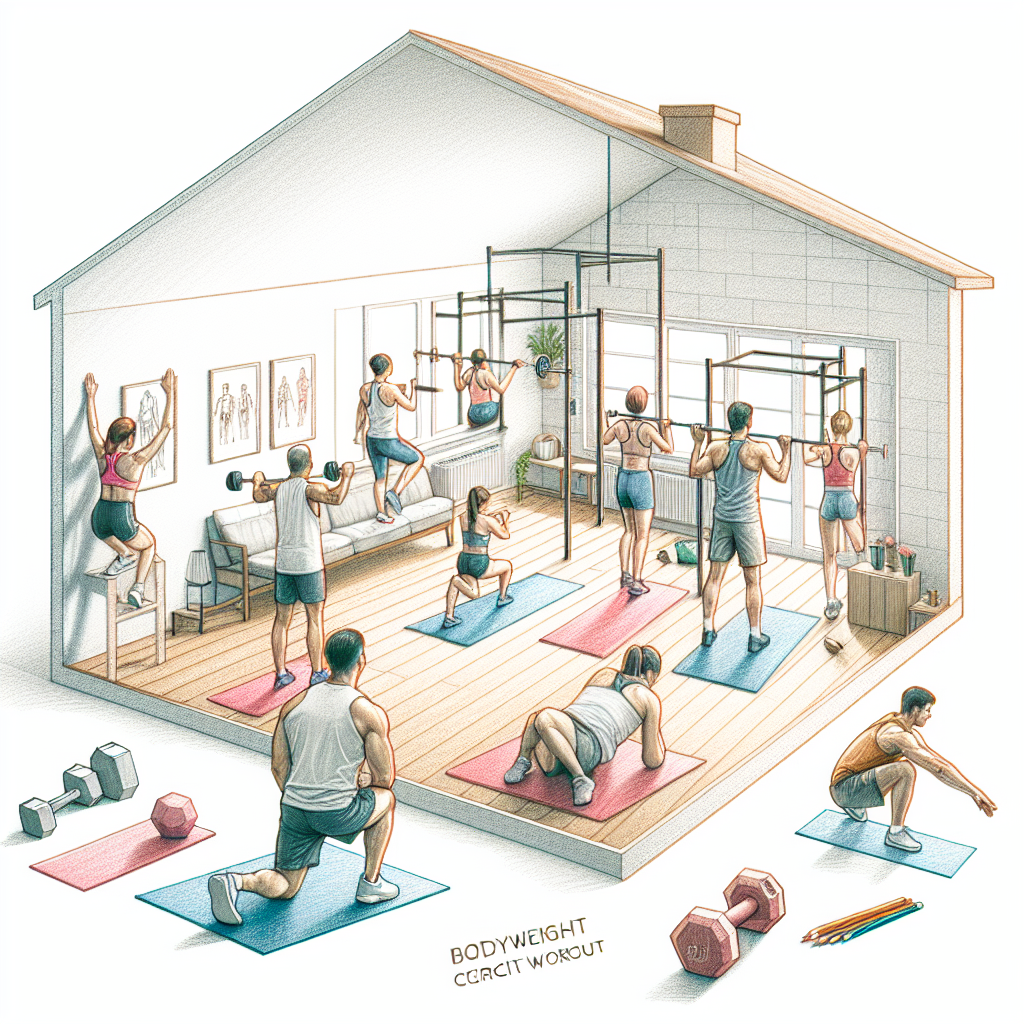
    Effective Bodyweight Circuit Workout for All Fitness Levels

    Bodyweight Circuit Workout: No Equipment Needed

    In an era where convenience often dictates our choices, the benefits of a bodyweight circuit workout stand out as particularly advantageous. These workouts require no equipment, allowing individuals to exercise anytime and anywhere. This article will elucidate how a bodyweight circuit can provide a comprehensive workout regime that builds strength, endurance, and flexibility, all while enhancing cardiovascular health. Moreover, such an approach is accessible to people of all fitness levels.

    • Understanding Bodyweight Workouts
    • Benefits of No-Equipment Circuit Training
    • Designing Your Circuit Routine
    • Common Mistakes to Avoid
    • When to Consult a Professional
    • FAQ

    Understanding Bodyweight Workouts

    Bodyweight workouts leverage the individual’s own body mass for resistance. Unlike traditional weightlifting, these exercises focus on range of motion and control rather than added weight. This form of training includes a variety of movements such as push-ups, squats, and lunges, which can be performed in a circuit format for enhanced efficiency.

    Benefits of No-Equipment Circuit Training

    The advantages of engaging in bodyweight circuit workouts without equipment are manifold:

    • Accessibility: No need for a gym membership or expensive equipment makes these workouts available to everyone.
    • Time-efficient: Circuit training can be completed in a short time, allowing for adaptability in busy schedules.
    • Improved Functional Strength: These workouts enhance everyday movements and overall fitness levels without overburdening the body.
    • Increased Cardiovascular Fitness: By keeping the intensity high and transitioning quickly between exercises, heart health can be significantly improved.

    Designing Your Circuit Routine

    Creating a bodyweight circuit requires thoughtful planning to ensure a full-body workout. Below are the steps to design an effective routine:

    1. Choose Your Exercises: Select a mix of upper body, lower body, and core exercises. Example movements include:
    • Push-ups
    • Squats
    • Plank
    • Lunges
    • Burpees
  • Structure Your Routine: A recommended structure could involve 5 exercises, with 30 seconds of work followed by 15 seconds of rest, repeated 3–4 times.
  • Incorporate a Warm-Up: Begin each session with a dynamic warm-up to prepare the body for exercise and reduce injury risk.
  • Cool Down: Conclude with stretching to assist recovery and maintain flexibility.
  • To discover more about quick and effective workouts, consider registering for a 30-day exercise program that condenses effective exercise into just six minutes a day. Find out more through this link: 30-Day Exercise Program.

    Common Mistakes to Avoid

    While embarking on a bodyweight circuit workout, certain pitfalls can hinder progress and effectiveness:

    • Neglecting Form: Prioritize form over speed to avoid injuries.
    • Inadequate Recovery: Allow time for muscles to recover; overtraining can lead to burnout.
    • Not Progressing: Gradually increase the intensity or duration to prevent plateauing.

    When to Consult a Professional

    Consulting a qualified fitness professional is advisable under the following circumstances:

    • If you have existing health issues, particularly cardiovascular or musculoskeletal concerns.
    • When experiencing persistent pain during or after workouts.
    • If unsure about correct form or technique for specific exercises.
    • When seeking personalized guidance and tailored workout recommendations.

    FAQ

    Can beginners perform bodyweight circuits?

    Yes, bodyweight circuits can be adjusted for all fitness levels, making them ideal for beginners.

    How often should I do bodyweight circuit workouts?

    It is generally recommended to engage in these workouts 3–4 times a week for optimal results.

    Can I lose weight through bodyweight workouts?

    Yes, when combined with a balanced diet, bodyweight workouts can contribute to weight loss.

    What is the optimal duration for a bodyweight circuit session?

    A typical session can last between 20 to 30 minutes, including warm-up and cool down.

    Are bodyweight workouts effective for building muscle?

    Yes, bodyweight exercises can effectively build muscle, particularly for beginners or those returning to fitness.

    Do I need to eat differently when doing bodyweight workouts?

    A balanced diet will support your fitness goals, helping with recovery and muscle growth.

    Conclusion

    • Bodyweight circuit workouts offer accessibility and efficiency, requiring no equipment.
    • These workouts improve strength, flexibility, and cardiovascular fitness.
    • Designing a circuit is straightforward, allowing customization for various fitness levels.
    • Avoid common mistakes such as neglecting form and not allowing adequate recovery.
    • Consult a professional if uncertain about exercise form or managing health concerns.

    Embrace the convenience of bodyweight circuit workouts, and transform your fitness journey today. Begin with small, achievable goals and watch your progress unfold.

    Author: John Angel

    Related articles

    Categories
    Fitness

    Effective Bodyweight Leg Exercises for Strength and Toning

    Best Leg Exercises Without Weights

    Maintaining strong and toned legs is essential for overall fitness, mobility, and well-being. Engaging in leg exercises without weights can be highly effective in building strength, improving endurance, and enhancing flexibility. This article presents a comprehensive guide to the top bodyweight leg exercises, offering practical tips and a framework to incorporate these movements into your routine.

    • Understanding the Benefits of Bodyweight Leg Exercises
    • Key Exercises for Strong Legs
    • Steps for an Effective Leg Workout Routine
    • When to Consult a Professional
    • Common Myths About Bodyweight Exercises
    • Frequently Asked Questions (FAQ)
    • Conclusion

    Understanding the Benefits of Bodyweight Leg Exercises

    Bodyweight exercises provide numerous advantages, particularly for those who prefer not to use external weights. Some key benefits include:

    • Accessibility: No need for gym memberships or expensive equipment.
    • Reduced Injury Risk: Lower chance of injury compared to lifting heavy weights.
    • Improved Functional Strength: Enhances strength required for everyday activities.
    • Flexibility and Balance: Many bodyweight exercises promote flexibility and enhance balance.

    Key Exercises for Strong Legs

    Here are some of the most effective leg exercises that can be performed without weights:

    1. Squats

    Squats engage multiple muscle groups, including the quadriceps, hamstrings, and glutes.

    • Stand with feet shoulder-width apart.
    • Lower your body as if sitting in a chair.
    • Keep your chest up and knees behind your toes.
    • Return to the starting position.

    2. Lunges

    Lunges target the thighs and improve core stability.

    • Step forward with one foot, lowering the back knee toward the ground.
    • Ensure the front knee stays aligned above the ankle.
    • Push back to starting position and alternate legs.

    3. Glute Bridges

    This exercise strengthens the glutes and lower back.

    • Lie flat on your back with knees bent and feet flat on the floor.
    • Lift your hips towards the ceiling, squeezing your glutes at the top.
    • Hold for a moment, then lower back down.

    4. Calf Raises

    Calf raises strengthen the lower leg muscles.

    • Stand upright, feet hip-width apart.
    • Lift heels off the ground, balancing on the balls of your feet.
    • Lower back down, and repeat.

    5. Side Leg Raises

    Enhances outer thigh and hip strength.

    • Lie on one side with legs stacked.
    • Lift the top leg toward the ceiling and hold for a moment.
    • Lower back down and repeat before switching sides.

    Steps for an Effective Leg Workout Routine

    Incorporating these exercises into a structured routine can enhance results:

    1. Warm-up: Spend 5 minutes warming up with dynamic stretches or light cardio.
    2. Perform each exercise for 10–15 repetitions, resting for 30 seconds between sets.
    3. Complete at least 3 sets of each exercise, adjusting repetitions as needed based on your fitness level.
    4. Cool down: Finish with stretching to improve flexibility and recovery.
    5. Consider joining a time-efficient workout program. You can exercise for just 6 minutes each day and still achieve gym-like results. For a free registration, visit here.

    When to Consult a Professional

    Consulting a qualified professional might be necessary in certain circumstances:

    • If you experience persistent pain during or after exercising.
    • When unsure about the proper form, which can prevent injuries.
    • If you have underlying health conditions that impact physical activity.

    Common Myths About Bodyweight Exercises

    Several misconceptions may influence perceptions of bodyweight exercises:

    • Myth: Bodyweight exercises are not effective for building muscle.
    • Reality: With proper form and progressive variations, bodyweight exercises can significantly increase muscle strength.
    • Myth: These exercises are only suitable for beginners.
    • Reality: Advanced versions exist that can challenge even seasoned athletes.

    Frequently Asked Questions (FAQ)

    Can bodyweight exercises alone build muscle?

    Yes, bodyweight exercises can effectively build muscle, especially when incorporating progressive overload.

    How often should I perform leg exercises?

    Engaging in leg exercises 2-3 times a week is generally recommended for optimal results.

    Can I perform these exercises at home?

    Absolutely! These exercises can easily be done in a home or outdoor setting without the need for special equipment.

    What if I have knee pain?

    Consult a healthcare professional for guidance on modifications and to explore pain-free alternatives.

    Do I need to warm up before exercises?

    Yes, warming up helps prepare your muscles and joints, reducing injury risk during workouts.

    Are there advanced variations for these exercises?

    Certainly! Variations such as jump squats or Bulgarian split squats offer increased intensity for advanced practitioners.

    Conclusion

    • Bodyweight leg exercises provide an accessible and effective way to strengthen lower body muscles.
    • The featured exercises include squats, lunges, glute bridges, calf raises, and side leg raises.
    • Employing a structured routine enhances effectiveness and results.
    • Consult a professional if you experience pain or have specific health concerns.
    • Debunking myths surrounding bodyweight exercises can inspire more individuals to integrate them into their fitness regimes.

    Consider starting a new workout routine today and explore the benefits of just 6 minutes of focused exercise each day. For a free registration to a time-efficient program, visit here.

    Author: John Angel

    Related articles

    Categories
    Home Workouts

    Effective Leg Workouts at Home Without Equipment

    Best Leg Workout at Home Without Equipment

    Achieving strong, toned legs does not require a gym membership or expensive equipment. This article presents an effective leg workout regimen that can be performed in the comfort of your home. By incorporating bodyweight exercises, you can build muscle, improve strength, and enhance endurance without any equipment. Furthermore, this program can be merged seamlessly with a convenient 30-day exercise program that demands only six minutes of your daily commitment, yielding substantial results akin to a full gym routine. You can register for this innovative approach here.

    • Introduction
    • Benefits of Home Workouts
    • Essential Warm-Up Exercises
    • Effective Leg Exercises
    • Practical Workout Structure
    • Common Myths and Mistakes
    • When to Consult a Professional
    • FAQ
    • Conclusion

    Benefits of Home Workouts

    Home workouts offer numerous advantages that contribute to overall fitness and well-being. These benefits include:

    • Cost-effectiveness: No gym fees or equipment purchases necessary.
    • Convenience: Flexibility in scheduling; workouts can be performed at any hour.
    • Customization: The ability to tailor your workouts based on preferences and fitness levels.
    • Privacy: The comfort of exercising in your own space.

    Essential Warm-Up Exercises

    Engaging in a proper warm-up is crucial to prevent injuries and prepare your muscles for the workout ahead. Here are some effective warm-up exercises:

    • Leg Swings: Stand on one leg and gently swing the opposite leg forward and backward. Repeat for 10-15 swings on each leg.
    • Dynamic Lunges: Step forward into a lunge, alternating legs for 10-15 repetitions.
    • High Knees: Jog in place while lifting your knees as high as possible for 30 seconds.
    • Hip Circles: Stand on one leg and make small circles with the opposite leg for 10 seconds, then switch legs.

    Effective Leg Exercises

    The following bodyweight exercises effectively target various muscle groups in the legs:

    Squats

    Stand with your feet shoulder-width apart, lower your body by bending your knees and pushing your hips back, then return to standing. Perform 3 sets of 15-20 repetitions.

    Lunges

    Step forward with one leg, lowering your hips until both knees are at 90-degree angles. Push back to the starting position and repeat with the other leg. Aim for 3 sets of 10-15 repetitions per leg.

    Glute Bridges

    Lie on your back with your knees bent and feet flat on the floor. Push through your heels, lifting your hips toward the ceiling. Hold for a moment, then lower back down. Complete 3 sets of 12-15 repetitions.

    Calf Raises

    Stand upright and raise your heels off the ground, balancing on your toes. Slowly lower back down. Do 3 sets of 15-20 repetitions.

    Wall Sits

    Lean against a wall, sliding down until your knees are at a 90-degree angle. Hold the position for 30-60 seconds. Aim for 3 sets.

    Practical Workout Structure

    Integrate the previously mentioned exercises into a straightforward workout routine:

    1. Warm-up (5-10 minutes): Perform the essential warm-up exercises.
    2. Squats (3 sets of 15-20 reps)
    3. Lunges (3 sets of 10-15 reps per leg)
    4. Glute Bridges (3 sets of 12-15 reps)
    5. Calf Raises (3 sets of 15-20 reps)
    6. Wall Sits (3 sets, hold for 30-60 seconds each)
    7. Cool Down: Stretch your leg muscles for 5-10 minutes.

    When to Consult a Professional

    It is advisable to seek guidance from a fitness professional or a healthcare provider if you experience any of the following:

    • Persistent pain or discomfort during exercise.
    • Injuries that do not improve with rest and rehabilitation.
    • Medical conditions that may affect your ability to exercise (e.g., heart conditions or arthritis).
    • Uncertainty about proper exercise techniques.

    Common Myths and Mistakes

    Understanding the common misconceptions surrounding leg workouts can enhance your results. Here are some prevalent myths:

    • Myth 1: Bodyweight exercises are not effective.
    • Myth 2: You must have equipment to build muscle.
    • Myth 3: Squats are bad for your knees.
    • Myth 4: You can spot-reduce fat in specific areas.

    FAQ

    Can I get results from a bodyweight leg workout?

    Yes, bodyweight exercises can be highly effective in building strength and muscle tone.

    How many times a week should I do leg workouts?

    Typically, aim for leg workouts 2-3 times a week, allowing time for rest and recovery.

    Are warm-ups really necessary?

    Yes, warm-ups prepare your muscles and help prevent injuries.

    How can I modify exercises if I’m a beginner?

    Start with fewer repetitions or perform easier variations of exercises, gradually increasing intensity.

    Will I hurt my knees if I do squats?

    When performed with proper form, squats can strengthen the knees rather than harm them.

    Can I combine this workout with other exercises?

    Absolutely, feel free to integrate this routine into your broader fitness program.

    Conclusion

    • Home workouts can effectively strengthen and tone the legs.
    • Warm-ups are essential for injury prevention.
    • Bodyweight exercises can yield remarkable results.
    • It’s vital to recognize when professional guidance is needed.
    • Understanding myths helps to optimize workout effectiveness.

    Start your journey to stronger legs today! For those seeking a convenient and structured approach, consider registering for the 30-day exercise program that requires just six minutes of your day. Transform your fitness routine here.

    Author: John Angel

    Related articles

    Categories
    Fitness

    Top Home Back Exercises Without Equipment for a Stronger Back

    Best Back Exercises at Home Without Equipment

    Maintaining a strong and flexible back is essential for overall health and wellbeing. Regularly incorporating back exercises into your routine can alleviate pain, improve posture, and enhance your physical performance. The best part? You don’t need any equipment to achieve these benefits at home. In this article, we will explore effective back exercises you can perform without any gym equipment, ensuring a healthier, stronger back. Additionally, we invite you to consider a free 30-day exercise program that requires just 6 minutes of your day. You can register here.

    • Understanding Your Back Muscles
    • Effective Back Exercises
    • Steps to Perform Key Exercises
    • When to Consult a Professional
    • Common Myths and Misconceptions
    • Frequently Asked Questions

    Understanding Your Back Muscles

    The back is a complex structure composed of various muscles, including the latissimus dorsi, trapezius, rhomboids, and erector spinae. These muscles work together to support the spine, facilitate movement, and maintain stability. Understanding these muscle groups is crucial as it helps in targeting specific areas through exercise, leading to a balanced physique and reduced risk of injury.

    Effective Back Exercises

    Here are some exercises that you can do at home, which will effectively engage various muscles in your back:

    • Superman Exercise
    • Bird-Dog
    • Reverse Snow Angels
    • Bridge
    • Wall Angels

    Steps to Perform Key Exercises

    To ensure you perform these exercises correctly and safely, follow the steps below for each exercise:

    Superman Exercise

    1. Lie face down on the floor with arms extended in front of you.
    2. Simultaneously lift your arms, chest, and legs off the ground, engaging your back muscles.
    3. Hold for a few seconds, then lower back down.
    4. Repeat for 10-15 repetitions.

    Bird-Dog

    1. Start on your hands and knees in a tabletop position.
    2. Extend your right arm forward and your left leg backward, keeping your hips level.
    3. Hold for a moment, then return to the starting position.
    4. Switch sides and repeat for 10-15 repetitions on each side.

    Reverse Snow Angels

    1. Lie face down with your arms at your sides.
    2. Lift your arms and chest slightly off the ground, moving your arms out to the sides and then overhead.
    3. Return to the starting position and repeat for 10-15 repetitions.

    Bridge

    1. Lie on your back with knees bent and feet flat on the floor.
    2. Lift your hips towards the ceiling while squeezing your glutes.
    3. Hold briefly before lowering back down.
    4. Repeat for 10-15 repetitions.

    Wall Angels

    1. Stand against a wall with your feet a few inches away.
    2. Press your back, head, and arms against the wall.
    3. Slide your arms up and down the wall in a ‘snow angel’ motion while maintaining contact.
    4. Repeat for 10-15 repetitions.

    When to Consult a Professional

    While home exercises can be extremely beneficial, certain signs suggest it may be time to consult a healthcare professional:

    • Persistent or severe back pain that does not improve.
    • Pain radiating down your legs or into your arms.
    • Sudden onset of back pain after a fall or injury.
    • Difficulty with daily activities, such as bending or lifting.
    • Changes in bladder or bowel control.

    Common Myths and Misconceptions

    It is essential to dispel some prevalent myths regarding back exercises:

    • Myth: You need weights to build back strength.
      Reality: Bodyweight exercises can effectively target and strengthen back muscles.
    • Myth: Back pain means you should stop exercising.
      Reality: Though it varies, light exercise often helps alleviate back pain. Always consult a professional before resuming any exercise routine.
    • Myth: Stretching is always beneficial before exercise.
      Reality: Static stretching may weaken muscles; dynamic stretches may be more effective in some situations.

    Frequently Asked Questions

    What are the best times to do back exercises?

    The best time to do back exercises is when you feel most energized, either in the morning or after work, to ensure consistency.

    How often should I perform back exercises?

    It’s advisable to engage in back exercises at least three times a week, allowing muscles time to recover between workouts.

    Can I perform these exercises if I have back pain?

    If you experience back pain, consult a healthcare professional before attempting new exercises to avoid exacerbating the issue.

    How long will it take to see results?

    Many individuals notice improvements in strength and flexibility within a few weeks of consistent exercise, but this varies by person.

    Can these exercises improve my posture?

    Yes, strengthening the back muscles can lead to improved posture, as well as increased spinal stability.

    Is it necessary to warm up before these exercises?

    While not strictly necessary, a brief warm-up can enhance performance and reduce the risk of injury.

    Conclusion

    • Back exercises can be performed effectively at home without any equipment.
    • Understanding your back muscles enhances the capability to target them through exercise.
    • A variety of exercises can strengthen, stabilize, and improve flexibility in your back.
    • Be aware of your body’s signals, consulting a professional when necessary.
    • Dispelling myths and understanding facts can enrich your exercise journey.

    Discovering the most effective home exercises for your back is the first step towards a healthier you. Start integrating these exercises into your routine, and consider signing up for our innovative, no-cost 30-day exercise program, where you only need to dedicate 6 minutes each day to achieve gym-like results. You can register here.

    Author: John Angel

    Related articles

    Categories
    Fitness

    Effective Bodyweight Leg Workouts for Strength and Endurance

    Best Leg Workout No Equipment

    As many people strive to cultivate a strong and toned lower body, the desire to achieve optimal results often leads to a reliance on expensive gym memberships and specialized equipment. However, it is entirely possible to develop impressive leg strength and endurance without the need for any equipment. This article will explore effective leg workouts that can be performed anywhere, requiring only your body weight and dedication. By incorporating these exercises into your routine, you can enjoy the benefits of increased muscle tone and enhanced stability.

    • The Importance of Leg Workouts
    • Key Exercises for Leg Strength
    • A Sample No-Equipment Leg Workout
    • Correct Form and Technique
    • When to Consult a Fitness Professional
    • Common Myths About Leg Workouts
    • Frequently Asked Questions

    The Importance of Leg Workouts

    Leg workouts serve as a cornerstone for overall fitness, contributing to greater mobility, agility, and balance. Strengthening the muscles in your lower body not only enhances athletic performance but also aids in daily activities such as walking, climbing stairs, and maintaining stability. Furthermore, a well-executed leg workout can boost your metabolism and promote fat loss, making it an essential element of any fitness regime.

    Key Exercises for Leg Strength

    Here are several fundamental exercises that can be used to develop strength in your legs:

    • Bodyweight Squats: A foundational exercise to target the quadriceps, hamstrings, and glutes.
    • Lunges: Excellent for improving balance and unilateral strength, as well as targeting multiple muscles.
    • Calf Raises: Specifically designed to enhance the calves, contributing to overall leg strength.
    • Glute Bridges: A superb exercise for strengthening the hamstrings and glutes while also engaging the core.
    • Step-Ups: Focuses on the quadriceps and glutes while providing a functional movement pattern that is helpful in daily life.
    • Wall Sits: A static exercise that builds endurance in the leg muscles.

    A Sample No-Equipment Leg Workout

    To begin your journey towards stronger legs, consider implementing the following routine into your fitness schedule. This workout can be completed in approximately 15-20 minutes, focusing on high repetitions to enhance endurance:

    1. Bodyweight Squats: 3 sets of 15-20 reps
    2. Lunges: 3 sets of 10-12 reps (each leg)
    3. Calf Raises: 3 sets of 15-20 reps
    4. Glute Bridges: 3 sets of 12-15 reps
    5. Step-Ups (using a sturdy platform): 3 sets of 10-12 reps (each leg)
    6. Wall Sits: 3 sets of 30-45 seconds

    Consider incorporating a warm-up and cool-down phase inclusive of stretching to enhance flexibility and reduce the risk of injury.

    Correct Form and Technique

    Proper form during leg exercises is critical to ensure efficacy and to minimize the risk of injury. Here are some guidelines to follow for selected exercises:

    • For bodyweight squats, ensure your knees do not extend past your toes, and maintain a straight back as you lower yourself into the squat.
    • During lunges, keep your front knee aligned with your ankle and avoid leaning forward excessively.
    • While performing calf raises, ensure that your weight is distributed evenly on the balls of your feet to maximize engagement.
    • In glute bridges, the shoulders, hips, and knees should form a straight line at the peak of the lift.
    • For wall sits, keep your back flat against the wall and your knees at a right angle.

    When to Consult a Fitness Professional

    If you encounter persistent pain during leg workouts, experience difficulty with basic movements, or are concerned about an existing injury, it is advisable to consult a qualified fitness professional. They can provide personalized guidance, assess your form, and recommend modifications to accommodate any limitations.

    Common Myths About Leg Workouts

    Understanding common misconceptions can help you approach your leg workouts more effectively:

    • Myth 1: You need equipment for effective workouts. This is false; bodyweight exercises can be equally effective.
    • Myth 2: Leg workouts only benefit athletes. In reality, they enhance mobility and strength for everyone’s everyday life.
    • Myth 3: High repetitions do not build muscle. Endurance workouts can still promote muscle growth and strength.
    • Myth 4: You should only train legs once a week. Consistency and regular training are key for optimal development.

    Frequently Asked Questions

    What are the benefits of no-equipment leg workouts?

    No-equipment leg workouts enhance strength, endurance, balance, and flexibility while requiring minimal time and space.

    How many times a week should I do leg workouts?

    It is generally recommended to perform leg workouts 2-3 times per week, allowing for recovery between sessions.

    Can I build muscle with just bodyweight exercises?

    Yes, bodyweight exercises can effectively build muscle, particularly when performed with correct form and progressive overload.

    What is a good warm-up for leg workouts?

    A warm-up can include dynamic stretches like leg swings, walking lunges, and high knees to prepare the muscles for exercise.

    How do I avoid injury during leg workouts?

    Injury can be minimized through proper form, listening to your body, and ensuring a balanced workout routine.

    Where can I find guided workouts?

    Consider trying a program like the free 30-day exercise plan, which includes only 6 minutes of daily exercise but is designed to yield results comparable to a gym routine. You can register here.

    Conclusion

    • Leg workouts are essential for strength, mobility, and overall fitness.
    • No equipment is necessary; bodyweight exercises can be highly effective.
    • Proper form is crucial to maximize results and minimize injury risk.
    • Consult a professional if you experience pain or have concerns about your form.
    • Combat common myths to enhance your understanding and approach to leg workouts.

    In embracing a no-equipment leg workout routine, you can gain greater strength and endurance, ultimately enhancing both your physical appearance and quality of life. Start today and consider joining a guided program for additional support on your fitness journey.

    Author: John Angel

    Related articles

    Categories
    Fitness

    Effective Bodyweight Back Exercises for Pain Relief

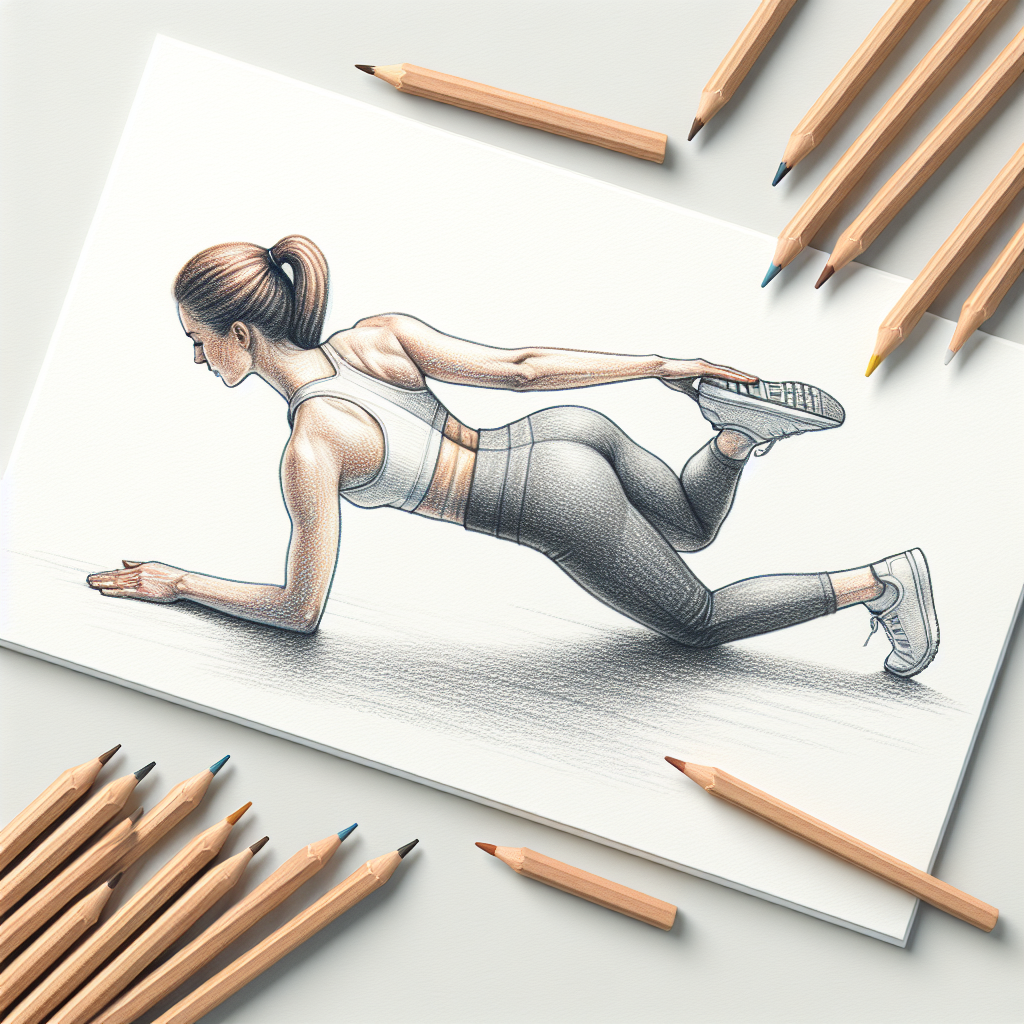
    Back pain is a prevalent issue affecting many individuals, regardless of age or activity level. Engaging in targeted back exercises can significantly improve strength and flexibility while reducing discomfort. Importantly, these exercises can be performed without weights, making them accessible for everyone. In this article, we will explore the best back exercises that require no equipment, providing you with actionable guidance to enhance your back health.

    • Introduction
    • Benefits of Bodyweight Back Exercises
    • Essential Bodyweight Back Exercises
    • Practical Steps for an Effective Routine
    • When to Seek Professional Help
    • Common Misconceptions About Back Exercises
    • Frequently Asked Questions (FAQ)
    • Conclusion

    Benefits of Bodyweight Back Exercises

    Bodyweight exercises have numerous advantages, particularly for back strength and health. They:

    • Improve muscle endurance and flexibility.
    • Can be performed anywhere, requiring no special equipment.
    • Reduce the risk of injury by promoting balance and stability.
    • Enhance posture and align the spine, which can alleviate pain.
    • Are suitable for all fitness levels—beginners to advanced can benefit.

    Essential Bodyweight Back Exercises

    The following exercises specifically target various muscle groups in the back, ensuring a comprehensive workout:

    1. Bird-Dog

    This exercise enhances core stability and strengthens the lower back.

    • Begin on all fours, with hands beneath shoulders and knees under hips.
    • Extend your right arm forward and left leg back, maintaining balance.
    • Hold for a few seconds, then return to the start position.
    • Switch sides and repeat for several repetitions.

    2. Supermans

    This movement strengthens the lower back and glutes.

    • Lie face down on the floor with arms extended in front of you.
    • Simultaneously lift your arms, chest, and legs off the ground.
    • Engage your core and hold for a few seconds before lowering.
    • Repeat for 10-15 repetitions.

    3. Plank

    A well-known exercise that not only targets the back but also the entire core.

    • Start in a push-up position, keeping your body straight from head to heels.
    • Engage your core and hold the position for 30-60 seconds.
    • Focus on your breathing throughout the exercise.

    4. Cat-Cow Stretch

    This dynamic stretch promotes spine flexibility and alleviates tension.

    • Start on all fours and inhale as you arch your back, dropping your belly (the “cow” position).
    • Exhale while rounding your back towards the ceiling (the “cat” position).
    • Alternate between these two positions for 8-10 repetitions.

    5. Wall Angels

    This exercise strengthens the upper back and helps improve posture.

    • Stand with your back against a wall, feet slightly away from it.
    • Press your lower back, shoulders, and head against the wall.
    • Raise your arms to a “W” position, then slide them upward into a “Y”.
    • Lower them back down and repeat for 10-12 repetitions.

    Practical Steps for an Effective Routine

    Implementing these exercises into your routine can be straightforward. Follow these steps:

    1. Identify a suitable space where you can perform exercises safely.
    2. Allocate 10-15 minutes, ideally five days a week, for your back workout.
    3. Execute each exercise with proper form to avoid injury.
    4. Incorporate stretching and cooldown exercises to maintain flexibility.
    5. If you are looking for a structured program, consider registering for a free 30-day exercise program where you can exercise for only 6 minutes each day and achieve Results like those from the gym: Join here.

    When to Seek Professional Help

    While bodyweight exercises are generally safe, certain situations may warrant professional consultation:

    • If you experience persistent pain during or after exercise.
    • Should you have a pre-existing condition affecting your back.
    • If you notice a sudden change in your mobility or strength.
    • In cases of swelling, redness, or increased sensitivity in the back area.

    Common Misconceptions About Back Exercises

    There are several myths surrounding back exercises that can lead to discouragement or incorrect practices:

    • Myth: All exercises require weights. Bodyweight exercises can be equally effective for back health.
    • Myth: Strengthening the back will eliminate all pain. A comprehensive approach, including mobility and flexibility, is essential.
    • Myth: You need to exercise for long periods to see results. Short, targeted sessions can yield significant benefits.

    Frequently Asked Questions (FAQ)

    1. Can I do back exercises every day?

    Yes, gentle back exercises can be performed daily; however, ensure you allow time for recovery and vary your routine.

    2. How long should I hold each exercise?

    Generally, aim for 20-30 seconds for isometric holds and 10-15 repetitions for dynamic exercises.

    3. Are these exercises suitable for beginners?

    Absolutely, these exercises can be modified to fit any fitness level.

    4. What should I do if I experience pain during an exercise?

    If you experience pain, stop the exercise immediately and consult a healthcare professional if the pain persists.

    5. How can I ensure proper form during back exercises?

    Start slowly and focus on your body mechanics; consider working with a trainer if you’re unsure.

    6. Do I need to warm up before starting these exercises?

    Yes, a brief warm-up can help prepare your muscles and reduce the risk of injury.

    Conclusion

    • Engaging in bodyweight exercises can significantly improve back strength and flexibility.
    • Exercises such as Bird-Dog and Plank can be performed anywhere, making them highly accessible.
    • Proper form is essential to avoid injury and maximize benefits.
    • Consult a professional if you experience persistent pain or have underlying health conditions.
    • Consider enrolling in a free online program for structured guidance on your fitness journey.

    Strengthening your back through these exercises can lead to a more pain-free and active lifestyle. Start today and prioritize your back health!

    Author: John Angel

    Related articles

    Categories
    Fitness

    Effective Leg Workouts at Home Without Equipment

    Best Leg Workout Without Equipment

    Building strong and toned legs does not necessarily require a gym membership or expensive equipment. In this article, we will explore some of the most effective leg workouts that can be performed without any equipment, showcasing exercises that target various muscle groups. Not only will these exercises improve your strength and endurance, but they also promote better mobility and overall health.

    • Introduction
    • Benefits of Bodyweight Leg Exercises
    • Essential Leg Workouts Without Equipment
    • Practical Steps for Efficient Training
    • When to Seek Professional Guidance
    • Common Myths and Mistakes
    • Frequently Asked Questions
    • Conclusion

    Benefits of Bodyweight Leg Exercises

    Bodyweight exercises are an accessible and effective method for strengthening your legs. Here are some key benefits:

    • Convenience: No equipment is needed, allowing you to work out at home or anywhere.
    • Versatility: You can modify exercises to match your fitness level.
    • Functional Strength: Improves body awareness and coordination, essential for daily activities.
    • Cost-Effective: Eliminates the financial burden associated with gym memberships and machines.

    Essential Leg Workouts Without Equipment

    Below are several exercises that effectively target major leg muscles, including the quadriceps, hamstrings, glutes, and calves.

    1. Squats

    Squats are a compound exercise that engages multiple muscle groups.

    2. Lunges

    Lunges work your quadriceps and glutes, promoting stability and balance.

    3. Glute Bridges

    This exercise mainly targets the glutes and hamstrings, helping to build strength in the posterior chain.

    4. Calf Raises

    Calf raises strengthen the calf muscles and improve ankle stability.

    5. Step-Ups

    If you have a sturdy staircase or a low bench, step-ups are excellent for building leg strength and coordination.

    Practical Steps for Efficient Training

    To optimize your leg workouts, consider the following structured approach:

    1. Warm-Up: Start with a 5-minute warm-up to prepare your muscles. Dynamic stretches, like leg swings, are effective.
    2. Workout Routine: Choose at least three exercises. For example, perform:
    • 3 sets of 15 Squats
    • 3 sets of 10 Lunges (each leg)
    • 3 sets of 12 Glute Bridges
  • Rest: Take a 30-second to 1-minute rest between sets to recover.
  • Cool Down: Conclude with static stretches to enhance flexibility and reduce soreness.
  • Consistency: Aim to perform these exercises at least 3 times a week for optimal results.
  • For an easier way to maintain consistency, consider registering for a free 30-day exercise program that requires only six minutes of daily workout. You can achieve results similar to spending hours at the gym. Explore the program here: 30-Day Exercise Program.

    When to Seek Professional Guidance

    While leg workouts can be performed safely by most individuals, there are circumstances that warrant professional advice:

    • Experiencing persistent pain during exercise.
    • Injury recovery or nagging chronic conditions affecting mobility.
    • Seeking personalized training advice for specific athletic goals.
    • Need for tailored programs due to existing health conditions.

    Common Myths and Mistakes

    Understanding the myths associated with leg workouts is essential for effective training. Here are common misconceptions:

    • Myth 1: Bodyweight exercises are less effective than weighted workouts.
    • Myth 2: You need to feel pain to gauge an effective workout.
    • Mistake: Neglecting proper form in favor of doing more repetitions.
    • Mistake: Skipping rest days, which can lead to burnout and injury.

    Frequently Asked Questions

    Can bodyweight exercises really build muscle?

    Yes, bodyweight exercises can effectively build muscle, especially for beginners and those returning after a break.

    How often should I perform leg workouts?

    Aim to engage in leg workouts at least 3 times a week, allowing rest between sessions.

    Is it normal to feel sore after leg workouts?

    Yes, muscle soreness is common, particularly if you are new to exercising or trying new movements.

    Can I lose weight doing bodyweight leg workouts?

    Yes, combining bodyweight strength exercises with a healthy dietary plan can lead to weight loss.

    What’s the best way to improve flexibility in legs?

    Incorporating static stretching into your routine, particularly after workouts, can improve flexibility.

    Should beginners modify exercises?

    Absolutely. Modifications can help ensure proper form and reduce the risk of injury.

    Conclusion

    • Bodyweight leg workouts are convenient and effective for building strength.
    • Consistency and proper technique are crucial for achieving desired results.
    • Listening to your body and allowing adequate recovery is essential.
    • Professional guidance can be beneficial in specific situations.
    • Overcoming common myths can enhance your workout effectiveness.

    Embark on your journey to stronger legs today. For convenient and simple workouts, consider signing up for an excellent 30-day exercise program with just a few minutes of your time each day. You can find the registration link here: 30-Day Exercise Program.

    Author: John Angel

    Related articles

    Categories
    Home Workouts

    Effective Back Workout at Home Without Equipment

    In an age where convenience is paramount, achieving an effective back workout at home without equipment is both practical and efficient. Building a strong back is crucial for maintaining posture, reducing injury risk, and improving overall functional strength. This article will guide you through various exercises that engage different back muscles, ensuring comprehensive development without the need for expensive gym memberships or cumbersome equipment.

    • Introduction
    • Understanding Your Back Muscles
    • Essential Bodyweight Exercises for Back Strength
    • Sample Back Workout Routine
    • When to Consult a Professional
    • Common Myths about Back Workouts
    • Frequently Asked Questions
    • Conclusion

    Understanding Your Back Muscles

    The human back comprises several muscles, primarily grouped into three categories: the upper, middle, and lower back. Each area performs distinct functions and plays a significant role in everyday movements. Familiarity with these muscle groups can enhance the effectiveness of your at-home workouts.

    Upper Back Muscles

    This region includes the trapezius and rhomboids, crucial for pulling movements and shoulder stability. Strengthening these muscles can improve posture and balance.

    Middle Back Muscles

    The latissimus dorsi dominates the middle back. Enhancing its strength contributes to a wider, stronger back and improves functional movements like lifting and pulling.

    Lower Back Muscles

    The lower back, primarily consisting of the erector spinae, supports the spine during bending and lifting. Strengthening these muscles is essential for injury prevention and spinal health.

    Essential Bodyweight Exercises for Back Strength

    Several bodyweight exercises can engage your back effectively. These movements require no equipment and can be performed in small spaces, making them ideal for any home workout routine.

    1. Superman Exercise

    This exercise helps to engage both the upper and lower back muscles.

    • Lie face down on a mat with arms stretched forward.
    • Simultaneously lift your arms, chest, and legs off the ground.
    • Hold for 2-3 seconds, then lower back down. Repeat for 10-15 reps.

    2. Reverse Snow Angels

    A great exercise for upper back activation.

    • Lie face down with your arms at your sides.
    • Lift your chest slightly off the ground, extending your arms in a ‘Y’ position.
    • Slowly move your arms outward to form a ‘T’, then return. Repeat for 10-15 reps.

    3. Plank Rows

    This variation of the standard plank targets the upper and middle back muscles.

    • Assume a plank position with hands directly under shoulders.
    • Lift one arm toward your waist, keeping the body stable.
    • Switch sides. Perform 10-12 reps on each side.

    4. Wall Angels

    This exercise enhances shoulder mobility while engaging the upper back.

    • Stand with your back against a wall, feet slightly away from it.
    • Lift your arms to form a ‘W’ shape, keeping them in contact with the wall.
    • Smoothly raise your arms to form a ‘Y’, then return. Repeat for 10-15 reps.

    Sample Back Workout Routine

    Here’s a simple yet effective back workout routine that can be completed in about 20 minutes:

    1. Superman: 15 reps
    2. Reverse Snow Angels: 12 reps
    3. Plank Rows: 10-12 reps each side
    4. Wall Angels: 15 reps
    5. Rest for 30 seconds between exercises.

    For those looking to maximize their results, consider a 30-day exercise program where you only exercise for 6 minutes every day but achieve results similar to those obtained at a gym. You can register for free at this link.

    When to Consult a Professional

    While home workouts are beneficial, certain situations warrant professional consultation:

    • If you experience persistent back pain or discomfort during exercises.
    • If you have existing back conditions or injuries that might be aggravated by exercise.
    • Should you have difficulty executing exercises correctly, especially if you are new to them.
    • Consulting a physical therapist or a personal trainer can provide tailored guidance and ensure safe execution of movements.

    Common Myths about Back Workouts

    Several misconceptions exist surrounding back workouts, which can hinder progress and deter individuals from attempting them:

    Myth 1: You Need Equipment to Strengthen Your Back

    Many effective back exercises require no equipment, as discussed above.

    Myth 2: Only Weightlifting Can Build Back Strength

    Bodyweight exercises can be incredibly effective for cultivating strength and endurance.

    Myth 3: Back Workouts Are Only for Bodybuilders

    Strengthening the back is beneficial for everyone, not just weightlifters. It aids in everyday activities and can help prevent injuries.

    Myth 4: You Should Avoid All Back Exercises if You Have Pain

    While caution is necessary, many individuals can still benefit from appropriate back exercises. Consult a professional if unsure.

    Myth 5: You Only Need to Work Your Back Once a Week

    More frequent engagement of back muscles can lead to improved overall strength and endurance when balanced with recovery.

    Frequently Asked Questions

    Can I really build back muscle without weights?

    Yes, bodyweight exercises can effectively help strengthen back muscles.

    How often should I perform back exercises at home?

    Aim for at least two to three times per week for optimal results.

    Are bodyweight exercises enough for beginners?

    Absolutely, they provide a solid foundation for strength and stability.

    Will I see results quickly?

    Results may vary, but with consistency, most individuals see improvements within a few weeks.

    Can these exercises help with posture?

    Yes, strengthening your back can significantly improve posture.

    Should I warm up before starting my workout?

    Always include a warm-up to prepare your muscles and prevent injury.

    Conclusion

    • Strengthening your back at home is achievable without equipment.
    • Understanding your back muscles is crucial for effective workouts.
    • Implementing a variety of bodyweight exercises can yield significant results.
    • Consult with a professional when in doubt or experiencing pain.
    • Address common myths to create an effective and safe workout regimen.

    Ready to strengthen your back? Start today with these exercises, incorporating them into your routine for lasting results. Don’t forget to register for the 30-day exercise program to maximize your efforts!

    Author: John Angel

    Related articles

    Website analytics information

    We use Google Analytics 4 for visitor statistics. Analytics cookies require your consent, which you can change using the button above. The data controller is ZDRAVÍ S ÚSMĚVEM s.r.o., company ID 29283329, contact podpora@revolucnicviceni.cz. Google processes browser, device and page visit information. We do not send form field values to Analytics. How Google uses information · Google Privacy Policy.