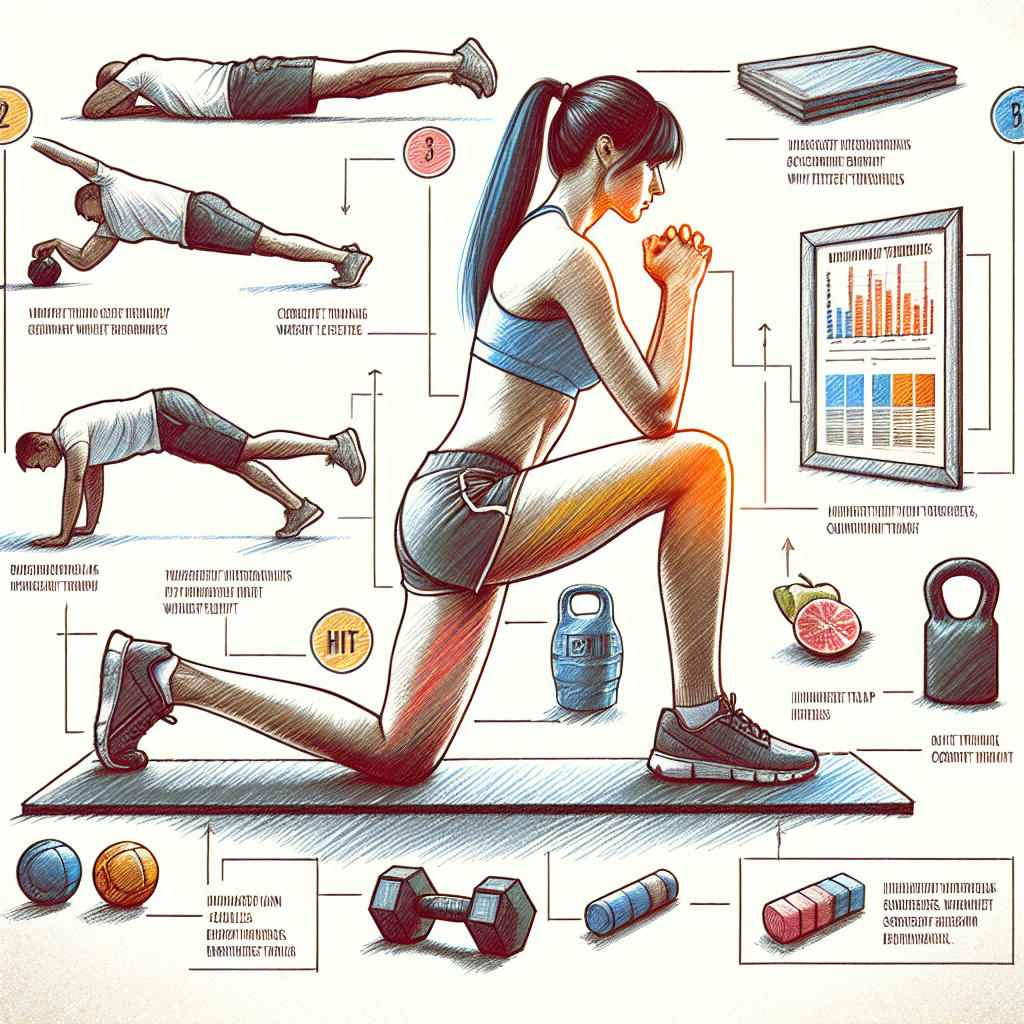
In an age where time is of the essence, circuit training at home without equipment offers a highly efficient way to maintain physical fitness. This workout method combines strength and cardiovascular exercises into a single session, delivering results in a compact timeframe. Whether you are a novice or seasoned fitness enthusiast, circuit training’s adaptability makes it a viable option for enhancing overall health and well-being.
- Introduction
- What is Circuit Training?
- Benefits of Circuit Training at Home
- Sample Circuit Training Workout
- Common Myths about Circuit Training
- When to Consult a Professional
- Frequently Asked Questions
- Conclusion
What is Circuit Training?
Circuit training consists of a series of exercises performed in rotation with minimal rest between them. This method typically incorporates strength training, aerobic exercises, and flexibility work, effectively targeting multiple muscle groups and improving cardiovascular endurance. One of its appeals is that it can be easily performed at home without the need for specialized equipment.
Benefits of Circuit Training at Home
Engaging in circuit training at home offers several advantages:
- Time-Efficiency: With workouts lasting only 20 to 30 minutes, circuit training allows for effective exercise in a short period.
- Flexibility: You can tailor workouts to fit your schedule and fitness level, making it easy to adapt to various lifestyles.
- Variety: The multitude of exercises keeps routines fresh, reducing the risk of workout monotony.
- Cost-Effectiveness: By eliminating the need for gym memberships or equipment purchases, it becomes an accessible fitness solution.
- Improved Health Outcomes: Regular circuit training can elevate heart rate, enhance metabolism, and support weight management.
Sample Circuit Training Workout
Below is a simple yet effective circuit workout you can perform at home without any equipment:
- Warm-Up: 2 minutes of light jogging on the spot or dynamic stretching.
- Jumping Jacks: 30 seconds.
- Bodyweight Squats: 30 seconds.
- Push-Ups: 30 seconds (modify by doing them on your knees if necessary).
- Plank: 30 seconds.
- Lunges: 30 seconds (15 seconds per leg).
- Mountain Climbers: 30 seconds.
- Cool Down: Light stretching for 2 minutes.
Repeat the circuit 2-3 times, resting for 1 minute between rounds. For those looking for a more structured approach, consider enrolling in a free registration for a 30-day exercise program that features only 6 minutes of daily exercise yet can provide gym-like results.
Common Myths about Circuit Training
Several misconceptions surround circuit training. Understanding the realities can enhance your experience:
- Myth 1: Circuit training is only for advanced athletes.
- Myth 2: You need equipment to perform effective circuit training.
- Myth 3: Circuit workouts are less effective than traditional weight training.
- Myth 4: Circuit training can’t be adapted for specific fitness goals.
In truth, circuit training can be customized for any fitness level and can prove highly effective when designed thoughtfully.
When to Consult a Professional
While circuit training is safe for many, certain circumstances warrant consultation with a qualified professional:
- If you have underlying health conditions or concerns.
- When experiencing pain during or after exercise that does not subside.
- If you are unsure how to perform specific exercises correctly.
- When seeking personalized guidance to achieve specific fitness goals.
Frequently Asked Questions
Is circuit training suitable for beginners?
Yes, circuit training can be tailored to accommodate beginners. Gradual progression and modifications can ensure safe and effective workouts.
How often should I perform circuit training?
For optimal results, consider engaging in circuit training 2-4 times a week, allowing rest days for recovery.
Can circuit training help with weight loss?
Absolutely! Circuit training can enhance calorie burning and boost metabolism, supporting weight loss efforts when combined with a balanced diet.
What if I don’t have enough space at home?
Circuit training can be adapted to small spaces. Many exercises require minimal room and can be modified for limited areas.
Do I need to warm up before circuit training?
Yes, warming up prepares the body for physical activity and reduces the risk of injury.
Can I include my kids in circuit training at home?
Circuit training can be a fun family activity. Modifying exercises for children can promote fitness and bonding.
Conclusion
- Circuit training at home is an efficient way to achieve high-intensity workouts.
- It offers flexibility, variety, and cost-effectiveness, making it accessible to everyone.
- Incorporating a well-structured workout can yield significant health benefits.
- Awareness of common myths can enhance your understanding and practice of circuit training.
- Consulting professionals in specific cases can ensure safe and effective workouts.
As you embark on your fitness journey, consider integrating circuit training into your routine. For those eager to explore structured guidance, don’t hesitate to register for a free 30-day exercise program and discover how just six minutes a day can lead to impressive results.
Author: John Angel