Categories
Fitness

Effective Ways to Build Muscle Without Equipment at Home

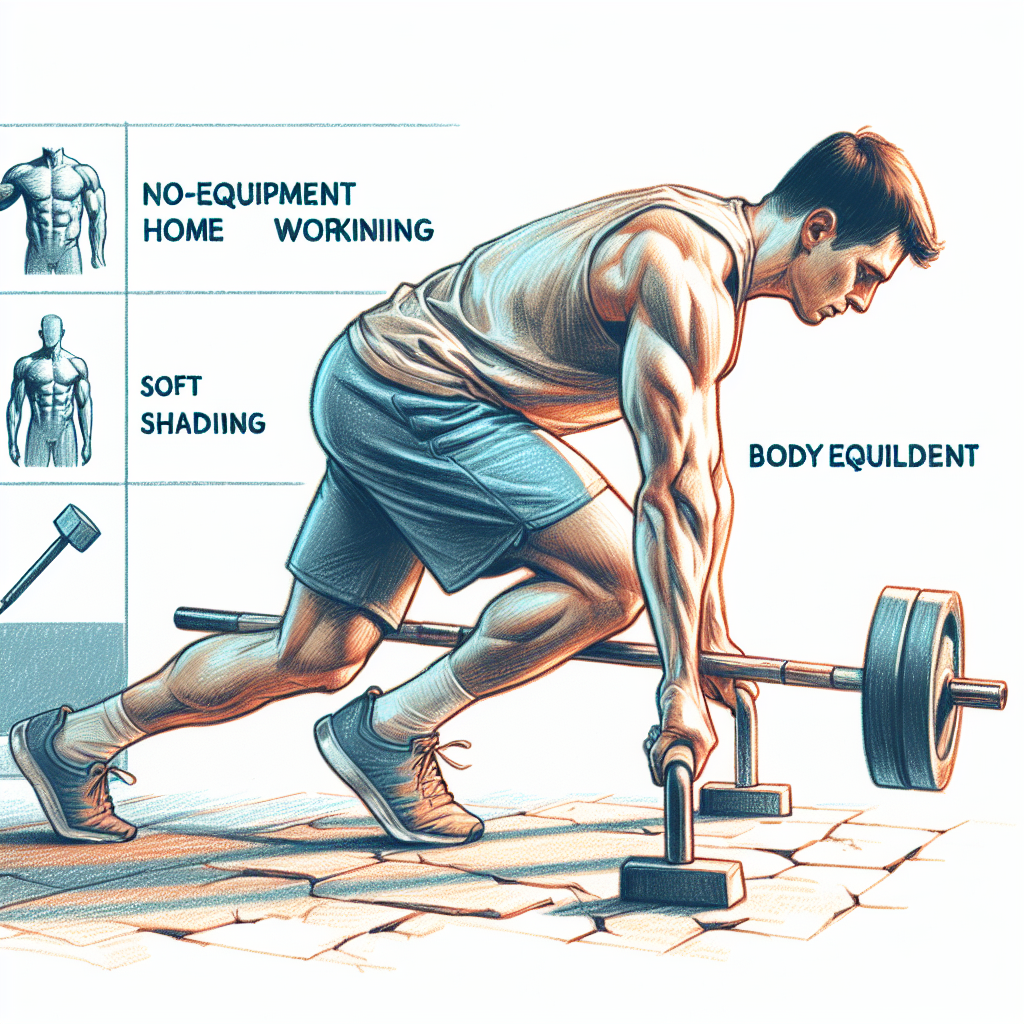
Building muscle without equipment is not only achievable but can also be highly effective. This approach requires a mix of bodyweight exercises and smart strategies to maximize resistance and ensure progressive overload. With the right techniques, you can develop strength, endurance, and muscle definition—right from the comfort of your home. This article will guide you through practical steps to build muscle without the need for gym equipment.

  • Understanding Bodyweight Exercises
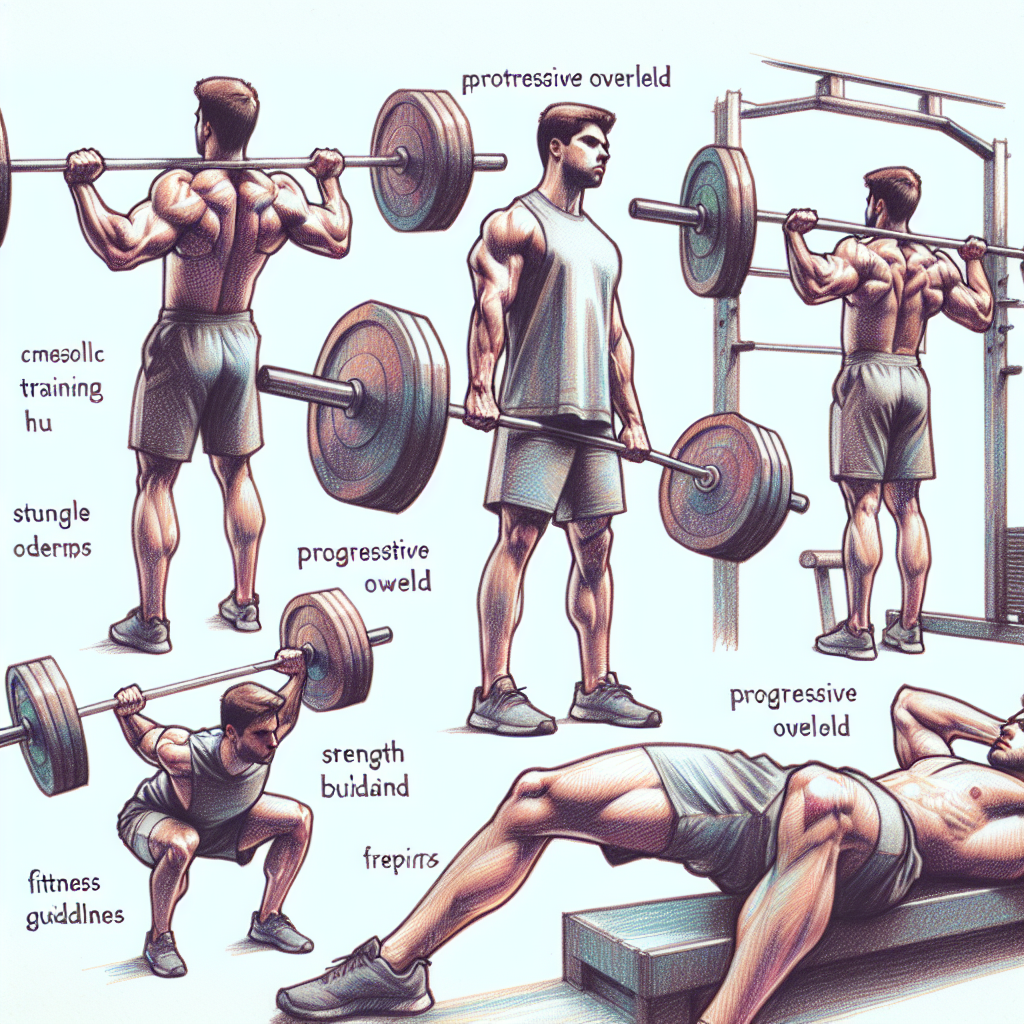
  • The Importance of Progressive Overload
  • Effective Bodyweight Exercises
  • Creating a Workout Routine
  • Common Myths and Misconceptions
  • When to Consult a Professional
  • Frequently Asked Questions

Understanding Bodyweight Exercises

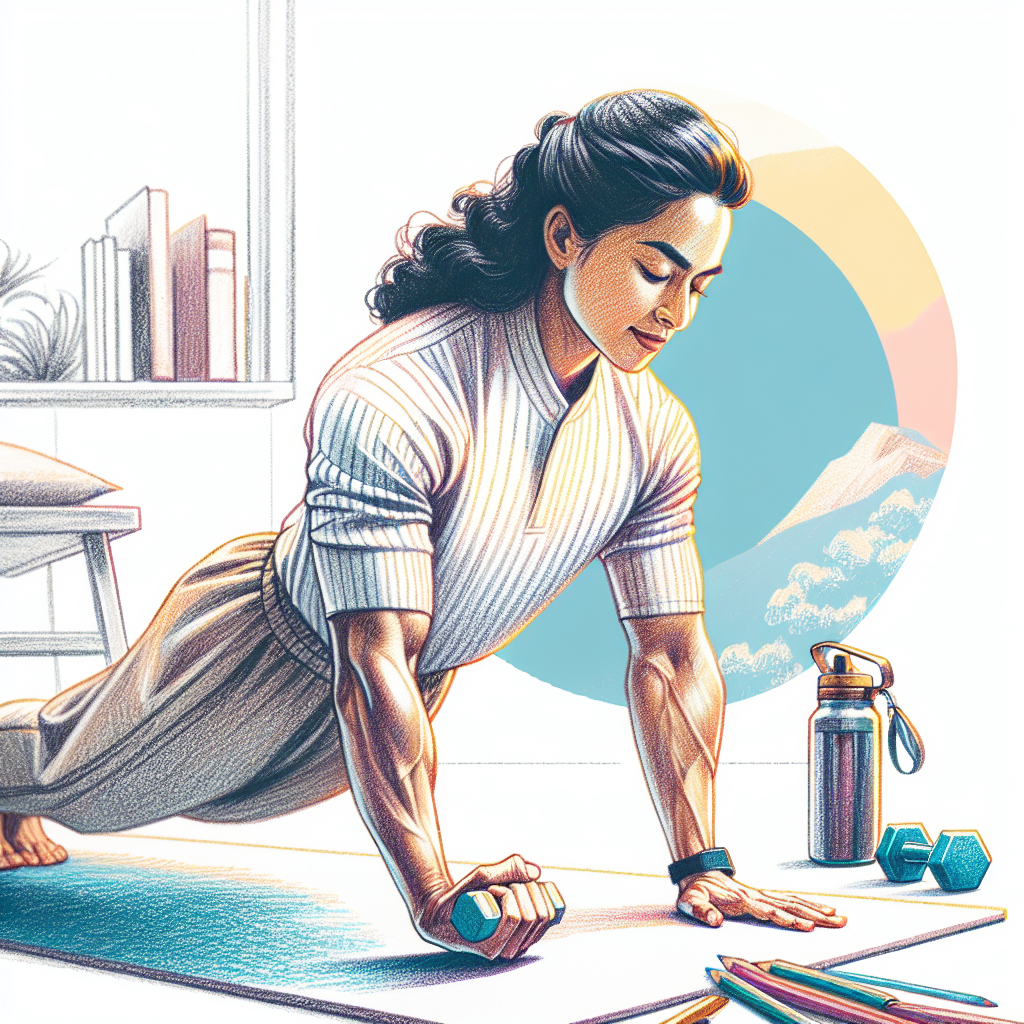
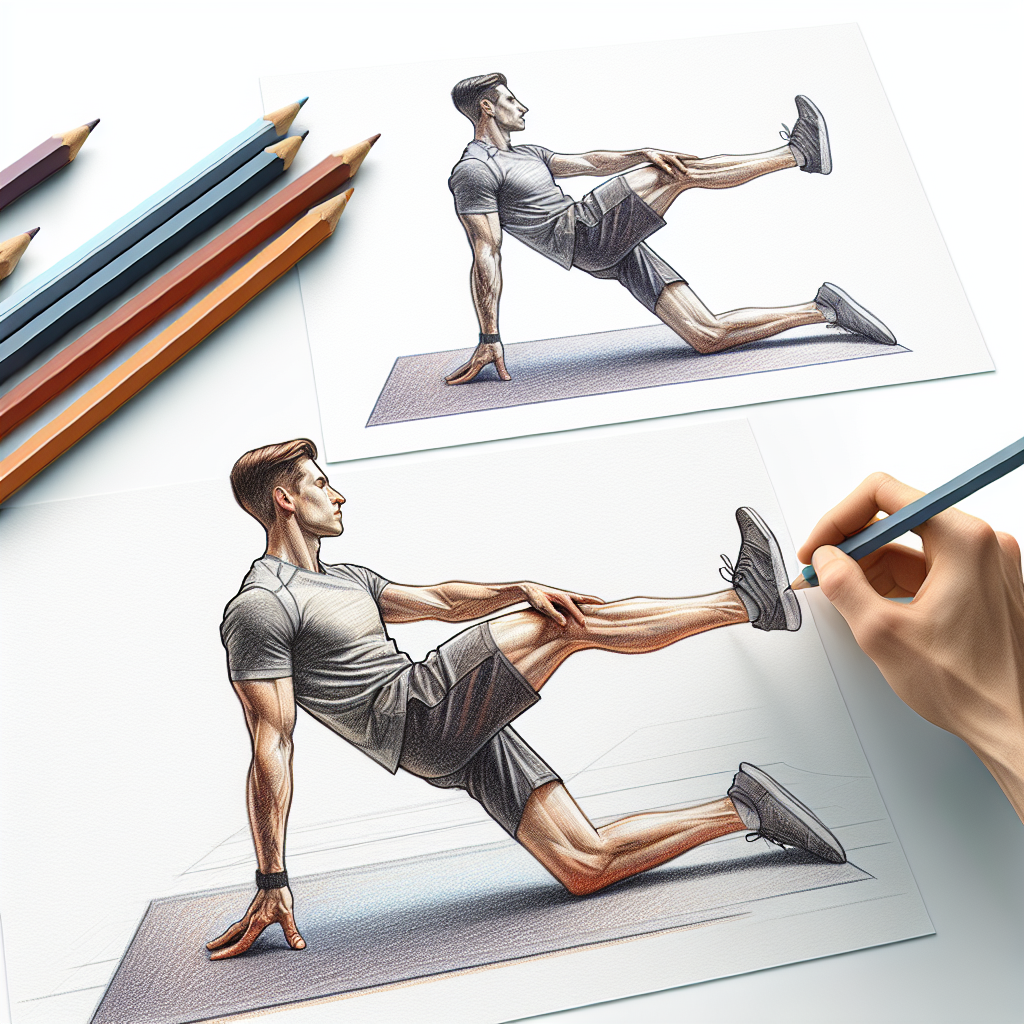
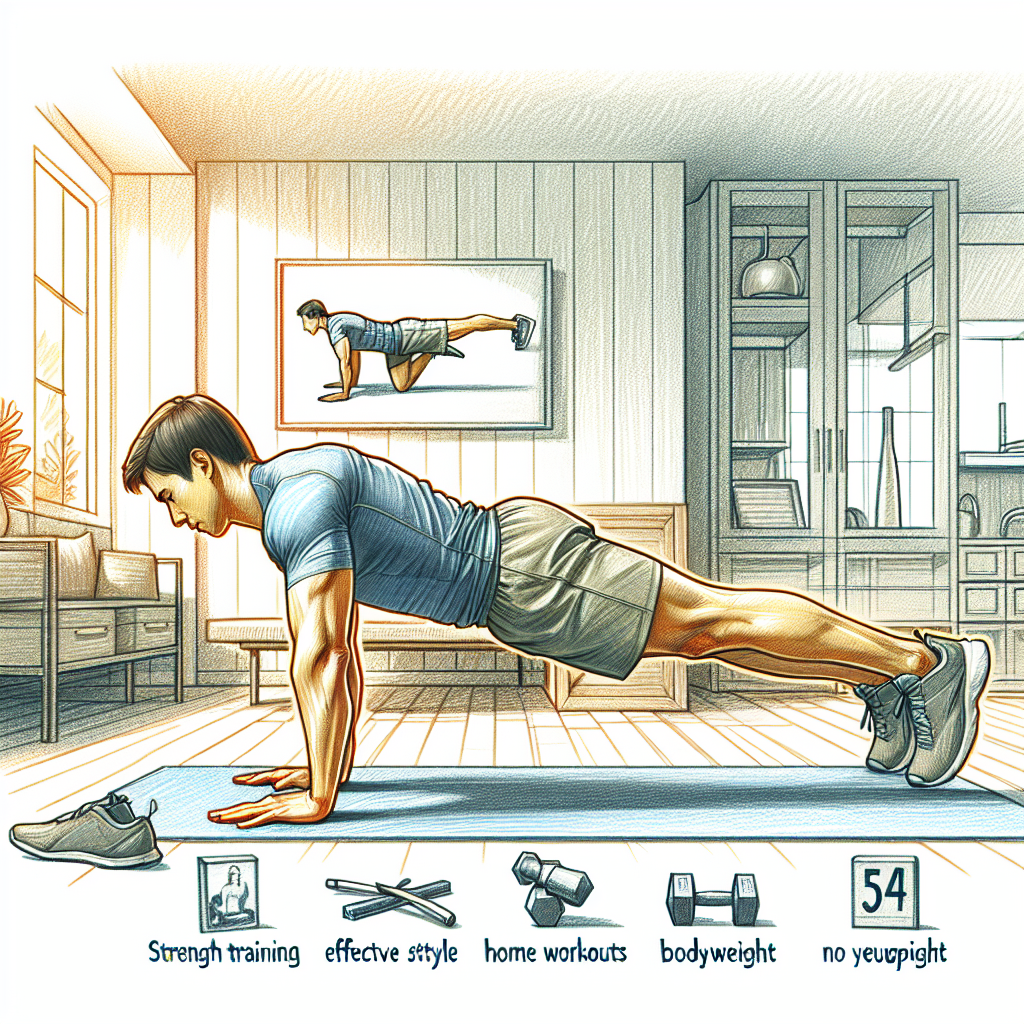
Bodyweight exercises utilize your own weight as resistance, eliminating the need for external equipment. Movements such as push-ups, squats, and planks can effectively target various muscle groups, providing a comprehensive workout. The beauty of bodyweight training lies in its versatility—these exercises can be performed anywhere and tailored to fit different fitness levels.

The Importance of Progressive Overload

To build muscle, you must consistently challenge your muscles through progressive overload. This principle involves gradually increasing resistance, duration, or intensity of exercises. In bodyweight training, you can achieve overload by:

  • Altering your body position to increase leverage
  • Incorporating slow and controlled movements
  • Increasing the number of repetitions
  • Adding variations to exercises

Effective Bodyweight Exercises

Below are several effective bodyweight exercises you can start incorporating into your routine:

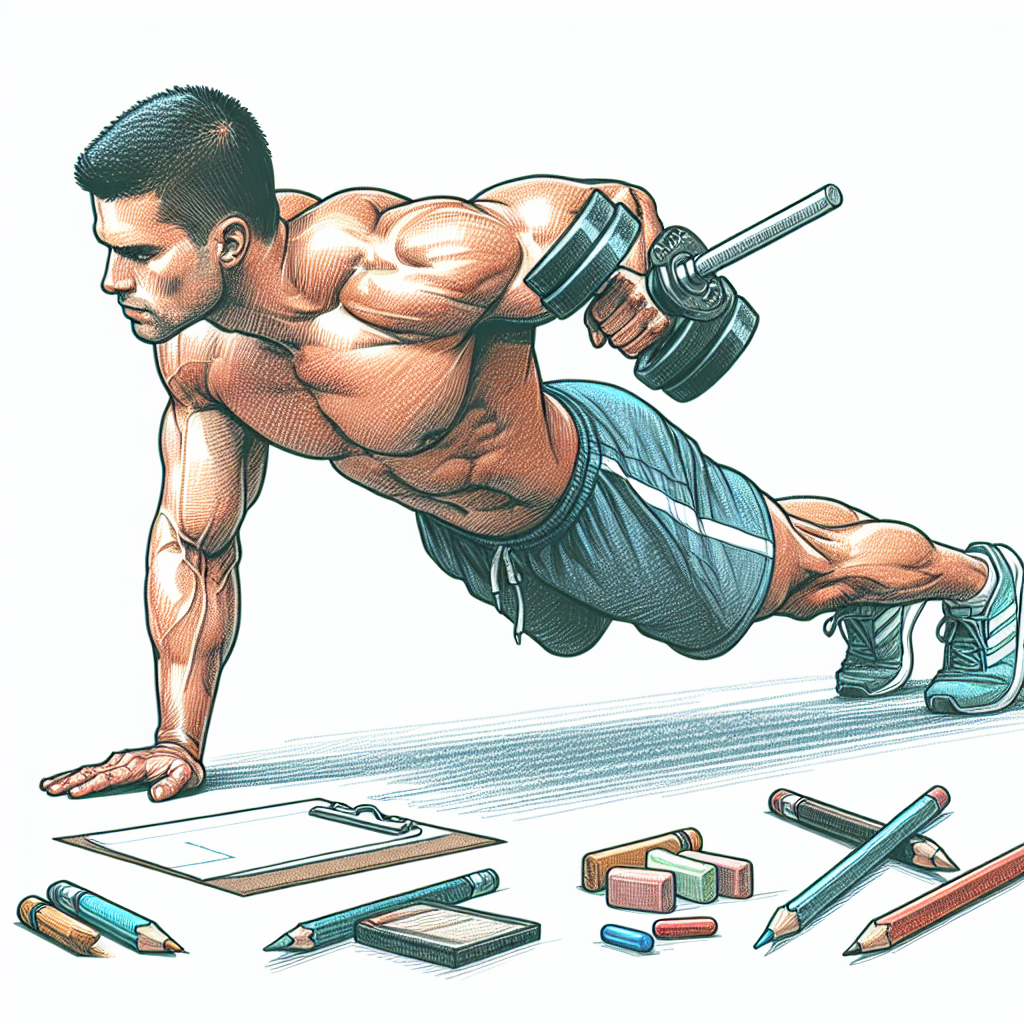
  • Push-ups: Great for the chest, shoulders, and triceps. Consider variations such as incline or decline push-ups for added intensity.
  • Squats: Target the quadriceps, hamstrings, and glutes. Add plyometric movements like jump squats for extra challenge.
  • Planks: Excellent for core stability. Experiment with side planks and plank variations to engage different muscles.
  • Lunges: Improve lower body strength. Try forward, backward, or lateral lunges for variety.
  • Burpees: This full-body exercise builds endurance and strength simultaneously.

Creating a Workout Routine

To effectively build muscle without equipment, structure your workouts with the following steps:

  1. Start with a warm-up to prepare your muscles and prevent injury. Incorporate dynamic stretches and light aerobic movements.
  2. Select 3-5 bodyweight exercises that target different muscle groups.
  3. Perform 3-4 sets of each exercise, aiming for 8-15 repetitions based on your comfort level.
  4. Allow 1-2 minutes of rest between sets to recover.
  5. Conclude with a cool down that includes static stretching to promote flexibility and recovery.

For those seeking a convenient program, consider registering for a 30-day exercise program that requires only six minutes of daily exercise aimed at achieving results analogous to regular gym workouts.

Common Myths and Misconceptions

Many misconceptions surround muscle building without equipment. Here are a few debunked:

  • Myth: You cannot build muscle without weights.
  • Fact: Bodyweight exercises can effectively build muscle through increased resistance and intensity.
  • Myth: More repetitions are always better for muscle growth.
  • Fact: Progressive overload is key; quality over quantity is crucial.
  • Myth: Only gym-goers can achieve a toned physique.
  • Fact: Consistent bodyweight training can yield impressive results.

When to Consult a Professional

While bodyweight training is generally safe, there are instances where professional consultation may be warranted:

  • If you experience persistent pain or discomfort during exercises
  • When facing challenges in establishing an effective workout routine
  • If you have pre-existing health conditions or concerns about your fitness level
  • When aiming for specific goals that require personalized guidance

Frequently Asked Questions

Can I build muscle without any gym equipment?

Yes, bodyweight exercises can effectively build muscle using your body weight as resistance.

How often should I perform bodyweight exercises?

It is generally recommended to exercise 3-5 times a week, allowing muscle recovery time between sessions.

What is the best way to progress in bodyweight training?

Incorporate variations to increase resistance, increase repetitions, and focus on proper form to enhance difficulty.

Is it necessary to warm up before exercising?

Yes, warm-ups help prepare your muscles and reduce the risk of injury, making them critical to any routine.

Are there specific diets I should follow to build muscle?

A balanced diet rich in protein, healthy fats, and carbohydrates will support muscle growth and recovery.

Can beginners practice bodyweight exercises?

Absolutely! Bodyweight exercises can be easily modified to accommodate all fitness levels, making them ideal for beginners.

Conclusion

  • Bodyweight exercises can effectively build muscle without the need for equipment.
  • Implementing the principle of progressive overload is essential for muscle growth.
  • Structure your workouts to optimize effectiveness and ensure muscle engagement.
  • While myths exist, consistent training can yield significant results akin to gym workouts.
  • Always consider professional guidance if you experience persistent issues or have specific fitness goals.

If you’re ready to start your journey toward building muscle without equipment, consider registering for a free 30-day exercise program that requires only six minutes each day and promises results similar to those achieved at the gym.

Author: John Angel

Related articles

Categories
Fitness

Top Bodyweight Exercises for Muscle Building

Best Muscle Building Exercises Without Weights

In an era where fitness fads often dominate, the fundamentals of strength training remain as essential as ever. Opting for muscle building exercises without weights can not only enhance your physical appearance but also improve your overall health and fitness levels. These bodyweight exercises can be practiced anywhere, making them a convenient choice for individuals who may not have access to a gym. Furthermore, if you are short on time, consider a revolutionary program that allows you to achieve gym-like results with just six minutes of exercise daily. You can register for a free 30-day trial of this program here.

  • The Science Behind Bodyweight Exercises
  • Key Exercises for Muscle Growth
  • Building an Effective Routine
  • Mistakes to Avoid in Bodyweight Training
  • When to Consult a Professional
  • Frequently Asked Questions

The Science Behind Bodyweight Exercises

Bodyweight exercises work on the principle of resistance training, utilizing your own body weight as the primary source of resistance. This approach enhances strength, endurance, and muscle tone while minimizing the risk of injury commonly associated with free weights. Studies have indicated that bodyweight training can activate multiple muscle groups, creating a balanced and effective workout.

Key Exercises for Muscle Growth

The following exercises are particularly effective for building muscle without the use of weights:

Push-Ups

Push-ups primarily target the chest, shoulders, and triceps. They can be modified to suit various fitness levels by altering hand placement or elevating the feet.

Pull-Ups

Pull-ups are excellent for developing upper body strength, targeting the back and biceps. A sturdy bar or ledge is essential for this exercise.

Squats

Squats engage multiple muscle groups, including the quadriceps, hamstrings, and glutes. The squat can be varied, from basic to more complex one-legged variations.

Lunges

Lunges help to improve balance and strength while focusing on the legs and glutes. Variations like side lunges or jump lunges can increase intensity.

Planks

Planks are ideal for core strengthening. They engage the abdominal muscles and back while promoting overall stability.

Building an Effective Routine

To maximize your results, create a well-rounded routine that targets different muscle groups. Here are steps to build an effective workout regimen:

  1. Frequency: Aim for at least three to four sessions a week.
  2. Duration: Keep workouts between 20 to 30 minutes.
  3. Exercise Variety: Incorporate at least five different exercises to engage various muscle groups.
  4. Rest and Recovery: Allow 48 hours between sessions targeting the same muscle groups.
  5. Progression: Gradually increase difficulty through more repetitions, varied exercises, or advanced techniques.

Mistakes to Avoid in Bodyweight Training

Despite the numerous advantages, enthusiasts often encounter common pitfalls that can hinder progress. Below are some mistakes to avoid:

  • Ignoring Form: Proper form is crucial to avoid injuries; focus on technique rather than quantity.
  • Neglecting Warm-Up: A proper warm-up is essential to prepare your muscles and joints.
  • Sticking to the Same Routine: The body adapts to repetitive exercises; regularly switch your workouts to keep challenging your muscles.
  • Underestimating Nutrition: Nutrition plays a vital role in muscle recovery and growth. Ensure a balanced diet rich in proteins and healthy fats.

When to Consult a Professional

While bodyweight exercises are generally safe, there are instances when seeking professional guidance is imperative:

  • If you experience persistent pain or discomfort during exercises.
  • When recovering from an injury that affects your mobility or strength.
  • If you are unsure of your exercise form and want to avoid injuries.
  • To develop a personalized training program that suits your specific needs.

Frequently Asked Questions

Can I build muscle without weights?

Yes, bodyweight exercises can effectively build muscle by utilizing your own weight as resistance.

How many reps should I do?

Aiming for 8–15 repetitions per set is generally effective for muscle building.

How long will it take to see results?

With consistent effort, visible results can typically be seen within 4 to 8 weeks.

Are bodyweight exercises suitable for beginners?

Absolutely! Bodyweight exercises can be modified to suit all fitness levels.

Can I lose weight with bodyweight exercises?

Yes, combining bodyweight exercises with a healthy diet can help achieve weight loss goals.

What if I want to increase intensity?

Consider incorporating advanced variations or increasing the number of sets and repetitions to challenge yourself further.

Conclusion

  • Bodyweight exercises are a viable alternative to traditional weightlifting.
  • Key exercises like push-ups, squats, and planks can effectively build muscle.
  • Caution against common mistakes ensures safer workouts.
  • Consulting a professional can enhance your training plan.
  • A steady commitment to your routine can yield significant results.

By integrating bodyweight exercises into your regimen, you can achieve impressive muscle growth and overall fitness without the need for weights. For those looking for a convenient solution that delivers gym-worthy results in just six minutes daily, consider exploring a transformative exercise program available here.

Author: John Angel

Related articles

Categories
Fitness

Effective Bodyweight Workouts for Muscle Building

Building muscle does not necessitate access to a gym or complex equipment. In fact, one can achieve impressive results through a variety of bodyweight exercises, fostering strength and definition. This article outlines effective muscle-building workouts that require no equipment, catering to individuals at varying fitness levels.

  • Introduction
  • Understanding Bodyweight Exercises
  • Effective Muscle-Building Workouts
  • The Science Behind Muscle Growth
  • Common Mistakes in Bodyweight Training
  • When to Consult a Professional
  • Frequently Asked Questions
  • Conclusion

Understanding Bodyweight Exercises

Bodyweight exercises utilize the weight of your own body as resistance, permitting you to perform a full range of movements without needing any additional gear. This form of training not only promotes muscle growth but also enhances coordination, balance, and flexibility. Key benefits include:

  • Accessibility, as they can be performed anywhere.
  • Cost-effectiveness, eliminating the need for expensive gym memberships.
  • Adaptability, allowing for progression based on individual fitness levels.

Effective Muscle-Building Workouts

To build muscle effectively with bodyweight exercises, incorporate a variety of movements targeting different muscle groups. Below is a recommended routine that can be completed in short increments, with each exercise performed for 30-60 seconds followed by a brief rest.

  1. Push-Ups: Targets the chest, shoulders, and triceps. Start in a plank position and lower your body until your chest nearly touches the ground.
  2. Squats: Engages the quadriceps, hamstrings, and glutes. Stand with feet shoulder-width apart, bend your knees, and lower your body as if sitting in a chair.
  3. Lunges: Focuses on thighs and glutes. Step forward with one leg and lower your hips until both knees are at an angle of about 90 degrees; alternate legs.
  4. Plank: Strengthens the core. Hold a push-up position, keeping your body in a straight line from head to heels.
  5. Burpees: A full-body movement that combines a squat, push-up, and jump. Start standing, drop to a squat, kick your feet back, return to squat, and jump up.
  6. Mountain Climbers: Engages the core, arms, and legs. Begin in a plank position and alternate bringing knees toward your chest rapidly.

For those seeking a structured approach, consider registering for a 30-day exercise program that promises effective results in just 6 minutes of daily activity.

The Science Behind Muscle Growth

Muscle growth transpires through a process called hypertrophy, wherein muscle fibers undergo microscopic tears during exercise. The body repairs these tears, leading to an increase in muscle size and strength. This process necessitates adequate protein intake and sufficient rest for optimal recovery. Key factors influencing muscle growth include:

  • Progressive overload: Gradually increasing intensity or resistance.
  • Nutritional support: Consuming a balanced diet rich in protein.
  • Rest and recovery: Allowing adequate time for muscles to recuperate.

Common Mistakes in Bodyweight Training

Even though bodyweight workouts are simple in principle, certain misconceptions and mistakes can hinder progress. Some of the most prevalent include:

  • Neglecting form: Poor form can lead to injuries and ineffective workouts. Prioritize proper technique over the number of repetitions.
  • Inconsistent training: Regularity is crucial for muscle building. Aim for at least three sessions per week.
  • Ignoring intensity: For optimal muscle growth, ensure that workouts are challenging enough to stimulate muscle fibers.

When to Consult a Professional

It is always advisable to consult a qualified fitness professional under certain circumstances, including:

  • Experiencing persistent pain or discomfort during exercises.
  • Struggling to achieve results despite consistent effort.
  • Unsure about proper techniques for exercises.
  • Obtain a personalized training program tailored to specific fitness goals or health conditions.

Frequently Asked Questions

Can I build muscle without weights?

Yes, bodyweight exercises can effectively build muscle without any weights.

How often should I perform bodyweight workouts?

Aiming for at least three to four sessions per week is ideal for muscle gains.

Is cardio effective for building muscle?

While cardio is beneficial for overall health, resistance training is more effective for building muscle mass.

Are bodyweight exercises suitable for beginners?

Yes, bodyweight exercises can easily be modified for beginners and progressively increased in difficulty.

How can I increase the intensity of bodyweight workouts?

To increase intensity, consider reducing rest time, adding more complex variations of exercises, or increasing the number of repetitions.

What is the best time to work out for muscle building?

The best time varies for each individual, but consistency is key. Choose a time that fits your schedule and stick to it.

Conclusion

  • Bodyweight workouts can build substantial muscle without equipment.
  • Regular practice and proper technique are essential for effectiveness.
  • Nutrition and rest play crucial roles in supporting muscle growth.
  • Avoid common mistakes to optimize your results.
  • Seek professional advice when necessary to ensure safe and effective training.

In summary, building muscle without equipment is not only feasible but also rewarding. By implementing the strategies outlined in this article, you can embark on a journey towards improved strength and fitness. Consider taking the first step by joining a 30-day exercise program tailored to yield gym-like results in just six minutes a day.

Author: John Angel

Related articles

Categories
Fitness

Top No Equipment Leg Exercises for Strength and Flexibility

Best No Equipment Leg Exercises

Leg strength is fundamental to overall fitness and daily activities. Engaging in leg exercises without equipment can be an effective way to enhance strength, endurance, and flexibility. These exercises target various muscle groups within your legs, including the quads, hamstrings, glutes, and calves, while also improving balance and stability. This article highlights the best no-equipment leg exercises and how they can be seamlessly integrated into your fitness routine.

  • Understanding Bodyweight Exercises
  • Top No Equipment Leg Exercises
  • Practical Steps for Effective Workouts
  • Consulting Professionals When Necessary
  • Common Misconceptions About Leg Workouts
  • FAQs
  • Conclusion and Summary

Understanding Bodyweight Exercises

Bodyweight exercises utilize the weight of your own body for resistance, allowing you to strengthen muscles without the need for equipment. This type of training is accessible, requiring minimal space and no financial investment in gym memberships or equipment. With consistency, bodyweight leg exercises can lead to significant strength gains and physical improvements.

Top No Equipment Leg Exercises

The following exercises engage different parts of the leg muscles, ensuring a comprehensive workout:

1. Squats

Squats are a fundamental exercise that benefits the entire lower body.

2. Lunges

Lunges improve balance and target various leg muscles.

3. Glute Bridges

This exercise effectively engages the glutes while enhancing core stability.

4. Calf Raises

Calf raises target the calves, improving lower leg strength.

5. Step-Ups

Step-ups can be performed on stairs or a sturdy platform, boosting overall leg strength.

6. Wall Sits

Wall sits enhance endurance in the quads while engaging the core muscles.

Practical Steps for Effective Workouts

To maximize your leg workout routine, follow these steps:

  1. Warm up for 5-10 minutes before starting with light cardio or dynamic stretching.
  2. Choose 4-5 exercises from the list provided, aiming for 10-15 repetitions for each.
  3. Incorporate variations, such as split squats or side lunges, to challenge your muscles differently.
  4. Rest for 30-60 seconds between sets for optimal recovery.
  5. Cool down with static stretches focusing on the legs to improve flexibility.

For those looking for a streamlined approach, consider a structured program that offers focused routines. You can explore a free registration for a 30-day exercise program that requires just 6 minutes of daily commitment yet delivers results similar to gym workouts.

Consulting Professionals When Necessary

It is essential to consult a qualified fitness professional or medical practitioner if you experience pain during exercises or have any pre-existing conditions. Signs that warrant professional advice include:

  • Sudden sharp pain during movement.
  • Persistent soreness that lasts beyond normal recovery time.
  • Swelling or inflammation in the leg area.
  • Difficulty performing daily activities due to leg discomfort.

Common Misconceptions About Leg Workouts

Understanding common myths can help you approach your fitness journey with realistic expectations:

  • Myth: Bodyweight exercises are not effective.
  • Truth: Properly executed bodyweight exercises can build significant strength and endurance.
  • Myth: Leg workouts only focus on the quadriceps.
  • Truth: A balanced leg routine targets multiple muscle groups, including glutes and hamstrings.
  • Myth: More repetitions always lead to better results.
  • Truth: Quality of movement and technique is more important than quantity.

FAQs

1. How often should I do leg exercises?

It is generally recommended to perform leg exercises 2-3 times per week, allowing rest days in between for recovery.

2. Can I build muscle without weights?

Yes, bodyweight exercises can effectively build muscle and enhance strength when performed correctly and consistently.

3. What is the best leg exercise for beginners?

Squats are an excellent starting point for beginners as they engage multiple muscle groups and improve overall strength.

4. Should I stretch before or after my workout?

Dynamic stretching should be included before workouts to warm up muscles, while static stretching is best post-workout for flexibility.

5. Are lunges better than squats?

Both exercises are valuable and serve different purposes; lunges improve balance and unilateral strength, while squats target overall leg power.

6. Can I perform these workouts at home?

Absolutely, no-equipment leg exercises are ideal for home workouts as they require minimal space and no specialized equipment.

Conclusion and Summary

  • Bodyweight exercises can significantly enhance leg strength and functional fitness.
  • Utilizing a variety of exercises targets different muscle groups for balanced development.
  • Focus on form and quality to reap the most benefits from your workouts.
  • Consulting a professional is advisable when experiencing pain or discomfort.
  • Myths surrounding bodyweight training can hinder progress, so approach your workouts with accurate information.

Engaging in regular no-equipment leg exercises can enhance your strength, flexibility, and overall fitness. Consider integrating these exercises into your routine today, or explore a structured program to optimize your efforts. Begin your journey toward improved leg strength and overall fitness.

Author: John Angel

Related articles

Categories
Fitness

Effective Bodyweight Strength Exercises for All Fitness Levels

Best Strength Exercises Without Weights

Strength training is often equated with the use of weights; however, there are numerous effective bodyweight exercises that can build muscle and improve overall fitness without any equipment. This article explores the best strength exercises you can perform without weights, emphasizing not only their effectiveness but also their accessibility for individuals at any fitness level.

  • Introduction to Bodyweight Training
  • Key Benefits of Weight-Free Exercises
  • Top Bodyweight Exercises
  • How to Create a Balanced Routine
  • Common Myths About Bodyweight Training
  • When to Consult a Professional
  • FAQs
  • Conclusion

Introduction to Bodyweight Training

Bodyweight training utilizes your own mass as resistance, allowing for an effective workout without the need for weights or gym equipment. It is versatile, can be done anywhere, and tends to be less intimidating for beginners. Additionally, this form of training enhances coordination, balance, and flexibility while building substantial strength.

Key Benefits of Weight-Free Exercises

  • Accessibility: No special equipment is required, making exercise feasible at home, in parks, or while traveling.
  • Injury Prevention: With proper form, bodyweight exercises can reduce the risk of injury, especially for beginners.
  • Functional Strength: These exercises often mimic natural movements, enhancing strength that translates into daily activities.
  • Variety: There is a wide range of exercises and variations to keep workouts fresh and engaging.
  • Time Efficiency: Short, effective workouts can yield significant results—consider joining our free 30-day exercise program, where you will only need to spend 6 minutes daily to experience the benefits of an intense gym workout. Sign up here: Free 30-Day Exercise Program.

Top Bodyweight Exercises

1. Push-Ups

Push-ups are excellent for building upper body strength, targeting the chest, shoulders, and triceps. Variations include incline and decline push-ups to challenge different muscle groups.

2. Squats

Squats build strength in the lower body, primarily working the quadriceps, hamstrings, and glutes. They can be modified into jump squats for added intensity.

3. Planks

Planks offer core stability, improving strength in the abdominals and lower back. Variants like side planks engage the obliques.

4. Lunges

Lunges promote balance and coordination while strengthening the legs. Forward, reverse, and lateral lunges provide a comprehensive lower body workout.

5. Burpees

Burpees are a full-body exercise that enhances strength and stamina. They involve a squat, push-up, and jump, making them a high-intensity option.

6. Mountain Climbers

This dynamic exercise boosts cardiovascular endurance while working the core and lower body simultaneously.

How to Create a Balanced Routine

A well-rounded bodyweight training routine should include exercises that target all major muscle groups. Here are steps to design your program:

  1. Warm-Up: Start with a 5-10 minute warm-up to prepare your muscles.
  2. Select Exercises: Choose at least 2-3 exercises for each major muscle group (upper body, lower body, core).
  3. Ensure Variety: Incorporate different styles (e.g., strength, endurance, flexibility) to prevent boredom.
  4. Schedule Frequency: Aim for 3-5 sessions weekly.
  5. Cool Down: Conclude with stretching to enhance recovery and flexibility.

When to Consult a Professional

While bodyweight exercises are generally safe, certain circumstances warrant professional advice. Consulting a fitness expert or healthcare provider is recommended if:

  • You experience persistent pain during exercise.
  • You have a pre-existing medical condition.
  • You are unsure of proper technique or modifications.
  • You are returning from an injury.
  • You seek personalized guidance for specific goals.

Common Myths About Bodyweight Training

Bodyweight training is often misunderstood. Here are a few common misconceptions:

  • Myth 1: Bodyweight exercises are not effective for strength gain.
  • This is false; when performed correctly and with progression, they can provide significant strength development.
  • Myth 2: Bodyweight training is only for beginners.
  • In reality, there are advanced variations that can challenge even the most experienced athletes.
  • Myth 3: You cannot build muscle without weights.
  • Muscle hypertrophy can be achieved through sufficient resistance, which bodyweight exercises can provide.
  • Myth 4: Bodyweight exercises are boring.
  • On the contrary, the variety and customization available can keep workouts enjoyable and engaging.

FAQs

Can I build muscle with bodyweight exercises alone?

Yes, bodyweight exercises can effectively build muscle, especially when you increase intensity and incorporate variations.

How often should I perform bodyweight exercises?

For optimal benefits, aim for 3-5 days a week, allowing for rest and recovery.

Do I need a warm-up before bodyweight exercises?

Yes, a warm-up is essential to prepare your muscles and reduce the risk of injury.

Which bodyweight exercise targets my core best?

Planks are highly effective for core strength and stability, but exercises like mountain climbers also engage the core significantly.

Can I lose weight with bodyweight exercises?

Absolutely. When combined with a balanced diet, bodyweight training can help you achieve weight loss and improve overall fitness.

Are there any risks associated with bodyweight training?

Like any form of exercise, there is a risk of injury if performed incorrectly. Focus on proper form and technique at all times.

Conclusion

  • Bodyweight exercises are an effective way to build strength without weights.
  • They provide numerous benefits, including improved flexibility, functional strength, and convenience.
  • By creating a balanced routine, individuals can engage all major muscle groups effectively.
  • Consult a professional if you experience pain or have specific health concerns.
  • Dispelling common myths enhances the understanding and appeal of bodyweight training.

For those eager to embark on their fitness journey, explore our free 30-day exercise program, designed to maximize results in just six minutes a day. Join us and experience the transformation you deserve: Free 30-Day Exercise Program.

Author: John Angel

Related articles

Categories
Fitness

Top Bodyweight Exercises for Effective Strength Training

Best Strength Training Exercises Without Equipment

Strength training is a fundamental component of physical fitness that can be effectively accomplished without any specialized equipment. Engaging in bodyweight exercises not only builds muscle and enhances endurance but also boosts overall health and well-being. This article explores some of the best strength training exercises that require no equipment, providing you with a practical guide to incorporate into your daily routine.

  • Introduction
  • Key Benefits of Bodyweight Exercises
  • Effective Bodyweight Exercises
  • Creating a Structured Workout Plan
  • When to Seek Professional Advice
  • Common Misconceptions about Bodyweight Training
  • FAQ
  • Conclusion

Key Benefits of Bodyweight Exercises

Bodyweight exercises offer numerous benefits that make them an excellent choice for individuals seeking to improve their fitness levels:

  • Accessibility: No require of special equipment or gym membership.
  • Cost-effective: Free to practice anytime and anywhere.
  • Versatility: Various exercises can target different muscle groups.
  • Functional Strength: Promotes strength applicable to daily activities.
  • Improved Flexibility: Many bodyweight exercises enhance mobility.

Effective Bodyweight Exercises

Here are several highly effective bodyweight exercises that you can incorporate into your routine:

1. Push-Ups

Push-ups are iconic for building upper body strength. They primarily target the chest, shoulders, and triceps.

  • Start in a plank position with your hands slightly wider than shoulder-width apart.
  • Lower your body until your chest is just above the ground.
  • Push back up to the starting position.

2. Squats

Squats are vital for strengthening the lower body, particularly the quadriceps, hamstrings, and glutes.

  • Stand with your feet shoulder-width apart.
  • Lower your body as if sitting back into a chair.
  • Keep your back straight and return to the starting position.

3. Lunges

Lunges are excellent for building balance and coordination while targeting multiple leg muscles.

  • Stand upright and step forward with one leg.
  • Lower your body until both knees are bent at about 90 degrees.
  • Push back to the starting position and alternate legs.

4. Planks

Planks are a core-strengthening exercise that engages the entire body.

  • Lie face down and lift your body onto your forearms and toes.
  • Keep your body straight and hold the position for as long as possible.

5. Burpees

Burpees combine strength training and cardiovascular benefits, making them a highly effective full-body exercise.

  • Start in a standing position, drop into a squat, and place your hands on the ground.
  • Kick your feet back into a plank position, do a push-up, and jump back into the squat.
  • Finally, explode up into a jump.

Creating a Structured Workout Plan

To achieve maximum results from bodyweight exercises, it is advisable to create a structured workout plan. Here are some steps to guide you:

  1. Identify the days of the week you will commit to exercising.
  2. Select 4-5 exercises from the list provided above.
  3. Allocate a specific number of repetitions or time for each exercise.
  4. Incorporate rest days to allow for muscle recovery.
  5. Track your progress and adjust the intensity as you improve.

For those looking for a comprehensive program that requires only 6 minutes per day, consider exploring this free registration for a 30-day exercise program, promising results akin to traditional gym workouts.

When to Seek Professional Advice

While bodyweight exercises can be undertaken by most individuals, specific situations warrant the consultation of a qualified professional. If you experience any of the following, seek guidance:

  • Sustained pain or discomfort during exercise.
  • Difficulty performing basic movements due to injury or health conditions.
  • Specific fitness goals that require tailored programs.
  • Uncertainty regarding proper form or technique.

Common Misconceptions about Bodyweight Training

Despite its advantages, several myths persist surrounding bodyweight exercises:

  • Myth: Bodyweight exercises are not effective for building muscle.
  • Fact: They can introduce progressive overload through variations and increased repetitions.
  • Myth: Only gym workouts are beneficial.
  • Fact: Bodyweight exercises can be just as effective with the right approach.
  • Myth: Bodyweight exercises are only for beginners.
  • Fact: They can be modified for all skill levels.

Frequently Asked Questions

1. Can I build muscle using bodyweight exercises?

Yes, with proper progression and variations, bodyweight exercises can effectively build muscle.

2. How often should I perform bodyweight exercises?

Aim for at least 3 times a week, allowing rest days for recovery.

3. What should I do if I experience pain during an exercise?

Stop immediately and consult a qualified professional if pain persists.

4. Are bodyweight exercises suitable for beginners?

Absolutely; they can be adjusted to suit any fitness level.

5. Do I need to warm up before bodyweight training?

Yes, warming up helps prevent injuries and prepares your body for exercise.

6. What if I want to increase the intensity of my workout?

You can increase repetitions, decrease rest times, or introduce advanced variations of exercises.

Conclusion

  • Bodyweight exercises are accessible and effective for strength training.
  • They provide a wide range of benefits, from muscle building to improved flexibility.
  • A structured plan enhances the effectiveness of your workouts.
  • Consult a professional if pain occurs or if you have specific concerns.
  • Dispelling common myths helps recognize the value of bodyweight training.

Start your journey toward fitness today by engaging in bodyweight exercises or exploring the 30-day exercise program. Your body will thank you.

Author: John Angel

Related articles

Categories
Fitness

Effective Muscle Building Without Weights: A Complete Guide

Best Way to Build Muscle Without Weights

Building muscle traditionally involves lifting weights, but for various reasons—including accessibility, safety, or personal preference—some individuals seek effective alternatives. Fortunately, it is entirely possible to enhance muscle growth using bodyweight exercises, resistance bands, and innovative training techniques. This article will guide you through these options, providing practical strategies to help you achieve your fitness goals without ever stepping foot in a gym.

  • Understanding Bodyweight Exercises
  • Utilizing Resistance Bands
  • Implementing Isometric Exercises
  • Incorporating High-Intensity Interval Training (HIIT)
  • Establishing a Routine
  • When to Consult a Professional
  • Common Myths and Mistakes
  • FAQ

Understanding Bodyweight Exercises

Bodyweight exercises harness the individual’s mass for resistance, promoting muscle hypertrophy (growth). Exercises such as push-ups, squats, and lunges can effectively target major muscle groups.

Key Bodyweight Exercises

  • Push-Ups: Targets chest, shoulders, and triceps.
  • Squats: Engages quadriceps, hamstrings, and glutes.
  • Pull-Ups: Strengthens back, shoulders, and arms.
  • Planks: Develops core stability and strength.

Utilizing Resistance Bands

Resistance bands offer a portable, versatile option for strength training. They provide varying resistance levels, enabling users to progressively overload muscles effectively.

Benefits of Resistance Bands

  • Portability: Easily transportable for workouts anywhere.
  • Versatility: Suitable for different muscle groups and exercise types.
  • Progressive Resistance: Gradually increase resistance to enhance muscle gains.

Implementing Isometric Exercises

Isometric exercises involve muscle contraction without movement, effectively promoting strength without the need for weights. Examples include wall sits and static lunges.

Examples of Isometric Exercises

  • Wall Sits: Strengthens quadriceps and glutes.
  • Plank Variations: Develops core strength and endurance.
  • Static Lunges: Engages multiple lower body muscles.

Incorporating High-Intensity Interval Training (HIIT)

HIIT consists of short bursts of intense exercise followed by rest or low-intensity activity. This approach not only builds muscle but also improves cardiovascular health.

HIIT Workout Structure

  • Choose Exercises: Select 4-6 exercises that target major muscle groups.
  • Time Intervals: Work at high intensity for 20-30 seconds, followed by 10-30 seconds of rest.
  • Repeat: Aim for 15-20 minutes total.

Establishing a Routine

Consistency is crucial for muscle growth. Aim to engage in strength training at least three times per week, incorporating the exercises outlined above.

Sample Weekly Schedule

  • Monday: Bodyweight exercises (push-ups, squats)
  • Wednesday: Resistance band training
  • Friday: HIIT session
  • Saturday: Isometric exercises

Additionally, you might consider joining a structured program like the 30-day exercise program that only requires 6 minutes of your time each day yet promises results comparable to traditional gym workouts.

When to Consult a Professional

While bodyweight training is generally safe, there are circumstances where seeking professional advice is advisable. Consider consulting a fitness expert if:

  • You experience persistent pain or discomfort during exercises.
  • You have pre-existing medical conditions or injuries affecting your ability to exercise.
  • You find it challenging to design an effective workout plan tailored to your needs.

Common Myths and Mistakes

Understanding common misconceptions is vital to enhancing your fitness journey. Here are a few prevalent myths regarding muscle building without weights:

Myth 1: Bodyweight Exercises Are Ineffective

Contrary to this belief, bodyweight exercises can indeed provide significant strength gains when performed correctly and progressively.

Myth 2: More Reps Equal More Results

While repetition is crucial, focusing on proper form and intensity offers more substantial benefits than sheer volume.

Myth 3: You Cannot Build Muscle Without Heavy Weights

Numerous athletes and fitness enthusiasts have successfully built muscle using only bodyweight and resistance bands.

FAQ

Can I build muscle with bodyweight exercises alone?

Yes, bodyweight exercises can promote muscle growth effectively if performed correctly and consistently.

How often should I do these exercises to see results?

Engaging in strength training at least three times a week is recommended for optimal results.

Do I need to follow a specific diet to build muscle?

A balanced diet rich in protein, carbohydrates, and healthy fats supports muscle growth alongside your workout routine.

Can beginners perform bodyweight exercises?

Absolutely. Bodyweight exercises can be adapted for all fitness levels, including beginners.

How can I measure my progress without weights?

Monitor your performance by tracking rep counts, increasing duration of holds, or moving to more challenging variations of exercises.

Is it necessary to hire a personal trainer?

While not necessary, a personal trainer can provide individualized guidance, especially for those new to exercise or with specific needs.

Conclusion

  • Bodyweight exercises, resistance bands, and isometric workouts are effective methods for building muscle without traditional weights.
  • Consistency and proper technique are key factors in achieving desired results.
  • Incorporating a structured program can enhance your efficiency and outcomes.
  • Consult a professional if you experience pain or struggle to determine the right approach.
  • Stay informed about common misconceptions to optimize your workout strategy.

Ready to start your journey toward muscle growth without weights? Explore the benefits of a consistent routine and consider joining a 30-day exercise program designed to yield results in just 6 minutes a day!

Author: John Angel

Related articles

Categories
Home Workouts

Effective No-Equipment Workouts for Home Fitness

In a world where gym memberships can be costly and time-consuming, finding effective workouts at home without any equipment becomes essential. Whether you are looking to lose weight, build muscle, or maintain overall fitness, home workouts can be tremendously beneficial. Not only can you exercise at your convenience, but you can also be effective in just a few short minutes each day. The key is to choose the right exercises and maintain consistency. This article explores the best no-equipment workouts you can do at home, along with a curated plan for getting started.

  • Introduction to Home Workouts
  • Key Benefits of No-Equipment Workouts
  • Essential No-Equipment Exercises
  • Structuring Your Workout Routine
  • When to Consult a Professional
  • Common Myths and Mistakes
  • Frequently Asked Questions (FAQ)
  • Conclusion

Key Benefits of No-Equipment Workouts

No-equipment workouts offer a plethora of advantages that can cater to different fitness levels and lifestyles. Here are some key benefits:

  • Cost-Effective: You can achieve a full-body workout without paying for a gym or purchasing equipment.
  • Accessibility: You can perform these exercises anywhere, whether at home, in your yard, or even in a park.
  • Flexibility: You can schedule your workouts around your commitments, making it easier to stay consistent.
  • Time-Saving: Short workouts can deliver noticeable results, especially when time is limited.
  • Engagement: Variety in exercises can keep workouts interesting and challenging.

Essential No-Equipment Exercises

A well-rounded workout routine should target various muscle groups. Below are some effective no-equipment exercises that can be performed at home:

  • Push-ups: Excellent for upper body strength, targeting the chest, shoulders, and triceps.
  • Squats: A fundamental exercise for lower body strength, engaging the quads, hamstrings, and glutes.
  • Planks: Effective for core strength and stability, helping improve posture and balance.
  • Lunges: Beneficial for leg strength, stability, and balance, and can be modified to target different areas.
  • Burpees: A full-body workout that combines strength and cardiovascular training.
  • Mountain Climbers: Strengthens the core while providing an excellent cardiovascular workout.

Structuring Your Workout Routine

To achieve maximum results with minimal equipment, consider the following structure for your workout regimen:

  1. Warm-Up: Always start with at least 5 minutes of light aerobic activity to prepare your body. This could be jogging in place or dynamic stretches.
  2. Choose Exercises: Select 4-6 exercises from the list above. Aim for a mix of lower body, upper body, and core workouts.
  3. Set a Time Limit: Even a 6-minute commitment can yield results. Consider performing each exercise for 30 seconds followed by 15 seconds of rest.
  4. Cool Down: Finish with stretching for 5-10 minutes to aid recovery and flexibility.
  5. Consistency: For optimal results, aim to work out at least 5 times per week.

For those seeking an innovative approach, consider registering for a 30-day exercise program where you only exercise for 6 minutes daily, achieving results akin to gym workouts.

When to Consult a Professional

While exercising at home can be safe and effective, certain circumstances warrant professional advice:

  • If you experience persistent pain or discomfort, particularly during specific movements.
  • When unsure about the proper form for specific exercises, which could lead to injury.
  • If you have pre-existing health conditions or concerns regarding your ability to engage in physical activity.
  • When your fitness progress plateaus, and you are uncertain how to improve or adapt your routine.

Common Myths and Mistakes

While home workouts are increasingly popular, several misconceptions can hinder progress:

  • Myth: No-equipment workouts are less effective than those using weights.
  • Reality: Bodyweight exercises can provide significant strength and endurance benefits, depending on intensity and consistency.

  • Mistake: Ignoring warm-up and cool-down routines.
  • Reality: Warming up prepares your muscles and reduces injury risk, while cooling down promotes recovery.

  • Myth: You need to work out for hours to see results.
  • Reality: Short, high-intensity workouts can be more effective than longer, low-intensity sessions.

  • Mistake: Focusing on only one muscle group.
  • Reality: A balanced approach engaging all body parts fosters overall fitness and prevents imbalances.

Frequently Asked Questions (FAQ)

Can I build muscle with no-equipment workouts?

Yes, bodyweight exercises can effectively promote muscle growth when performed consistently and progressively challenged.

How often should I perform no-equipment workouts?

Aim for at least 5 workouts per week to see significant improvement in strength and endurance.

What are some good warm-up exercises?

Dynamic stretches, jogging in place, or jumping jacks are excellent warm-up options.

How do I stay motivated to work out at home?

Set realistic goals, track your progress, and vary your workouts to keep things fresh and engaging.

Can I lose weight with home workouts?

Yes, a well-structured workout routine combined with a balanced diet can lead to effective weight loss.

Are there any safety concerns for beginners?

Beginners should focus on proper form, avoid overexertion, and consult a professional if any issues arise.

Conclusion

  • No-equipment workouts are cost-effective and accessible, ideal for all fitness levels.
  • Incorporating a variety of exercises ensures a balanced workout routine.
  • A consistent schedule significantly enhances results.
  • It is essential to warm up and cool down to prevent injuries.
  • Consult a professional if you experience any pain or have specific health concerns.

For more personalized guidance, consider registering for a 30-day exercise program featuring a unique 6-minute daily routine that promises exceptional results.

Author: John Angel

Related articles

Categories
Fitness

Effective Bodybuilding at Home Without Equipment

Bodybuilding at Home Without Equipment: Unlocking Your Potential

Bodybuilding does not require a gym membership or an array of heavy equipment; it can be effectively achieved within the confines of your home using only your body weight. This approach not only makes fitness accessible to everyone but also enables you to integrate exercise seamlessly into your daily routine. By understanding the principles of resistance training and forming a structured regimen, you can make significant gains in strength and muscle definition without specialized tools. Additionally, if time is a constraint, consider a 30-day exercise program that requires just six minutes of daily commitment, providing results comparable to traditional workouts: Register here for free!.

  • Understanding the Basics of Bodyweight Training
  • Types of Exercises for Different Muscle Groups
  • Creating an Effective Workout Routine
  • Myths and Mistakes in Home Bodybuilding
  • When to Consult a Professional
  • Frequently Asked Questions

Understanding the Basics of Bodyweight Training

Bodyweight training relies on the use of your own mass to develop strength and endurance. This form of exercise is highly versatile and can be adapted to various skill levels. Unlike weight training, bodyweight exercises emphasize functional movement patterns and can improve coordination and balance, critical components of overall fitness.

The Benefits of Bodyweight Exercises

  • Accessibility: No equipment is needed.
  • Flexibility: Can be done anywhere, anytime.
  • Variety: Offers a wide range of exercises for all muscle groups.
  • Scalability: Easily adjustable to match skill levels.

Types of Exercises for Different Muscle Groups

A well-rounded bodyweight workout should target all major muscle groups: the chest, back, arms, legs, and core. Here’s a breakdown of effective exercises for each area:

  • Chest: Push-ups, Incline push-ups, Decline push-ups
  • Back: Pull-ups (if you have a bar), Inverted rows on a sturdy table
  • Arms: Tricep dips using a chair, Diamond push-ups
  • Legs: Squats, Lunges, Step-ups
  • Core: Planks, Bicycle crunches, Mountain climbers

Creating an Effective Workout Routine

To achieve optimal results, it is essential to follow a structured workout program. Here is a simple framework to help you get started:

  1. Choose 6–8 exercises that target all major muscle groups.
  2. Plan to exercise 3-5 times a week, ensuring adequate rest between sessions.
  3. Start with 2–3 sets of 8–12 repetitions for each exercise.
  4. Gradually increase intensity by adding more repetitions, reducing rest time, or trying more complex variations of each exercise.
  5. Incorporate warm-ups and cool-downs to prevent injury.

Myths and Mistakes in Home Bodybuilding

While bodybuilding at home can be highly effective, certain misconceptions can hinder progress. Addressing these misunderstandings is crucial for creating a successful routine:

  • Myth: Bodyweight exercises are not as effective as weightlifting.
  • Mistake: Neglecting proper form can lead to injuries.
  • Myth: You can’t build muscle without heavy weights.
  • Mistake: Rushing through workouts without a plan.

When to Consult a Professional

While home bodybuilding can often be pursued independently, certain situations warrant professional consultation:

  • If you experience consistent pain or discomfort during exercises
  • If you have underlying health conditions that may be aggravated by physical activity
  • If you feel overwhelmed and require a structured, personalized training plan

Frequently Asked Questions

Can I build muscle without weights?

Yes, bodyweight exercises can effectively build muscle by providing sufficient resistance and increasing workout intensity through variations.

How often should I work out?

Beginners are generally advised to engage in bodyweight exercises 2–3 times a week, gradually increasing frequency as endurance improves.

How can I increase the intensity of my workouts?

To increase intensity, reduce rest time, increase repetitions, or choose more challenging exercise variations.

What are the best types of exercises for beginners?

Push-ups, squats, lunges, and planks are excellent foundational exercises suitable for beginners.

Is it necessary to warm up before exercising?

Yes, warming up is crucial to prepare your muscles and reduce the risk of injury.

Can I lose weight by doing bodyweight exercises alone?

Bodyweight exercises, when combined with a balanced diet, can contribute significantly to weight loss and overall fitness.

Conclusion

  • Bodybuilding at home is achievable without equipment.
  • A structured approach with bodyweight exercises can lead to significant muscle gains.
  • Various exercises target all major muscle groups effectively.
  • Understanding myths and common mistakes can enhance your bodybuilding practices.
  • Consulting a professional may be necessary under certain conditions for optimal results.

Start your journey towards a stronger body today! For a convenient approach, consider signing up for a 30-day exercise program that requires only six minutes of daily commitment. Visit this link to register for free.

Author: John Angel

Related articles

Categories
Fitness

Bodybuilding Without Equipment: A Comprehensive Guide

Bodybuilding is often perceived as an endeavor that necessitates a gym packed with heavy equipment and sophisticated machines. However, this belief is increasingly challenged by the effectiveness of bodyweight exercises. This article aims to illuminate the pathway to bodybuilding without equipment, offering practical guidance on how to build strength, improve muscle tone, and enhance overall fitness using just your body. Notably, individuals can achieve substantial results with a dedicated approach that requires only a minimal time investment.

  • Understanding Bodyweight Training
  • Key Benefits of Training Without Equipment
  • Effective Bodyweight Exercises
  • Structuring Your Workout Routine
  • When to Consult a Professional
  • Common Misconceptions
  • Frequently Asked Questions
  • Conclusion

Understanding Bodyweight Training

Bodyweight training refers to exercises where an individual uses their own body mass to provide resistance against gravity. This method not only fosters strength but also improves coordination, flexibility, and balance. As movements can be adapted to various fitness levels, bodyweight training is universally accessible and effective.

Key Benefits of Training Without Equipment

Engaging in bodyweight workouts provides several advantages, including:

  • Convenience: No need to travel to a gym or purchase equipment; exercises can be performed anywhere.
  • Cost-Effective: Eliminates the need for expensive memberships or equipment purchases.
  • Adaptability: Exercises can be modified easily to meet different fitness levels and goals.
  • Enhanced Functional Strength: Improves muscle engagement and promotes overall body strength and flexibility.

Effective Bodyweight Exercises

Incorporating a variety of exercises is essential to target different muscle groups comprehensively. Here are some effective bodyweight exercises:

  • Push-Ups: Targets the chest, shoulders, and triceps. Variations include inclined, declined, and one-handed push-ups.
  • Pull-Ups: Engages the back, biceps, and forearms. If no bar is available, alternatives like towel rows can be performed.
  • Squats: Focuses on the quads, hamstrings, and glutes. Variations include jump squats and pistol squats for increased intensity.
  • Planks: Strengthens the core and improves stability. Side planks can target obliques effectively.
  • Lunges: Targets the legs and improves balance. Variations encompass forward, backward, and lateral lunges.

Structuring Your Workout Routine

To maximize results from bodyweight training, a structured routine is essential. Here’s a sample approach:

  1. Warm-Up (3-5 minutes): Include light cardio and dynamic stretches.
  2. Workout (6 minutes): Perform a circuit of 2-3 exercises, completing as many sets as possible within the time frame.
  3. Cool Down (3-5 minutes): Incorporate static stretches to promote recovery.

For a tailored plan that focuses on just 6 minutes of exercise daily yet provides gym-like results, consider registering for this free 30-day exercise program: 30-Day Exercise Program.

When to Consult a Professional

While bodyweight training is generally safe, there are circumstances where seeking professional advice is warranted. Consult with a healthcare provider or fitness professional if:

  • You have underlying health conditions or injuries that may affect your ability to exercise.
  • You experience persistent pain during or after workouts.
  • You are uncertain about how to perform specific exercises correctly.
  • You seek a customized program tailored to specific fitness goals.

Common Misconceptions

Despite the growing popularity of bodyweight training, several misconceptions persist:

  • Bodyweight Training is Only for Beginners: It can be adapted for all fitness levels, including advanced athletes.
  • You Can’t Build Muscle Without Weights: Progressive overload can still be achieved by adjusting the difficulty of bodyweight exercises.
  • Bodyweight Workouts are Less Effective: Many athletes find bodyweight exercises highly efficient and effective for building strength and endurance.
  • It’s Not a Complete Workout: Bodyweight training can target all major muscle groups and combines cardiovascular benefits when structured effectively.

Frequently Asked Questions

Can I build muscle by only doing bodyweight exercises?

Yes, bodyweight exercises can effectively build muscle by employing progressive overload through variations and intensity adjustments.

How often should I do bodyweight exercises?

A routine of 3-5 times a week is recommended to allow for muscle recovery while building strength.

Is bodyweight training suitable for all age groups?

Yes, bodyweight training can be adapted for various age groups and fitness levels, making it a versatile option.

Do I need to warm up before bodyweight exercises?

Yes, a proper warm-up is crucial to protect against injury and prepare your body for the workout.

How long should a bodyweight workout session be?

A focused session can be as short as 15-30 minutes, including warm-up and cool down, depending on your fitness goals.

Can bodyweight exercises improve my flexibility?

Yes, many bodyweight exercises enhance flexibility and range of motion as they require movement through various planes.

Conclusion

  • Bodyweight training is highly effective for building strength, improving fitness, and can be performed anywhere.
  • It offers numerous benefits, including accessibility, cost-effectiveness, and versatility.
  • A well-structured routine can yield results in minimal time, enhancing adherence and motivation.
  • Misconceptions about bodyweight training can hinder individuals from exploring this beneficial fitness method.
  • Consult a professional when experiencing health concerns, pain, or when in need of a tailored program.

Explore the vast potential of bodyweight training today and engage in your fitness journey with confidence!

Author: John Angel

Related articles

Website analytics information

We use Google Analytics 4 for visitor statistics. Analytics cookies require your consent, which you can change using the button above. The data controller is ZDRAVÍ S ÚSMĚVEM s.r.o., company ID 29283329, contact podpora@revolucnicviceni.cz. Google processes browser, device and page visit information. We do not send form field values to Analytics. How Google uses information · Google Privacy Policy.